
Neck pain and poor posture can make even simple tasks feel difficult. I’ve spent years helping people fix these problems, and I know how frustrating they can be. This article will show you levator scapulae strengthening exercises that actually work.
You’ll learn which exercises to do, how to do them correctly, and when to use them. I’ll cover the muscle’s anatomy, signs you need strengthening work, and how to tell if you need stretching instead.
As a physical therapy specialist, I’ve seen these exercises help hundreds of patients recover and maintain better posture.
Let’s fix that neck pain together.
Understanding the Levator Scapulae Muscle
The levator scapulae is a neck and shoulder muscle that plays a big role in how you hold your head and shoulders. Most people don’t know about it until it starts causing problems.
This muscle starts at the top four neck bones and attaches to the top inside corner of your shoulder blade. It lifts your shoulder blade up, helps you turn your neck to the side, and allows you to bend your neck sideways.
A weak levator scapulae changes your posture. When this muscle is weak, your head pushes forward, and your shoulder blades shift out of position. For every inch your head moves forward, it adds 10 pounds of pressure on your neck muscles.
Effective Levator Scapulae Strengthening Exercises
These exercises will build strength where you need it most. Start with the basic moves and progress gradually.
1. Scapular Elevation (Bodyweight Shrugs)
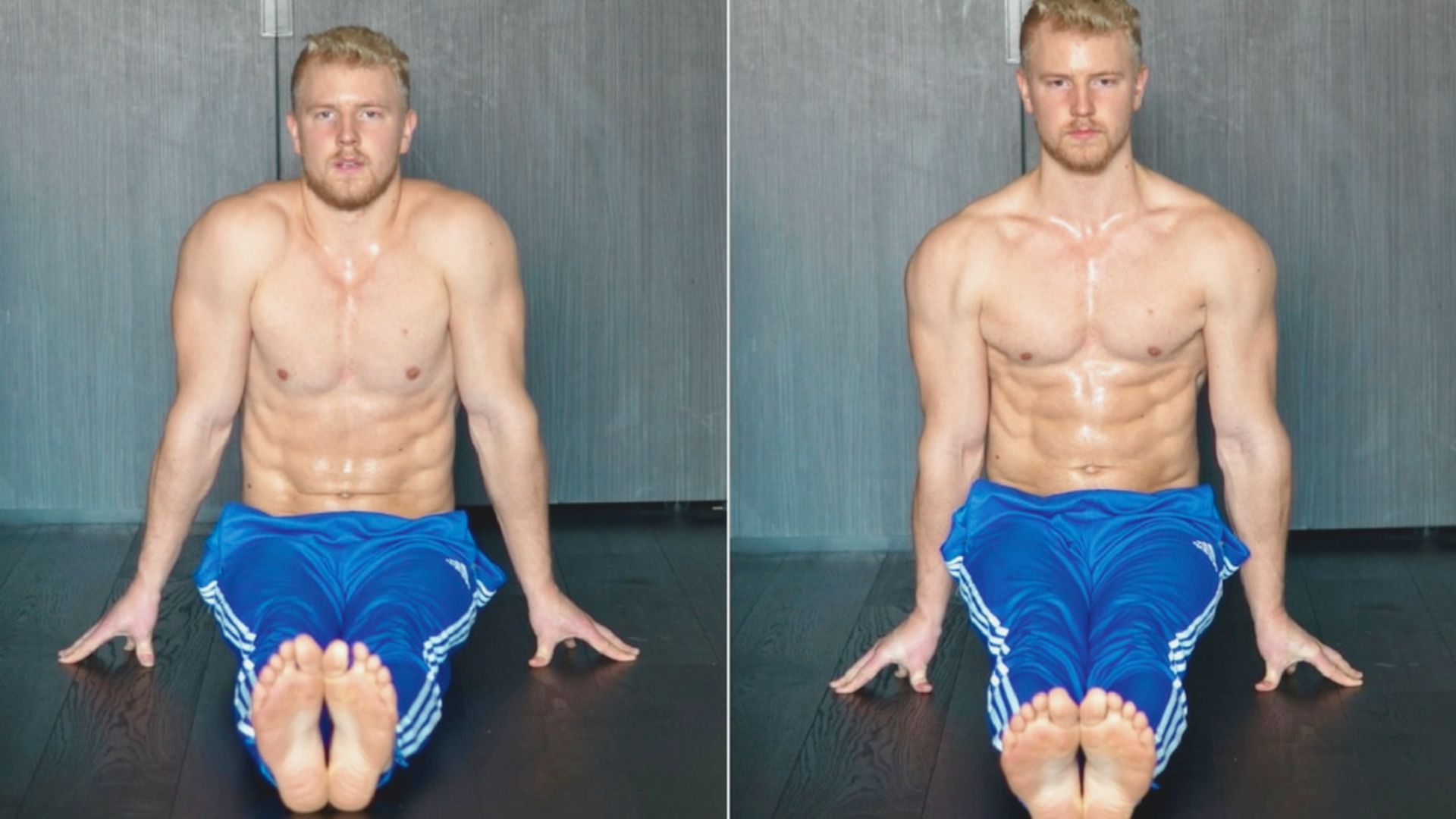
This is the foundation exercise. It teaches you proper form before adding weight.
Stand tall with your arms at your sides. Keep your neck long and chin slightly tucked. Lift your shoulders straight up toward your ears. Hold for 2 seconds at the top. Lower slowly for 3-4 seconds.
Focus on controlled elevation and slow lowering. The downward phase builds the most strength. Don’t rush it.
Do 3 sets of 12-15 reps.
2. Resistance Band Shrugs
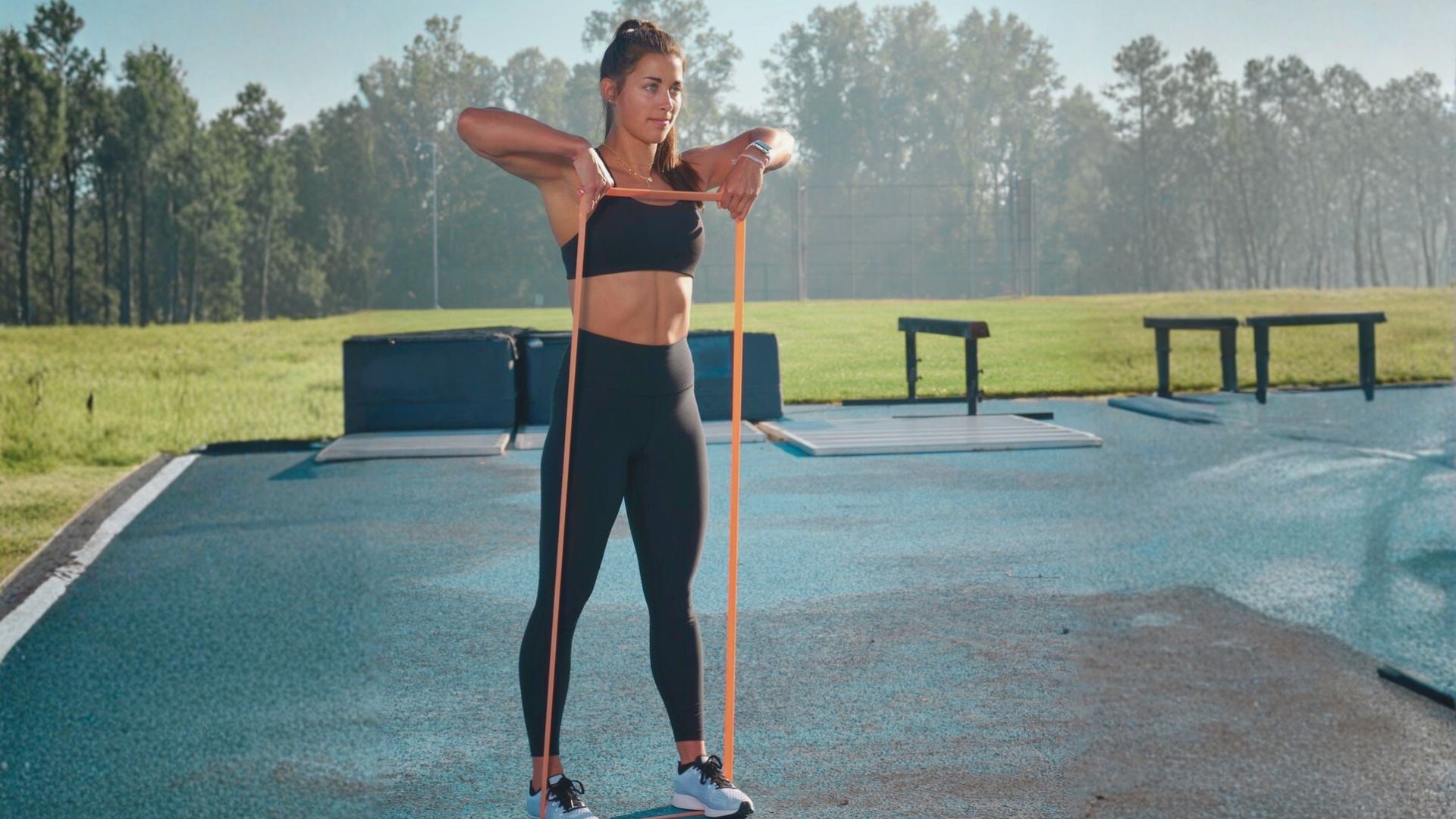
Bands add resistance without a heavy weight. This makes them perfect for building strength safely.
Stand in the middle of a resistance band. Hold the ends in each hand. Keep your arms straight at your sides. Perform the same shrugging motion as the bodyweight version.
Progressive loading for muscle strength happens by using thicker bands. Start with light resistance. Add tension as you get stronger.
Do 3 sets of 10-12 reps.
3. Plate Shrugs
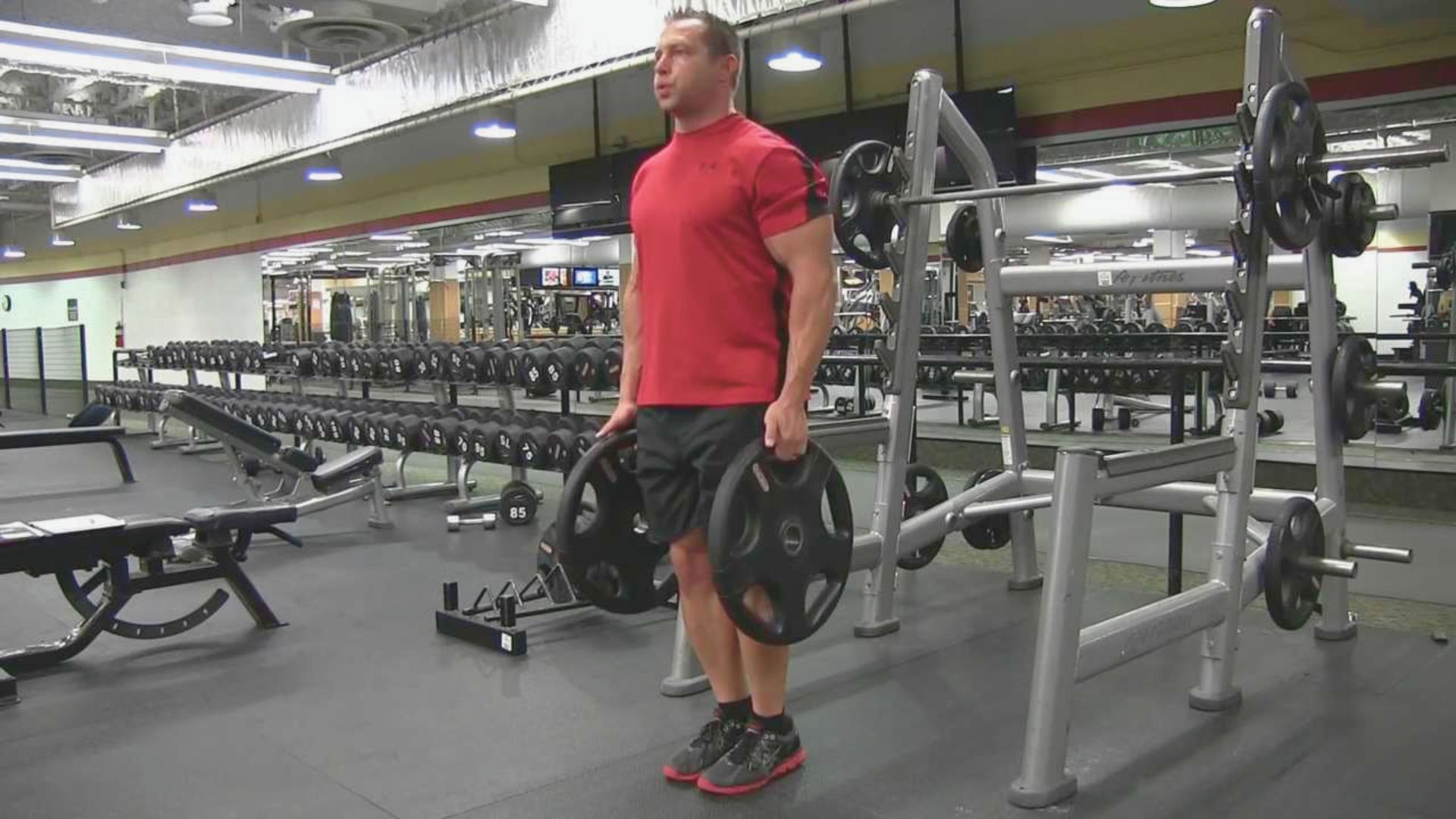
This exercise uses a weight plate for added resistance. It’s suitable for later-stage strengthening after you master the previous exercises.
Hold a weight plate with both hands in front of your thighs. Your arms should be straight. Shrug your shoulders up while keeping the plate steady. Lower with control.
Building load tolerance takes time. Start with a 10-pound plate. Add weight slowly over weeks, not days.
Do 3 sets of 8-10 reps.
4. Gittleson Shrug
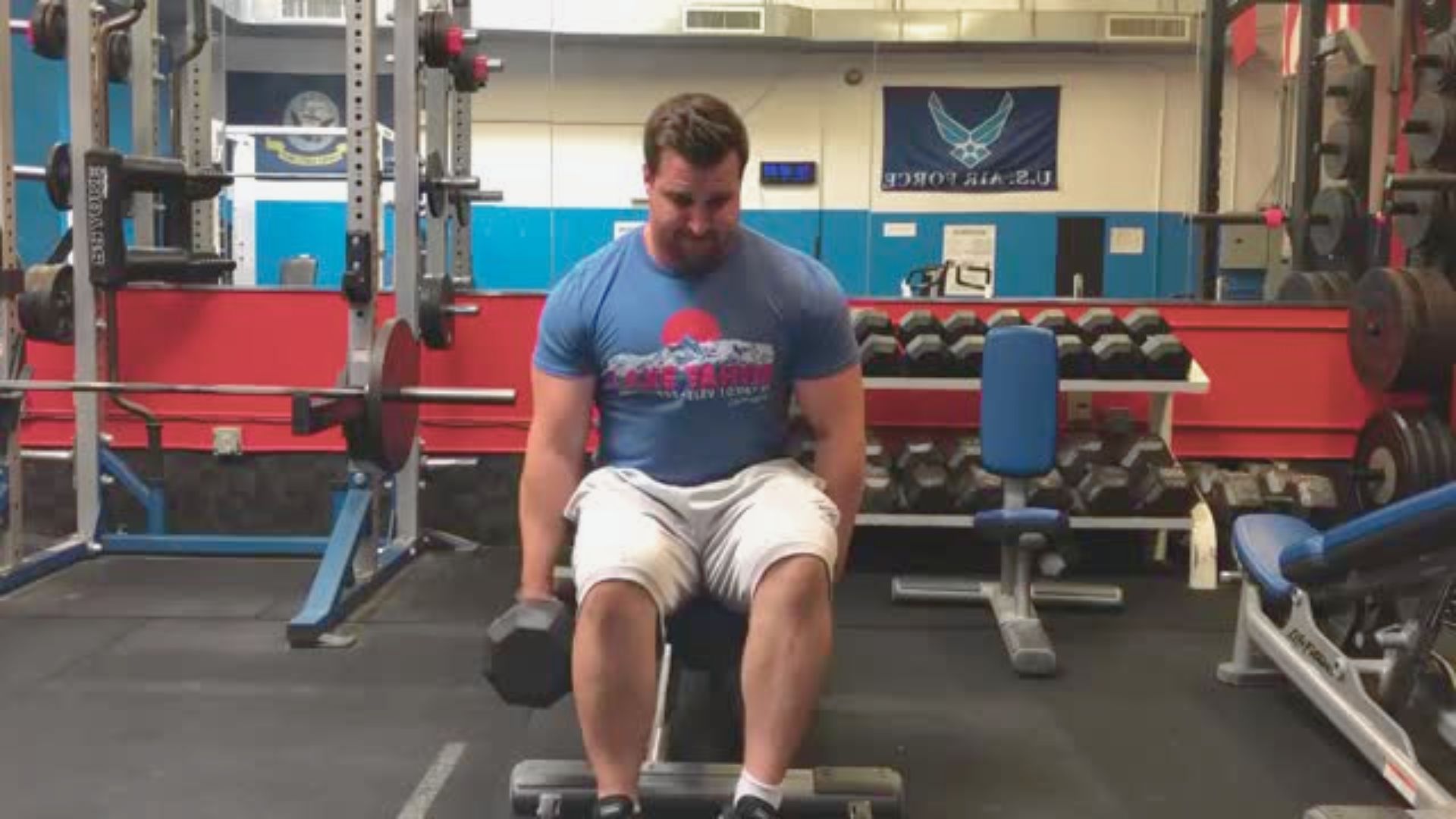
This variation reduces upper trapezius dominance. Many people overuse their upper trapezius and underuse their levator scapulae.
Lie on your back with your knees bent. Place a small rolled towel under your neck for support. Rest your arms at your sides. Press your shoulder blades down into the floor, then lift them slightly off the floor.
Isolated scapular elevation with control is the goal. The movement is small but effective. You should feel work at the top of your shoulder blades near your neck.
Do 3 sets of 15-20 reps.
5. Incline Bench Scapular Row
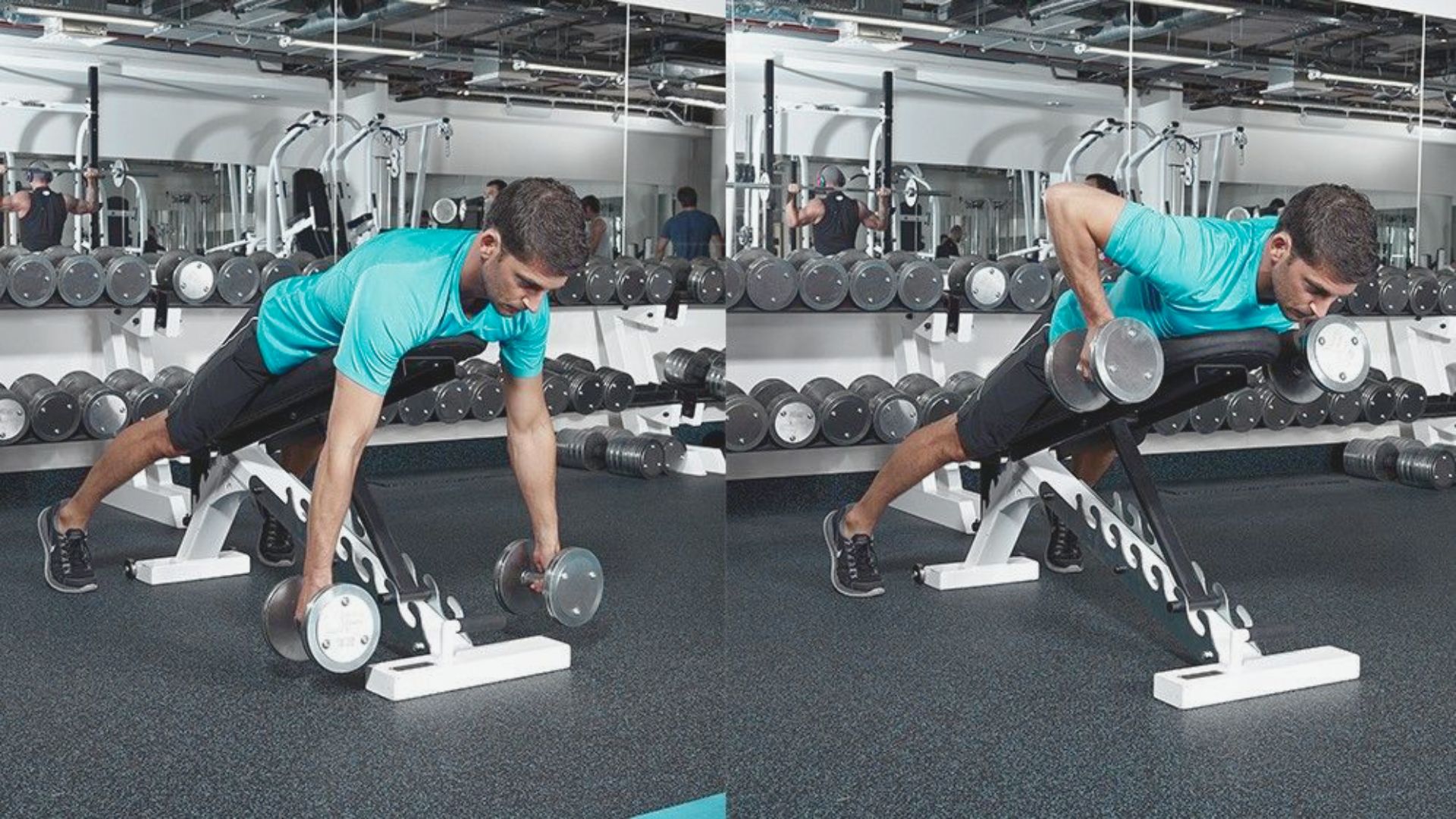
This exercise combines two movements. You get the benefits of both elevation and retraction.
Set a bench at a 45-degree angle. Lie face down with your chest on the bench. Hold light dumbbells with your arms hanging down. Pull your shoulder blades back and up together. Lower with control.
Strengthening the levator scapulae with scapular retraction trains the muscle in a functional way. Real-life movements often combine these actions.
Do 3 sets of 10-12 reps.
6. Prone Shoulder Row
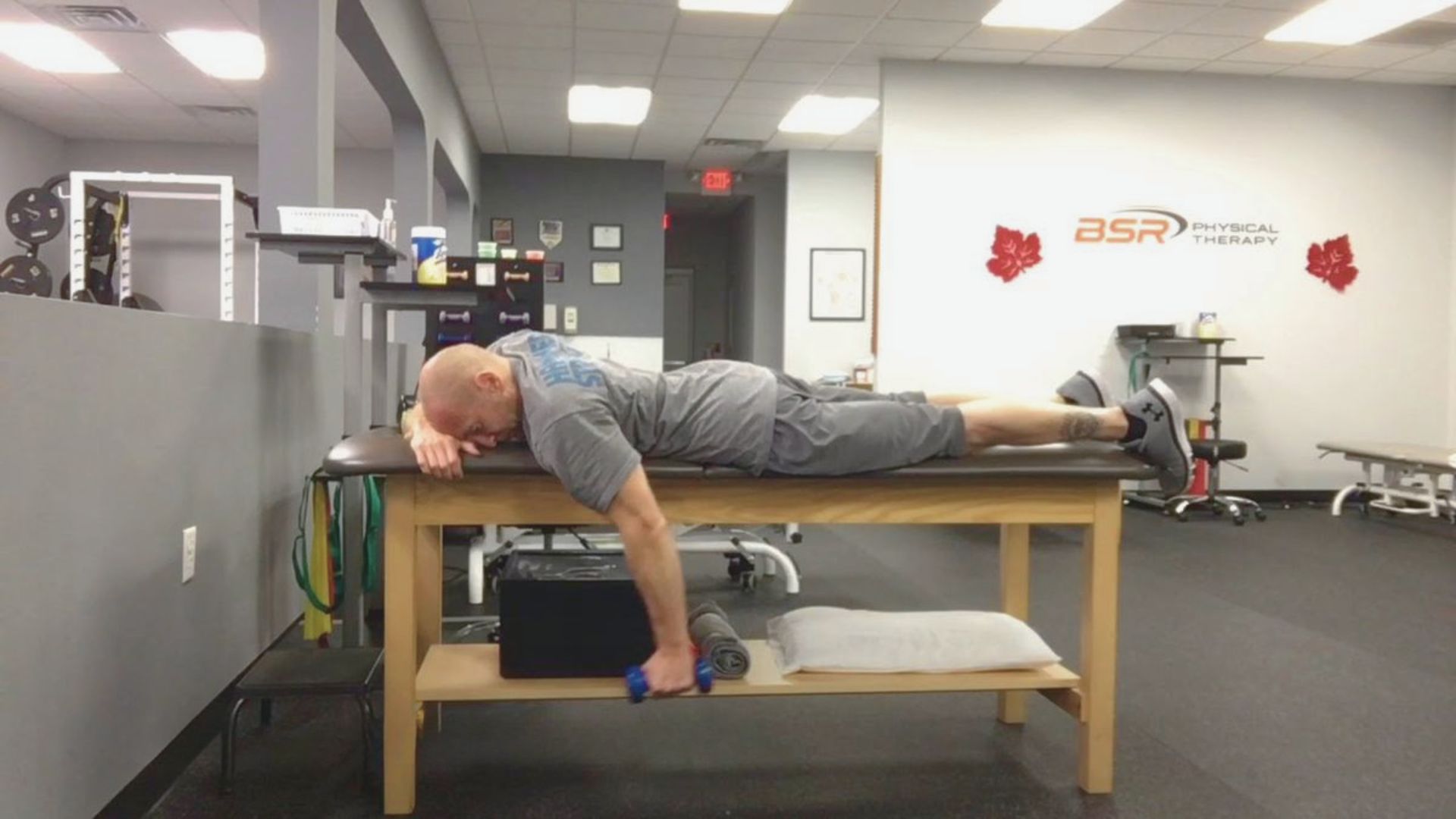
Research shows this exercise activates the levator scapulae effectively. The prone position makes it hard to cheat.
Lie face down on a bench or table. Let your arms hang down. Hold light dumbbells. Pull your elbows back and up toward the ceiling. Keep your shoulder blades moving throughout the motion.
Evidence-supported activation of the levator scapulae makes this a must-do exercise. Studies confirm it targets the right muscles.
Do 3 sets of 10-12 reps.
7. Horizontal Abduction with External Rotation

This exercise looks complicated, but it’s quite simple. The movement pattern helps posture in multiple ways.
Lie face down on a bench. Hold a light dumbbell in one hand. Let your arm hang down with your thumb pointing forward. Lift your arm out to the side and rotate your thumb toward the ceiling. Lower slowly.
Improving scapular control and posture requires practice. The rotation component teaches your shoulder blade to move correctly.
Do 3 sets of 10 reps per side.
8. Prone Shoulder Extension

This move strengthens the upper scapular stabilizers. Your levator scapulae works hard to control the movement.
Lie face down with your arms at your sides, palms facing up. Keep your forehead on the ground. Lift both arms straight back and up. Hold for 2 seconds. Lower slowly.
Strengthening the upper scapular stabilizers creates a strong foundation. These muscles work as a team to support your neck.
Do 3 sets of 12-15 reps.
9. Kettlebell Carry with Neck Rotation
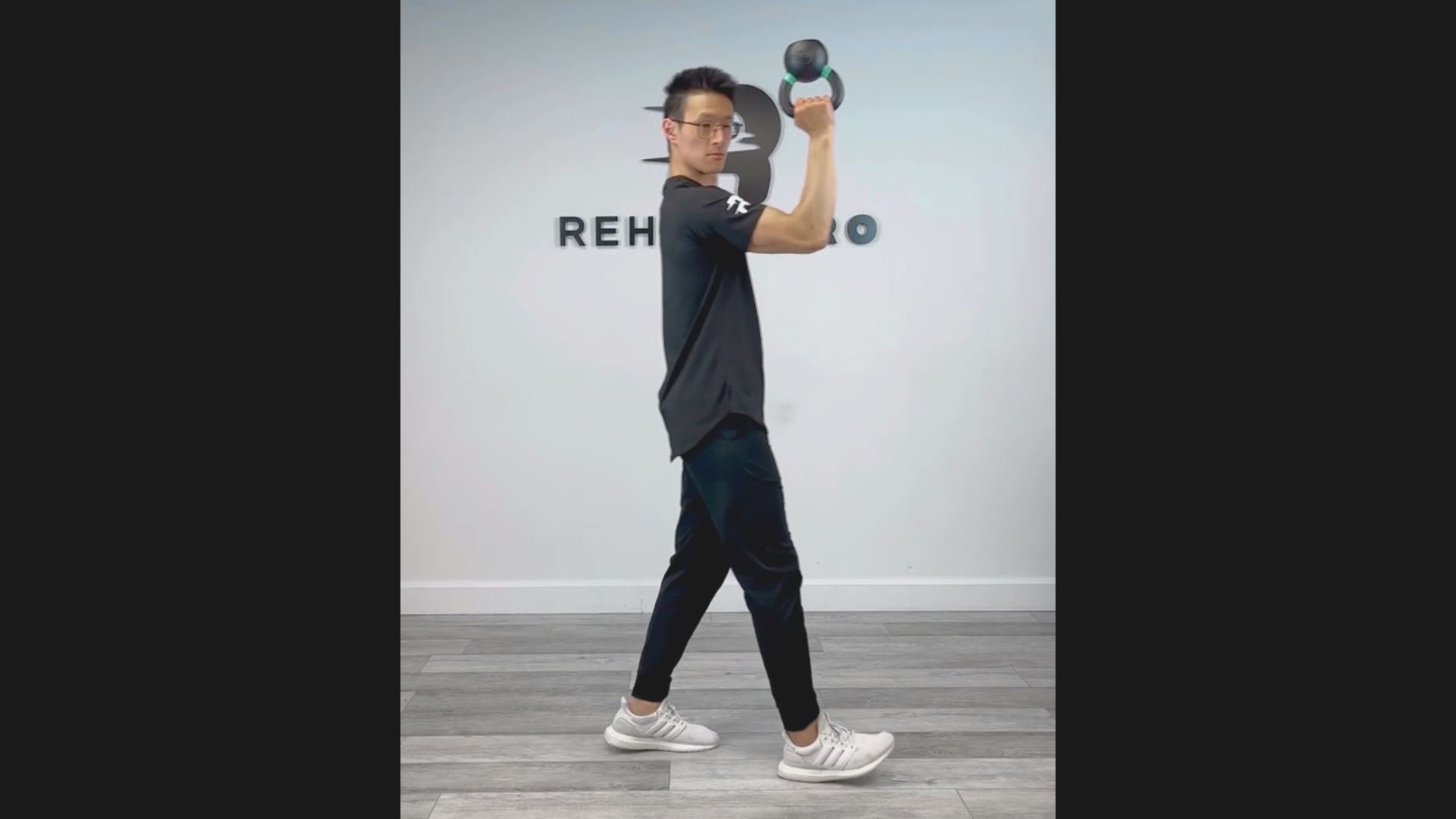
This functional exercise builds real-world strength. You’ll use this pattern every day without realizing it.
Hold a kettlebell or dumbbell in one hand at your side. Walk forward while keeping your posture tall. As you walk, slowly turn your head to look over each shoulder.
Functional strengthening under load teaches your muscles to work while moving. This is more useful than static exercises alone.
Walk for 30-40 seconds per side. Do 3 sets.
10. Suitcase Carry with Neck Rotation
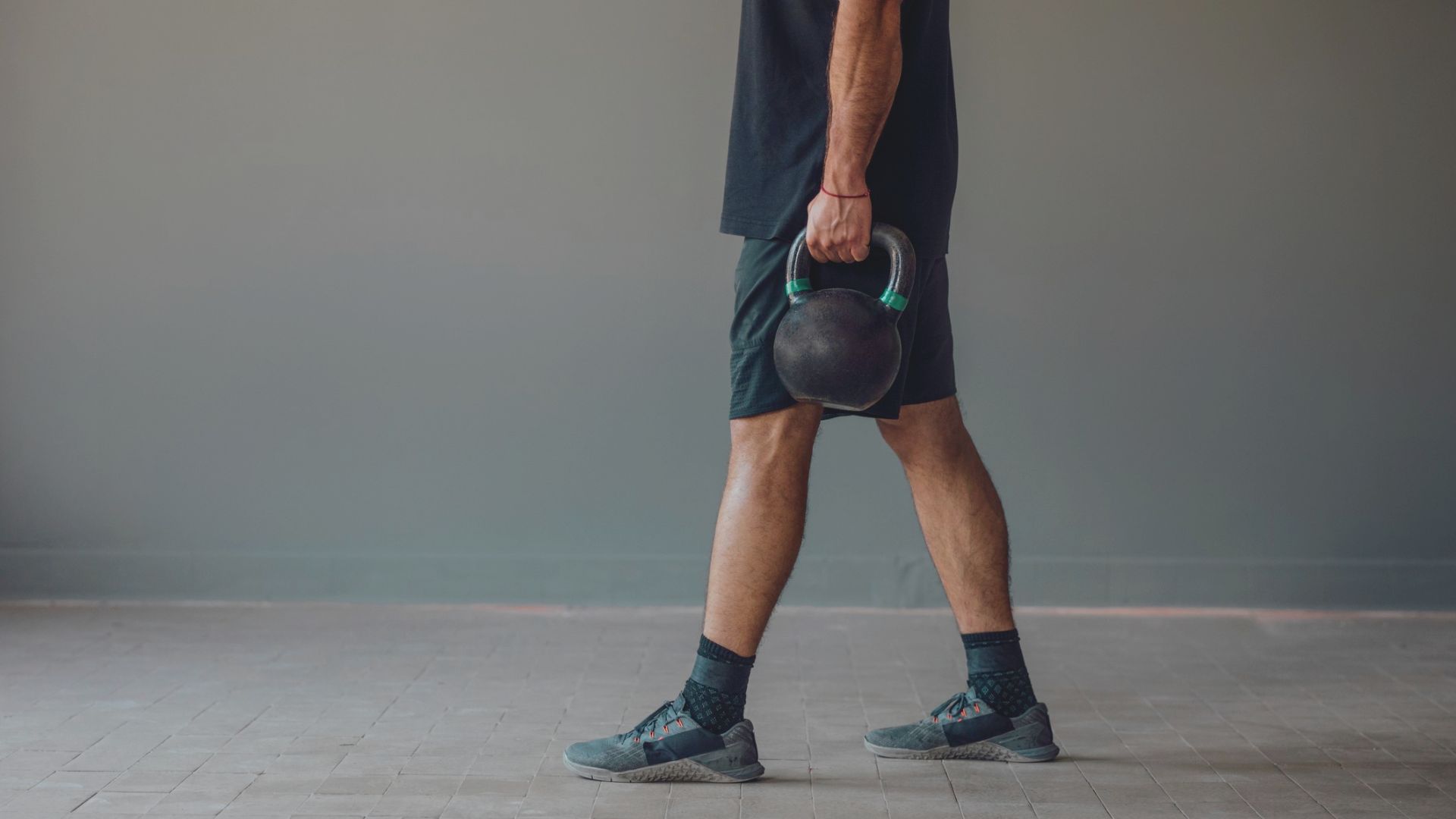
Similar to the kettlebell carry, but the unilateral load adds a challenge. One side works harder to keep you balanced.
Hold a kettlebell or dumbbell in one hand. Stand tall and walk forward. Keep your shoulders level even though you’re holding weight on one side. Rotate your neck as you walk.
Unilateral loading for postural balance forces your core and shoulder stabilizers to work harder. This builds functional strength.
Walk for 30-40 seconds per side. Do 3 sets.
11. Landmine Z-Press
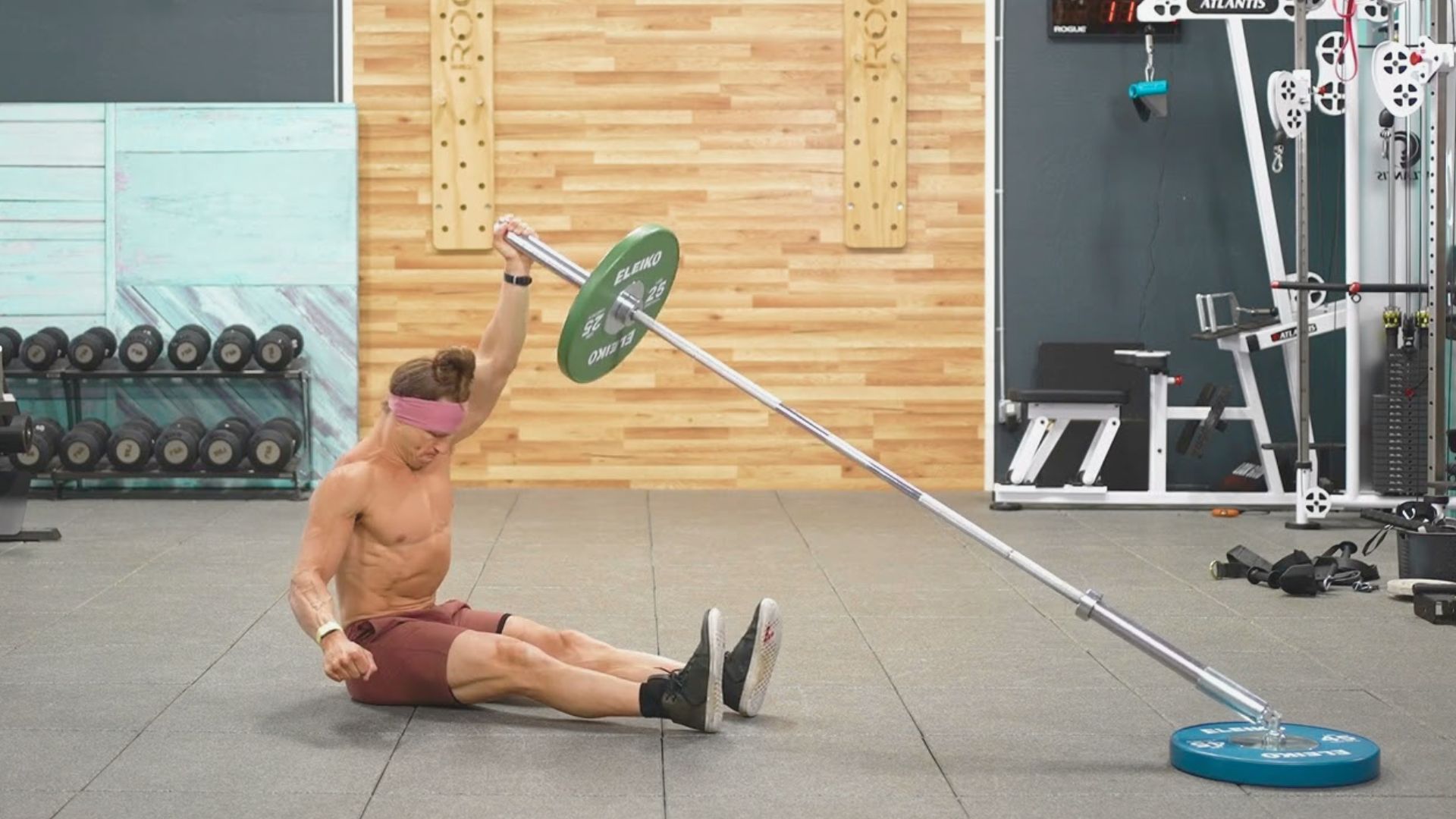
This advanced exercise ties everything together. It requires strength, stability, and coordination.
Sit on the floor with your legs straight out in front of you. Hold a barbell positioned in a landmine attachment (or corner). Press the bar straight up overhead. Lower with control.
Integrating levator scapulae strength with core and shoulder stability makes this a complete exercise. Multiple muscle groups work together.
Start with just the bar. Do 3 sets of 6-8 reps.
When to Seek Professional Help?
Some situations require expert guidance. Don’t wait too long to get help if you need it.
Persistent or Worsening Neck Pain
If you’ve done these exercises correctly for 4-6 weeks and still hurt, see a professional. Pain that gets worse instead of better is a red flag.
Radiating Symptoms or Neurological Signs
Get help right away if you have pain, numbness, or tingling down your arm, weakness in your hand or arm, dizziness or balance problems, headaches with neck movement, or changes in coordination. These symptoms might indicate nerve involvement.
Pain Following Injury or Trauma
If your neck pain started after a car accident, a fall, a sports injury, or a direct blow to your neck or head, see a healthcare provider before starting exercises.
Other Reasons to Seek Help
Uncertainty about proper form, a history of neck problems, pain that affects your sleep or daily activities, or wanting a personalized program are all good reasons to consult a professional.
A physical therapist can assess your specific needs and create a program that fits your situation.
Tips to Perform These Exercises Safely
Proper form prevents injury and gives you better results.
- Follow proper reps and tempo Beginners do 2-3 sets of 12-15 reps, intermediates do 3-4 sets of 10-12 reps, and advanced do 3-4 sets of 8-10 reps. Use a 2-1-3 tempo 2 seconds up, 1 second hold, 3 seconds down.
- Breathe correctly and keep good neck position Exhale as you lift, inhale as you lower. Keep your chin slightly tucked, lengthen the back of your neck, and look straight ahead.
- Use smooth, controlled movements Don’t jerk your shoulders up aggressively or let your head drift forward. Move slowly and with control, especially during the lowering phase.
- Start light and progress slowly. Don’t use too much weight too soon. Never hold your breath and focus on moving your shoulder blades, not your whole upper back.
- Stop if you feel sharp pain. Muscle burn is normal, but sharp or shooting pain is not. Stop immediately and consult a professional if sharp pain continues.
Conclusion
Building a stronger levator scapulae takes time, but the results are worth it. I’ve seen countless patients go from constant neck pain to pain-free movement using these exercises. Start with the basics and progress slowly.
Remember that consistency beats intensity every time. Do these exercises 2-3 times per week, and you’ll notice real changes within a month. Small, steady progress adds up to big improvements.
From my own experience, I spent years dealing with neck tension from poor desk posture. These same exercises helped me fix the problem for good. Have questions or want to share your progress?
Leave a comment below.
Frequently Asked Questions
How long does it take to strengthen the levator scapulae?
Most people see improvement in 4-6 weeks with regular training. Full strength takes 8-12 weeks of consistent work.
Can I do these exercises if I have chronic neck pain?
Yes, but start gently with bodyweight exercises. If pain worsens after 2 weeks, see a healthcare professional.
Should I stretch or strengthen my levator scapulae first?
Stretch the muscle that feels tight. Strengthen if it feels weak or your posture sags during the day.
What’s the difference between levator scapulae pain and upper trap pain?
Levator scapulae pain sits at the top corner of your shoulder blade. Upper trap pain sits on top of your shoulder.
Can poor posture be fixed with just levator scapulae exercises?
No, you need to train multiple muscles. Good posture requires balanced strength in all your shoulder and core muscles.