Not sure what the leg press sled actually weighs before you add plates? You are not alone. Most gym-goers skip this detail, and it throws off their tracking completely.
This guide covers everything you need to know: The starting weight of different leg press machines, why it matters, and how to log it the right way.
I have spent years testing machines across gyms, and I know how confusing this can get. With the right info, you can train safely and track progress with full confidence.
What Is the Leg Press Starting Weight Without Plates?

The sled weight alone tells you your true starting point before loading any plates.
The leg press starting weight without plates is the weight of the sled or carriage itself, before any plates are added. This is the resistance your legs work against from rep one.
Most sleds weigh between 45 lbs and 120 lbs depending on the machine type. Seated machines start lower, around 10 to 30 lbs. Vertical machines can go higher, sometimes 50 lbs or more.
Machine angle, pulley systems, and counterbalances all affect how much resistance you actually feel.
Many people assume the sled weighs nothing, but ignoring it leads to inaccurate tracking every single session.
Types of Leg Press Machines and Their Starting Weights
Knowing your machine type is the first step to logging your leg press weight correctly.
45-Degree Leg Press Starting Weight Without Plates
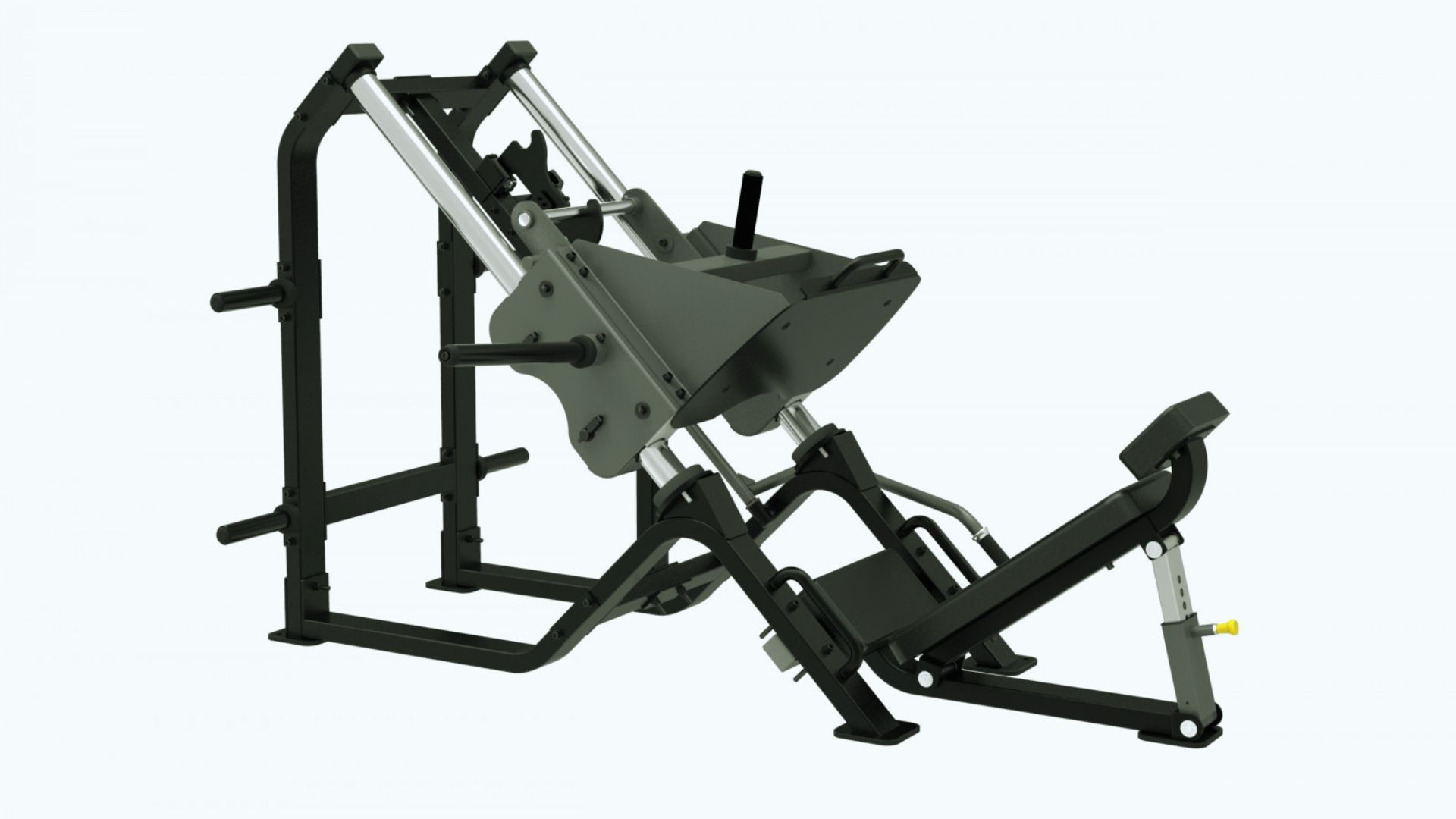
This is the most common type in commercial gyms. The sled on a 45-degree machine typically weighs between 45 lbs and 75 lbs.
Because of the angle, gravity reduces the effective load, so the actual resistance you feel is lower than the sled weight suggests.
Seated Leg Press Starting Weight Without Plates

Seated machines often use a cable or lever system. The sled or pad resistance usually starts between 10 lbs and 30 lbs.
These are beginner-friendly and feel significantly lighter than plate-loaded machines.
Vertical Leg Press Starting Weight Without Plates
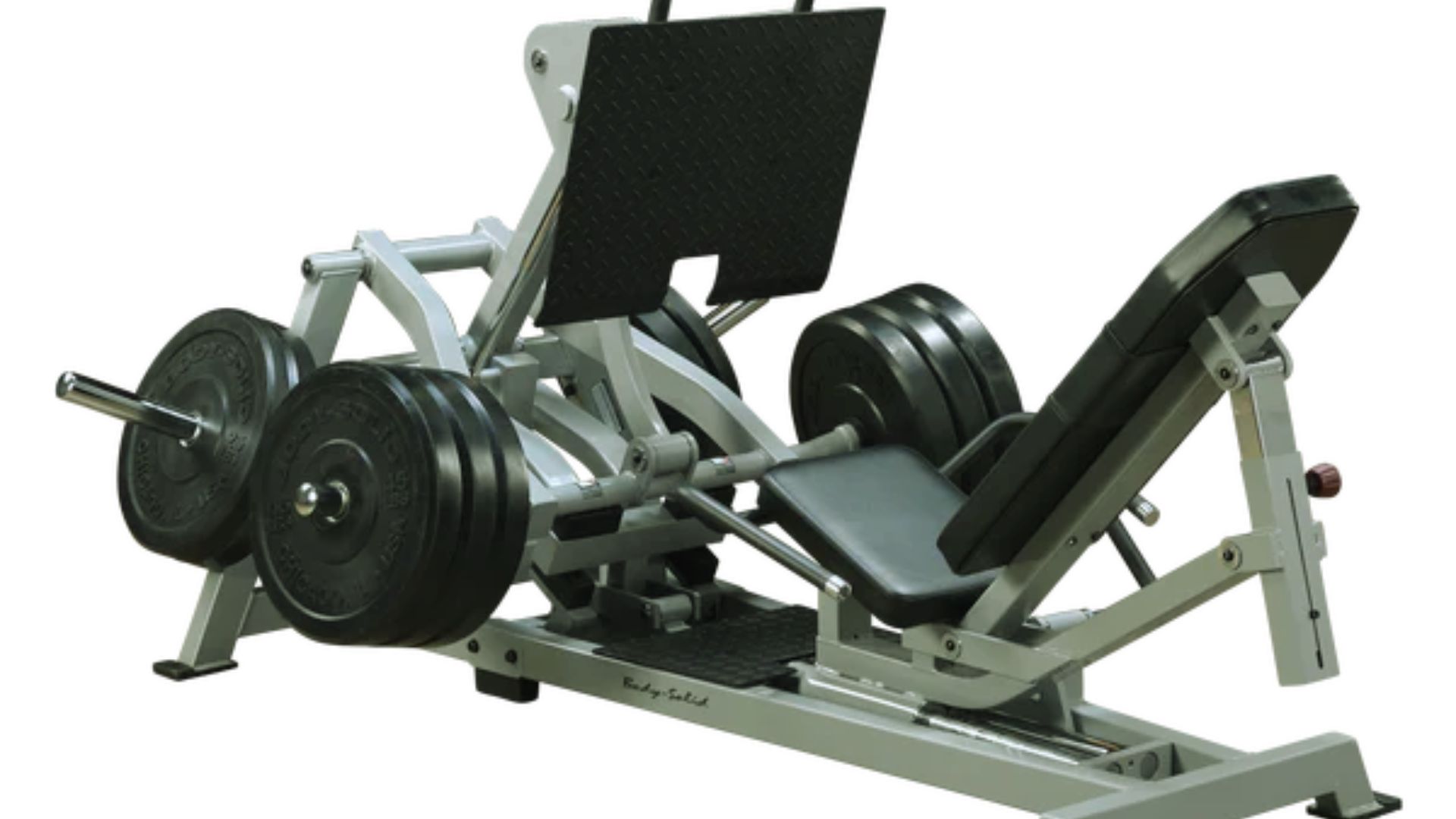
On a vertical machine, you push the weight straight up. The sled weight is usually 50 lbs or more.
Since gravity works directly against you, this machine feels heavier than a 45-degree version with the same sled weight.
Plate-Loaded vs Selectorized Machines
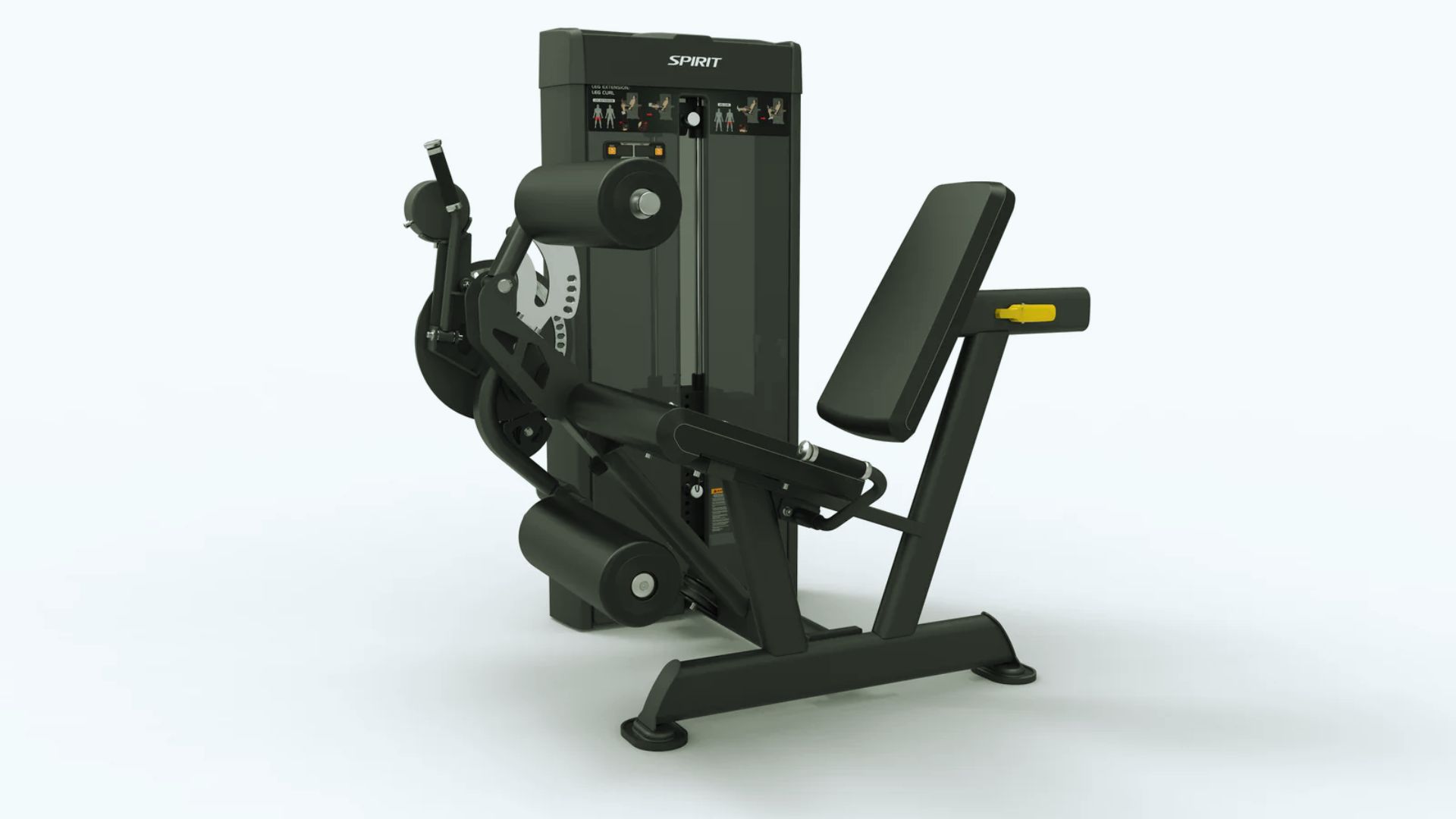
Plate-loaded machines rely on the sled weight plus added plates. Selectorized machines use a weight stack with a pin, so the starting resistance is whatever the lowest setting allows, usually around 10 to 20 lbs.
Why Starting Weight Matters in Your Training

Skipping sled weight in your logs means your numbers are never accurate from the start.
Accurate Strength Tracking
If you log only the plates you add and ignore the sled, your recorded weight is always lower than what you actually lifted. Over time, this makes it hard to measure real progress.
Preventing Overloading and Injuries
Beginners especially need to know the true starting weight. If someone assumes the sled is zero and loads heavy plates on top, they may overload their muscles before they are ready.
Knowing the real starting weight helps you progress safely.
Better Workout Structuring for Beginners
A clear starting weight gives beginners a proper baseline. From there, progressive overload becomes much more manageable.
You know exactly how much you lifted last session and can plan your next increase with confidence.
How to Find the Starting Weight of Your Leg Press Machine
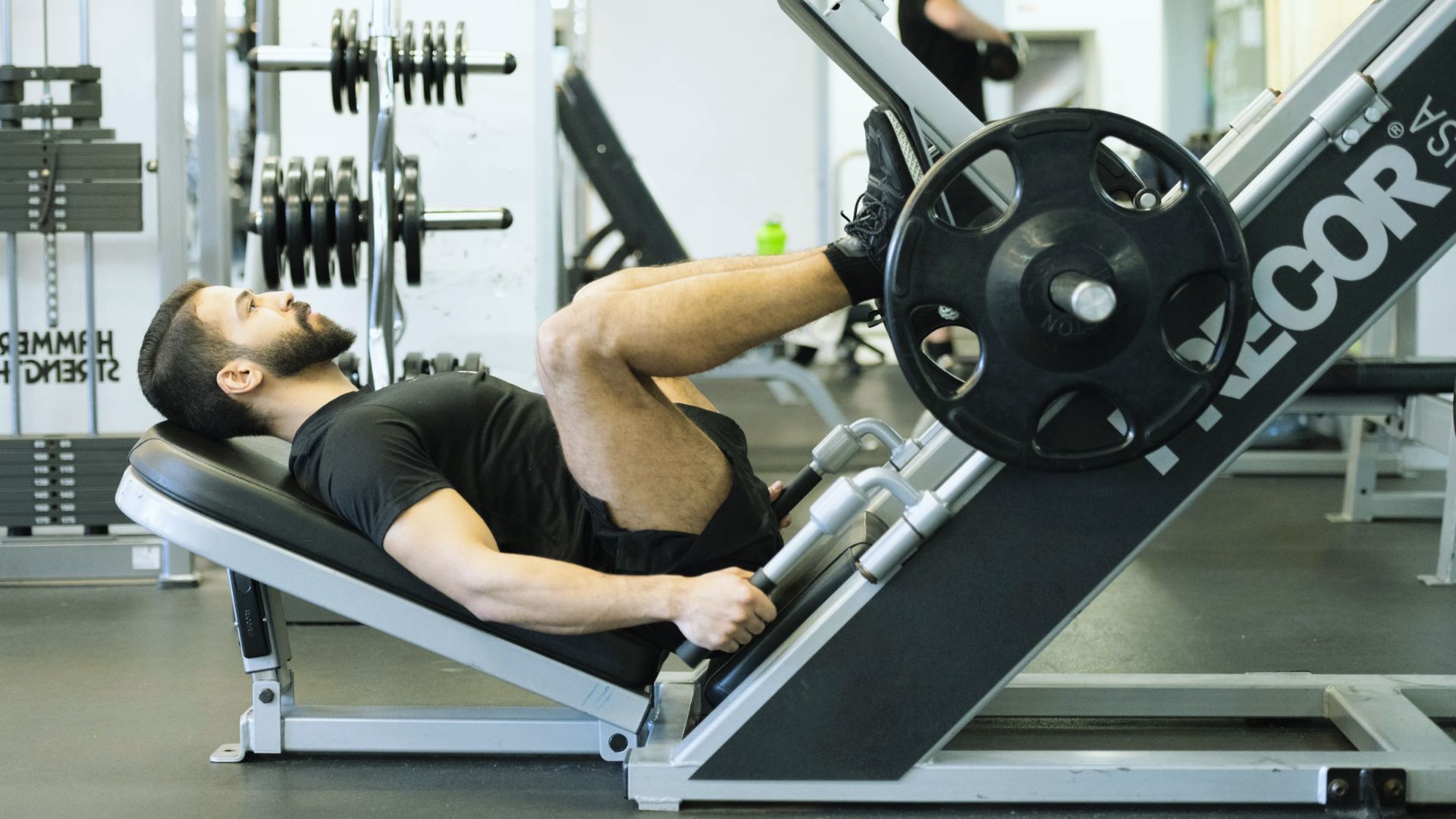
Finding the sled weight takes less than two minutes if you know where to look.
Checking Manufacturer Labels and Manuals
Most machines have a sticker or plate near the base that lists the sled weight. If not, you can search the brand name and model number online.
The manufacturer’s manual almost always includes sled weight specifications.
Asking Gym Staff or Trainers
Gym staff often know the machine specs or can look them up quickly. Personal trainers are also a solid resource here. Do not hesitate to ask.
Estimating based on machine type
If you cannot find the exact number, use general estimates. A 45-degree plate-loaded sled is usually 45 to 75 lbs.
A seated selectorized machine is usually 10 to 30 lbs. These are not exact, but they give you a working baseline.
Measuring Sled Weight Safely
If the gym has a floor scale, you can sometimes rest the unloaded sled gently on it to get a reading.
Some fitness tools and apps also allow you to input effective load calculations based on angle and sled weight.
Typical Leg Press Starting Weight Without Plates (Quick Guide)
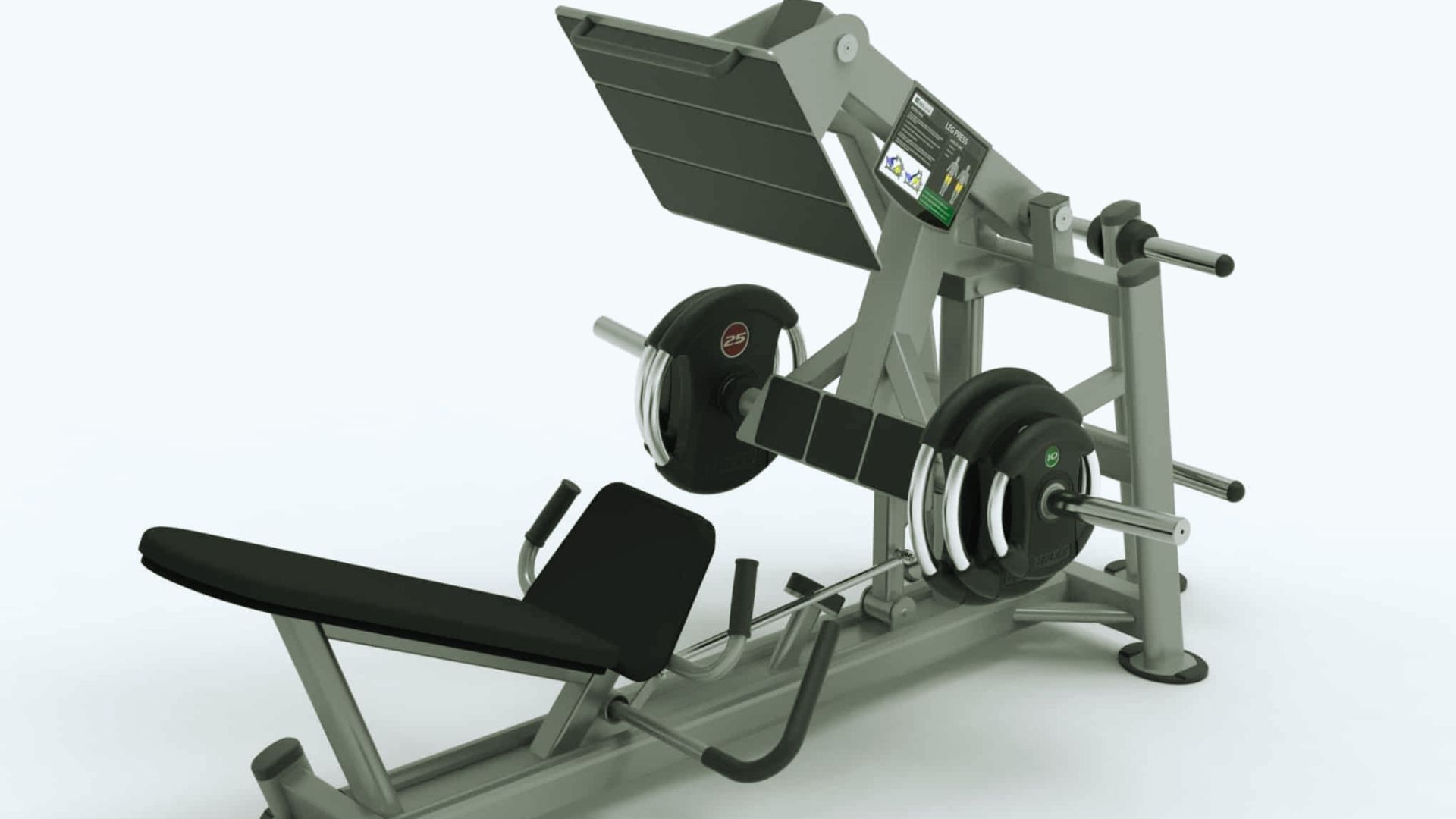
A fast reference to help you set up and start logging with accurate numbers.
Weight Ranges by Machine Type
45-degree plate-loaded: 45 to 75 lbs
Seated selectorized: 10 to 30 lbs
Vertical plate-loaded: 50 to 100 lbs
Cable-assisted seated: 10 to 25 lbs
Beginner-Friendly Benchmarks
For most beginners, starting with just the sled on a 45-degree machine is a reasonable first step.
This gives your muscles time to adapt before adding plates. On a seated machine, the lowest stack setting is often ideal for week one.
How to Track Leg Press Weight in Your Workout Log
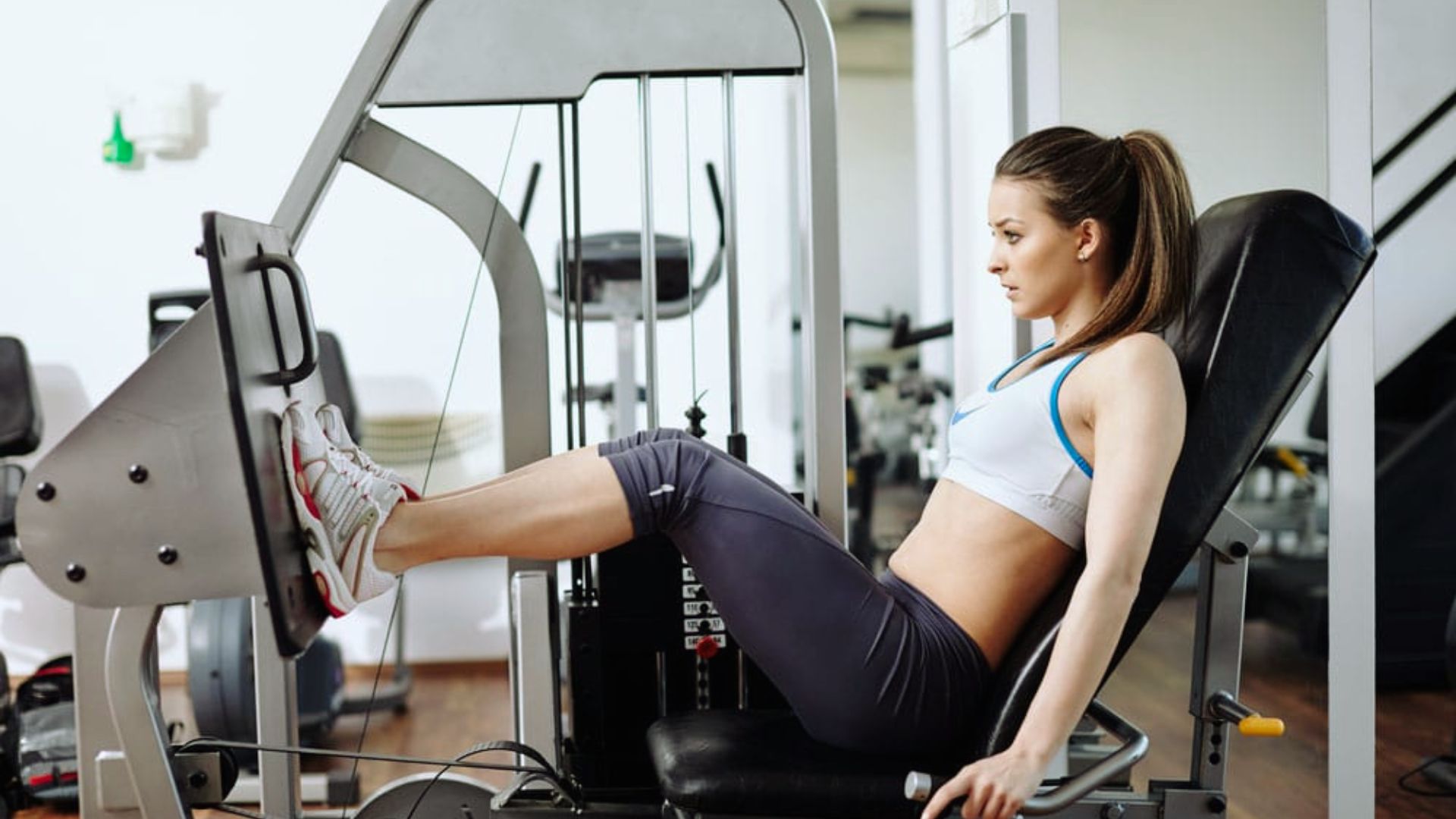
Good logging habits make progressive overload simple and keep your training on track.
Total Weight vs Plates-Only Tracking
Always log total weight, not just the plates. Total weight equals sled weight plus all added plates. This gives you a real number to build from session to session.
Maintaining Consistency Across Gyms
When you train at a different gym, check the new machine’s sled weight before logging. If the sled is heavier or lighter, adjust your plate load so your effective total stays close to your usual number.
Safety Tips for Using Leg Press Machines
A few simple habits will protect your knees, back, and long-term progress..
- Always set the safety locks before unracking the sled
- Never remove your feet from the platform during a set
- Lower the sled only as far as your hips and knees are comfortable
- Do not lock your knees out at the top of the movement
- Stop the set immediately if you feel any sharp pain in your joints
Conclusion
Knowing your leg press starting weight without plates is one of those small details that makes a big difference over time.
I remember skipping this early on and wondering why my numbers never made sense from gym to gym. Once I started logging the full weight including the sled, everything clicked.
Start where you are, track honestly, and progress will follow.
If this helped you, drop a comment below and share how you track your leg press weight. Share this post with a friend who just started training.
Frequently Asked Questions
What is a normal starting weight for beginners on a leg press?
Most beginners can handle the sled alone or the lowest stack setting. This is typically between 45 and 75 lbs on a plate-loaded machine.
Do all leg press machines have the same starting weight?
No, every brand and model is different. Sled weights vary from as low as 10 lbs on a seated selectorized machine to over 100 lbs on some plate-loaded vertical machines.
Should I include the starting weight in my workout log?
Yes, always. Logging only the plates you add gives you an incomplete number. Total weight including the sled is the only accurate way to track your true progress.
Why does the same weight feel different on different machines?
Machine angle, pulley systems, and counterbalances all change how gravity acts on the load. A 100 lb sled on a 45-degree machine feels lighter than a 100 lb sled on a vertical machine.
Can I use leg press data to estimate my squat strength?
Not directly. Leg press numbers are always higher due to machine support and angle. They are not interchangeable with squat numbers and should be tracked separately.