
I have spent time testing core exercises, and the in and outs workout keeps coming back as one of the best. It works, it’s simple, and almost anyone can do it.
In this guide, I’ll show you what it is, which muscles it targets, how to do it with proper form, common mistakes to fix, and tips to make it harder over time.
With years of fitness research and hands-on training experience, this guide gives you real, practical advice. No fluff. Just what works.
What Is the In and Outs Workout?

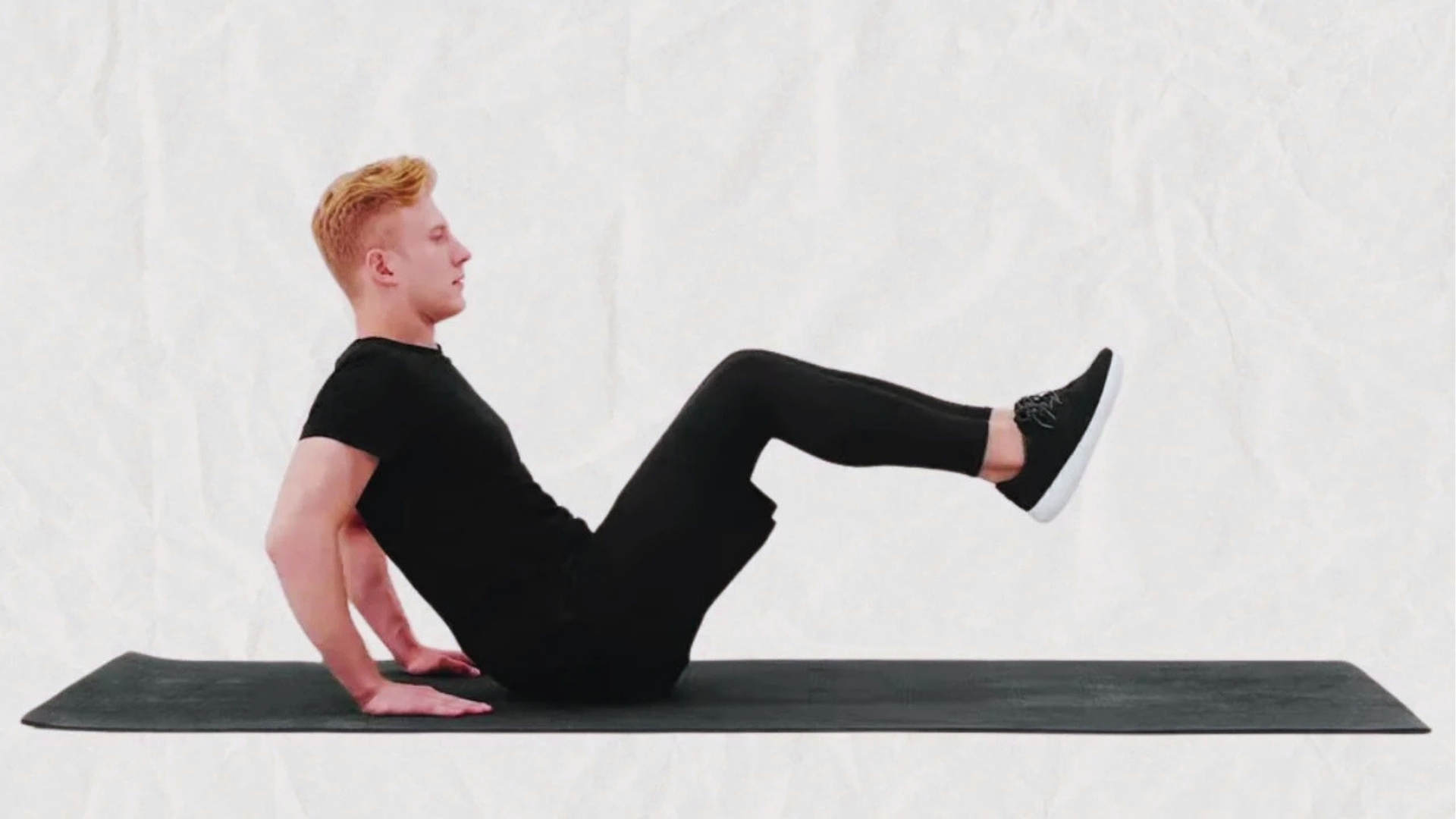
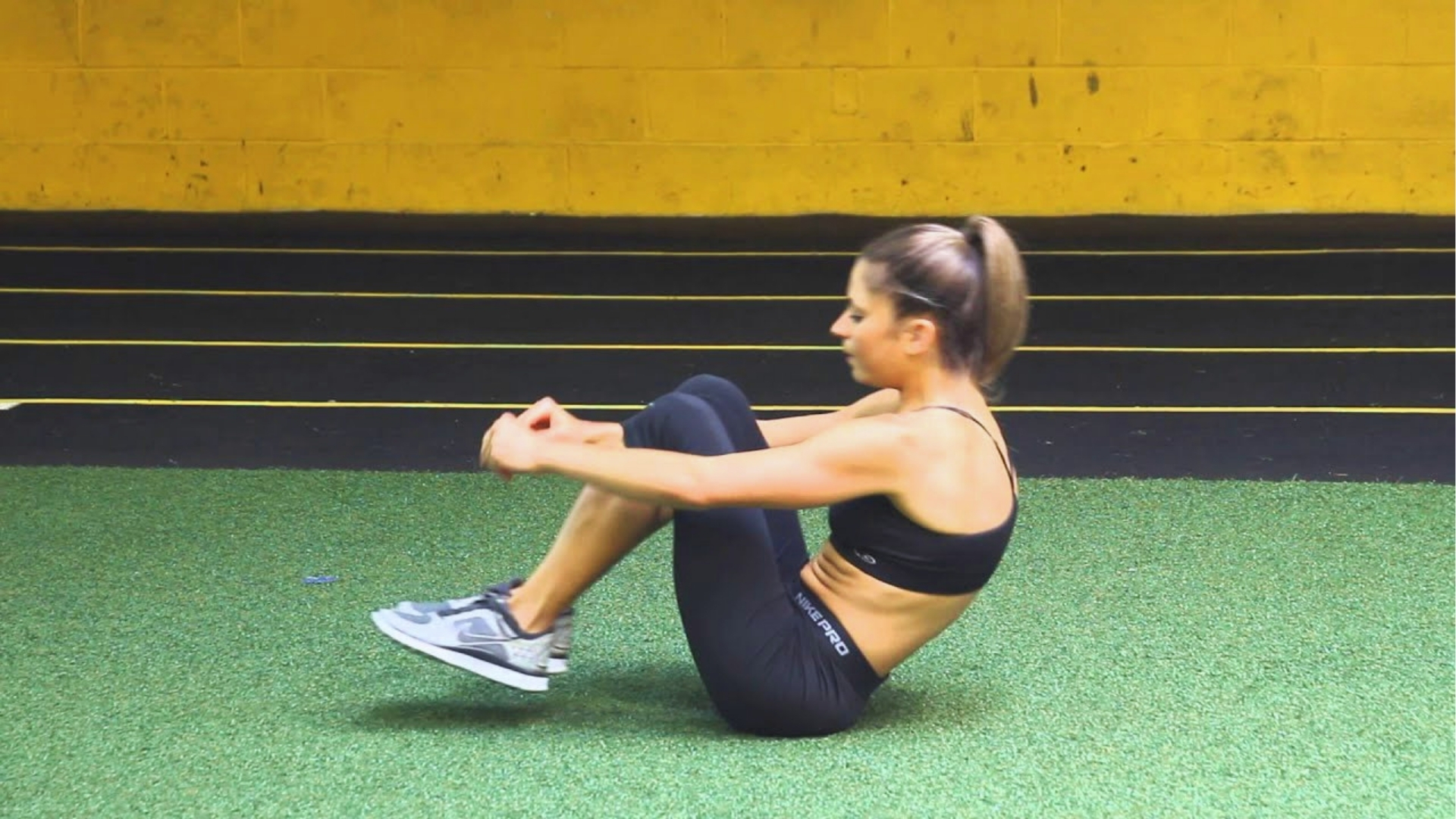
The in and outs workout is a floor-based core exercise. You sit on the ground, lean back slightly, and pull your knees toward your chest. Then you push your legs back out.
That’s one rep. It looks simple, but when done right, your core works hard the whole time. This move keeps your abs under tension for the full rep.
There’s no rest at the top or bottom. Your muscles stay active throughout. It also works your balance and coordination at the same time.
You’re not just lying flat. You’re holding your body in a position that demands control.
Muscles Worked in In and Outs Workout
Know what’s firing so you can train it better and feel the difference.
Primary Muscles
Upper abs and lower abs do most of the work here. The lower abs activate during the leg extension. The upper abs help you stay upright and stable.
Secondary Muscles
Hip flexors help pull your knees in. Core stabilizers keep your spine steady. Your obliques also chip in to keep your body from tipping side to side.
Proper Form and Technique

Follow carefully to get the most out of every single rep.
Starting Position Setup
Sit on the floor or a mat. Place your hands behind you, flat on the ground. Lean back at about a 45-degree angle. Lift your feet a few inches off the floor.
Keep your chest up and your lower back neutral. This is your starting point. Hold it steady before you begin.
How to Perform the “In” Movement (Knee Tuck)
Pull your knees toward your chest in a slow, controlled way. Don’t swing or jerk your legs. Focus on using your abs to bring the knees in.
Keep your upper body still. Only your legs move.
How to Perform the “Out” Movement (Leg Extension)
Push your legs back out until they are almost straight. Don’t let them drop to the floor. Keep them hovering a few inches above the ground.
This is where most people lose form. Stay tight. Stay controlled.
Breathing and Core Engagement Tips
Breathe in as your legs go out. Breathe out as your knees come in. This matches your breath with the effort.
Before you start each set, take a breath and brace your core like you’re about to take a punch. Keep that tension the whole time.
Common Form Mistakes in In and Outs Workout

Small errors add up fast. Here’s what to watch and fix right away.
Using Momentum Instead of Control
A lot of people swing their legs. That reduces the work your abs do. Slow it down. If you can’t do it slowly, use a smaller range of motion first.
Rounding the Lower Back
If your lower back rounds, you shift stress away from your abs and onto your spine. Keep a neutral back. Tighten your core before each rep.
Feet Touching the Ground Between Reps
Letting your feet touch the floor gives your muscles a break. That break reduces results. Keep your feet hovering the whole set.
Poor Breathing Technique
Holding your breath makes the move harder and raises pressure in your chest. Use the breathing pattern above. It helps you stay relaxed and in control.
Better Technique and Control
These small adjustments make a big difference in how well the exercise works.
Slow and Controlled Reps
Three seconds out. Three seconds in. That pace builds more strength than fast reps. It’s harder, but it pays off more.
Maintaining Balance Throughout Movement
If you keep tipping or wobbling, bring your hands a little wider. That gives you a more stable base. Work on tightening your core before each rep.
Keeping Core Engaged Constantly
Don’t relax between reps. Stay braced. Think of your core as a belt pulled tight around your waist. Keep it that way for the full set.
Benefits of Doing In and Outs Workout

This move gives you more than just stronger abs. Here’s the full picture.
Improves Core Strength and Stability
Regular reps build a strong, stable core. A stronger core helps with almost every other exercise you do, from squats to pushups.
Supports Athletic Performance and Posture
A strong core keeps your spine aligned. That helps your posture during the day and your performance in sports or workouts. Less back pain is also a big plus.
No Equipment Needed
You only need a mat and a little floor space. That means you can do this at home, in a hotel room, or outdoors. No excuses.
Pro Tips to Master In and Outs Workout Form
These tips help beginners start right and advanced athletes push further.
- If the full move is too hard, bend your knees more. A deeper bend makes it easier. Build up slowly over a few weeks.
- Keep your hands flat on the floor the whole time for added support when starting out.
- Try doing the move on a slight decline or hold a small weight between your feet to increase the demand on your core.
- Slow your reps down to five seconds each way for extra muscle tension and better control.
- Add reps before adding resistance. Aim for 20 clean reps before trying a harder version.
- Rushing progress leads to poor form and injury, so take your time and stay consistent.
Conclusion
I’ll be honest. The first time I did in and outs, I thought it would be easy. It wasn’t. But that’s exactly what makes it worth doing.
This move has stayed in my routine because it delivers real results. No machine. No gym. Just you and your core working together.
Now it’s your turn. Try it today, even just 10 slow reps. See how your abs feel tomorrow.
Did this guide help you? Drop a comment below and let me know. Share it with someone who wants stronger abs.
Frequently Asked Questions
How many reps of in and outs workout should I do?
Start with 3 sets of 10 to 15 reps. As you get stronger, work up to 20 or more reps per set.
Can beginners do the in and outs workout?
Yes. Beginners can bend their knees more to make it easier. Focus on form first before increasing reps or range of motion.
How often should I do in and outs in a week?
Two to three times per week works well. Give your core at least one rest day between sessions to recover and grow stronger.
Do in and out workouts reduce belly fat?
This move builds core strength and muscle. Fat loss comes from a calorie deficit and overall activity. In and outs support that by building a stronger core.
Is the in and outs workout better than crunches?
It works more muscles at once compared to basic crunches. It targets both upper and lower abs plus hip flexors, making it a more complete core move.