Most lifters curl every week and still wonder why their arms are not growing.
The problem is often not effort. It is picking the wrong variation. That is exactly where hammer curl vs reverse curl becomes worth understanding.
In this blog, I break down how each move works, which muscles they hit, and what the science says. I cover proper form, key differences, common mistakes, and a sample workout using both.
I have trained arms for years and tested both moves personally. You will leave here knowing exactly which one fits your goal.
What Is a Hammer Curl?
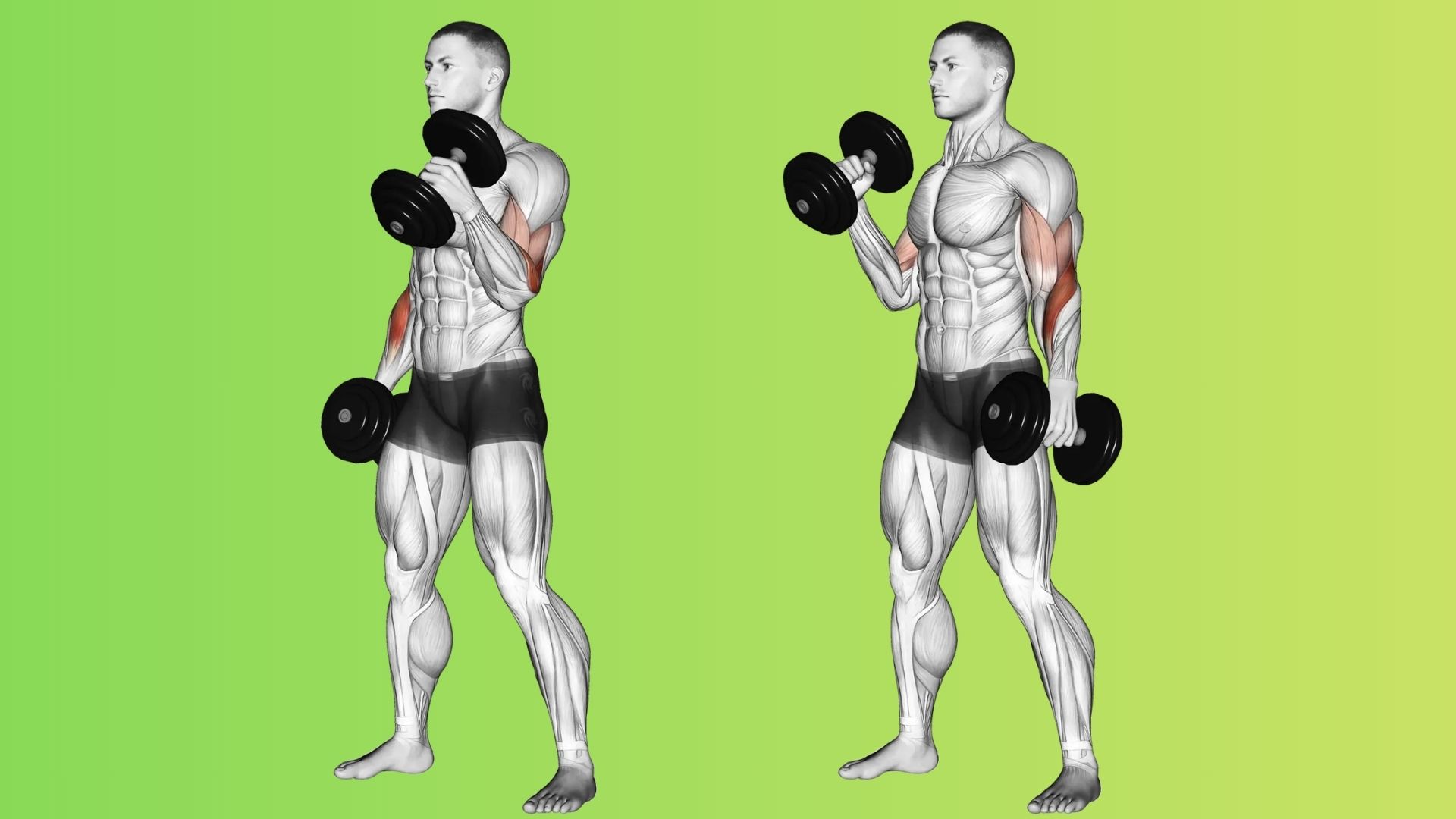
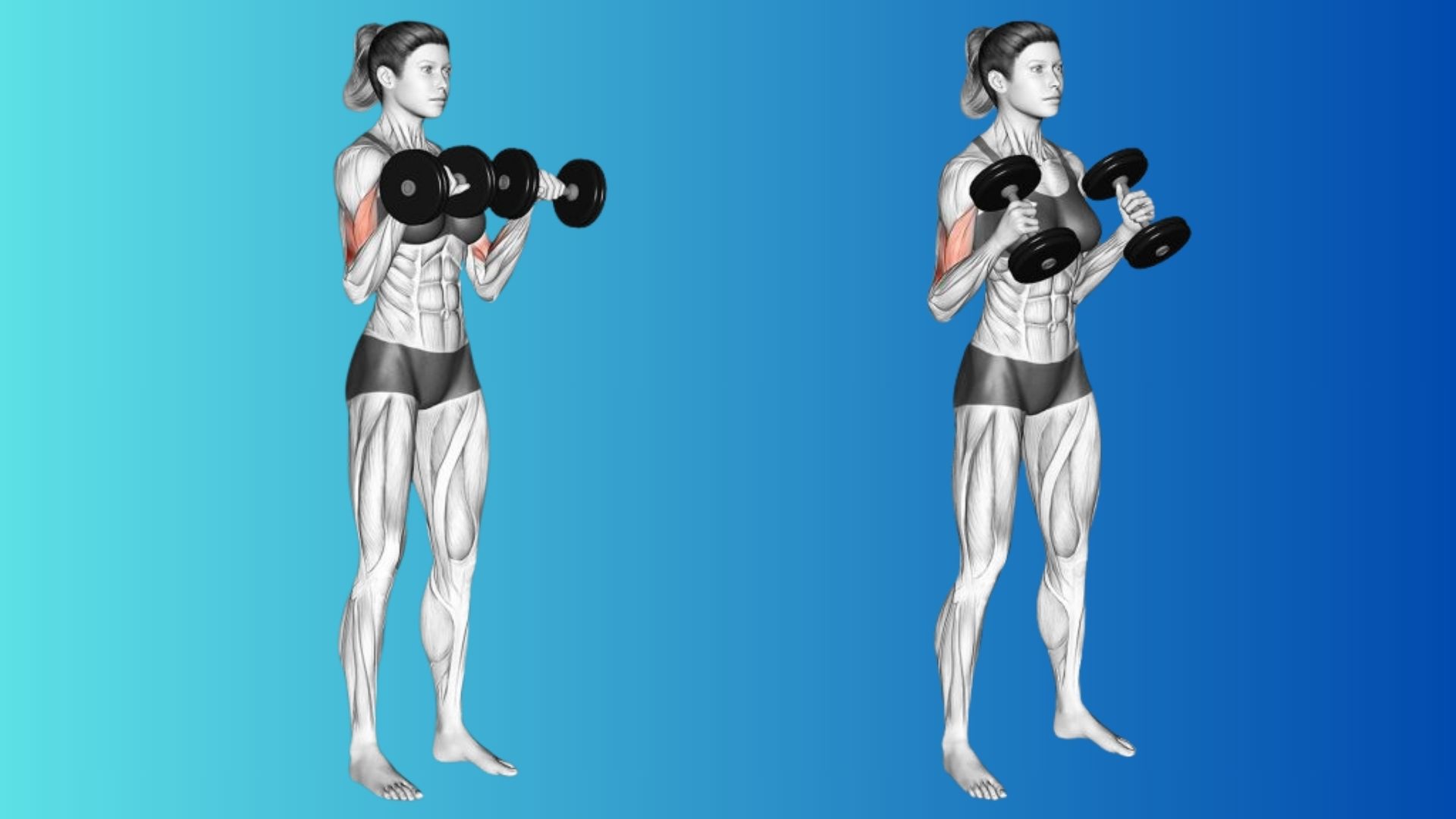
A hammer curl is a dumbbell exercise where you keep a neutral grip throughout the movement.
Your palms face each other the whole time. You curl the weight up toward your shoulder without rotating your wrist at any point.
It primarily works the brachialis and brachioradialis. The brachialis sits underneath the bicep and adds real thickness to your upper arm when it grows.
The biceps brachii assist, but they are not the main driver.
Hammer curls are reliable for building arm size and supporting elbow joint stability over time.
What Is a Reverse Curl?
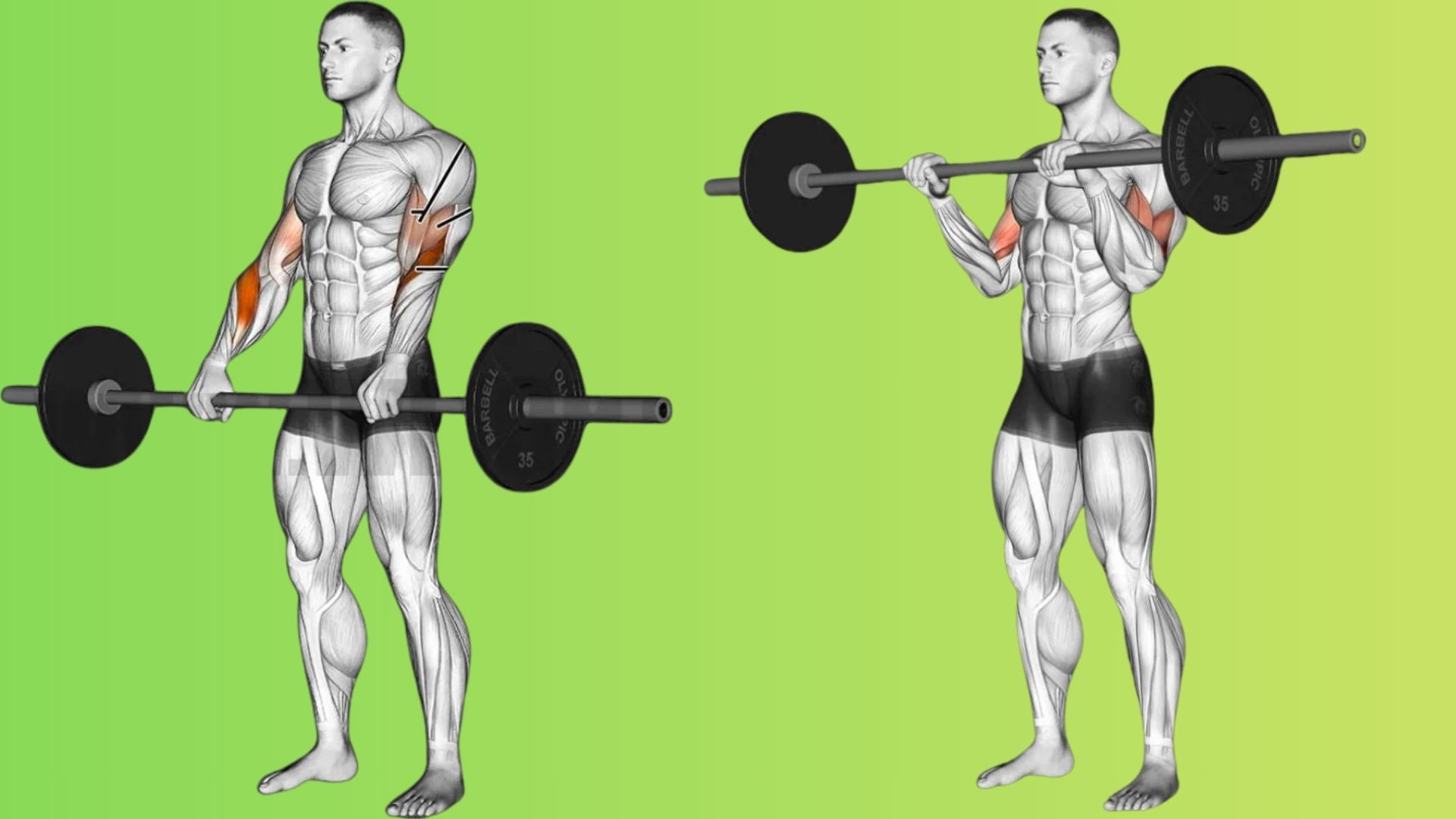
A reverse curl uses an overhand grip. Your palms face down as you curl the weight up. You can use a barbell, EZ bar, or dumbbells.
This grip shifts the majority of work to the brachioradialis and the forearm extensor muscles. The biceps remain active but contribute far less than in a standard curl.
Reverse curls are one of the most direct ways to build forearm size and strength. They also carry over to grip-heavy lifts like deadlifts and rows.
Hammer Curl vs Reverse Curl: Key Differences
The core difference is grip position. Hammer curls use a neutral grip. Reverse curls use a pronated, or overhand, grip.
That one change shifts which muscles take on the most load.
Hammer curls drive more brachialis and bicep activation. Reverse curls shift emphasis to the brachioradialis and forearm extensors.
Hammer curls tend to be easier on the wrists. Reverse curls place more demand on the wrist extensors, which can feel uncomfortable until your forearms adapt.
Both exercises train the elbow flexors, just with a different distribution of effort.
Quick Comparison Table
| Feature | Hammer Curl | Reverse Curl |
|---|---|---|
|
Grip |
Neutral |
Overhand |
|
Primary Muscle |
Brachialis |
Brachioradialis |
|
Secondary Muscle |
Brachioradialis |
Wrist Extensors |
|
Best For |
Arm thickness |
Forearm size and grip |
|
Wrist Stress |
Low |
Moderate |
|
Difficulty Level |
Beginner-friendly |
Moderate |
Muscle Activation Breakdown (Science-Based)
EMG studies confirm that grip position directly determines which elbow flexor does the most work during curls.
Hammer Curl muscle focus:
- Brachialis (primary)
- Brachioradialis (secondary)
- Biceps brachii (supporting)
Reverse Curl muscle focus:
- Brachioradialis (primary)
- Wrist extensors (secondary)
- Brachialis and biceps (supporting)
EMG research published in strength and conditioning literature shows that a neutral grip maximizes brachialis activation.
The overhand grip in reverse curls places the biceps in a mechanically weaker position, forcing the brachioradialis to compensate and take the lead.
Both moves also activate the forearm to some degree. Reverse curls simply demand far more from it.
Benefits of Hammer Curls
The brachialis sits under the bicep. When it develops, it pushes the bicep upward and makes the arm look noticeably thicker from the front and side.
Hammer curls load this muscle in a position that most standard curl variations miss. They also feel natural on the wrists, making it easier to handle heavier loads over time.
For lifters who want more upper arm size, hammer curls are one of the most direct tools available.
Benefits of Reverse Curls
Reverse curls are one of the most ignored arm exercises. That is a mistake.
They directly build the forearm extensors, which almost never get trained in a typical workout. Stronger wrist extensors help prevent injury and bring balance to the forearm muscles, front and back.
They also improve grip endurance, which supports deadlifts, pull-ups, and rows in ways that no amount of bicep curls will.
Proper Form: Hammer Curl vs Reverse Curl
Good form is what separates real results from wasted reps, so get this right before adding weight.
Hammer Curl Form
Step-by-step execution:
- Stand holding a dumbbell in each hand, palms facing inward.
- Keep your elbows tight against your sides throughout.
- Curl both weights up toward your shoulders without swinging.
- Squeeze briefly at the top.
- Lower the weights slowly and with control.
Common mistakes to avoid:
- Swinging your torso to complete each rep. Drop the weight and keep form tight.
- Letting your elbows drift forward as the weight rises. They stay pinned at your sides.
- Rushing the lowering phase. That part builds muscle too.
Reverse Curl Form
Step-by-step execution:
- Hold a barbell or EZ bar with an overhand grip, hands shoulder-width apart.
- Keep your elbows close to your body.
- Curl the bar upward until your forearms are near parallel to the floor or higher.
- Pause at the top.
- Lower the bar slowly and in control.
Common mistakes to avoid:
- Loading too much weight too soon. The wrist extensors need weeks to adapt.
- Letting your wrists collapse backward at the top. Keep them in a neutral position.
- Flaring your elbows outward. They stay in line with your torso throughout.
Hammer Curl vs Reverse Curl: Which Is Better for Your Goal?
This comes down to what your arms actually need.
If upper arm thickness is the goal, hammer curls are the better pick. They hit the brachialis in a way most other curl variations skip.
If your forearms are lagging or your grip strength is weak, reverse curls will serve you better. They fill a gap that standard arm training leaves open.
If you want complete arm development, both belong in your program. They are not competing moves. They complement each other well.
Can You Do Hammer Curls and Reverse Curls Together?
Yes, and I recommend it. These two moves hit different parts of the arm, so there is no real overlap in stimulus.
You can run them in the same session or alternate them across the week. Both approaches work fine.
Just keep total volume in check. Too many curl variations in one session leads to elbow fatigue, not better results.
Two to three working sets of each is more than enough when you are also doing other arm work.
Sample Arm Workout Using Both Exercises
Here is a simple arm session that puts both moves to use:
- Barbell Curl: 3 sets of 10 reps
- Hammer Curl: 3 sets of 12 reps
- Reverse Curl: 3 sets of 12 reps
- Tricep Pushdown: 3 sets of 15 reps
Rest 60 to 90 seconds between sets. Keep the weight light enough that your form holds up through the last rep of every set.
Common Mistakes That Kill Your Results
Going too heavy too fast: This applies to both exercises. Bad reps with heavy weight do not build muscle. They build bad habits and sometimes injuries.
Skipping the lowering phase: The eccentric portion of each rep matters. Slow, controlled lowering creates more muscle tension and leads to better results over time.
Ignoring reverse curls completely: Most lifters skip them because they feel awkward at first. Push through that initial adjustment. Your forearms and grip will thank you.
Not warming up the wrists: Reverse curls in particular put stress on the wrist extensors. Two minutes of wrist circles and light mobility work before your session prevents a lot of unnecessary soreness.
Doing the exact same workout every week: Arms adapt faster than most muscle groups. Rotate your curl variations, adjust rep ranges, and keep the stimulus fresh.
Conclusion
Hammer curl vs reverse curl is not a competition. They do different jobs and fill different gaps in your arm training.
Hammer curls build upper arm thickness by targeting the brachialis directly. Reverse curls build the forearms and improve grip in ways that carry over to your entire program.
I use both, and I have seen clear results from each. The key is consistent form, manageable weight, and steady progression week over week.
Pick the one that addresses your biggest weakness right now. Add the other one once you have that dialed in. Start by adding hammer curls to your next arm workout and track your progress for four weeks. Small changes, done consistently, produce real results.
Which area do you want to work on first, upper arm thickness or forearm strength?
Frequently Asked Questions
Are hammer curls or reverse curls better for bicep size?
Hammer curls do more for overall arm size since they work the brachialis, which pushes the bicep upward. Reverse curls focus more on the brachioradialis and forearms with less direct bicep involvement.
Can beginners do reverse curls?
Yes, but they should start with a light weight. The wrists and forearm extensors need several weeks to adapt to the overhand grip before adding load.
How many sets of hammer curls should I do per week?
Two to three sets twice a week is a solid starting point. Add more volume gradually once your arms are recovering well and strength is progressing steadily.
Do reverse curls help with grip strength?
Yes, reverse curls directly work the forearm extensors and brachioradialis. Over time, this builds grip endurance that carries over to deadlifts, rows, and pull-ups.
Should I use dumbbells or a barbell for reverse curls?
Both work well. A barbell fixes your grip width, while dumbbells allow each wrist to move more independently. An EZ bar is a good starting option if a straight barbell puts too much stress on your wrists.