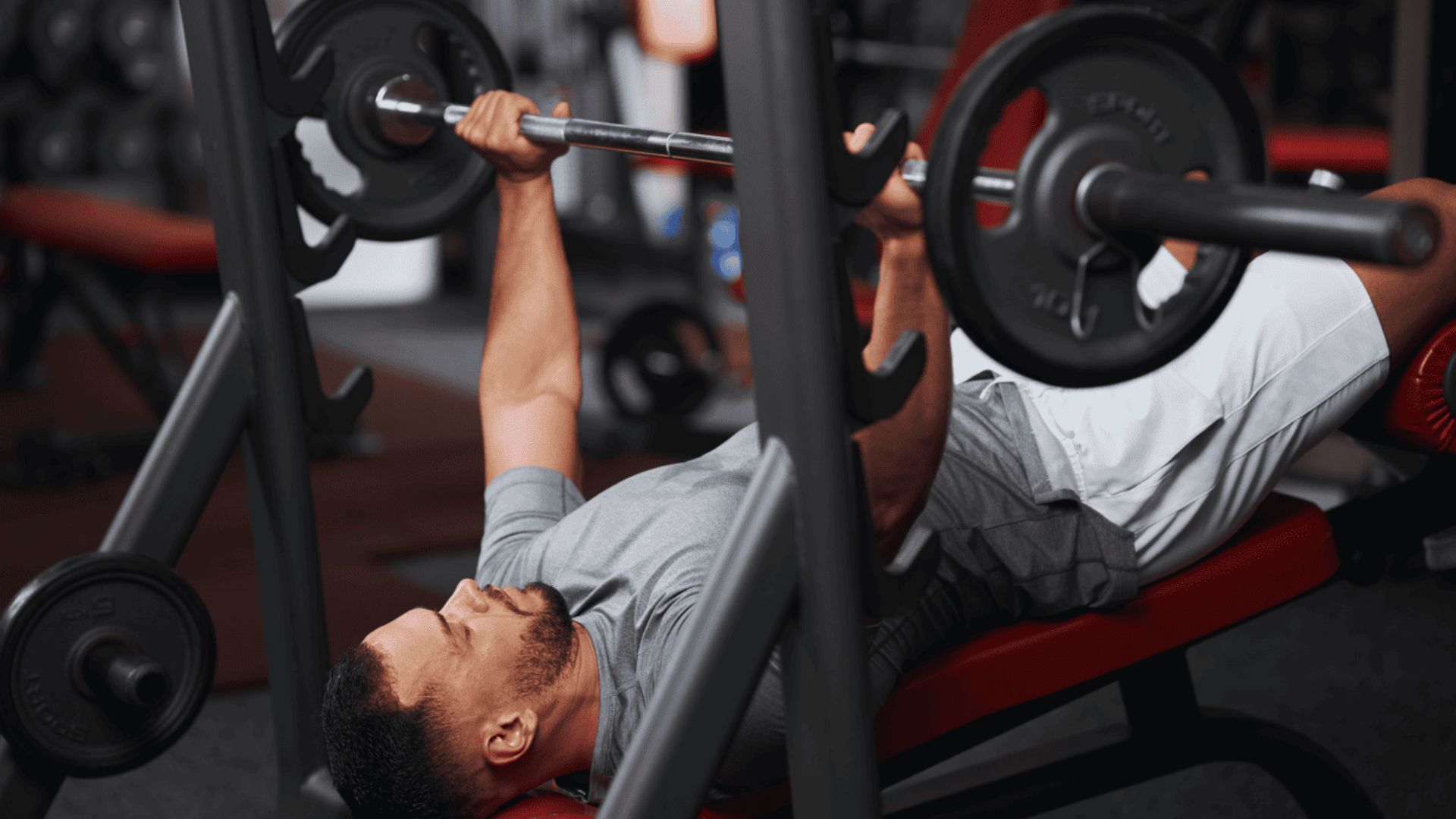
Decline bench press muscles work beyond just the chest. I’ve spent time studying this exercise, and I want to share what I’ve learned with you.
This article covers which muscles it targets, how the angle affects activation, grip variations, and practical tips to get more from every rep.
You’ll leave with clear answers and a solid plan to act on. I have years of training experience and have researched this closely.
This guide is built to help you train smarter, build a stronger chest, and finally get real, lasting results.
Understanding Decline Bench Press Muscles Worked
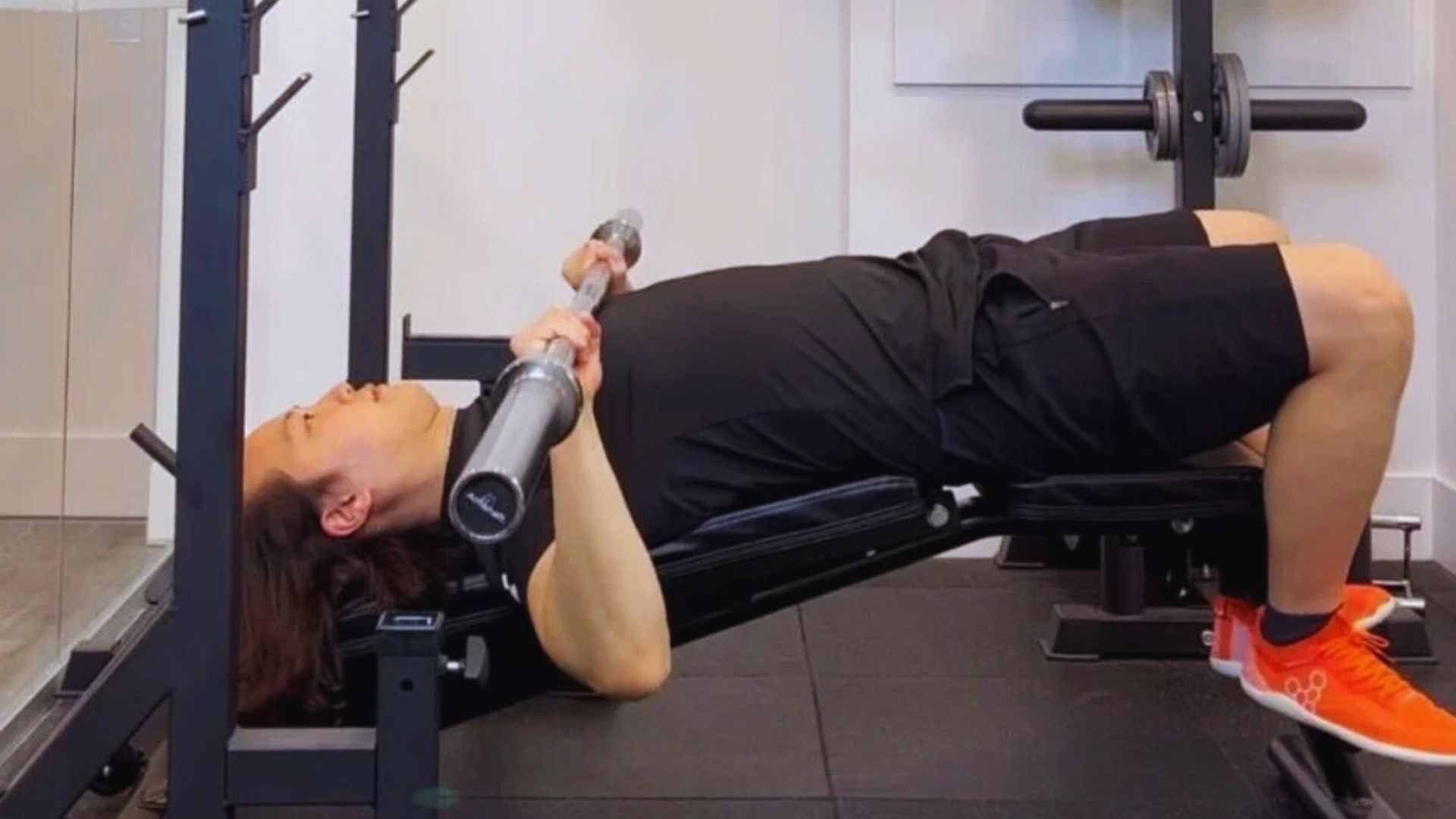
The lower chest is the star here. When you press at a decline angle, the lower fibers of the pectoralis major do most of the work.
This part of the chest is often underdeveloped, and the decline bench hits it directly. Your triceps kick in hard during the push phase.
The anterior deltoids also assist, though less than on a flat press. Both grow stronger with regular practice.
Your lats stabilize the bar path while your core keeps your body fixed and the movement safe and controlled.
How the Decline Angle Impacts Muscle Activation

The angle you press at changes which muscles fire and how much.
Why the lower chest gets more engagement
A flat bench splits the work between upper and lower chest. A decline angle shifts the load downward. This puts more stress on the lower pec fibers.
Studies on EMG (muscle activation) show the lower chest activates more during a decline press compared to a flat press. That’s the main reason lifters use it.
Reduced Shoulder Involvement
One underrated benefit is shoulder relief. The incline press puts heavy load on the front deltoids. The decline press reduces that.
If your shoulders ache during pressing, the decline variation can be a smart swap. Less shoulder involvement means the chest takes over more.
Triceps Contribution in Pressing
The triceps work harder as you lock out at the top. A closer grip increases triceps involvement. A wider grip puts more focus on the chest.
Most lifters use a shoulder-width grip to balance both. Knowing this lets you adjust based on your goal.
Reverse Grip Decline Bench Press Muscles Worked

A grip change can shift the focus and hit muscles in a new way.
How Reverse Grip Changes Muscle Focus
A reverse grip means your palms face toward you. This small change shifts tension. The upper chest and triceps get more activation.
The movement pattern changes slightly, which forces the muscles to work from a different angle. It’s not common, but it’s useful.
Upper Chest and Triceps Activation
Research has shown that a reverse grip on the bench press activates the upper pec more than a standard grip.
Combined with a decline angle, you get a mix of upper and lower chest work. The triceps also stay very active throughout the press.
When to Use This Variation
Use this only after you’re comfortable with the standard decline press. It requires good wrist mobility and control. Start very light. It works well as a finishing exercise at the end of a chest workout.
Is Decline Bench Press Worth It?

Honest takes from real lifters on whether this exercise delivers results.
What Lifters Say About Lower Chest Gains
Most experienced lifters agree the decline bench is one of the best moves for lower chest shape. Many notice the difference after a few weeks of consistent training.
The lower chest fills out, and the overall chest looks more complete.
When It Works Best in a Workout Routine
The decline press works best as a secondary compound movement. Do your flat or incline press first, then add decline.
Three to four sets of 8 to 12 reps work well for most people. It pairs well with cable flies or dips for a complete chest session.
Beginner vs Advanced Lifter Experiences
Beginners often skip the decline press. That’s a mistake. It’s actually easier on the shoulders than the incline press.
Advanced lifters use it to fix lower chest weakness. Both groups benefit. The key is learning proper form early.
Muscle Decline Bench Press Muscles Worked Benefits

The real gains you can expect from adding this exercise to your routine.
Improved Lower Chest Definition
Regular decline pressing shapes the lower chest over time. This creates a cleaner line at the bottom of the chest.
Many people struggle to develop this area with flat pressing alone. The decline angle solves that problem directly.
Better Strength and Stability
Pressing at a decline builds pressing strength from a different position. This carries over to your flat bench and other lifts.
The stabilizer muscles in your core and lats also get stronger. Overall, your pressing foundation becomes more solid.
Balanced Chest Development
A well-developed chest needs work from all angles. Flat, incline, and decline pressing each hit the pecs differently.
Skipping any one of them leaves gaps. Adding the decline press fills in the lower chest and creates a more balanced look and feel.
Tips to Maximize Decline Bench Press Muscle Activation
Small adjustments in form and focus can make a big difference in results.
- Adjust your grip width to shift focus between chest and triceps. A wider grip puts more load on the chest, while a narrower grip increases triceps involvement.
- Lower the bar slowly over 2 to 3 seconds for better muscle tension. Rushing the descent reduces how much the chest actually works.
- Pause briefly at the chest before pressing up to remove momentum. This forces the muscles to do the work instead of the bounce.
- Squeeze your chest on every rep to boost muscle activation. Focusing on the target muscle during a set leads to better results over time.
- Start light and get the movement pattern right before adding weight. Poor form with heavy weight leads to injury, not progress.
- Add weight gradually and never let form break down. Small, steady increases over time build more strength than jumping up too fast.
Conclusion
The decline bench press is a solid move for lower chest development. It reduces shoulder strain, activates the lower pecs well, and builds real strength.
I added it to my chest day a while back, and the lower chest response was noticeable within weeks. Place it after your main press, use 3 to 4 sets of 8 to 12 reps, and focus on form before adding weight.
If you’ve been skipping it, give it a fair shot. Tried the decline press? Drop a comment and share your experience. It might help someone else get started.
Frequently Asked Questions
What muscles does the decline bench press work the most?
The lower pectoralis major is the primary muscle. The triceps and front deltoids also assist during the movement.
Is the decline bench press better than the flat bench press?
Neither is better overall. The decline targets the lower chest more specifically. Flat pressing covers more of the chest in general. Both belong in a complete chest routine.
How much should I decline the bench for best results?
A 15 to 30 degree decline is standard. This range hits the lower chest well without putting your head too far below your heart.
Can beginners do the decline bench press safely?
Yes. It is actually easier on the shoulders than the incline press. Start with light weight, learn the form, and progress from there.
How often should I do the decline bench press each week?
Once or twice a week is enough for most people. Give your chest at least 48 hours of rest between sessions to recover and grow.