

Want to know which muscles the behind-the-neck press actually works? You’re in the right spot.
I’ve spent years testing and coaching this movement, and I’ll show you exactly which muscles fire up during the BTN press and how to use it safely.
We’ll cover what makes this lift different from regular overhead presses, the primary and secondary muscles involved, proper form guidelines, safety considerations, and smart programming strategies. You’ll also learn when to skip this exercise and what to do instead.
My goal? Help you decide if the behind-the-neck press belongs in your routine and, if it does, teach you how to do it right without wrecking your shoulders.
What Is Behind the Neck Press?

The behind-the-neck press (BTN press) is an overhead pressing movement where you lower the barbell behind your head instead of in front. The bar travels from your upper traps to full arm extension overhead. This exercise requires solid shoulder mobility, and you can do it seated or standing.
The main difference from the traditional overhead press is the bar path and muscle focus. Traditional presses keep the bar in front with more front delt activation. The BTN press shifts focus to the side and rear delts plus upper traps. Both build shoulder strength, but the BTN version demands more flexibility.
Olympic weightlifters use it most to mimic the jerk catch position. Bodybuilders add it for side delt development. It’s a specialized tool, not a staple for most people.
Neck Press Muscles Worked
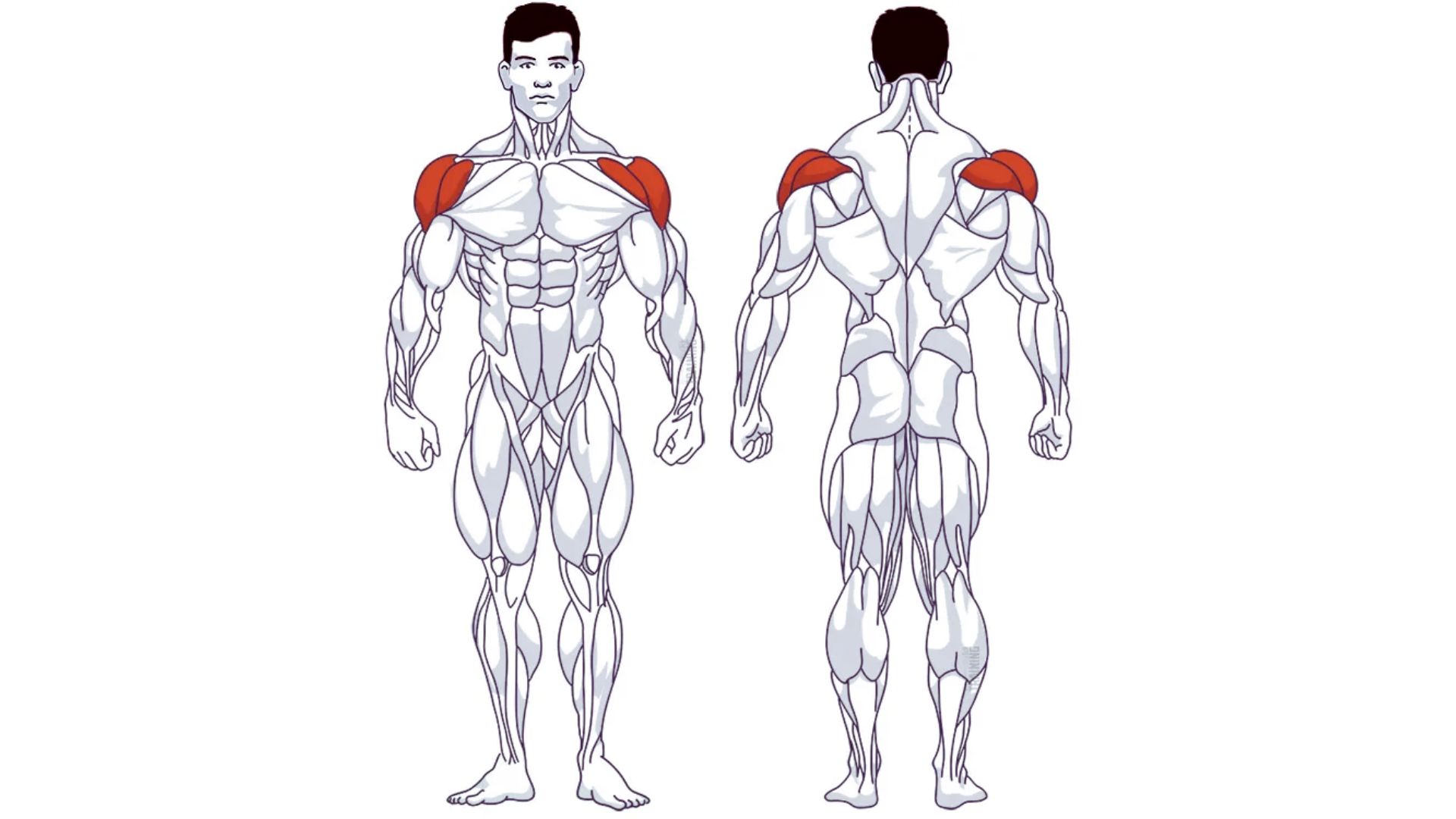
The medial deltoids (side delts) do most of the work during the BTN press. Your posterior deltoids (rear delts) fire hard to control the bar behind your head. They work more here than in front presses. Upper traps activate to stabilize your shoulders and support the weight overhead.
Secondary muscles include triceps for elbow extension, rotator cuff muscles for joint stability, and rhomboids and mid-traps to keep your shoulder blades set. Core muscles brace your spine when standing.
The BTN press creates more external rotation at the shoulder compared to the military press. This shifts work from the front delts toward the side and rear delts. The BTN press requires your shoulders in a more vulnerable position, which demands better mobility.
Benefits of the Behind-the-Neck Press

The behind-the-neck press offers specific advantages for shoulder development and overhead strength when done correctly.
- Targets side delts and upper traps: The BTN press hits medial deltoids hard and keeps constant tension through a full range of motion. Upper traps grow from stabilization demands, making it ideal for wider shoulders.
- Builds overhead control: Pressing behind your neck teaches you to keep the bar moving straight up and down with no forward drift allowed.
- Carryover to Olympic lifts: The movement pattern carries over directly to jerks and snatches for weightlifters who need overhead stability.
- Forces proper posture: You must maintain proper upper back position, or the bar won’t clear your head, preventing forward rounding.
- Improves shoulder mechanics: Over time, this strengthens shoulder control in other lifts and improves daily posture.
Proper Form for the Behind-the-Neck Press
Proper form is critical for the BTN press to maximize muscle activation and minimize injury risk.
Set up and grip width guidelines

Sit or stand with the bar resting on your upper traps, not your neck bones. Grip the bar slightly wider than shoulder width. Your forearms should be nearly vertical at the bottom. Keep your chest up and core tight. Look straight ahead or slightly down.
Bar position and pressing path
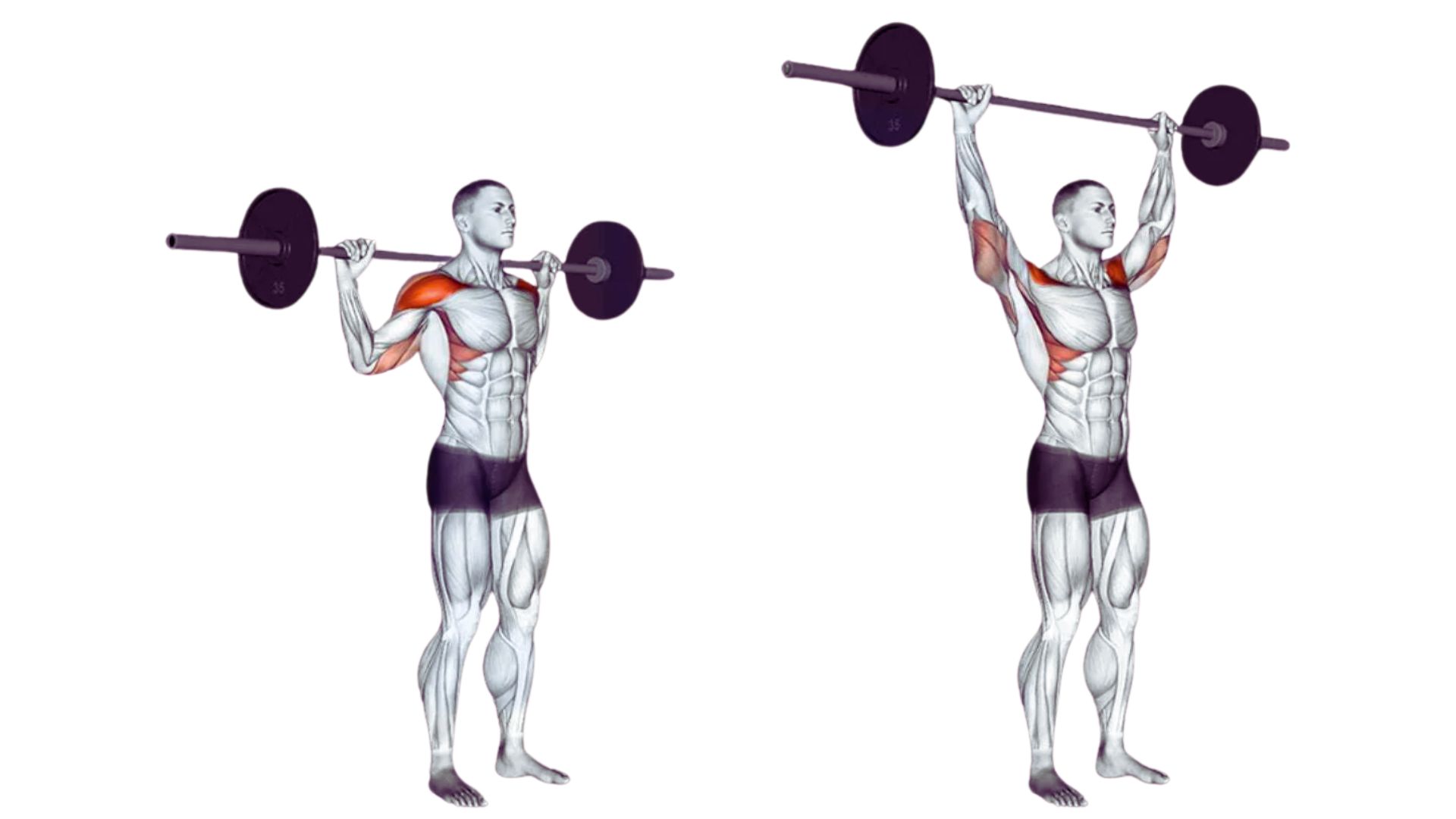
The bar should rest on your traps between your shoulder blades and the base of your neck. Press straight up. The bar travels in a vertical line over your head. Your elbows should track under the bar throughout.
Safe range of motion and depth
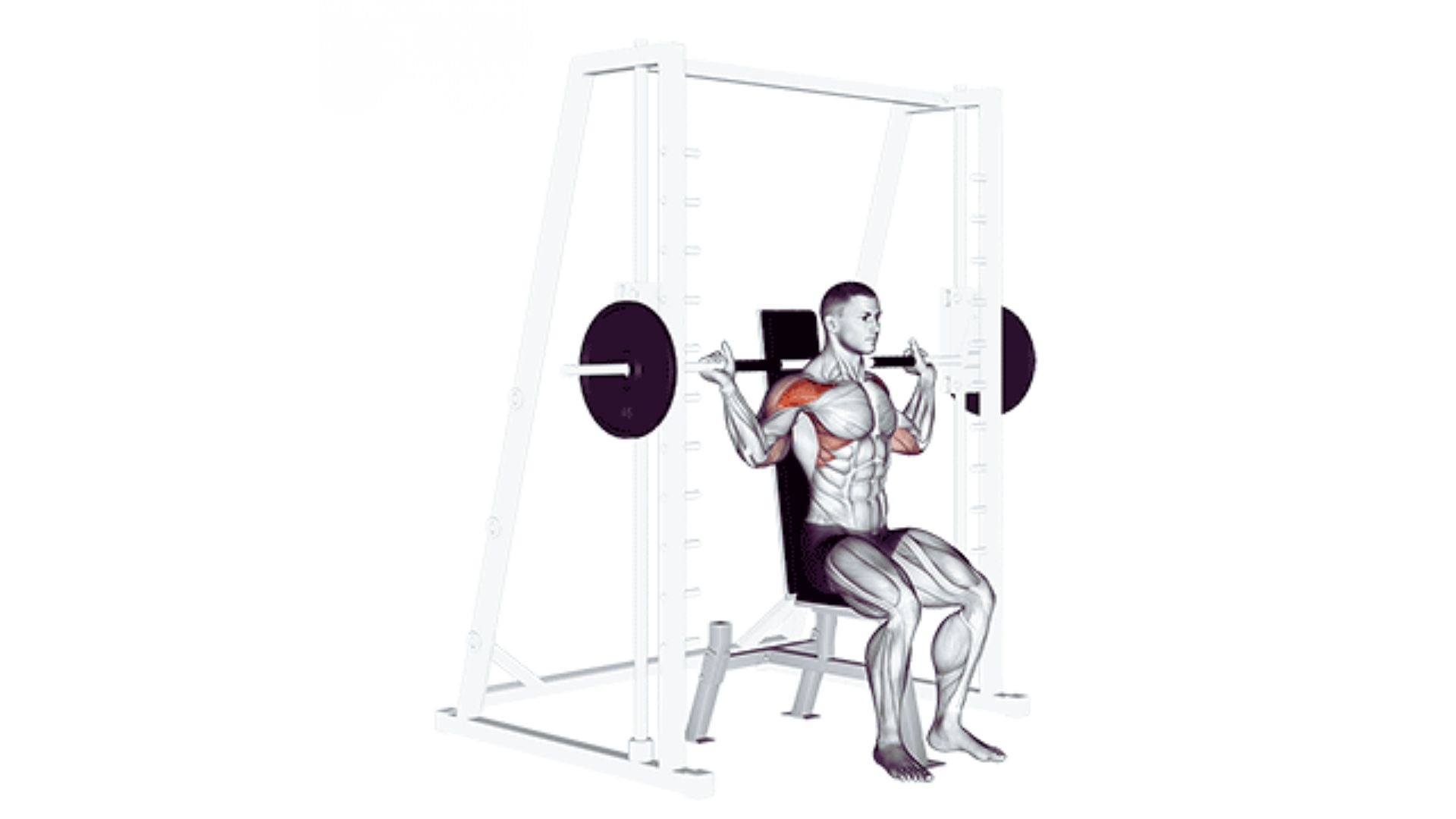
Lower the bar to where shoulder mobility allows, usually just touching your traps. Don’t force excessive depth. If your shoulders round forward or you feel pinching, stop higher. I prefer stopping an inch above the traps for most people. It’s safer and still effective.
Recommended rep tempo for shoulder health
Use a controlled tempo. I like 2 seconds down, 1 second up. Don’t bounce the bar off your traps. This jars your cervical spine. Slower tempos reduce injury risk and improve muscle activation.
Common Mistakes That Reduce Muscle Activation
Avoiding these common form errors will help you get better results and stay injury-free.
- Excessive weight and ego lifting: Using too much weight ruins your form. You’ll arch your back, crane your neck, and lose tension in target muscles. Start lighter and master the movement first.
- Neck craning and spinal overextension: Tilting your head forward is terrible for your neck. Hyperextending your lumbar spine stresses your lower back. Keep your head neutral and maintain proper shoulder position.
- Poor elbow and wrist alignment: If your elbows flare out wide, you lose mechanical advantage and stress your shoulder joint. Keep elbows tracking slightly in front with wrists stacked straight under the bar.
Behind the Neck Press Variations

Different equipment and grip options let you adjust the exercise to match your mobility and goals.
Barbell behind-the-neck press
The classic version. Offers the most loading potential and demands the most stability.
You can do it seated or standing. Seated removes lower back stress and isolates the shoulders better.
Dumbbell behind the neck press
Dumbbells offer more joint-friendly movement. Your shoulders can rotate naturally instead of being locked in one path.
This version works great if the barbell BTN press bothers your shoulders. Go lighter with dumbbells. The stability challenge is much higher.
Machine behind the neck press
Most forgiving variation. The fixed path removes stability requirements and lets you focus purely on pressing.
This version works well for muscle building with less injury risk. Good option for beginners or those with mobility restrictions.
Grip width variations and muscle emphasis wider grip increases side delt activation but demands more shoulder mobility.
A narrower grip involves more triceps and shifts some work to the front delts.
Most people do best with a grip where forearms are nearly vertical at the bottom.
Alternatives to the Behind-the-Neck Press

These exercises build similar shoulder strength with less mobility demand and lower injury risk.
- Dumbbell overhead press: Safer and more natural for most people. You get similar shoulder development without the mobility requirements. I program this far more often than BTN press.
- Landmine press: The angled pressing path is easier on the shoulders with mobility restrictions. My go-to alternative for people who can’t press overhead pain-free.
- Half-kneeling single-arm overhead press: Builds shoulder stability and core strength simultaneously while preventing compensations like back arching.
- Rotator cuff strengthening movements: Face pulls and band pull-aparts target rear delts and build shoulder stability. Better than forcing a BTN press with poor mobility.
Safety Considerations and Shoulder Mobility
Understanding your mobility limitations and safety signals is essential before attempting the BTN press. You need adequate external rotation to place the bar behind your head safely.
Test this: Can you place your hands behind your head with elbows back without compensating? If no, skip this exercise. Sharp pain or pinching sensations mean stop immediately. If you have shoulder impingement, labral tears, or rotator cuff issues, check with a physio first.
To modify the lift, use a Smith machine or try dumbbells for more natural shoulder rotation. The BTN press has a controversial reputation because it places the shoulders in a vulnerable position. If you have the mobility and technique, it works well. If you don’t, better alternatives exist.
Conclusion
The muscles behind the neck press worked include your side delts, rear delts, upper traps, and rotator cuff. If you’ve got the mobility and want to target these muscles differently, this lift can earn a spot in your program.
But if it feels off, skip it without guilt. I’ve built strong shoulders both with and without this movement. Try it carefully, listen to your body, and pick what works for you.
Got questions? Drop a comment below.
Frequently Asked Questions
Is the neck press bad for your shoulders?
Not necessarily, but it requires good shoulder mobility and proper form. People with healthy shoulders and correct technique can perform it safely.
Which muscles does the behind-the-neck press target most?
The medial deltoids (side delts) receive the most tension, followed by the posterior deltoids and upper traps. Secondary muscles include the triceps and rotator cuff.
Should beginners do the neck press?
Generally no. Beginners should build shoulder strength and mobility with safer pressing variations first before attempting this specialized movement.
How often should I do the neck press?
Once per week is sufficient for most lifters. If you’re using very light weight for technique practice, twice weekly is acceptable.
What’s a good alternative to the neck press?
Dumbbell overhead press is the best alternative. Landmine press works well for people with limited overhead mobility.