My glutes were barely changing despite training them three times a week. I kept adding weight to squats and deadlifts. Nothing worked.
Then I tried the cable pull-through. Everything shifted.
This exercise targets your glutes through constant tension and a full range of motion. Most other movements simply cannot match that.
In this blog, I'll break down what it is, which muscles it trains, how effective it really is for size and strength, and the common mistakes that quietly kill your results.
This is the honest, practical guide I wish I had when I started.
If your lower body training feels stuck, you are in the right place. Keep reading.
What Is a Cable Pull-Through?
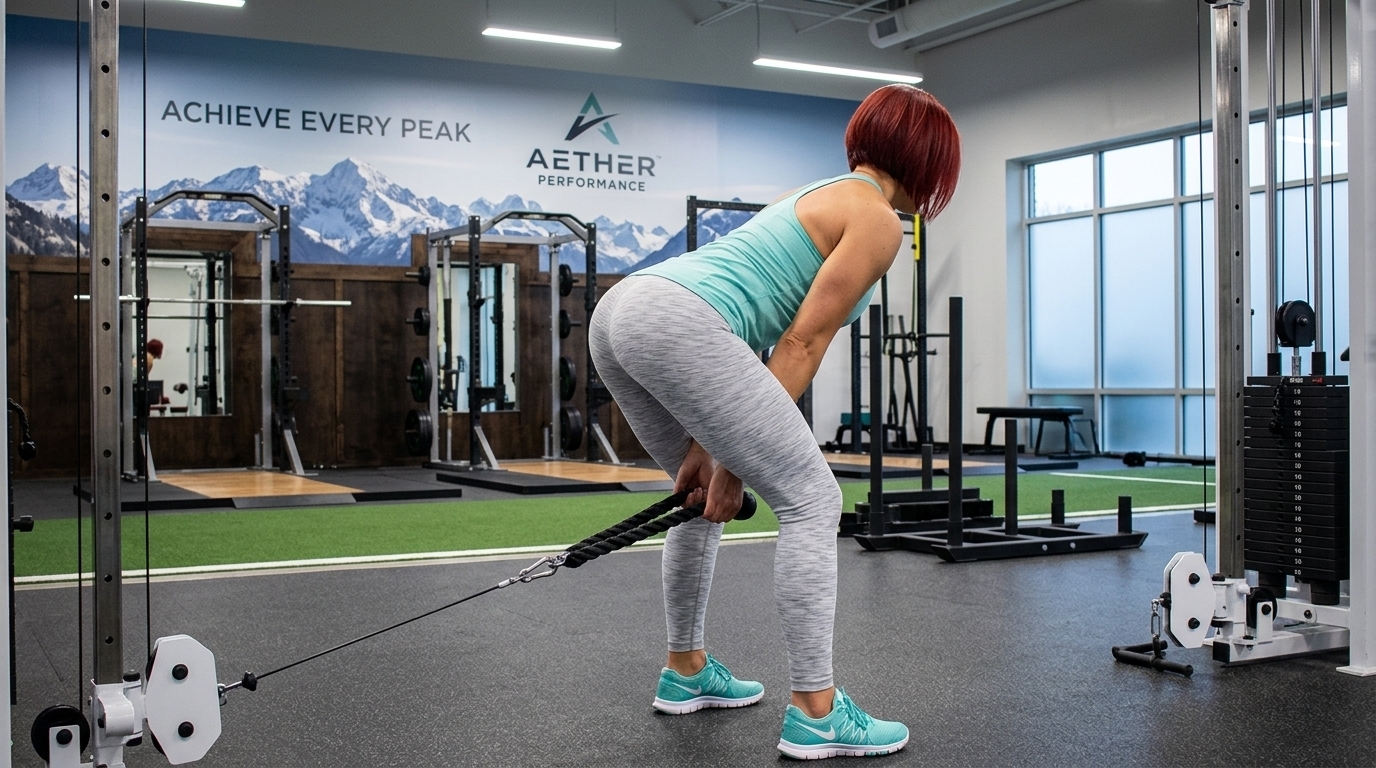
A cable pull-through is a hip-hinge exercise performed using a cable machine with a rope attachment set at the lowest position.
You stand facing away from the machine, reach back between your legs to grip the rope, and then drive your hips forward to a standing position.
The movement is similar to a kettlebell swing but with constant cable tension throughout.
It trains the glutes and hamstrings through a full range of motion and is widely used for building posterior chain strength, improving hip mechanics, and developing glute size with less spinal load than barbell exercises.
The Key Muscle Groups Trained by the Cable Pull-Through

This exercise does more than just work your glutes. Here is a breakdown of every muscle involved.
Gluteus Maximus: The Primary Muscle Targeted
The gluteus maximus is the main driver of the cable pull-through. It handles hip extension, which is the motion of pushing your hips forward from a hinged position.
Because the cable creates constant tension, the glutes stay under load through the full movement.
This consistent resistance is one reason the cable pull-through produces strong glute activation. It directly supports glute growth and lower-body power development over time.
Hamstrings: The Secondary Driver
The hamstrings assist the movement during both the stretch at the bottom and the contraction at the top. As you hinge forward, the hamstrings lengthen under load.
As you drive your hips through, they help control and support the movement. Strong hamstrings also allow the glutes to work more effectively.
When the hamstrings are weak or tight, glute performance during hip extension tends to drop off, so training both together is a smart approach.
Glute Medius and Glute Minimus
The glute medius and glute minimus sit on the outer side of your hip. During the cable pull-through, they work to keep the hips stable and prevent them from shifting side to side.
This stabilizing role is important for maintaining proper movement mechanics throughout the exercise.
If these muscles are weak, you may notice your hips drifting or your knees caving during the drive phase.
Core and Lower Back Stabilizers
Your core and lower back muscles work the entire time during a cable pull-through. They maintain spinal alignment as you hinge forward and keep your posture controlled as you stand tall at the top.
Without proper core engagement, the lower back tends to take over, which reduces glute activation and increases injury risk.
Bracing your core before each rep keeps the right muscles in charge throughout the movement.
Is the Cable Pull-Through Effective for Glute Size?
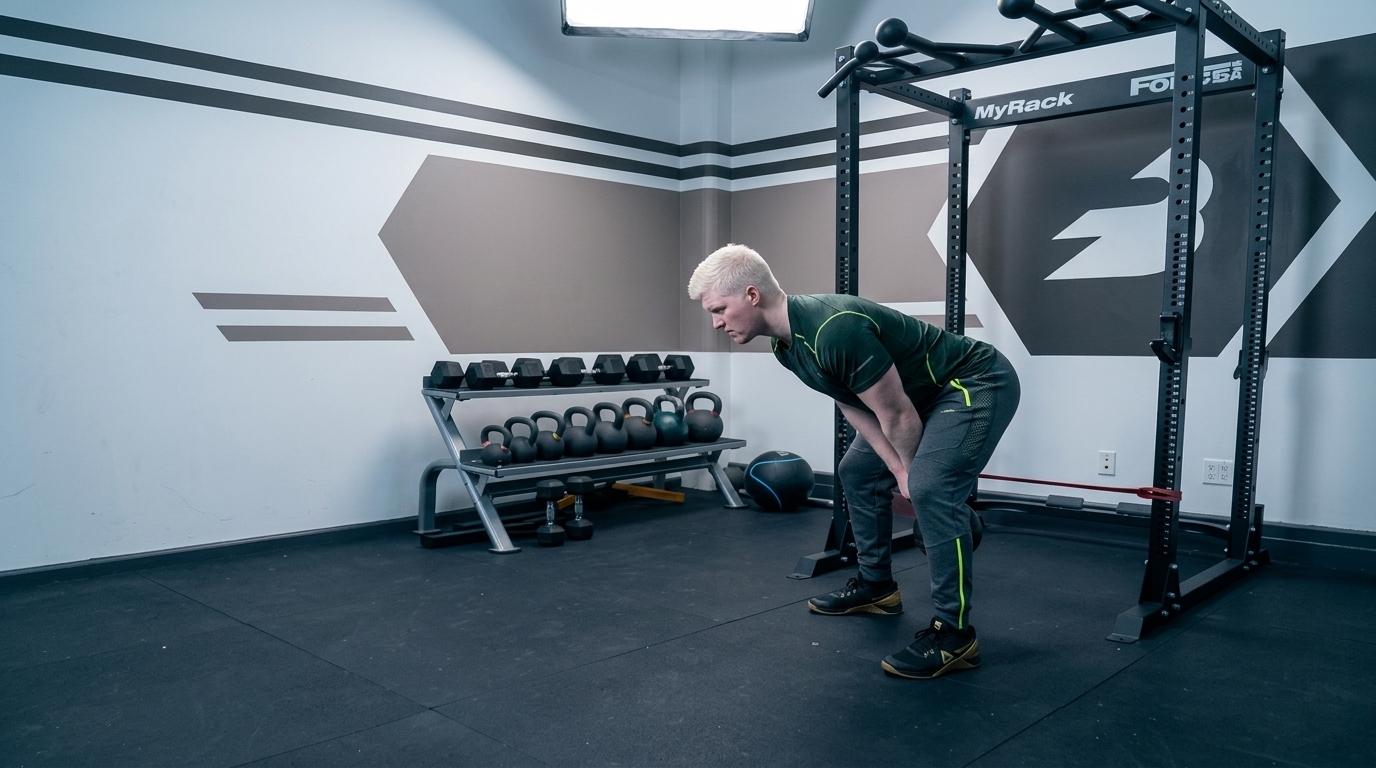
Yes, the cable pull-through is genuinely effective for building glute size. The key reason is constant tension.
Unlike free weight exercises where tension drops at certain points, the cable keeps resistance on the glutes throughout the full range of motion.
This extended time under tension is one of the main drivers of muscle growth.
The hip hinge pattern also allows a deep stretch at the bottom, which research suggests may play a meaningful role in hypertrophy.
For anyone specifically focused on glute development, this exercise earns a regular spot in the program.
Is the Cable Pull-Through Effective for Glute Strength?

The cable pull-through builds real, functional glute strength that carries over into everyday life and the gym.
It directly strengthens the glutes through hip extension, improving force production through the entire posterior chain. Walking, running, climbing stairs, and lifting all rely on this movement pattern.
Getting stronger here makes those activities easier and reduces strain on your lower back and knees.
It also improves your performance in Romanian deadlifts, hip thrusts, and conventional deadlifts. When your hip hinge is strong and your glutes fire well, every lower-body exercise gets better as a result.
Cable Pull-Through vs Romanian Deadlift: Quick Comparison
A quick look at how these two hip-hinge exercises differ in glute activation, loading, and overall muscle-building potential.
| Feature | Cable Pull-Through | Romanian Deadlift |
| Main Focus | Glute isolation | Glutes + hamstrings |
| Glute Activation | Very high | High |
| Lower Back Stress | Low | Moderate |
| Best For | Glute hypertrophy | Overall posterior chain strength |
| Difficulty | Beginner-friendly | Intermediate |
Choose cable pull-throughs for targeted glute growth. Choose Romanian deadlifts for building overall posterior chain strength and muscle. Both have a place in a well-rounded program.
Common Mistakes That Reduce Glute Activation
Small form errors can take the work away from your glutes completely. Watch out for these.
- Squatting instead of hinging takes the glutes completely out of the movement.
- Rounding the lower back shifts the load onto your spine instead of your glutes.
- Using too much weight forces your lower back to take over every rep.
- Hyperextending at the top cuts the glute contraction short right at the peak.
- Rushing through reps brings momentum in and keeps your glutes from doing the work.
Conclusion
My glute progress was stuck for months before I gave cable pull-throughs a proper chance. The constant tension and full range of motion made a noticeable difference faster than I expected.
If you are in that same spot, start here.
Keep the weight manageable, focus on the hinge, and stay consistent with it.
Have you tried cable pull-throughs? Drop your thoughts in the comments. And if this post helped, pass it along to someone working on their lower body.
Frequently Asked Questions
What is a cable pull-through good for?
It is one of the best exercises for glute activation, hip extension strength, and building posterior chain muscle with low spinal stress.
How many reps should I do for cable pull-throughs?
A good starting point is 3 sets of 10 to 15 reps with a weight you can fully control through the entire movement.
Can beginners do cable pull-throughs?
Yes, it is beginner-friendly because the cable guides the movement and the load is easy to adjust as you build strength and confidence.
Should I squeeze my glutes at the top of a cable pull-through?
Yes, pause briefly at the top and squeeze your glutes firmly before lowering back into the hinge for better muscle activation.
How is a cable pull-through different from a kettlebell swing?
Both use a hip-hinge pattern, but the cable provides constant tension throughout the movement while a kettlebell swing relies more on momentum and power.