Building a stronger back with cables is simpler than most people think.
I have spent years testing different cable exercises and I know what actually works. This guide covers the 11 best cable back workouts to help you build real strength and muscle.
You will learn the best exercises for every part of your back, along with ready-to-use workout routines for all levels. I will also walk you through the most common mistakes people make and share practical tips to get better results faster.
If you want a clear and honest plan that actually works, you are in the right place.
Why Cable Back Workouts Are Effective
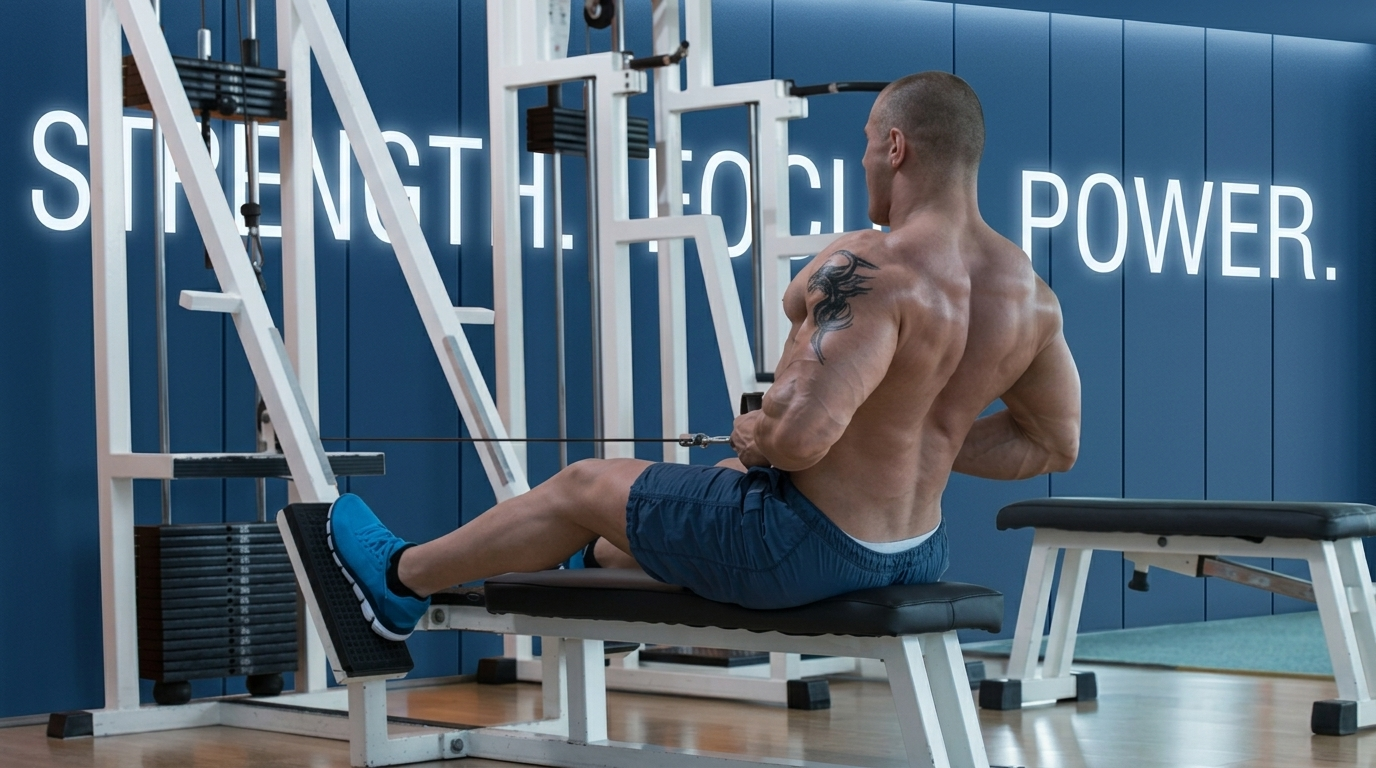
Cable back workouts keep your muscles under tension through the full range of every rep, unlike free weights which lose resistance at certain points due to gravity.
Exercises like seated rows and lat pulldowns hit multiple muscles at once, including the lats, rhomboids, and traps, so you get more done in fewer movements. The smooth, guided resistance puts less stress on the joints, making it a safe option for all fitness levels.
Small weight increases on the stack make progression simple, and the constant tension helps you build a stronger mind-muscle connection with every set.
11 Best Cable Back Workouts for Strength and Muscle
Cable machines are great tools for building a stronger, thicker back. They keep tension on the muscles through the full range of motion. This makes them very effective for both strength and muscle growth.
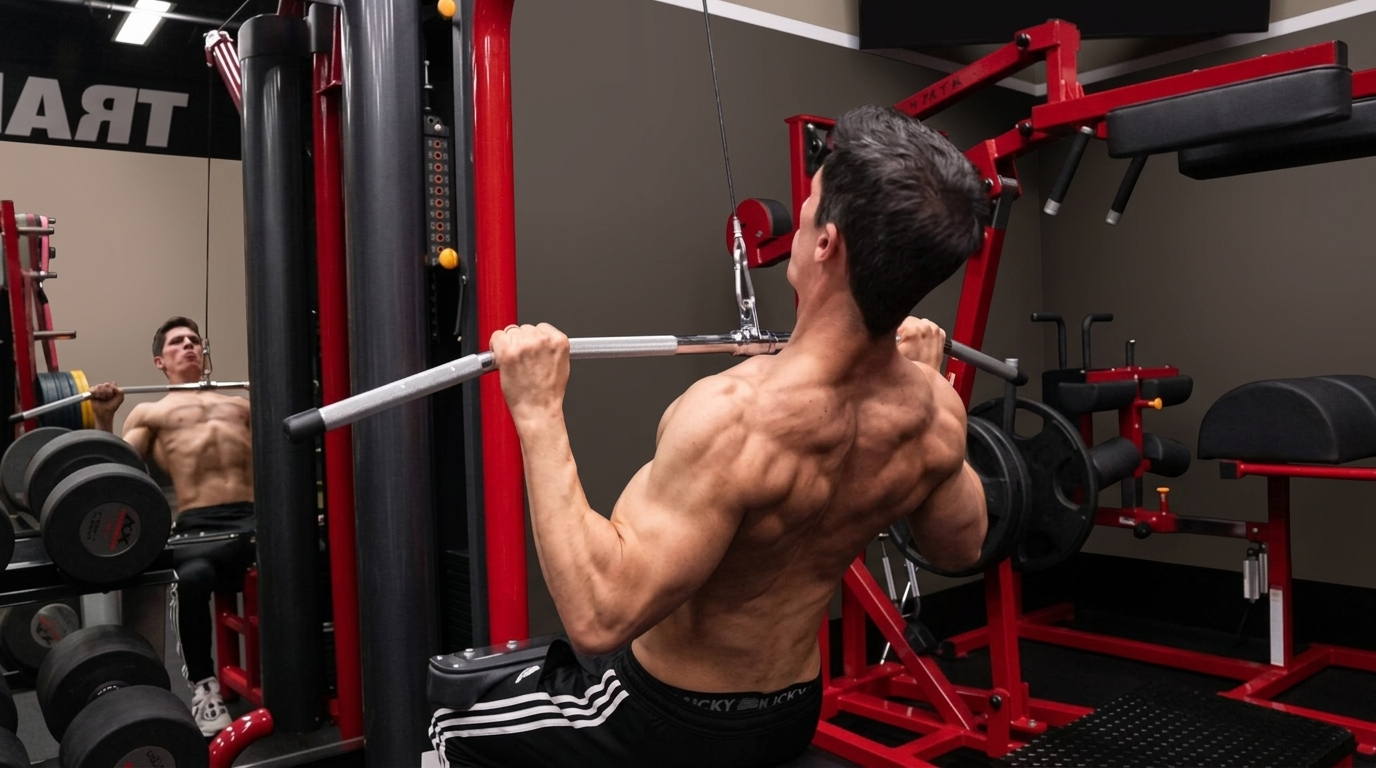
1. Wide-Grip Lat Pulldown

Pull wide, build wider this move shapes the outer lats like nothing else. A classic move that targets the outer lats and builds a wider back.
Sit at the cable machine and grip the bar wider than shoulder width. Pull the bar down to your upper chest while keeping your chest up. Squeeze your lats at the bottom and slowly return to the start.
Keep your torso slightly leaned back. Do not swing or use momentum. Focus on pulling with your back, not your hands.
2. Seated Cable Row
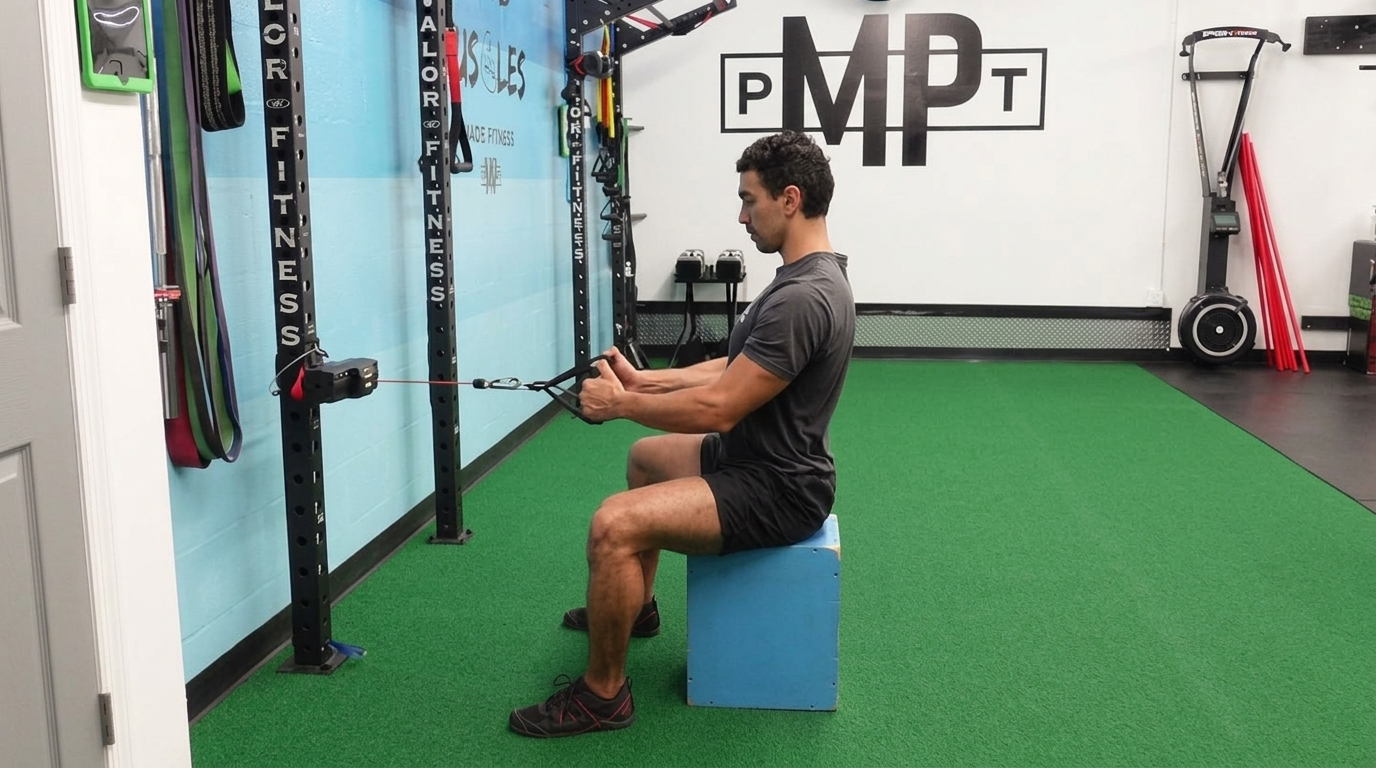
Sit down, pull hard, and build the thick mid-back you have been working toward. A powerful rowing exercise that works the mid-back and improves posture.
Sit on the bench with your feet on the platform. Grab the handle and pull it toward your lower abdomen. Keep your back straight and your elbows close to your sides.
Pause for a second at the peak contraction. Then extend your arms slowly back to the start. This slow return builds serious muscle.
3. Single-Arm Cable Row
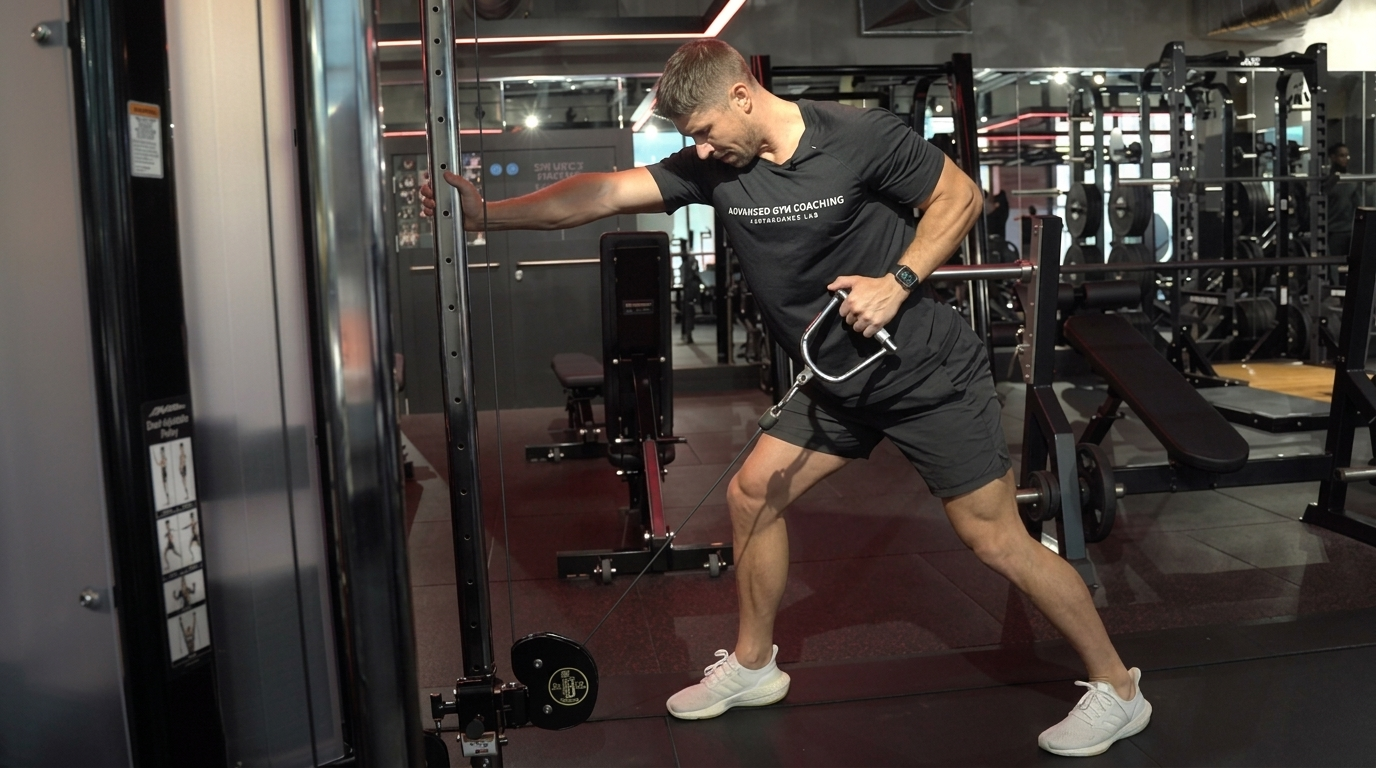
One arm at a time means double the focus and better muscle balance on both sides. Targets one side at a time to fix muscle imbalances and improve focus.
Stand or sit sideways to the cable machine. Grab the handle with one hand and pull it back toward your hip. Rotate your torso slightly as you pull for a better range of motion.
This move helps if one side of your back is weaker than the other. It also builds better control and stability.
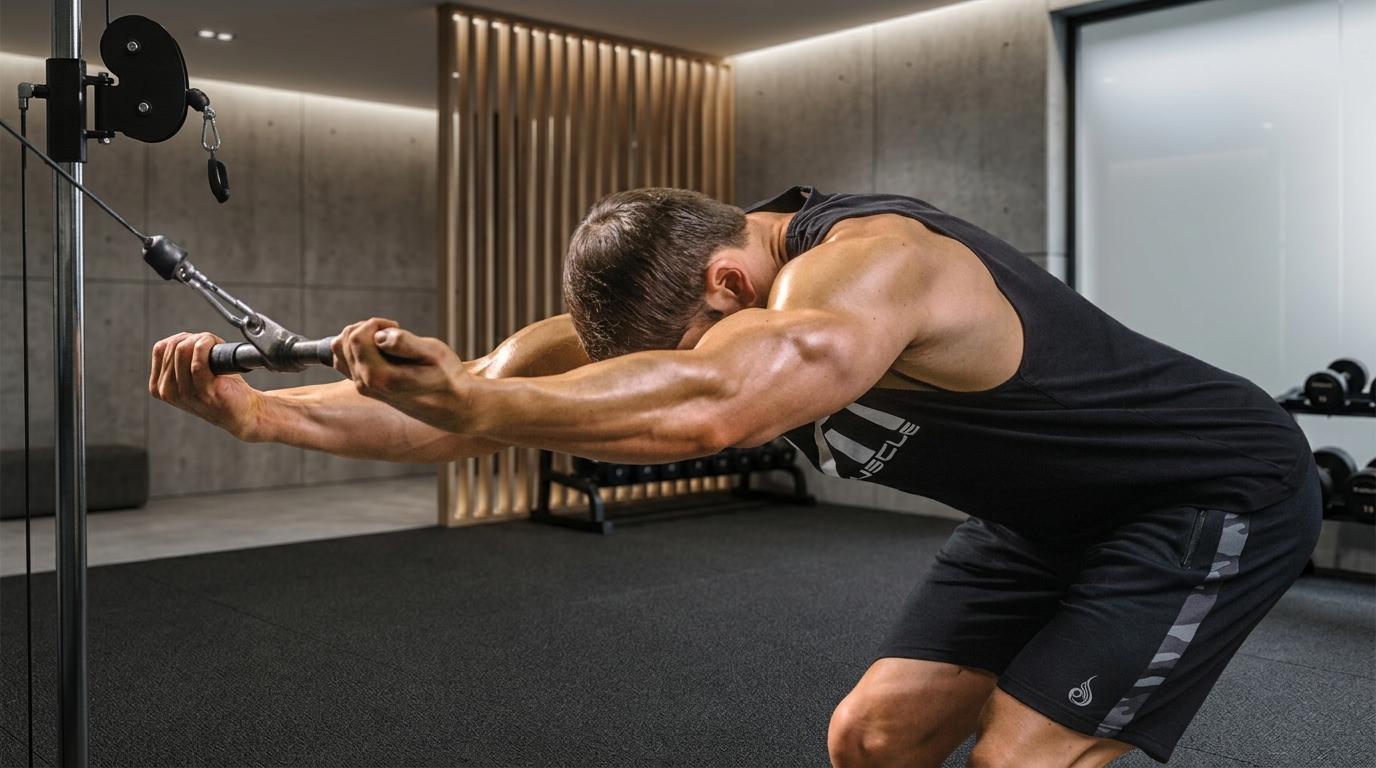
4. Straight-Arm Rope Pulldown
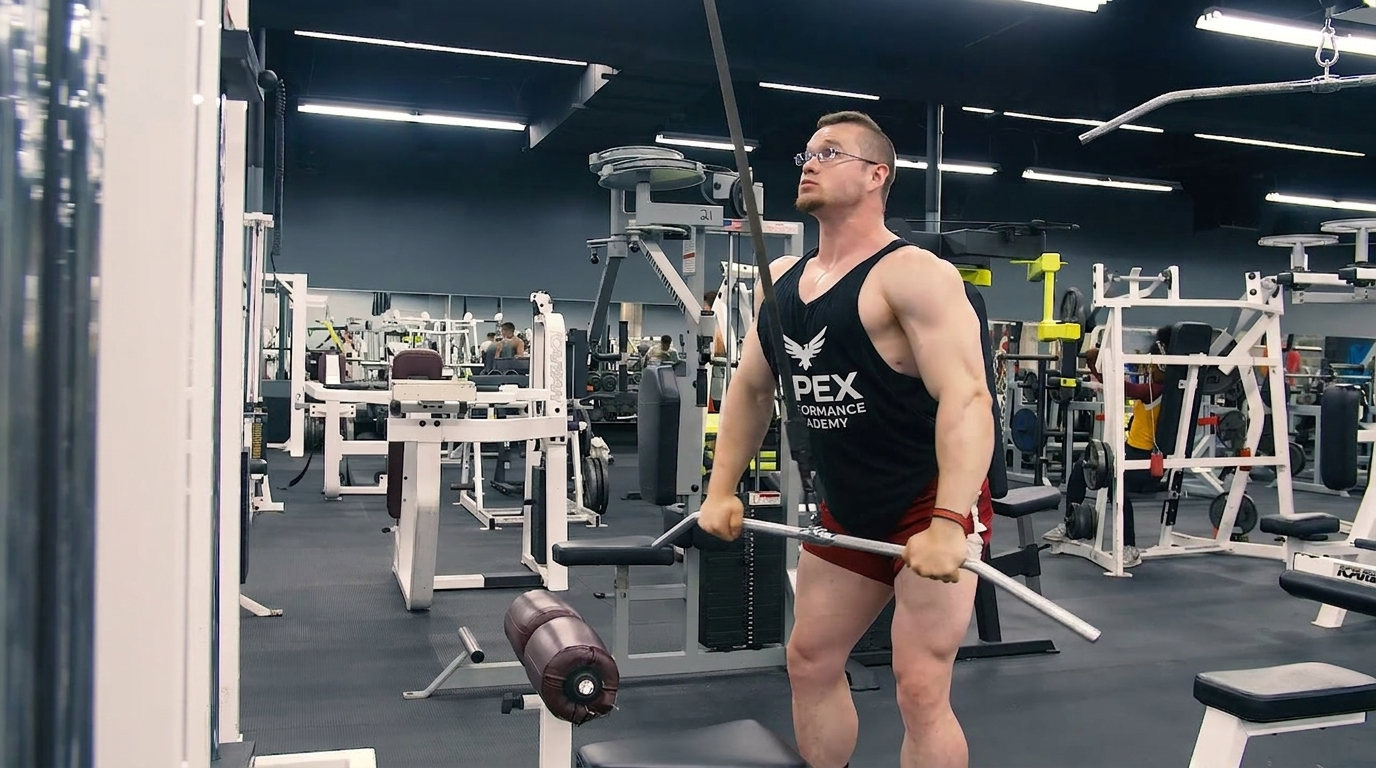
Keep your arms straight and let your lats do all the heavy lifting here. Isolates the lats by keeping the arms straight throughout the movement.
Stand in front of the cable machine with the rope attachment set at the top. Keep your arms nearly straight and pull the rope down toward your thighs. Lean forward slightly for better activation.
This exercise takes the biceps out of the movement. Your lats have to do all the work.
5. Close-Grip Lat Pulldown
Alt Text:

A tighter grip means deeper lat activation and a stronger squeeze at the bottom. Shifts focus to the lower lats and inner back muscles.
Use a V-bar or close-grip handle for this one. Pull it straight down to your chest while keeping your elbows pointed downward. This grip puts more stress on the lower portion of the lats.
It also allows a deeper squeeze at the bottom. Add this after wide-grip pulldowns for complete lat development.
6. Cable Face Pull
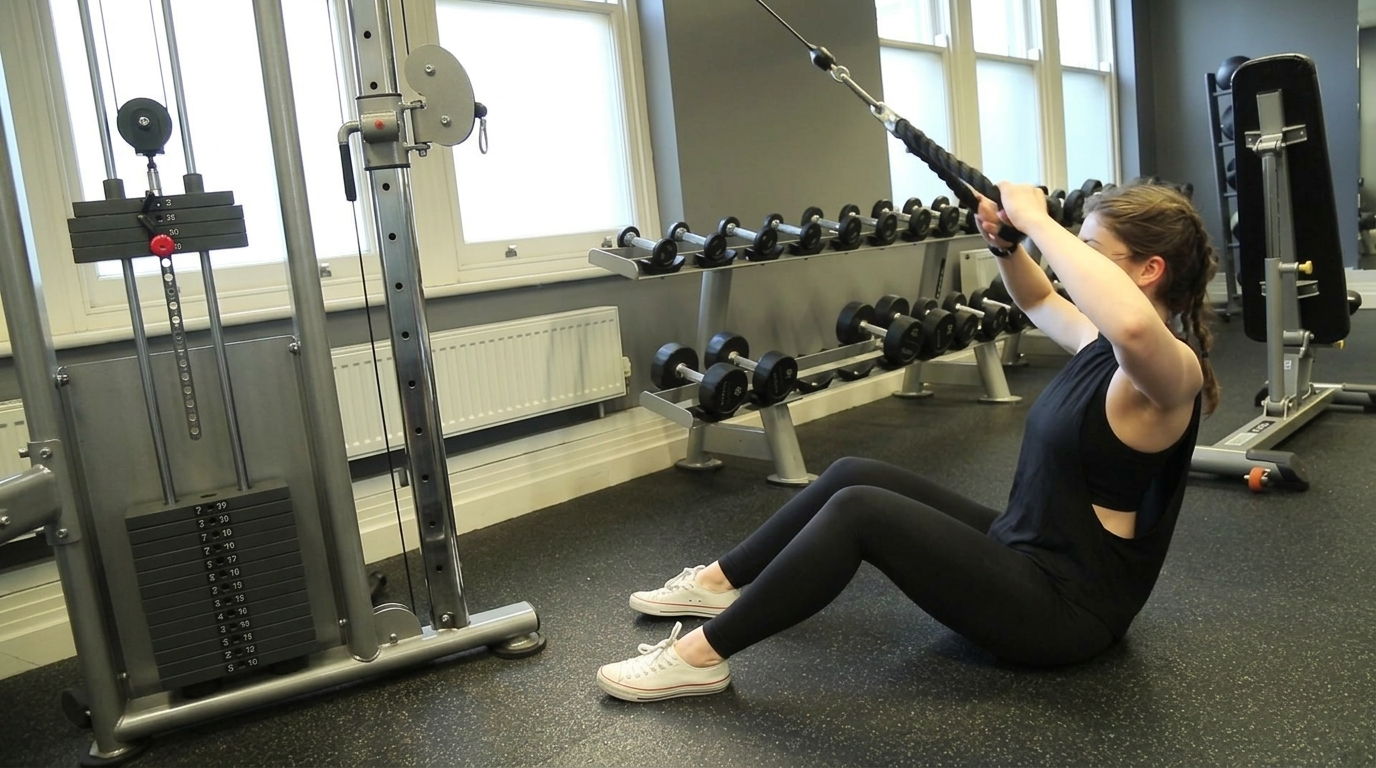
Pull toward your face and build the rear delts that protect your shoulders long term. Builds rear deltoids and upper traps while protecting shoulder health.
Set the cable at face height and use a rope attachment. Pull the rope toward your face while flaring your elbows out to the sides. Your hands should end up beside your ears.
This move is often skipped but very important. It keeps your shoulders balanced and reduces injury risk.
7. Reverse Cable Fly

Open your arms wide and feel the upper back muscles fire up with every rep. Works the rear delts and upper back to improve thickness and posture.
Set two cables at shoulder height. Stand in the center and cross the handles. Then pull them outward in a wide arc while keeping a slight bend in your elbows.
Squeeze your shoulder blades together at the end of the movement. This trains the muscles that are often hard to hit with free weights.
8. Standing Cable Row
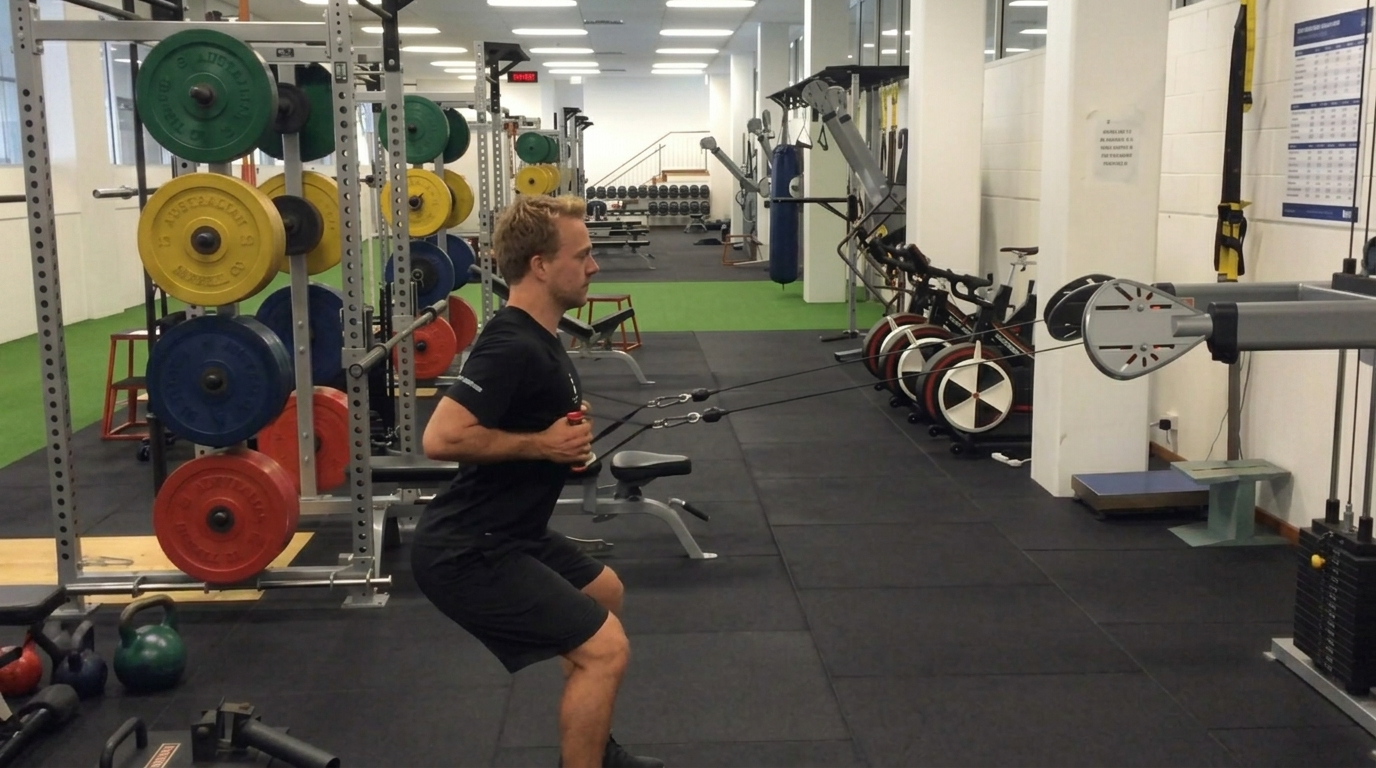
Stand tall, pull strong, and let your core work just as hard as your back. Adds core engagement to a standard rowing movement.
Stand facing the cable machine and grab the handle at waist height. Pull it toward your stomach while keeping your back flat. Your core must stay tight throughout the rep.
Standing removes the support of a bench. This forces your stabilizer muscles to work harder.
9. Seated Reverse-Grip Cable Row
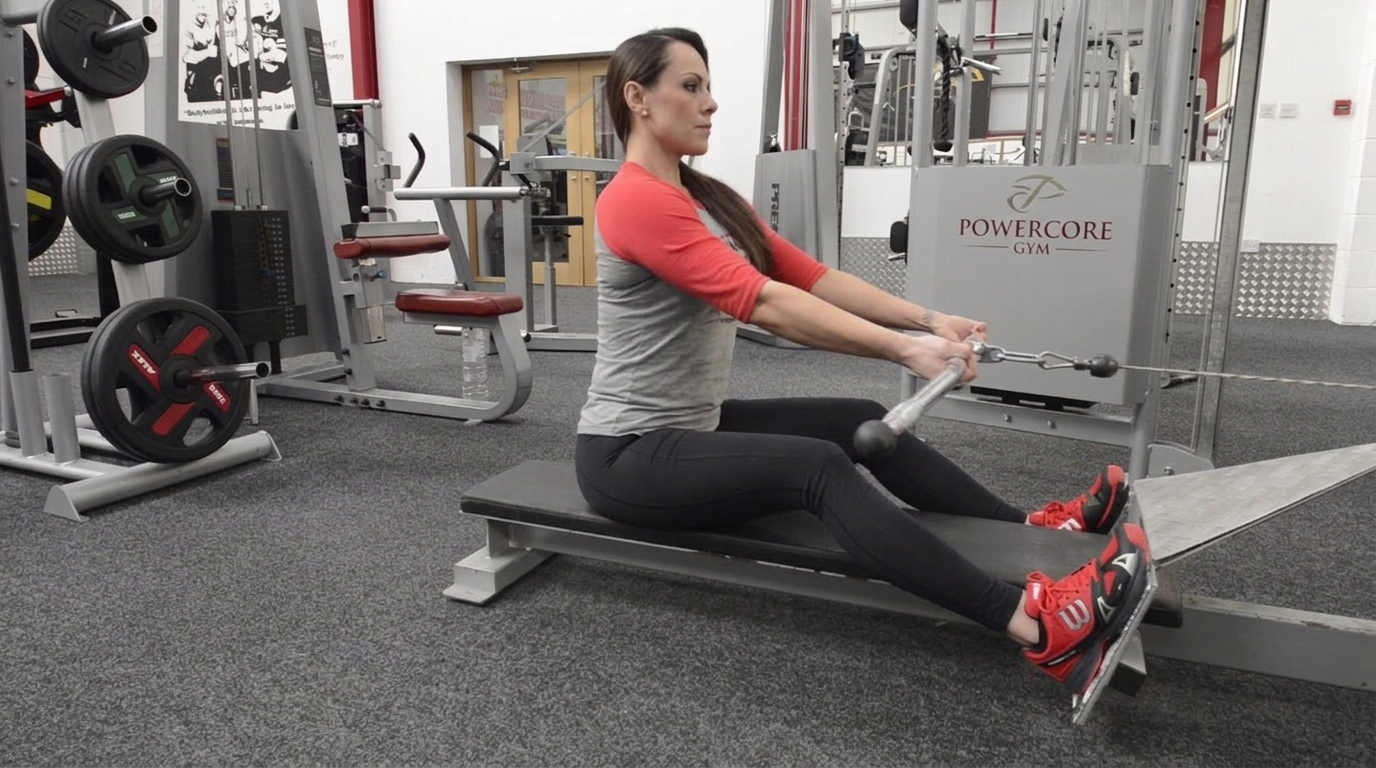
Flip your grip and feel a whole new level of tension in your lower lats. Uses an underhand grip to shift tension to the lower lats and biceps.
Sit at the cable row station and flip your grip so your palms face up. Pull the handle toward your lower belly. Keep your elbows close to your body throughout the movement.
This grip angle hits the lower lats in a way that the standard overhand row does not.
10. Cable Shrugs
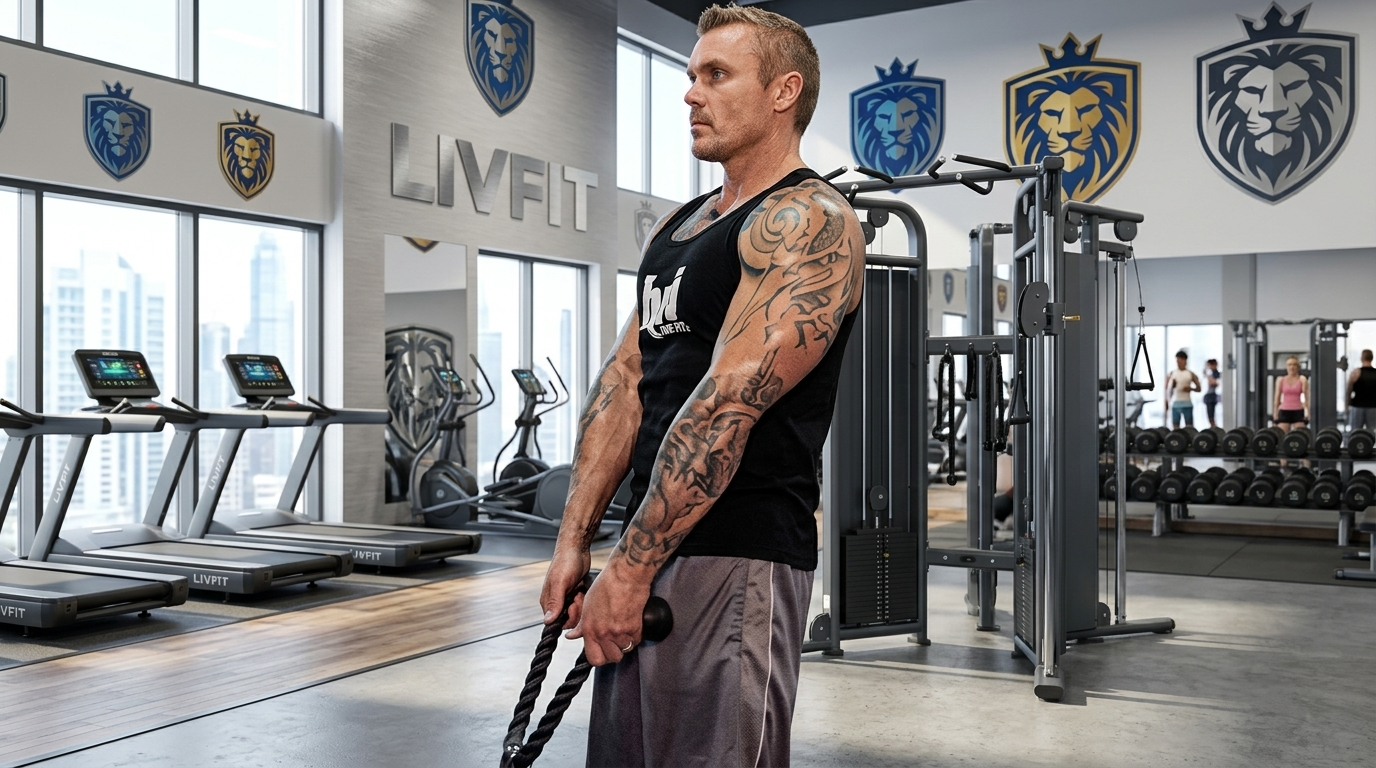
Shrug it up and stack serious size onto your upper traps with this simple move. A simple move to build the upper traps and add thickness to the upper back.
Stand facing away from the cable machine. Hold the handles at your sides and shrug your shoulders straight up. Hold at the top for a count, then slowly lower back down.
Keep your neck relaxed and do not roll your shoulders. A straight up-and-down motion works best here.
11. Dual Cable Crossover Lat Pulldown
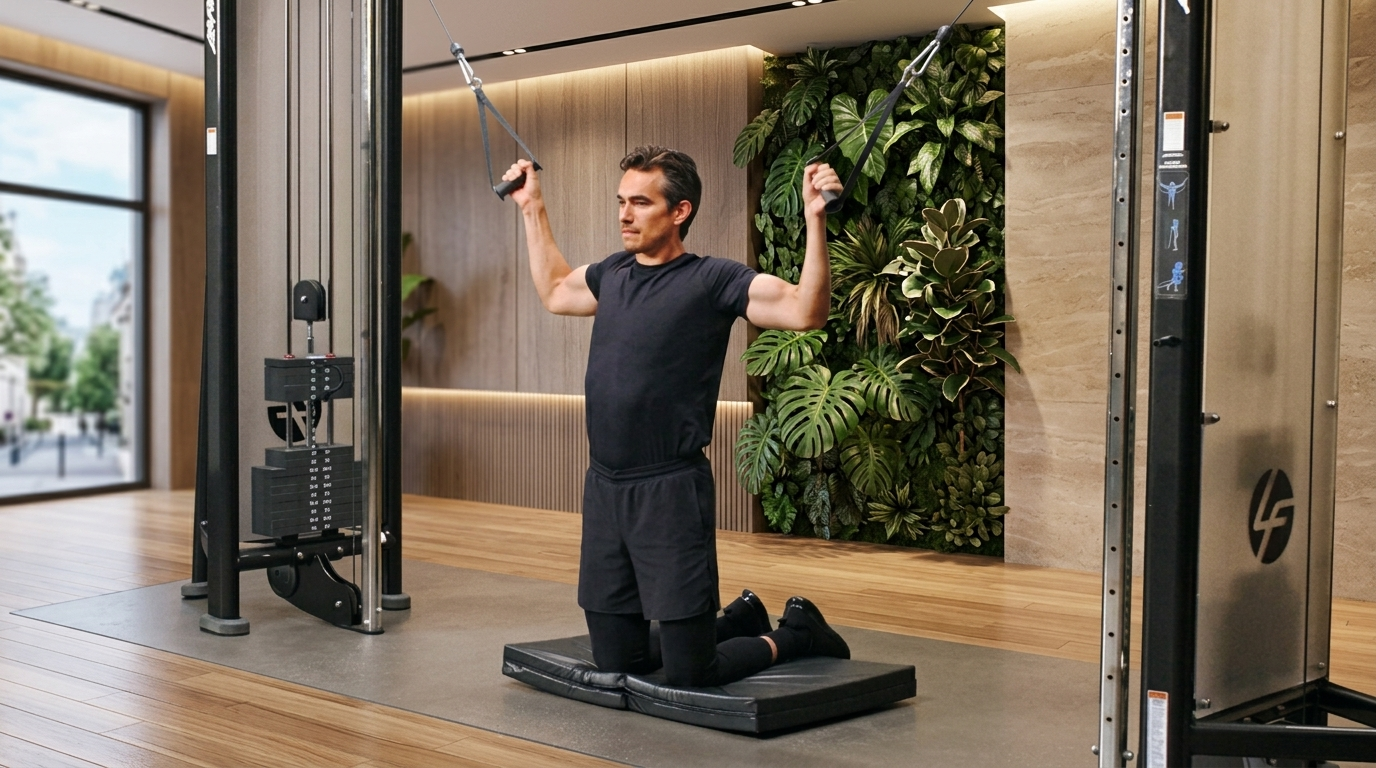
Hit both lats at once and finish your workout with a powerful full-back squeeze. Works both lats at the same time with a strong squeeze at the center.
Set both cables at the top of the machine. Stand in the middle and grab one handle in each hand. Pull both handles down and toward your hips at the same time.
This creates a strong contraction across the entire lat area. It works great as a finishing move at the end of your workout.
Best Cable Back Workout Routines
The right routine makes all the difference between slow progress and real results.
Beginner Cable Back Workout
New to cables? Start here and build a strong foundation before moving on. A simple starting plan for those new to cable training.
Start with just two or three exercises. Seated cable rows, wide-grip lat pulldowns, and face pulls are a good starting point. Do three sets of 10 to 12 reps each.
Rest for about 60 seconds between sets. Focus on learning the movement patterns before adding more weight.
Standing Cable Back Workout
Stay on your feet and train your back while building full-body stability at once. A routine done entirely on your feet to build stability and core strength.
Choose exercises like standing cable rows, straight-arm pulldowns, and reverse cable flys. These keep you upright and force your core to stay engaged the whole time.
This style of training is great for athletes or anyone who wants better functional strength.
Seated Cable Back Workout
Take a seat, load up the weight, and focus fully on working your back hard. A lower-impact routine that allows heavier loads and focused muscle work.
Use the seated row station for most of your sets. Include seated cable rows, close-grip pulldowns, and seated reverse-grip rows.
Being seated removes much of the balance challenge. This lets you focus fully on loading the back muscles.
Muscle-Building Cable Back Workout
More sets, more reps, more tension this plan is built for serious muscle growth. A higher-volume plan designed to maximize muscle growth over time.
Pick four to five exercises and do four sets each. Keep reps in the 8 to 12 range and rest no more than 90 seconds between sets.
Include a mix of pulling and rowing movements to hit all parts of the back. Add weight gradually as you get stronger.
Common Cable Back Workout Mistakes
Small errors in form can slow your progress and raise your risk of injury.
Using Too Much Weight
Heavy weight with bad form builds nothing to lighten the load and feel the difference. Going too heavy causes your form to break down fast.
You end up using your arms, legs, and momentum instead of your back muscles. Start lighter and focus on feeling the right muscles work.
Pulling With the Arms Instead of the Back
Your back should lead every pull your arms are just along for the ride. This is one of the most common problems in back training.
Think about pulling with your elbows, not your hands. Imagine your hands are just hooks that hold the bar.
Ignoring Proper Posture
A rounded back during cable work is a fast track to pain and poor results. Rounding your back during rows and pulldowns reduces muscle activation and raises injury risk.
Keep your chest up and your spine in a neutral position on every rep.
Tips to Get Better Results From Cable Back Workouts
A few smart habits can take your cable back training from average to very effective.
- Choose the Right Attachment: A wide bar hits the outer lats while a rope or V-bar shifts stress to the inner and lower back. Try a few and stick with what you feel most.
- Focus on Full Range of Motion: Do not cut your reps short. Stretch at the start and squeeze hard at the end for better muscle growth.
- Control Every Rep: Slow down the return portion of each rep. Lowering the weight with control builds far more muscle than dropping it fast.
- Progressively Increase Resistance: Add a small amount of weight every week or two. Small increases add up to big gains over time.
- Mind Your Breathing: Breathe out as you pull and breathe in as you return. Good breathing keeps your core stable through every rep.
Conclusion
Building a strong back with cables has been one of the best decisions I made in my training. The constant tension just hits differently compared to free weights.
Start with two or three exercises from this list and build from there. You do not need to do everything at once. Small steps done consistently are what actually work.
Try one of these workouts this week and see how your back responds. Drop a comment below and let me know which cable back workout is your favorite!
Frequently Asked Questions
Are cable machines good for back training?
Yes, cable machines are one of the best tools for back training. They keep constant tension on the muscles through the full range of motion, which helps build strength and size faster.
How many times a week should I train my back with cables?
Training your back two times a week with cables is a good starting point. This gives your muscles enough work to grow while allowing proper recovery between sessions.
Can beginners use cable machines for back workouts?
Cables are actually a great starting point for beginners because the machine guides your movement. Start with light weight, focus on form, and increase the load gradually as you get comfortable.
What is the best cable exercise for a wider back?
The wide-grip lat pulldown is one of the most effective moves for building width. It targets the outer lats directly and helps create that broad, V-shaped look over time.
Do I need to lift heavy to see results from cable back workouts?
You do not need to go heavy to see real results. Controlled reps with moderate weight and good form will always outperform sloppy reps with too much weight on the stack.