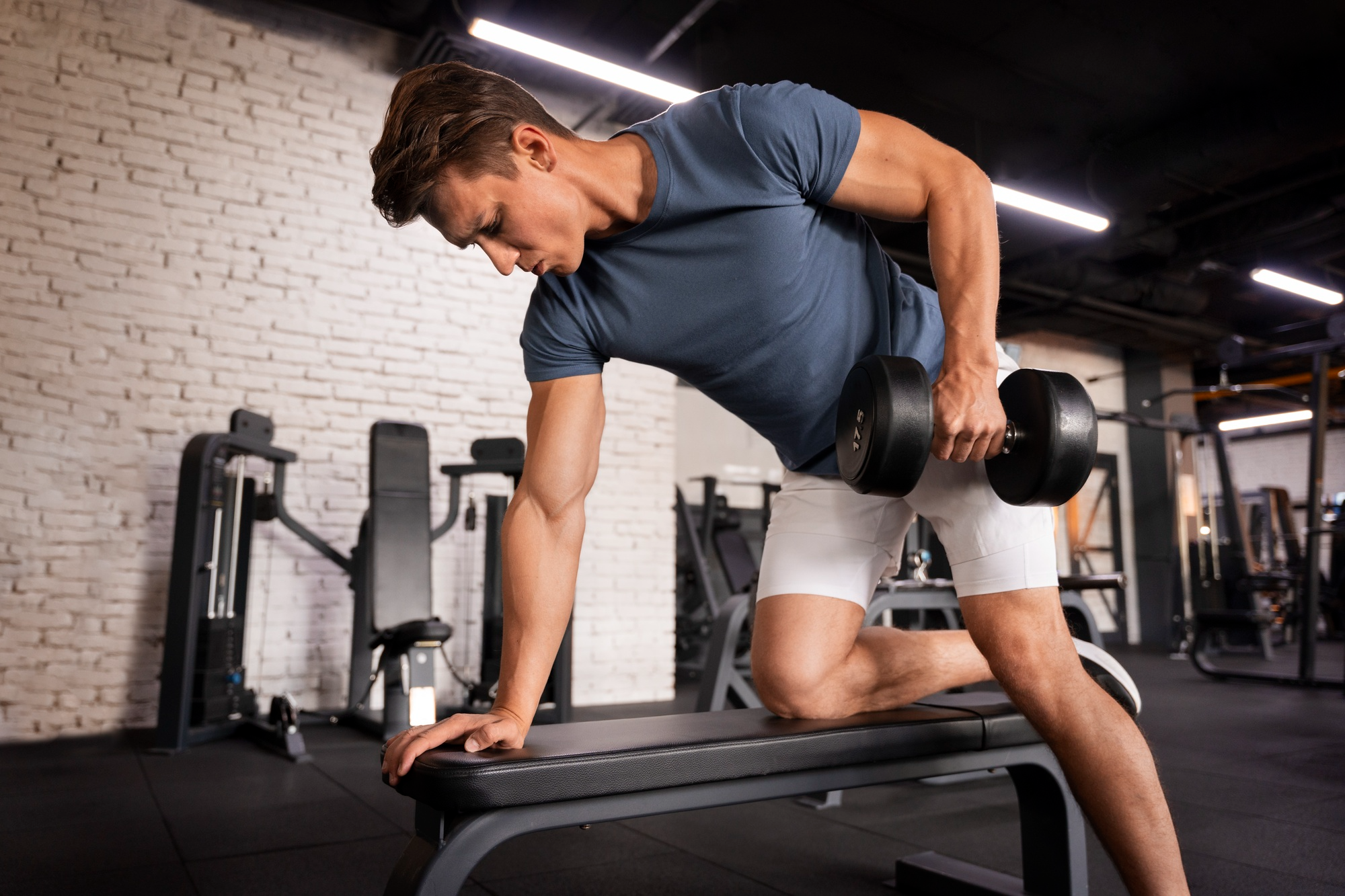

Let’s be real—you want gear that can handle heavy lifts and those long, sweaty sessions, but you don’t want your place (or your bank account) to take the hit. Here’s a rundown of what’s actually worth owning and what’s honestly better left for the gym, so you can train smarter and keep things consistent.
Invest in versatile, durable items that can pull double duty for strength and conditioning—think barbell, adjustable bench, power rack, and a basic set of plates—while skipping bulky, expensive, or barely-used machines that just eat up space at home. The buying criteria? Versatility, footprint, durability, and how much use you’ll really get for your money.
You’ll also get a sense for which gym-only gear is actually worth it (and why it’s best left there), plus how to build a compact home setup that doesn’t skimp on heavy lifts or cardio.
Essential Equipment for Hybrid Training
Pick gear that can handle both strength days and sweaty endurance work. Shoes that match your training style, adjustable weights for variety, and recovery tools you’ll actually reach for—those should top your list.
Multipurpose Footwear Recommendations
Go for cross-trainers that strike a balance between cushion and stability. Look for a 25–35 mm midsole stack, a firm heel for lifting, and enough forefoot flex for running or jumping. That range keeps you steady under the bar and comfy enough for short runs or plyos.
Check the outsole—flat, grippy rubber is great for deadlifts and sled pushes, while a little lug or siping helps if you dabble in light trail stuff. Stick with a neutral or light-support last unless you’re an overpronator—then maybe get motion-control shoes, but only if you’re logging serious miles.
Fit trumps brand every time. Try on pairs with room for your toes to splay and a snug midfoot. Replace ’em when the cushioning’s dead or the upper starts peeling away; usually that’s somewhere between 300–600 miles, give or take.
Adjustable Dumbbells and Kettlebells
Grab adjustable dumbbells that let you change weight fast—super helpful for circuits and supersets. A set that goes from 5–50+ lbs per hand covers most home strength and conditioning work. Fast mechanisms (dial, pin, plate stack—pick your poison) save time and keep the pace up.
At least one adjustable kettlebell is a solid call, or a couple fixed bells from light to heavy. Kettlebells are clutch for swings, snatches, carries—stuff that builds power and gets your heart rate up. If space is tight, an 8–16–24–32 kg adjustable kettlebell pretty much has you covered.
Don’t skimp on build quality. Hardened steel handles, secure locking systems, and plates that don’t wobble make a big difference. Check reviews for durability, especially if you tend to drop weights. Maybe get a small rack or mat if you care about your floors.
Portable Recovery Tools
Throw a massage gun or compact percussion tool in your bag for quick soft-tissue work. Get one with a few speed options and at least a 2-hour battery, so you’re not constantly charging it. Hit big muscle groups for a minute or two before mobility work to take the edge off soreness.
Also, a dense foam roller and a 12–18 inch mobility ball are worth having. The roller’s great for longer sessions; the ball is perfect for targeting glutes, pecs, calves—places that just need a little more pressure. Grab some resistance bands (loop and flat) for warm-ups, activation, or stretching.
Keep it simple and small. A 6–8 mm resistance band and a travel-sized roller fit in any gym bag. Swap out bands or rollers once they’re worn or cracked—nobody wants a snapped band mid-stretch.
Evaluating Gym-Only Gear
Be honest about what you’ll actually use at home and what’s just better left for the gym. Think about cost, space, and how often you really use each thing.
Machines vs. Free Weights
Machines are nice for controlled movement, isolation, or rehab. If you’re training solo and want extra safety, machines can help. But let’s not pretend—they eat up space and cost way more than a basic barbell setup.
Free weights (barbells, dumbbells, kettlebells) give you more bang for your buck in terms of real-world strength and core stability. A barbell, a couple pairs of adjustable dumbbells, and some plates—honestly, that’s enough for most hybrid training. Squats, deadlifts, presses, Olympic lifts—you can do all that with minimal gear.
If you’re tight on space, focus on a power rack, Olympic barbell, and bumper plates. Skip those huge selectorized machines unless you’re using them every day or need them for a specific injury.
Cardio Equipment Considerations
Treadmills, rowers, assault bikes, spin bikes—they all have their place. Just pick the one that lines up with your main cardio goal: rower or bike for low-impact stuff, treadmill if you’re stuck running inside.
Think about noise, space, and maintenance. Rowers and bikes tend to be quieter, and some even fold up. Treadmills? They need more room, more power, and more upkeep—just something to keep in mind.
If you get bored easily, snag a jump rope and maybe a compact air bike or foldable treadmill. They’re good for intervals and don’t hog all your living space.
Specialty Performance Tools
Sleds, strongman gear, and those massive cable stacks? Sure, they’re awesome for certain advanced workouts, but let’s be honest—they take up a ton of space and aren’t cheap. I’d only suggest grabbing these if your sport or training style actually calls for them.
On the flip side, wearables, power meters, or even a coach’s app can give you solid feedback without cluttering up your place. And don’t sleep on mobility tools—foam rollers, lacrosse balls, resistance bands—these small things are surprisingly useful for recovery and warming up.
Stuff like grip trainers, plyo boxes, and sandbags? Super versatile, and usually not a storage nightmare either. Just try to pick gear that actually fits how often you train, what you’re aiming for, and, well, whatever room you’ve got left.