Figuring out the right types of workouts can feel confusing. Trust me, I’ve been there, standing in a gym with no idea where to start. It’s overwhelming. But it doesn’t have to be.
This article breaks it all down for you. I’ll cover strength, cardio, flexibility, fat loss, and recovery workouts. I’ll also help you see which ones fit your goals best.
I’ve spent years learning what works and what doesn’t. You won’t need to waste time guessing. By the end, you’ll know exactly which workouts to pick and why.
Understanding the Main Types of Workouts
Knowing the main workout categories helps you build a plan that actually works for your body and goals.
Most workouts fall into four big groups: strength, cardio, flexibility, and functional movement.
Strength training works your muscles against resistance. The goal is to slowly make things harder over time by adding weight, more reps, or less rest.
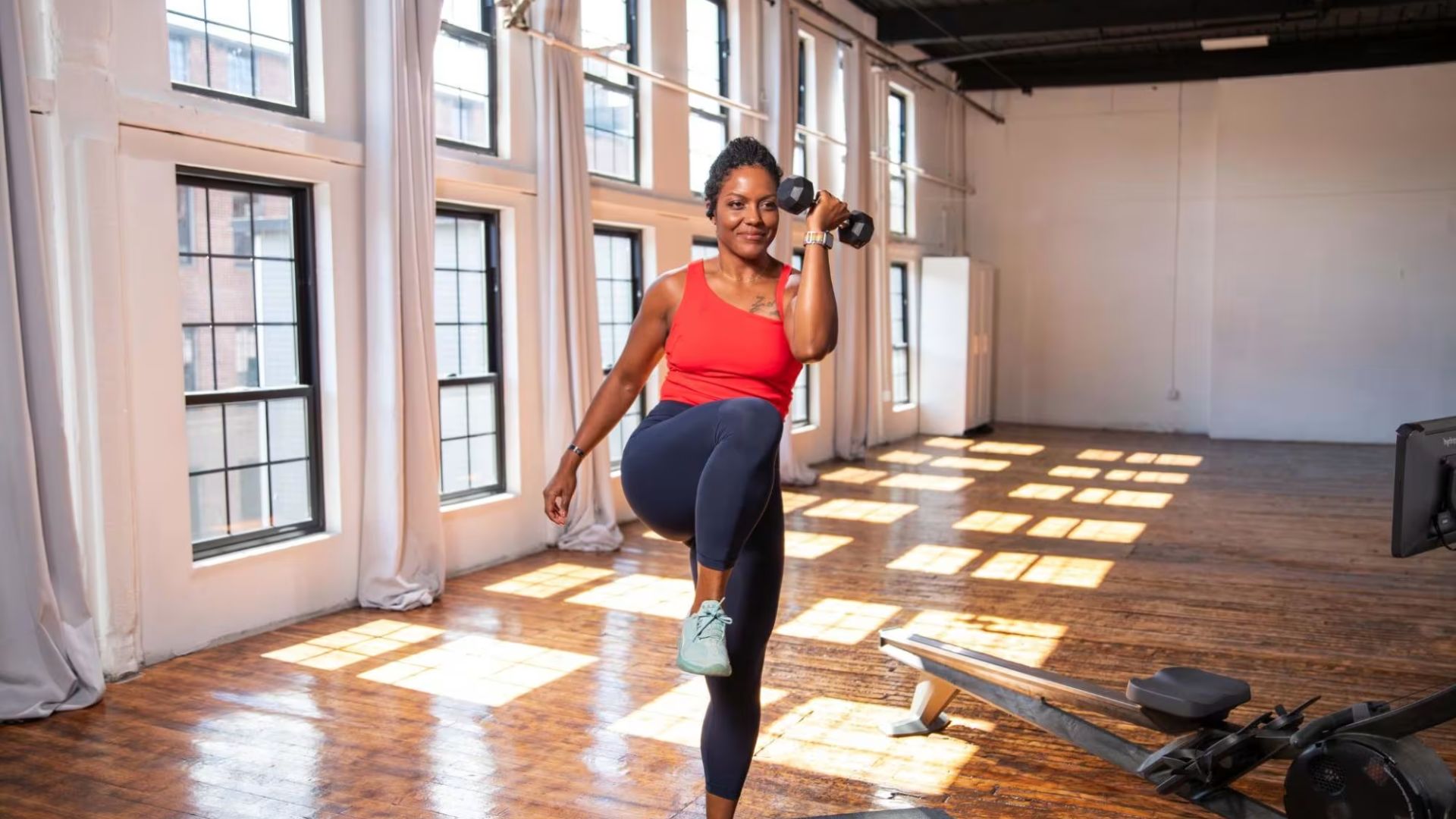
Functional training covers real-life movements like bending, lifting, and pushing. It builds balance, coordination, and stability.Each group has a purpose. Knowing them makes it easier to build a plan that fits your goals.
Types of Workouts for Strength Goals
The right strength workouts help you build muscle, get powerful, and feel more confident in your body.
Weight Training and Resistance Machines
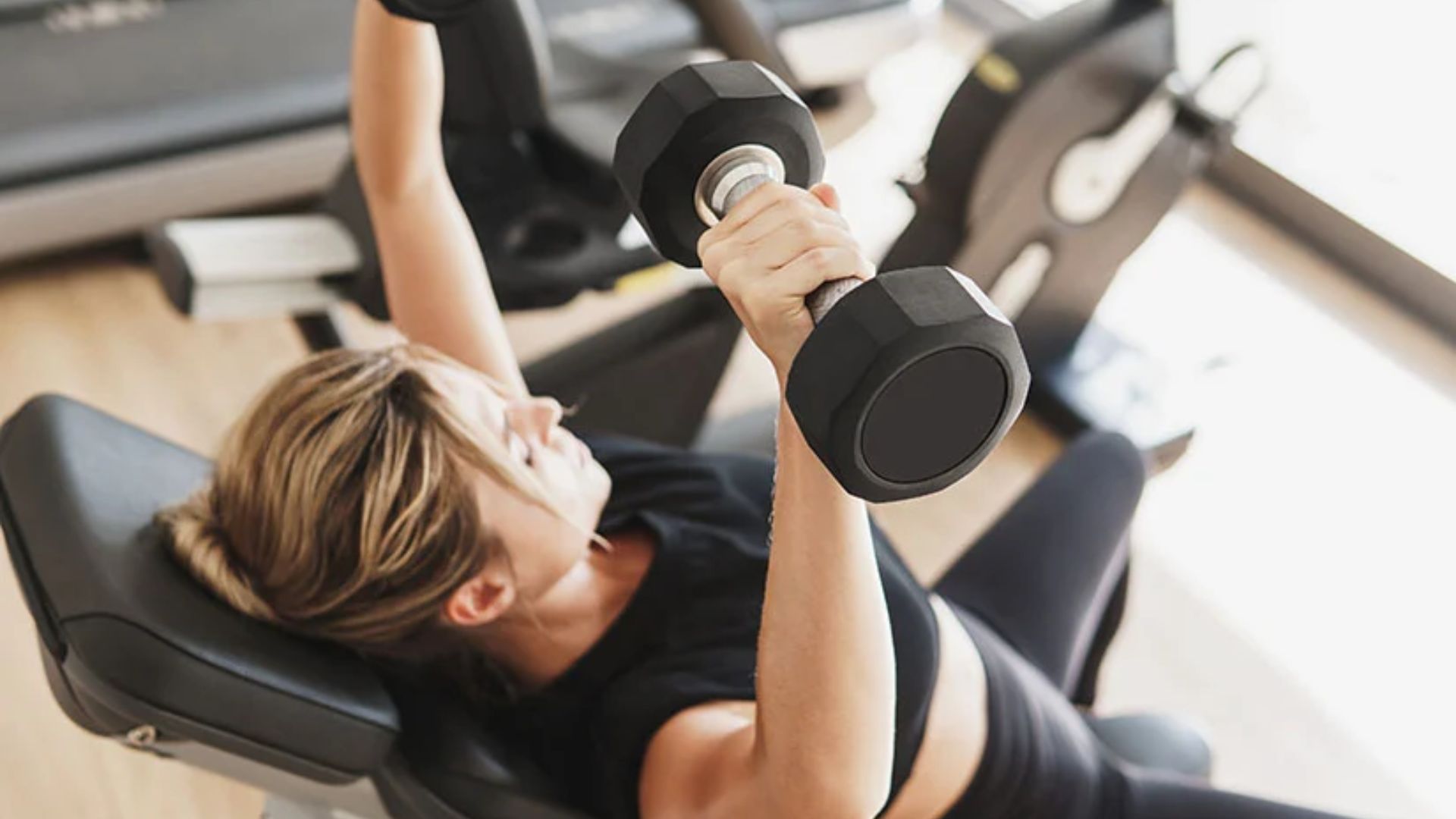
Free weights and machines are the most popular tools for building strength. Free weights work more muscles at once since your body has to stay balanced.
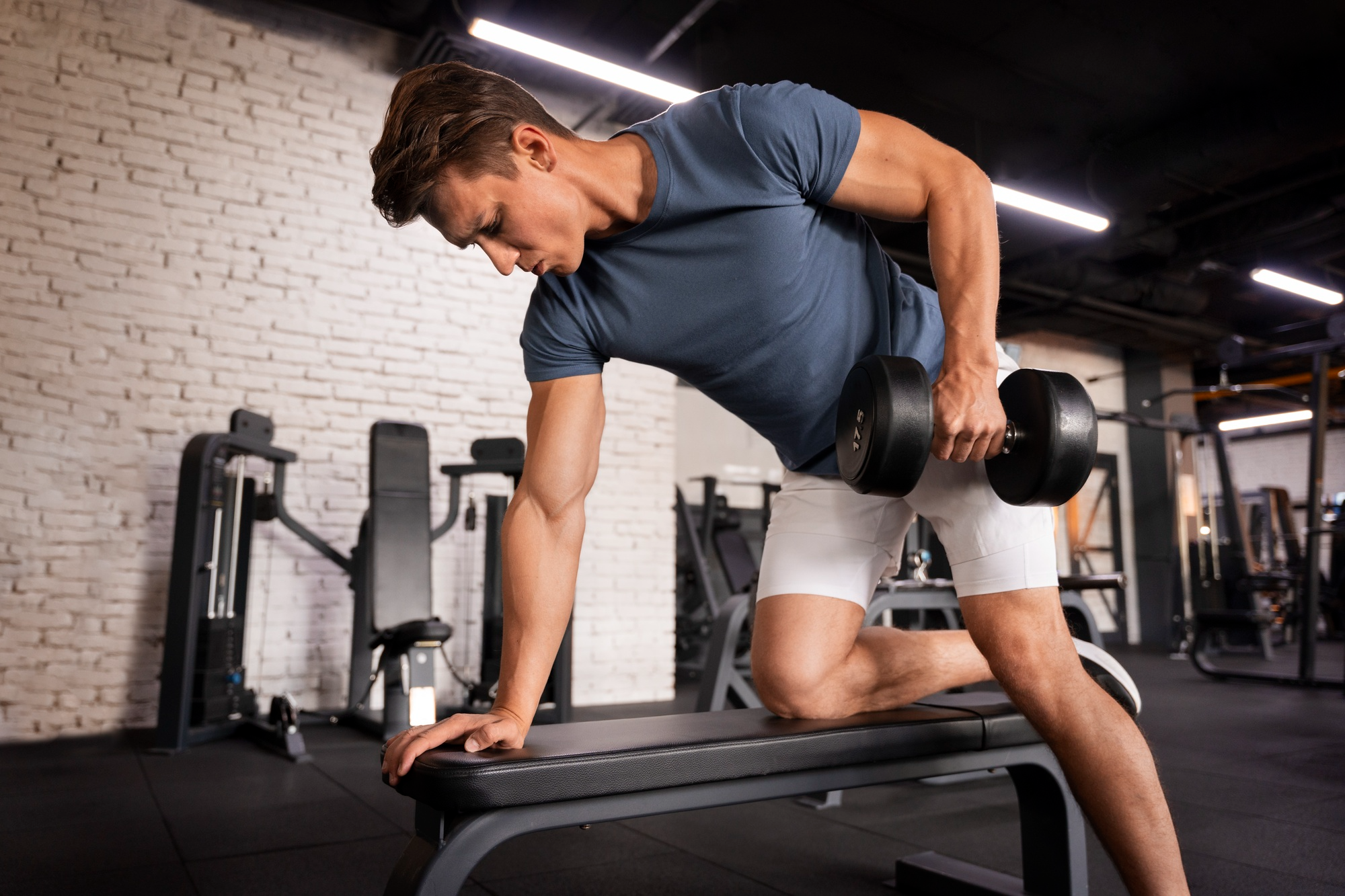
Machines are easier to learn and safer for beginners. A good starting plan is 3 days a week using big moves like squats, deadlifts, and bench press.
Bodyweight and Calisthenics
You don’t need a gym to get strong. Calisthenics uses your own body as resistance. Push-ups, pull-ups, dips, and pistol squats are great examples.
You can do it at home, outside, or anywhere with a bit of space. As you get stronger, try harder variations to keep progressing.
Power and Performance Training
Power training is about moving with speed and force. Moves like box jumps, medicine ball throws, and Olympic lifts train your muscles to fire fast.
If you play a sport or want more energy in daily life, adding power work a couple of times a week can help a lot.
Types of Workouts for Fat Loss Goals
Burning fat comes down to burning more calories and keeping your metabolism active. You don’t need to spend hours on a treadmill.
High-Intensity Interval Training
HIIT means working very hard for 20 to 40 seconds, then resting, and repeating for 15 to 30 minutes. It raises your heart rate fast and creates an “afterburn” effect, so your body keeps burning calories even after you stop.
Circuit Training
Circuit training means doing exercises back to back with little rest. For example, 10 push-ups, 15 squats, 20 jumping jacks, and 12 lunges. Then you rest and repeat. It combines strength and cardio in one session, making it great for fat loss.
Cardio Workouts
Running, cycling, swimming, or even a brisk walk all work. The key is consistency. Doing 30 to 45 minutes of moderate cardio most days creates a solid calorie deficit over time. Move regularly and pick something you actually enjoy.
Types of Workouts for Endurance Goals
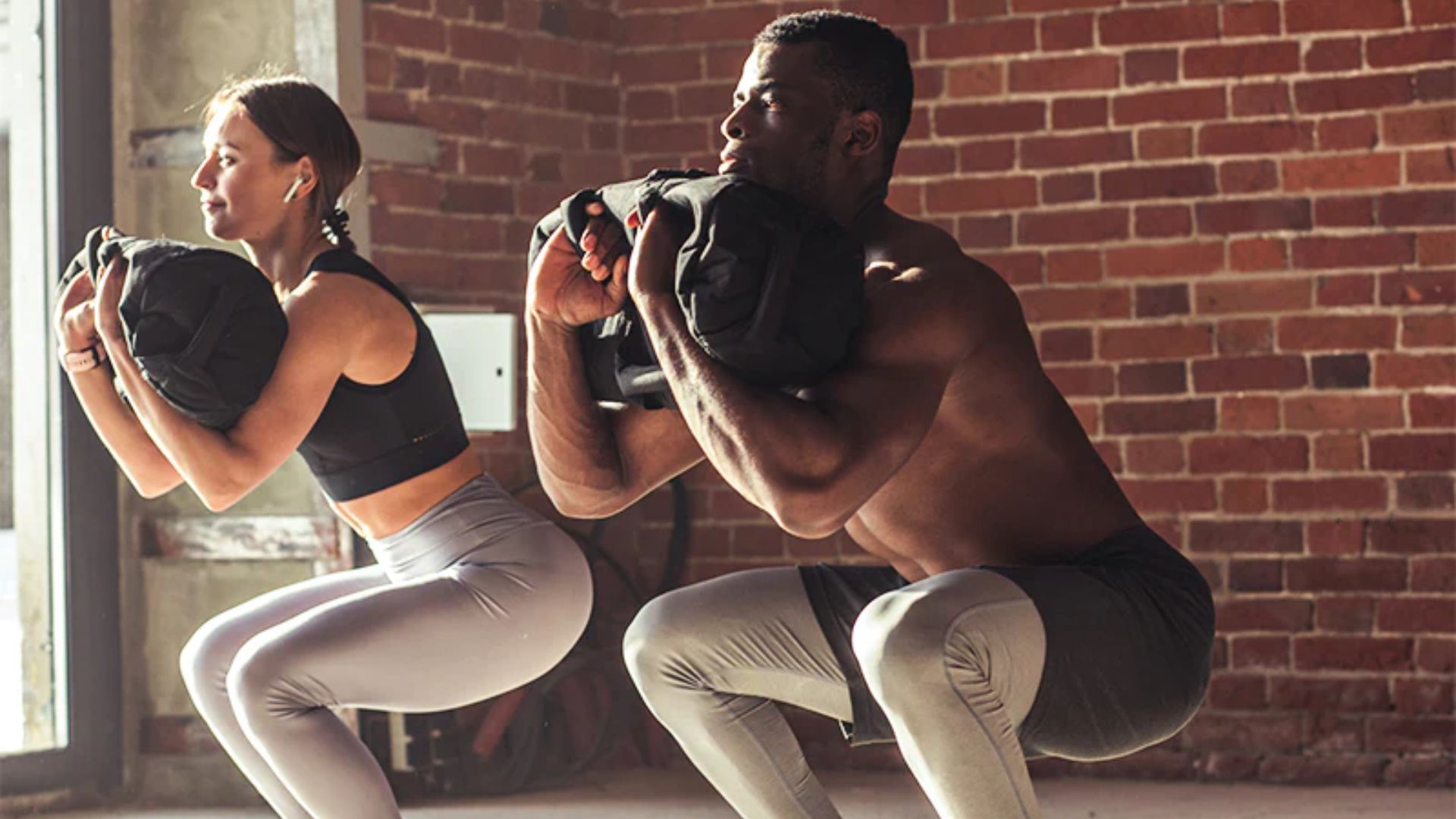
Endurance training helps your heart, lungs, and muscles work longer without tiring out.
Running and Cycling
Running and cycling are the most common endurance workouts. Both improve cardiovascular fitness and leg strength at the same time.
For beginners, start slow and short. A 20-minute easy jog is fine. Build up by adding 5 to 10 minutes each week.
If running feels hard on your knees, cycling is a low-impact option that still builds great endurance.
Swimming and Rowing
Swimming works your whole body. It’s easy on your joints and great for building lung capacity.
Rowing is similar. It uses your arms, legs, and core together. Both are excellent for people who want to build stamina without stressing their joints.
If you have access to a pool or a rowing machine, try adding one of these to your weekly routine.
Long-Duration Cardio Sessions
Long, slow cardio sessions, also called “long slow distance” or LSD training, are a key part of endurance building.
These sessions last 45 minutes to several hours at a low to moderate pace. They teach your body to use fat as fuel and train your muscles to stay active for longer.
This type of workout is less about speed and more about time on your feet.
Types of Workouts for Flexibility and Recovery

Recovery workouts help your body heal, stay loose, and avoid injury. They’re just as important as the hard sessions. Active recovery, which is light movement that helps your body repair, is often better than doing nothing at all.
Yoga and Stretching
Yoga combines breathing, flexibility, and mental focus. It reduces stress and improves how well your body moves. Even basic stretching works.
Hold each stretch for 20 to 30 seconds and focus on tight spots like hips, hamstrings, and shoulders. After a workout is the best time to stretch since your muscles are already warm.
Mobility and Foam Rolling
Mobility work focuses on your joints like hips, ankles, and shoulders. It helps you move through a full range without pain.
Foam rolling is a simple form of self-massage that breaks up tightness and improves blood flow. Just 5 to 10 minutes before or after a workout is enough.
Low-Impact Recovery Sessions
Low-impact sessions keep you active without stressing your body. A slow walk, light swimming, gentle yoga, or easy cycling all count.
These help reduce soreness, improve circulation, and keep your joints healthy. Try to include at least one or two recovery days each week.
Tips for Choosing the Right Types of Workouts
Picking the right workouts doesn’t have to be complicated. These simple tips will point you in the right direction.
- Match your workouts to your goal. Want to build muscle? Do strength training. Want to lose fat? Mix HIIT, circuits, and cardio. Want to move better? Add yoga and mobility work.
- Be honest about your fitness level. Beginners should start with 2 to 3 days a week and keep sessions to 30 to 40 minutes.
- Learn proper form before adding more weight or intensity. Good form keeps you safe and makes your workouts more effective.
- Balance different workout types throughout the week. Include strength, cardio, and at least one recovery session.
- Progress slowly and stay consistent. Showing up regularly matters more than doing everything perfectly.
Conclusion
I hope this article helped you see that fitness doesn’t have to be complicated. There are so many good options out there for every goal, every schedule, and every body type.
When I first started working out, I tried to do everything at once. That didn’t work. Once I focused on what matched my goal, things clicked.
Start simple. Pick one or two workout types that feel right for you right now. Give it a few weeks and see how you feel.What type of workout are you most excited to try? Drop a comment below. I’d love to hear from you!
Frequently Asked Questions
How many types of workouts should I do in a week?
Most people do best with 2 to 4 workout sessions per week. Include at least one strength session and one cardio or mobility session for a well-rounded week.
Can I lose fat and build muscle at the same time?
Yes, especially if you’re new to working out. Combining strength training with a calorie-controlled diet is the most effective way to do both at once.
What type of workout is best for beginners?
Bodyweight exercises and light resistance training are great starting points. They’re easy to learn, low risk, and can be done at home or at the gym.
How long should each workout session be?
30 to 45 minutes is enough for most goals. You don’t need to spend hours training. Short, focused sessions done consistently beat long, scattered ones.
Do I need equipment to get a good workout?
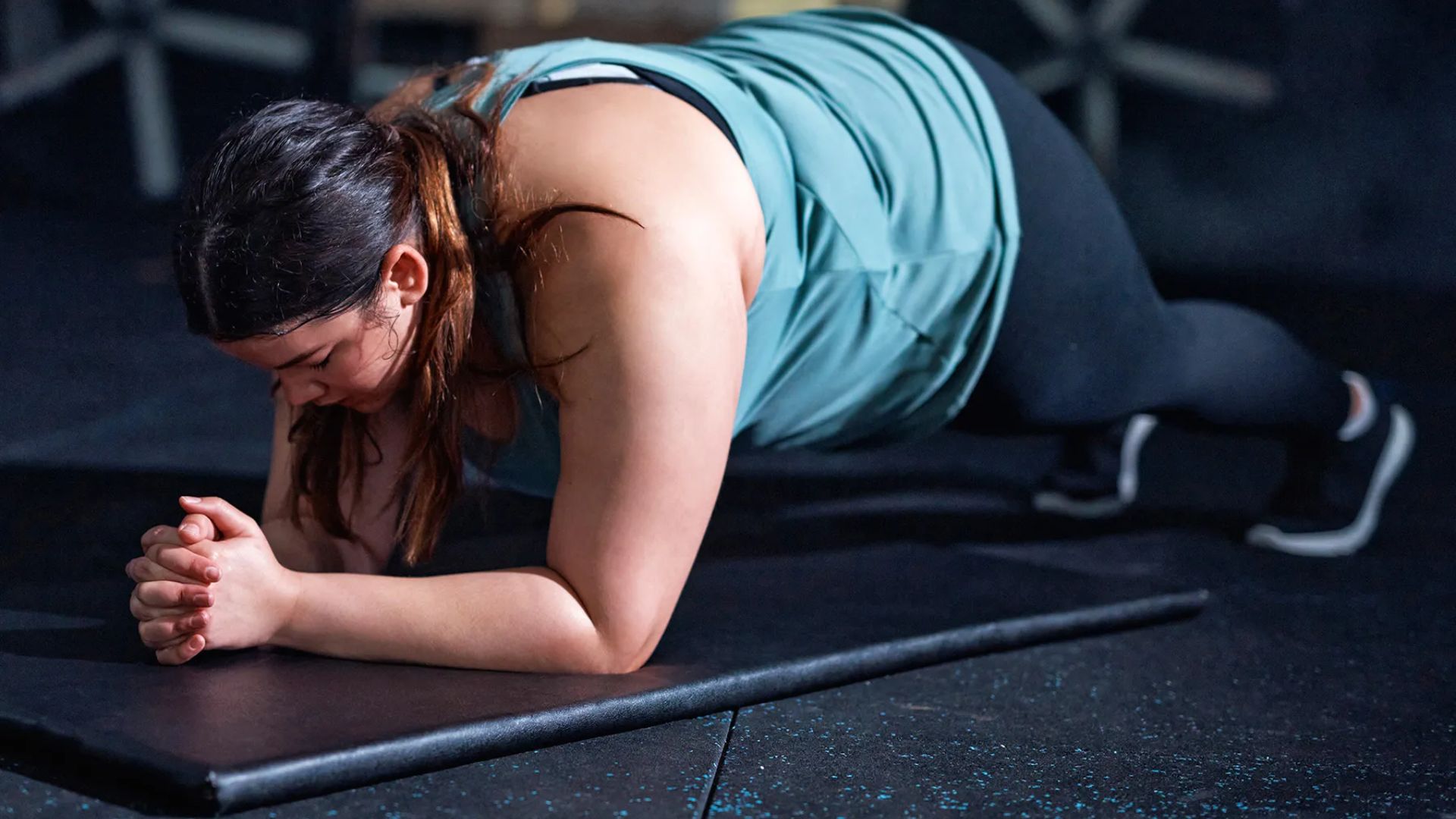
No. Bodyweight workouts like push-ups, squats, lunges, and planks can give you real results with no equipment at all. Equipment helps, but it’s not required to get started.