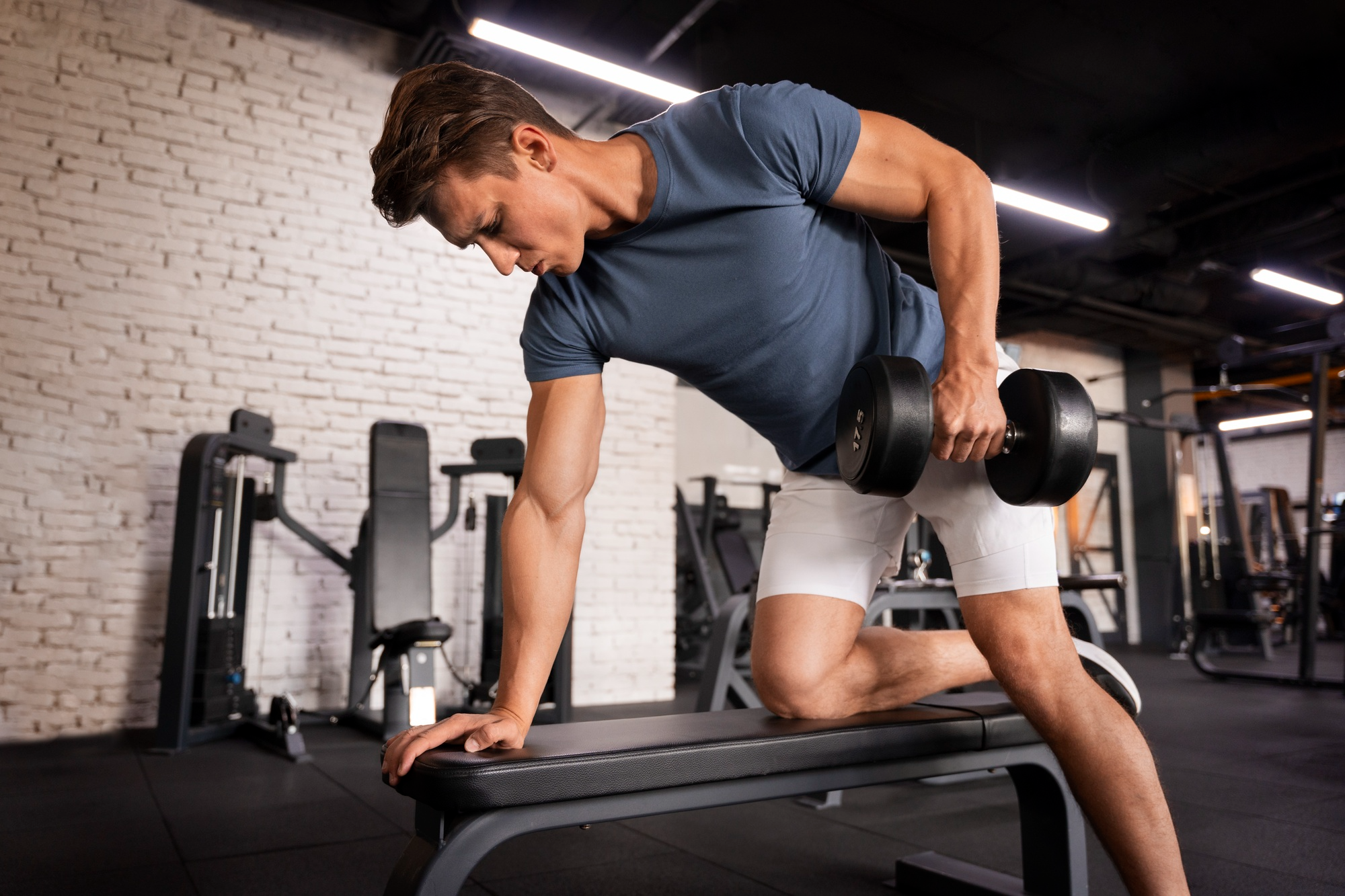

Do you feel tightness in your chest? You’re not alone. Tight chest muscles happen to many people. Poor posture causes it. Sitting at a desk all day makes it worse.
Your upper back gets stiff too. This tightness affects how you move and feel. It can hurt your shoulders and neck.
I’ve helped hundreds of clients fix this problem over the years. In this article, I’ll show you simple exercises that work. You’ll learn why your chest gets tight.
I’ll teach you stretches you can do anywhere. You’ll also get tips to prevent tightness from coming back. These methods are tested and proven.
Let’s fix your tight chest muscles together.
Understanding Tight Chest Muscles

Your chest muscles get tight when they stay shortened for too long. This happens from how you sit, stand, and move every day.
You have two main chest muscles. Pectoralis Major sits on your ribcage and helps you push. Pectoralis Minor is smaller and connects your ribs to your shoulder blade. Both tighten when you slouch.
Poor posture is the main cause. Sitting hunched over keeps your chest muscles short. Overuse from exercise without stretching makes them tight. Weak upper back muscles force your chest to work too hard. This creates an imbalance.
Benefits of Stretching and Strengthening Chest Muscles

Loosening tight chest muscles improves how your whole body feels and moves. The benefits go beyond just your chest.
Improved Posture
When you loosen your chest muscles, your shoulders can move back. Your spine can straighten. Good posture starts with balanced muscles. Tight chest muscles pull you forward. Loose chest muscles let you stand tall. You’ll look better and feel more confident.
Your upper back can do its job properly. The muscles work together instead of fighting each other. This balance helps you maintain good posture all day long.
Reduced Pain and Discomfort
Tight chest muscles cause pain in other areas. Your shoulders hurt because they’re pulled forward. Your neck gets strained from poor alignment. Your upper back aches from working too hard.
Stretching your chest takes pressure off these areas. The pain decreases. You feel relief in your shoulders first. Then your neck feels better. Your upper back stops compensating. Many people notice less headaches too.
Improved Mobility and Performance
Loose chest muscles mean better movement. You can reach overhead more easily. Turning your body feels smoother. Daily activities become easier. Putting dishes away doesn’t hurt. Reaching for your seatbelt feels natural.
Your workouts improve too. You can lift with better form. Your range of motion increases. Exercises feel more comfortable. You’re less likely to get injured.
Easy Exercises and Stretches for Tight Chest Muscles
These exercises work fast and need little equipment. Start with just a few minutes each day.
Doorway Chest Stretch
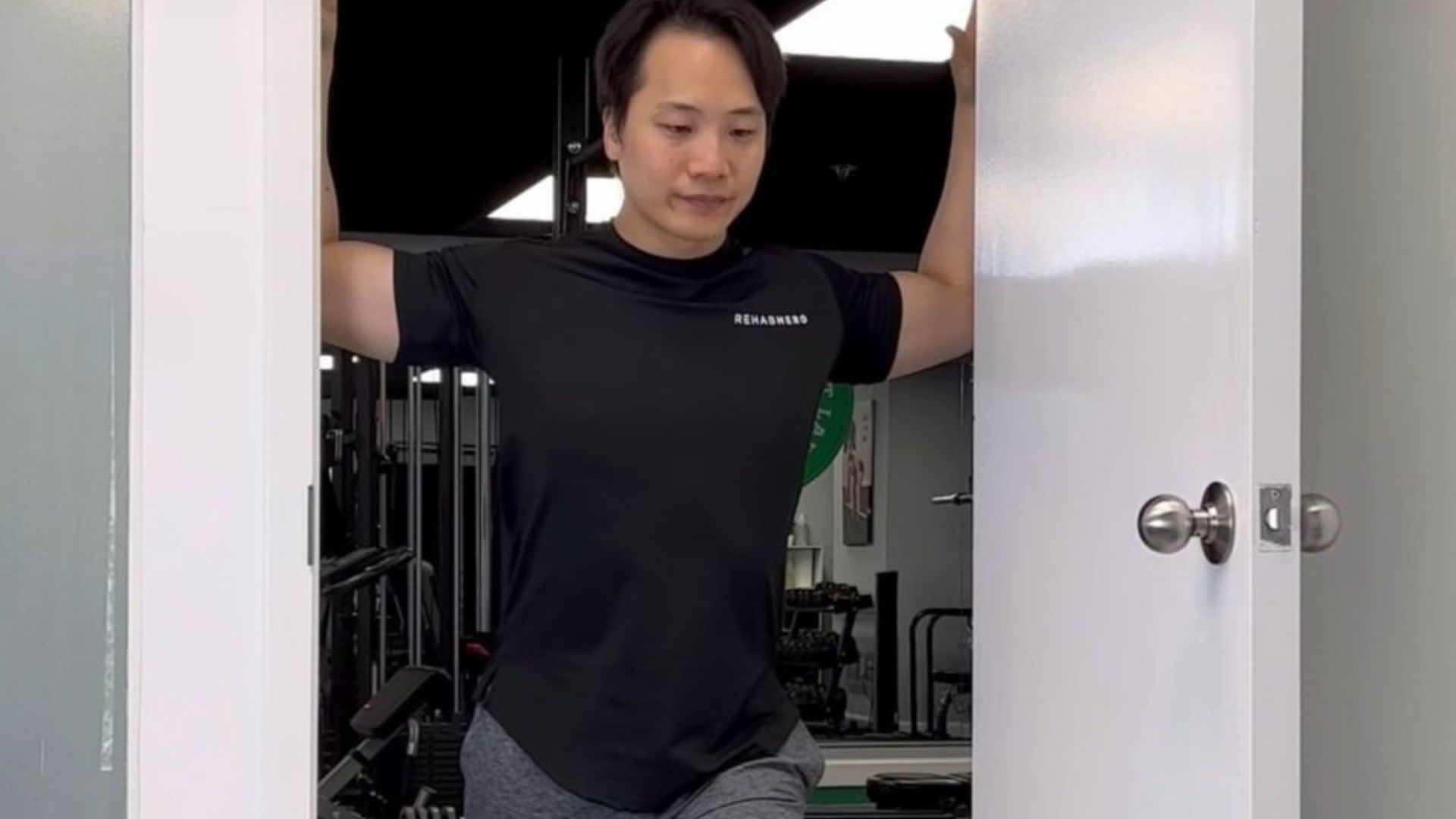
Stand in a doorway. Put your forearm against the door frame. Your elbow should be at shoulder height. Step forward with one foot. You’ll feel a stretch across your chest. Hold for 30 seconds. Switch sides.
For upper chest: Place your arm higher on the frame. Angle your body slightly downward.
For lower chest: Place your arm lower. Angle your body slightly upward.
Do this stretch three times on each side. Breathe deeply while you hold it.
Foam Roller or Ball Upper Back Release
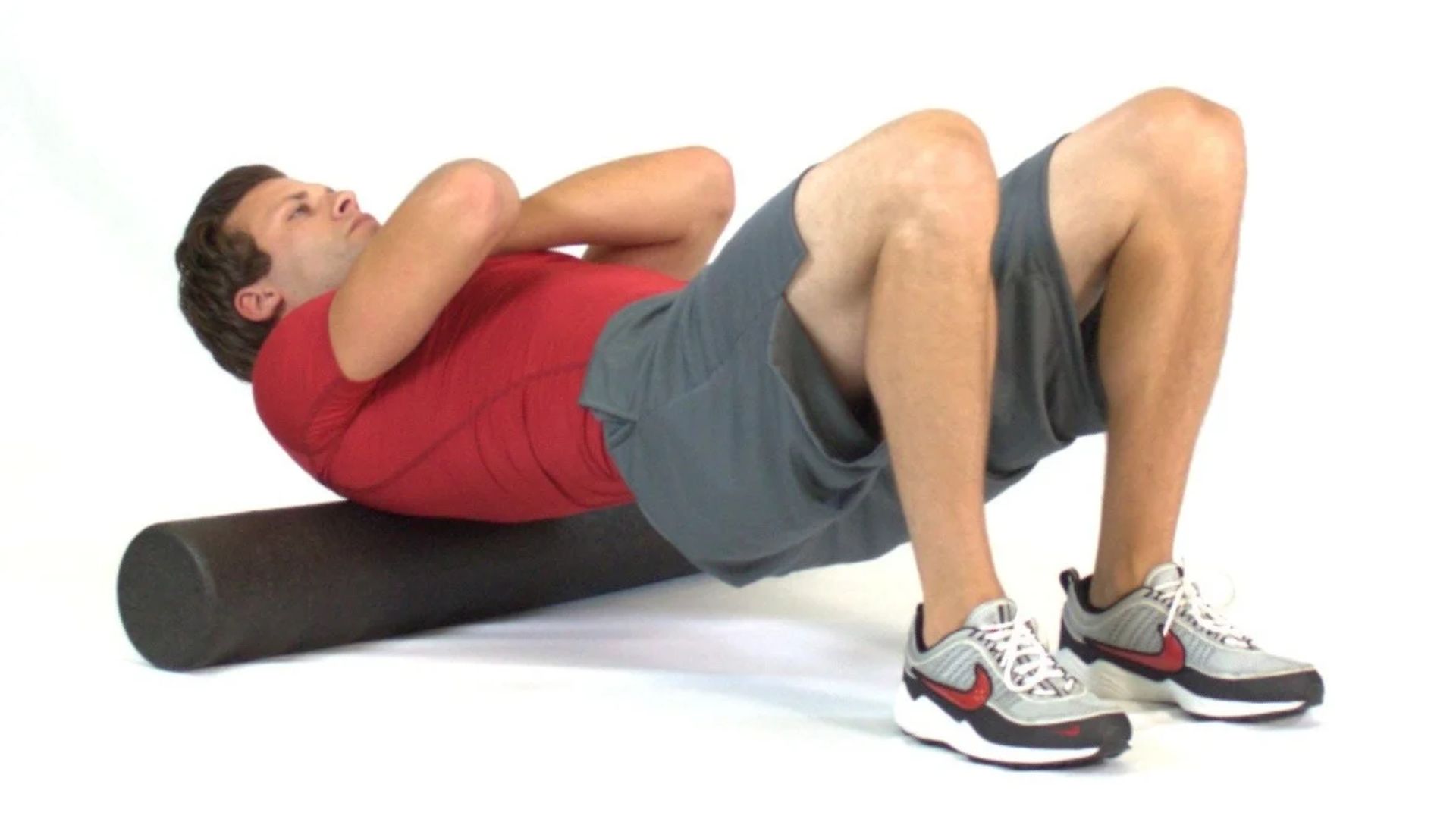
Lie on your back. Place a tennis ball or lacrosse ball under your upper back. Roll slowly to find tight spots. When you find one, stop and breathe. Stay there for 30 seconds.
This releases your upper back muscles. Loose upper back muscles help your chest relax. They work together. Your posture improves when both areas are loose.
Move the ball around your shoulder blade area. Avoid your spine directly. Do this for 5 minutes on each side.
Wall Angels
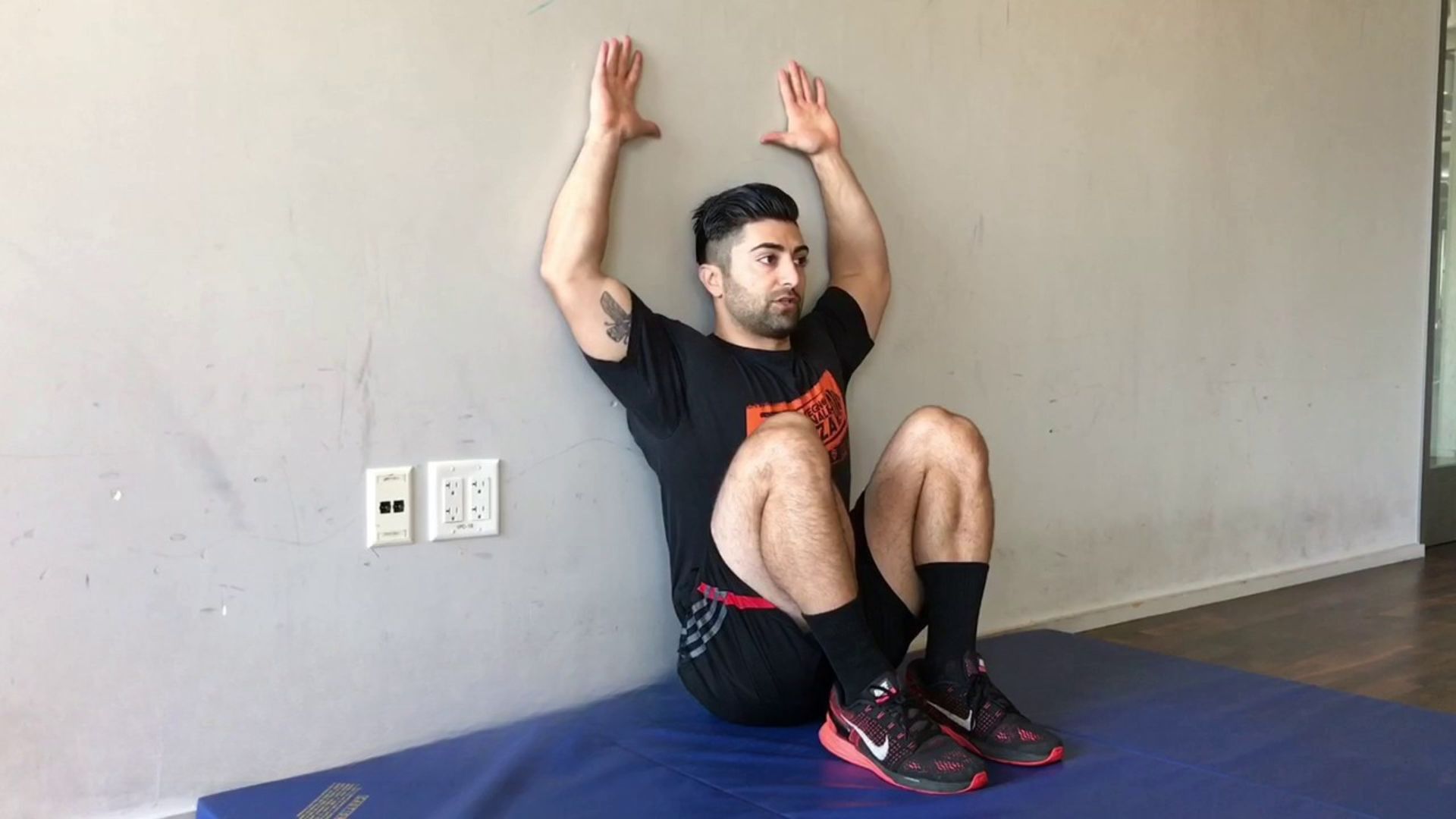
Stand with your back against a wall. Press your lower back, upper back, and head to the wall. Raise your arms to make a “W” shape. Slowly slide your arms up. Try to keep everything touching the wall. Slide back down.
This is hard at first. Your chest might be too tight. Do what you can. Even small movements help. Your upper back gets stronger. Your chest opens up.
Do 10 slow repetitions. Rest. Do another set of 10. Your range will improve over time.
Chest Opener Stretch with Arms Behind Back

Stand tall. Clasp your hands behind your back. Straighten your arms. Lift your hands up and away from your body. You’ll feel your chest open. Your shoulders squeeze together.
Hold this for 30 seconds. Breathe normally. Don’t force it. Start small and build up.
If you can’t clasp your hands, hold a towel between them. This makes it easier. You still get the benefits.
Tips to Prevent Chest Muscle Tightness
Prevention is easier than fixing the problem later. Small changes make a big difference.
- Maintain proper posture all day. Sit with your shoulders back. Keep your head over your shoulders. Set reminders on your phone to check your posture. It takes practice but becomes natural.
- Combine stretching with upper back work. Your chest and back need balance. Strong back muscles prevent chest tightness. Do rows and reverse flies to build your upper back.
- Take regular breaks from desk work. Stand up every 30 minutes. Walk around. Roll your shoulders. Stretch your arms overhead. Your muscles need movement.
- Warm up before workouts and cool down after. Cold muscles get injured easily. Spend 5 minutes moving before exercise. Stretch while your muscles are warm after your workout.
- Sleep on your back or side. Don’t sleep on your stomach. This strains your neck and chest. Use a pillow for support. Check in with your body daily and address tightness right away.
Conclusion
I used to have terrible chest tightness from sitting at my desk all day. These stretches changed everything for me. My shoulders stopped hurting. My posture got better. Now I do them every morning and feel great.
You can get the same results. Start with just one or two stretches. Do them every day. Consistency beats intensity. Even 5 minutes helps. Your body will thank you.
Try these exercises today and let me know how they work for you. Leave a comment below about your experience. Share this post with someone who needs it.
Frequently Asked Questions
How long does it take to fix tight chest muscles?
You’ll feel some relief after your first stretch. Real change takes 2-4 weeks of daily practice. Your muscles need time to adapt and lengthen. Be patient and stay consistent.
Can tight chest muscles cause breathing problems?
Yes, tight chest muscles can restrict your ribcage. This limits how deeply you can breathe. When your chest opens up, breathing becomes easier and feels more natural.
Should I stretch before or after working out?
Stretch after your workout when muscles are warm. Before exercise, do active warm-ups instead of static stretching. Cold muscles don’t stretch well and can get injured.
How often should I do these exercises?
Do chest stretches daily for best results. Your muscles tighten from daily activities, so daily stretching counters this. Even 5-10 minutes makes a difference. More isn’t always better.
What if stretching makes my chest hurt?
Stop if you feel sharp pain. Stretching should feel like gentle tension, not pain. You might be pushing too hard. Start gentler and build up slowly. See a doctor if pain continues.