Struggling with a weak squat? You’re definitely not alone here. Look, I get it. You watch people load up plates like it’s nothing while you’re grinding through sets that feel way harder than they should. Here’s the thing: most lifters make the same handful of mistakes.
We’re talking about form issues, mobility problems, and setup errors that nobody’s bothering to fix. I’ve spent years working with people who felt stuck at the same weight for months. What I’ve learned is this: your squat isn’t weak because you’re weak.
You’re probably just doing a few things wrong that are stealing your strength. This article walks you through the most common mistakes and shows you exactly how to fix them. No fluff, no overcomplicated advice: just straightforward solutions that actually work.
Assessing the Root Causes of a Weak Squat

Your squat isn’t improving. Something’s wrong. Let’s find out what’s holding you back.
- Poor Form and Technique: Bad alignment, like knees collapsing inward, leaning too far forward, or shallow depth, kills your strength and increases injury risk. Fix it by stripping the weight down, using squat variations like box squats or front squats to retrain mechanics, and recording yourself or getting coaching feedback.
- Muscle Imbalances: Disproportionate strength between muscle groups causes the “stripper squat,” where hips rise faster than shoulders, cramping, and inability to engage glutes and hamstrings properly. Target weak areas with Romanian Deadlifts, hip thrusts, glute bridges, and Bulgarian split squats to build even strength across all muscle groups.
- Limited Mobility and Flexibility: Restricted ankles, hips, or thoracic spine prevent proper depth and force you into compensatory positions like forward lean or knee cave. Improve mobility with calf stretches, goblet squat holds, hip openers, ankle dorsiflexion drills, and foam rolling in the positions where you feel most restricted.
- Inadequate Training Program: Random workouts with no progressive overload, excessive high-rep work without strength progression, and a lack of variation lead to plateaus and inconsistent results. Fix your program by squatting 2-4 times per week using proven cycles, periodizing volume and intensity phases, and tracking your load progression weekly.
- Overtraining and Fatigue: Training too much without adequate recovery causes persistent soreness, poor sleep, mental burnout, and regression in your squat numbers. Recover properly by prioritizing rest days, scheduling deload weeks every 4-6 weeks, adding active recovery work, and monitoring nervous system fatigue signals.
- Poor Nutrition and Recovery: Insufficient calories and low protein intake mean poor muscle repair, slow recovery, and no energy for training sessions. Fuel your strength with balanced macros (0.8-1g protein per pound bodyweight, adequate carbs and fats), proper meal timing around training, and 7-9 hours of quality sleep nightly.
- Psychological Barriers: Mental blocks like fear of heavy weight, negative self-talk, and overthinking stop you from reaching your true strength potential. Build mental toughness through visualization and positive affirmations, gradual exposure to heavier loads, and focusing on the mind-muscle connection by visualizing driving the floor away.
Strengthening Strategies to Build a Stronger Squat
You know what’s wrong. Now let’s fix it. These strategies will rebuild your squat from the ground up.
Incorporate Assistance and Accessory Work

Your squat is only as strong as your weakest link. Accessory work targets those weak spots. You need to build the muscles that support your squat.
Develop your posterior chain:
- Deadlifts: Build total back strength.
- Romanian Deadlifts: Hammer your hamstrings and glutes.
- Hip thrusts: Wake up dormant glutes.
Strengthen your quads:
- Front squats: Force your quads to work harder.
- Step-ups: Build single-leg strength.
- Lunges: Fix imbalances between legs.
Lock down your core:
- Planks: Build anti-extension strength.
- Leg raises: Target lower abs.
- Pallof presses: Fight rotation and build stability.
Add variation training to improve your skill. Box squats teach you to sit back. Pause squats eliminate the bounce and build strength in the hole. Tempo squats force control.
Try safety bar squats if regular squats hurt your shoulders. Deficit deadlifts build explosive power off the floor. These variations make your regular squat stronger.
Mobility and Stability Routine

Mobility isn’t optional. It’s the foundation of a good squat. Make it a habit before and after every session.
Run this 5-10 minute pre-squat mobility circuit:
- Hip openers: Loosen tight hips.
- Ankle mobility drills: Improve dorsiflexion.
- Thoracic spine rotations: Open up your upper back.
- Deep squat holds: Sit in the bottom position for 30 seconds.
- Calf stretches: Release tight calves that limit depth.
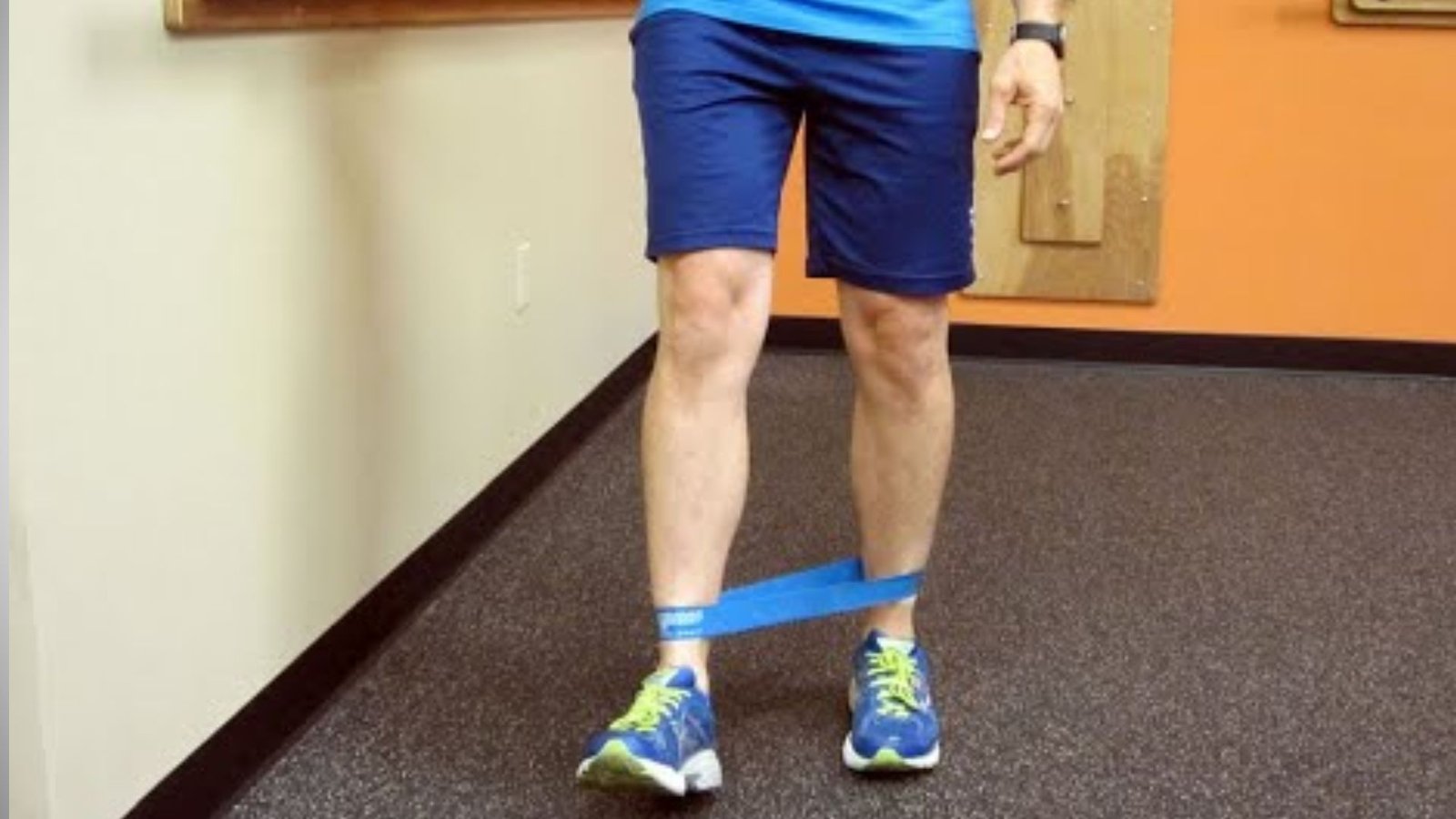
Use tools that work. Resistance bands help with hip activation. Foam rollers break up tight tissue. Lacrosse balls hit specific trigger points.
Add stability drills to your routine. Single-leg balance work strengthens your knees. Dead bugs teach core control. Combine mobility and stability for the best results.
Structured Squat Progression

Random training gets random results. You need a plan. Progressive overload is the key to getting stronger.
- Increase load by 2-5% each week: Small jumps add up over time.
- Use proven rep schemes: Try 5×5 for building strength or 3×3 for maximal loads.
- Alternate intensity and volume weeks: One week go heavy with low reps, next week go lighter with more volume.
Track your sticking points. Are you weak out of the hole? Add pause squats. Do you struggle with lockouts? Work on your glutes and hamstrings.
Consider hiring a coach. They’ll spot issues you can’t see. Programs like Smolov or the Russian Squat Routine work if you follow them correctly.
Consistency and Patience

Strength doesn’t happen overnight. Your body needs time to adapt. Muscles grow slowly. Tendons and ligaments adapt even more slowly.
- Better depth: You’re hitting parallel now when you couldn’t before.
- Improved control: The bar path is cleaner.
- Fewer form breaks: Your knees stay out under heavy loads.
Consistency beats perfection every time. Missing one workout won’t ruin your progress. But skipping every other week will.
Key Findings: Problems and Solutions for a Weak Squat
Let’s bring it all together. Here’s what every source agrees on. These are the real problems holding your squat back and the proven fixes.
| Cause | Solution |
| Poor form | Technique retraining, light load work |
| Muscle imbalances | Unilateral/glute-hamstring strengthening |
| Mobility issues | Dynamic warm-ups, deep squat holds |
| Poor programming | Higher frequency, structured progression |
| Overtraining | Recovery emphasis |
| Nutrition deficit | Balanced intake and rest |
| Psychological barriers | Mindset training, visualization |
Common Mistakes
Most people skip the basics. They chase heavy weights before fixing their form. They ignore mobility work because it’s boring.
- Adding weight too fast: Your ego wants more plates, but your body isn’t ready.
- Skipping warm-ups: You jump straight into heavy squats with cold, tight muscles.
- Ignoring weak points, you know your glutes are weak, but you never train them directly.
- No real program: You squat whenever you feel like it with random rep schemes.
- Not tracking progress: You can’t remember what you lifted last week, so you can’t progress systematically.
Conclusion
So, why is my squat so weak? Turns out, it’s usually not about strength at all.
We just walked through the real culprits: bad form, weak core bracing, tight ankles, wonky bar position, and feet pointing the wrong way. You now know exactly what to fix. Pick one or two things from this article and work on them during your next few sessions. Don’t try to change everything at once. Your body needs time to learn new patterns, and that’s completely normal.
Your squats are going to improve. I’ve seen it happen countless times with people who felt just as stuck as you do right now. If something still feels off or you’ve got questions about your form, leave a comment. Let’s figure it out together. Now go test these fixes and watch what happens.
Frequently asked questions
Why is my squat so weak compared to my other lifts?
Your squat might be weak because it requires more mobility, stability, and coordination than other lifts. Common issues include tight ankles, weak glutes, poor bracing, or incorrect form. It’s also possible you’re not training squats frequently enough or using the right progression methods.
How long does it take to fix a weak squat?
Most people see noticeable improvements in 4-6 weeks with consistent practice. If your issue is mobility-related, it might take 8-12 weeks. Focus on fixing one problem at a time, train squats 2-3 times per week, and be patient with the process.
Can weak glutes make my squat weak?
Absolutely. Your glutes are critical for driving out of the bottom position and stabilizing your hips. Weak glutes force other muscles to compensate, making the lift harder and limiting your strength. Add glute-focused exercises like hip thrusts and Bulgarian split squats to your routine.
Should I squat more often if my squat is weak?
Yes, but smartly. Squatting 2-3 times per week with varied intensities works better than once weekly. Include heavy days, lighter technique days, and different squat variations. More frequency helps your body learn the movement pattern and build specific strength.
Is my squat weak because of bad ankle mobility?
Poor ankle mobility is one of the most common reasons for weak squats. If your ankles can’t flex forward enough, you’ll lean too far forward or struggle to hit depth. This throws off your entire lift. Try ankle mobility drills and consider squat shoes with a raised heel.