

If you’re asking why my wrist hurts when I do push-ups, you’re not alone. I’ve felt that sharp pain myself, and I know how frustrating it can be.
This article will show you exactly why your wrists hurt and how to fix it safely. You’ll learn the main causes of wrist pain, proper techniques to prevent it, and exercises that actually help. I’ll also cover when you should see a professional.
I’ve spent years working with people who face this exact problem, so I’m sharing what really works. Let’s get your wrists feeling better so you can do push-ups without pain.
Why Does My Wrist Hurt When I Do push-ups?

Understanding the root causes helps you fix wrist pain during push ups and prevent future problems from happening.
Your wrists need good flexibility to handle push ups. Most people can’t bend their wrists back far enough. Your wrist should bend back about 70 degrees, but many only manage 40 or 50 degrees. Daily activities like typing make this worse. Going straight into push ups without warming up puts extra pressure on the joint.
Bad form causes most wrist pain. Your hands should point straight ahead, not turned outward or inward. If your wrists bend at a sharp angle, you’re crushing the joint. Many people put all their weight on the heel of the palm, which overloads the wrist. Your fingers should grip the ground slightly to share the load.
Weak forearm muscles also cause problems. When wrist flexors and extensors are weak, your joints take all the stress instead of the muscles protecting them.
Old injuries don’t always heal completely. Sharp, shooting pain is a warning sign. Swelling that doesn’t go away or pain that gets worse with each workout means you need to stop.
How to Reduce Wrist Pain During Push-Ups?
Small changes to your routine can make push-ups comfortable and safe for your wrists right away.
Warm Up Your Wrists Properly
Warming up prepares your joints for work. It’s not optional.
Wrist circles are simple but effective. Make slow circles in both directions, 10 each way. Bend your wrist forward, then backward. Hold each position for 15 seconds. Cold joints are stiff joints. When you warm up, you increase blood flow and make tissues more flexible.
Improve Hand and Wrist Position
Position fixes most wrist pain instantly. Get this right first.
Keep your hands directly under your shoulders. Draw an imaginary line from your shoulder straight down. That’s where your hands should be. Your wrist should be almost straight, not bent back sharply. Spread your fingers wide and press down through your fingertips. This takes pressure off the wrist joint itself.
Modify push-ups to Reduce Wrist Load
You don’t have to do regular push-ups right away. Modifications are smart, not weak.
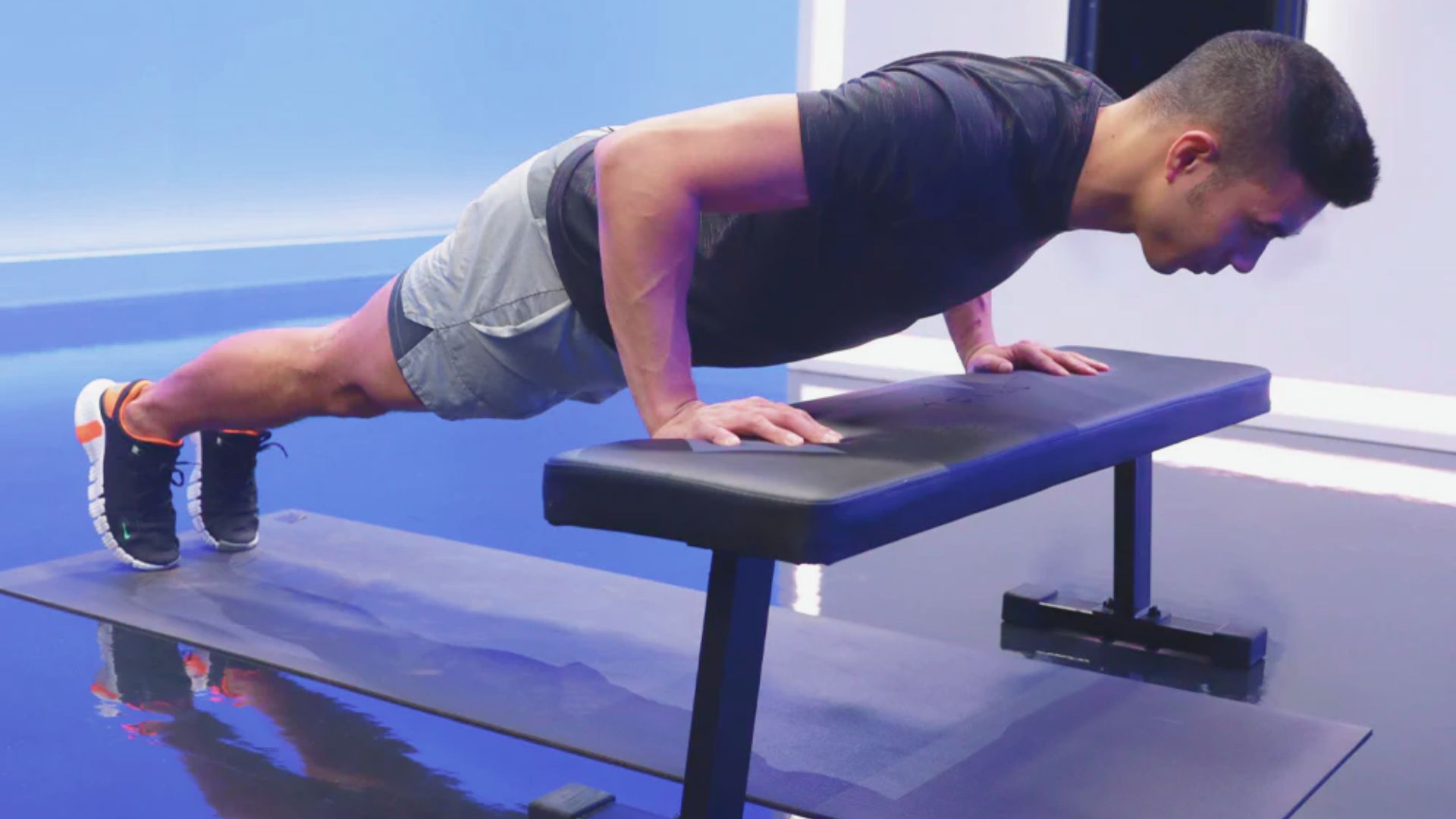
Incline push-ups on a bench or box are perfect for beginners. The higher the surface, the easier on your wrists. A kitchen counter works great to start. You’re still working the same muscles but putting less weight through your wrists. As you get stronger, lower the angle until you’re ready for floor push-ups.
Wrist Exercises That Support Pain-Free push-ups
Specific exercises build the strength and flexibility your wrists need to handle push-ups without any discomfort.
Wrist Mobility Drills
Mobility work makes your wrists more flexible. Do these every day.
Extend your arm straight out. Use your other hand to gently pull your fingers back. You should feel a stretch in your forearm and wrist. Hold for 20 seconds. Then pull your fingers down toward the floor and hold for another 20 seconds.
Never force your range of motion. Do the stretch to the point of mild tension, not pain. Over weeks, you’ll notice your wrists bending back further without discomfort.
Forearm Strengthening Exercises
Strong forearms protect your wrists. These exercises are simple but powerful.
Wrist curls target the right muscles. Sit with your forearm on your thigh and hold a light weight. Let your wrist bend down, then curl it up. Do 15 reps. Reverse wrist curls work the other side by turning your palm down and lifting the weight upward.
Squeezing a stress ball works great for grip strength. Do 3 sets of 15 squeezes. Farmer’s carries are another option. Hold weights at your sides and walk for 30 seconds to build forearm endurance and grip strength.
Push-Up Variations That Are Easier on the Wrists

Different push-up styles let you keep training while giving your wrists the break they need.
Knuckle or Handle push-ups
Changing your hand position changes everything. This variation helps a lot of people.
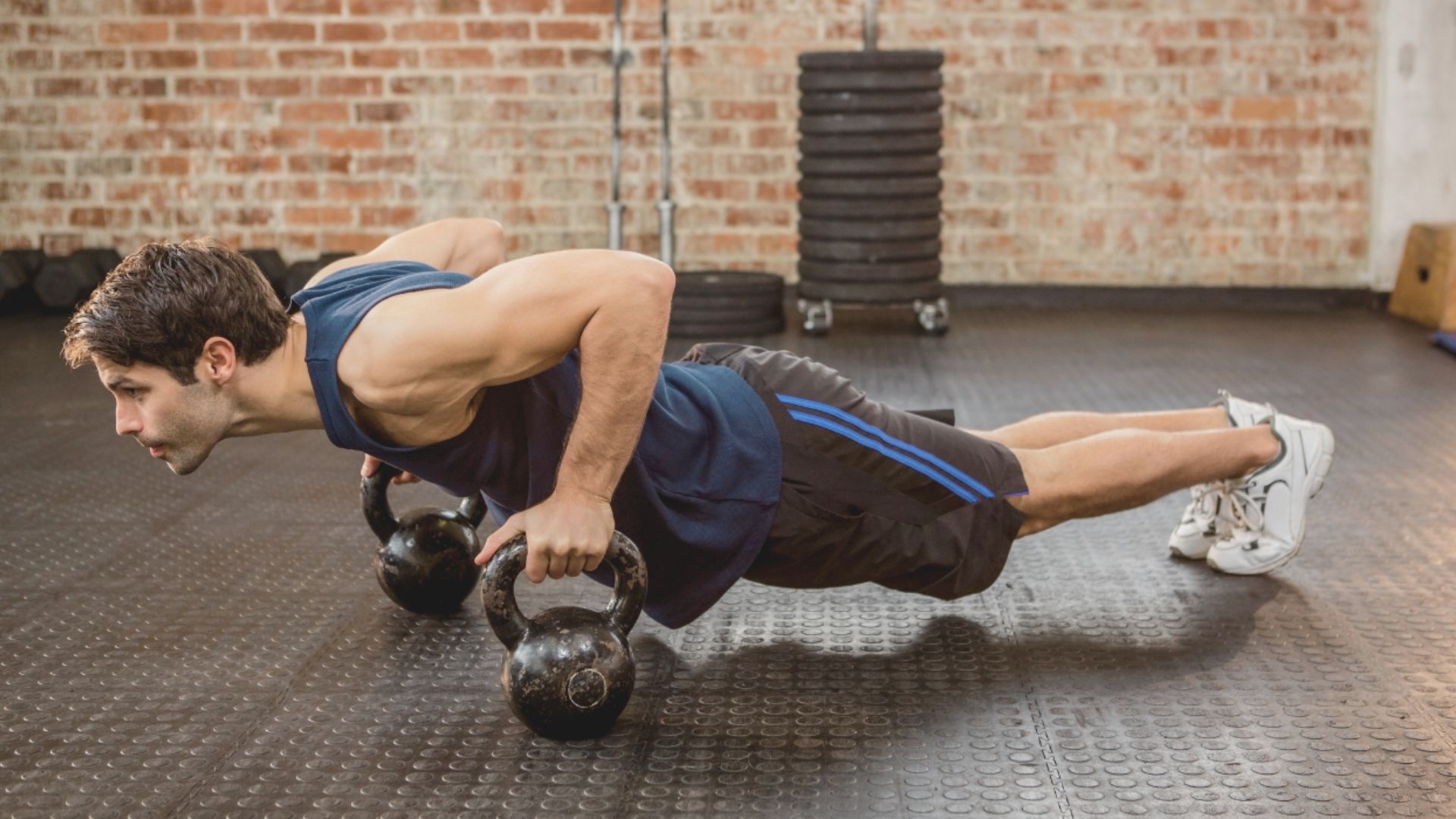
Knuckle push-ups keep your wrists straight. Make a fist and balance on your knuckles. Your wrists stay in a neutral line with your forearm. Start on a soft surface like a mat until you get used to it.
Push-up handles work the same way. You grip the handles, and your wrists stay neutral. These are great if knuckle push-ups feel uncomfortable. You can buy handles cheaply online or use dumbbells. The key benefit is a neutral wrist position that doesn’t cause pain.
Elevated or Incline push-ups
Angle matters more than you think. Higher means easier on your joints.
Changing the angle lowers joint stress significantly. On a counter, you’re lifting about 40% of your bodyweight. On a bench, it’s closer to 60%. On the floor, it’s about 65%. Less weight means less pressure on your wrists.
Start high and work your way down. If incline push-ups don’t hurt, stay there until you build more strength. Add reps instead of lowering the angle right away. When 20 incline ush-ups feel easy, try a lower surface.
Tips for Healthy Wrists During Push-Ups
Simple habits and smart choices protect your wrists and keep you training without setbacks.
- Start with fewer reps and build up slowly. Add 2-3 reps each week instead of jumping from 5 to 50 push-ups too fast.
- Rest between workout days. Your wrists need recovery time. Take at least one day off between push-up sessions.
- Ice your wrists after workouts if they feel sore. Apply ice for 10-15 minutes to reduce inflammation and prevent real pain.
- Pay attention to early warning signs. A little discomfort means slow down. Adjust your form or switch to an easier variation immediately.
- Mix up your upper body exercises. Add chest presses or resistance band work to give your wrists a break while building strength.
Conclusion
I know how annoying wrist pain can be during workouts. I’ve been there myself, frustrated and looking for answers.
The good news is that wrist pain during push-ups is fixable. Start with proper warm-ups, check your hand position, and try modifications. Give those wrist exercises a real shot for a few weeks. If the pain continues, don’t hesitate to see a physiotherapist. Your wrists deserve care.
Have questions or tips that worked for you? Drop a comment below. I’d love to hear what’s helping you do pain-free ush-ups.
Frequently Asked Questions
Why do my wrists hurt more when I do ush-ups on the floor?
Floor push-ups bend your wrists at a sharp angle and put about 65% of your bodyweight through them. Incline ush-ups reduce both the angle and weight.
Can I do ush-ups every day if my wrists hurt?
No, daily ush-ups will make pain worse. Do them every other day instead and work on wrist mobility exercises between sessions.
Are push-up handles worth buying for wrist pain?
Yes, handles keep your wrists neutral instead of bent back. They help most people, but you should still do wrist strengthening exercises.
How long does it take for wrist pain from push-ups to go away?
Most people feel better in 2-4 weeks with proper modifications. See a physiotherapist if pain continues past a month.
Should I stop working out completely if my wrists hurt?
No, just avoid movements that hurt your wrists. You can still do leg work, core exercises, and modified upper body movements.


