You’ve probably seen ATG popping up everywhere, athletes squatting deeper than you thought possible, walking backwards on treadmills, and swearing their knee pain disappeared. It sounds almost too good to be true, right? So what’s the real deal with this training method everyone keeps talking about?
ATG stands for “Ass to Grass,” a knee-strengthening system created by Ben Patrick, better known as Kneesovertoesguy. The approach flips traditional fitness advice on its head. Instead of avoiding deep knee bends, ATG encourages them. The goal? Building knees that are actually stronger and pain-free.
In this article, I’ll walk you through what ATG training involves, why people get results, and whether it’s right for you. You’ll get straightforward answers here, not just social media hype. Whether your knees hurt or you want to move better, let’s break it down.
What Is ATG Training?

ATG stands for Athletic Truth Group. Ben Patrick created this system to help people move better and stay injury-free. It’s not like normal fitness programs. ATG focuses on three main things: Mobility, Balance, and Joint integrity
The Philosophy Behind ATG
Traditional fitness tells you to avoid certain movements. Don’t let your knees go too far forward. Don’t squat too deep. Stay “safe.”
Ben Patrick believes you should strengthen your body through the movements you’re told to avoid. A full range of motion makes joints stronger, not weaker. Perfect form matters more than heavyweight. And longevity beats ego every single time.
The Origins of ATG and the “Knees Over Toes” Concept
Ben Patrick dealt with bad knee injuries when he was young. They held him back from sports. Doctors told him there wasn’t much hope. So he started experimenting.
He tested different exercises and movement patterns. Eventually, he found methods that eliminated his pain. Not only that, he got more athletic than before. His big finding challenged old science. A 1978 study from Duke University claimed that letting your knees go past your toes damages the joint. But Patrick proved otherwise.
Core Principles of ATG Training
Most programs focus on one or two things. ATG covers everything: from what you eat to how you move. That’s what makes it different.
- Nutrition as the Foundation: You can’t outwork a bad diet. Whole, unprocessed foods with quality proteins, fruits, and vegetables fuel recovery and build strength that lasts.
- Sled Training for Longevity: Ben calls this the “#1 exercise for longevity” because it builds strength and conditioning without destroying your joints. Drive through your big toe with each step to protect your knees while getting stronger.
- Master the Slant Board and Split Squat: This combination bulletproofs your knees through a deep range of motion. It also stretches tight hip flexors and fixes posture issues from sitting all day.
- Train Through Full Range of Motion: Half reps build half strength. Strengthening muscles through complete movement arcs prevents stiffness and creates functional strength for real life.
- Prioritize Perfect Form Over Heavy Weight: Control and technique come first because perfect form prevents injuries and activates the right muscles. Leave your ego at the door and focus on moving well.
- Strengthen Feet, Ankles, and Lower Legs: Modern shoes weaken these joints, so ATG retrains them with tibialis raises, sled work, and calf exercises. Strong feet and ankles create a stable foundation for everything above them.
- Longevity as the Ultimate Goal: Every workout builds a pain-free, resilient, functional body, not just good looks. The goal is moving well and feeling great for decades, not just until your next injury.
Top 10 ATG Exercises to Get Started
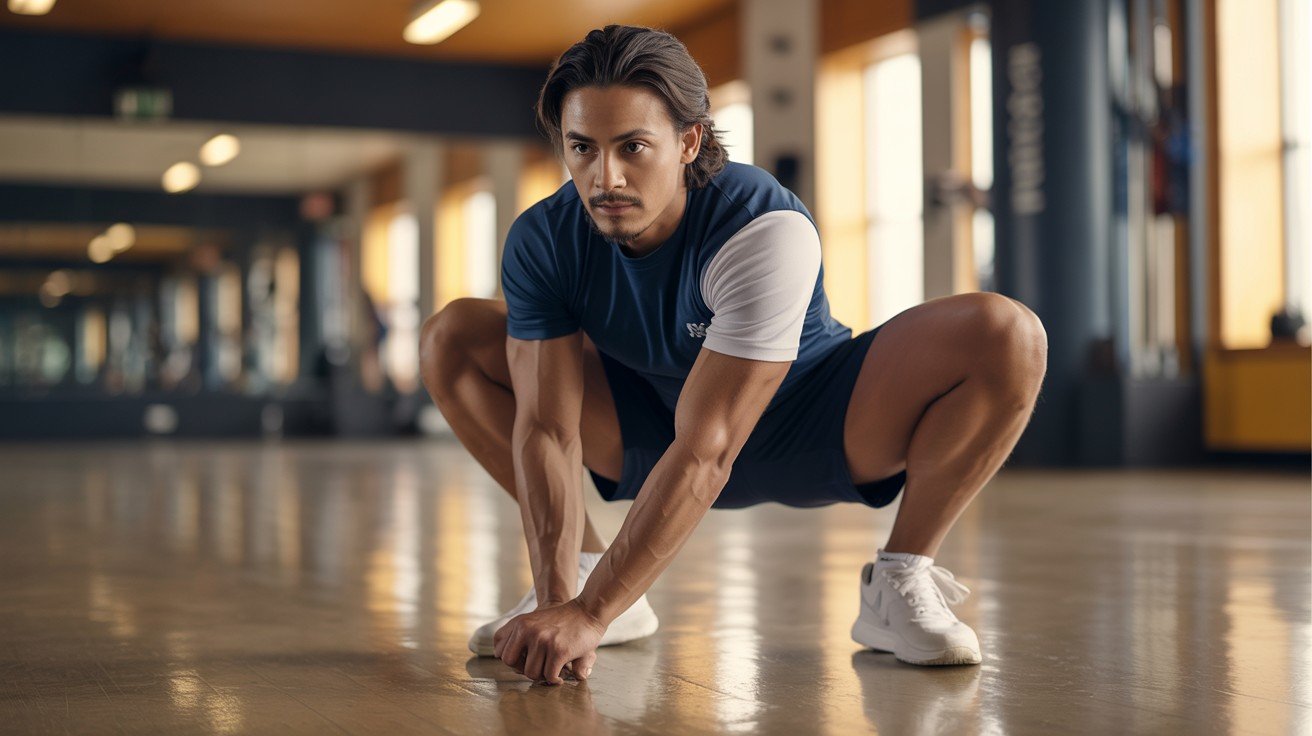
“Knees over toes” sounds scary. I get it. But here’s the truth: your knees were built to go forward. We’ve just forgotten how to train them that way..
Raise Squats
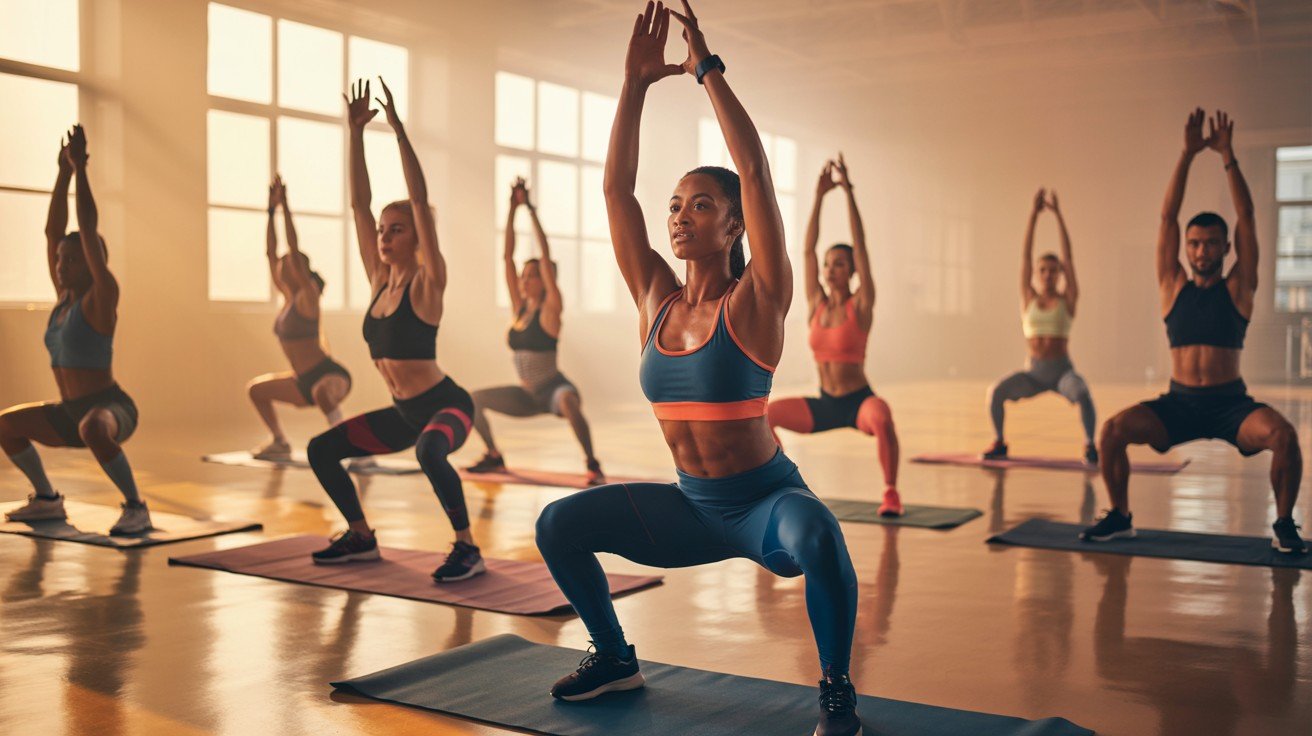
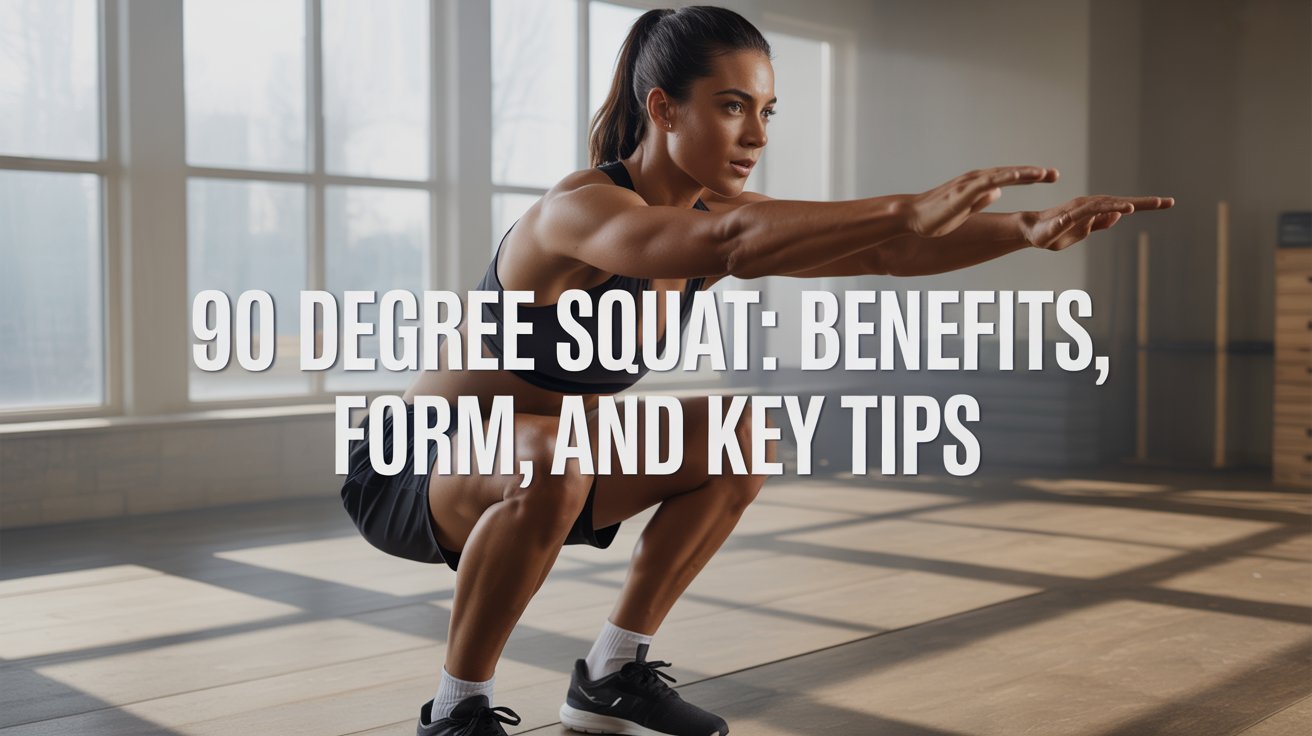
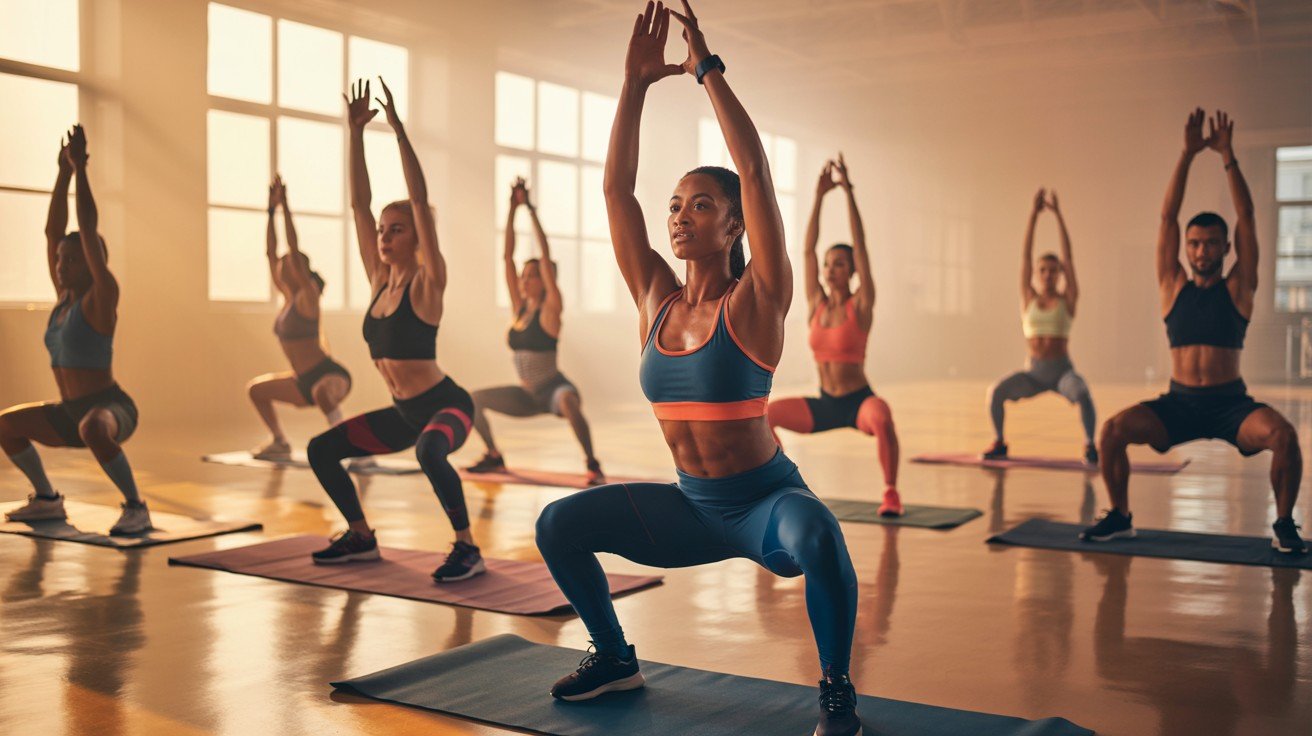
Stand on a platform with your heels hanging off the edge, then squat down as deep as you can. The elevation lets you drop deeper than regular squats while your ankles get more flexible. Start with a 2-inch platform and work up to 4 or 6 inches over time.
Backward Sled Pulls
Walk backward while pulling a sled with a lightweight to build bulletproof knees. Your knees get stronger in a zero-impact way with no pounding or jarring. Can’t access a sled? Drag a weight plate on a towel across the grass.
Knees Over Toes Split Squat
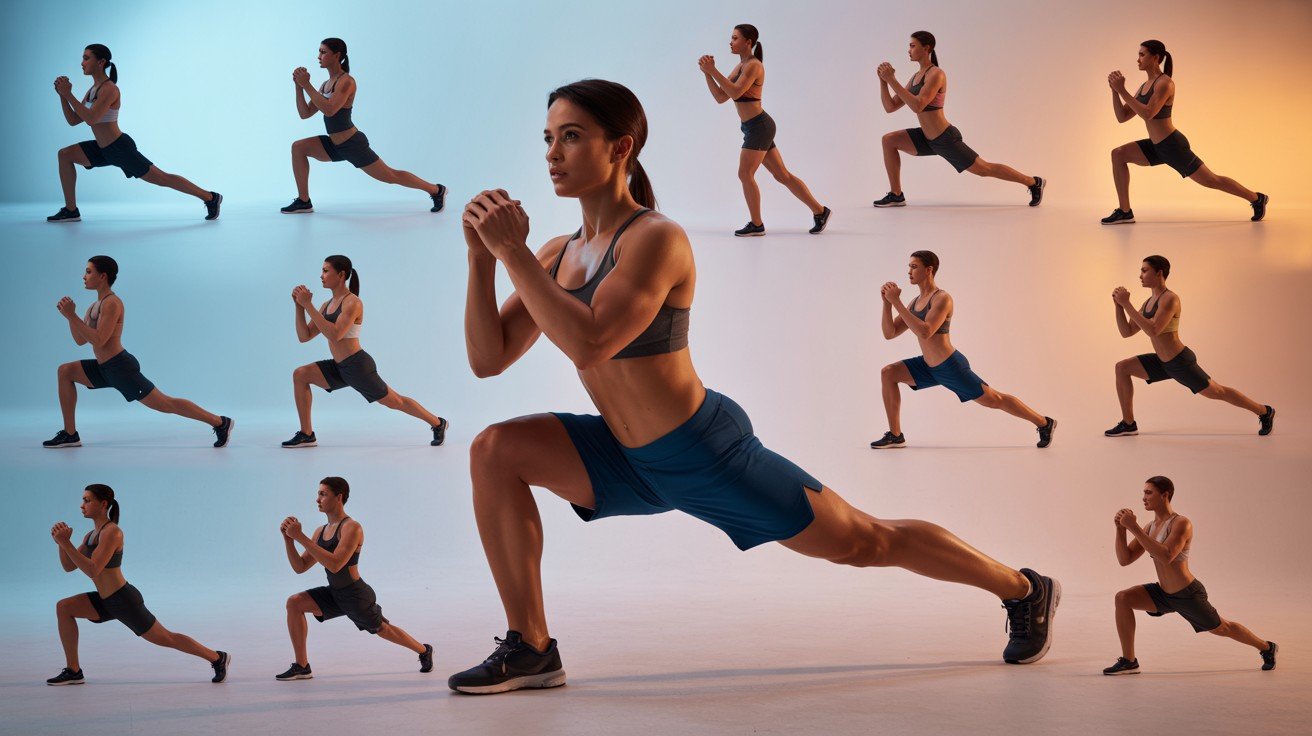
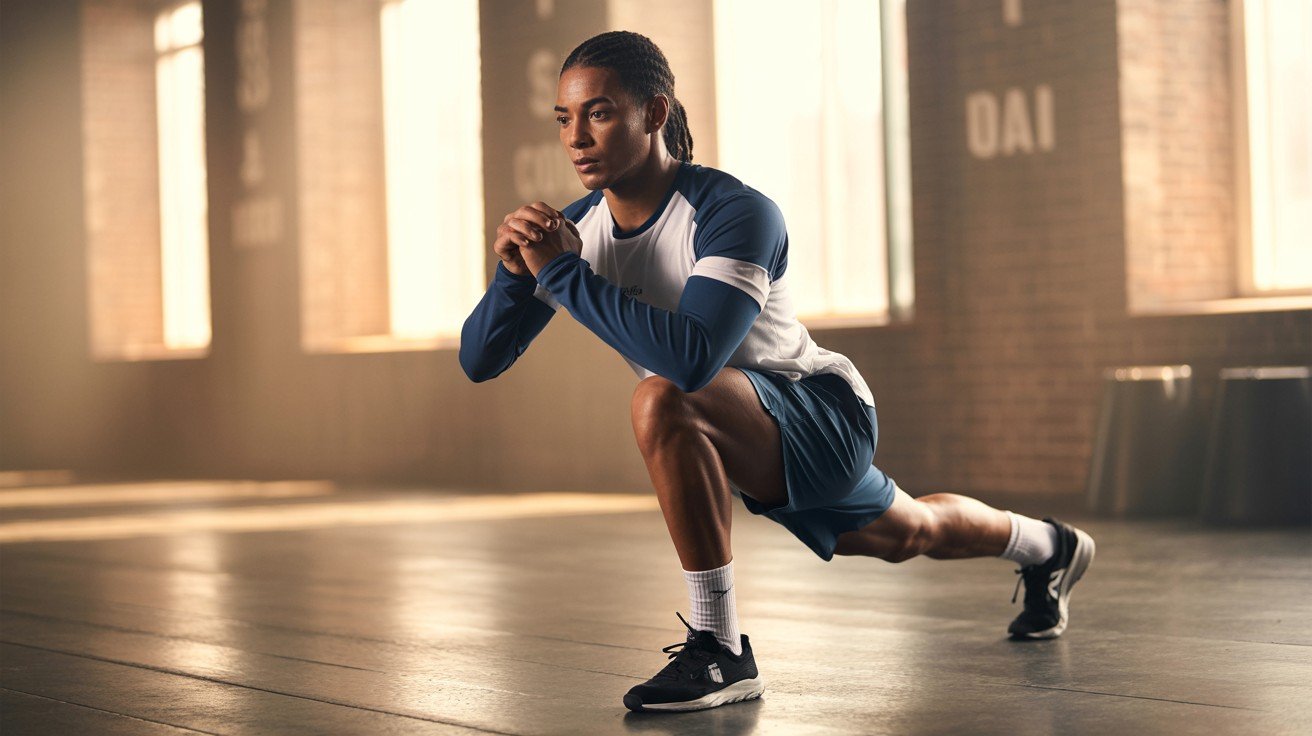
Put your back foot on a bench, plant your front foot on the ground, and drop down while letting that front knee travel forward over your toes. This movement retrains old patterns and opens up both your hips and knees. Start shallow and go deeper each week.
Tibialis Raises
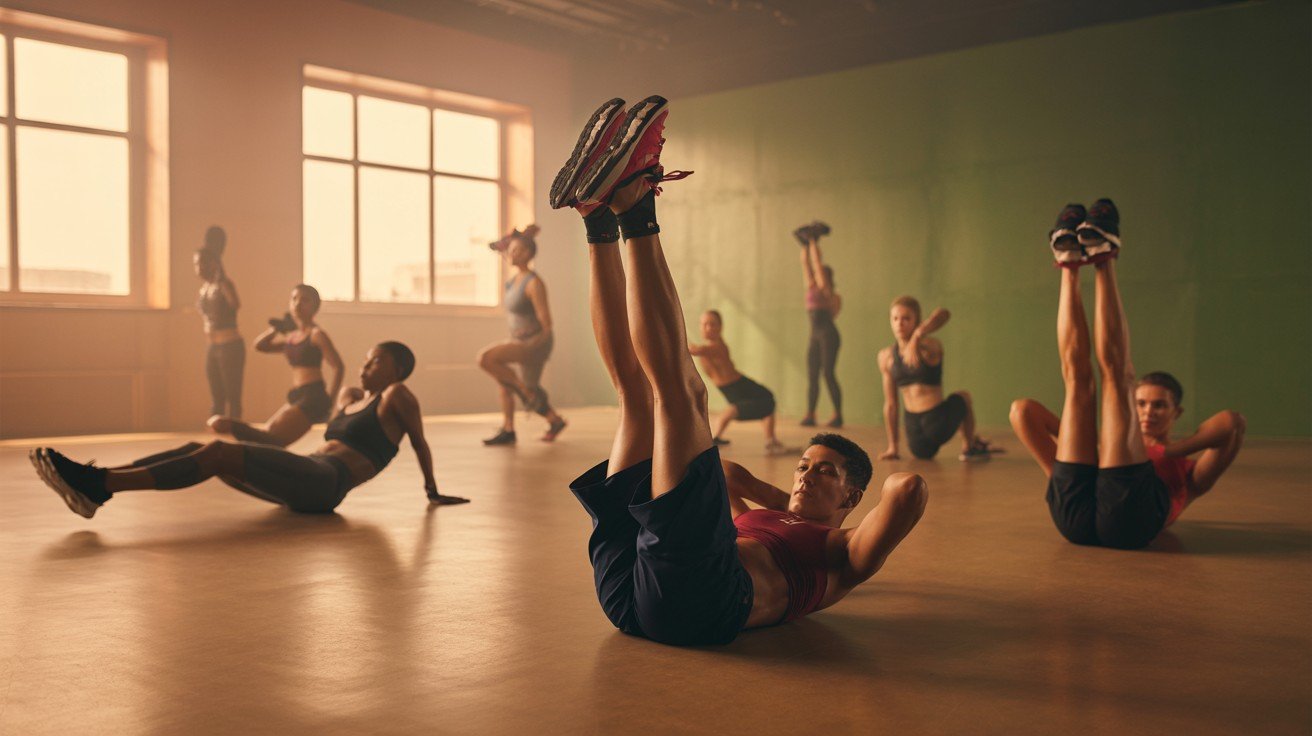
Sit on a bench, hook a weight around your toes, and lift your toes toward your shin before lowering slowly. This tiny muscle on the front of your shin protects your knee more than you’d think. Start with 5 pounds or less, seriously.
Nordic Hamstring Curl
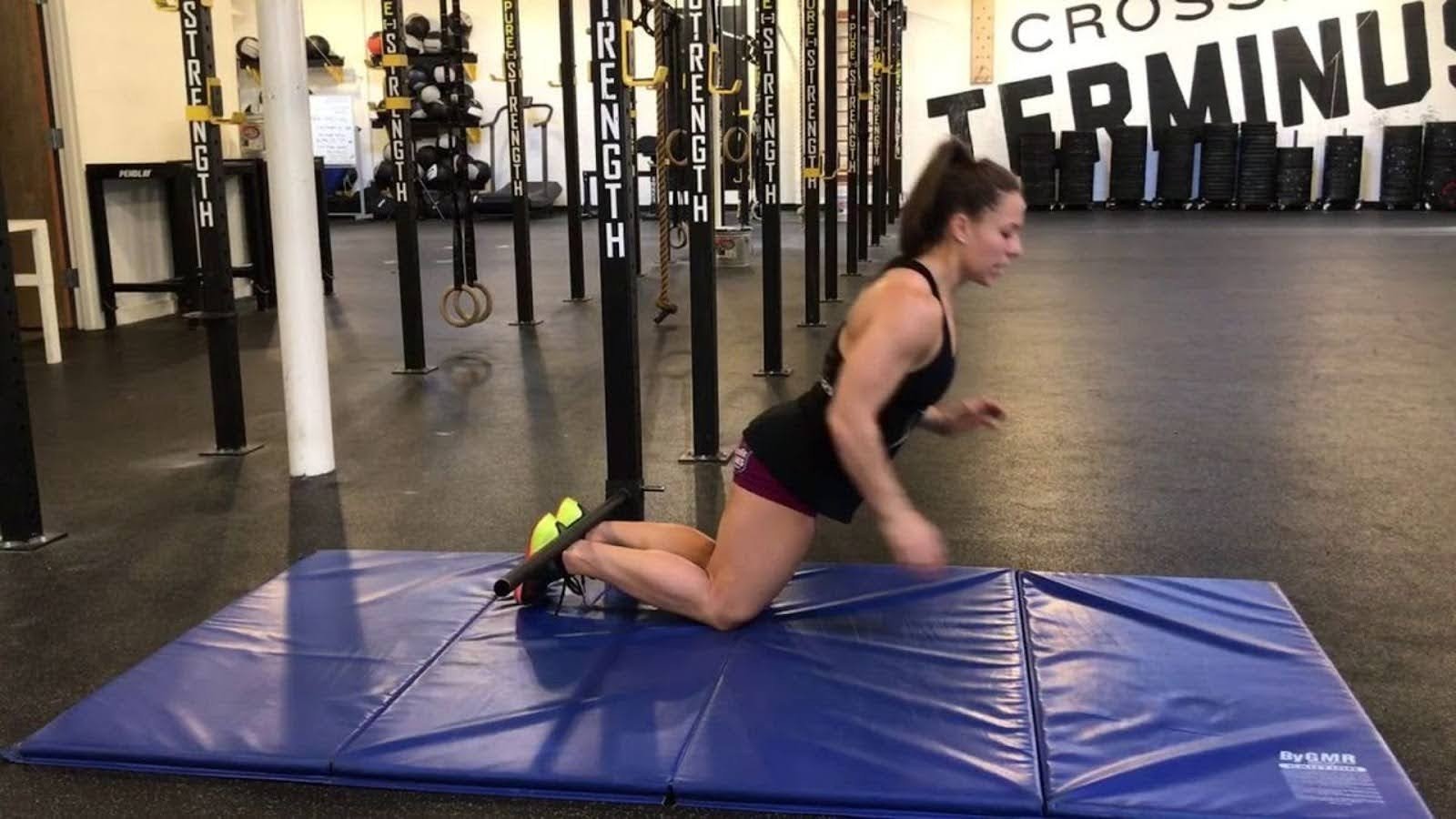
Kneel with your ankles anchored, then lower yourself forward as slowly as possible using your hamstrings to control the descent. Use your hands to catch yourself if needed. Everyone starts there. This exercise prevents hamstring tears better than anything else I’ve tried.
Reverse Nordic Curl
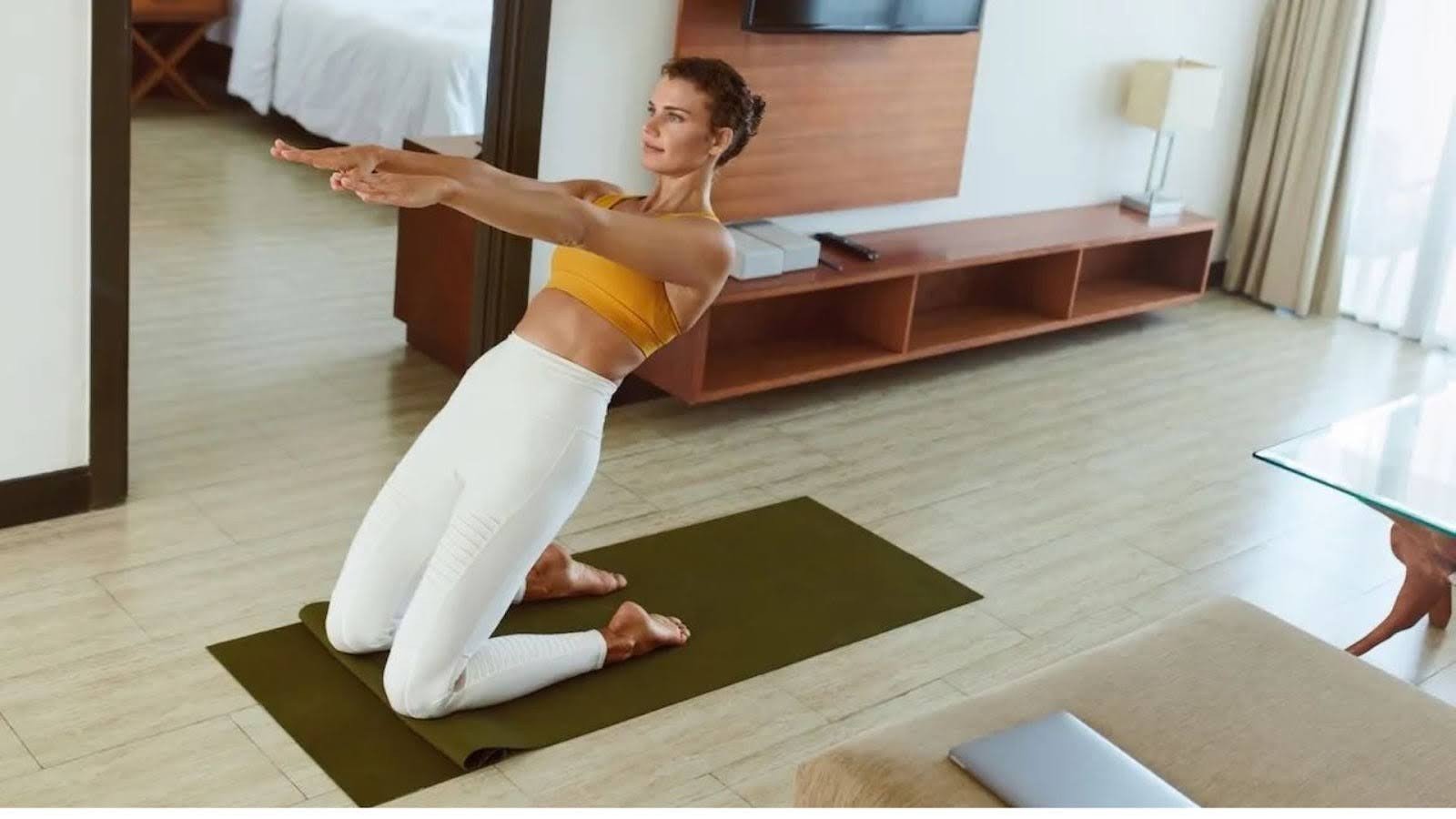
Kneel tall and lean backward while keeping your body straight as your quads work overtime to control the movement. Hold onto something at first and lower yourself just a few inches. This strengthens your quads without crushing your knees under heavy weight.
Cyclist Squats
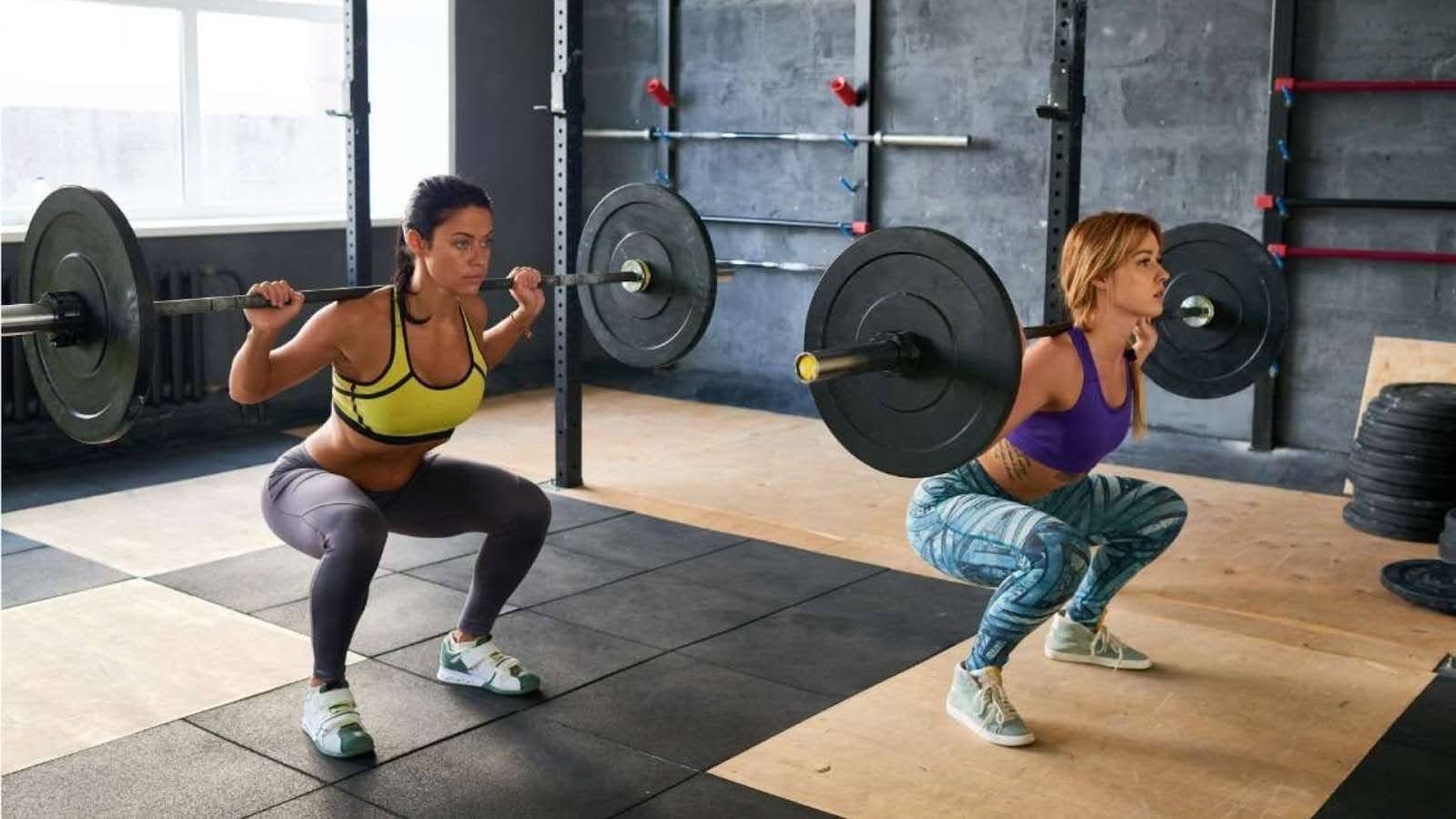
Set your heels on a high elevation, let your knees track far forward, and drop straight down for pure quad isolation. Start with bodyweight only and add a light dumbbell to your chest when ready. Keep your torso upright, that’s the key.
Patrick Steps

Stand on one leg, lower your other foot behind you to tap the ground, then come back up to build single-leg strength and control. This simple move challenges your balance more than you’d expect. The kind of control this builds prevents rolled ankles and twisted knees.
Poliquin Step
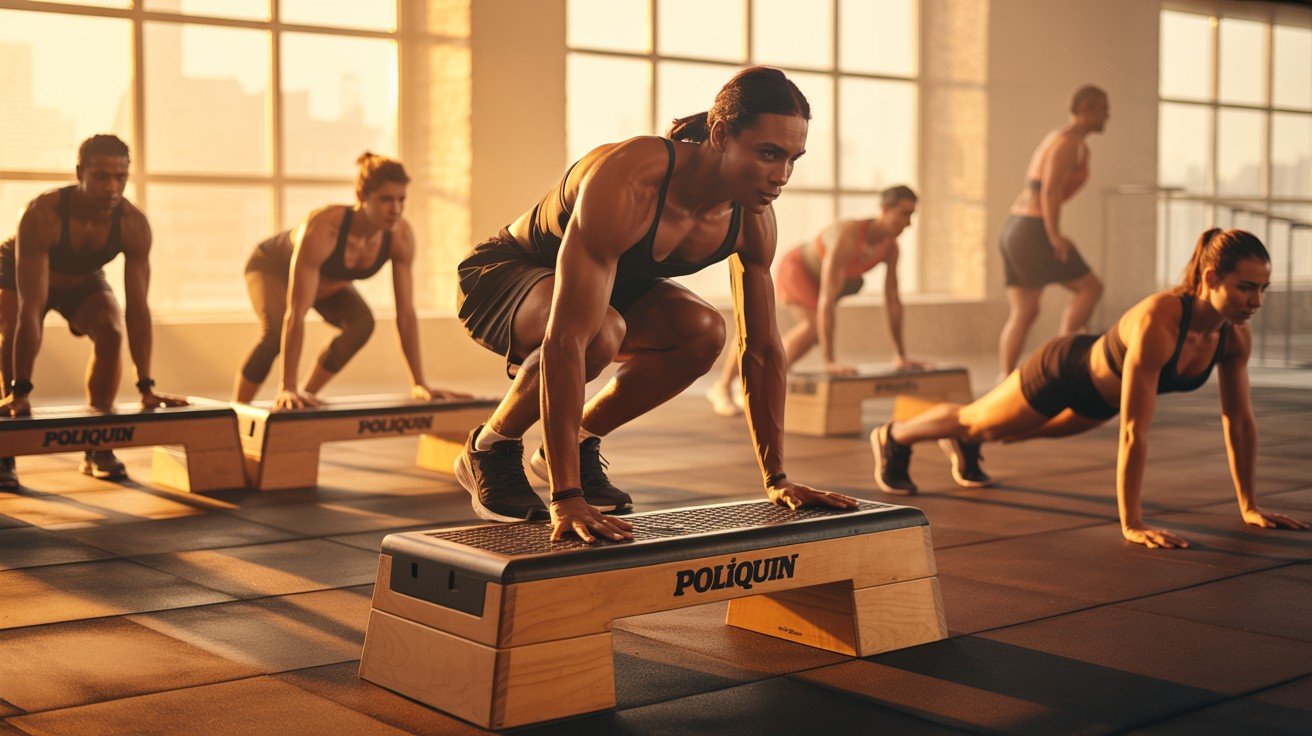
Face away from a bench with one foot on top of it, then lower down until your back knee touches the ground while keeping your front heel down. It’s brutal but effective. Master the split squat first before attempting this advanced movement. Don’t rush here.
Calf Raises
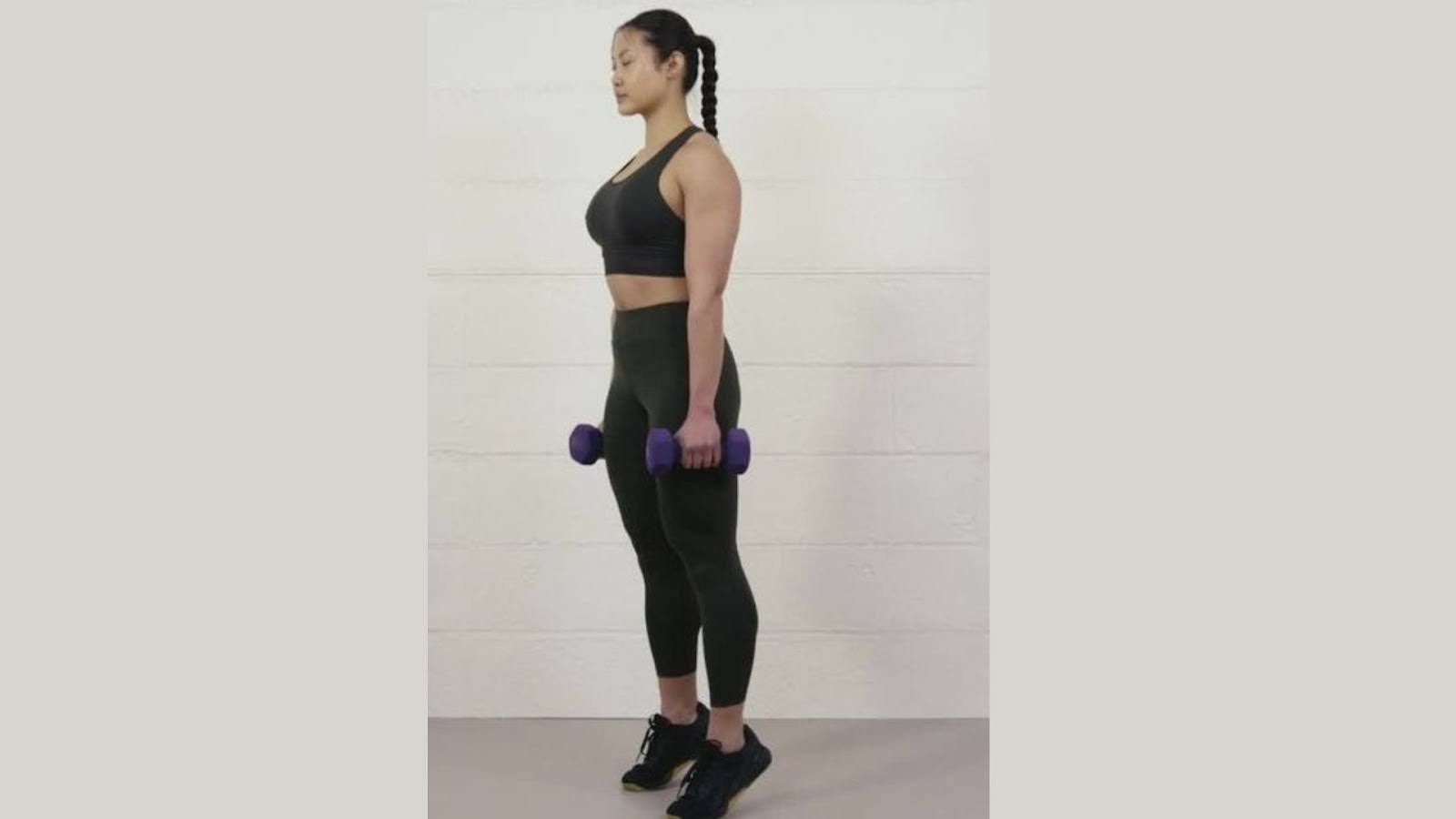
Stand on a step, lower your heels below it, and push up onto your toes with a full range of motion, no half reps. Strong calves mean healthy ankles, and healthy ankles mean stable knees. Do these often because your entire lower body connects.
Recommended Equipment for ATG Training
You don’t need a fancy gym. But the right tools make everything easier.
- Slant Boards: These angled platforms change everything for your squats and stretches. They raise your heels and let you drop deeper while keeping perfect form.e
- Tib Bars: This simple tool targets the front of your shin like nothing else can. Your tibialis muscle gets isolated and strengthened in ways regular exercises can’t match.
- Nordic Curl Attachments & Rigs: These hold your ankles in place so you can train your hamstrings properly. Your hamstring strength shoots up fast when you have stable support.
Benefits of ATG Training
Your knees will thank you. Most programs beat up your joints. ATG does the opposite. It rebuilds them from the ground up.
- Bulletproof knees that can handle anything you throw at them
- Pain-free movement in activities you thought you’d lost forever
- Real strength that transfers to sports and daily life
- Better mobility without boring stretch routines
- Injury prevention that actually works long-term
How to Start Your ATG Training Journey?
You don’t need a fancy gym to begin. You just need to start smart.
- Master basic squats and split squats with perfect form
- Work on ankle mobility through simple daily drills
- Build up knee strength with controlled backward movements
- Focus on balance with single-leg exercises
- Practice patience because results take consistent effort
Conclusion
So, what is ATG? It’s a training method built around strengthening your knees through deep, controlled movements that most fitness programs tell you to avoid. Ben Patrick created it after fixing his own knee problems,
You don’t need a fancy gym or expensive equipment. Most ATG exercises use your body weight or basic tools you already have. What you do need is patience and consistency. Results don’t happen overnight, but they do happen if you stick with it.
You now understand what ATG is and how it can help you. If you’re dealing with knee pain or want to move better, you’ve got a clear path forward. Try the basics and see how your body responds. Already started your ATG training journey? Share your experience in the comments it might help someone else take that first step.
Frequently asked questions
What does ATG stand for in fitness?
ATG stands for “Ass to Grass,” referring to deep squatting where your butt goes all the way down. It’s also the name of Ben Patrick’s training system that focuses on knee strengthening through full range-of-motion exercises. The method emphasizes movements most people avoid, like deep squats and backward walking.
Who created ATG training?
Ben Patrick, known online as Kneesovertoesguy, created ATG training. He developed the method after overcoming his own serious knee injuries that doctors said would end his athletic career. His personal success story and results-focused approach made ATG popular worldwide among athletes and everyday people.
Is ATG training safe for bad knees?
Yes, when done properly. ATG actually helps strengthen weak or painful knees by building muscle and mobility gradually. Start slow with easier progressions and listen to your body. Many people with chronic knee pain report significant improvement. However, always consult a doctor if you have serious injuries or concerns.
What equipment do you need for ATG?
Very little. You can start with just your bodyweight. As you progress, a slant board, resistance bands, and a sled are helpful but not required. Many exercises use basic items like a bench or doorframe. The ATG system is designed to be accessible without expensive gym equipment.
How long does ATG take to see results?
Most people notice improvements in 4-8 weeks with consistent training. Pain reduction often comes first, followed by increased strength and mobility. Results vary based on your starting point, consistency, and how damaged your knees were. Some see changes within weeks, while others need several months of dedicated work.