Looking to build strength without hurting your back? Trap bar exercises might be your answer. I’ve been using these movements for years, and they’ve changed how I train.
This guide covers 13 effective trap bar exercises that work your whole body. You’ll learn proper form, programming tips, and which variations fit your goals. I’ll show you why the trap bar is easier on your joints than a straight barbell.
From deadlifts to carries, I’ve tested these moves myself. Let’s make your workouts safer and more effective.
What Is a Trap Bar and How Does It Work?

Trap bars help you lift with better form and less stress on your back.
A trap bar looks like a hexagon you stand inside. A straight barbell sits in front of you. The trap bar puts the weight around you instead.
This design gives you a neutral grip where your palms face each other. This feels more natural and puts less strain on your wrists.
The centered load keeps the weight closer to your body. You don’t lean forward as much, which means less stress on your lower back.
Two main designs exist. Closed hex bars form a complete hexagon. Open trap bars have a gap on one side for more exercise variety, like single-leg work.
Both types work for deadlifts, squats, carries, and rows.
Benefits of Trap Bar Exercises
These tools make lifting safer and more effective for most people.
- The weight position keeps your spine aligned better than straight bars. I’ve seen clients with back pain feel immediate relief after switching.
- You don’t need as much flexibility to get into good starting positions. The handles sit higher than a barbell on the ground.
- The neutral grip reduces wrist and elbow strain. Your shoulders don’t rotate as much either.
- One piece of equipment covers legs, back, shoulders, and arms. You can train everything without switching bars.
- The load position lets you push through your heels. This targets your glutes and quads more directly than most barbell variations.
Trap Bar vs Open Trap Bar: Key Differences
The open design adds training options you can’t get with closed bars.
|
Feature |
Closed Trap Bar |
Open Trap Bar |
|
Design |
Fully enclosed hex shape |
Open-ended frame |
|
Range of Motion |
Fixed position; lifter stays centered |
Allows stepping forward or backward during lifts |
|
Movement Freedom |
Locks you into one movement path |
Greater freedom for dynamic and multi-directional movements |
|
Unilateral Training |
Limited or not possible |
Supports single-leg and split-stance exercises |
|
Offset Loading |
Even loading only |
Allows loading weight on one side for asymmetrical training |
|
Core Engagement |
Moderate |
Higher due to offset and unilateral loading |
|
Exercise Variety |
Best for deadlifts and carries |
Expands options: split squats, lunges, single-leg deadlifts |
|
Lower-Body Independence |
Both legs move together |
Legs can move independently |
|
Sport-Specific Training |
General strength-focused |
Better transfer to athletic and real-world movements |
13 Best Trap Bar Exercises
A complete list of effective movements that build full-body strength, power, and muscle using a trap bar.
Trap Bar Deadlift

Primary muscles: glutes, hamstrings, quads
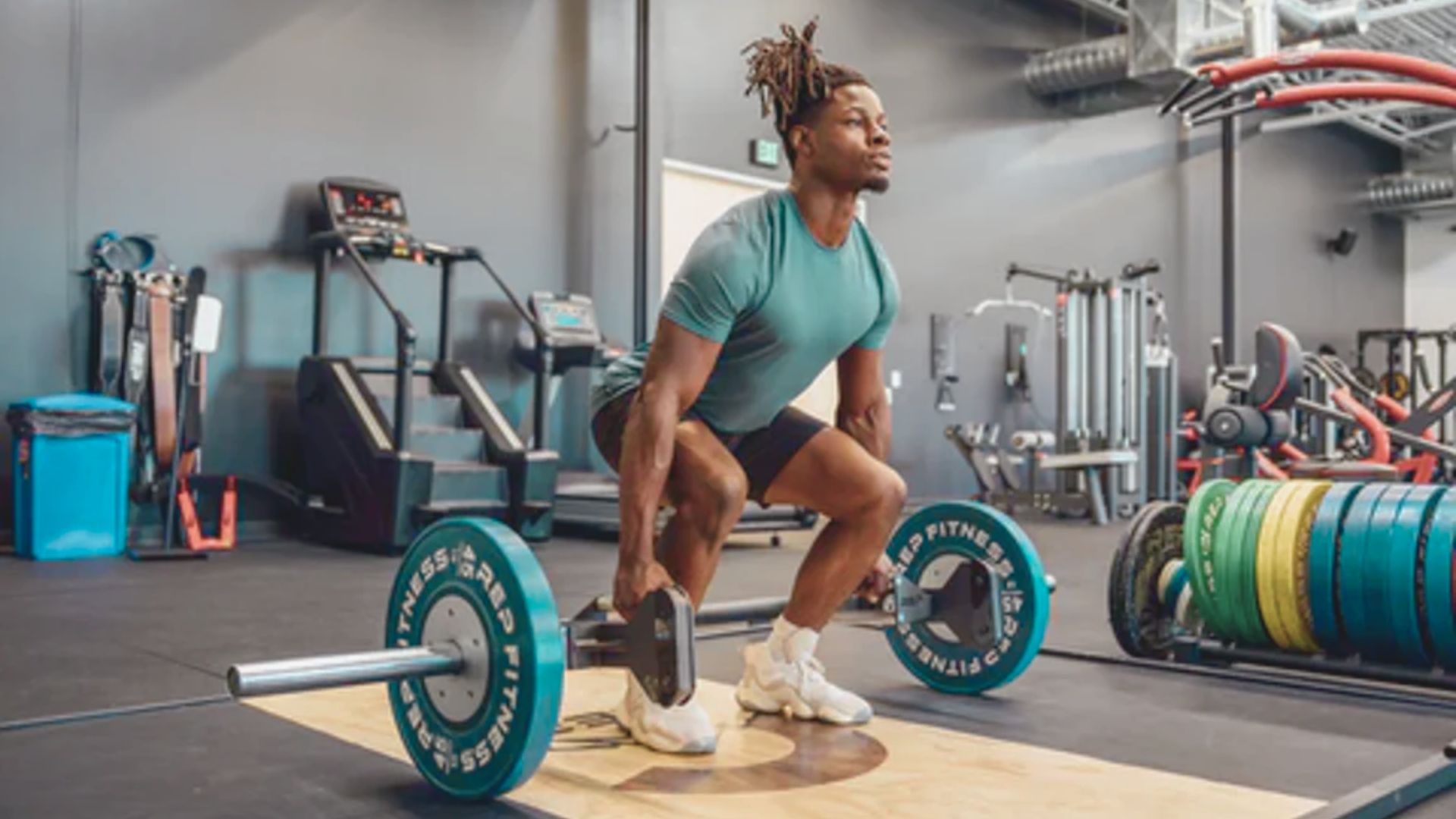
This is one of the best trap bar exercises for strength. Stand inside the bar with feet hip-width apart. Grab both handles and push through your feet. Your hips and shoulders should rise together.
The centered weight lets you lift more safely than conventional deadlifts. I’ve seen beginners learn this in minutes instead of weeks.
Trap Bar Romanian Deadlift

Posterior chain focus: hamstrings and glutes
Start standing with the bar. Push your hips back while keeping a slight knee bend. Lower until you feel a stretch in your hamstrings.
This targets the back of your legs more than regular trap bar deadlifts. The hamstring and glute activation helps build a stronger posterior chain.
Trap Bar Squat

Upright torso and quad engagement
Hold the bar and squat down like you’re sitting in a chair. Your torso stays more vertical than with barbell squats.
This works as a safer alternative to barbell squats for people with shoulder mobility issues. You don’t need to rack a bar on your back.
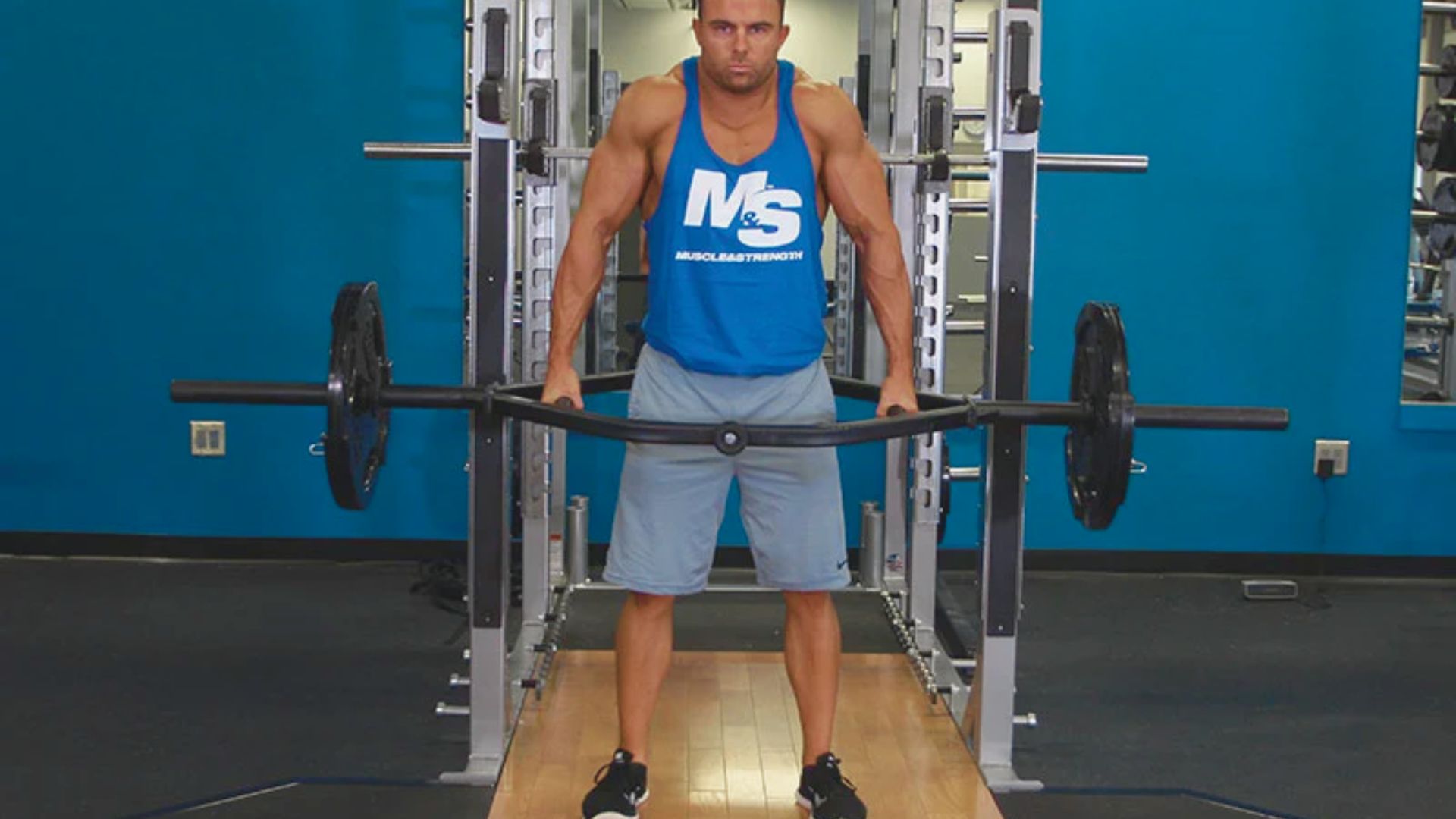
Trap Bar Shrugs
Upper trap isolation
Stand inside the bar and lift it. Shrug your shoulders straight up toward your ears. Hold for a second, then lower.
These are popular shrug trap bar exercises for grip and neck strength. The neutral grip lets you hold more weight comfortably.
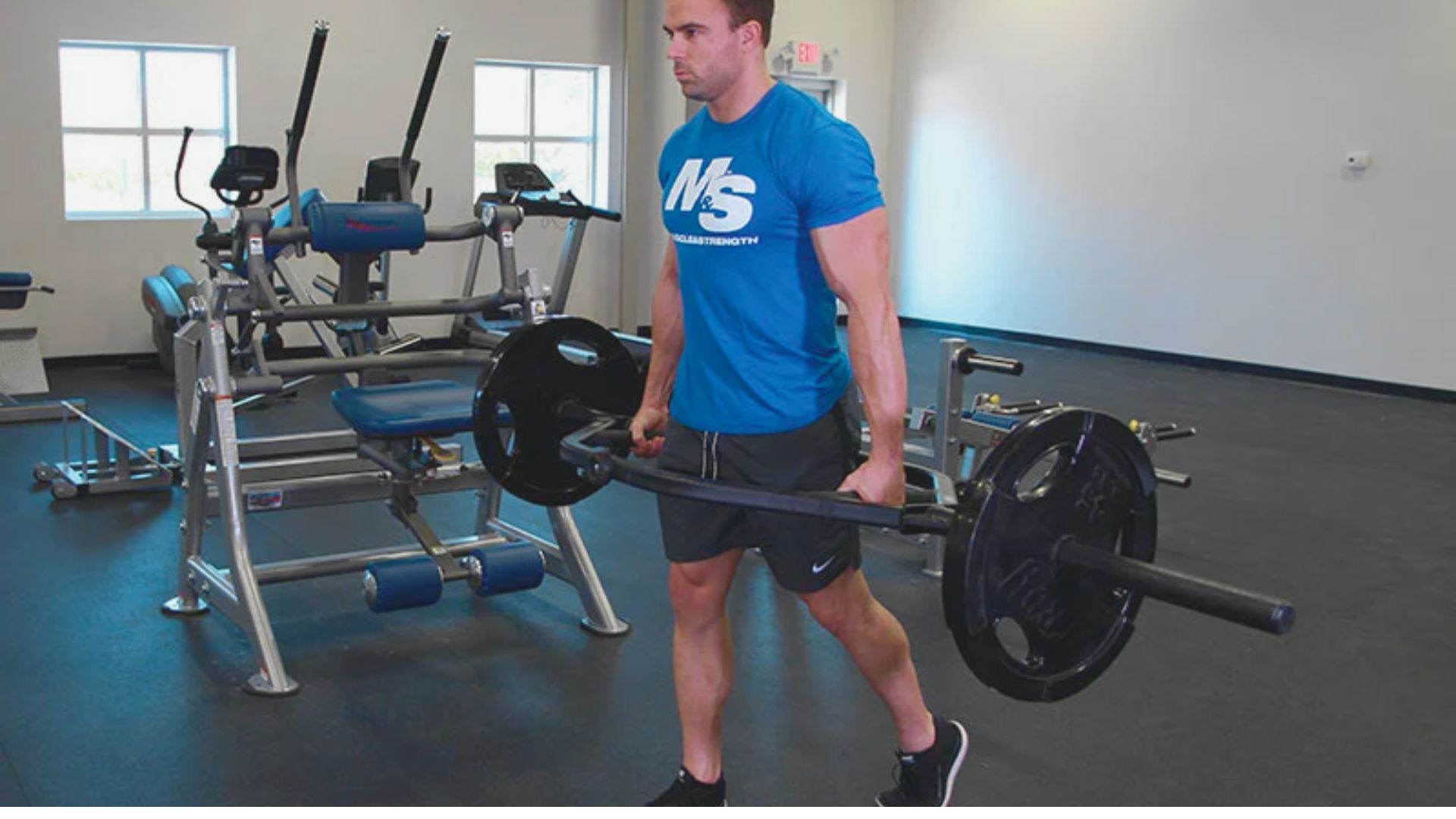
Trap Bar Farmer’s Carry
Grip, core, and conditioning benefits
Pick up the loaded bar and walk. Keep your shoulders back and core tight. Walk for distance or time.
This makes a great full-body finisher for any workout. Your grip, abs, and legs all work hard.
Trap Bar Reverse Lunge
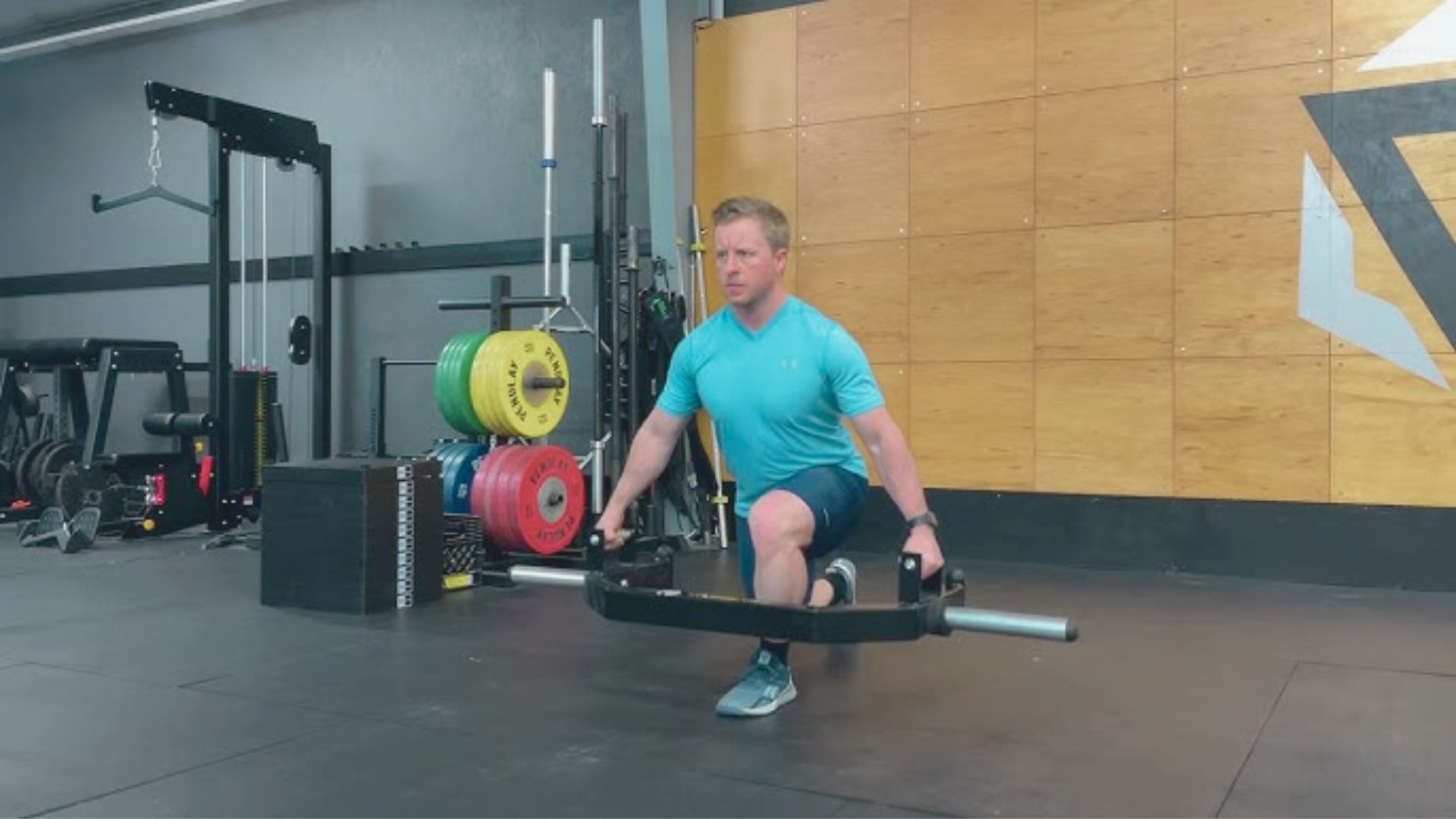
Single-leg strength and balance
Hold the bar while standing. Step back with one leg and lower your knee. Push through your front foot to return.
This proves useful for rehab and athletic training. One leg at a time reduces total load while still building strength.
Trap Bar Jump Squat

Explosive power development
Load the bar light. Squat down and explode up, jumping off the ground. Land softly and repeat.
The athletic carryover helps with sprinting and jumping sports. The centered load makes it safer than barbell jump squats.
Open Trap Bar Split Squat
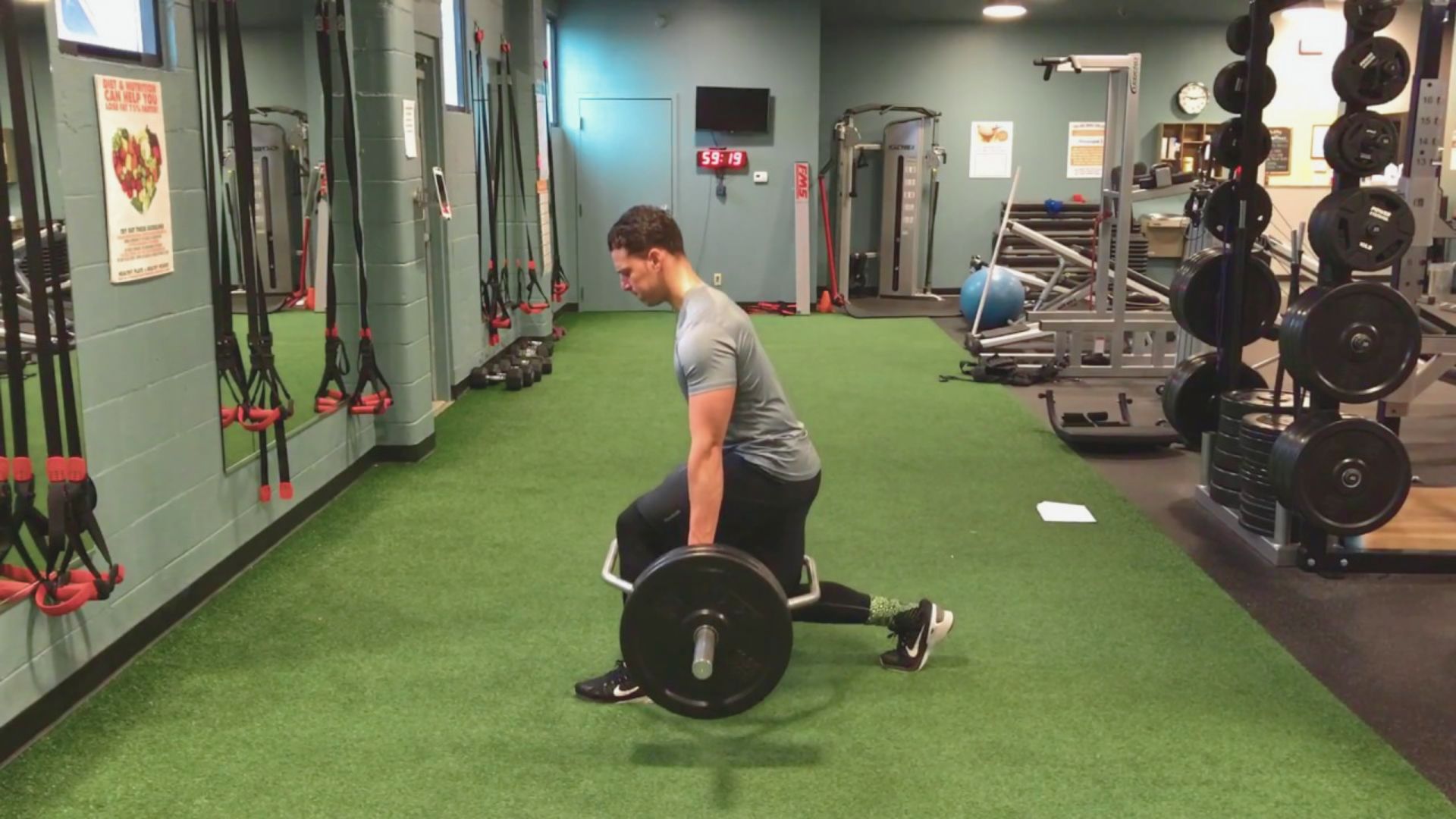
Increased stability and depth
Use an open trap bar for this. One foot stays on the ground while the other goes back on a bench. Lower down and drive back up.
This ranks as one of the most effective open trap bar exercises for building leg strength. The open design gives your front leg more room.
Trap Bar Hip Thrust
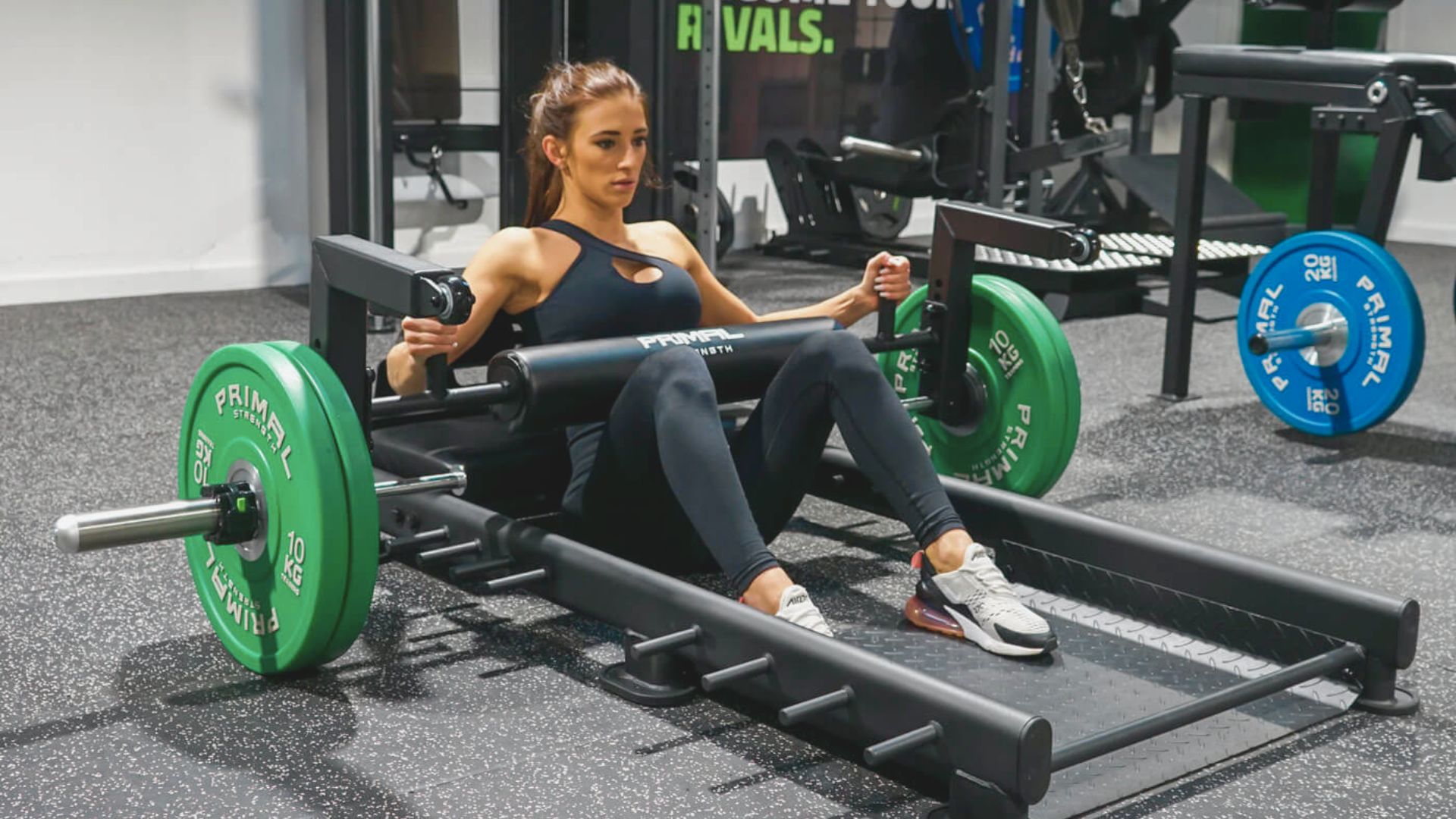
Direct glute targeting
Sit on the ground with your upper back against a bench. Place the trap bar over your hips. Drive through your heels and squeeze your glutes at the top.
This works perfectly for trap bar exercises for glutes. The hex shape sits comfortably across your hips.
Trap Bar Bent-Over Row

Upper-back and lat engagement
Stand inside the bar and hinge forward at your hips. Pull the bar up to your torso. Lower with control.
This pulling variation using a hex weight lifting trap bar builds your back thickness. The neutral grip feels comfortable for high reps.
Trap Bar Overhead Press
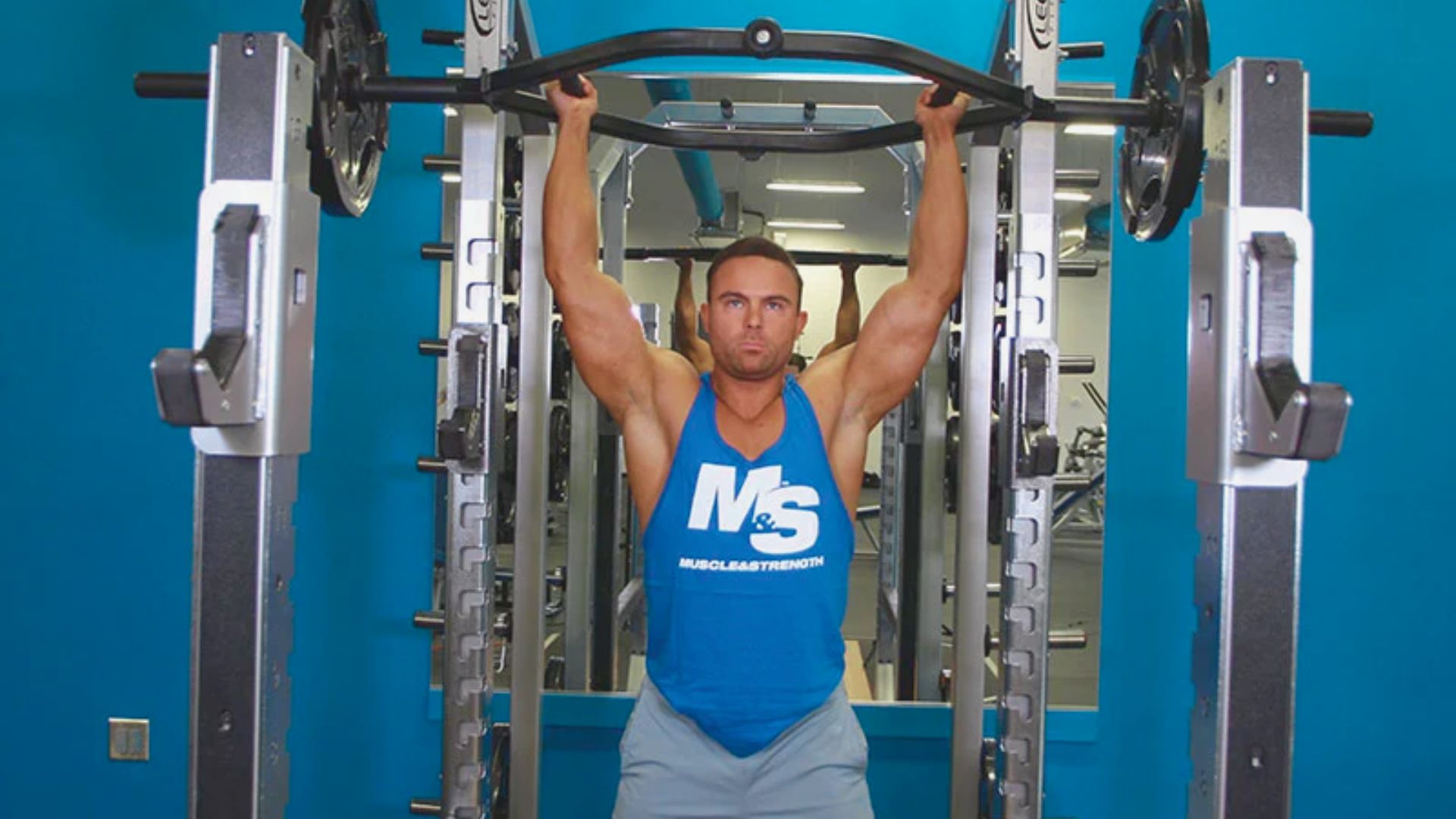
Shoulder and triceps activation
Clean the bar to your shoulders. Press it overhead until your arms lock out. Lower back down.
This gives you a controlled pressing option that’s easier on your shoulders than straight bars.
Trap Bar Biceps Curl
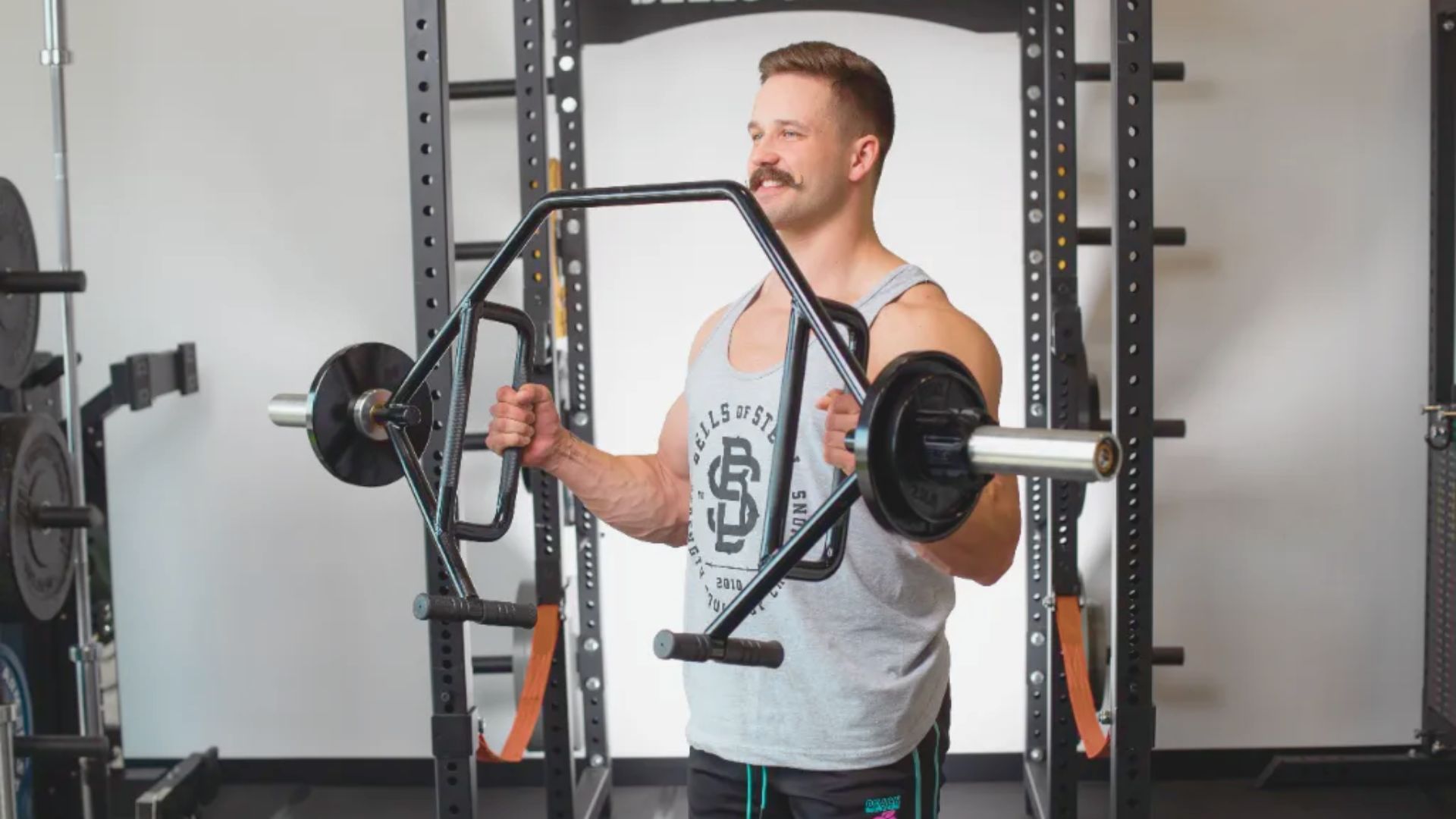
Neutral-grip arm training
Stand inside the bar and curl it up. Keep your elbows tucked to your sides. Lower slowly.
This covers bi-tri trap bar exercises with a comfortable grip. The neutral position reduces elbow stress.
Trap Bar Triceps Extension

Elbow-friendly triceps work
Hold the bar overhead with arms extended. Lower it behind your head by bending your elbows. Press back up.
This complements arm-focused routines while being gentler on your elbows than the straight bar.
How to Program Trap Bar Exercises
Smart programming gets you better results without overtraining.
Sets and reps for strength, muscle, and power
Strength: 3-5 sets of 3-6 reps with heavy weight. Rest 3-4 minutes between sets.
Muscle building: 3-4 sets of 8-12 reps with moderate weight. Rest 90-120 seconds.
Power: 3-5 sets of 3-5 reps with explosive movement. Use 30-50% of your max. Rest fully between sets.
Beginner vs advanced programming
Beginners should start with 2 sessions per week. Focus on deadlifts and carries. Master form before adding weight.
Advanced lifters can train 3-4 times weekly. Mix heavy deadlifts, explosive jumps, and accessory work across different days.
Weekly frequency recommendations
Train trap bar deadlifts 1-2 times per week. Space sessions 3-4 days apart.
Add carries, rows, or presses on other days. These don’t tax your system as much.
Common Mistakes to Avoid
These errors slow your progress and increase injury risk.
- People load the bar too heavily because it feels easier than a straight barbell. Start lighter than you think you need and build up slowly.
- Poor hip hinge mechanics ruin the benefits. Don’t round your back or squat too low on deadlifts. Push your hips back first and keep your chest up.
- Skipping warm-ups and mobility work sets you up for problems. Do some light cardio and dynamic stretches first. Take 2-3 warm-up sets before your working weight.
- Treating all trap bar exercises the same limits your results. Deadlifts need a different form than rows. Carries require different breathing than presses. Learn each movement separately.
- Rushing through reps reduces effectiveness and increases injury risk. Control the weight on the way down. Focus on smooth, deliberate movement patterns.
Conclusion
Trap bars changed how I train, and they can do the same for you. Start with basic deadlifts and carries to learn the movement patterns. Your back will thank you for making the switch.
Add more variations as you get comfortable with the basics. These exercises build real strength without beating up your body. I’ve seen people of all fitness levels benefit from switching to trap bar training.
Try one trap bar session this week and see how it feels. Pay attention to how your body responds compared to straight bar lifts. Drop a comment below and let me know which exercise you want to try first.
Frequently Asked Questions
Can beginners use trap bar exercises safely?
Yes, trap bars are perfect for beginners. The design makes good form easier to learn and maintain.
How often should I do trap bar deadlifts?
Do them 1-2 times per week with at least 3 days between sessions. This gives your body enough time to recover.
Do trap bar exercises build as much muscle as barbells?
Yes, they work the same muscles with similar results. Many people build more muscle because they can lift heavier safely.
What weight should I start with on trap bar exercises?
Start with just the empty bar to practice form. Add 10-20 pounds each week if your technique stays good.
Can I replace all my barbell exercises with a trap bar?
You can replace most lower-body and pulling movements. You’ll still need a straight bar for bench press and some other lifts.