Are you confused about sumo squats vs regular squats? I get it. With so many squat types out there, it’s hard to know where to start.
In this guide, I’ll break down both moves for you. You’ll learn which muscles they hit, which one fits your goals, and exactly how to use them in your workouts.
I’ve been training for years and tested both styles myself. By the end, you’ll know exactly which squat to pick for your body and goals. Or maybe you’ll use both. Let’s get into it.
Understanding Squat Variations
Not all squats are the same. The width of your stance changes everything.Regular squats use a normal stance. Your feet stay shoulder-width apart.Sumo squats use a wide stance. Your feet go way out to the sides.
This simple change shifts which muscles work harder. Regular squats hit your quads more. Sumo squats target your glutes and inner thighs.So which one should you do? That depends on your goals. Let’s look at each type.
What Are Regular Squats?
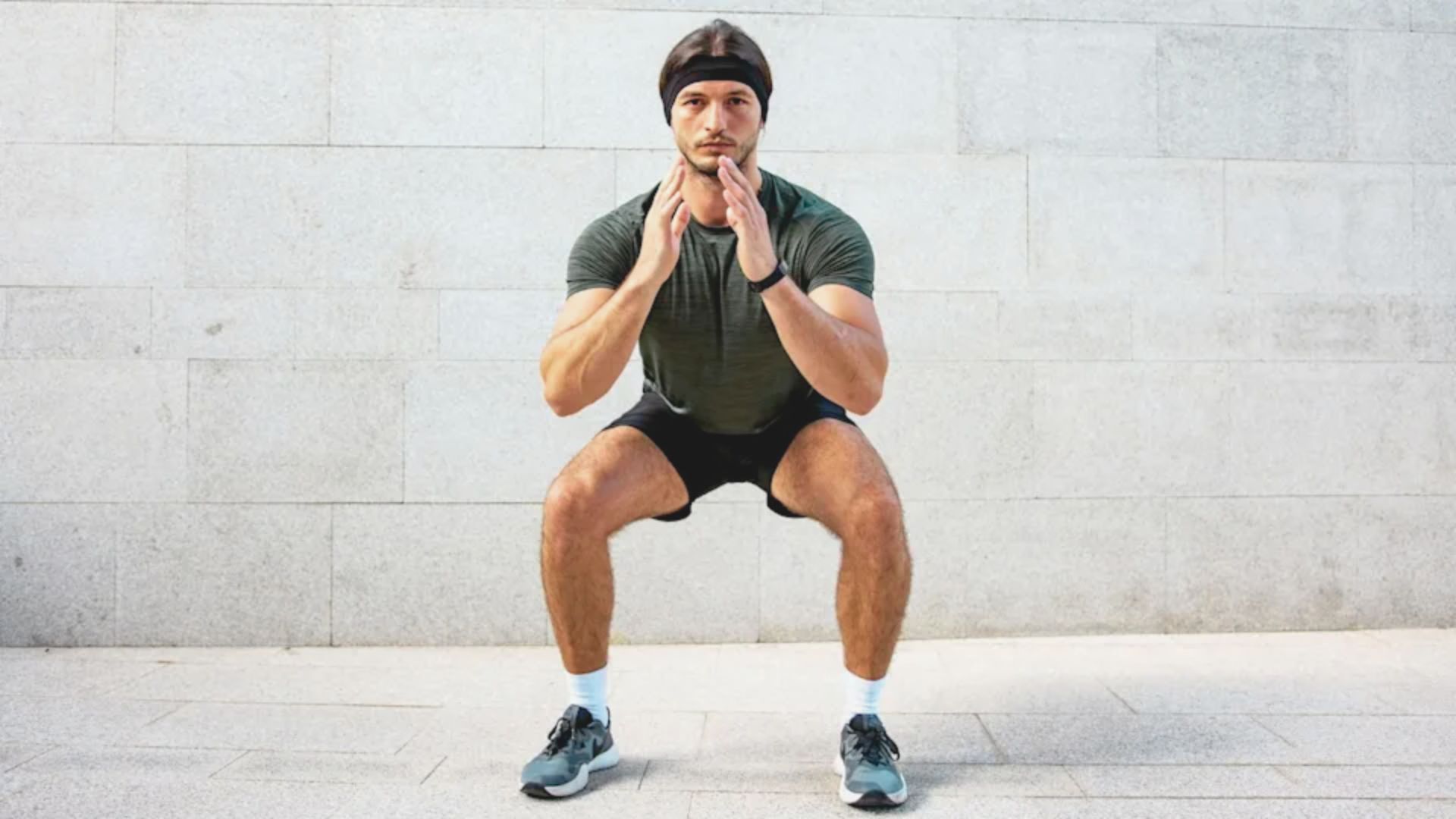
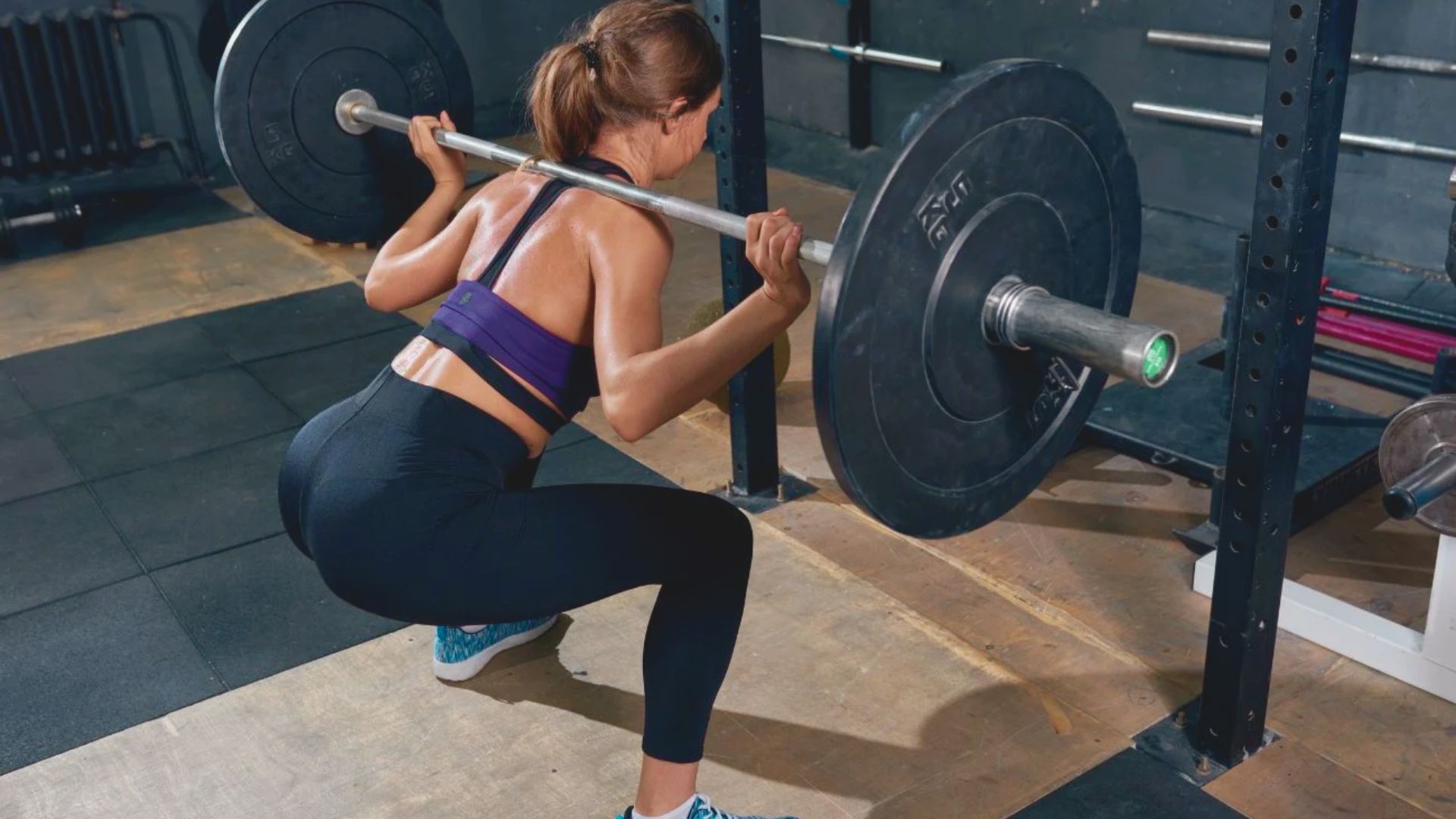
Regular squats are the classic leg exercise. You stand with your feet shoulder-width apart. Your toes point forward or turn out slightly. Then you lower down and push back up.
Keep your chest up and your back straight. Don’t let it round.
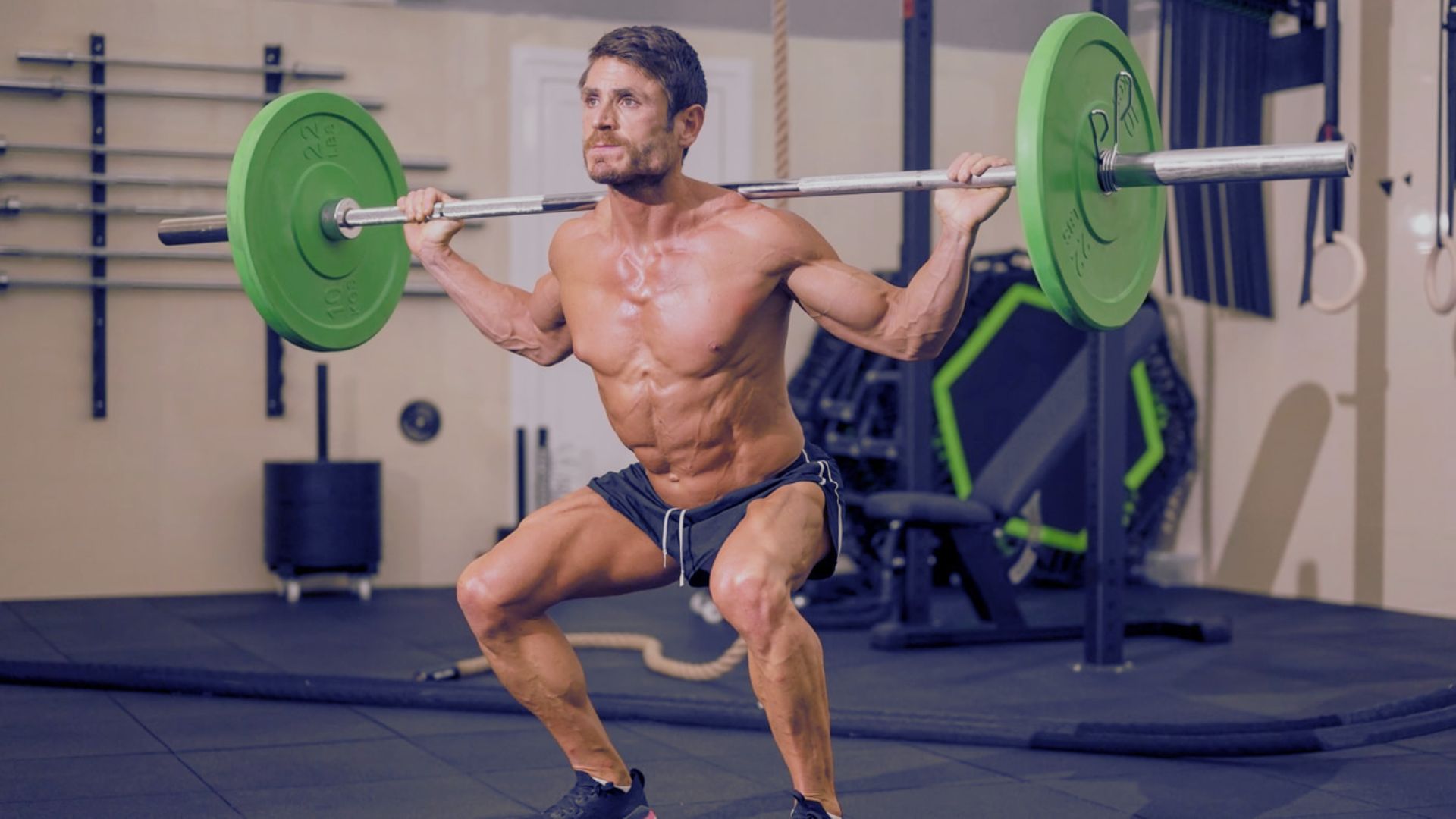
Regular squats work your quadriceps the most. These are your front thigh muscles. They also hit your glutes, hamstrings, and core. This makes them a full lower-body move.
Why do people love them? You get a greater range of motion. Your quads grow bigger and stronger. The movement helps with daily activities like sitting and standing. And the form is easy to learn for beginners.
What Are Sumo Squats?

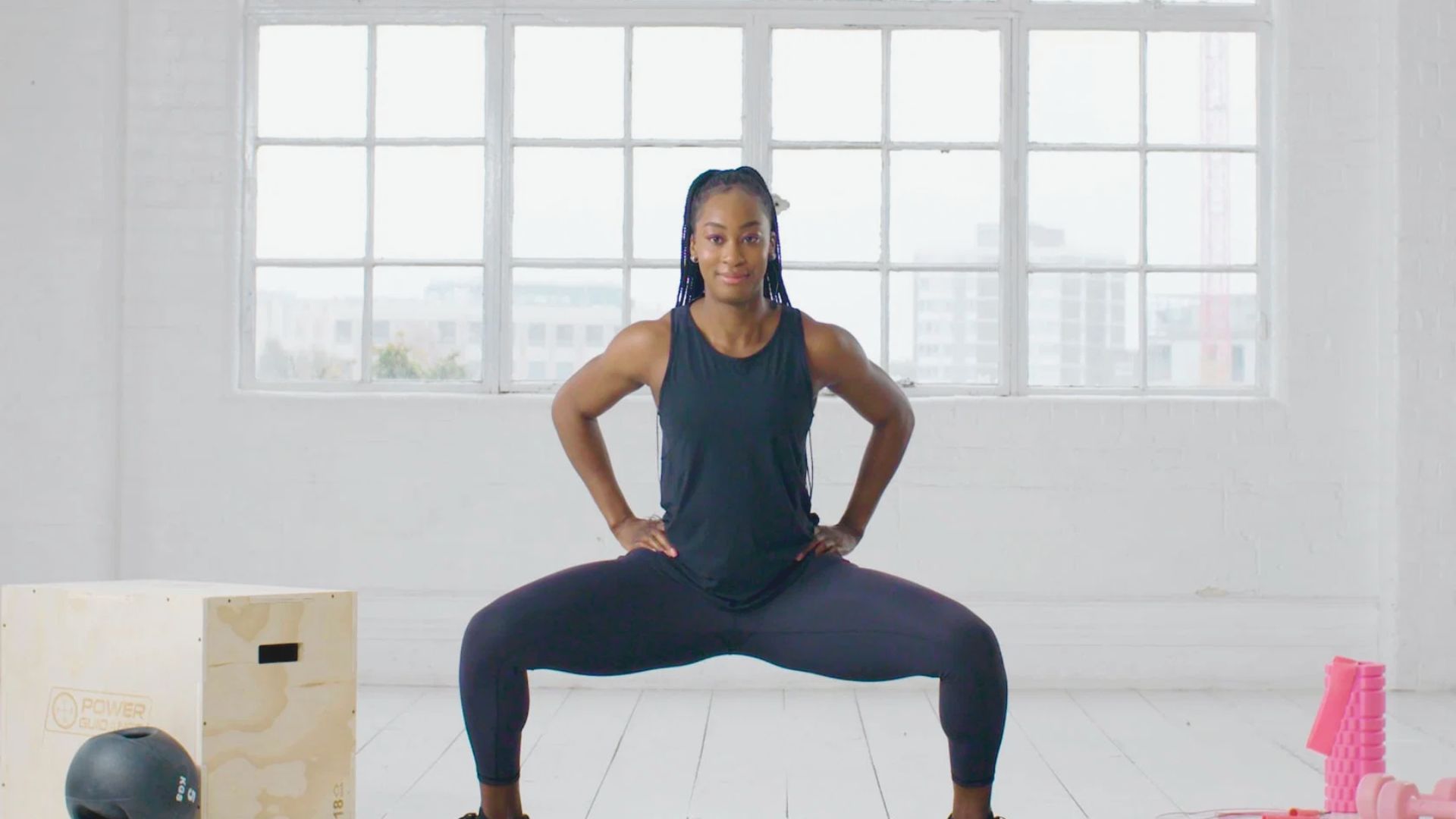
Sumo squats use a wider stance. Your feet go way out to the sides. Your toes turn out 30 to 45 degrees. Think of a sumo wrestler’s position.
This small change makes a big difference.
Sumo squats target your glutes more than regular squats. Your inner thighs (adductors) work hard too. Your hamstrings and core still stay engaged.
The benefits? Better glute growth. Stronger inner thighs that most exercises miss. Improved hip mobility from the wide stance. And you might lift heavier weights because of the shorter range of motion.
Sumo Squats vs Regular Squats Key Differences
Let me break down the main differences. This will help you choose.
| Factor | Regular Squats | Sumo Squats |
|---|---|---|
|
Stance and Foot Placement |
Feet shoulder-width apart. Toes mostly forward. |
Feet wide apart. Toes turned out to the sides. |
|
Muscle Emphasis |
Focus more on quads. Still hit glutes and hamstrings. |
Focus more on glutes and inner thighs. Still work quads. |
|
Range of Motion |
Usually allows you to go deeper. More vertical movement. |
Shorter range of motion. You don’t drop as far down. |
|
Hip Mobility Requirements |
Need decent hip mobility, but not extreme. |
Require good hip mobility. Hips must open wide. |
|
Lower Back Involvement |
More forward lean. Puts more work on the lower back. |
More upright torso. Less strain on lower back. |
Which Is Better for Muscle Growth?

This depends on your goals. Let me explain.
For Bigger Quads
Regular squats win here. They put more load on your front thighs.
If you want bigger quads, stick with regular squats. Do them often. Go heavy when you can.
Add some depth to each rep. This makes them even better.
For Stronger Glutes
Sumo squats are your friend. They activate your glutes more.
Want a bigger, stronger butt? Include sumo squats in your routine.
Focus on pushing through your heels. Squeeze your glutes at the top.
For Balanced Leg Development
Do both. Seriously. Regular squats build your quads. Sumo squats build your glutes and inner thighs.
Together, they give you complete leg development. No weak spots.
Benefits of Adding Squats to Your Workout

Squats are one of the most effective lower-body exercises you can do. Here is why they deserve a spot in your routine.
Build Stronger Legs
Squats work multiple leg muscles at once. Your quads, glutes, and hamstrings all get stronger with every rep. This means faster results in less time.
Improve Everyday Movement
Squats copy real-life movements. Sitting down, standing up, picking things up. Training squats makes these daily tasks feel easier and safer.
Boost Your Core Strength
Every squat rep forces your core to stay tight. Over time, this builds a stronger midsection without doing a single crunch.
Support Joint Health
Squats strengthen the muscles around your knees and hips. This helps protect your joints and lowers the risk of injury over time.
Which Is Better for Beginners?

Starting out? Here’s what you need to know.
Learning Proper Form
Regular squats are easier to learn. The movement feels more natural.Most beginners pick up the form quickly. You can start with bodyweight. Then add weight slowly.
Sumo squats take more practice. The wide stance feels weird at first.
Mobility Considerations
Regular squats need less mobility. If your hips are tight, you can still do them.Sumo squats require open hips. If you’re not flexible yet, they might be tough.
Work on your hip mobility if you want to do sumo squats. Stretch regularly.
Injury Prevention Tips
Here’s how to stay safe:
- Start with body weight. Don’t add weight until your form is good.
- Keep your knees in line with your toes. Don’t let them cave inward.
- Don’t round your back. Keep your chest up and core tight.
- Go at your own pace. Don’t rush into heavy weights.
Can You Do Both in the Same Workout?
Yes, you can. And maybe you should.
Alternating Workout Days
One option: Do regular squats on Monday. Do sumo squats on Thursday.
This gives each variation its own day. You can focus fully on each one.
It also prevents overtraining. Your legs get recovery time.
Using One as a Main Lift and One as an Accessory
Another option: Make one your main exercise. Use the other as a secondary move.
For example, do heavy regular squats first. Then do lighter sumo squats for higher reps.
Or flip it. Start with heavy sumo squats. Finish with regular squats.
Rep and Set Recommendations
Here’s a simple plan:
For strength: 3 to 5 sets of 3 to 6 reps. Use heavy weights.
For muscle growth: 3 to 4 sets of 8 to 12 reps. Use moderate weight.
For endurance: 2 to 3 sets of 15 to 20 reps. Use lighter weight.
Tips to Maximize Results from Either Squat Variation
Want better results? Follow these tips.
- Keep your knees tracking over your toes. Watch yourself in a mirror. If your knees cave in, lower the weight.
- Control your descent. Take 2 to 3 seconds going down. Then push back up with power.
- Use progressive overload. Add weight, reps, or sets over time. Even 5 pounds makes a difference.
- Eat enough protein. Aim for 0.8 to 1 gram per pound of body weight daily.
- Stay consistent. Stick to your program for at least 8 to 12 weeks before changing it.
Conclusion
Both squat types have their place. Regular squats build your quads and give you functional strength. Sumo squats target your glutes and inner thighs more.
Here’s my take: I use both. Some days I go regularly. Other days I go sumo. My legs have never looked better.Try both for a few weeks. See which one you like. Or better yet, include both in your program.
What’s your experience with these squats? Drop a comment below. And share this post if it helps you.
Frequently Asked Questions
Can I do sumo squats if I have knee pain?
Maybe. Sumo squats can be easier on the knees for some people. The wider stance changes the angle. But talk to a doctor first if you have real pain.
How often should I do squats each week?
Two to three times per week works well. Give your legs time to recover between sessions. Don’t squat heavy every single day.
Will sumo squats make my thighs bigger?
Yes, they can. They work your inner and outer thighs. Combined with good nutrition, they’ll build muscle in your legs.
Which squat burns more calories?
Both burn similar calories. Regular squats might burn slightly more because of the longer range of motion. But the difference is small.
Do I need special shoes for sumo squats?
Not really. Flat shoes work fine. Some people like lifting shoes with a raised heel. But they’re not required for good results.