You’ve probably stood in the gym wondering: should I do sumo squats or sumo deadlifts today?
Both exercises use a wide stance and build serious lower body strength, but they are not the same.
In this article, you’ll learn what each exercise is, which muscles they work, how to do them correctly, and which one fits your goal best.
I’ve trained with both for years and tested what actually works for real results.
You’ll get clear, simple answers here with no fluff, no confusion, just straight information to help you train smarter and reach your goals faster.
Let’s get started.
Quick Answer: Sumo Squat vs Sumo Deadlift

The sumo squat is a squat variation that targets the quads, inner thighs, and glutes by lowering your hips straight down with a wide stance.
The sumo deadlift is a hip hinge movement that focuses more on the posterior chain, including the hamstrings, glutes, and lower back.
Choose the sumo squat if you want quad and inner thigh development or need a beginner-friendly lower body move.
Choose the sumo deadlift if your goal is building raw strength, loading more weight, and targeting your hamstrings and glutes from a different angle.
What Is a Sumo Squat?
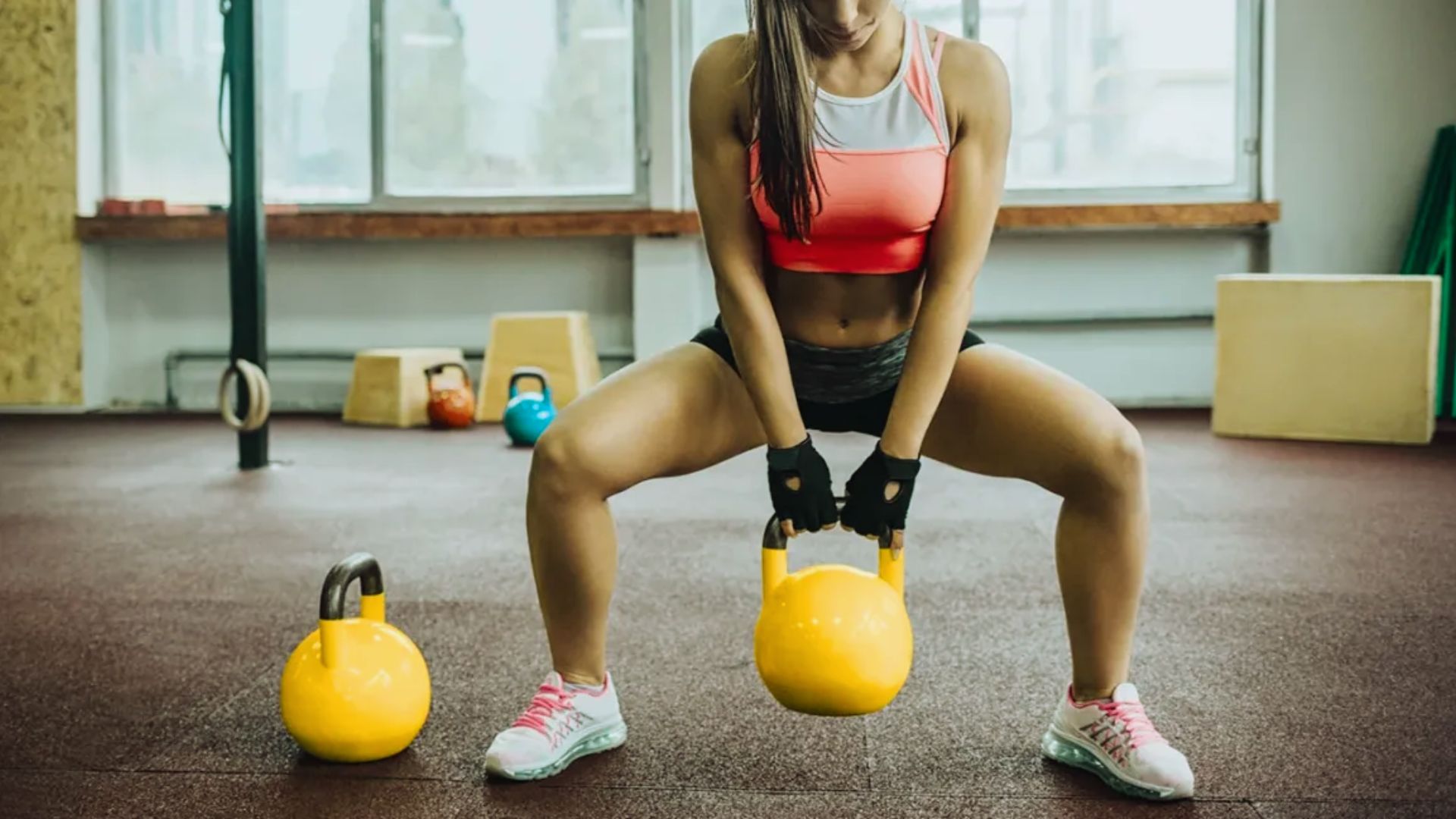
A sumo squat is a lower body exercise where you stand with feet wider than shoulder-width and toes pointing outward.
You lower your hips toward the floor while keeping your chest tall. It looks like a regular squat but the wider stance changes how your muscles are used.
How to Perform a Sumo Squat
Stand with feet wider than shoulder-width and toes out at about 45 degrees. Keep your chest up, core tight, and push your knees out as you lower down.
Go until your thighs are parallel to the floor, then drive through your heels to stand back up. You can use bodyweight, a dumbbell, or a kettlebell to perform this movement.
Muscles Worked in Sumo Squat
The primary muscles worked are the quadriceps, glutes, and inner thighs (adductors). Secondary muscles include the hamstrings, calves, and core stabilizers.
The wide stance puts more stress on the inner thighs than a regular squat, making it great for toning that area.
Benefits of Sumo Squats
The sumo squat offers strong inner thigh activation, better hip mobility, and less knee stress compared to narrow squats.
It is beginner-friendly since no barbell is needed, and it works well at home, in the gym, or outdoors with minimal equipment.
Common Mistakes to Avoid
Do not let your knees cave inward.
Avoid shallow reps and always aim for at least parallel depth.
Keep your heels flat on the floor throughout and your gaze forward to prevent rounding the upper back.
What Is a Sumo Deadlift?

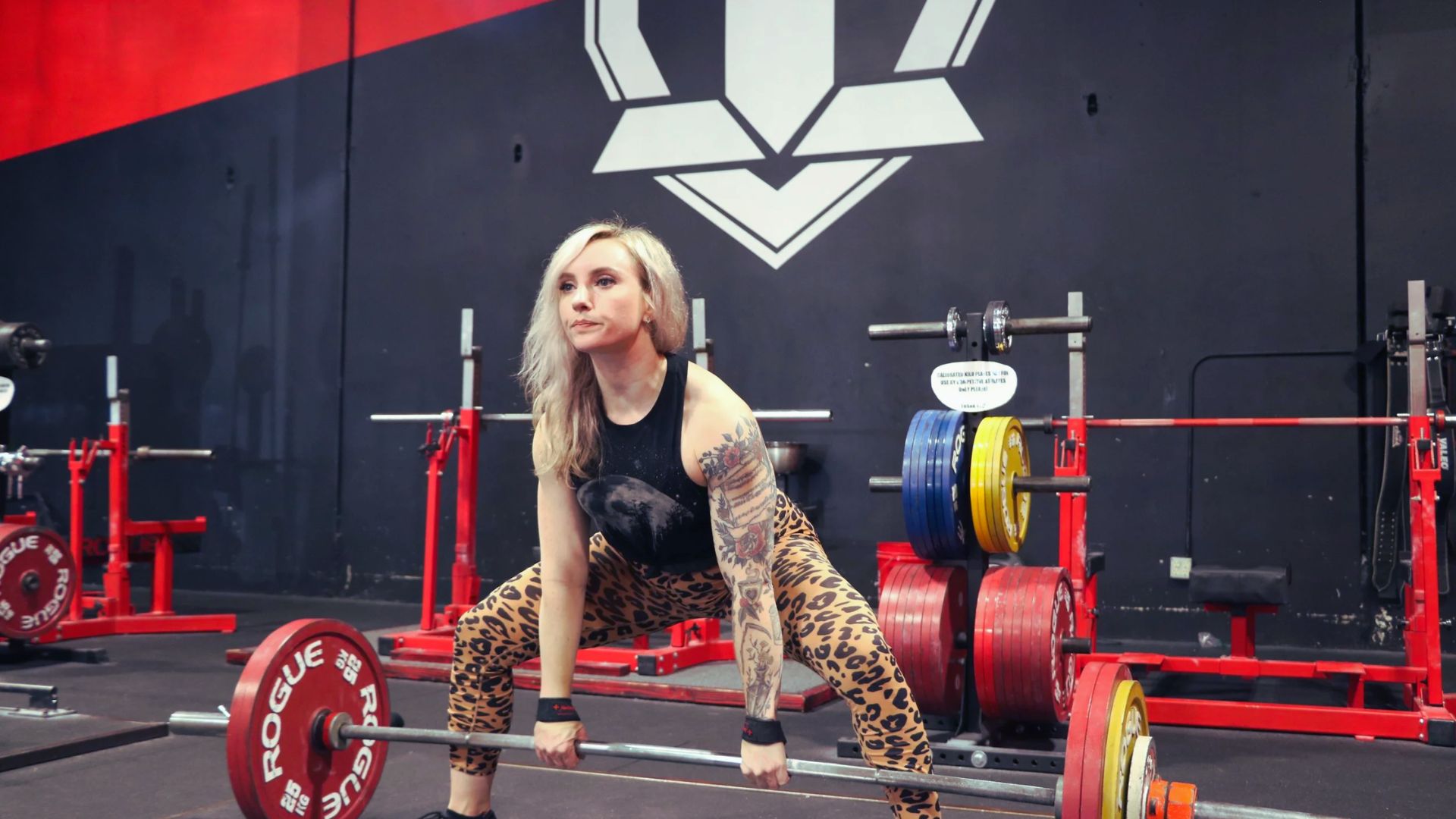
The sumo deadlift is a deadlift variation where you stand with a very wide stance and grip the bar between your legs.
Your torso stays more upright than in a conventional deadlift, which changes the muscle emphasis and overall mechanics of the lift.
How to Perform a Sumo Deadlift
Stand wide with toes pointed out and grip the barbell between your legs with hands shoulder-width or narrower. Push your hips back, keep your chest up and spine neutral, then take a deep breath and brace your core.
Drive your feet into the floor and push your hips forward as you stand. Lower the bar with control. Keep your hips and chest rising together at all times.
Muscles Worked in Sumo Deadlift
The primary muscles worked are the glutes, hamstrings, adductors, and quads. Secondary muscles include the lower back, traps, upper back, and core.
The sumo stance slightly reduces lower back load and puts more demand on the legs and hips compared to a conventional deadlift.
Benefits of Sumo Deadlifts
The sumo deadlift builds serious lower body and posterior chain strength, allowing you to move heavy loads. The upright torso reduces lower back strain, making it a good option for those with mild back sensitivity.
It also suits people with wider hips or longer femurs and carries over directly to powerlifting competition.
Common Mistakes to Avoid
Do not let your hips shoot up faster than your chest. Keep the bar close to your legs throughout the pull.
Brace your core hard to avoid a rounded lower back.
Make sure your grip stays inside your legs since a wide grip reduces both power and leverage.
Sumo Squat vs Sumo Deadlift: Key Differences
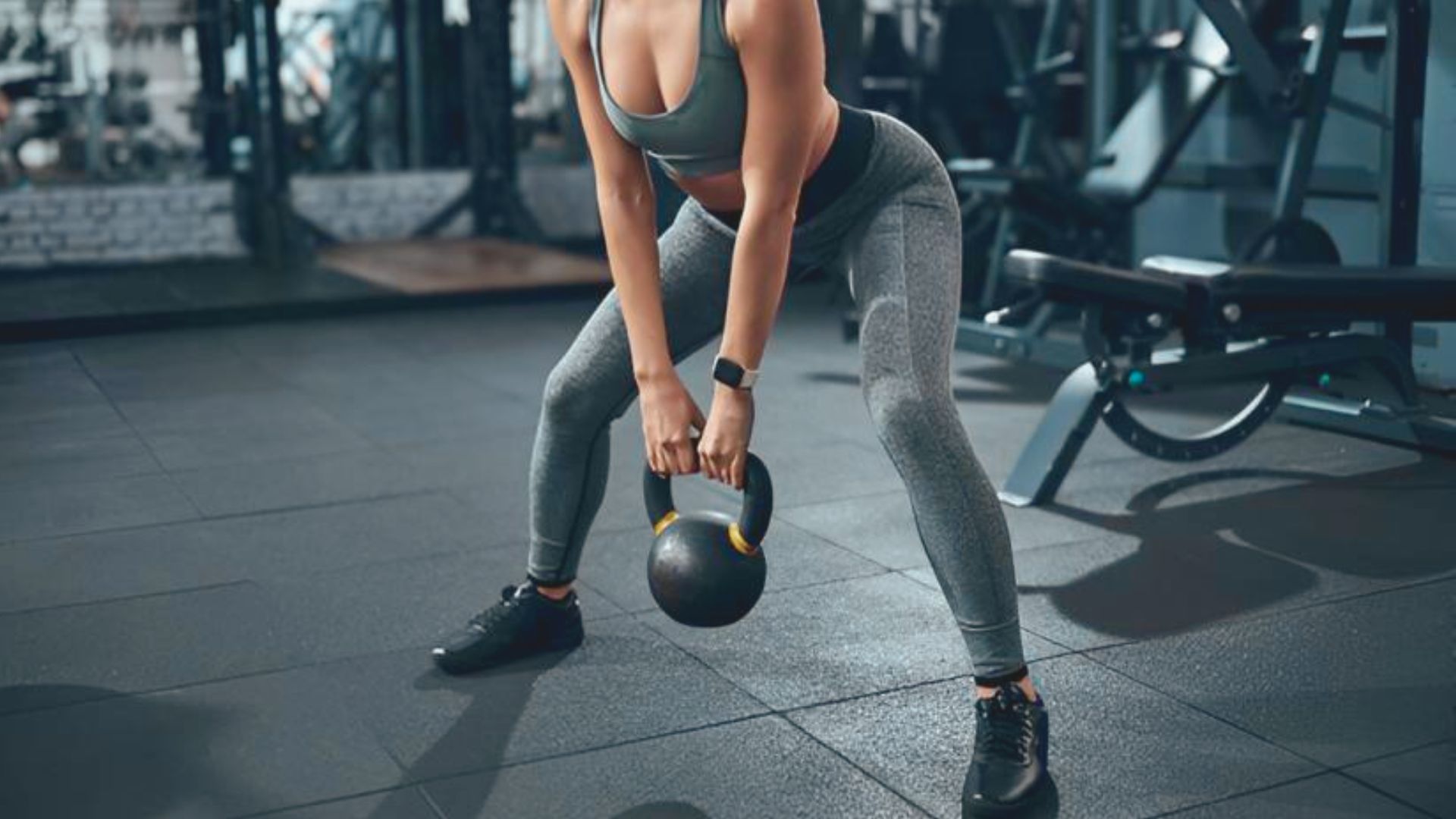
Both exercises share a wide stance but train your body in very different ways.
Movement Pattern (Squat vs Hip Hinge)
The sumo squat is a squat pattern where your hips drop straight down and your knees bend deeply. The sumo deadlift is a hip hinge where your hips push back and you stand by extending forward. These two patterns complement each other rather than replace each other.
Muscle Activation (Quads vs Posterior Chain)
The sumo squat targets the quads and inner thighs as primary movers. The sumo deadlift shifts focus to the hamstrings, glutes, and back. You need both patterns for balanced leg development.
Range of Motion
The sumo squat requires a greater knee bend and hip flexion, meaning more time under tension for the muscles. The sumo deadlift has a shorter range of motion, which is why many lifters can pull more weight in this variation.
Equipment and Accessibility
The sumo squat can be done with bodyweight, a dumbbell, a kettlebell, or a barbell, making it easy to do anywhere. The sumo deadlift requires a barbell and plates, which makes it harder to scale at home.
Strength vs Hypertrophy Focus
The sumo deadlift suits strength training since you can load it heavily. The sumo squat works well for both hypertrophy and toning with moderate weights and higher reps.
Sumo Squat vs Sumo Deadlift: Comparison Table

Here is a side-by-side look at both exercises to help you decide.
|
Feature |
Sumo Squat |
Sumo Deadlift |
|
Movement Type |
Squat (knee dominant) |
Hip hinge (hip dominant) |
|
Primary Muscles |
Quads, inner thighs, glutes |
Hamstrings, glutes, back |
|
Equipment |
Dumbbell, kettlebell, or barbell |
Barbell and plates |
|
Range of Motion |
Large (deep knee bend) |
Moderate (shorter pull) |
|
Best For |
Toning, hypertrophy, beginners |
Strength, powerlifting, posterior chain |
|
Skill Level |
Beginner to intermediate |
Intermediate to advanced |
|
Lower Back Load |
Low |
Moderate |
Which Is Better for Your Goals?
There is no single “better” exercise. The right choice depends on what you are training for.
For strength and powerlifting, go with the sumo deadlift. It allows heavier loads and trains the posterior chain directly.
For muscle growth and toning, both work, but sumo squats are easier to program and offer strong inner thigh and quad activation.
For beginners, start with sumo squats since no barbell is needed and the learning curve is lower.
For mobility and functional fitness, sumo squats win by improving hip mobility and supporting daily movement.
Can You Include Both in Your Workout?
Yes, and you should. They train different movement patterns and muscles, so using both gives you more complete lower body development.
You can fit both into your week easily. On an upper/lower split, use sumo squats on one lower day and sumo deadlifts on the other.
For full body training, do sumo squats on day 1 and sumo deadlifts on day 2 or 3. On a push/pull/legs split, place sumo squats on leg day and sumo deadlifts on pull day.
For sets and reps, aim for 4 to 5 sets of 3 to 6 reps for strength, 3 to 4 sets of 8 to 12 reps for muscle growth, and 2 to 3 sets of 10 to 15 reps if you are a beginner.
Tips to Get the Best Results
Small changes in how you train can make a big difference in your results.
- Always warm up before your working sets. Do hip circles, bodyweight sumo squats, and glute bridges to get your muscles ready and reduce injury risk.
- For sumo squats, keep your chest tall, push your knees out, and keep your weight in your heels and midfoot throughout the movement.
- For sumo deadlifts, brace your core before you pull, keep the bar close to your body, and make sure your hips and chest rise together.
- Record yourself from the side to check your form. It is the fastest and simplest way to catch mistakes you cannot feel.
- Add 2.5 to 5 kg per week or one extra rep per set to keep progressing. Track every workout so you can see what is working and what is not.
Common Mistakes to Avoid
Small errors add up over time. Here are the most common ones and how to fix them.
Poor stance and alignment
A stance that is too wide or too narrow changes how muscles are recruited. For most people, feet slightly wider than shoulder-width with toes at 30 to 45 degrees works well. Test different positions to find what feels natural for your hips.
Lack of depth or control
Half-reps are a waste of time. If you cannot reach parallel in your squat, reduce the weight and work on hip and ankle mobility. For deadlifts, do not rush the descent. Lower the bar with control.
Lifting too heavy too soon
Heavy weight with bad form builds bad habits and leads to injury. Start lighter than you think you need to. Get the movement pattern right first. Add weight only when your form is solid for every rep.
Ignoring recovery
Muscles grow outside the gym, not in it. Sleep, nutrition, and rest days are not optional. If you train legs hard two days in a row without recovery, performance drops and the risk of overuse injuries goes up. Plan at least one full rest day between heavy lower body sessions.
Conclusion
I have done both exercises for years and honestly, picking a favorite is tough.
Sumo squats helped me build inner thigh strength and improve hip mobility. Sumo deadlifts made me stronger overall.
The truth is, you do not have to choose one. Use both. Let them work together.
Start with the one that matches your current goal. Build from there.
Did this help you? Drop a comment below and tell me which exercise you’ll try first.
Share this with a training partner who needs to read it.
Frequently Asked Questions
Is a sumo squat easier than a sumo deadlift?
Yes. Sumo squats need less equipment and are simpler to learn, making them the better starting point for beginners.
Can sumo squats replace sumo deadlifts?
No. They train different patterns and muscles. You need both for complete lower body development.
Which exercise is better for building glutes?
The sumo deadlift activates the glutes more under heavy load, but both exercises contribute to glute growth.
How often should I do sumo squats or sumo deadlifts per week?
Once or twice a week for each is enough. Allow at least 48 hours of rest between lower body sessions.
Are sumo squats good for people with bad knees?
Yes, the wide stance puts less pressure on the knees. Still, check with a doctor before training through any pain.