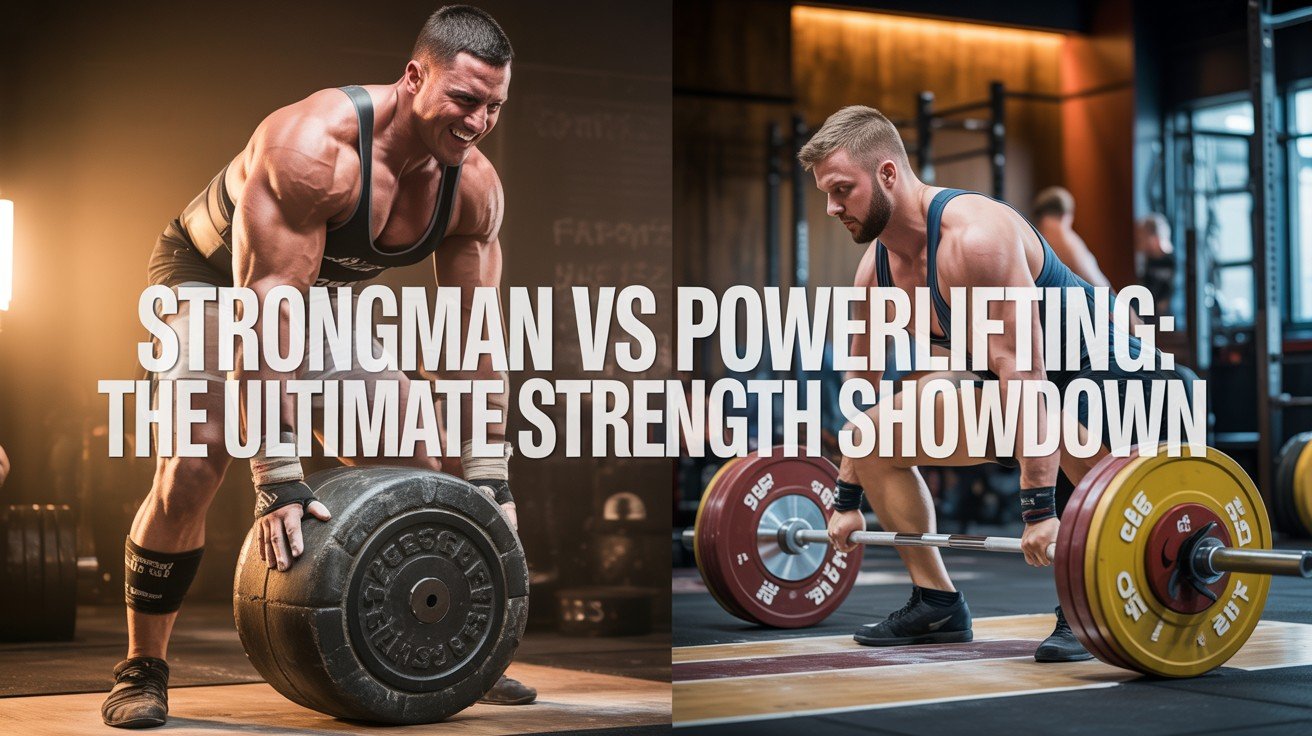
Ever seen someone flip a 1,000-pound tire and thought, “How does that compare to deadlifting triple your body weight?” Both strongman and powerlifting are built around one idea: lifting heavy, but that’s where the similarities stop.
Powerlifting is about focus and precision. Three lifts, one mission, move as much weight as possible in the squat, bench, and deadlift. Every rep is measured, every detail controlled, and success comes down to raw, explosive power.
Strongman, on the other hand, is strength in motion. You’re hauling trucks, lifting Atlas stones, and pressing logs overhead. It’s unpredictable, gritty, and built to test how strong you are in the real world. In this guide, we’ll break down the key differences so you can decide which fits you best: pure power or all-around, functional toughness.
Understanding the Core of Each Sport
These two sports might look similar from the outside. Both involve lifting heavy weights and pushing your body to its limits. But the way you train, compete, and measure success is completely different.
What Is Powerlifting?
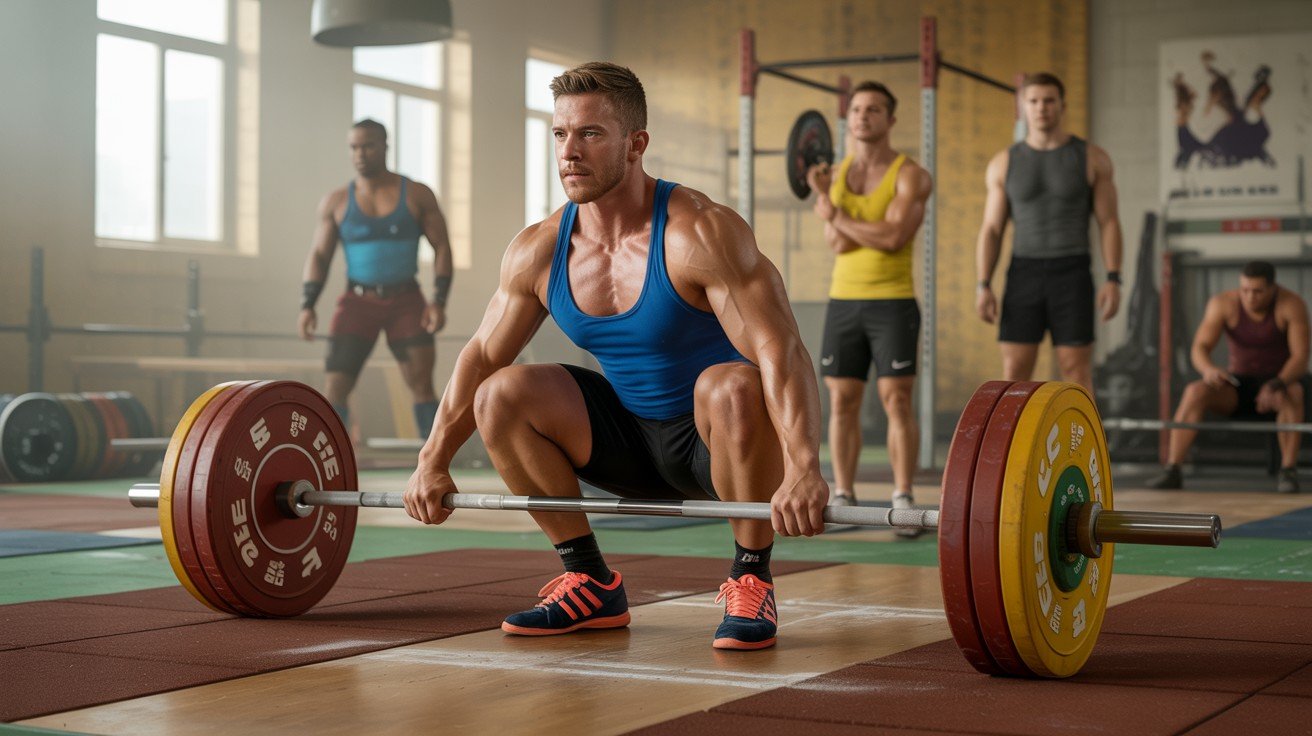
Powerlifting is simple by design. You focus on three lifts: the squat, bench press, and deadlift. That’s it.
Your goal is maximum single-rep strength. You get three attempts at each lift during competition. Your best successful lift in each movement counts toward your total. The highest total wins.
The basics you need to know:
- Born in the 1960s, as strength athletes wanted standardized competition
- The International Powerlifting Federation established official rules in 1972
- Strict standards for depth, lockout, and form on every lift
- Equipment includes barbells, calibrated plates, squat racks, and power benches
- Athletes wear singlets and can use belts, knee wraps, and wrist wraps
Powerlifting strips strength down to its purest form. There’s nowhere to hide. You either lift the weight or you don’t.
What Is Strongman?
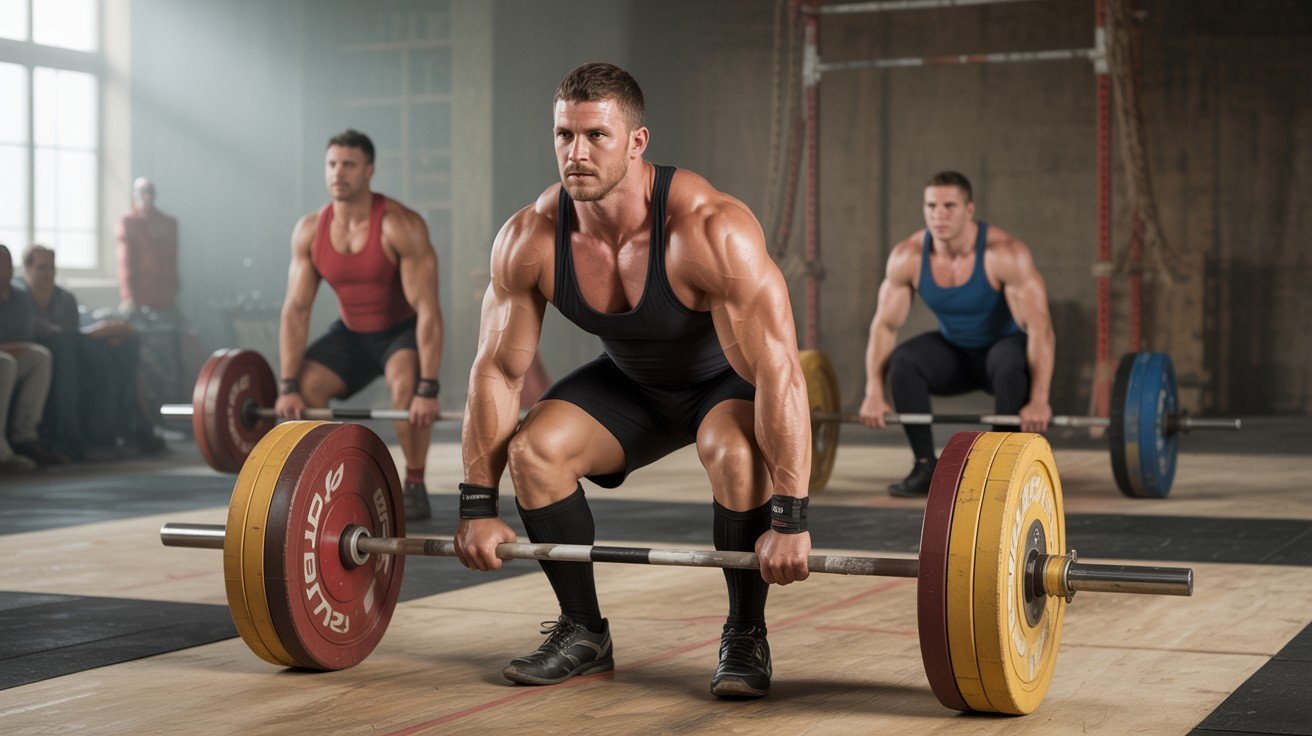
Strongman throws the rulebook out the window. Instead of three lifts, you face multiple events that test different kinds of strength.
One event might be lifting Atlas stones onto platforms. The next could be carrying heavy farmers’ walk handles for a distance. Then you’re pulling a truck with a rope. Every competition challenges you in new ways.
Common strongman events include:
- Atlas Stones (lifting round stones onto platforms)
- Farmer’s Walk (carrying heavy implements for distance or time)
- Vehicle Pull (dragging cars, trucks, or planes with a harness)
- Log Press (overhead pressing an awkward log barbell)
- Yoke Walk (carrying a loaded frame on your shoulders)
- Deadlift (often for reps or with unique implements)
The biggest competitions are World’s Strongest Man, the Arnold Strongman Classic, and the Strongman Champions League. These events draw massive crowds and showcase athletes with unreal strength and endurance.
Adaptability is everything in strongman. You can’t just be good at one thing. The sport demands total-body power, grip strength, and the ability to move awkward objects under fatigue.
Key Differences Between Strongman and Powerlifting
Now, let’s break down what actually separates these sports. I’ll walk you through eleven key differences that define how you train, compete, and build your body in each discipline.
| Aspect | Powerlifting | Strongman |
| Competition Format | Three lifts (squat, bench, deadlift) with three attempts each. Rules stay the same at every meet with a predictable structure. | Five to seven different events that change between competitions. Deadlifts might be max reps in 60 seconds or part of a medley sequence. |
| Strength Focus | Pure maximum strength for one perfect rep. Rest between attempts and lift the heaviest weight possible. | Strength plus endurance for 60-90 seconds or longer. Events require maximum load combined with speed and duration. |
| Training Approach | Ruthlessly specific training focused on squat, bench, and deadlift variations. Drill the same three movements repeatedly until perfect. | Chaotic and varied training with farmers’ walks, log presses, sled pulls, and tire flips. Adjust training based on upcoming competition events. |
| Movement Style | Static movements in one spot. Squat, bench, and deadlift without walking or moving around. | Dynamic movements while carrying weight, like yoke walks, sled drags, and sandbag runs. Build coordination under fatigue. |
| Equipment | Standard gym equipment: barbell, plates, bench, squat rack, belts, wraps, and singlets. Available at any commercial gym. | Specialized equipment: logs, yokes, kegs, sandbags, atlas stones, sleds, and truck harnesses. Requires specialized facility or outdoor space. |
| Body Composition | Compact builds with shorter limbs for better leverage. Lower center of gravity helps with stability and bench press advantage. | Massive frames with taller heights (6’8″-6’9″) for better carries and overhead presses. More overall muscle mass for force generation. |
| Conditioning | Minimal cardio needed. Lifts last 5-10 seconds with rest periods. Heart rate spikes briefly, then recovers. | High cardiovascular demands with events lasting 60+ seconds. Requires aerobic capacity with sled drags, loaded carries, and interval work. |
| Injury Risk | Lower chaos but higher technical risk. Maximum loads under strict form, where small mistakes at 90% max can cause injury. Common issues: lower back strain, pec tears, and knee problems. | Higher variables with unbalanced loads and awkward implements. Common issues: bicep tears from stones, shoulder injuries from overhead events, and wear from training volume. |
| Competition Culture | Quiet and focused atmosphere between lifts. Disciplined and rule-driven environment with individual precision like “lone wolves.” | Loud competitions with music and crowds. Festival vibes with athletes supporting each other like “pack animals,” sharing equipment and advice. |
| Governing Bodies | Dozens of federations (USAPL, USPA, IPF, SPF, RPS) with different rules about equipment and testing. Records vary by federation. | Simpler structure with World’s Strongest Man and Official Strongman Games as major players. More unified with fewer federations. |
| Skill Carryover | Builds a raw strength foundation that translates directly to strongman. Teaches maximum strength for single rep efforts. | Develops movement quality, endurance, and adaptability. Improves work capacity that enhances powerlifting training volume. |
How to Choose the Right Path?
You don’t need to guess which sport fits you better. Your personality, goals, and training preferences will point you in the right direction.
Powerlifting Might Be Right for You If
Powerlifting rewards structure and consistency. You follow a program. You track your numbers. You watch your lifts go up week after week.
This sport thrives indoors with controlled conditions. You know what you’re training for. You know how to measure progress. Every session builds toward lifting more weight on the platform. If you love setting personal records and seeing measurable gains, powerlifting gives you clear targets to chase. The simplicity appeals to people who want focus without distraction.
Strongman Might Be Right for You If
Strongman attracts people who hate routine. Every training session throws something different at you. One day, you’re flipping tires. The next time you’re loading atlas stones.
You need to love physical challenges that push multiple qualities at once. Strength alone won’t cut it. You need endurance, grip, and the ability to move under fatigue. Competition day is unpredictable and demanding. If you want to combine raw power with athleticism and functional movement, strongman delivers. The variety keeps training exciting and tests your body in ways powerlifting never will.
Why Not Both?
Here’s the truth: you can train both styles. Combining them creates a hybrid strength that covers all bases. You get raw power from powerlifting and functional ability from strongman.
A sample approach might look like this. Run a powerlifting-based strength block for 8 to 12 weeks. Focus on squats, bench, and deadlifts. Then add strongman-style conditioning and loaded carries into your program. Farmer’s walks, yoke carries, and sled drags complement heavy lifting perfectly. This hybrid method builds a balanced physique, enhances your grip strength, and improves real-world performance. You become strong and capable of using that strength in multiple ways.
Conclusion
Strongman vs powerlifting isn’t about which one is better. It’s about finding what truly fits you. Both build incredible strength, but they do it in different ways. Powerlifting is focused and disciplined, while strongman is unpredictable and full of variety.
If you love structure and steady progress, powerlifting will keep you motivated. If you enjoy movement, challenge, and functional strength, strongman is your perfect match. Or combine both and build all-around power that carries beyond the gym.
Now that you understand what each sport demands, leap. Start with what excites you, try a local competition, and experience the thrill of testing your limits. Your strength journey is just beginning. Which path are you most drawn to? Share your thoughts in the comments. I’d love to know what drives your passion for strength.
Frequently Asked Questions
Which is harder, strongman or powerlifting?
Strongman is generally harder due to varied events, longer duration under load, and higher conditioning demands. Powerlifting is more technically demanding with maximum single-rep lifts. Strongman tests total-body endurance while powerlifting tests pure maximum strength. Both are challenging in different ways.
Can you do both strongman and powerlifting?
Yes. Many athletes train both styles successfully. Use powerlifting movements to build maximum strength, then add strongman events for conditioning and functional power. This hybrid approach creates well-rounded athletes with both raw strength and work capacity.
Is strongman better for building muscle than powerlifting?
Strongman typically builds more overall muscle due to greater training volume, varied movements, and conditioning work. Powerlifting builds dense, powerful muscle in specific areas. Strongman creates a more balanced, functional physique while powerlifting optimizes strength in three lifts.
Do you need to be strong to start strongman?
No. Many strongman gyms welcome beginners and scale weights accordingly. You’ll need basic strength and movement patterns, but you don’t need to be elite. Start with lighter implements and build up. Most beginners can start strongman training within months of regular lifting.
Which sport has more injuries, strongman or powerlifting?
Strongman has higher injury rates due to awkward implements, unbalanced loads, and fatigue from multiple events. Powerlifting has a lower overall injury risk, but can cause severe injuries when technical form breaks down under maximum loads. Both require proper training and recovery management.