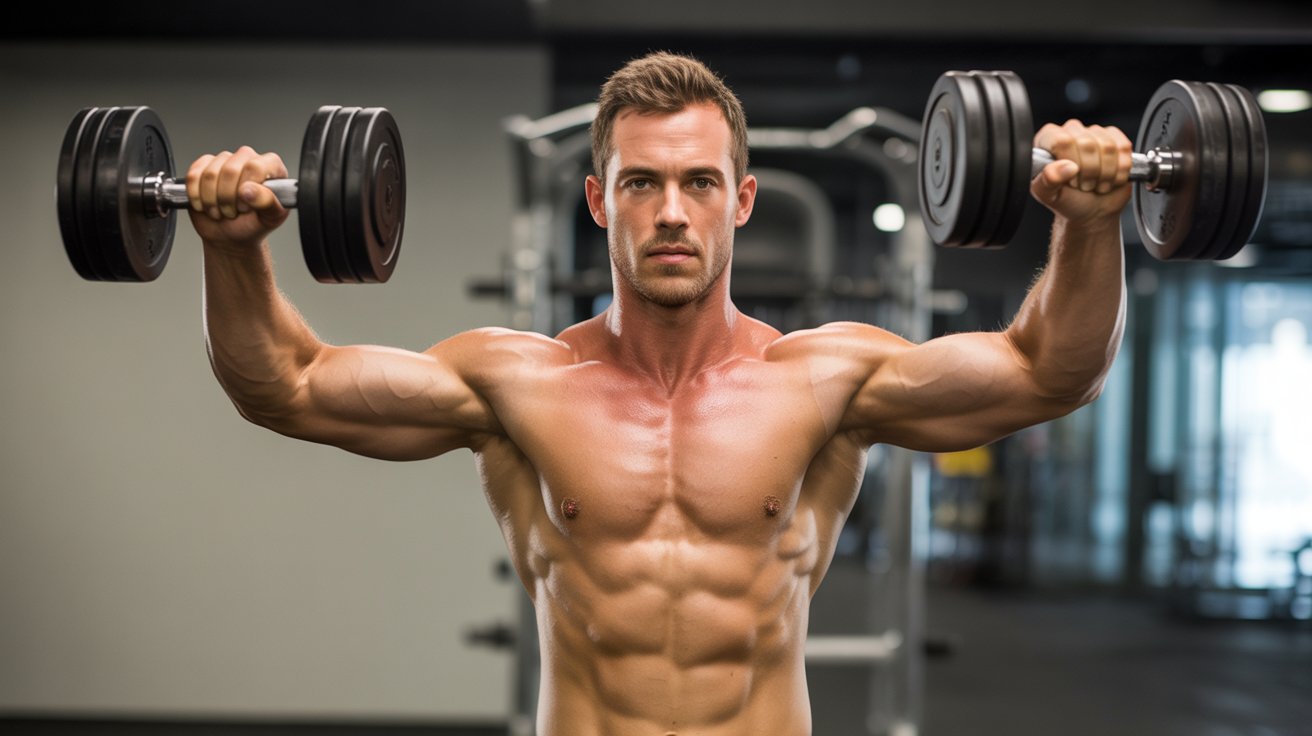
The standing dumbbell chest fly is a simple but effective chest exercise.
I keep coming back to the standing dumbbell chest fly because it builds chest strength without needing a bench or machine. You just need a pair of dumbbells and some open space.
In this blog, I will cover what this chest fly exercise is, which muscles it works, and how to do it with good form.
You will also find common mistakes, top variations, and tips on fitting it into your routine.
I have trained under certified coaches and tested this move myself, so everything here comes from real, hands-on experience.
Let’s get started.
What Is a Standing Dumbbell Chest Fly?
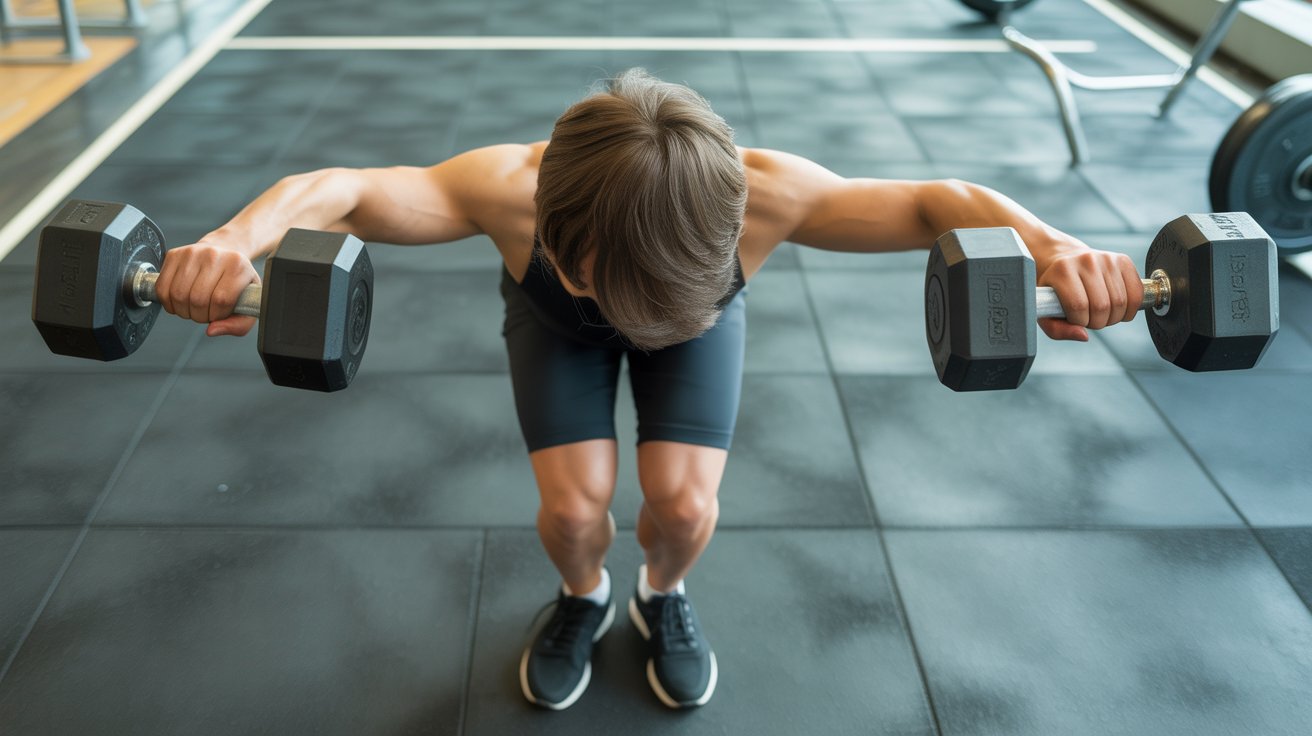
The standing dumbbell chest fly is a chest isolation exercise done while standing upright.
You hold a dumbbell in each hand and bring your arms together in front of your body in a wide arc. Unlike the bench fly, there is no support under you.
Your core and stabilizer muscles have to work harder to keep you steady. I find it a great option when I do not have access to a bench or cable setup.
It is simple, effective, and easy to do at home.
Muscles Worked in the Standing Dumbbell Chest Fly

Here is a breakdown of every muscle this chest fly exercise puts to work.
Primary Muscle – Pectoralis Major
The pectoralis major is the main muscle targeted here. It runs across your chest and is responsible for bringing your arms together. When you squeeze your chest at the top of the movement, that is your pec major doing the work.
Secondary Muscles – Anterior Deltoids
The front part of your shoulder, called the anterior deltoid, helps during the fly. It activates when you raise and control your arms. If you feel more shoulder than chest, your weights are likely too heavy.
Stabilizer Muscles – Core and Serratus Anterior
Your core keeps your torso stable throughout the move. The serratus anterior, a muscle along your ribcage, helps control your shoulder blades. Both work hard in the standing position since there is no bench to rest on.
How Standing Position Engages More Stabilizers
When you stand, your body has no external support. Your legs, hips, and core all engage to keep you balanced.
This makes the standing version more demanding compared to lying versions. You get chest work plus full-body stability training at the same time.
Standing Dumbbell Chest Fly – Step-by-Step Form Guide

Good chest fly form is what separates progress from injury, so follow each step carefully.
Equipment Needed
You only need a pair of dumbbells. Light to moderate weights work best. I recommend starting with 5 to 15 pounds if you are new to this exercise.
Proper Starting Position
Stand with your feet shoulder-width apart. Hold a dumbbell in each hand with palms facing each other. Keep a soft bend in your elbows throughout the movement. Lean your torso very slightly forward, about 10 to 15 degrees.
Execution (Movement Pattern)
Start with your arms open to the sides at chest height. Bring both dumbbells together in front of you in a wide arc. Squeeze your chest at the top. Then slowly lower your arms back to the starting position. Keep the movement controlled. Do not let the weights drop fast.
Breathing Technique
Breathe in as you open your arms out. Breathe out as you bring them together. This exhale-on-exertion pattern helps you stay tight and stable throughout every rep.
Ideal Sets and Reps for Different Goals
For muscle building, aim for 3 to 4 sets of 10 to 12 reps. For endurance, use lighter weight and go for 15 to 20 reps. For strength, try 4 to 5 sets of 6 to 8 reps with heavier dumbbells.
Benefits of the Standing Dumbbell Chest Fly
This dumbbell chest workout delivers more than just a bigger chest, and here is why it earns its place in any routine.
Improves Chest Isolation
The dumbbell chest fly targets the chest through a full range of motion. You get a good stretch at the bottom and a strong contraction at the top.
According to the American Council on Exercise, chest fly movements help improve chest activation and shoulder stability. That combination builds the chest well over time.
Builds Shoulder Stability
Because you are holding weights without any support, your shoulders must stabilize every rep. Over time, this builds shoulder control and lowers injury risk in other pressing movements.
Adds Functional Strength
Standing exercises mimic real-life movement patterns. Pushing, reaching, and pressing all involve chest and shoulder coordination. The standing chest fly trains those patterns directly.
Great for Home Workouts Without Machines
You do not need a cable machine or a pec deck to work your chest. A pair of dumbbells and some open space is all it takes. I have done this in hotel rooms and small apartments with solid results.
Common Standing Dumbbell Chest Fly Mistakes to Avoid
These are the most common errors I see people make with this chest fly exercise:
- Using too much weight: Heavy dumbbells cause arm swinging and poor form. Keep the weight light enough to actually feel your chest working.
- Locking your elbows: Always keep a slight bend in your arms. Straight arms shift the load away from your chest and stress the elbow joint.
- Rushing through reps: Slow and controlled reps do more for your chest. Take 2 seconds on the way out and 2 seconds on the way in.
- Standing too upright: A slight forward lean keeps tension on the chest. Ten to fifteen degrees is enough. Standing fully upright shifts the work to your shoulders.
Standing Dumbbell Chest Fly vs Lying Dumbbell Fly
Both versions target the chest, but they differ in ways that matter for your training goals.
| Feature | Standing Dumbbell Chest Fly | Lying Dumbbell Fly |
|---|---|---|
|
Primary Focus |
Chest plus stabilizers |
Chest isolation |
|
Stability Required |
High |
Low |
|
Equipment |
Dumbbells only |
Dumbbells and a bench |
|
Beginner Friendly |
Moderate |
Yes |
|
Functional Carry-Over |
High |
Moderate |
|
Range of Motion |
Good |
Full, supported |
Both versions are worth including in a solid chest fly workout. Use them together for the best results.
Muscle Activation Differences
The lying fly gives your chest full isolation because your back is supported. The standing chest fly activates more muscles overall. Your core, legs, and stabilizers all contribute alongside the chest.
Stability Requirements
The lying fly is more stable and easier to control. The standing fly asks more from your balance and coordination. That added challenge is part of what makes it worth including in your training.
Which Is Better for Beginners?
I recommend beginners start with the lying fly to learn the movement pattern first. Once the form feels natural, move to the standing version. It adds a new challenge without needing any extra equipment.
Best Variations of the Standing Dumbbell Chest Fly

These variations keep your chest fly workout fresh and help you hit the chest from different angles.
Single-Arm Standing Chest Fly
Do one arm at a time. This increases the demand on your core and helps fix muscle imbalances. It also improves your mind-muscle connection with the chest.
Incline Standing Chest Fly
Tilt your torso forward more than usual. This shifts focus toward the upper chest. It is a small change that makes a noticeable difference in how your chest develops.
Resistance Band Standing Chest Fly
Attach a resistance band to a fixed point behind you and replicate the fly motion. Resistance bands keep constant tension on the chest throughout the entire movement. A solid option when dumbbells are not available.
Cable Standing Chest Fly
Use a cable machine set at chest height with D-handles. Cables provide smooth, consistent resistance. I find cable flys easier on the joints than dumbbells for high-rep sets.
Who Should Do the Standing Dumbbell Chest Fly?
This chest isolation exercise works for a wide range of people, not just advanced gym-goers.
- Intermediate and advanced lifters who want to add variety to their chest training
- Beginners who are ready to move past basic push-ups and try isolation work
- Home gym users who do not have access to a bench or cable machine
- Anyone looking to improve shoulder stability alongside chest strength
- People returning from minor injuries who need low-impact chest work with light weights
The National Academy of Sports Medicine recommends isolation exercises like the chest fly to improve muscle activation and build joint stability over time.
Programming the Standing Dumbbell Chest Fly Into Your Workout
Knowing where to place this exercise in your session helps you get the most out of every rep.
Chest Day Routine Example
Start with a compound press like bench or push-ups. Then add the standing dumbbell chest fly as a finishing move for 3 sets of 12 reps. It works well as a burnout exercise at the end of a chest session.
Upper Body Workout Example
Pair this chest fly exercise with rows, shoulder presses, and pulling movements like banded face pulls to balance pushing and pulling strength. Place the fly after your pressing movements. That way your chest is already warmed up and ready for isolation work. You can also include exercises like the wide grip lat pulldown to round out your upper body session.
Full Body Routine Placement
In a full body workout, do the standing chest fly after compound lifts like squats and deadlifts. Keep it to 2 sets of 12 to 15 reps to avoid excessive fatigue buildup.
Standing Dumbbell Chest Fly Alternatives
If you do not have dumbbells, wide-grip push-ups hit a similar muscle pattern. Cable crossovers offer a close alternative with constant resistance.
The pec deck machine isolates the chest fly muscles worked in a similar way, though it requires gym access. Resistance band crossovers are my go-to when I train at home.
Adding pulling movements like reverse nordic curls can also balance out the chest-heavy work and keep your shoulders healthy over time.
All of these options keep your chest training varied without losing quality.
Conclusion
The standing dumbbell chest fly is one of the most practical chest isolation exercises you can add to your routine.
I keep coming back to it because it does more than just work the chest. It asks your core, shoulders, and stabilizers to show up too. That makes it a smarter dumbbell chest workout than it might look at first.
If you are new to it, start light and get the chest fly form right before adding weight. Try the different variations to keep your training fresh and keep making progress.
With some consistency, you will notice real changes in your chest and upper body strength over time.
So, are you ready to add the standing dumbbell chest fly to your next workout?
Frequently Asked Questions
Can the standing dumbbell chest fly replace the bench press?
No, it cannot. The bench press builds more raw chest strength, while the standing chest fly works better as a supplementary chest isolation exercise alongside pressing movements.
How heavy should I go for the standing dumbbell chest fly?
Start with light weights, around 5 to 15 pounds. The goal is to feel the chest fly muscles worked, not to lift as heavy as possible.
How often should I do the standing dumbbell chest fly?
Two to three times per week is enough for most people. Give your chest at least 48 hours of rest between sessions to recover properly.
Is the dumbbell chest fly safe for the shoulders?
Yes, if done with proper chest fly form and appropriate weight. Avoid locking your elbows and never use weights that force you to swing your arms to complete a rep.
Can I do the standing dumbbell chest fly without a gym?
Yes. All you need is a pair of dumbbells and a small open space. This dumbbell chest workout fits perfectly into home training with no additional equipment required.