Your calves are more than just the back of your lower leg.
Deep inside them sits a muscle most people never train on purpose: The soleus.
I ignored it for years. My calves stayed flat no matter how many calf raises I did. Then I learned why.
This article covers what the soleus is and why it matters, the best exercises to target it, and a simple workout plan to follow.
I have spent time studying calf training, and what you’ll read here is practical, clear, and backed by real movement principles. You will know exactly what to do after reading this.
What Is the Soleus Muscle and Why It Matters

Most people think of the calf as one muscle, but it is not. The gastrocnemius is the large visible muscle on top. The soleus sits underneath it and does not cross the knee joint.
This means the soleus only works well when your knee is bent. Straight-leg calf raises mostly miss it completely.
It is built for long-duration effort, does not fatigue quickly, and absorbs up to 8 times your body weight with each running stride.
When weak, it shows up as tired calves, ankle instability, and poor posture. Most people never train it because it is not visible in the mirror.
The result is a calf that looks fine but has a weak foundation underneath.
Benefits of Soleus Muscle Exercises for Stronger Calves
Training the soleus improves calf size, supports athletic performance, and lowers the chance of injury.
Improve Calf Size and Endurance
Adding soleus work fills out the lower calf, which is often flat and underdeveloped. It adds real size from a different angle than the gastrocnemius, creating a fuller, rounder look.
A trained soleus also means your calves can handle more effort. Walking long distances, hiking, or being on your feet all day becomes much easier.
Support Running and Athletic Performance
The soleus absorbs shock, powers push-off, and keeps your ankle stable during every stride. Weak soleus muscles lead to slower running, poor foot contact, and early fatigue.
Athletes in basketball, tennis, and football also benefit. Quick direction changes, jumping, and landing all rely on a strong, stable soleus.
Reduce Risk of Injury and Calf Tightness
A weak soleus is linked to plantar fasciitis, Achilles tendon problems, shin splints, and ankle sprains.
Strengthening it protects the entire lower leg. It reduces stress on the Achilles tendon and helps the ankle absorb load properly, especially as you age or increase your training volume.
How to Target the Soleus Muscle Correctly

When your knee is straight, the gastrocnemius is taut and active. When your knee is bent, it goes slack and the soleus must pick up the work.
This is why any calf exercise done with a bent knee will primarily hit the soleus. The more the knee is bent, the more activation shifts toward the soleus and away from the gastrocnemius.
To get the most out of soleus exercises, bend your knee to at least 90 degrees. Press through the ball of your foot, not your toes.
Let your heel drop below the starting point before pressing up and always move slowly. Stay upright and avoid leaning forward, as this shifts load onto your Achilles.
Best Soleus Muscle Exercises for Stronger Calves
These are the most effective movements to isolate and build the soleus with proper form and control.
Seated Calf Raises (Most Effective)
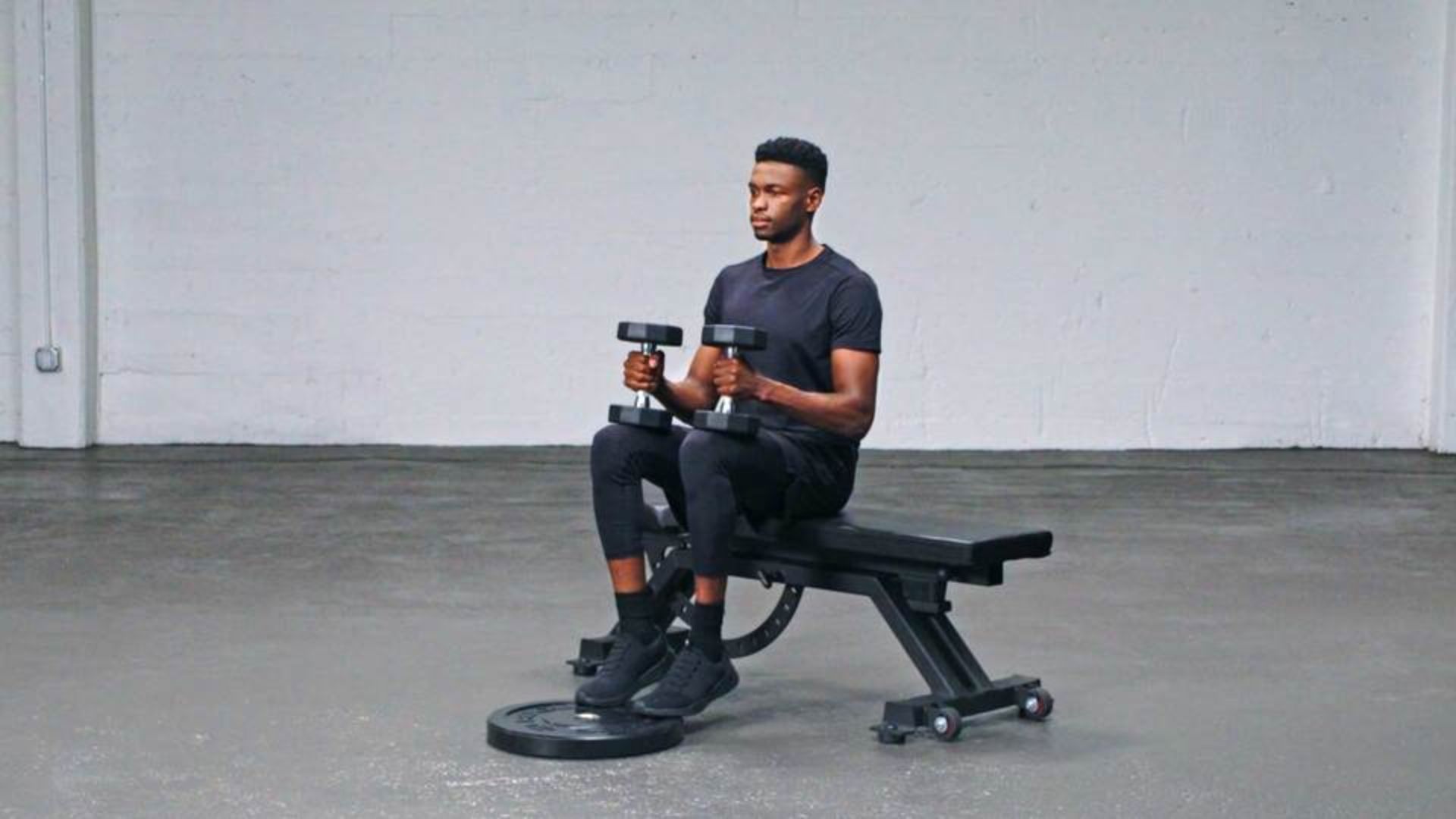
This is the best exercise for the soleus. Period.
Sit on a bench with your feet flat on the floor. Place a dumbbell on your thighs just above the knee. Press the balls of your feet up as high as possible, pause for 1 second, then lower slowly.
Your knee stays at 90 degrees, which fully deactivates the gastrocnemius and forces the soleus to do all the work.
Standing Bent-Knee Calf Raises

Stand with feet hip-width apart and bend both knees slightly, about 15–30 degrees. Rise up onto the balls of your feet slowly, then lower with control. Keep your knees bent the entire time and do not lock out at any point.
Soleus Bridges
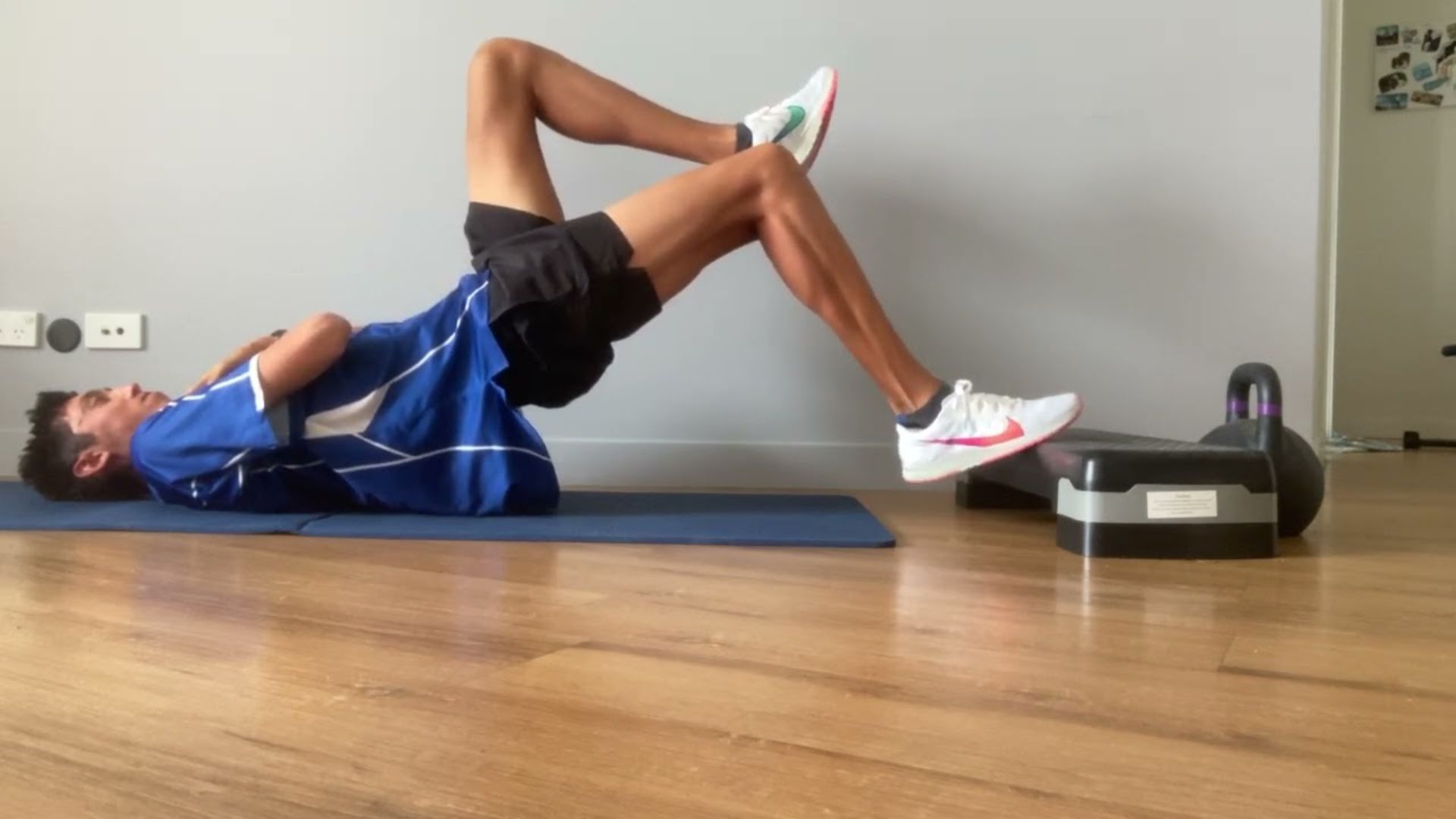
Lie on your back with knees bent and feet flat on the floor. Lift your hips into a bridge, then raise your heels off the floor while keeping your hips up. Hold for 2 seconds, lower your heels, then lower your hips and repeat.
Lunges with Heel Raise

Step into a lunge with your front knee bent at 90 degrees. From there, raise the heel of your front foot off the ground, hold for 1–2 seconds, then lower it. The deeply bent knee puts full demand on the soleus.
Step-Downs for Strength and Control
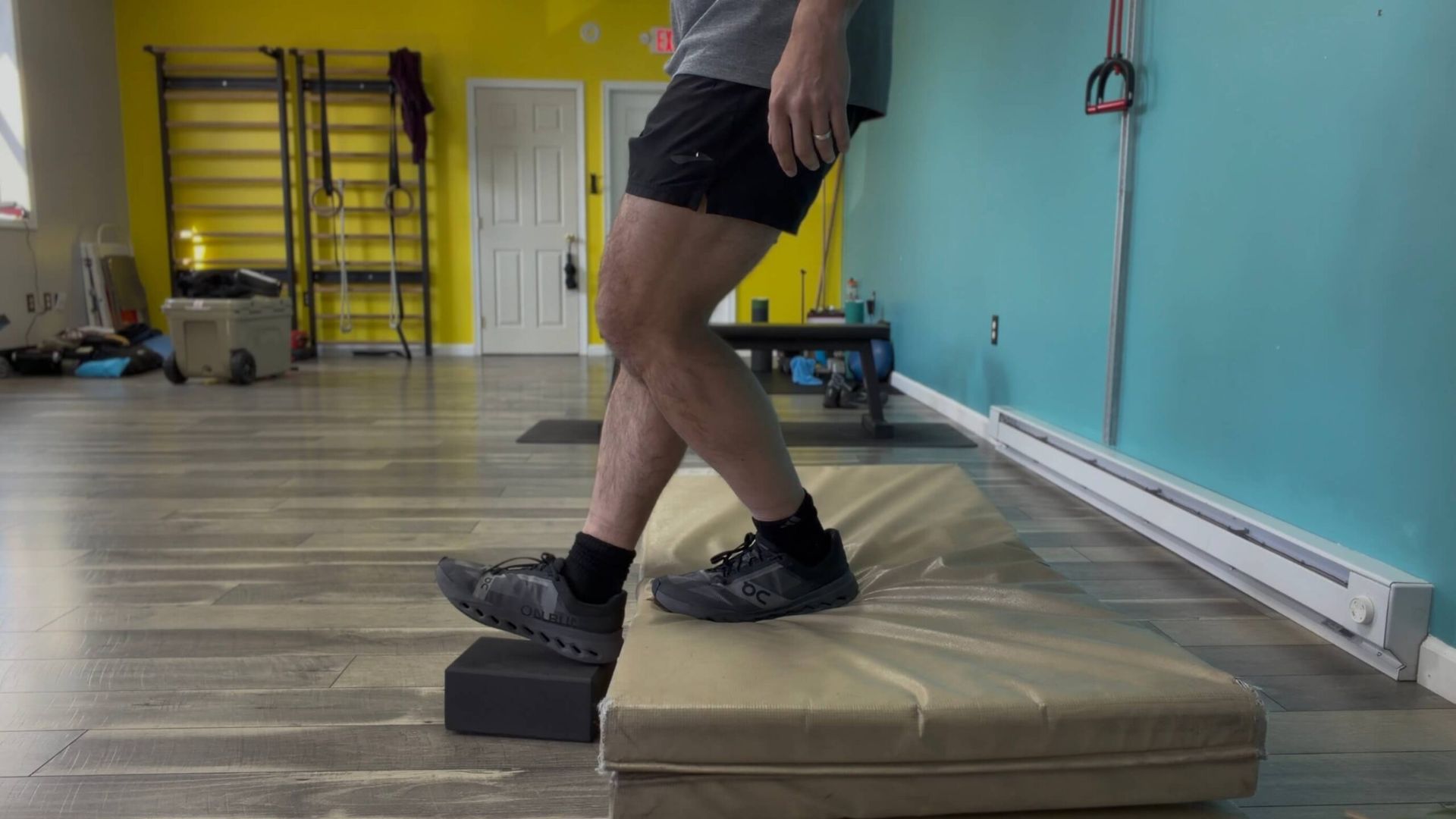
Stand on a low step on one foot with your knee slightly bent. Lower your other foot slowly toward the floor, stop just before it touches, and return to the top. Keep the movement slow and controlled throughout.
How to Perform Soleus Muscle Exercises Properly
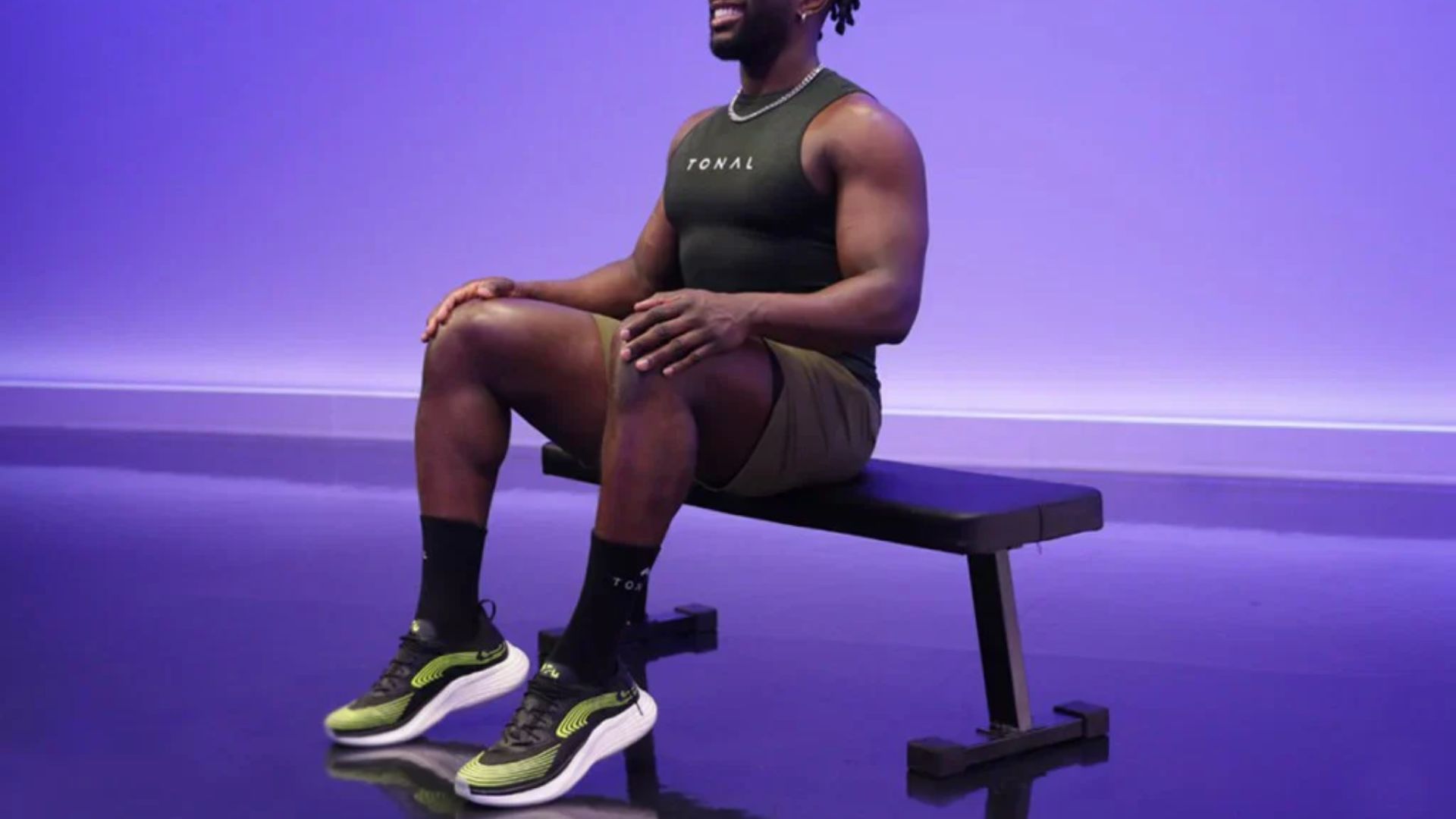
Keep your knee bent throughout the movement. Press through the ball of your foot and keep your spine neutral. Move with purpose, not speed.
Let your heel drop fully at the bottom before pressing up. At the top, press as high as you can. Short reps equal short results.
Aim for 1–2 seconds up, a 1 second hold, and 2–3 seconds on the way down. Exhale as you press up. Inhale as you lower.
Common Mistakes to Avoid When Training the Soleus
These errors are the most common reasons people do not see results from their calf training.
Locking the Knees
This is the biggest mistake in soleus training. Straight knees mean the gastrocnemius does the work. Bent knees mean the soleus does the work. It is that simple.
If you train calves with straight knees every session, the soleus never gets trained. The calf may look okay but will be unbalanced and prone to injury.
Fix: Check your knee angle before every set. Make it a habit.
Using Too Much Momentum
Bouncing through calf raises removes the soleus from the movement entirely. Momentum means the muscle is not doing the work. The tendons absorb the load instead.
Fix: Pause at the bottom of every rep for 1 second. This forces the muscle to work from a dead stop.
Skipping Isolation Exercises
Compound movements like squats and lunges involve the calves but do not give the soleus direct, focused training. The soleus needs exercises where it is the only muscle doing the work.
Fix: Add at least one soleus isolation exercise, like seated calf raises, to every lower body session.
Soleus Stretching and Recovery Tips
Here are five recovery tips to keep your soleus healthy and pain-free:
- Rest at least 48 hours between intense calf sessions.
- Drink enough water daily to avoid cramps and tightness.
- Foam roll your calves for 60–90 seconds per side after workouts.
- Wear supportive shoes to reduce stress on the soleus and Achilles.
- Sleep well since muscle repair happens mostly during sleep.
Conclusion
I trained calves for years without ever hearing the word “soleus.” My results were fine, but something was always missing. Once I started adding seated calf raises and bent-knee work, my calves changed in ways I had not seen before.
You do not need a complex plan. Start with the seated calf raise. Do it slowly. Go full range. Add it to your lower body days twice a week.
Did this help you? Drop a comment below and share what exercise you are going to try first. If a friend skips calf day, send this their way.
Frequently Asked Questions
What is the best exercise to target the soleus muscle?
The seated calf raise is the most effective soleus exercise. It keeps the knee bent throughout, which removes the gastrocnemius from the movement and places full demand on the soleus.
How often should I train the soleus for best results?
Training the soleus 2–3 times per week works well for most people. Because it is a slow-twitch muscle with high endurance, it recovers faster than most muscles and can handle more frequent training.
Can I train my soleus without gym equipment?
Yes. Seated calf raises with a heavy book or bag on your thighs, standing bent-knee raises, and soleus bridges all work well at home with no equipment needed.
Why do my calves feel tight even after stretching?
Tight calves after stretching often mean you are stretching the gastrocnemius but not the soleus. Use the bent-knee wall stretch to specifically reach the soleus. Dehydration and overtraining can also cause persistent tightness.
How long does it take to see results from soleus training?
With consistent training 2–3 times per week, most people notice improved calf strength and endurance within 4–6 weeks. Visible size changes in the lower calf area can take 8–12 weeks, depending on effort and diet.