I have spent years training legs and ignoring calves. Big mistake. Smith machine calf raises changed that for me completely.
In this blog, I will walk you through everything how to do them right, which muscles they work, common mistakes to avoid, and the best variations to try.
You will get a clear, simple guide that actually works. No fluff. No confusion.
I have trained with certified coaches and tested these techniques personally so you can trust what you read here.
What Are Smith Machine Calf Raises?

Smith machine calf raises are a lower leg exercise where you place a barbell across your upper back and lift your heels up and down on a fixed vertical track.
This removes the balance challenge so you can focus fully on your calves. Calves are stubborn muscles that need consistent tension and full range of motion to grow.
The smith machine gives you a stable bar, easy load control, and better form. This exercise works well for beginners, intermediate lifters, and athletes who want stronger, more developed lower legs.
What Are Smith Machine Calf Raises? (Muscles Worked and Purpose)
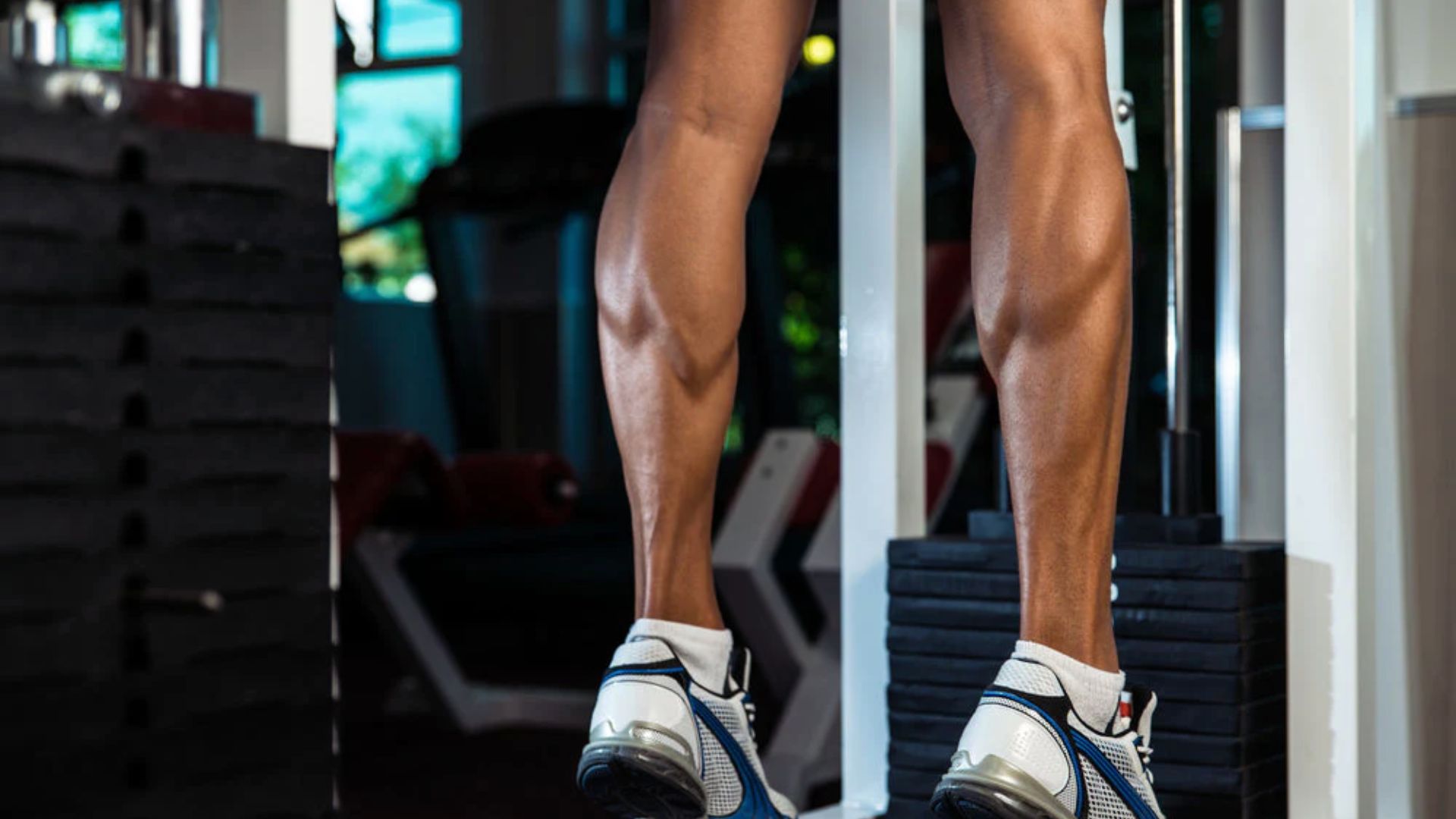
A quick look at the muscles this exercise targets and why those muscles matter.
Primary Muscle: Calves (Gastrocnemius)
The gastrocnemius is the large, visible calf muscle. It sits at the back of your lower leg and gives calves their rounded shape.
When you raise your heels off the ground, this muscle does most of the work. It is active when your knee is straight.
Secondary Muscle: Soleus
The soleus runs under the gastrocnemius. It is a flat muscle that works harder when your knee is slightly bent.
Training the soleus adds thickness and depth to the lower leg. Many people skip it. Do not skip it.
Why Calf Training Is Important for Strength and Aesthetics
Strong calves help with:
- Running and jumping performance
- Ankle stability
- Balance during heavy squats and deadlifts
Aesthetically, well-developed calves complete the look of a strong lower body. They are often the most noticed muscle during summer.
How to Do Smith Machine Calf Raises (Step-by-Step Guide)
Follow each step carefully to get the most out of every single rep.
Step 1: Set Up the Smith Machine Correctly
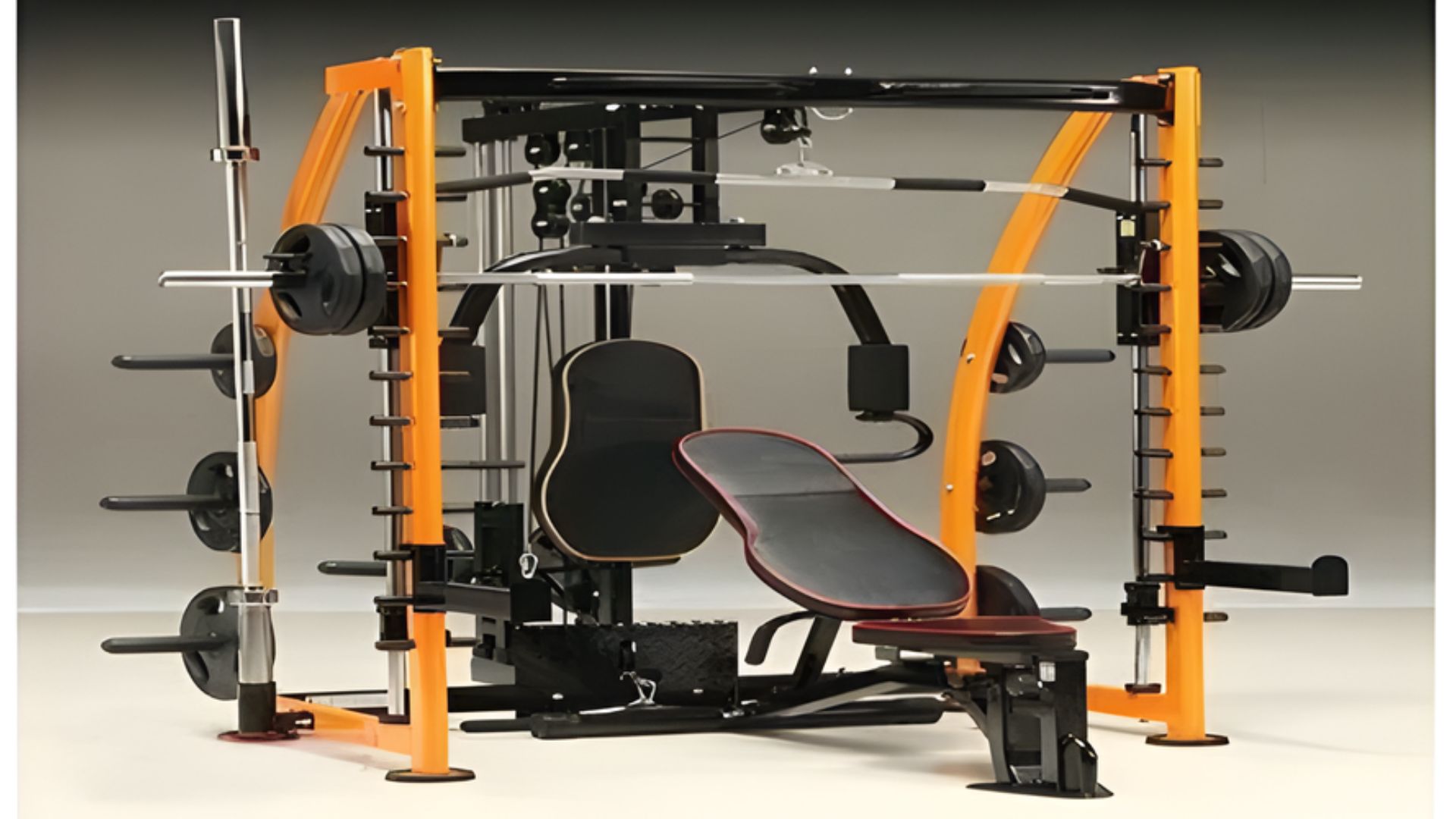
Set the bar at roughly shoulder height. Place a weight plate or small platform under your feet if you want a deeper range of motion.
Load the bar with a manageable weight. Do not go heavy on your first session.
Step 2: Proper Foot Placement and Body Position

Stand with your feet hip-width apart. Place the balls of your feet on the edge of the platform. Let your heels hang off.
Rest the bar across your upper traps, not your neck. Keep your back straight. Keep your knees soft, not locked.
Step 3: Controlled Heel Raise (Concentric Phase)
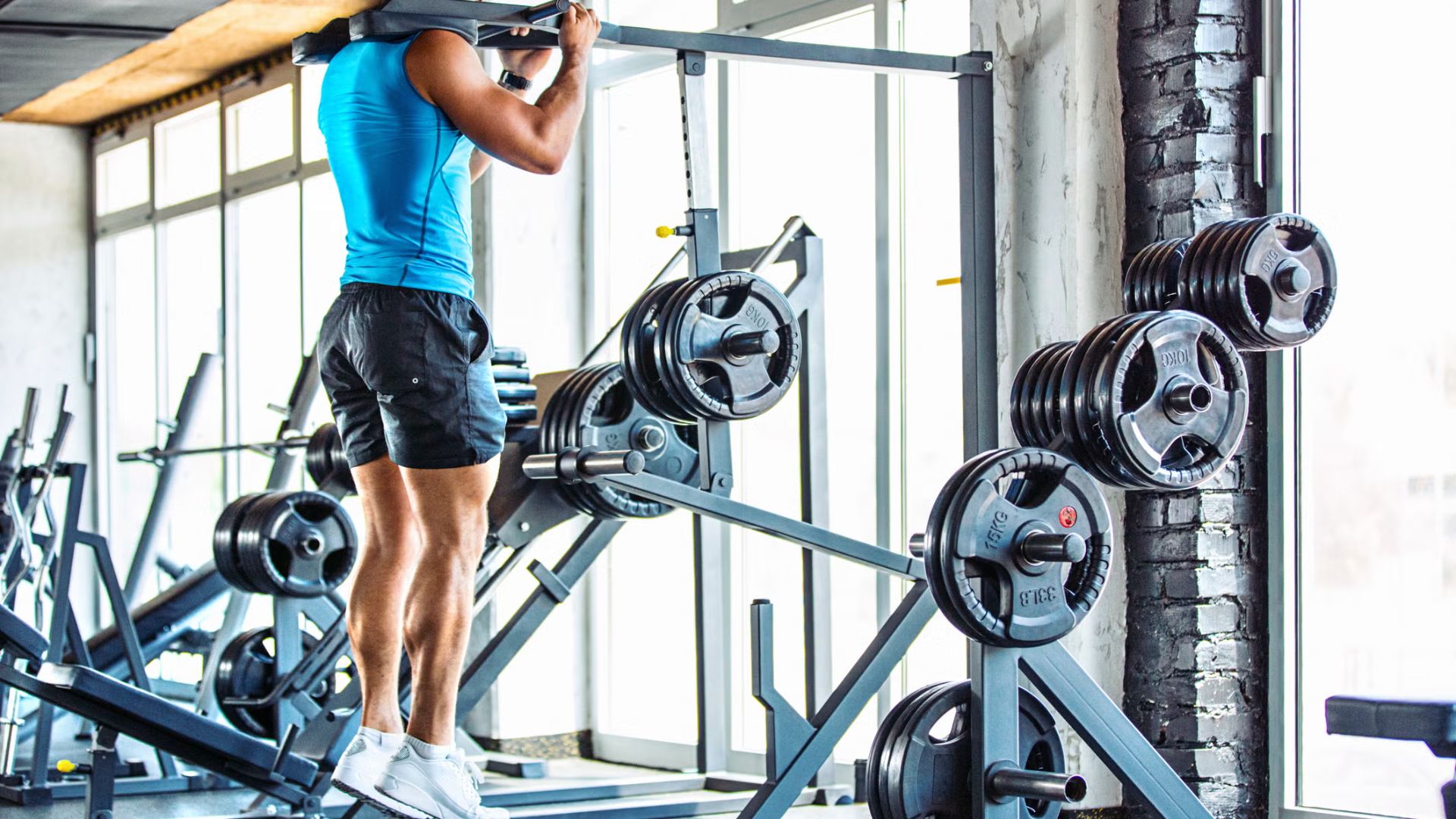
Push through the balls of your feet. Raise your heels as high as possible.
Squeeze your calves hard at the top. Hold for one second.
Do not rush this part. Controlled movement beats fast, sloppy reps every time.
Step 4: Full Stretch Lowering Phase (Eccentric Phase)

Lower your heels slowly below the platform level. Let them drop down fully.
This full stretch is where calf growth happens. Most people skip this part. Do not be one of them.
Take 2 to 3 seconds on the way down.
Step 5: Reps, Sets, and Training Tempo

For muscle growth, aim for:
3 to 4 sets per session
10 to 20 reps per set
Tempo: 1 second up, 1 second hold, 3 seconds down
For strength, use heavier weight and stay in the 6 to 10 rep range.
Common Mistakes in Smith Machine Calf Raises

Small errors can cost you results here is what to watch out for.
Using Momentum Instead of Controlled Movement
Bouncing the weight up is one of the most common mistakes. It removes tension from the muscle.
Slow down. Control every rep. Your calves will burn more, and they will grow more.
Not Using Full Range of Motion
Partial reps are a waste of time for calves. If you do not lower your heels all the way down, you miss the stretch.
Use a platform. Go low. Go high. Full range every rep.
Locking Knees During the Movement
Locked knees can put stress on the joint. They also reduce how much the gastrocnemius is activated.
Keep a slight bend in your knees. Nothing dramatic. Just enough to keep joints safe.
Going Too Heavy Too Soon
Heavy weight with poor form does nothing for your calves. It only risks injury.
Start light. Master the form. Then add weight gradually.
Benefits of Smith Machine Calf Raises

This one exercise delivers more than most people expect from a calf movement.
Builds Stronger and More Defined Calves
Consistent smith machine calf training adds visible size and definition to the lower leg. The controlled movement means your calves are always under tension throughout the full rep.
Improves Stability and Athletic Performance
Strong calves improve your push-off in sprinting, your landing in jumping, and your base in heavy compound lifts. This is often overlooked in training programs.
Allows Safe Progressive Overload
The fixed bar path makes it easy to increase weight safely over time. You can track your progress and add small increments every week.
Better Muscle Isolation Compared to Free Weights
Without the need to balance a free barbell, you can put all your focus on the calf muscles. This leads to better mind-muscle connection and more effective training.
Tips to Maximize Results from Smith Machine Calf Raises
Small adjustments in how you train can lead to much bigger gains over time.
- Slow down your reps to keep constant tension on the calf muscles throughout each set.
- Pause for one full second at the top to force a peak contraction on every rep.
- Train calves 2 to 3 times per week since they recover faster than other muscle groups.
- Add calf raises at the end of leg days or on upper body training days.
- Mix heavy low-rep sets with lighter high-rep sets for both strength and muscle growth.
Conclusion
Honestly, my calves were my weakest point for years. Once I committed to smith machine calf raises with proper form, I saw real change within a few months.
Full range, slow reps, and consistent training are the real keys here. Start with 3 sets of 15 reps after squats or deadlifts and increase weight weekly.
It is not magic. It is just consistency. If you try these steps, drop a comment below and share your experience. And if this helped, share it with someone who skips calf day.
Frequently Asked Questions
How many reps should I do for smith machine calf raises?
Aim for 10 to 20 reps per set for muscle growth. For strength, use heavier weight and keep reps between 6 and 10.
Can beginners do smith machine calf raises?
Yes, this exercise is great for beginners. The fixed bar path provides stability, making it easier to learn proper form without worrying about balance.
Should I use a platform for smith machine calf raises?
Using a platform or weight plate under your feet increases the range of motion. This leads to a deeper stretch and better calf activation over time.
How often should I train calves with this exercise?
Training calves 2 to 3 times per week is ideal. Calves recover quickly and respond well to frequent, consistent training sessions.
Is the smith machine better than a regular barbell for calf raises?
For most people, yes. The smith machine offers more stability and control, which allows better focus on the calf muscles without the challenge of balancing a free barbell.