

I used to do both exercises without really knowing why. Just threw them into my routine and hoped for the best.
Once I actually understood the difference between shoulder press vs lateral raise, my shoulder training changed completely.
These two moves are not the same. One builds raw strength and size. The other shapes and defines your shoulders from the side. Both matter, but for different reasons.
In this blog, I’ll cover how each exercise works, which muscles they target, and how to use both effectively in your routine.
What Is a Shoulder Press?
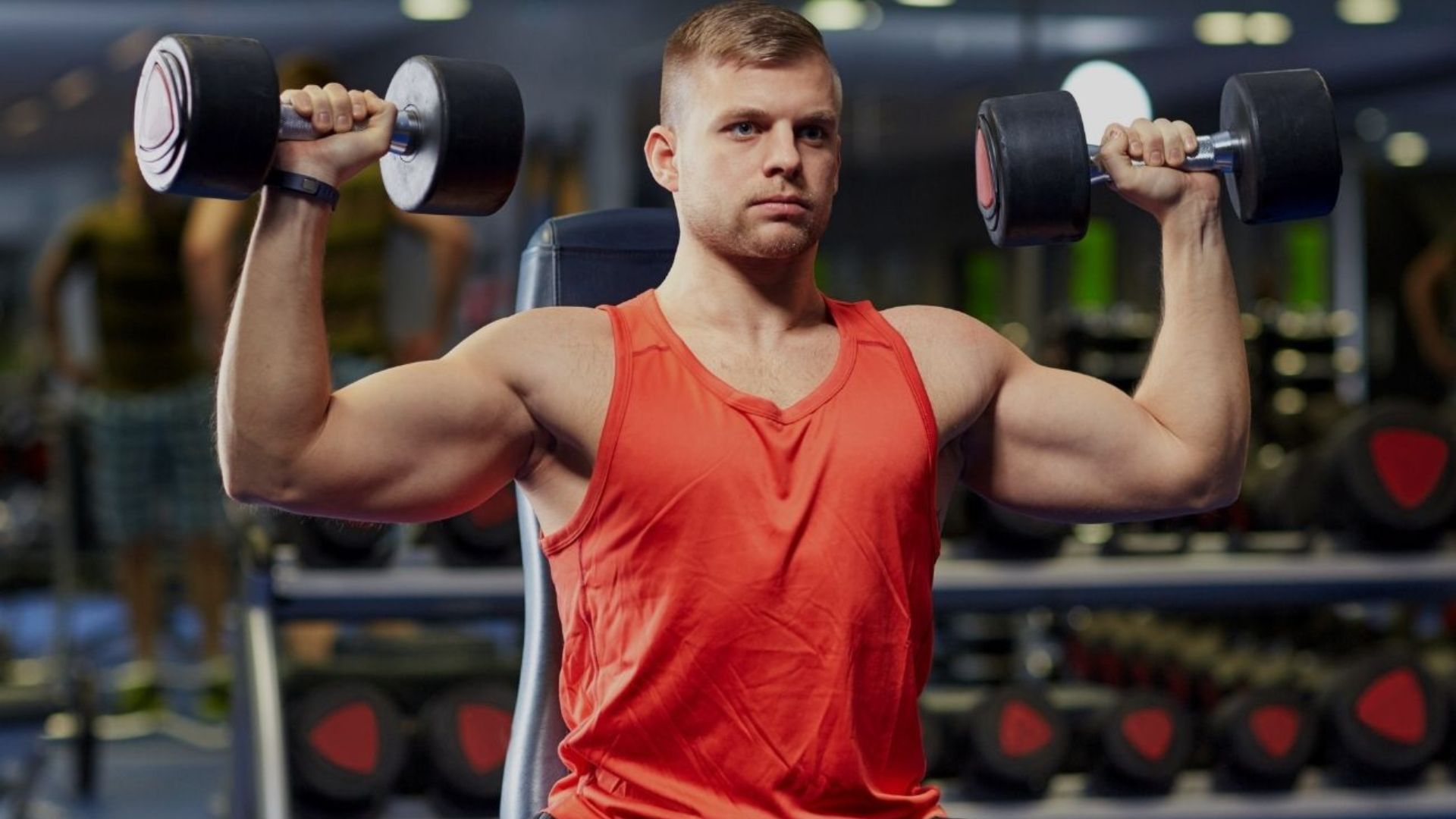
A powerful overhead push that builds serious shoulder size and strength.
The shoulder press is a compound exercise that works all three deltoid heads, your triceps, and upper chest in one movement.
You press weights overhead from shoulder height, either seated or standing, with dumbbells or a barbell.
It is the go-to move for building shoulder strength, size, and overall upper body power.
What Is a Lateral Raise?
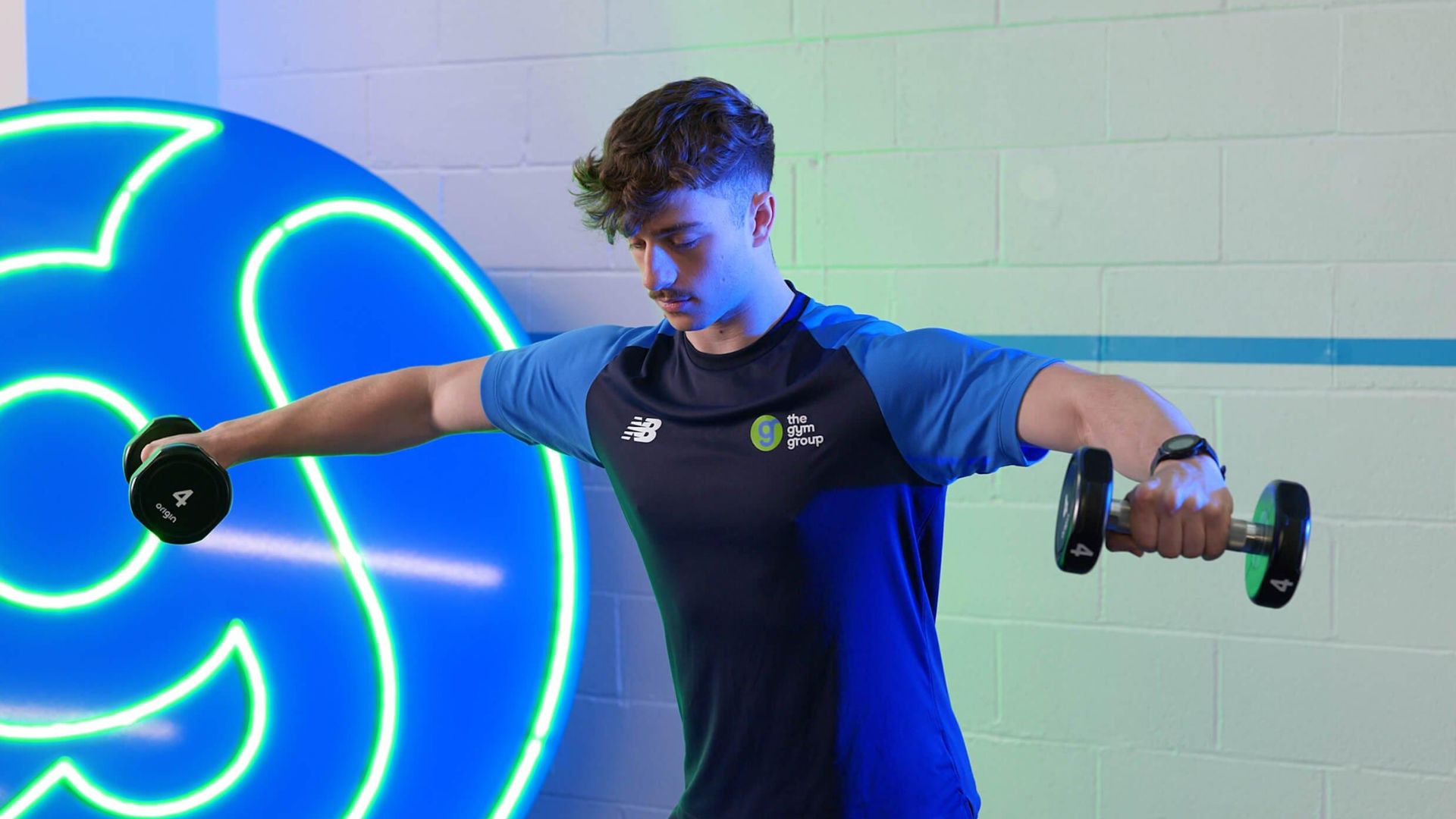
A simple side lift that shapes and widens your shoulders over time.
A lateral raise is an isolation exercise that targets the medial deltoid, the part of your shoulder responsible for width and shape.
You lift dumbbells out to your sides until your arms reach shoulder level, then lower them back down with control.
It is the best move for building wider, more defined shoulders without relying on other muscle groups.
Shoulder Press vs Lateral Raise: Quick Comparison
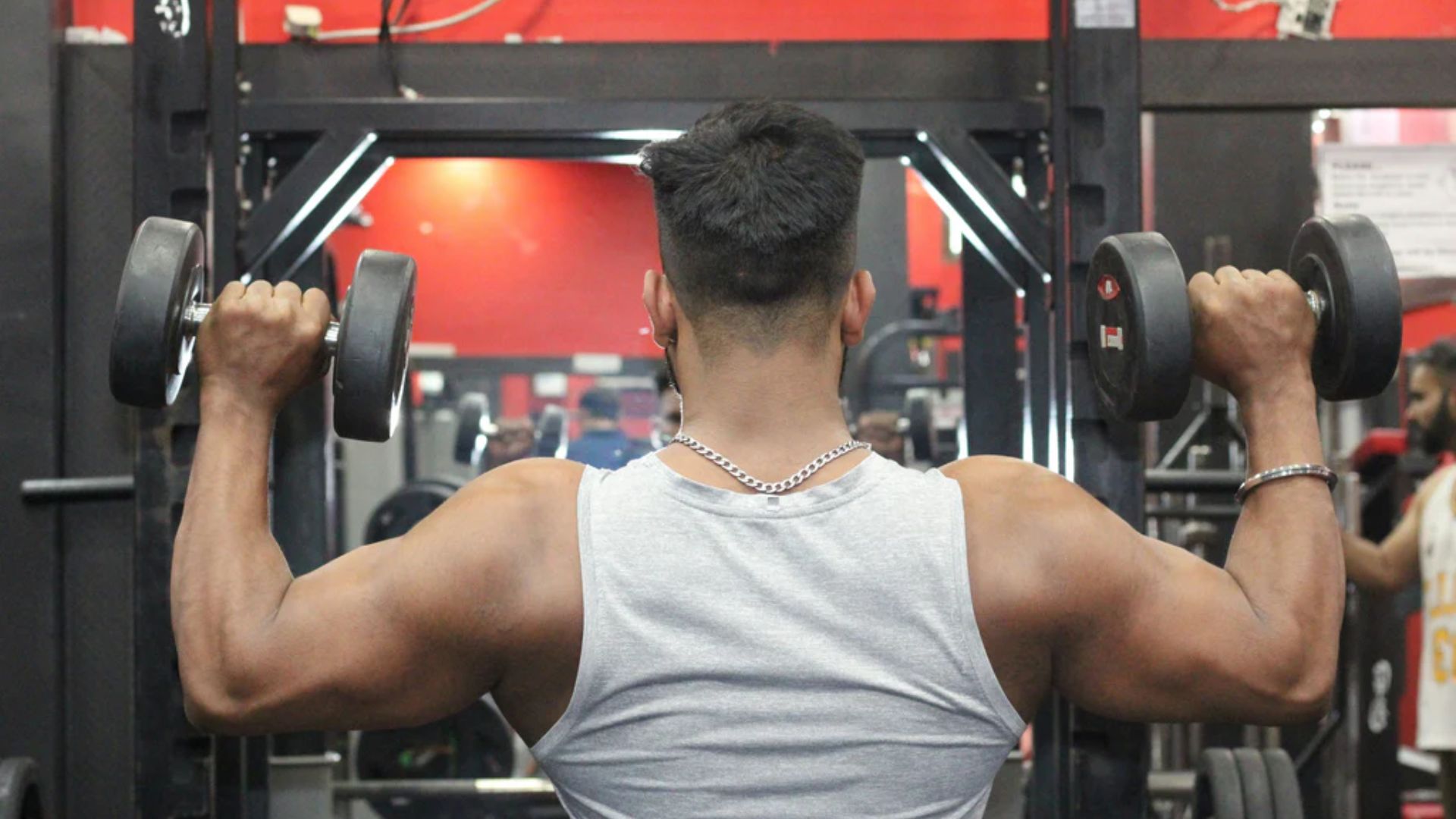
Here is a side-by-side look at how these two shoulder exercises compare across key training factors.
|
Feature |
Lateral Raise |
Shoulder Press |
|
Type |
Isolation |
Compound |
|
Muscles |
Side delts |
All delts + triceps + chest |
|
Goal |
Width & definition |
Strength & size |
|
Weight |
Light to moderate |
Moderate to heavy |
|
When |
End of workout |
Start of workout |
What Do Lateral Raises Target?
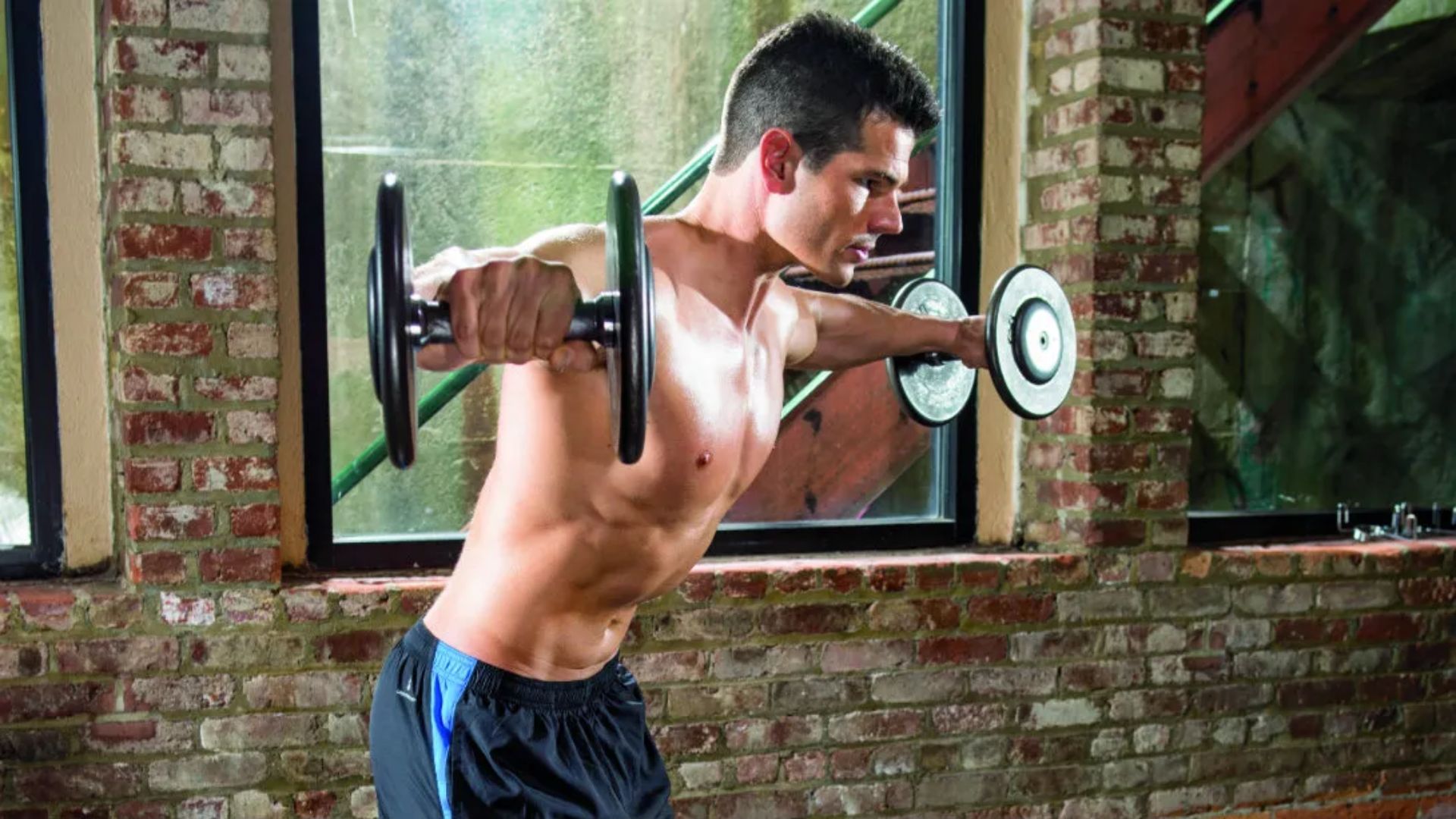
Lateral raises zero in on the side delts, but they do more than that.
Medial Deltoid (Primary)
The middle deltoid does most of the work during a lateral raise. It is the muscle responsible for that wide, rounded shoulder look when viewed from the front or back.
Most people training for broader shoulders are really trying to grow this specific head. Without directly targeting it, your shoulders will always look narrow no matter how much you press.
Front and Rear Delts (Secondary)
Both the front and rear deltoid heads assist during the lateral raise movement. Their role is smaller compared to the medial delt, but they still contribute to the overall shoulder stimulus.
Over time, this secondary activation helps build better balance across all three deltoid heads. It also means lateral raises do more for total shoulder development than most people expect.
Width, Symmetry, and Definition
Regular lateral raises build proportional shoulders and improve muscle separation over time. They will not pack on mass like compound moves, but for shaping the shoulder, they are hard to beat.
The controlled, lighter-weight nature of the exercise forces your muscles to work through the full range of motion. This is what creates that defined, well-rounded shoulder look that heavy pressing alone cannot produce.
What Does the Shoulder Press Work?
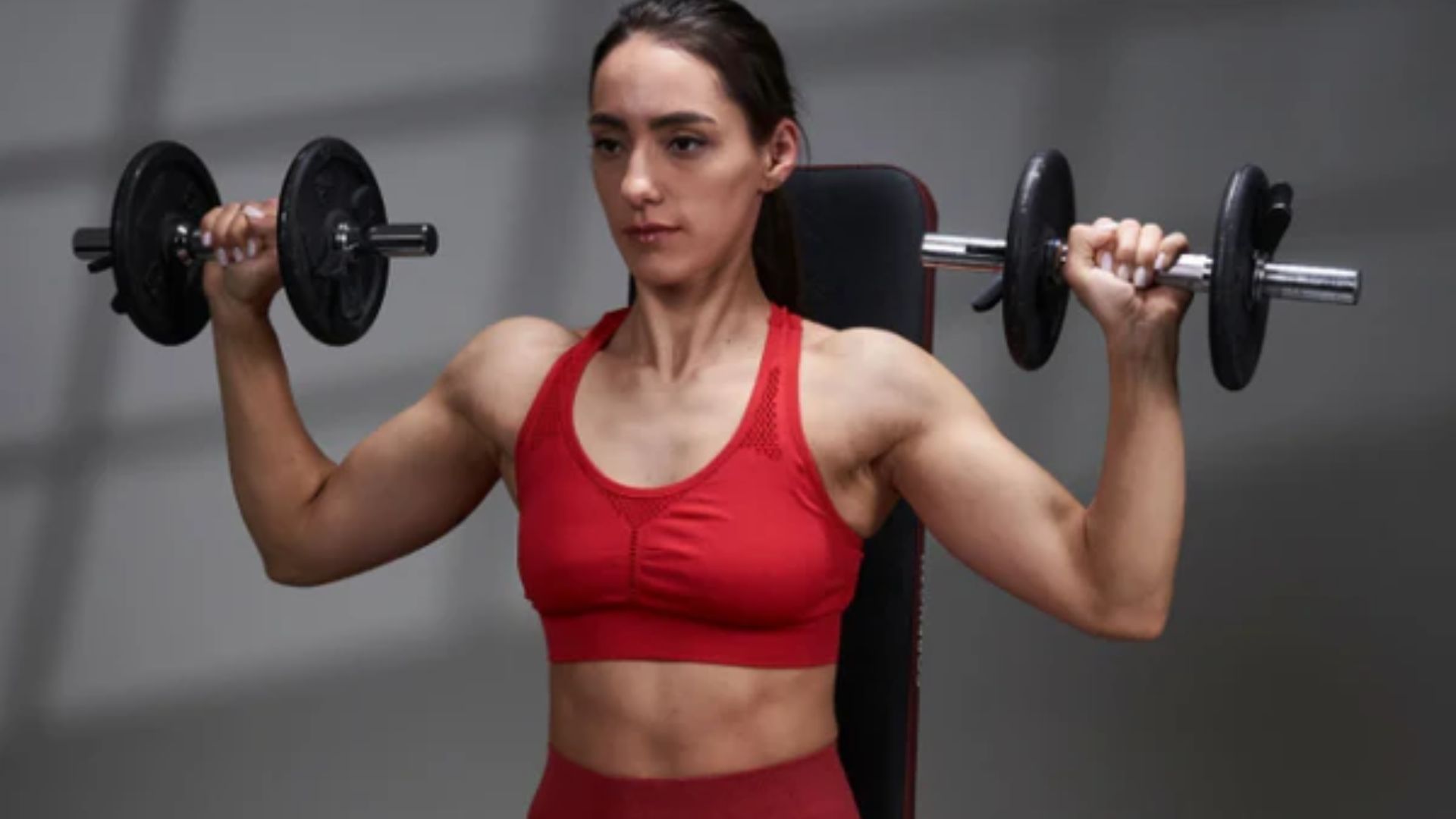
The shoulder press hits more muscles than almost any other upper-body move.
All Three Deltoid Heads
The front delt leads the press and takes on the most load, while the side and rear delts both contribute throughout the movement.
This makes the shoulder press one of the few exercises that work the entire deltoid in a single set. Over time, this full activation leads to a more complete shoulder size than isolation moves can deliver alone.
Triceps
Your triceps kick in the moment you start pushing the weight overhead, extending the arms and finishing the press at the top.
Stronger triceps directly translate to a stronger shoulder press, which is why many lifters train them together. If your press feels weak at the top, tricep strength is often the first thing worth addressing.
Upper Chest and Traps
The upper chest assists the initial push while your traps and upper back keep the shoulder joint stable throughout the movement.
This combination of pushing and stabilizing muscles is what makes the shoulder press so effective for upper body development. Without that stability, the pressing muscles simply cannot generate their full force.
Core
During a standing shoulder press, your core works to keep your spine upright and controlled under load the entire time.
A weak core often shows up as lower back arching during heavy presses, which limits power and raises injury risk. Training the standing press regularly builds functional core strength alongside shoulder size.
Which One Is the Better Option?
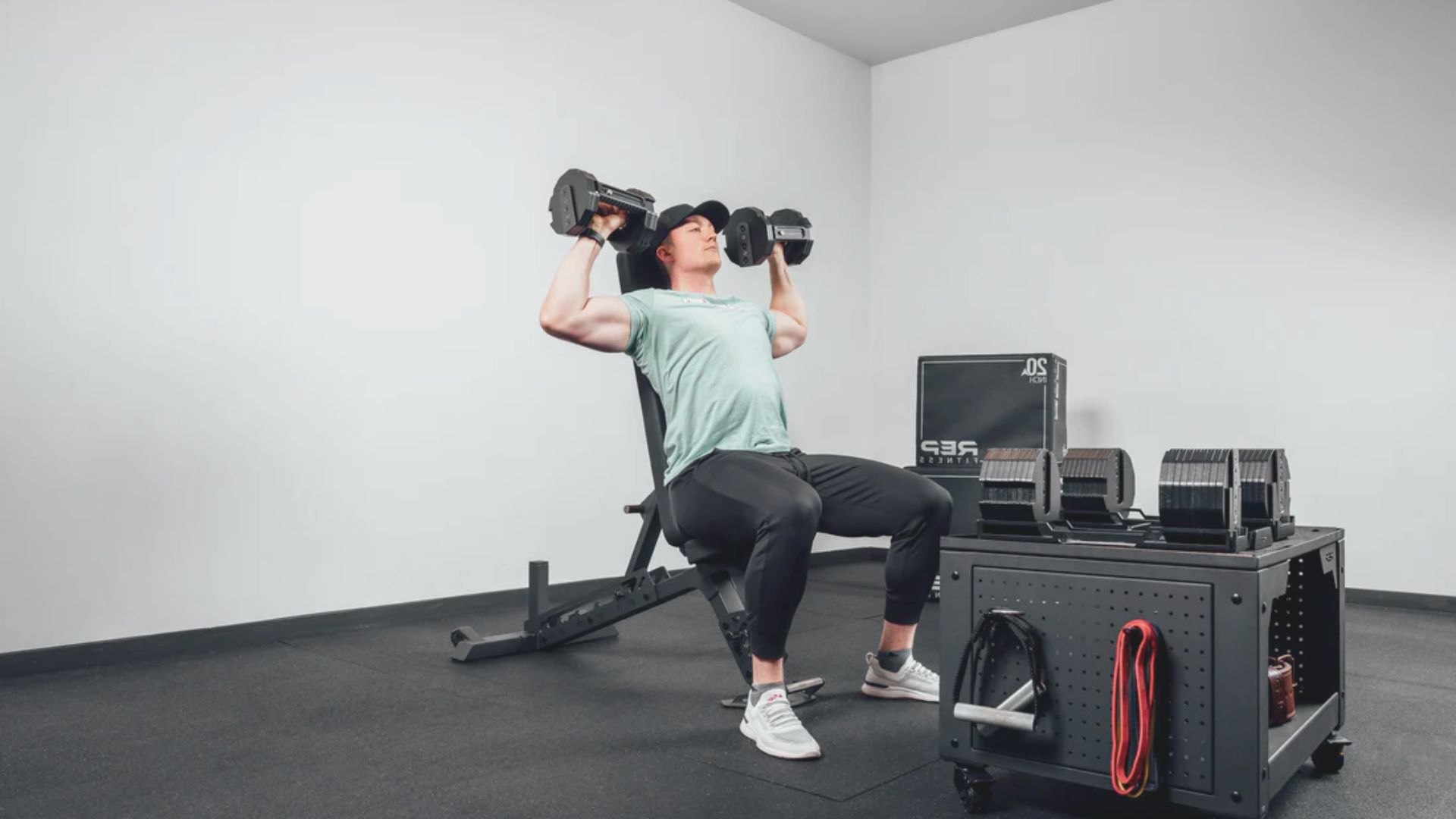
Neither exercise is better than the other. They just serve different goals.
Go with lateral raises if shoulder width and definition are your priority. The side delts get direct, focused tension that no other move replicates as well.
Go with the shoulder press if you want to build overall size and strength. It works more muscles, handles more weight, and drives more total growth.
The smartest approach is to use both. Start your session with the shoulder press for strength, then finish with lateral raises for shape. Your shoulders get stronger and wider at the same time.
Do Shoulder Press and Lateral Raises Target the Same Muscles?
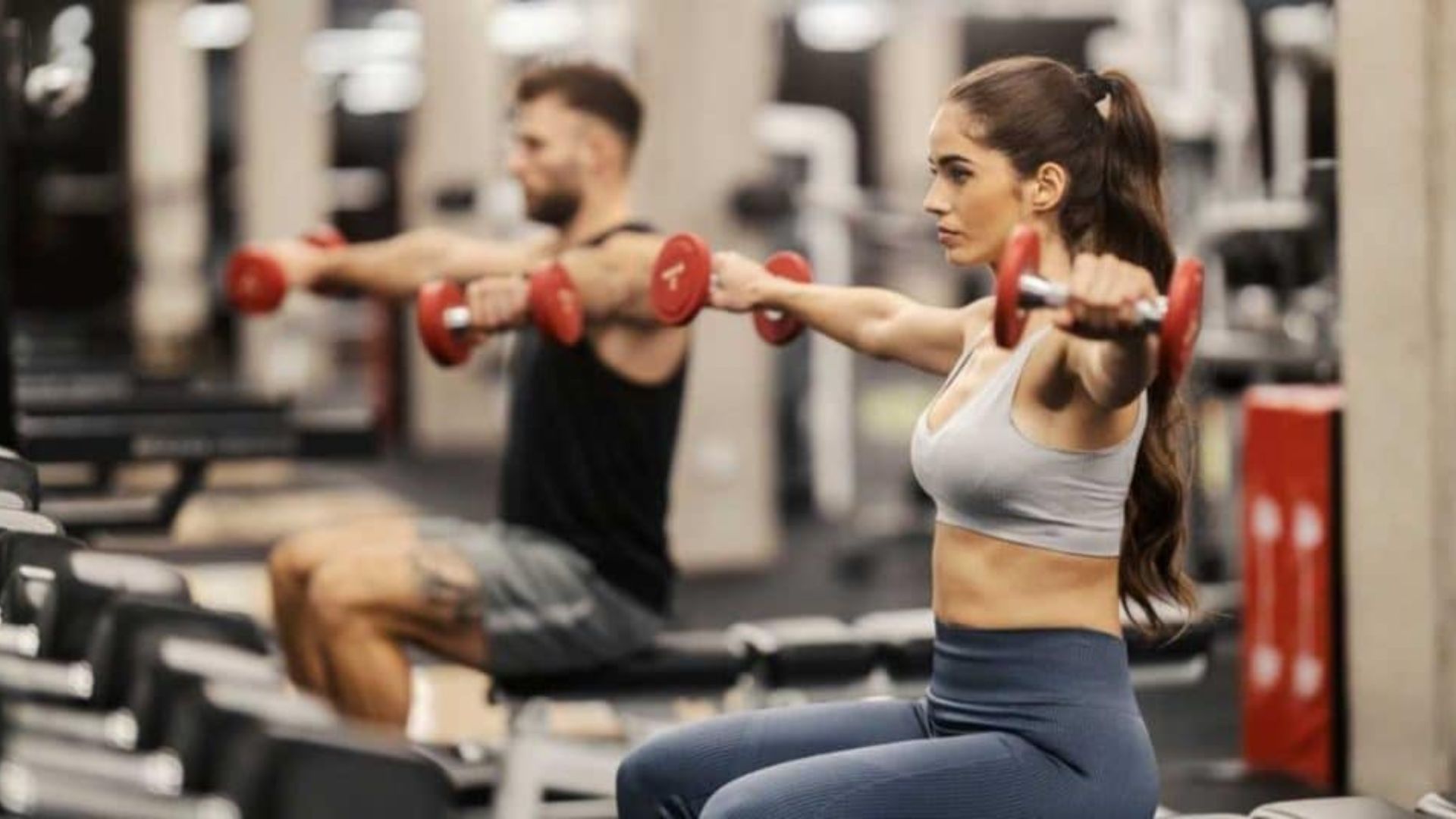
No, they do not target the same muscles, and that is what makes them work so well together.
The shoulder press is a compound movement that hits all three deltoid heads, triceps, upper chest, traps, and core in one push.
The lateral raise is an isolation exercise focused almost entirely on the medial deltoid, with the front and rear delts only assisting in a minor role.
Both work the shoulders, but in very different ways. Use both for the best results.
Tips for Better Shoulder Press vs Lateral Raise Training
- Never start cold on shoulder day. A few minutes of arm circles and light band work prepares your joints for both pressing and lifting movements.
- Order matters more than most people think. The shoulder press needs more energy, so it goes first, and lateral raises follow once your delts are warmed up.
- Lowering slowly on both the shoulder press and lateral raises builds more muscle than rushing through the movement. The way down is just as important as the way up.
- Heavy dumbbells on lateral raises almost always lead to swinging and poor form. Pick a weight that keeps your side delts working through the full range of motion.
- Add small amounts of weight to your shoulder press and lateral raises consistently over time. Even minor weekly increases lead to real strength and size gains across both exercises.
Conclusion
After years of training shoulders, the answer is simple. Use both exercises. The shoulder press builds the size and strength your shoulders need to grow.
Lateral raises give you the width and shape that make them stand out. Sticking to just one will always leave something missing.
Combining them delivers better results than either movement alone. Add both to your next shoulder session and see the difference it makes.
Have questions? Drop them in the comments. Share this with someone working on their shoulders too.
Frequently Asked Questions
Are shoulder press and lateral raise the same exercise?
No, they are two different exercises. The shoulder press is a compound move, while the lateral raise is an isolation exercise targeting the side delts.
Which is better for building shoulder size, shoulder press or lateral raise?
The shoulder press is better for building overall shoulder size and strength. Lateral raises add width and definition but cannot replace compound pressing movements.
Can beginners do both shoulder press and lateral raise?
Yes, both exercises are suitable for beginners. Start with light weights, focus on proper form, and gradually increase the load as you get stronger.
How many sets of lateral raises should I do per workout?
Most people do 3 to 4 sets of 12 to 15 reps per session. Keep the weight moderate and focus on slow, controlled reps for the best results.
Should I do shoulder press or lateral raise first in my workout?
Always do the shoulder press first. It is a heavier compound lift that requires more energy. Save lateral raises for the end when your delts are already warmed up.