

I started doing seated knee tucks when I needed a core move that didn’t wreck my lower back. No fancy equipment. No complicated setup. Just results.
If you’ve been looking for a simple, effective ab exercise, you’re in the right place.
In this blog, I’ll cover what seated knee tucks are, which muscles they work, the real benefits, and exactly how to do them with proper form.
I’ve been training for years, and this one earns its spot in almost every routine.
What Are Seated Knee Tucks?
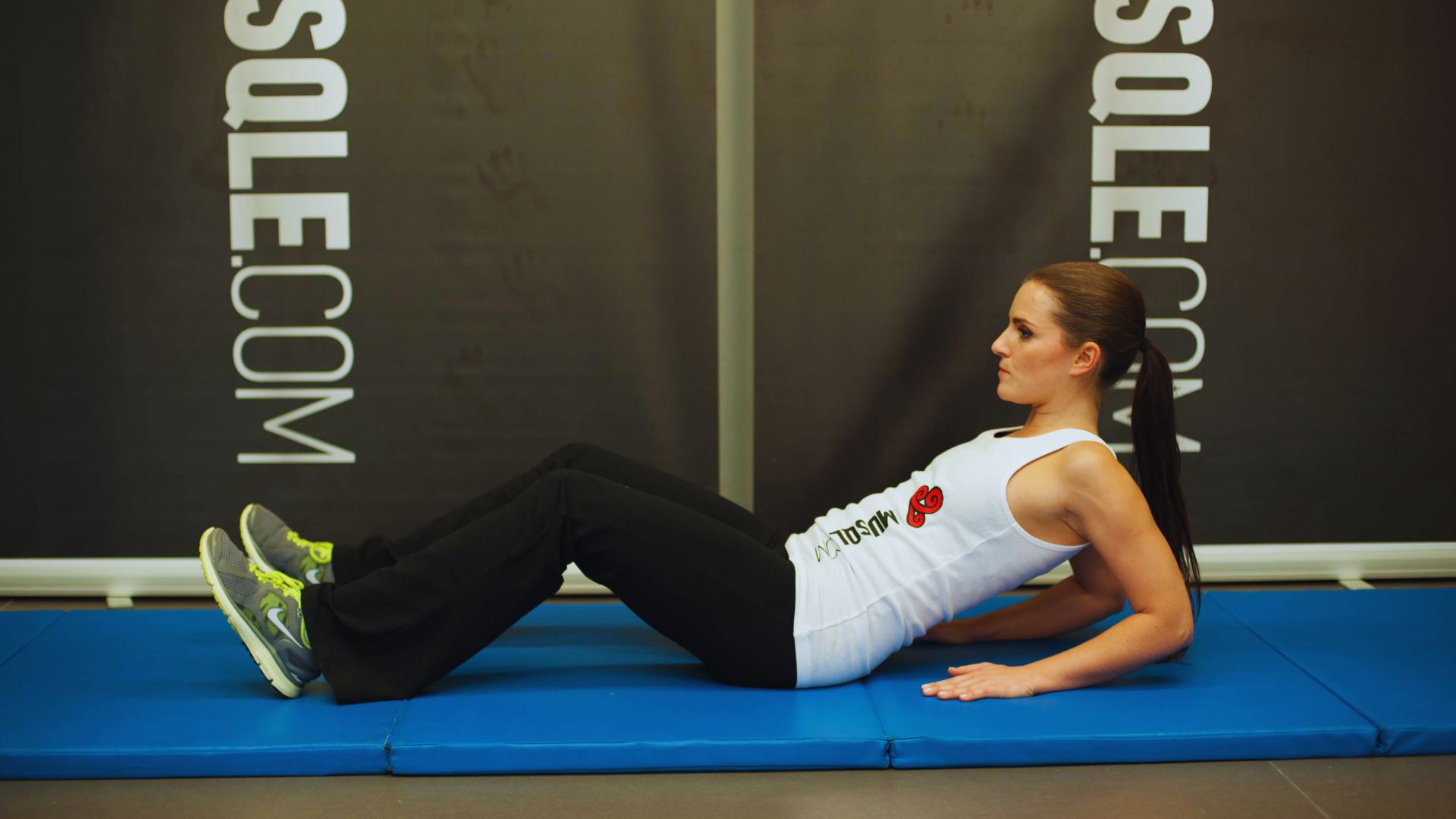
Seated knee tucks are a bodyweight core exercise. You sit on a flat surface, lean back slightly, and pull your knees toward your chest in a controlled motion.
No equipment needed. Just your body and a stable surface. The move targets your abs and hip flexors at the same time, making it great for building core strength without loading your spine.
It works for beginners and fits easily into any routine.
Seated Knee Tucks Muscles Worked
This move targets more than just your abs. Here’s the full breakdown.
Primary Muscle
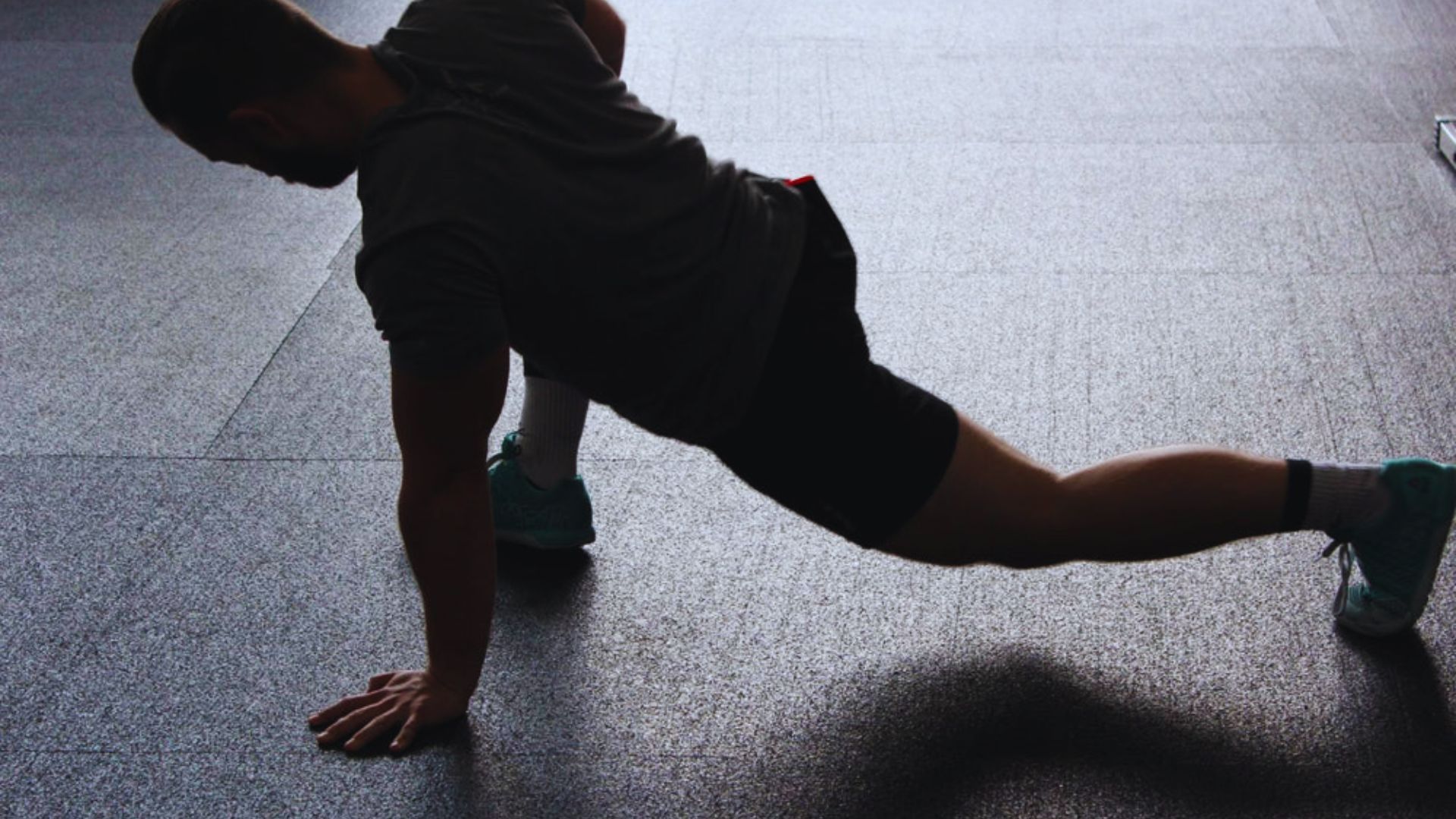
Abs (Rectus Abdominis) This is the main muscle doing the work. Every time you pull your knees in, your rectus abdominis contracts hard to bring your torso and legs closer together.
Consistent reps here build visible ab strength over time.
Secondary Muscles
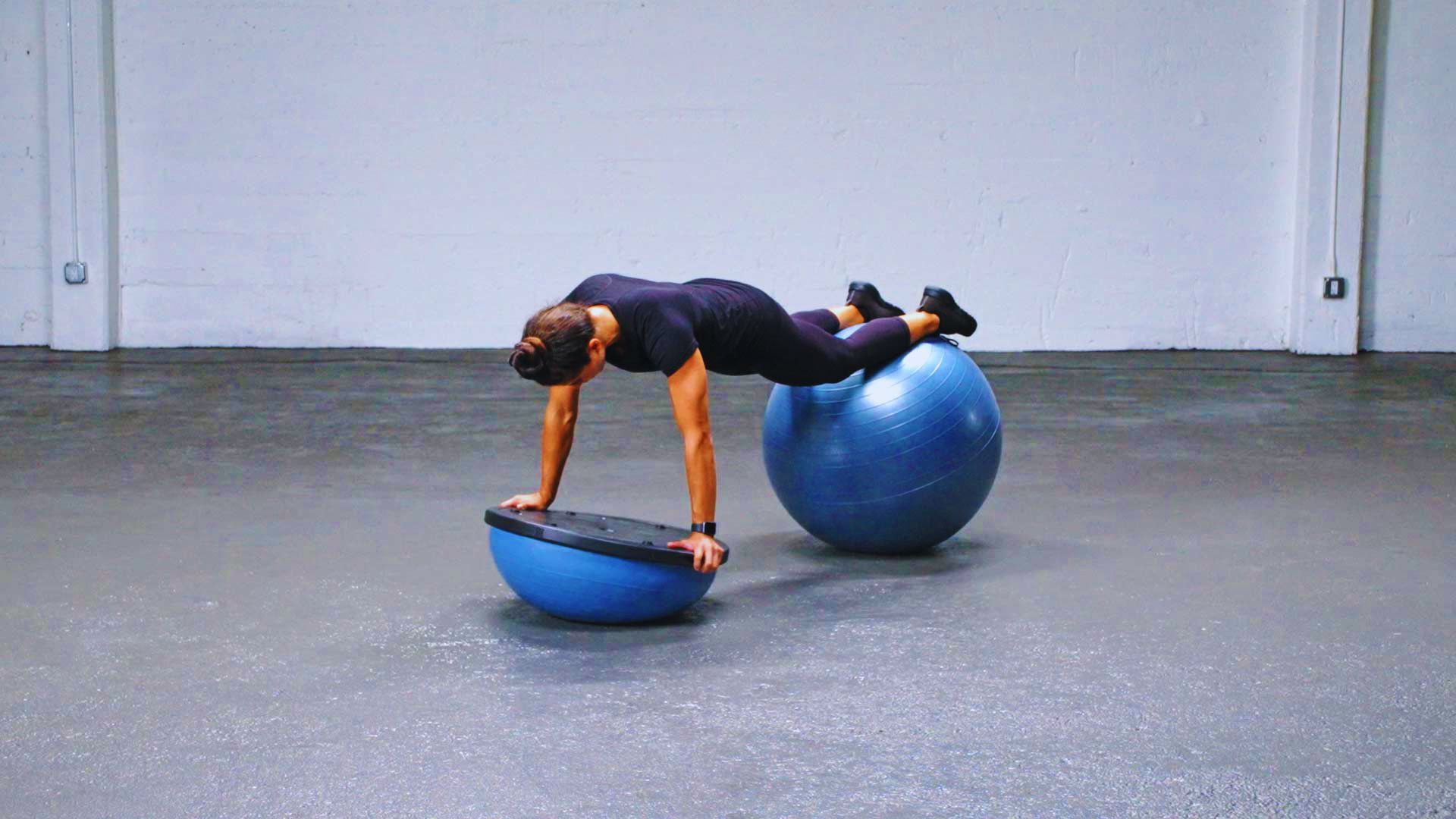
These muscles support the movement and keep everything working together.
Hip Flexors: Your hip flexors kick in to lift and pull your legs toward your chest. They work alongside your abs to control the full range of motion during every rep.
Quadriceps: Your quads help stabilize your legs throughout the movement. They aren’t the focus, but they stay active to keep your legs aligned and controlled.
Core Stabilizers: Your deep core muscles, including the transverse abdominis and obliques, stay engaged the whole time. They keep your body balanced and your spine protected.
Seated Knee Tucks Benefits
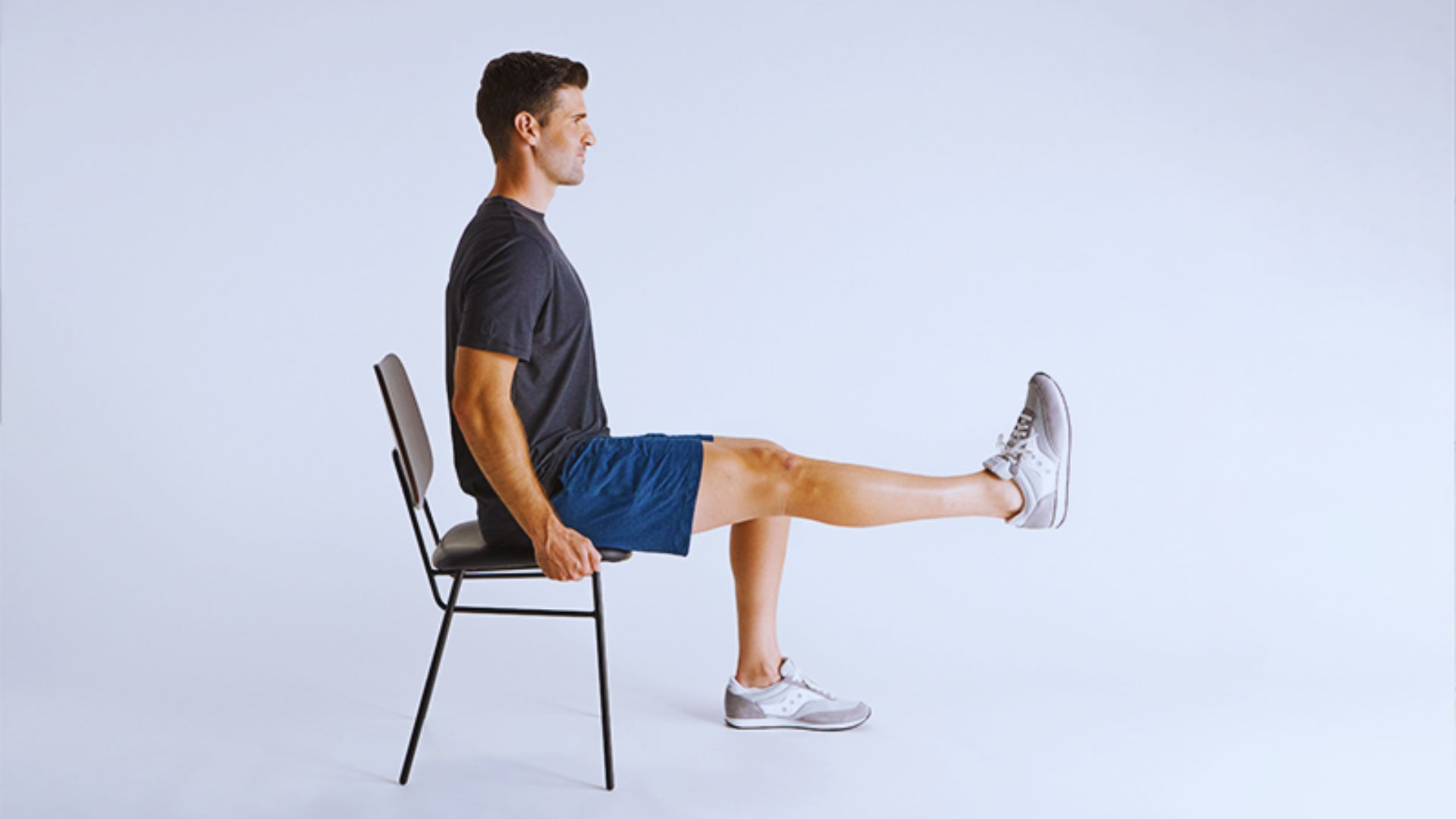
Simple to do, but the payoff is real. Here’s why this exercise works.
Strengthens Core Muscles
Seated knee tucks put direct tension on your abs and deep core with every rep. The controlled pull-in motion forces your core to work through the full range, building real functional strength that carries over into other lifts and daily movements.
Improves Balance and Stability
Holding your body in a slightly reclined position while moving your legs challenges your balance. Over time, this trains your stabilizing muscles to react faster and keep you steady, both in workouts and everyday life.
Supports Lower Back Health
A stronger core takes pressure off your lower back. Seated knee tucks build that support without loading the spine, making them a smart choice if you deal with mild lower back tightness or want to prevent it.
Beginner-Friendly and Accessible
You don’t need a gym, equipment, or prior experience to do this move. It’s low-impact, easy to learn, and easy to scale.
Start slow, focus on control, and build from there. It fits any fitness level.
How to Do Seated Knee Tucks (Step-by-Step)
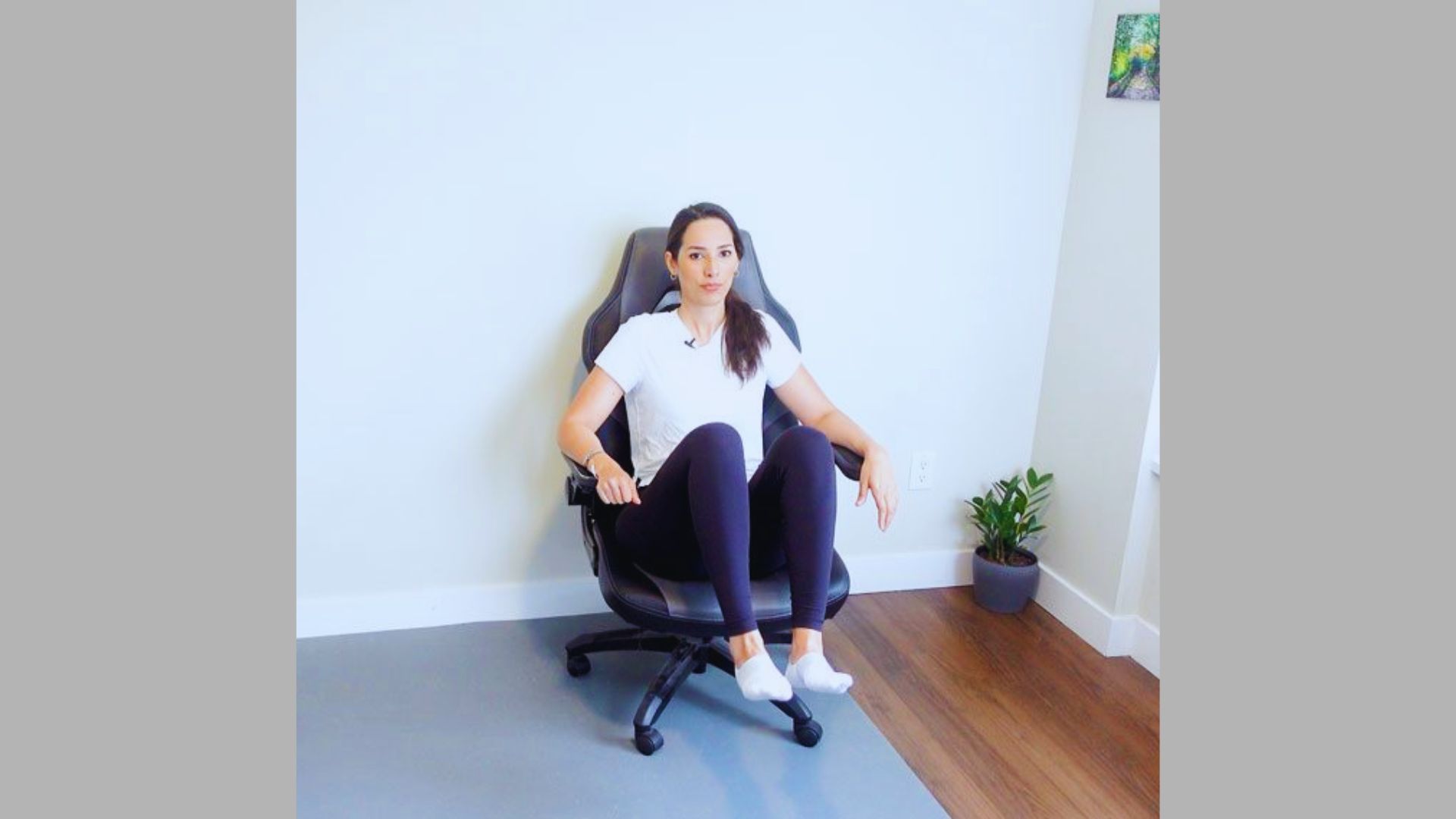
Good form makes all the difference here. Follow these steps closely.
Starting Position
Sit on a bench, mat, or stable chair with your legs extended straight in front of you. Lean back slightly, keeping your chest open.
Place your hands behind you or on the sides of your seat for support. Your feet should be hovering just off the ground before you begin.
Movement
Pull both knees in toward your chest in a smooth, controlled motion. Keep your core tight the whole time.
Don’t jerk or rush the movement. Squeeze your abs at the top of the rep when your knees are closest to your chest, then hold for a brief moment before returning.
Return
Slowly extend your legs back out to the starting position. Don’t let your feet touch the floor between reps.
Keeping them hovering keeps tension on your core and makes every rep count more.
Proper Form and Technique Tips
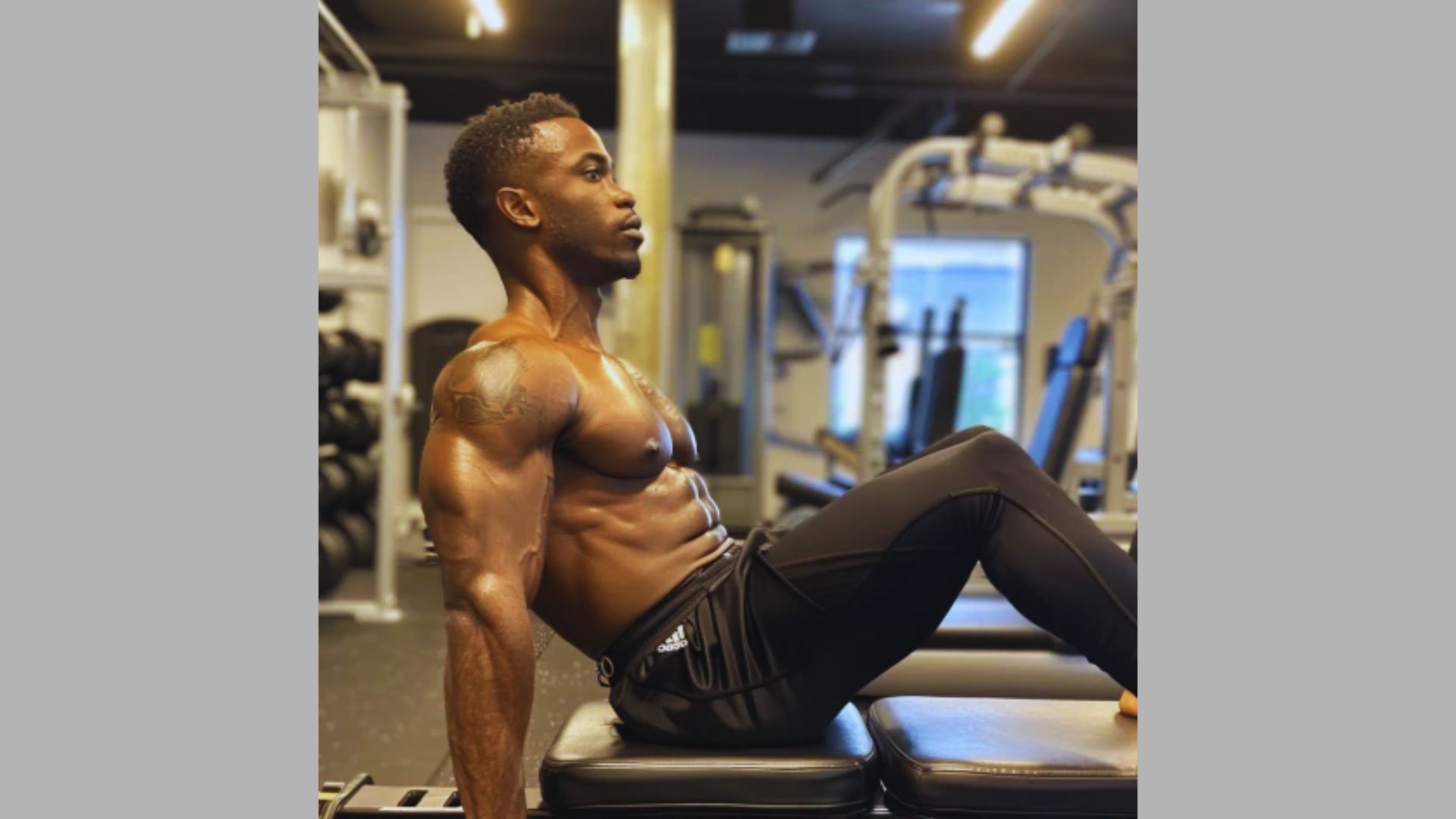
Small form fixes make a big difference in how well this move actually works.
Keep Upper Body Stable
Your upper body should stay as still as possible during the movement. Only your legs should be moving.
If your torso is rocking back and forth, you’re losing tension in your core and putting unnecessary strain on your lower back.
Avoid Using Momentum
Swinging your legs or using speed to complete reps takes the work away from your abs. Slow, controlled reps are harder but way more effective.
If you can’t do a slow rep, reduce your range of motion first.
Maintain a Neutral Spine
Don’t round your back aggressively or arch it too much. A slightly neutral spine protects your lower back and keeps the exercise targeting the right muscles.
Think of a tall chest, even while leaning back slightly.
Control Your Breathing
Exhale as you pull your knees in. Inhale as you extend your legs back out. This breathing pattern helps your core engage at the right moment and keeps the movement smooth and rhythmic throughout your set.
Tips for Better Results
Small adjustments go a long way. Try these to get more out of every session.
- Start with 3 sets of 10 to 12 reps and focus on full control before adding more volume.
- Slow down the return phase. The extension is just as important as the pull-in.
- Keep feet off the floor the entire set to maintain constant core tension.
- Add a pause at the top when your knees are closest to your chest for an extra ab squeeze.
- Progress by adding ankle weights once bodyweight reps feel too easy.
Conclusion
Seated knee tucks are honestly one of those exercises I keep coming back to. Simple, effective, no excuses. I’ve done them on hotel floors, in my living room, even at the gym. They never disappoint.
If you’ve been skipping core work because it feels too complicated or hard on your back, this is your starting point.
Try adding seated knee tucks to your routine this week and see how your core responds.Drop a comment below and tell me how it goes. I’d love to hear from you.
Frequently Asked Questions
How many seated knee tucks should I do per day?
Start with 3 sets of 10 to 15 reps. As you get stronger, you can increase the reps or sets. Quality matters more than quantity, so focus on controlled movement over rushing through numbers.
Are seated knee tucks good for beginners?
Yes, they are one of the best beginner core exercises. No equipment is needed, the movement is straightforward, and you can easily adjust the difficulty by changing your range of motion or speed.
Can seated knee tucks help reduce belly fat?
They build core strength and muscle, but spot fat reduction isn’t how the body works. Pair this exercise with a consistent workout routine and balanced eating for visible results over time.
What is the difference between seated knee tucks and lying knee tucks?
In seated knee tucks, you stay upright on a surface, which adds a balance challenge. Lying knee tucks are done flat on your back. Both work the core, but the seated version also trains stability more actively.
Do seated knee tucks put stress on the lower back?
When done with proper form, they actually support lower back health by building core strength. Avoid rounding your back too much, and don’t rush the reps. If you feel pain, stop and check your technique first.