Want stronger quads? The leg press can be your best friend. But only if your feet are in the right spot.
In this article, you will learn what a quad focused leg press actually is, why foot placement changes everything, and how small adjustments shift the work to your quads.
I have been training legs for years and made every foot position mistake in the book. This guide will save you that time.
The tips here are simple, clear, and backed by how your muscles actually work.
You are in the right place.
Let’s get into it.
How the Quad Focused Leg Press Works
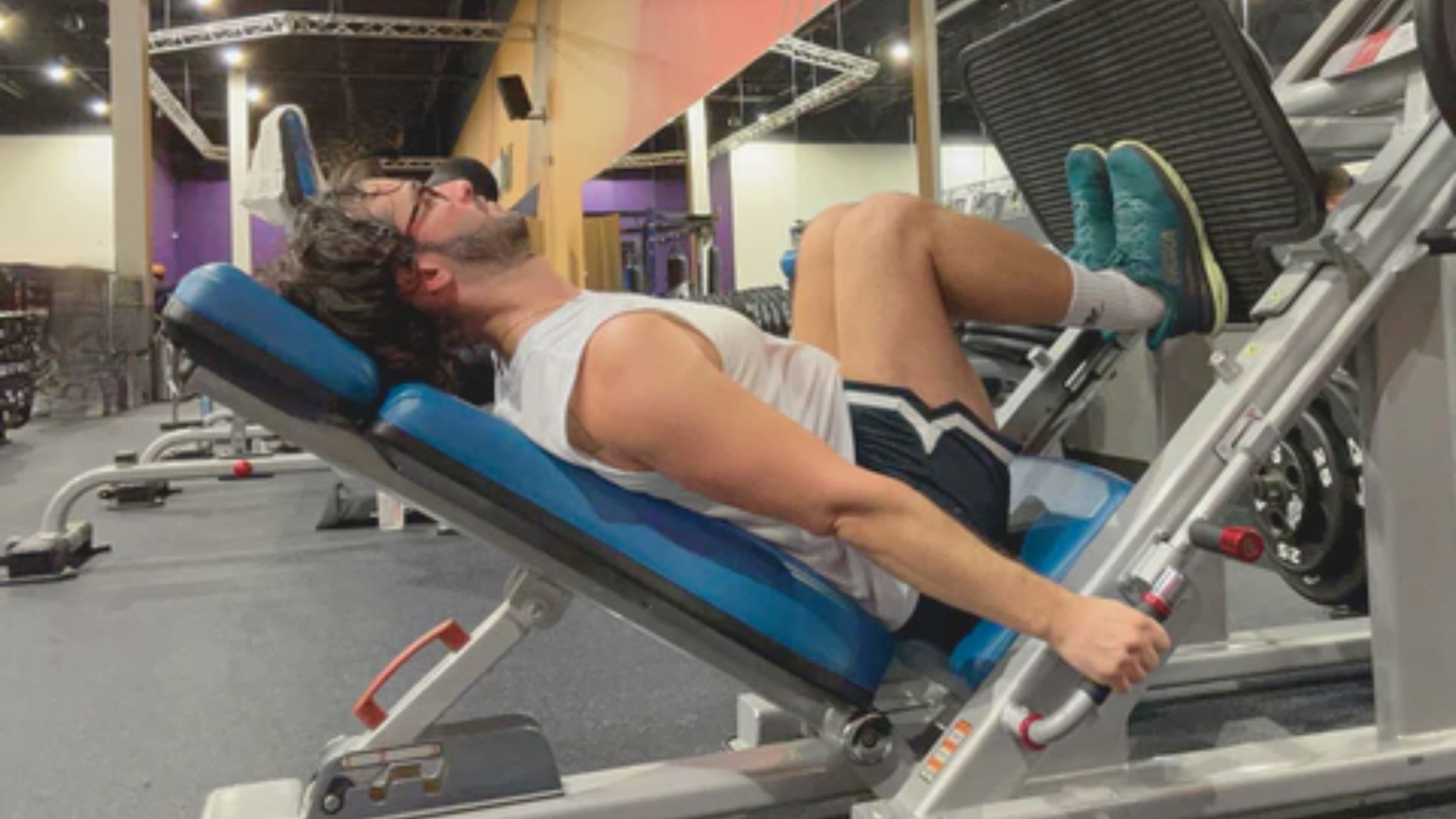
Learn what muscles the leg press targets and which machine setup works best for quad growth.
The leg press works several muscles at once. But with the right setup, your quads take the lead.
When you lower your feet on the platform and keep a narrow stance, the quads do more of the pushing. The glutes get less range of motion, so the quads pick up the slack.
The vastus lateralis is the outer quad muscle. With a narrow foot placement, this muscle works harder and produces more force during the pressing phase.
Most gyms have the 45-degree sled-style leg press. This version allows heavier loads and keeps your spine in a safer position.
Your back should stay fully supported against the pad throughout the movement. If your lower back lifts off, either the weight is too heavy or your range of motion is too deep.
Quad Focused Leg Press Foot Placement
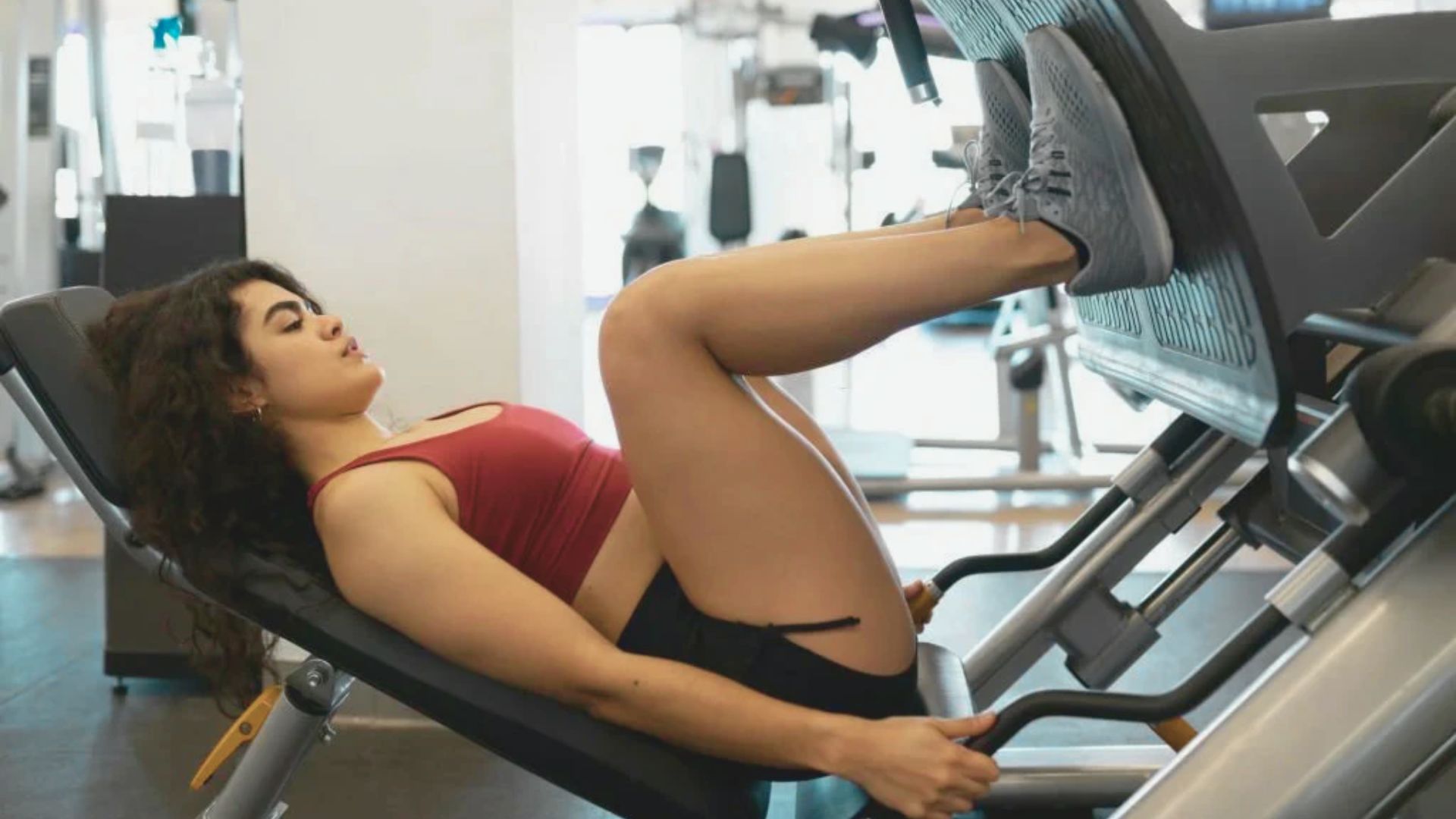
Foot placement is the single biggest factor in targeting your quads on the leg press.
Ideal Foot Position for Quad Focused Leg Press
Get this right and your quads will feel every single rep.
Place your feet in the lower half of the platform, shoulder-width or slightly narrower. Keep heels flat and toes pointing straight or slightly outward, no more than 15 to 20 degrees.
Quad Focused Leg Press Stance Mistakes to Avoid
Small errors in stance can quietly steal the work away from your quads.
A wide stance shifts focus to the glutes. Feet too high brings the hamstrings in. Heels lifting off the platform stresses the knees and means you have lost quad control.
Quad Focused Leg Press Position and Setup
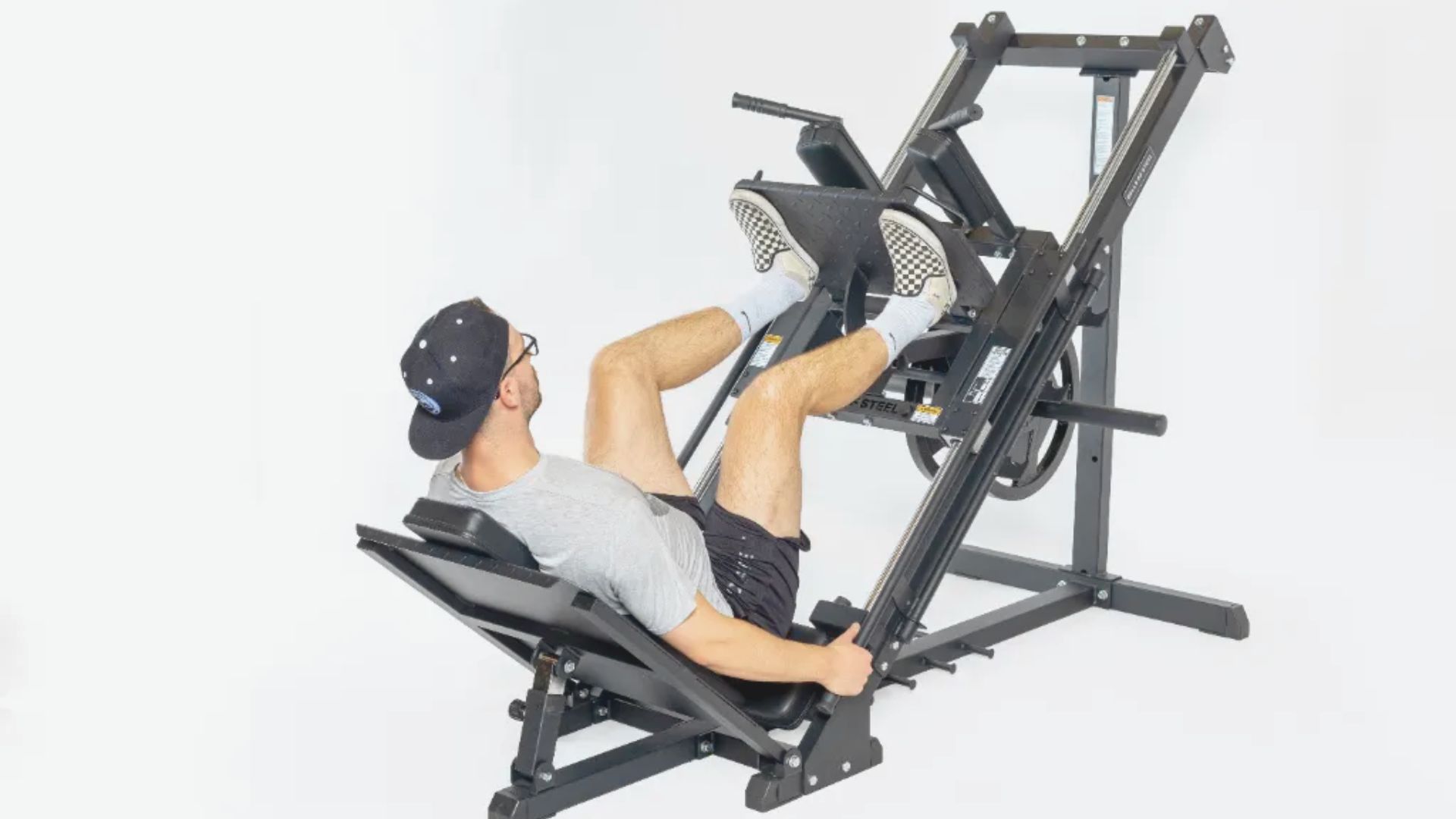
Your seat and body alignment matter just as much as where you place your feet.
Proper Seat and Back Positioning
A solid base starts before you ever press the weight.
Sit all the way back. Keep your lower back against the pad at all times. If your hips tuck under as you lower the sled, that is your stopping point.
Quad Focused Leg Press Placement Checklist
Run through this before every set to stay safe and keep your form tight.
Head on the pad. Back flat. Hips pressed into the seat. Knees tracking over toes. Feet low and shoulder-width or narrower. At the top, keep a slight bend in the knees. Do not lock out completely.
How to Do Quad Focused Leg Press Correctly
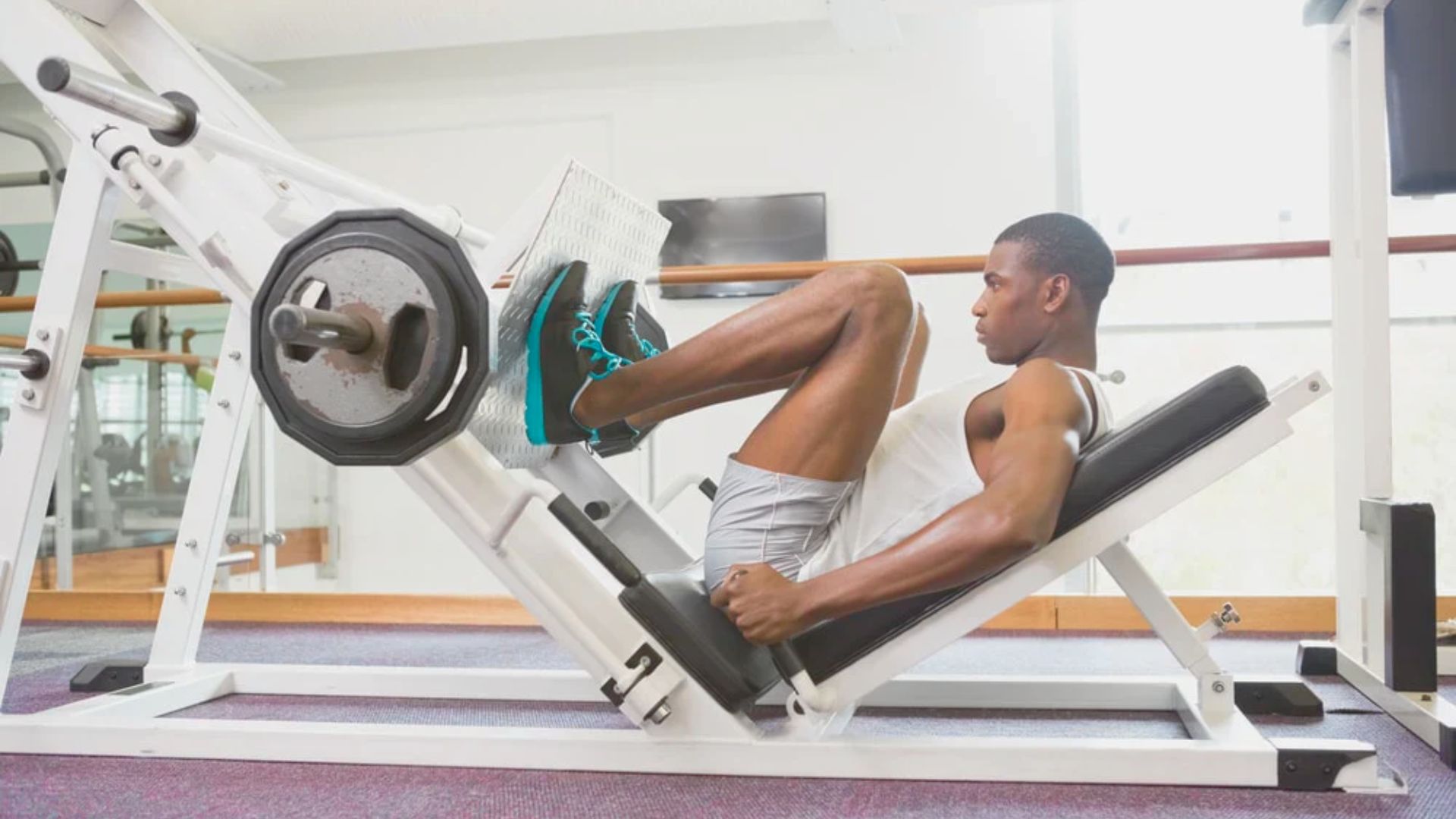
Good form turns a basic machine exercise into a powerful quad builder.
Step-by-Step Quad-Focused Leg Press Form
Follow these steps and your quads will do exactly what they are supposed to.
- Sit back and place your feet low and shoulder-width apart with heels fully flat.
- Disengage the safety handles.
- Lower the sled slowly over 3 seconds.
- Stop when your knees hit roughly 90 degrees or your lower back starts to lift.
- Press with force, exhaling as you push.
Quad Focused Leg Press Form Tips for Safety
Small tweaks to tempo and range can make a big difference in results.
Work within a 70 to 90-degree range of knee bend. Going deeper is not always better. Use a 3-second lower, a 1-second pause at the bottom, and a controlled press back up.
This keeps your quads under tension and removes momentum from the equation.
Foot Placement for Quad Focus vs. Glute Focus
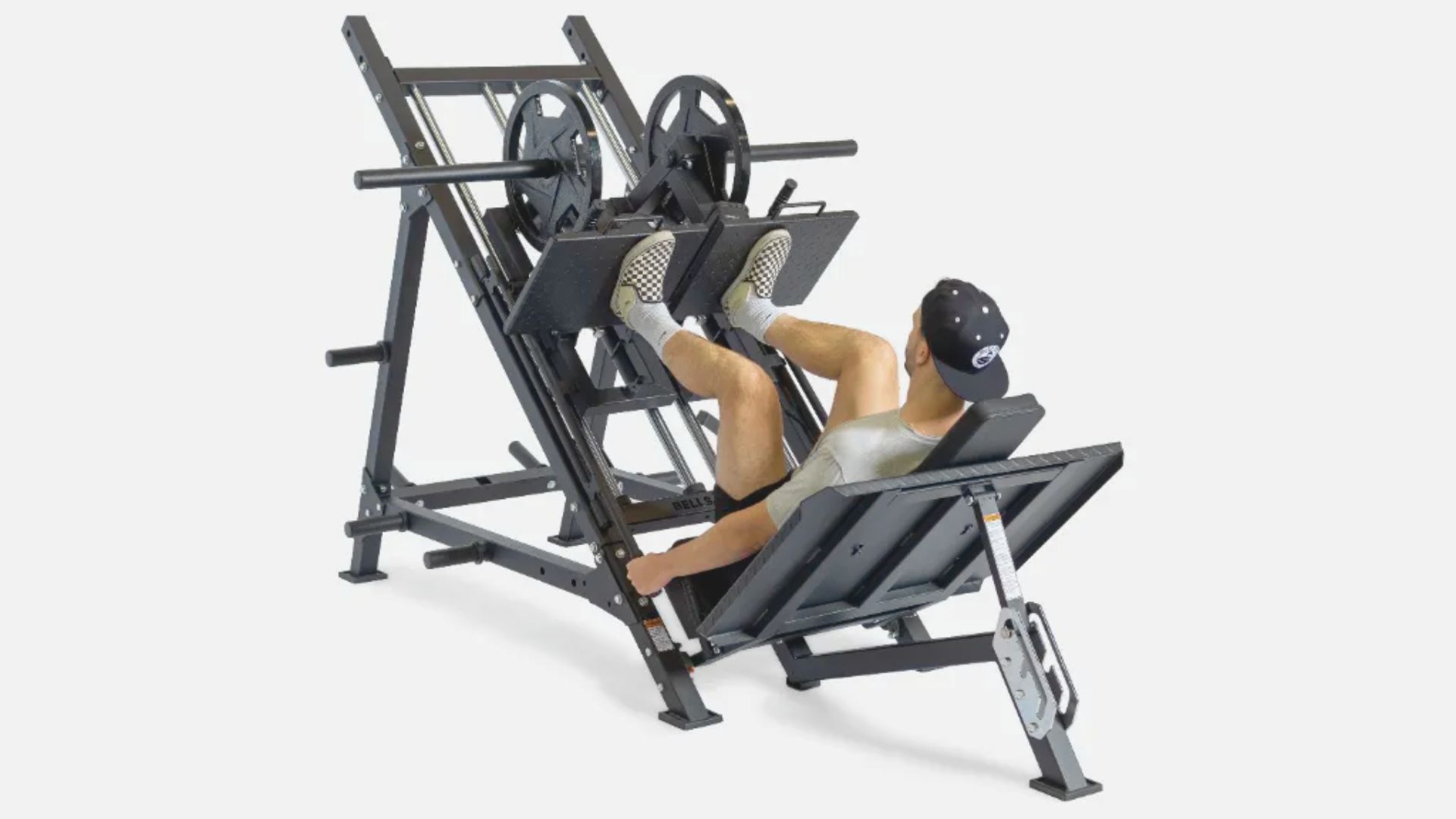
Small shifts in foot position completely change which muscles take on the work.
| Quad Focus | Glute Focus | |
|---|---|---|
|
Foot Height |
Low |
High |
|
Stance Width |
Narrow to shoulder-width |
Wide |
|
Toe Angle |
Straight or slight outward |
More outward |
If you feel it more in your glutes than quads, your feet have crept too high. Drop them back down to the lower half of the platform.
Quad Focused Leg Press Alternatives
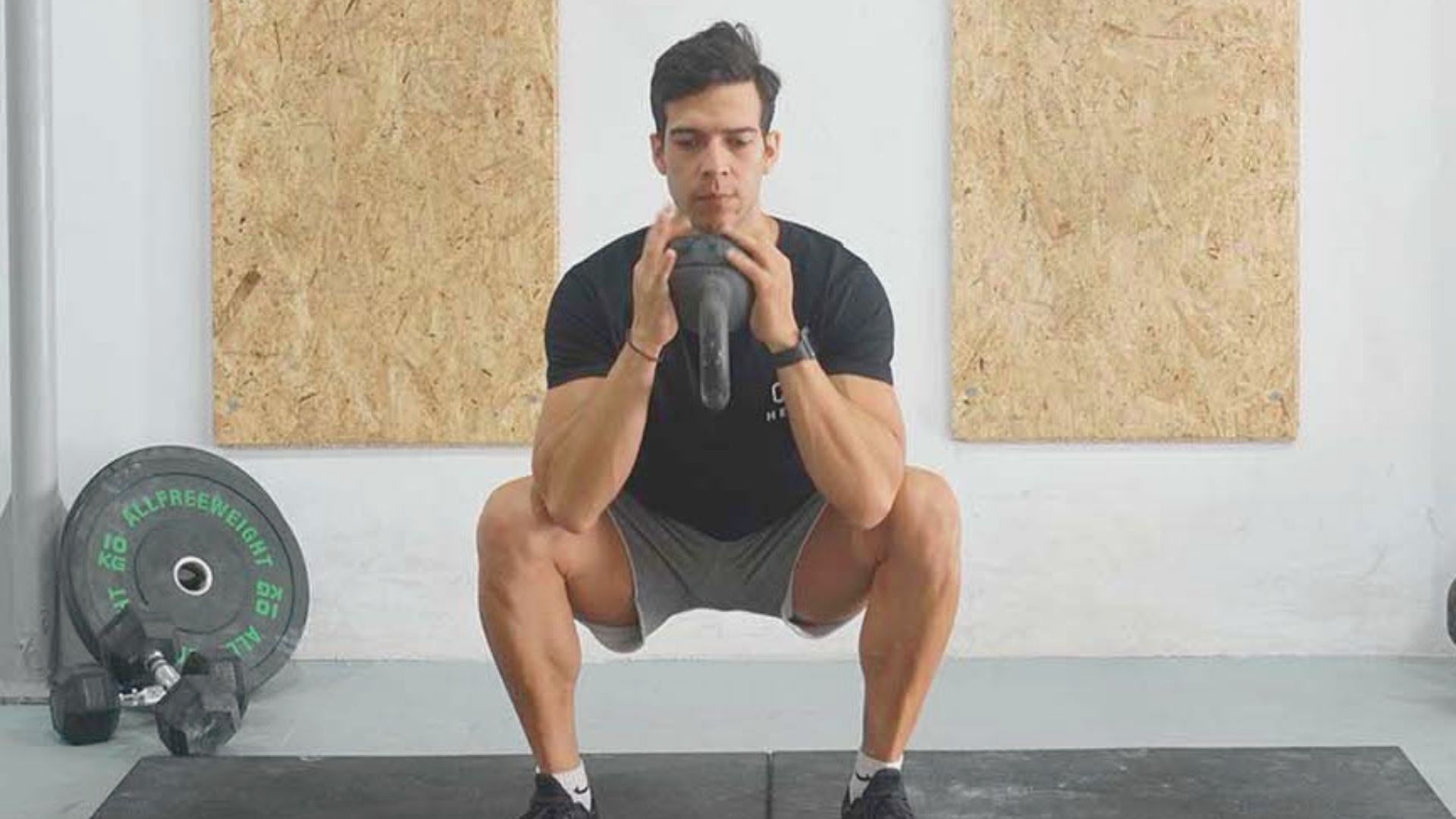
Skip the machine and still build strong, defined quads with these targeted moves.
Heel-Raised Squats
Heel-raised squats mimic the low foot placement of the leg press. Place a plate under your heels and squat down to shift the load onto the quads.
Hack Squat Machine
A hack squat machine is the closest alternative to the leg press. Keep feet low and narrow on the platform for the same quad-focused effect.
When to Use These Exercises
Use these when the leg press is occupied, when you want more variety, or if the leg press aggravates your lower back.
Common Quad Focused Leg Press Problems
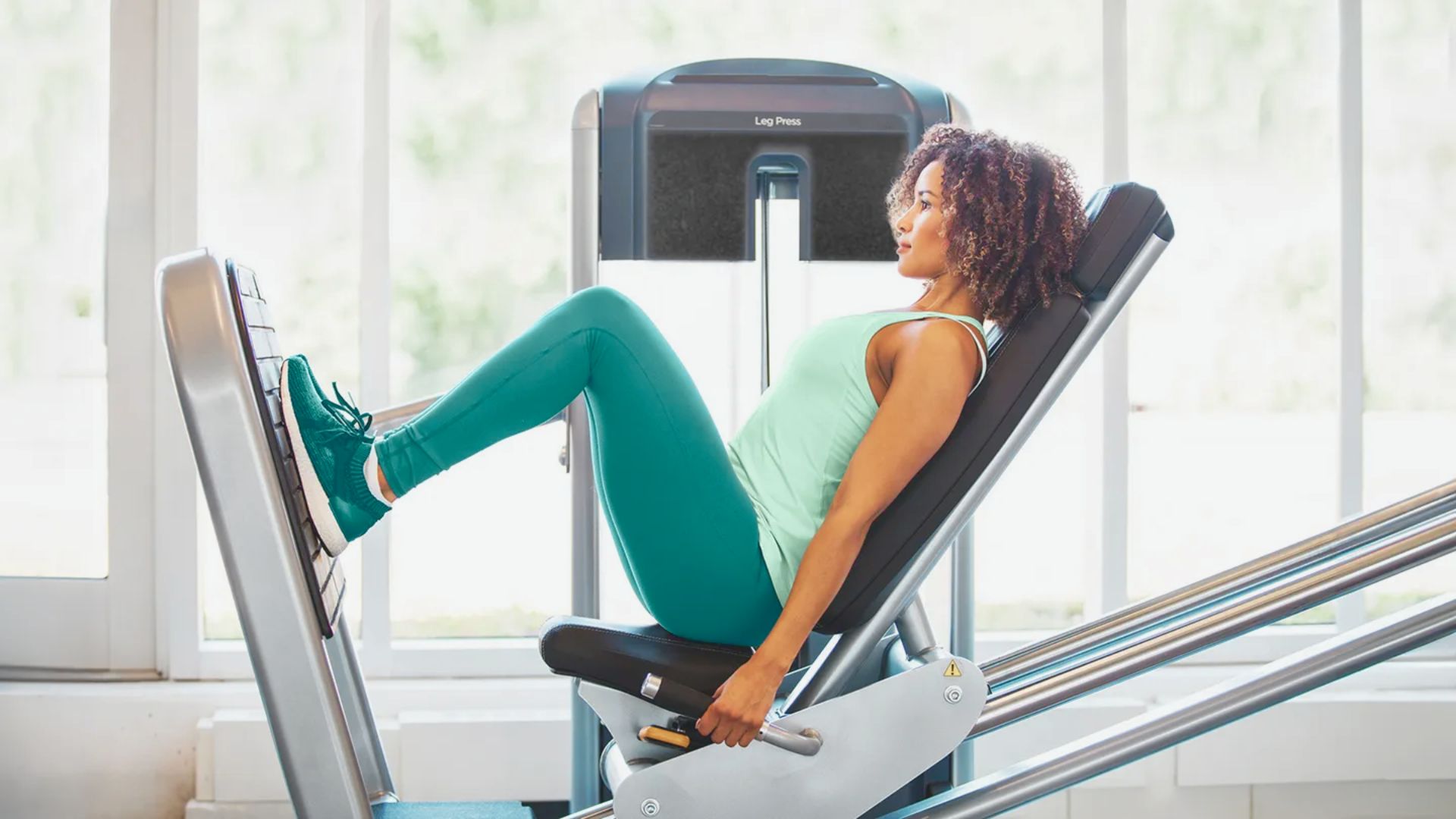
These are the most frequent issues people run into and how to fix them.
If you feel the leg press in your lower back, your range of motion is too deep. The hips are tucking under and loading the spine. Stop lowering the sled before your back lifts off the pad.
Knee pain usually comes from knees caving inward, heels lifting, or going too deep. Reduce the weight, keep knees tracking over your toes, and keep heels flat throughout.
If your quads feel silent, slow down the lowering phase and squeeze the quad hard before each set. A fast eccentric almost always means the quads are not doing the work.
Final Tips for Maximizing Quad Growth Safely
Consistency, smart progression, and body awareness are what actually build quad size.
- Add weight in small increments every one to two weeks. Jumping up too fast breaks form and raises injury risk.
- Track your sets and reps every session. Progress is easier to see when it is written down.
- Before each set, think about feeling the quads stretch on the way down and contract on the way up.
- Do not lock out at the top. Keep a slight bend in the knees to protect the joint and maintain tension.
- Experiment with small foot position changes over time. Everyone’s build is slightly different. Find what works for yours.
Conclusion
Foot placement on the leg press is one of those small things that makes a big difference.
When I first started training legs, I had no idea that moving my feet a few inches lower could completely change how my quads felt the next day.
Once I made that adjustment, quad soreness actually showed up where it was supposed to.
Try the low, narrow foot placement in your next session. See how it feels. If you found this helpful, leave a comment or share the post.
I would love to hear how your quad-focused leg press goes.
Frequently Asked Questions
What is the best foot placement for quad focused leg press?
Feet low on the platform, shoulder-width or slightly narrower, toes straight or slightly outward. This puts maximum demand on the quads.
How low should feet be on a quad focused leg press?
In the lower half of the platform. Keep a few inches from the bottom edge so your heels stay fully flat.
Can beginners do quad focused leg press safely?
Yes. Start light, keep your lower back against the pad, and stop before your hips tuck under.
Is quad focused leg press better than squats?
Both serve different purposes. The leg press loads the quads more directly. Squats build total body strength. Use both in your program.
How often should you do quad focused leg press?
One to two times per week. Allow at least 48 hours between sessions for recovery.