Building muscle shouldn’t cost you a dime. You’re broke but want to get stronger, right? I get it. Gym memberships are expensive. Equipment costs add up fast. But here’s the truthyour body is all the equipment you need.
This guide shows you exactly how to build strength at home using zero equipment. You’ll learn proven exercises that actually work, how to structure your weekly routine, and the simple progression method that guarantees results. No fancy gear. No monthly fees. Just you and gravity.
I’ve been training people for eight years, and I’ve seen folks improve using nothing but bodyweight moves. These aren’t random exercisesthey’re tested methods based on real strength-building principles. Whether you’re starting from scratch or just need a budget-friendly plan, this routine delivers real gains without draining your wallet. Ready to get started?
What Is the No Monies Exercise?
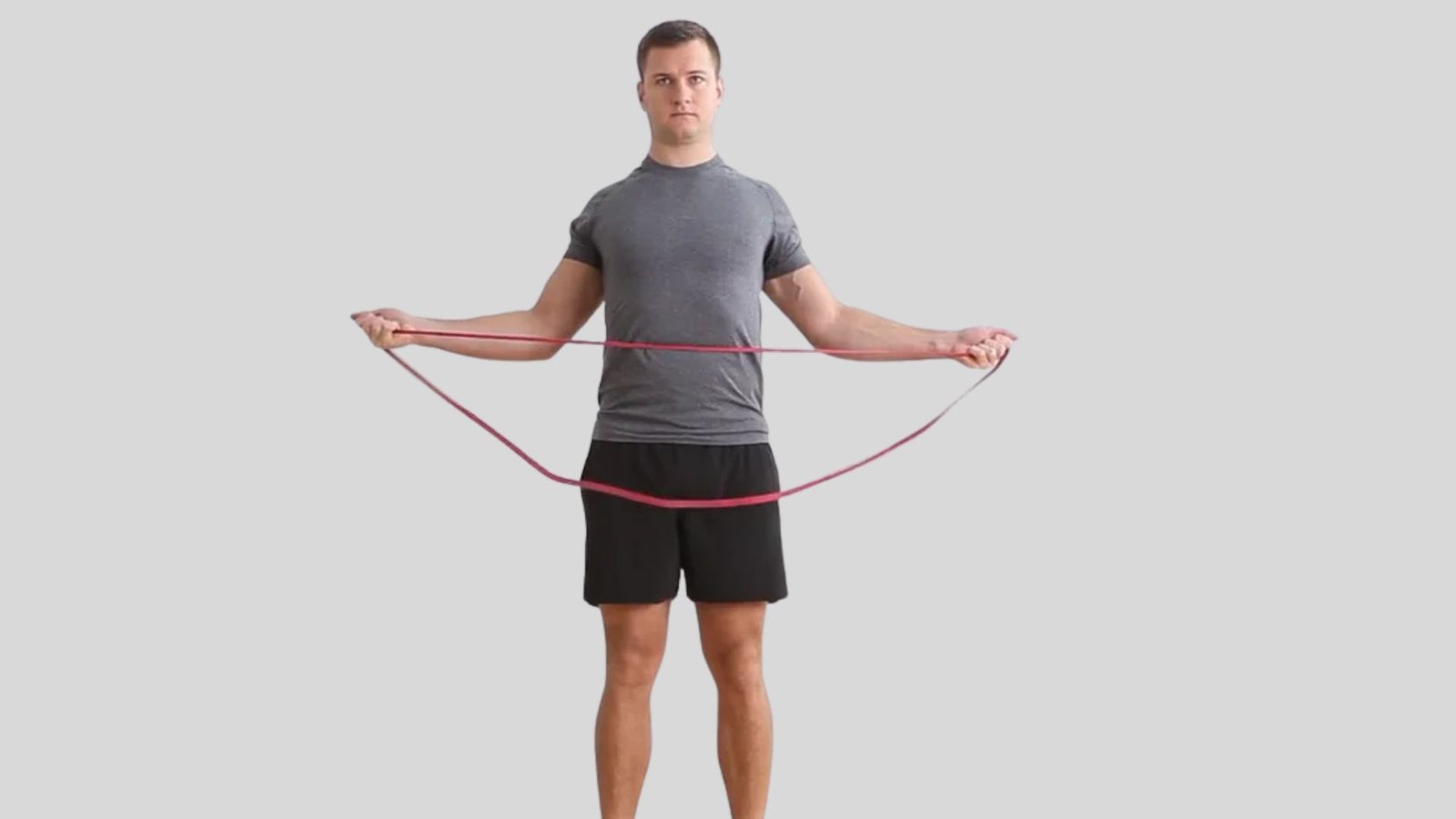
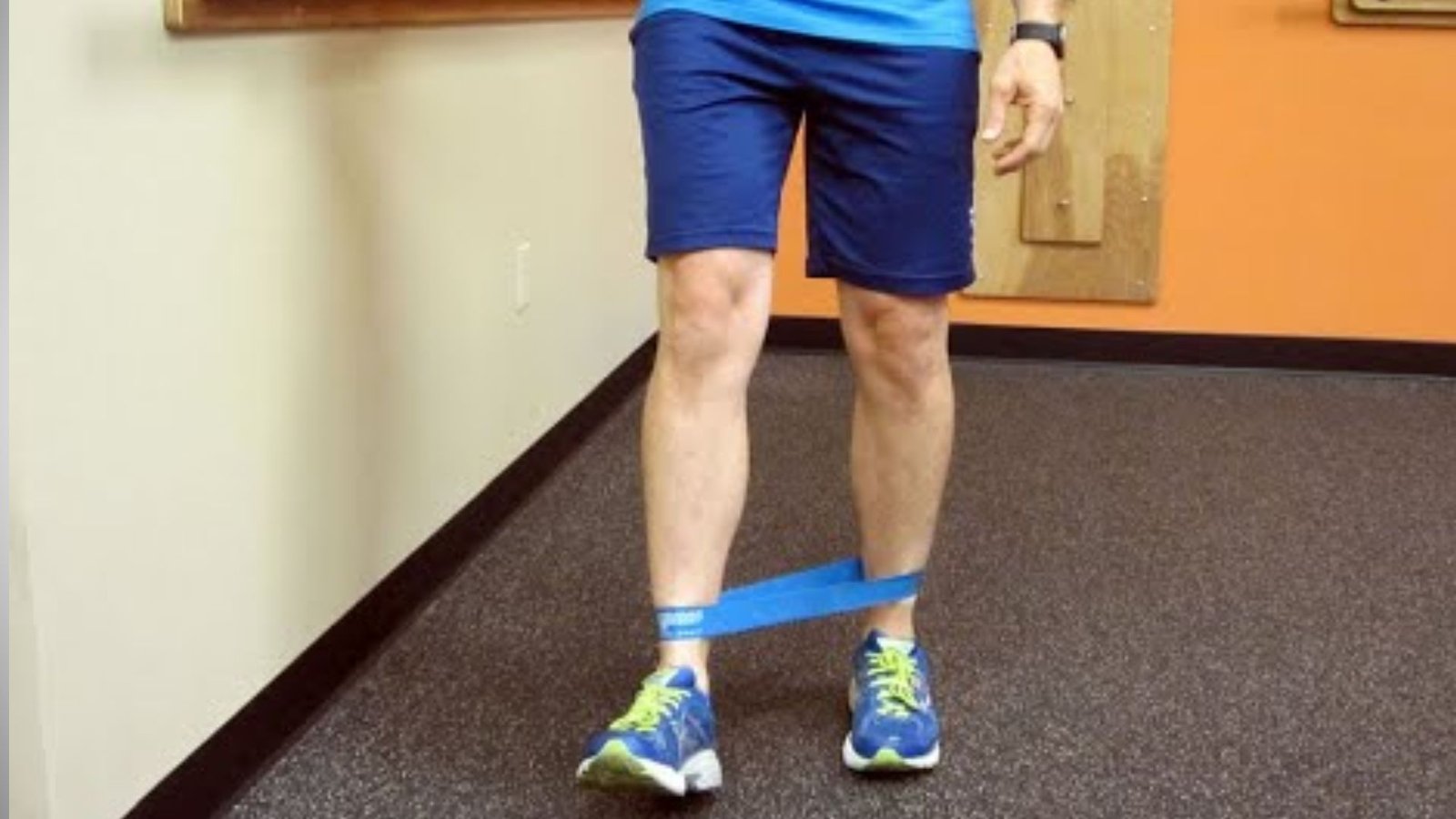
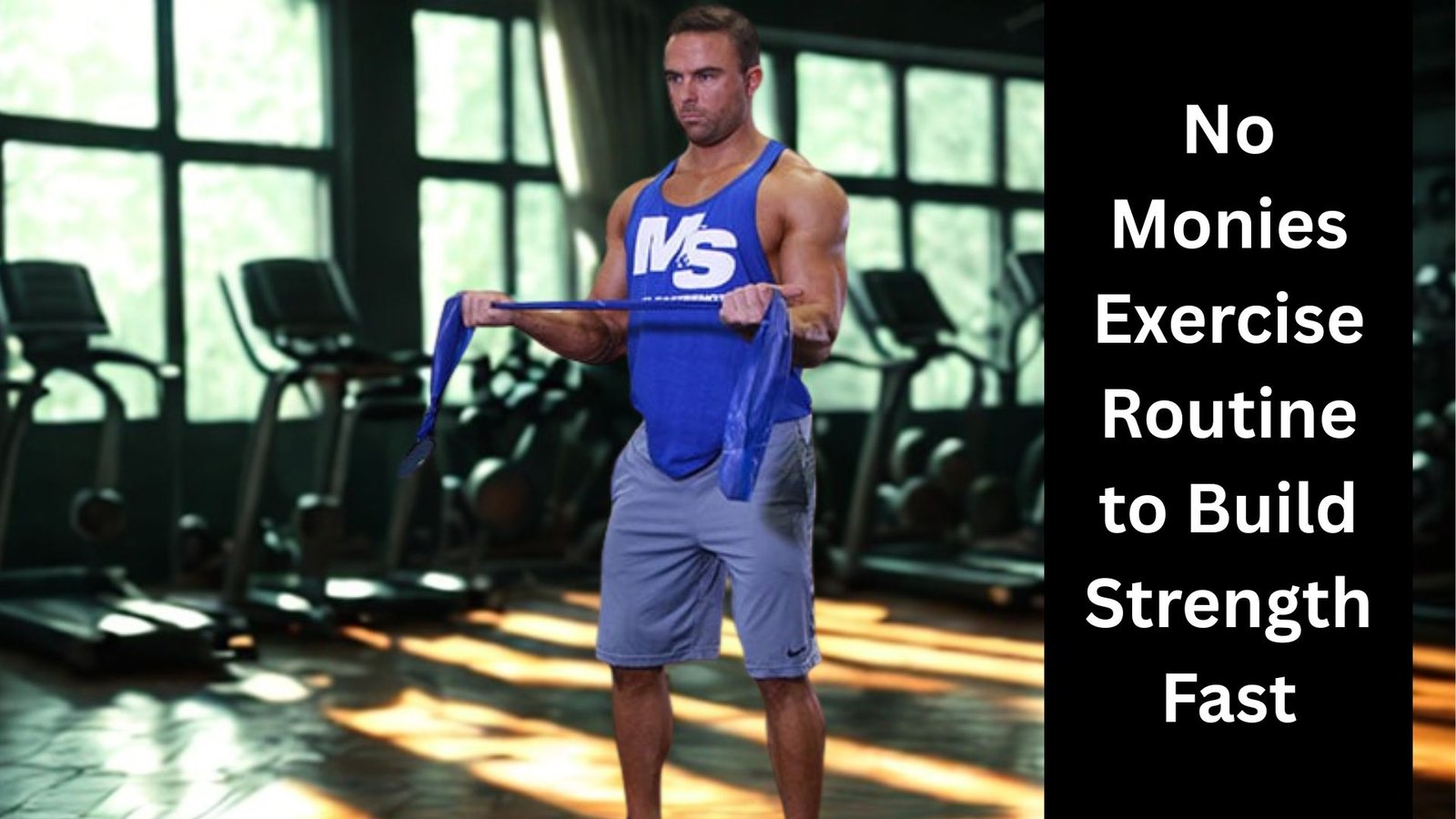
The No Monies Exercise is a simple band drill you can do anywhere. You hold a resistance band in front of you and pull your hands apart while keeping your elbows tucked. That’s it. This movement targets three key areas. Your upper back, rotator cuff, and rear deltoids. It’s not flashy. But it works.
You might see it called different names. “No Money Exercise,” “Banded No Monies,” “Standing External Rotation,” or the “J Band No Money Drill.” They all describe the same movement. I use it before throwing sessions. You’ll find it in warm-ups, shoulder prehab programs, posture correction routines, and recovery protocols for athletes. Beginner-friendly. Highly effective.
The name comes from the arm position. Imagine someone showing their empty palms to prove they have no money. Hands open. Palms up. That’s exactly what this exercise looks your arms move outward, and your palms rotate up and away from each other. Some coaches just call it “external rotation.” But “No Monies” stuck because it’s easier to remember. When I coach it, I just say, “show me you’re broke,” and everyone gets the movement right away.
Benefits of the No Money Exercise
This drill does more than warm up your shoulders. It builds strength, fixes posture problems, and keeps you injury-free. You get all that with just a band and two minutes of work.
- Rotator Cuff Strength: Targets the small stabilizing muscles in your shoulder joint while improving scapular control and activating your rear deltoids for better upper body stability
- Posture Correction: Opens up your chest and pulls rounded shoulders back into proper alignment, making it essential for desk workers fighting forward head posture
- Injury Prevention: Reduces stress on your shoulder joint and supports throwing athletes by building resilience in the rotator cuff muscles that protect you during overhead movements
- Recovery Support: Commonly used in rehab and cool-down routines to help your shoulder, elbow flexors, and wrist supinators recover after intense training sessions
- Easy Access: Beginner-friendly movement that requires only a resistance band and can be performed anywhereyour office, hotel room, or gym
Muscles Targeted
You’re not just waving your arms around. This exercise activates specific muscle groups that control shoulder movement and stability. Understanding what you’re working on helps you focus on the right areas during each rep.
- Primary Movers: Your rotator cuff muscles (infraspinatus and teres minor) handle the external rotation, while your rear deltoids fire up to pull your arms back and stabilize the movement
- Upper Back Support: Rhomboids and scapular stabilizers in your upper back squeeze together to control your shoulder blades and maintain proper positioning throughout the entire range of motion.n
- Core Control: Your elbow flexors and wrist supinators assist during the J Band variation, while core engagement keeps your trunk stable and prevents you from leaning or compensating with poor form
How to Do the No Monies Exercise?
Perfect form matters more than heavy resistance. I’ve seen people rush through this drill and miss all the benefits. Follow these steps exactly, and you’ll feel the right muscles working from rep one.
Step 1: Set Up Your Position
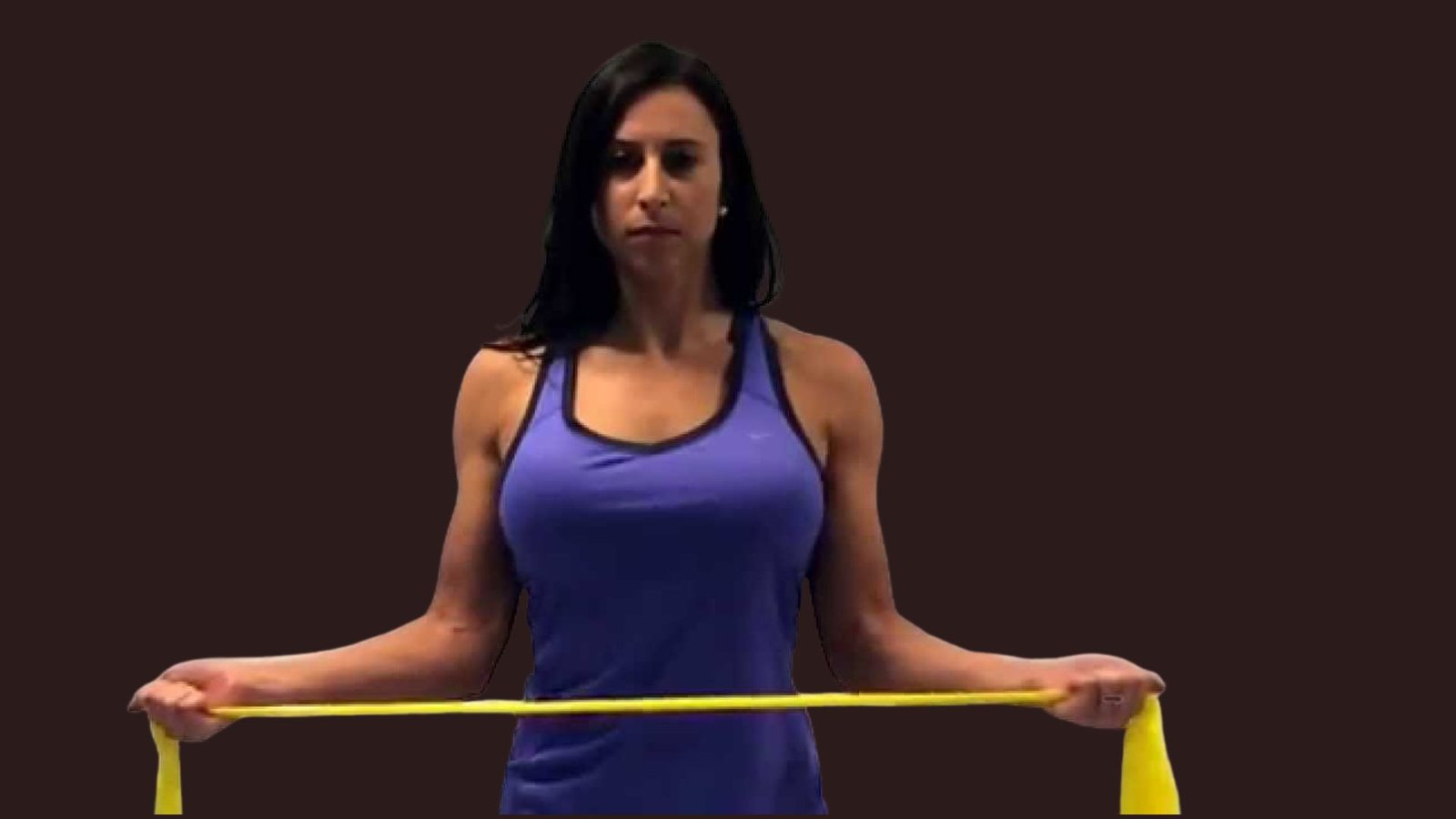
Grab your resistance band first. Stand with your feet shoulder-width apart in an athletic stance. Not stiff. Not lazy. Just balanced and ready.
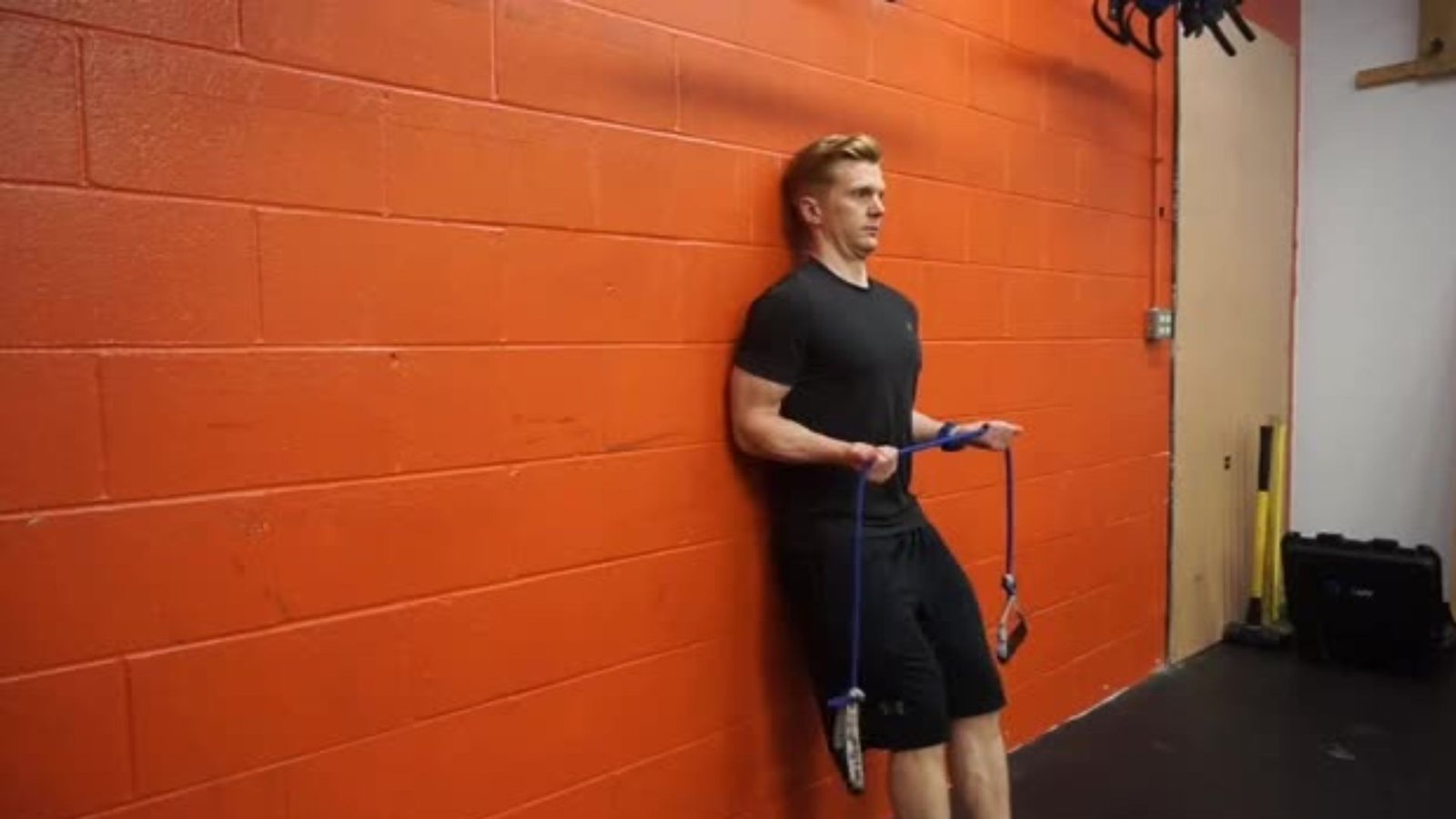
Hold the band with both hands using a palms-up grip. Bend your elbows to 90 degrees. Now here’s the critical parttuck those elbows tight against your torso. They don’t move from your sides during the entire exercise.
Step 2: Begin the Movement
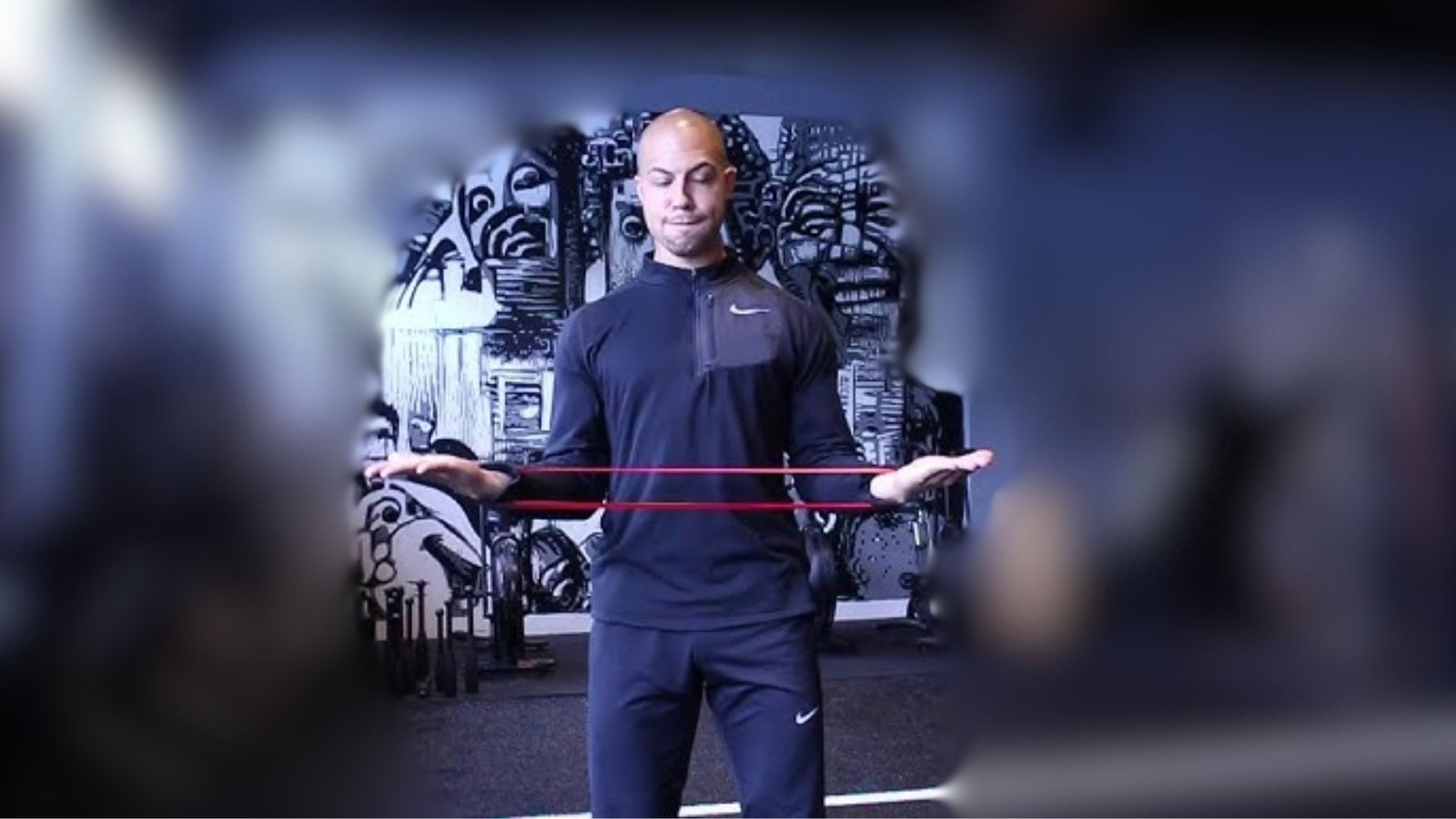
Take a breath in. That’s your cue to start. Pull the band apart slowlyand I mean slowly. This isn’t a speed drill.
Your shoulders rotate externally while your elbows stay glued to your ribs. Keep your forearms parallel to the ground. No lifting. No dropping. Just smooth rotation outward.
Step 3: Peak Contraction
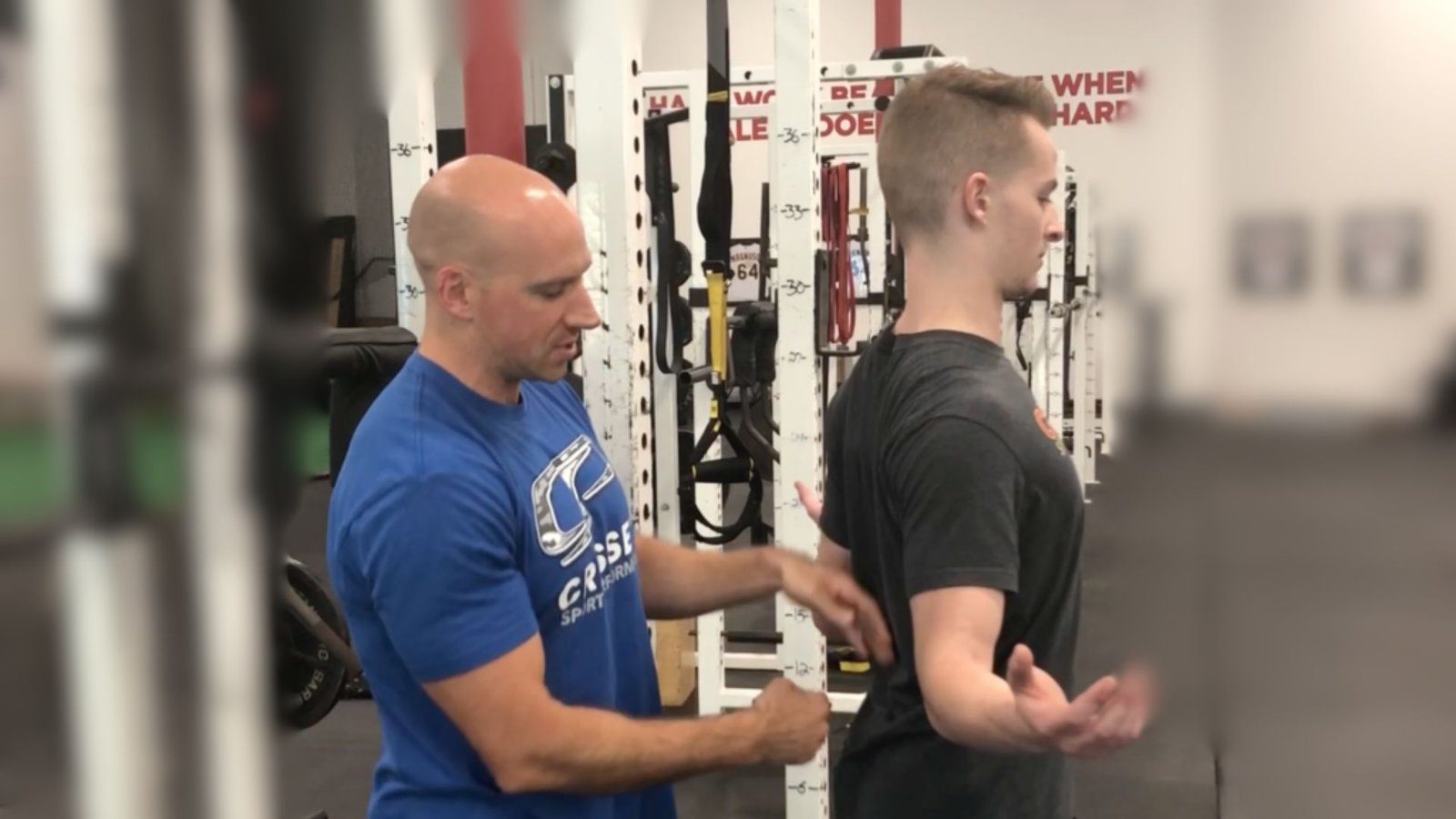
You’ve reached the end position when you can’t rotate any further. Your palms face up and out. You should feel your shoulder blades squeezing together in your upper back.
Hold that squeeze for a second. This is where the magic happens. Focus on muscle activation over how far you can pull. Quality beats range of motion every single time.
Step 4: Controlled Return
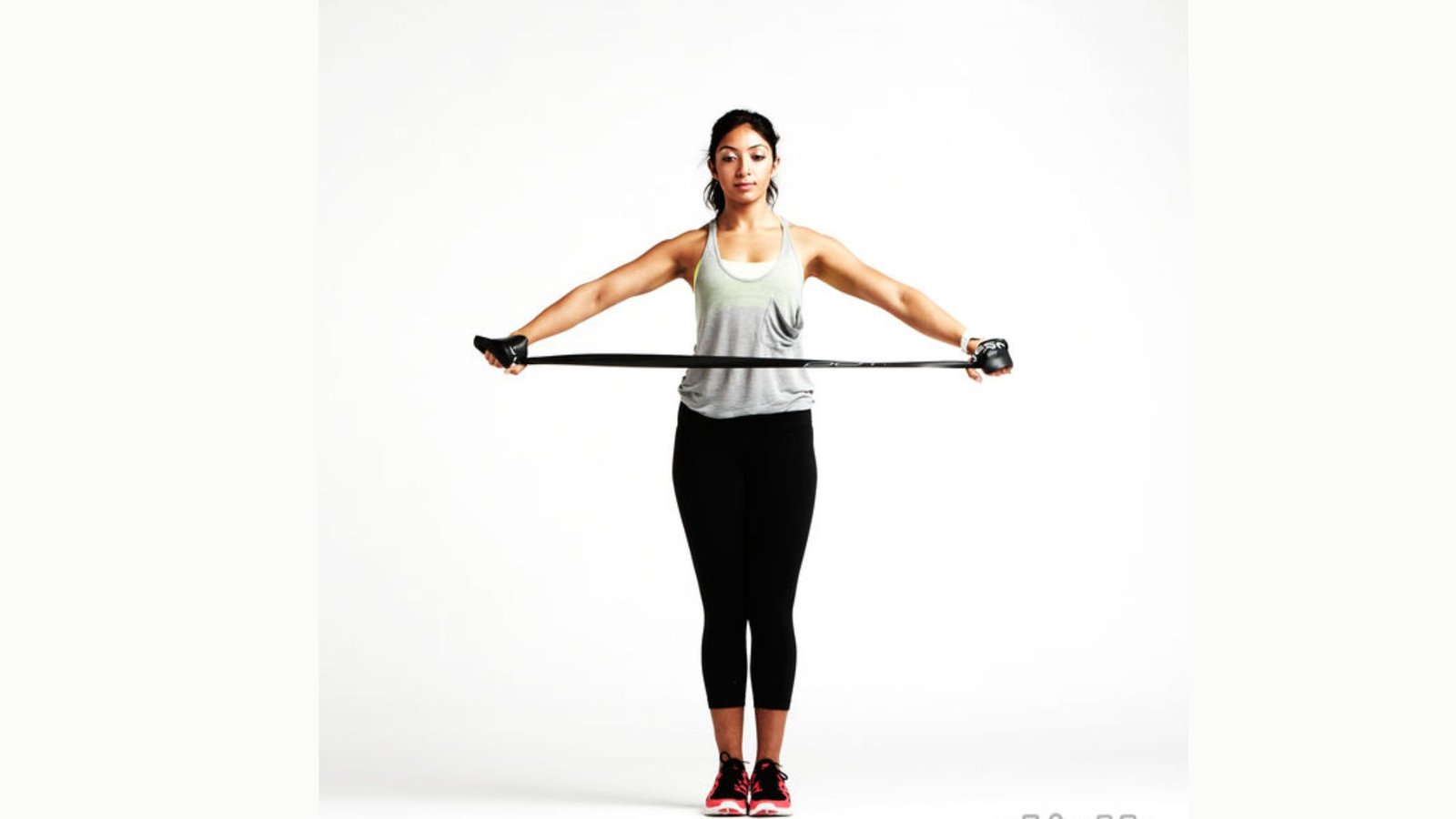
Exhale as you bring your hands back together. The return phase is just as important as the pull. Control the banddon’t let it snap back.
Keep tension throughout the entire movement. Your muscles should still be working on the way back. That constant tension builds strength faster than quick, sloppy reps.
Step 5: Repetitions & Sets
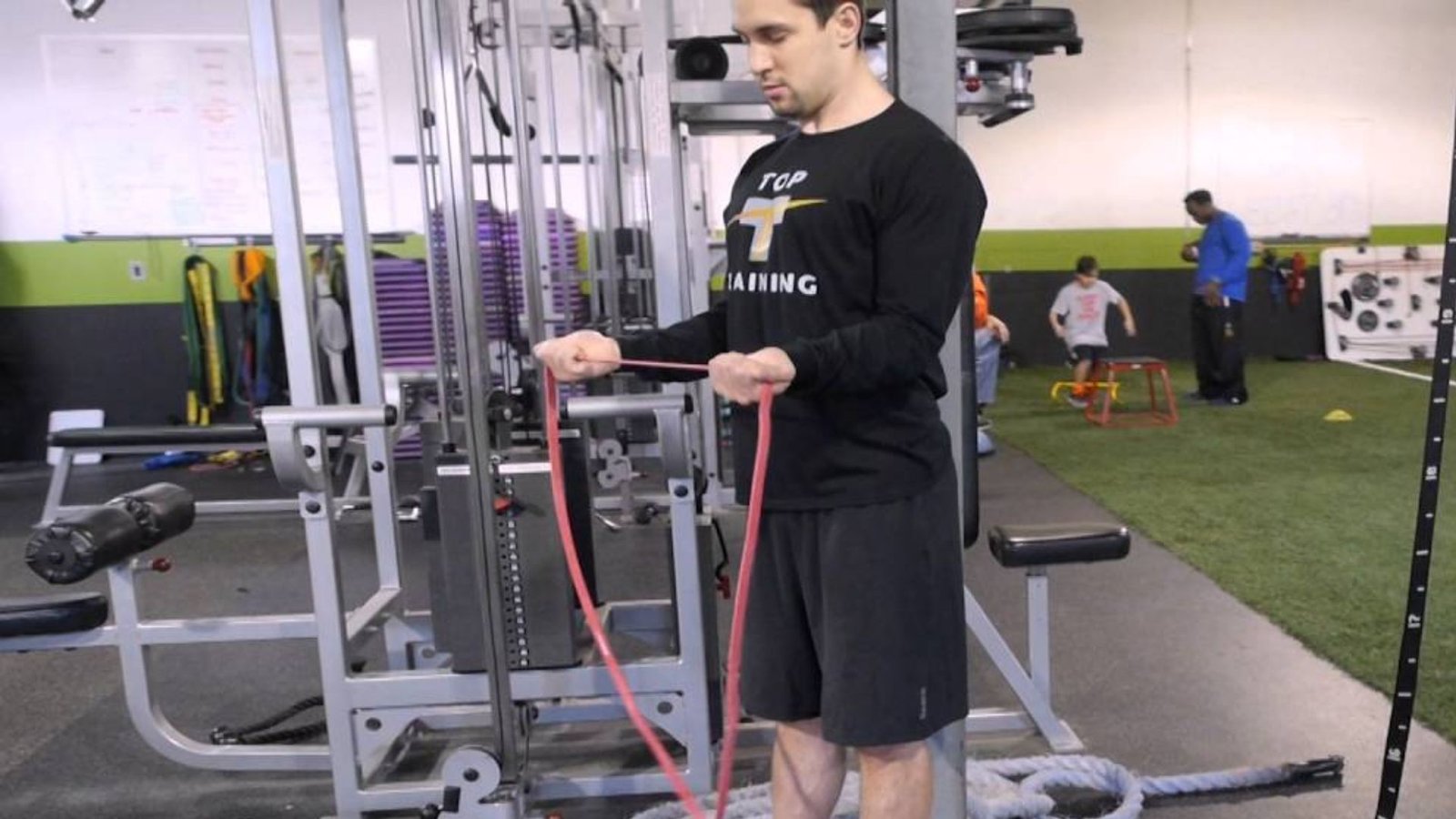
Start with 3 sets of 10 reps. That’s the standard used in most J Band routines. Simple and effective.
Only add more volume when your form is perfect. I’d rather see you do 3 clean sets than 5 messy ones. Proper form first. Extra reps second.
How Often Should You Do It?
Frequency depends on your goals. Some people need this daily. Others use it only before training. Listen to your body and adjust based on what you’re trying to fix.
- Pre-Workout Activation: Use 2-3 sets before upper body training sessions to wake up your rotator cuffs and prime your shoulders for heavy lifting or throwing movements
- Rest Day Maintenance: Perform this drill on off days to maintain shoulder health and improve mobility without adding fatigue. It’s light enough for active recovery work.
- Posture Fix: Do one quick set every morning or during work breaks if you’re correcting rounded shoulders and fighting the effects of sitting at a desk all day
Who Should Use the No Money Exercise?
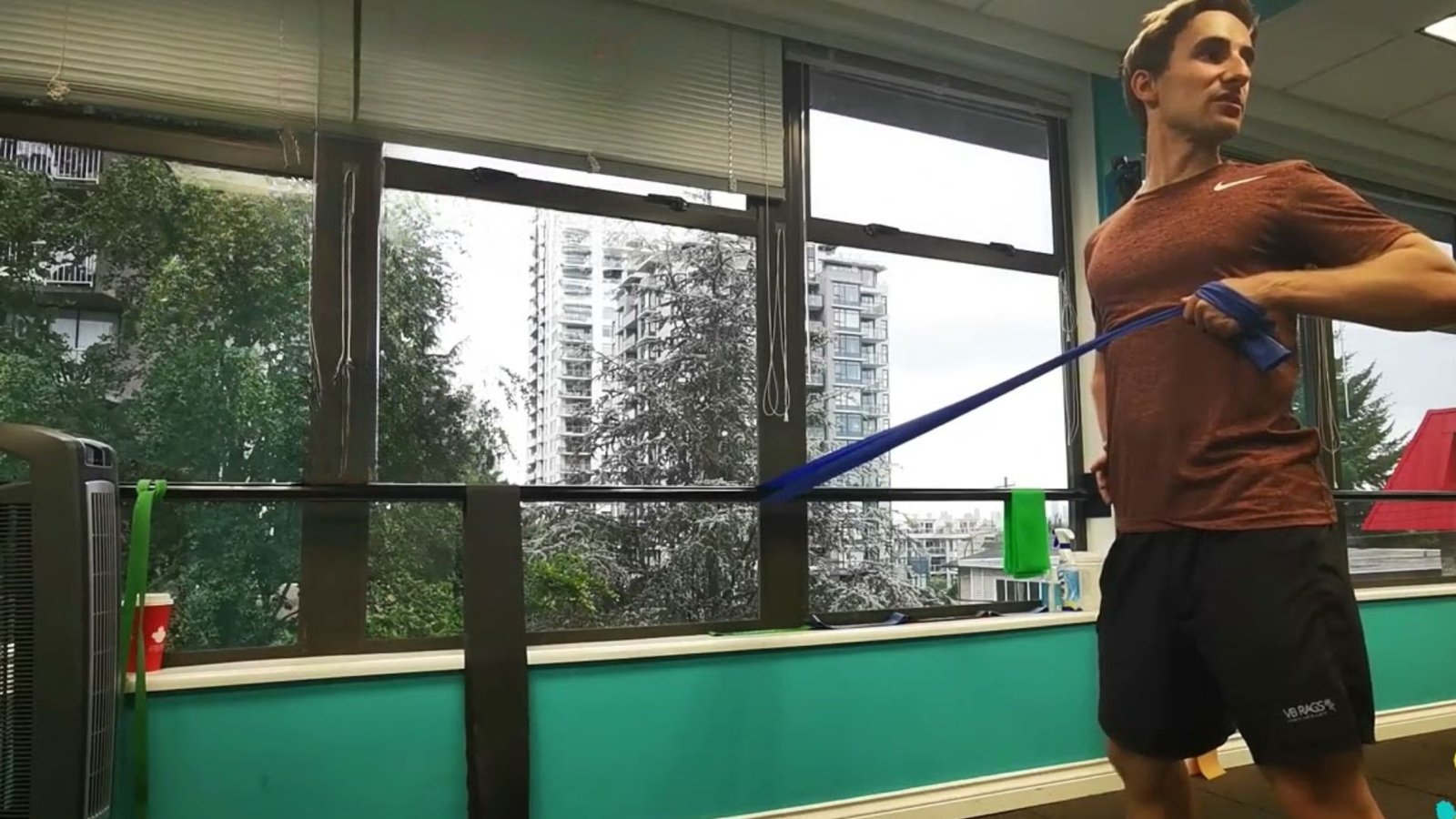
This drill works for almost everyone. You don’t need to be an athlete or have shoulder problems. Anyone can benefit from stronger rotator cuffs and better posture.
- Desk Workers: If you spend hours hunched over a keyboard with rounded shoulders and forward head posture, this exercise opens up your chest and retrains proper shoulder positioning
- Overhead Athletes: Throwers, lifters, and swimmers put massive stress on their shoulder joints. This drill strengthens the small stabilizing muscles that protect you during high-velocity movement.s
- Recovery Cases: People dealing with shoulder tightness, muscle imbalances, or post-injury rehab use this as a gentle way to rebuild rotator cuff strength without aggravating existing issues
Common Mistakes to Avoid
Most people mess up this exercise in predictable ways. I’ve corrected these errors hundreds of times. Avoid these mistakes, and you’ll get better results while keeping your shoulders safe.
- Elbow Drift: Your elbows float away from your torso during the pull, which shifts the work from your rotator cuff to your deltoids and completely changes the exercise intent
- Heavy Resistance: You grab a band that’s too strong and end up compensating with your entire upper body just to complete the movement instead of isolating the target muscles
- Speed Reps: You rush through repetitions without controlling the band tension, missing the mind-muscle connection and turning a precise activation drill into sloppy arm swinging
Training Tips for Better Results
Small adjustments make a huge difference with this exercise. I’ve watched athletes improve their shoulder health by fixing simple form errors. These tips separate average results from exceptional ones.
- Elbow Position: Keep your elbows locked tightly against your torso like a screw pinning them in. This prevents forearm drifting and forces your rotator cuff to do all the work.
- Back Alignment: Don’t arch your lower back or let your head jut forward during the movement. Compensations steal tension from your shoulders and loads the wrong muscle.s
- Trap Dominance: Avoid letting your traps or biceps take over the exercise by keeping your shoulders down and back while focusing purely on external rotation at the shoulder joint
- Controlled Tension: Use small, deliberate movements that prioritize muscle activation over pulling the band as far as possiblemaintain constant tension throughout every single rep
- Breath Pattern: Inhale deeply as you pull the band apart to stabilize your core, then exhale smoothly when returning your hands to the starting position for better control
Conclusion
You now have everything you need for a solid No Monies Exercise routine. Push-ups, squats, planks, and lunges build real strength without spending a cent. Stick to three sessions per week. Progress by adding reps or making moves harder. Your body adapts fast when you stay consistent.
Money was never the barrier was just knowing what actually works. You’ve got the plan now. Start with what you can do today, even if it’s just five push-ups. Small steps lead to big changes over time.
Drop a comment below about which exercise you’re starting with. Share this with anyone who thinks they can’t afford to get fit. Check out our other free training guides if you want more routines. Your strength process starts right now, excuses, no costs, just results.
Frequently asked questions
Can you really build strength without spending money on equipment?
Yes, absolutely. Bodyweight exercises like push-ups, squats, pull-ups, and planks effectively build muscle and strength. Your body provides natural resistance. Millions of athletes, prisoners, and military personnel have built impressive strength using only bodyweight training. Progressive overload works with or without weights.
How long before I see results from No Money Exercise routines?
You’ll notice strength gains within 2-3 weeks. Visible muscle changes appear around 6-8 weeks with consistent training. Beginners see faster progress initially. Train 3-4 times weekly, eat enough protein, and sleep well for the best results. Patience and consistency matter most.
What are the best free exercises to build strength fast?
Push-ups target the chest, shoulders, and triceps. Squats build legs and glutes. Planks strengthen your core. Pull-ups develop back and biceps (use a sturdy tree branch or park bar). Lunges work legs differently. These five exercises cover your entire body effectively.
Do I need a gym membership to get strong?
No. Gym memberships offer convenience and variety, but they’re not necessary for building strength. Bodyweight training, park equipment, and household items provide everything needed. Many elite athletes train primarily with bodyweight exercises. Commitment matters more than location or equipment.
How often should I do No Monies Exercise workouts?
Train 3-4 times per week for optimal results. Your muscles need rest days to recover and grow stronger. Beginners should start with three sessions weekly. Space workoutsevenly on Monday, Wednesday, a nd Fridaworkks well. Listen to your body and avoid overtraining.