
Want to build stronger legs that power you through daily activities and workouts? You’re in the right place. I’ve spent years training and coaching others, and I know what works.
In this guide, I’ll show you lower body push exercises that target your quads, glutes, and calves. These movements will help you gain strength, improve your balance, and perform better in sports and life.
You’ll learn proper form, get workout plans for every level, and see real results. No confusing jargon, just simple, proven exercises that actually work. Let’s get your legs stronger.
What Are Lower Body Push Exercises?
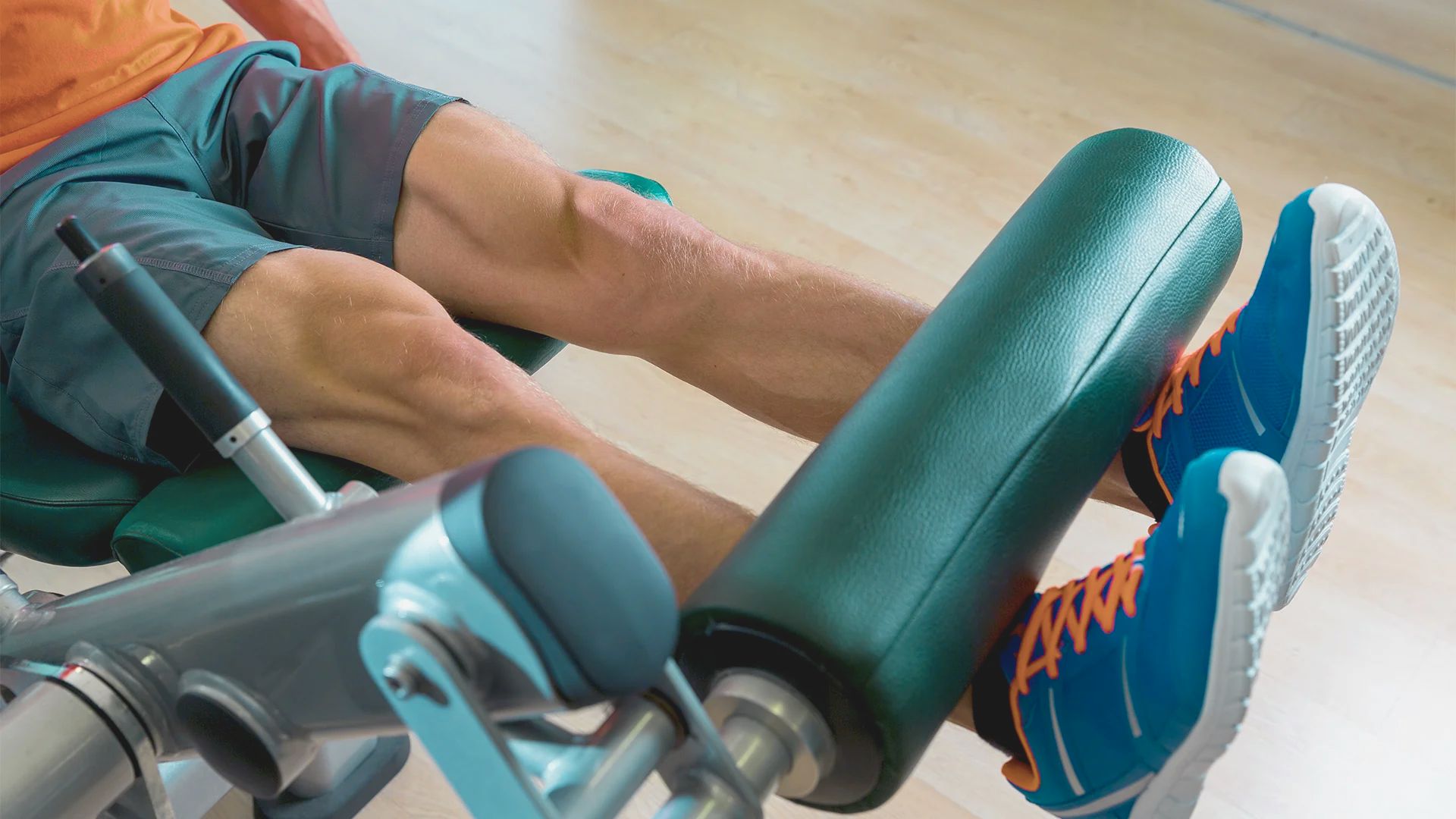
Lower body push exercises are movements where you push against resistance using your legs. Think squats, lunges, and leg presses.
These exercises extend your hips and knees. They mainly work your quads (front thighs), glutes (butt muscles), and calves (lower legs). Your hamstrings and core help stabilize you during the movements.
Push training builds leg strength, improves performance, and creates balanced muscle growth.
Best Lower Body Push Exercises for Stronger Legs
These nine exercises target your quads, glutes, and calves to build serious leg strength for better performance and daily activities.
1. Barbell Squat

The barbell squat works your entire lower body at once. Rest the bar on your upper back. Stand with feet shoulder-width apart.
Lower until thighs are parallel to the ground, then push through your whole foot to stand up. Keep weight over mid-foot and don’t let knees cave inward. Start light and focus on form before adding weight.
2. Goblet Squat

Hold a dumbbell at your chest while squatting. Perfect for beginners since the front-loaded weight teaches proper form naturally.
This squat really works your quads. You can squat deeper for more muscle activation. Start light and progress to heavier weights as you improve.
3. Leg Press
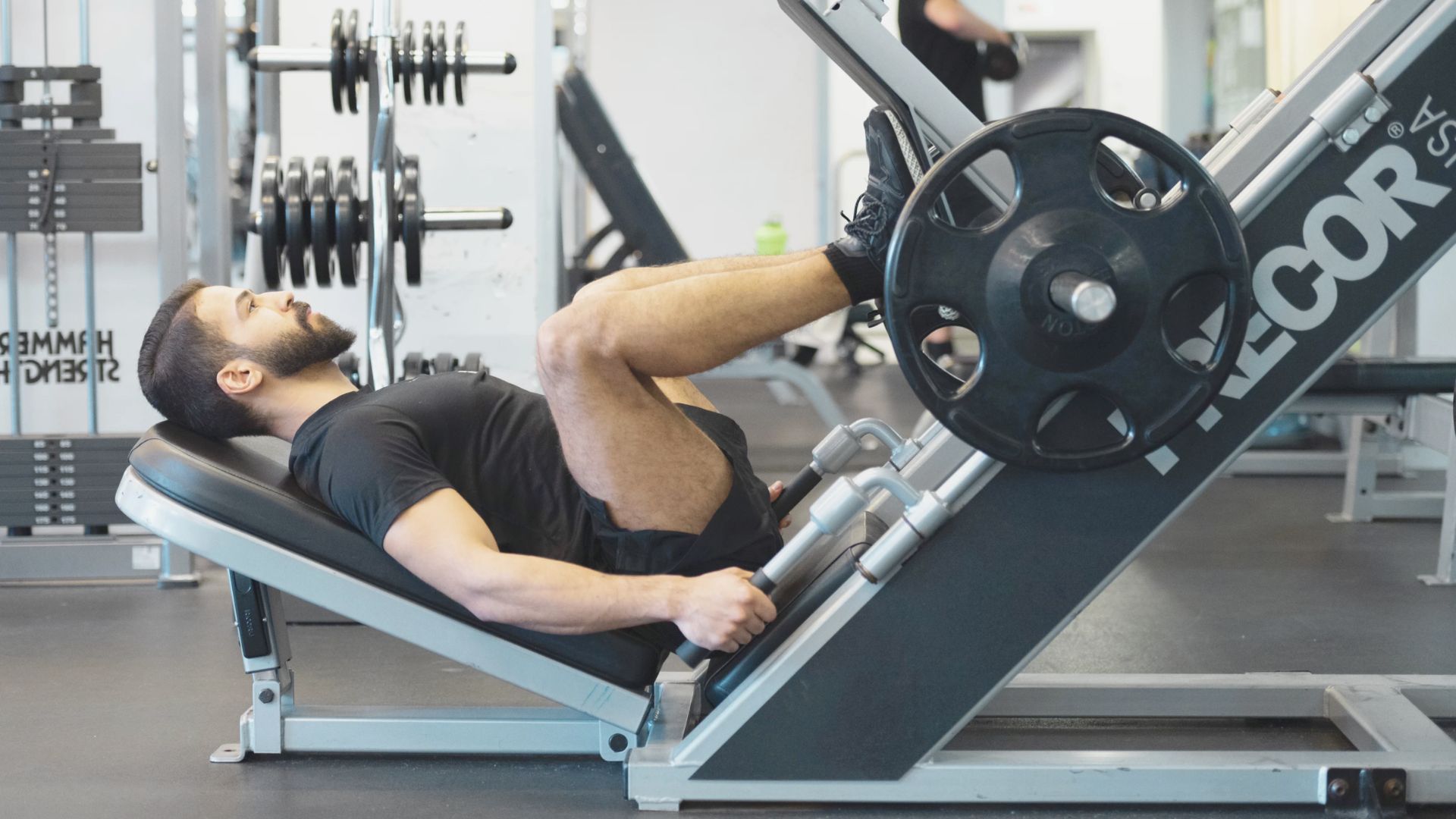
The leg press lets you push heavy weight safely with back support. Place feet shoulder-width apart on the platform. Lower until knees reach 90 degrees, then push away without locking knees.
Narrow stance hits quads more. Wide stance targets glutes. Never let your lower back round off the pad and always use safety stops.
4. Bulgarian Split Squat
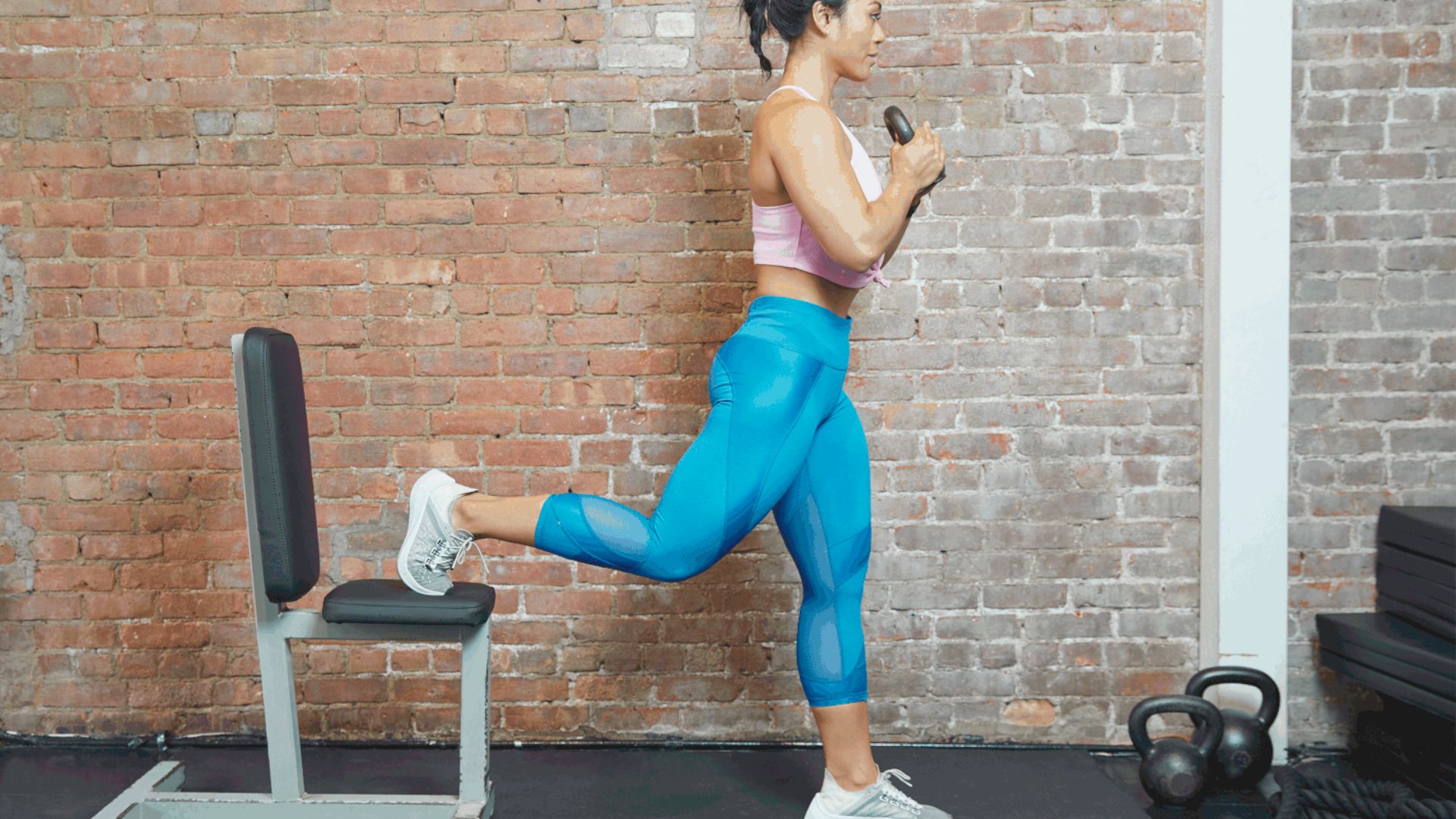
Lifts your back foot on a bench while squatting on one leg. This fixes strength imbalances between legs since each leg handles the full workload.
It challenges your balance and builds core strength. Start with just body weight. Hold something for support if balance is tough.
5. Walking or Reverse Lunges
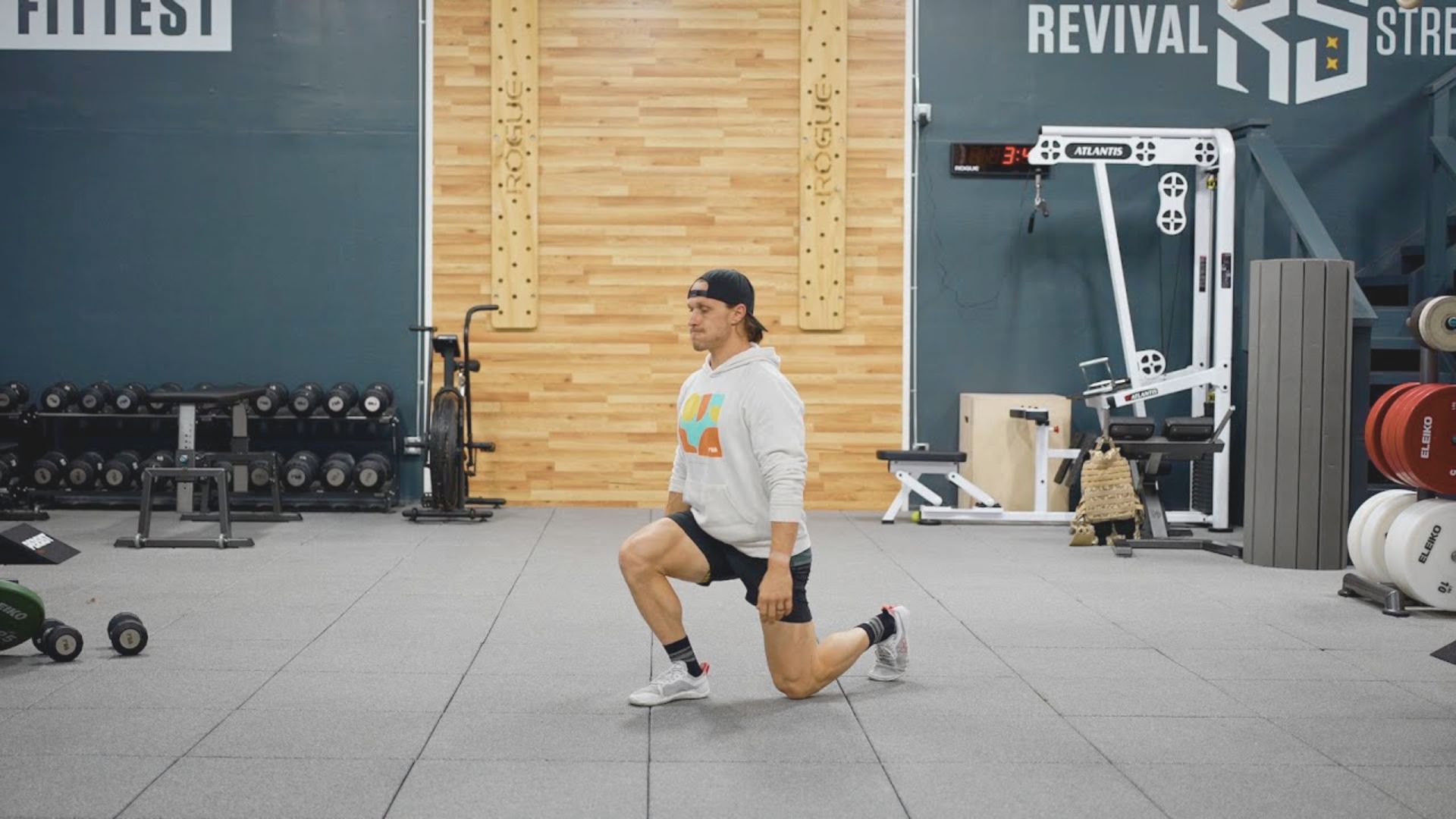
Lunges work your quads, glutes, and improve coordination. Step forward or backward with one leg. Lower your back knee toward the ground. Keep your front knee behind your toes.
Reverse lunges are easier on knees and better for beginners. Longer steps emphasize glutes more while shorter steps target quads.
6. Step-Ups

Step onto a raised surface while holding weights. Start with a 16-20 inch height that brings your thigh parallel to the ground. Hold dumbbells or wear a weighted vest to increase difficulty.
This exercise directly improves climbing stairs, hiking, and getting out of chairs. The single-leg nature builds practical strength.
7. Glute Bridge (or Hip Thrust)

These exercises specifically target your glutes. Lie on your back with knees bent. Push your hips toward the ceiling and hold for 1-2 seconds at the top. Start with body weight, then add a barbell across your hips.
Hip thrusts use a bench to elevate your shoulders for greater range of motion. Strong glutes improve posture and protect your lower back.
8. Calf Raises
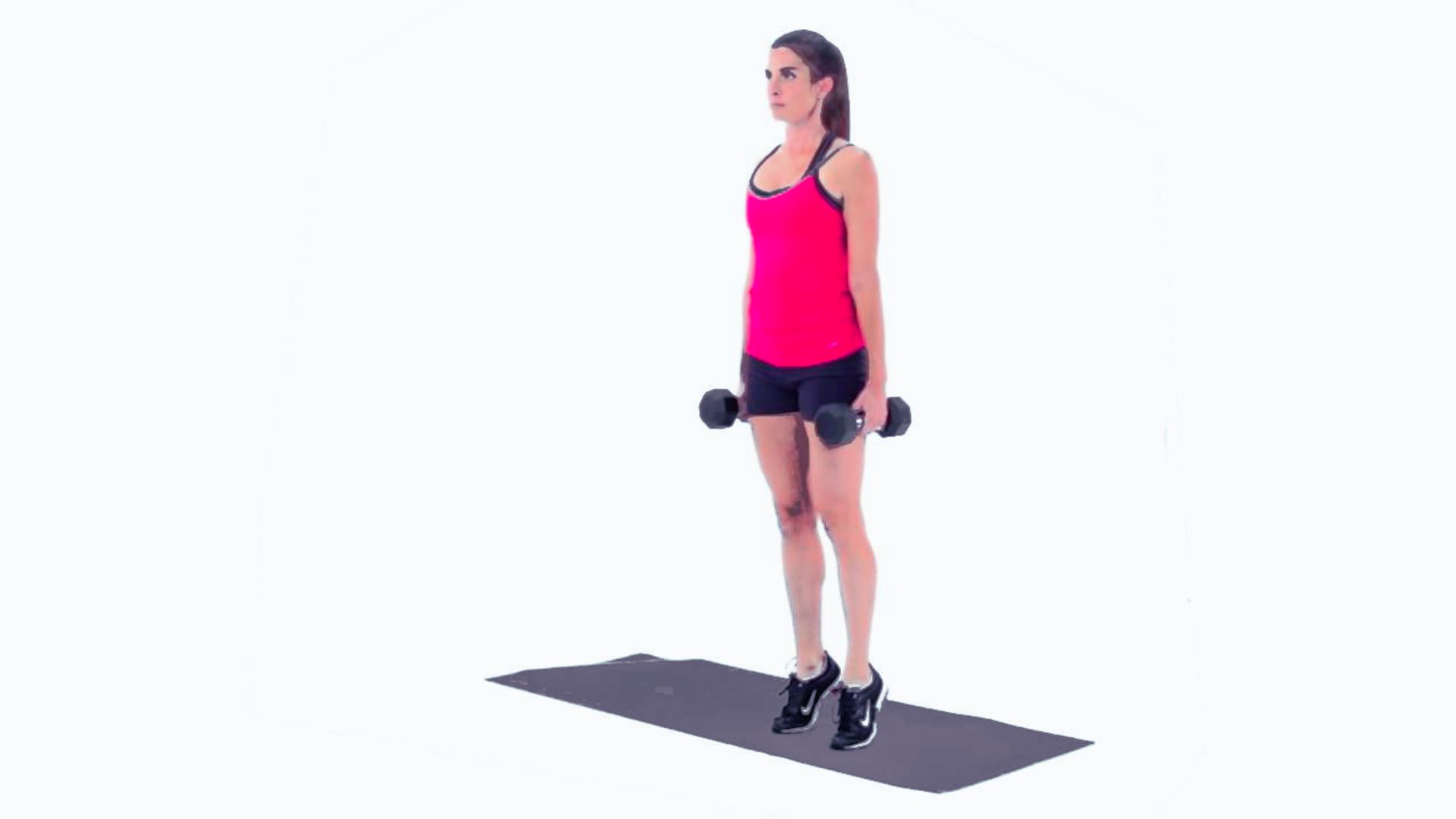
Build your lower leg muscles standing or seated. Standing calf raises work the gastrocnemius muscle. Seated raises target the soleus underneath.
Do both for complete development. Rise slowly in 1-2 seconds, pause at the top, then lower in 2-3 seconds. Use full range of motion for best results.
9. Pistol Squat

A one-legged squat without support. This advanced move requires strength, balance, and good ankle mobility. Master Bulgarian split squats before attempting this.
Hold onto a pole for balance or sit back onto a box to make it easier. Start by practicing standing on one leg before adding the squat motion.
Benefits of Lower Body Push Training
Lower body push training builds stronger legs, improves athletic performance, protects your joints, and helps you build balanced muscle.
Increased Leg Strength
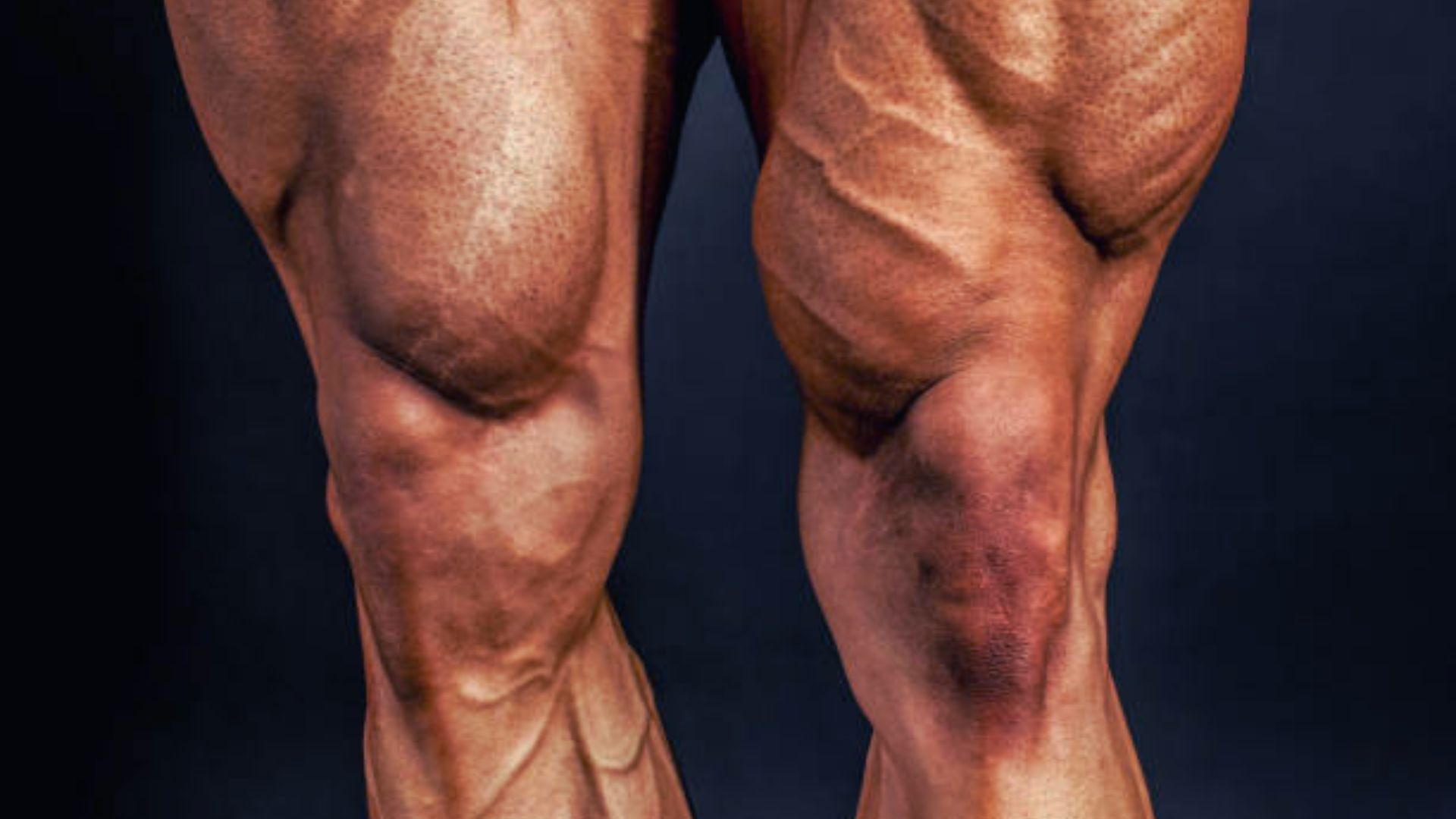
Regular push training builds serious leg power. You’ll notice everyday tasks become easier. Climbing stairs won’t leave you winded. Carrying groceries feels lighter.
This strength carries over to all activities. Your legs support your entire body weight all day long.
Improved Athletic Performance
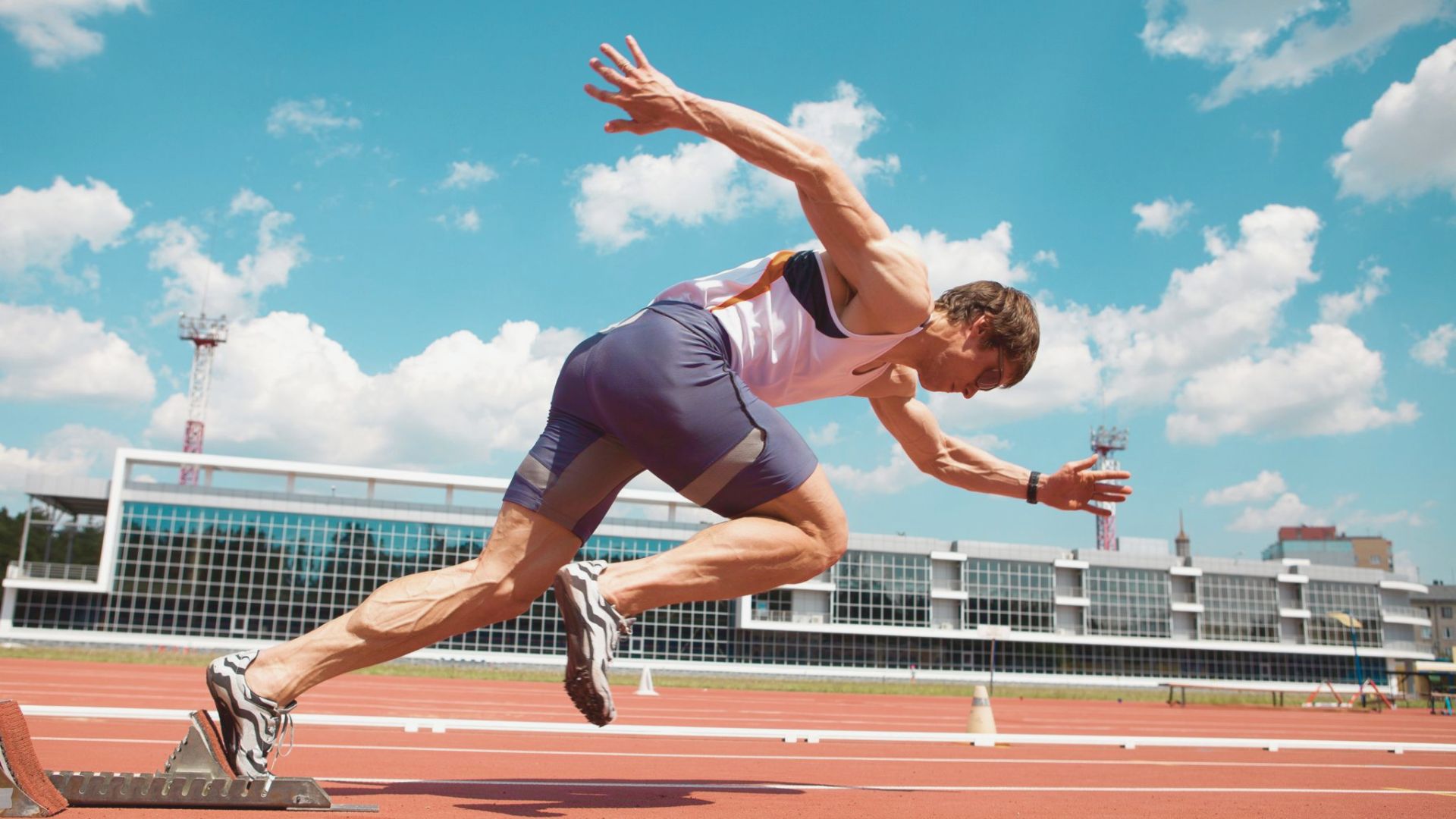
Athletes need strong legs for almost every sport. Running, jumping, and changing direction all require powerful lower body muscles.
Push exercises mimic athletic movements. The strength you build translates directly to better performance on the field or court.
Better Joint Stability
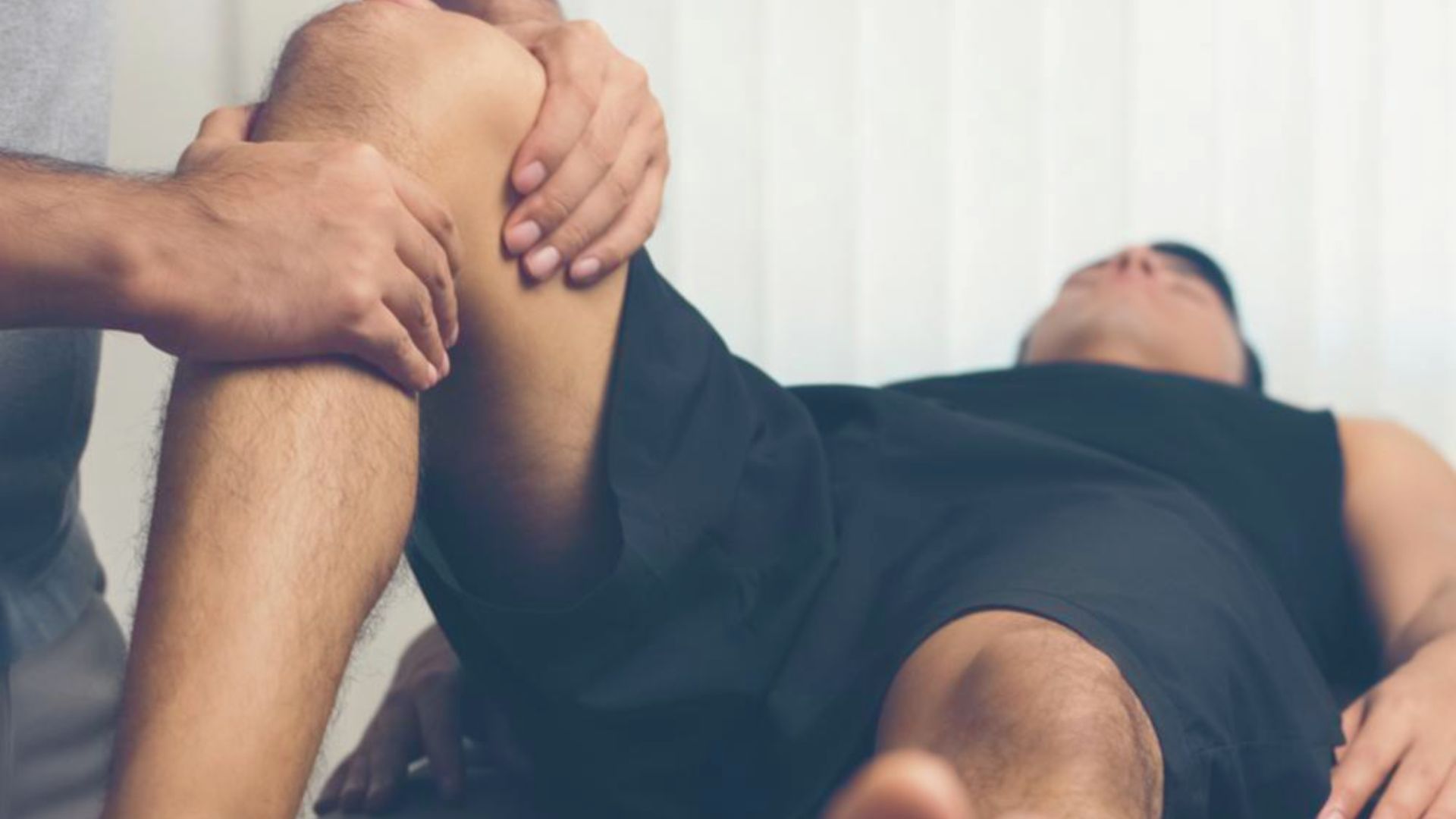
These exercises strengthen the muscles around your knees and hips. Stronger muscles protect your joints from injury.
You’ll move with more confidence. Your body learns to control weight properly, reducing strain on vulnerable areas.
My Personal Experience with Lower Body Training
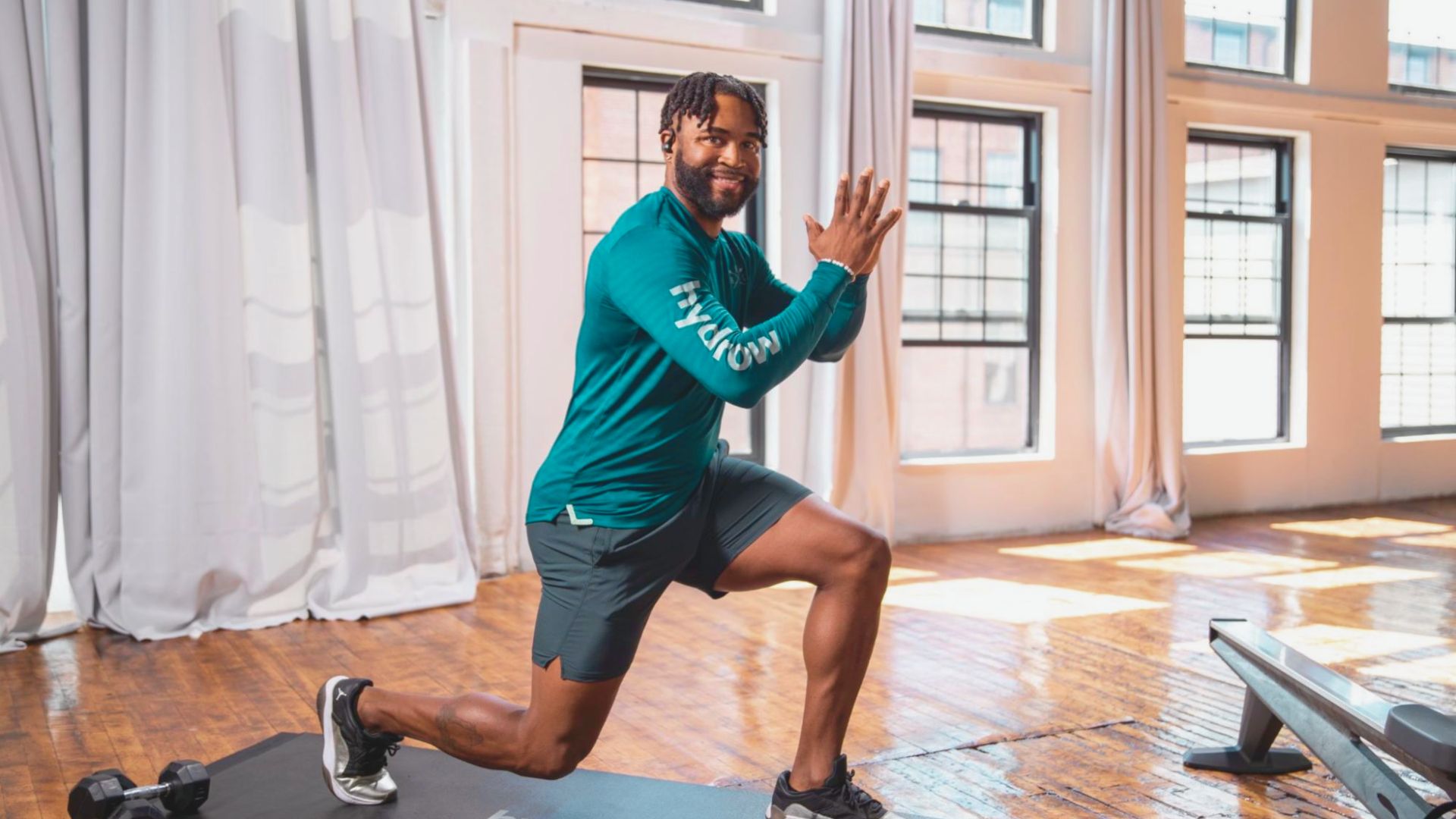
I used to skip leg day constantly. My upper body looked decent, but my legs were weak and skinny. I couldn’t even squat my body weight properly.
Everything changed when I committed to these exercises. I started with goblet squats because barbell squats scared me. Within three months, my legs got noticeably stronger.
Now I can squat over 300 pounds. More importantly, I can hike for hours without getting tired. Running feels easier. Even standing at my desk all day doesn’t bother my legs anymore. The real benefit isn’t just bigger muscles. It’s the confidence that comes with strength.
You don’t need fancy equipment to start. Pick 3-4 exercises from this list and do them twice a week consistently. Your legs respond faster than you think.
The soreness in the first week is normal. Push through it. I wish I’d started sooner. Don’t ignore your legs. They’re literally your foundation for everything.
Tips for Maximizing Results
Follow these strategies to progress faster and stay injury-free.
- Master proper form first. Film yourself or work with a trainer. Use light weight to learn the movement before adding heavy loads.
- Apply progressive overload. Add weight each week, do more reps, or add an extra set. Track your workouts to know when to increase.
- Control your tempo and range of motion. Lower weights slowly over 2-3 seconds. Go through full range instead of partial reps.
- Prioritize recovery and sleep. Get 7-9 hours of sleep nightly. Give your legs 48 hours rest between intense sessions.
- Eat enough protein for muscle repair. Aim for 0.8-1 gram per pound of body weight daily to support your strength gains.
Conclusion
You now have 9 powerful lower body push exercises to build stronger, more capable legs. Start with the beginner routine if you’re new to training. Add weight gradually and stay consistent with your workouts.
I’ve seen these exercises change lives including my own. Your legs will get stronger, activities will feel easier, and you’ll move with more confidence.
Pick your workout plan and start this week. Drop a comment below about which exercise you’re most excited to try. Let’s build those legs together!
Frequently Asked Questions
How often should I train lower body push exercises?
Train your legs 2-3 times per week for best results. Beginners should start with 2 sessions and add more as they adapt. Always allow at least 48 hours between intense leg workouts to recover properly.
Can I do lower body push exercises at home without equipment?
Yes, you absolutely can. Goblet squats using a backpack filled with books, bodyweight lunges, glute bridges, pistol squats, and step-ups on stairs all work great. You’ll build serious strength even without a gym.
What’s the difference between push and pull leg exercises?
Push exercises involve extending your hips and knees, like squats and lunges. Pull exercises involve hip hinging and knee flexion, like deadlifts and leg curls. Both are important for balanced leg development.
Why do my knees hurt during lower body push exercises?
Knee pain often comes from poor form or going too heavy too soon. Make sure your knees track over your toes and don’t cave inward. Start lighter and focus on technique before adding weight.
How long until I see results from these exercises?
You’ll notice strength gains within 2-3 weeks of consistent training. Visible muscle growth typically appears after 6-8 weeks. Stick with ityour legs respond well to regular training, but results require patience and effort.