Have you ever finished a leg press workout and felt a dull ache in your lower back? You’re not alone. Many people choose the leg press machine because it builds strong legs without needing the balance and technique that squats require. It seems like a safer option, right?
But here’s the problem. Leg press lower back pain is one of the most common complaints in the gym. The good news? This pain is completely preventable when you understand what causes it.
In this article, you’ll learn exactly why the leg press hurts your back and what you can do to stop it. We’ll cover the science behind the pain, the mistakes most people make, and the exact steps to perform the exercise safely. By the end, you’ll know how to build strong legs without risking your back.
Why Does the Leg Press Cause Lower Back Pain?
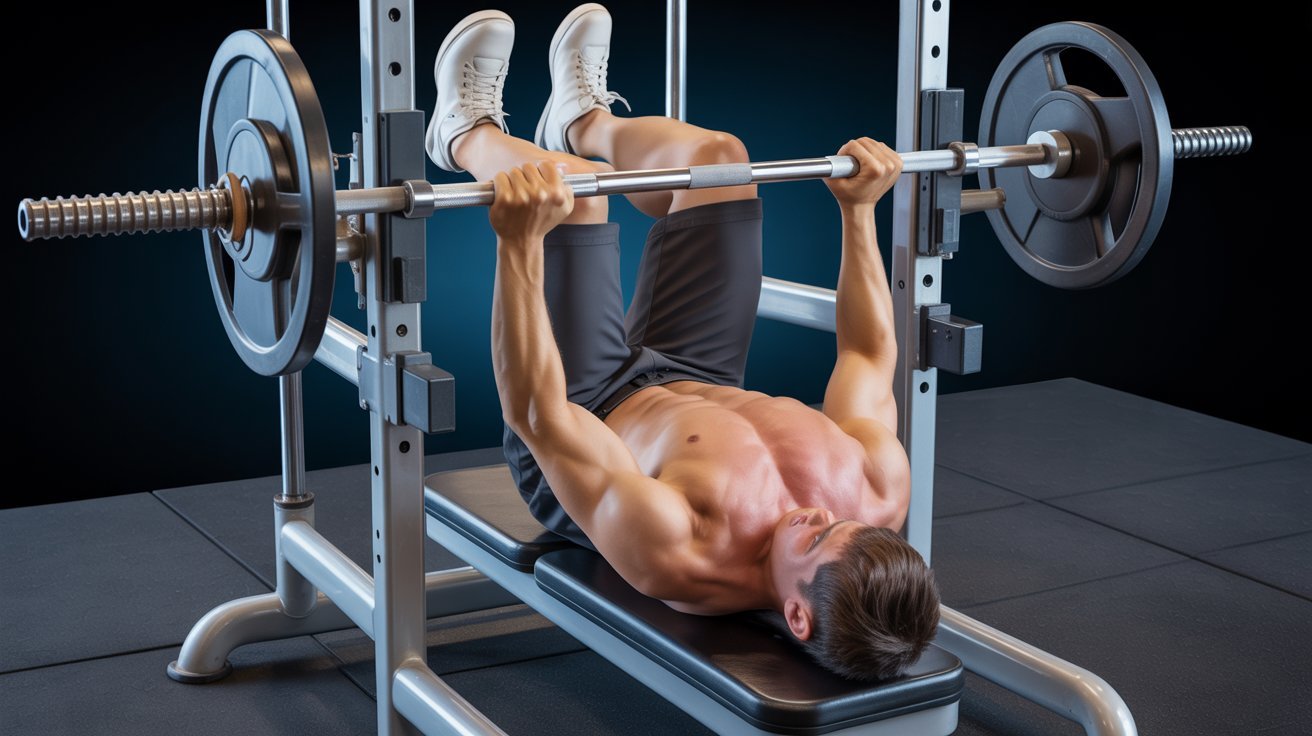
Your lower back wasn’t designed to handle heavy loads in a rounded position. When you use the leg press incorrectly, you force your spine into positions that create pressure and pain.
Pelvic Rotation and Lumbar Spine Flexion
When you lower the sled too far during a leg press, your pelvis starts to tilt backward. This is called posterior pelvic tilt, and it happens when your knees get too close to your chest.
As your pelvis tilts, your lower back actually lifts off the backrest of the machine.
This creates a major problem. Your spine has a natural curve in the lower back, but this movement flattens it out completely.
When your lumbar spine goes from its natural curve into a flexed or rounded position under heavy weight, the structures in your back experience stress they weren’t meant to handle.
Intervertebral Disk Compression
Your spine is made up of bones called vertebrae with cushioning disks between them. These disks act like shock absorbers for your spine. When your lower back rounds during the leg press, the vertebrae squeeze these disks unevenly.
The pressure pushes the disk material backward, toward your spinal cord and nerves. This is called posterior disk protrusion.
When the disk pushes on nerve roots, you feel pain that can be sharp, shooting, or burning. Even if the disk doesn’t fully herniate, the compression alone causes inflammation and discomfort that lasts long after your workout.
Increased Load on Exposed Spine
With your lower back in a flattened position, your spine loses its ability to distribute force properly.
The natural curves in your spine help spread weight across multiple structures, but when you flatten it, you concentrate all that pressure on a few areas.
Now add the weight of the sled pushing down, and you’re forcing hundreds of pounds directly onto an exposed, vulnerable spine.
The muscles and ligaments that normally protect your back can’t do their job in this position. This is why you feel pain during the movement and often experience stiffness or soreness for days afterward.
Common Leg Press Mistakes That Hurt Your Back
Most people don’t set out to hurt themselves on the leg press. The pain comes from small form errors that add up over time.
Excessive Range of Motion
Many lifters think going as deep as possible will build more muscle. They bring their knees all the way to their chest to “feel the burn” in their legs. This sounds good in theory, but it’s a fast track to leg press lower back pain.
Going too deep forces your pelvis to rotate, no matter how hard you try to keep your back flat. Your hip joints simply run out of room, and something has to give. When you sacrifice proper form to achieve more depth, your lower back pays the price.
Using Too Much Weight
Ego lifting is real, and the leg press is where it thrives. People load up plates because they want to push impressive numbers, but they lose control of the movement. When the weight is too heavy, you can’t maintain proper form throughout the entire range of motion.
Excessive resistance also creates imbalances in your joints. Your hips might take over while your knees struggle, or vice versa. Either way, your body compensates in ways that put stress on your lower back instead of your leg muscles.
Poor Seat Positioning
The leg press works only if you set it up correctly from the start. If your seat is too far forward or too far back, your knees won’t be at the right angle when you begin. Some people start with their knees too straight, while others start with them already too bent.
Another common mistake is not pressing your entire back and hips against the pad before you start. If there’s space between your lower back and the seat from the first rep, you’re already in a bad position. This improper setup guarantees problems once you add weight and start moving.
How to Perform the Leg Press Without Lower Back Pain?
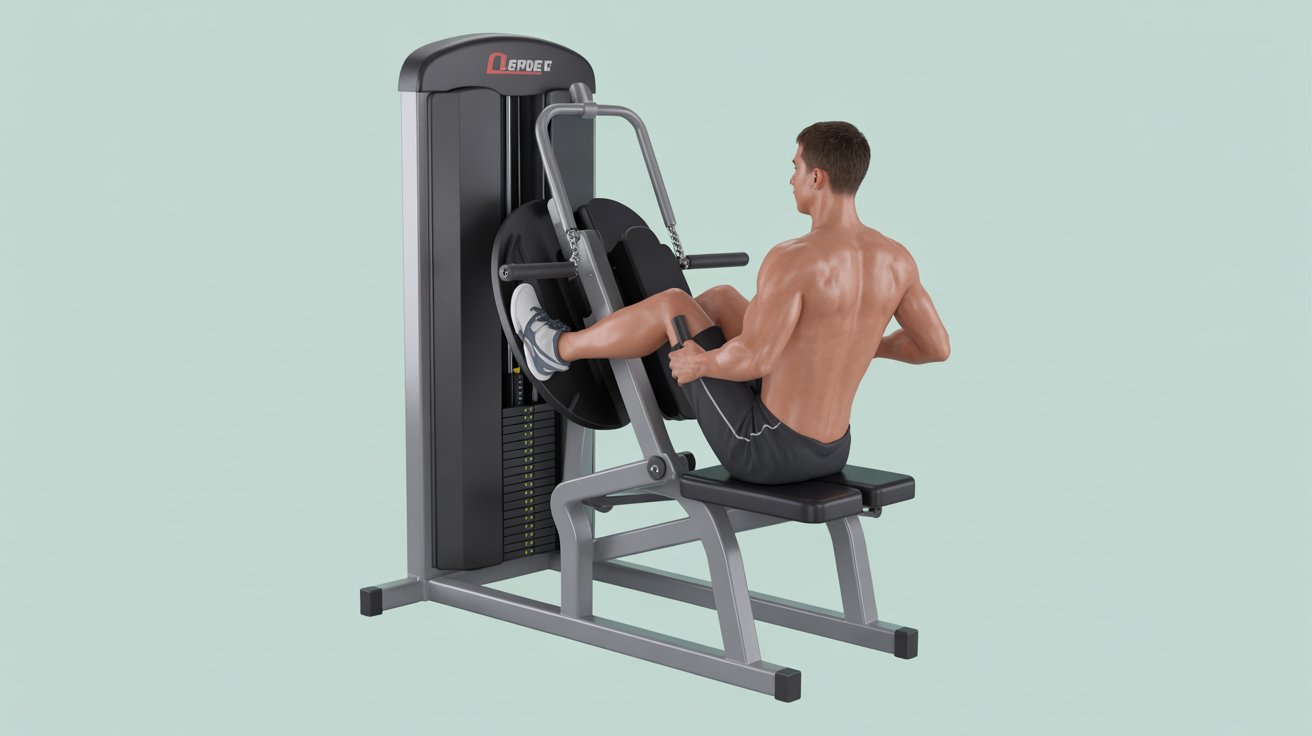
The leg press can be a great exercise when you do it right. These techniques will keep your back safe while you build strong legs.
Keep Your Lower Back Glued to the Seat
This is the most important rule. Your lumbar spine needs to stay in contact with the backrest through every single rep. The moment it lifts off, you’re at risk for injury.
Your butt also needs to stay firmly planted in the L-shaped seat throughout the movement. Think about pressing your entire back and hips into the pad as if someone were trying to slide paper behind you, and you’re blocking them. This contact prevents your pelvis from tilting and keeps your spine in its natural position.
Limit Your Range of Motion
Stop lowering the sled before your lower back wants to lift off the pad. For most people, this means your knees will form roughly a 90-degree angle at the bottom. Some flexible people can go a bit deeper, while others need to stop sooner.
Focus on quality, not depth. A controlled rep where your back stays safe builds more muscle than a deep rep that compromises your form. You might feel like you’re not working hard enough at first, but proper form delivers better results without the pain.
Master the Core Brace
Before each rep, take a breath and tighten your core muscles as if you’re about to get punched in the stomach. This creates something called intra-abdominal pressure, or IAP. This pressure acts like an internal weight belt that supports your spine from the inside.
Hold this brace throughout the entire rep, especially as you lower the weight. Some people find that wearing a weight belt helps them maintain better IAP, particularly when using heavier loads. The belt gives your abs something to push against, making the brace more effective.
Optimize Your Foot Placement
Start with your feet about hip width apart and pressed flat against the footplate. Your entire foot should make contact, from heel to toe. This standard position works well for most people and targets your quads, hamstrings, and glutes evenly.
If you want more quad involvement, place your feet lower on the plate. Just remember that lower foot placement means more knee bending and less hip bending, so watch your range of motion carefully. Always keep your knees tracking in line with your toes to avoid putting stress on your knee joints.
Control Your Tempo
Move slowly and deliberately through each rep. Lower the sled with control, pause briefly at the bottom, and press back up without jerking or bouncing. Rushing through reps or using momentum takes tension off your muscles and puts it on your joints and spine.
Slow movements also give you time to notice if your form is breaking down. If you feel your back starting to lift off the seat, you can stop the rep before it becomes a problem. Time under tension builds muscle better than fast, sloppy reps anyway.
Proper Leg Press Setup Checklist
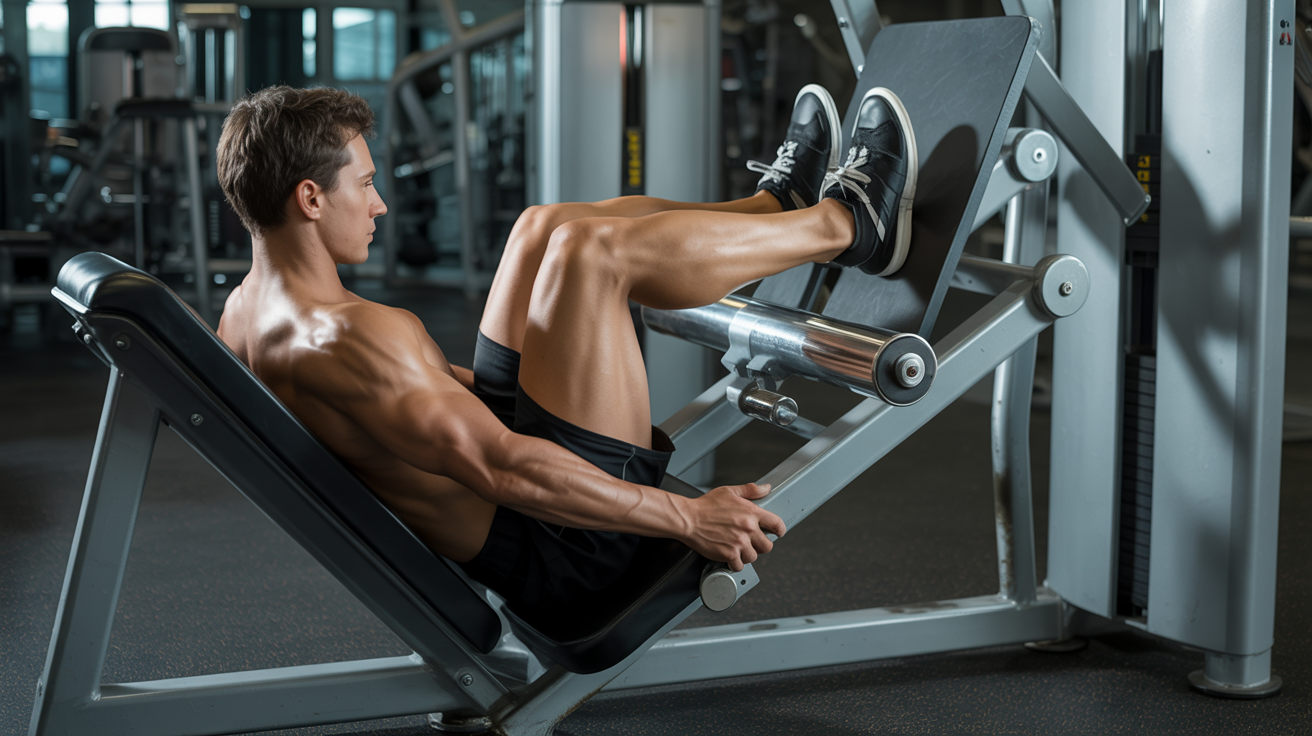
Getting into the right position before your first rep prevents most cases of leg press lower back pain. Take 30 seconds to check these points every time you use the machine.
- Starting position knees at 90 degrees or slightly less
- Back and hips pressed firmly against the seat
- Head and neck relaxed and neutral
- Feet hip-width apart, pressed flat
- Core engaged before starting
- Safety locks in place
- Appropriate weight selected
Run through this checklist before you release the safety handles. If anything feels off, adjust it now rather than trying to fix it mid-set. Your back will thank you.
What to Do If Your Lower Back Already Hurts?
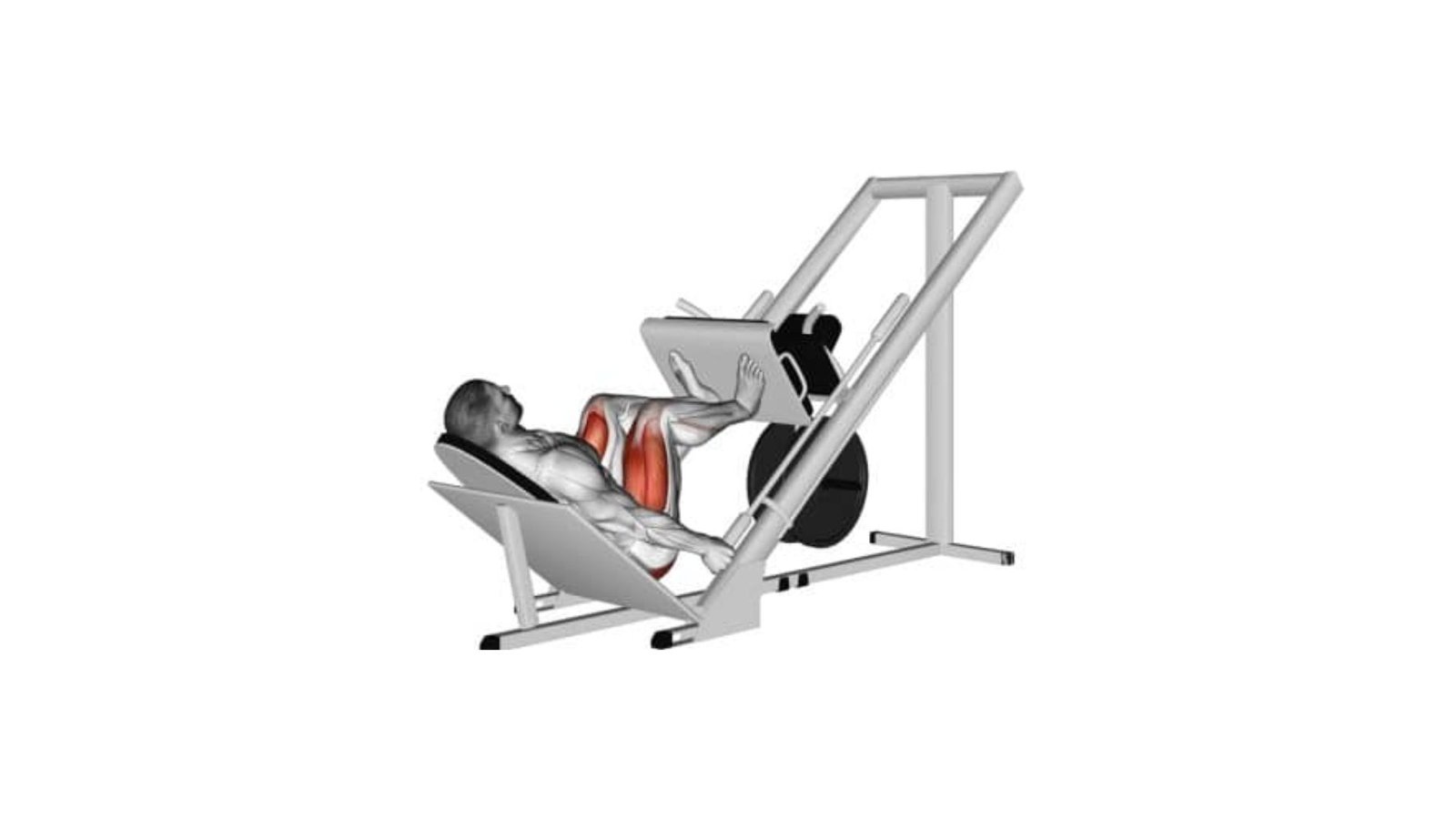
If you already have leg press lower back pain, don’t panic. Most cases respond well to basic care and rest. For the first 24 to 48 hours, ice the area for 15 to 20 minutes at a time to reduce inflammation.
Watch for symptoms like muscle spasms, cramping, or limited range of motion in your back. These are normal signs of muscle strain. After 48 hours, you can slowly return to activity with lighter weights and careful attention to form.
Some symptoms require medical attention right away. See a doctor if your pain lasts more than two weeks without improvement.
Get help immediately if you can’t stand or walk, if you feel numbness or pain shooting down your leg, if you have sharp stabbing pain, or if you feel a pop or tear during your workout. These could signal a serious injury that needs professional treatment.
Conclusion
Leg press lower back pain doesn’t have to be part of your training. When you understand the mechanics of what causes it, you can avoid the problem completely. The key points are simple. Keep your spine in contact with the seat, control how deep you go, use appropriate weight, and brace your core properly.
The leg press is an effective tool for building leg strength when you perform it correctly. It’s not about how much weight you can move or how deep you can go. It’s about challenging your muscles safely while protecting your spine.
Start your next leg workout with a lighter weight than usual. Focus on perfecting your form with every rep. Pay attention to what your body tells you, and never let your ego push you into dangerous positions.
Frequently Asked Questions
Can I Still Use the Leg Press if I Have Existing Lower Back Issues?
Check with your doctor or physical therapist before using the leg press with back problems. They can suggest modifications or alternatives. Some people with back issues do better with exercises that keep the spine completely neutral.
Should My Knees Go Past My Toes During the Leg Press?
Your knees can safely go past your toes on the leg press, unlike during squats. The backrest supports your spine, so slight forward knee travel is fine. Just make sure your whole foot stays flat on the plate.
How Much Weight Should I Start With on the Leg Press?
Begin with a weight that lets you complete 10 to 12 reps with perfect form. You should feel challenged but fully in control. Add weight gradually, only after you can do 15 clean reps at your current weight.
Is the Leg Press Better Than Squats for People With Back Problems?
It depends on the individual and their specific issue. The leg press provides back support that squats don’t, which helps some people. Others find squats easier because they control the weight path. Try both carefully to see what works for you.
How Often Should I Train Legs on the Leg Press?
Train legs two to three times per week with at least 48 hours between sessions. Your muscles need recovery time to grow stronger. Balance leg press work with other exercises like lunges, hamstring curls, and calf raises for complete leg development.