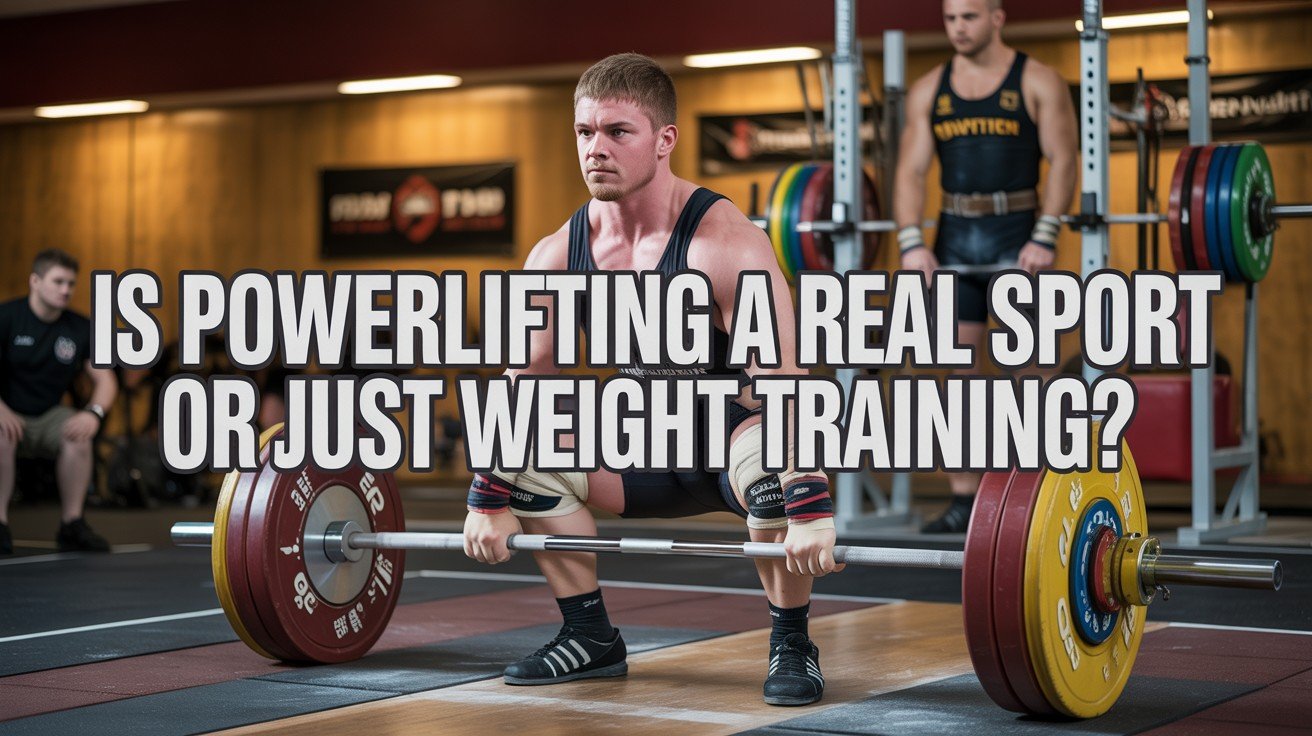
People often wonder if powerlifting is a real sport or just heavy gym lifting. It’s easy to see why: at first glance, it looks like regular weight training. But it’s much more than that.
In this article, we’ll break down what truly makes powerlifting a sport: from its rules and competitions to how it’s officially recognized worldwide. You’ll see how it differs from casual lifting and why it demands real athletic skill.
After more than a decade in strength training and competitive powerlifting, I’ll share insights from real experience, not theory. By the end, you’ll understand exactly where powerlifting fits: and why people still debate it.
What Is Powerlifting?
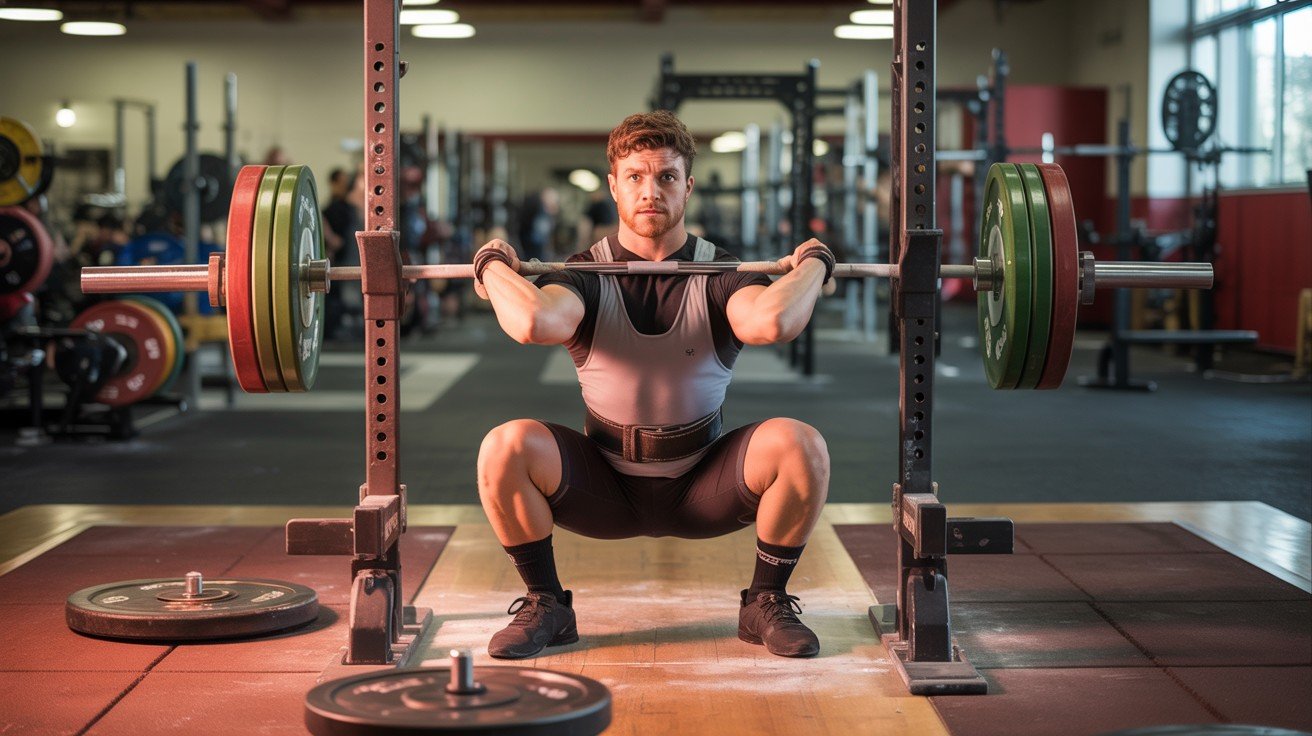
Powerlifting is a competitive strength sport with three specific lifts: squat, bench press, and deadlift. Every powerlifter performs the same movements in competition. No variations. No substitutions. Athletes aim for maximum weight in a single rep per movement.
You get three attempts at each lift. Your best successful attempt counts toward your total. The lifter with the highest combined total in their weight class wins. Powerlifting started in the 1950s in the United States, evolving from odd lifts competitions. Eventually, the sport standardized around these three movements because they best measured overall strength across different muscle groups.
Powerlifters lift weights to move maximum loads. Nobody cares what you look like. Your total determines placement. Powerlifting is performance-based, not appearance-based. A powerlifter might look ordinary but move massive weights. A bodybuilder might look incredible but lift moderate loads. The goals are opposite.
Structure of Powerlifting as a Sport
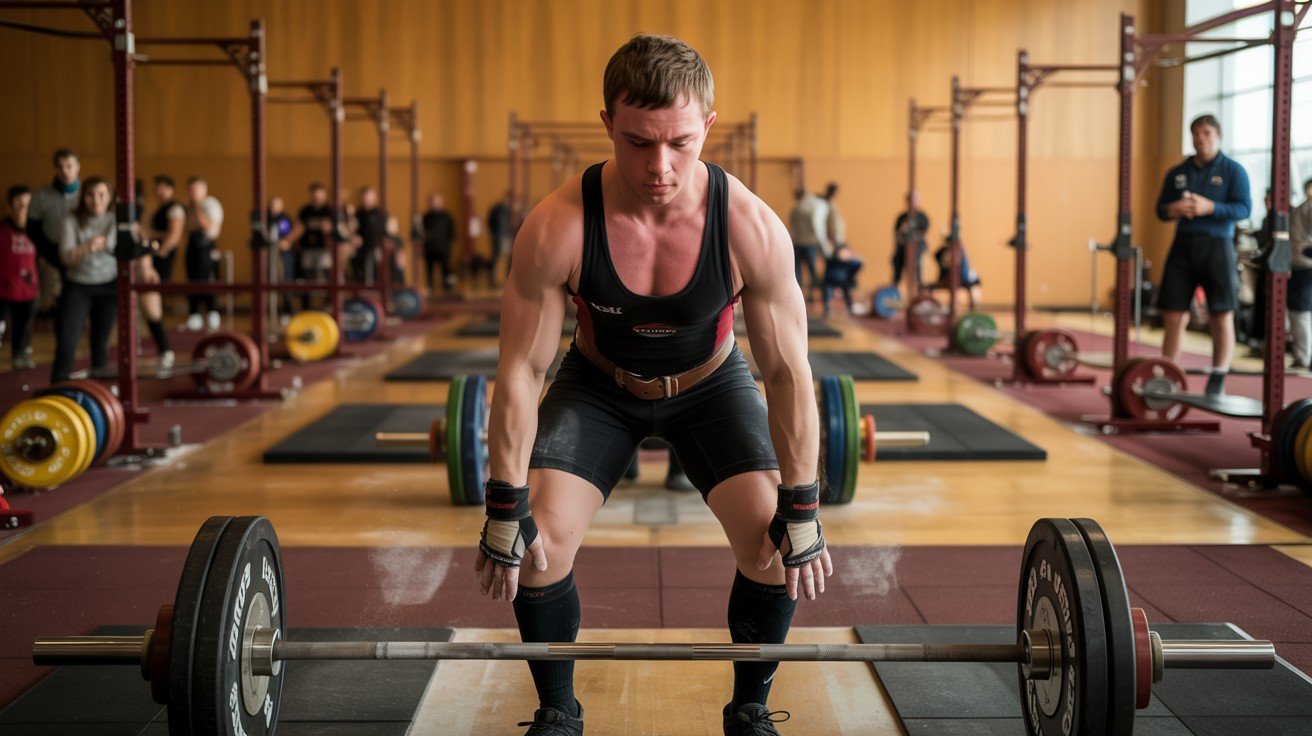
Real sports have official structures, rules, and governing bodies. Powerlifting has all three. I’m going to show you the competitive framework that makes powerlifting an organized sport, not just a gym activity.
Competition Format
Powerlifting competitions happen at local, national, and international levels. Local meets introduce beginners. National championships determine the strongest lifters per country. International meets like World Championships pit countries against each other. The structure mirrors any major sport.
Every lifter gets three attempts per lift. Your best successful attempt on each movement contributes to your total score. Fail all three attempts on any lift and you’re disqualified. Competitors are ranked by weight class, age group, and gender for fair competition.
Judging and Rules
Three judges evaluate every single lift. They watch for proper form, control, and completion. You need at least two white lights to pass. Three red lights mean the lift doesn’t count. This eliminates bias.
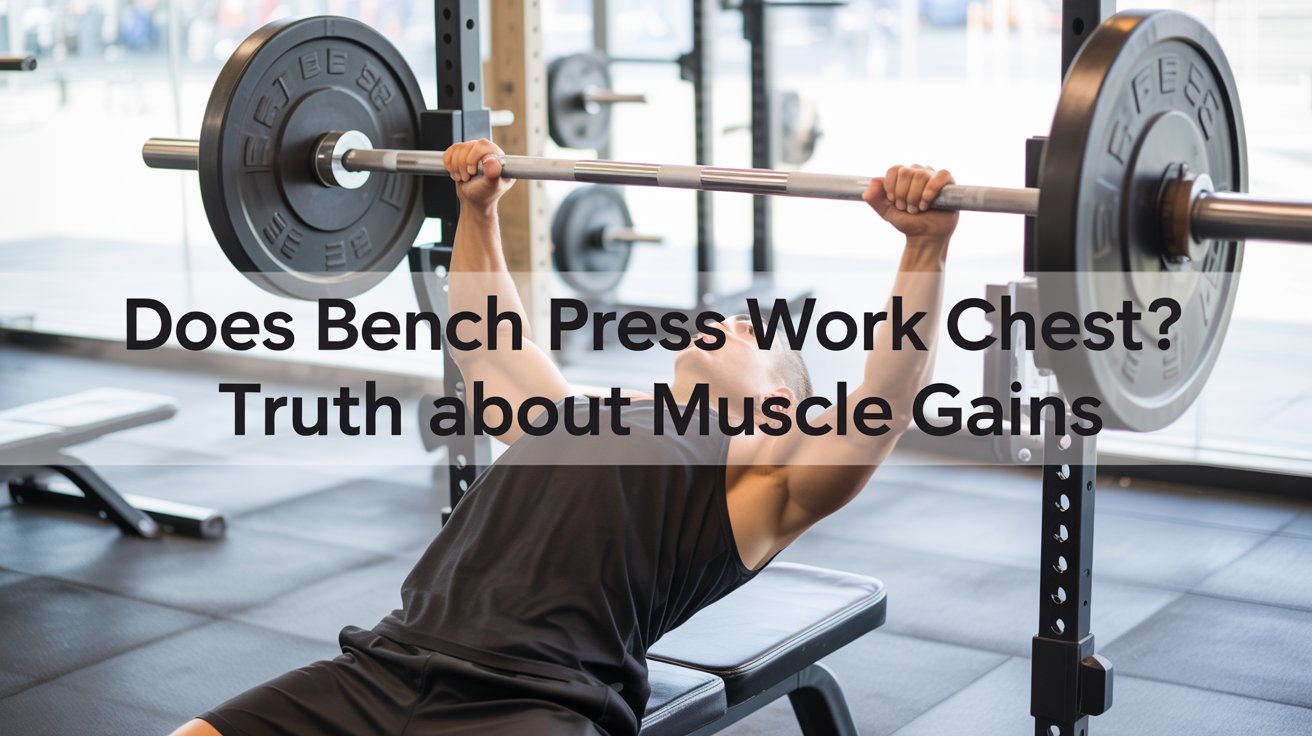
Key rules define what counts as a good lift. Squats require depth below parallel. Bench press demands a visible pause on the chest. Deadlifts need a full lockout with hips and knees extended. Penalties and disqualifications happen for incorrect technique. The rules protect fair competition and lifter safety.
Federations and Regulation
The International Powerlifting Federation (IPF) serves as the global governing body. They set international standards, organize world championships, and maintain drug testing protocols. The IPF functions like FIFA for soccer. They provide structure and legitimacy worldwide.
Multiple federations exist with rule variations. USAPL governs drug-tested powerlifting in America under IPF rules. WPA and WPC allow different equipment and standards. Some federations require strict drug testing. Others don’t test at all. The drug-tested versus untested divide complicates the sport. Records between these groups can’t be compared fairly. Despite this issue, the organized structure, official rules, and governing bodies prove that powerlifting operates as a real sport.
Is Powerlifting Officially Recognized as a Sport?
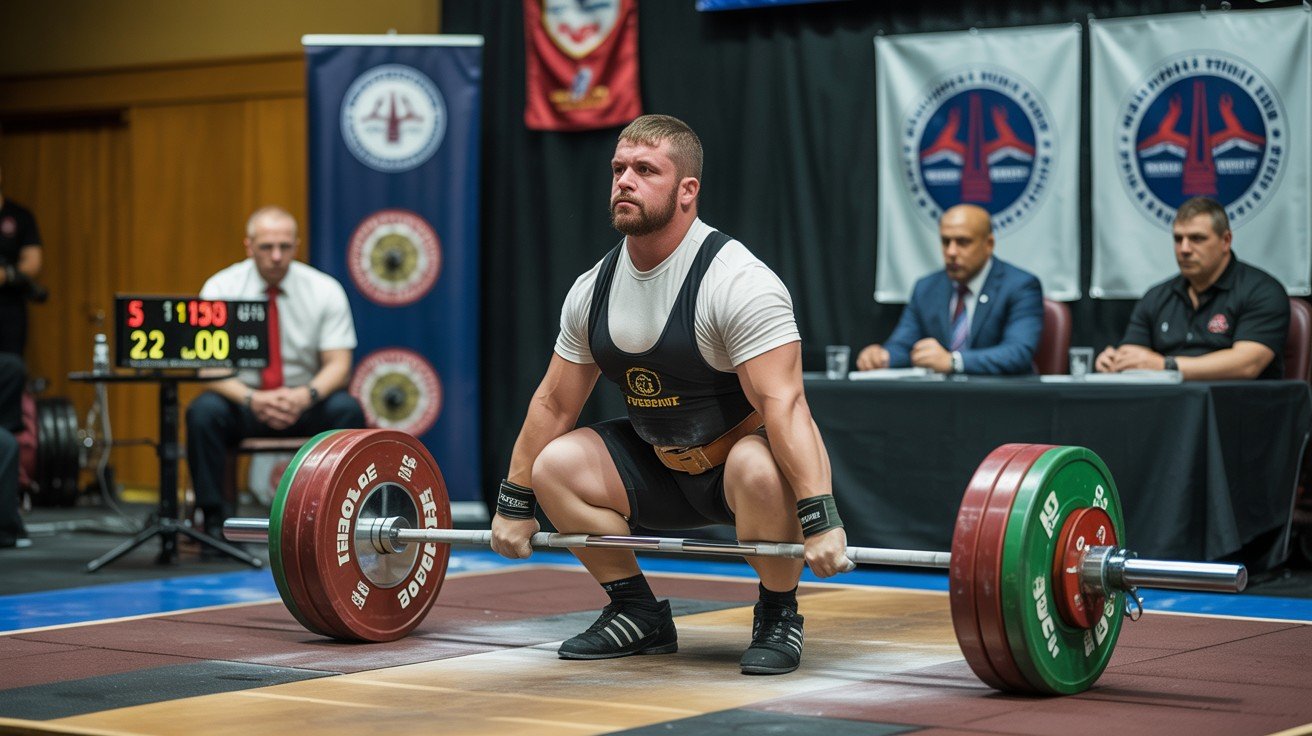
The recognition question determines whether powerlifting is legitimate or just a hobby. Official status from major organizations matters. I’m going to show you where powerlifting stands in the global sports landscape.
Global Recognition
Powerlifting has competed in the World Games since 1981 and the Paralympics since 1984. The World Games features sports not in the Olympics but recognized by international federations. These inclusions prove international sporting bodies recognize powerlifting as legitimate.
Powerlifting is not an Olympic sport and probably never will be. The IOC has major concerns about powerlifting’s doping history and federation politics. Multiple powerlifting organizations with different rules create confusion about who represents the sport. The IOC wants clean, unified sports. Powerlifting’s fragmented structure and persistent doping problems make Olympic inclusion unlikely. Despite World Games and Paralympic status, the Olympic barrier keeps some people from viewing powerlifting as a top-tier sport.
Governance and Anti-Doping
Anti-doping measures exist in tested federations. USADA handles testing for USAPL competitions. The IPF maintains its own standards for international meets. Athletes face random out-of-competition tests and mandatory competition testing. Positive results mean bans from two years to a lifetime.
Entire nations have faced bans for doping violations. Russia, Iran, and India all received suspensions from the IPF competition. These bans happened because their federations failed to implement proper testing.
The problem is that untested federations still exist without any drug testing. This creates confusion about what’s achievable naturally. However, the existence of strict anti-doping programs in major federations like the IPF proves powerlifting operates as a regulated sport, not just recreational weight training.
Arguments That Powerlifting Is a Sport
Several strong arguments support powerlifting as a legitimate sport. These aren’t opinions. They are facts about how powerlifting operates. I’m going to show you three reasons why powerlifting meets every definition of a competitive sport.
1. Competitive and Regulated
Powerlifting has standardized rules, categories, and scoring systems. Every federation publishes official rulebooks. Weight classes create fair competition. Age and gender divisions ensure equal playing fields. The scoring is objective. Highest total wins.
The sport requires training, strategy, and adherence to officiating standards. Athletes train for months, targeting specific competitions. They strategize attempt selection based on competitors’ lifts. They must follow technical standards or face disqualification. This structure mirrors football, wrestling, or track and field.
2. Physical and Mental Athleticism
Powerlifting demands strength, technique, discipline, and mental focus. Strength alone doesn’t win. You need a proper technique to move maximum weight safely. Discipline drives consistent training. Mental focus determines whether you make or miss a lift under pressure.
Mind over body focus becomes critical during peak lifts. Standing under 600 pounds requires mental toughness. Walking to the platform at a stadium, watching test nerves. You must control fear, doubt, and adrenaline to execute. This psychological demand separates powerlifting from simple weight training.
3. Organized Global Participation
A global community with over 100 member nations competes under the IPF. Powerlifters from every continent participate. Athletes from Japan compete against athletes from Brazil, Norway, and South Africa. This international reach matches major sports like basketball or volleyball.
Annual world championships and professional-level events happen worldwide. The IPF World Championships rotate between continents. Prize money exists at elite levels. Sponsorships support top athletes. The infrastructure mirrors any established global sport. Powerlifting operates as an organized athletic pursuit with worldwide participation, not a gym hobby.
Arguments Against Powerlifting as a Sport
Not everyone agrees that powerlifting qualifies as a sport. The critics have legitimate concerns. I’m going to present the three main arguments against powerlifting’s status as a true sport.
1. Lack of Mainstream Recognition
Absence from the Olympics reduces legitimacy for many observers. The general public recognizes Olympic sports as official athletics. Swimming, gymnastics, and track belong in the Olympics. Powerlifting doesn’t. This exclusion makes casual observers question whether powerlifting deserves sport status at all.
The audience remains limited beyond the fitness community. Most people can’t name a single professional powerlifter. ESPN doesn’t broadcast powerlifting meets. Mainstream media ignore the sport except for occasional viral videos. Without broader cultural awareness, powerlifting struggles to gain recognition as a legitimate competitive pursuit.
2. Fragmented Federations
No single unified governing structure creates inconsistent rules and standards. The IPF uses one rulebook. USPA uses another. WPC has different equipment rules. A world record in one federation means nothing in another. This fragmentation confuses outsiders and undermines credibility.
Variability in drug testing weakens global integrity severely. Some federations test rigorously. Others don’t test at all. Athletes banned in tested federations compete freely in untested ones. Records set with performance-enhancing drugs get promoted alongside natural achievements. This makes it impossible to determine legitimate standards. Critics argue a real sport wouldn’t tolerate such chaos.
3. Perception and Stereotypes
Powerlifting is seen as a niche or hobbyist activity. Most gyms have people who lift heavy weights recreationally. The line between training and competing blurs. Some argue that powerlifting is closer to a training methodology than an actual sport. Anyone can squat, bench, and deadlift without competing. That’s just working out.
Critics cite a lack of spectator appeal and complexity. Watching someone lift a barbell three times doesn’t captivate audiences like basketball or soccer does. The action is brief. The technical details are invisible to untrained eyes. No continuous play. No team dynamics. No dramatic back and forth. These critics claim that real sports entertain and engage broad audiences. Powerlifting doesn’t. Therefore, it’s weight training with a competition format, not a true sport.
Benefits of Powerlifting Regardless of Classification
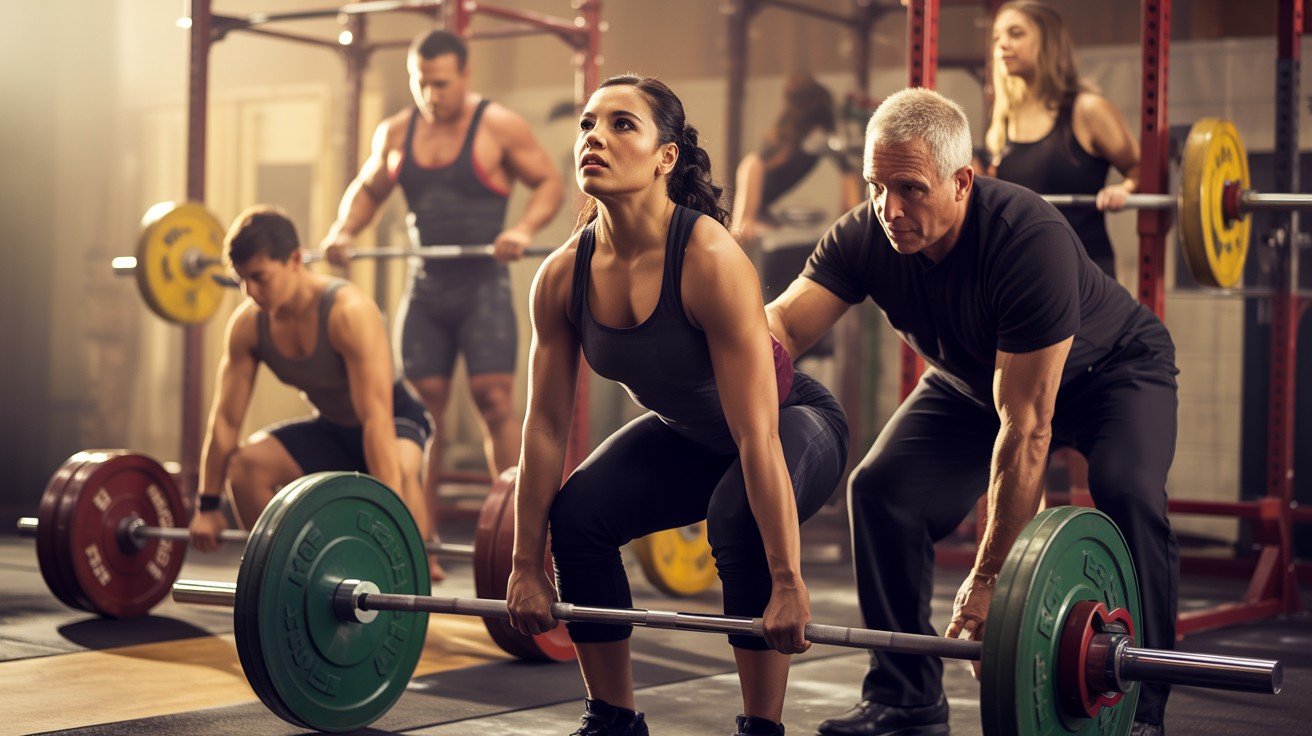
Whether powerlifting is a sport or not doesn’t change what it does for you. The benefits are real either way. Here’s what powerlifting delivers physically and mentally to anyone who commits to it.
- Builds Overall Strength Across Your Entire Body: Squats strengthen legs, hips, and core while bench press develops chest, shoulders, and triceps, and deadlifts work the back, glutes, and grip. No muscle group gets ignored, and you develop balanced, functional strength that carries over to daily life and other activities.
- Supports Injury Prevention and Joint Stability: Strong muscles protect joints from damage, and proper lifting technique reinforces good movement patterns. Your connective tissues adapt to handle heavy loads safely, and many lifters report fewer injuries in sports and daily activities because their bodies can handle physical stress better.
- Enhances Discipline and Consistency: You must train consistently for months to see progress, which builds discipline that affects everything else in your life. The commitment required to increase your lifts teaches you patience and the value of showing up even when motivation is low.
- Improves Focus and Mental Clarity: Lifting heavy weights demands complete concentration, sharpening your ability to focus under pressure. Many lifters describe experiencing flow state during performance, where time slows down, external distractions disappear, and you feel completely present in the moment.
- Boosts Self-Confidence and Creates Accomplishment: Confidence grows every time you lift more than you thought possible, proving to yourself that limits can be pushed. The challenge of pushing your physical boundaries creates a sense of accomplishment that gym cardio or casual lifting never delivers, changing how you think and feel about yourself.
Should Powerlifting Be in the Olympics?
The Olympic question divides the powerlifting community. Some push hard for inclusion. Others think it’s not worth the hassle. I’m going to break down both sides of this ongoing debate.
Olympic inclusion would bring major benefits. Recognition jumps instantly. Funding increases from governments and sponsors who support Olympic athletes. Growth accelerates as more people learn the sport through Olympic coverage. Legitimacy becomes undeniable when you’re competing for gold medals on the world’s biggest stage.
But serious problems stand in the way. Drug use concerns top the list. The IOC demands clean sports. Powerlifting’s doping history makes them nervous. Limited spectator appeal creates another barrier. Watching three lifts doesn’t captivate audiences like gymnastics or swimming. Testing costs would skyrocket with Olympic-level standards across 100+ countries.
Federations continue pushing for Olympic inclusion despite the obstacles. The IPF lobbies the IOC regularly. Community debates rage about whether Olympic status matters. Some lifters desperately want the prestige. Others argue that powerlifting is fine without the Olympics. The debate continues with no resolution in sight. Whether inclusion happens or not, powerlifting exists and thrives as a competitive pursuit independent of Olympic approval.
Conclusion
So, is powerlifting a sport? Absolutely. It has official competitions, global federations, and athletes who train for years to perform at the highest level. It’s recognized in the World Games and Paralympics, proving it’s more than just gym lifting.
Sure, it’s not in the Olympics yet, and the many federations can make things messy. But that doesn’t take away from its structure or the dedication it demands. Powerlifting is a true test of strength, skill, and discipline.
If you see it as a full-fledged sport or a specialized strength pursuit, the evidence is clear. It’s far beyond casual lifting. What do you think? Share your thoughts and keep the conversation going.
Frequently Asked Questions
Is powerlifting a sport?
Yes, powerlifting is a sport. It has standardized rules, official competitions, governing bodies like the IPF, and global participation across 100+ nations. It’s featured in the World Games and Paralympics. Athletes compete in weight classes with objective scoring based on total weight lifted in three movements.
What’s the difference between powerlifting and weight training?
Powerlifting is a competitive strength sport with three specific lifts: squat, bench press, and deadlift. Athletes compete for maximum weight in regulated meets with judges and official rules. Weight training is a general exercise using weights for fitness, health, or appearance without a competitive structure or standardized movements.
Is powerlifting in the Olympics?
No, powerlifting is not an Olympic sport. The IOC has concerns about the sport’s doping history, federation fragmentation, and limited spectator appeal. Powerlifting has competed in the World Games since 1981 and Paralympics since 1984, providing international recognition outside the Olympics.
Why do some people say powerlifting is not a sport?
Critics point to a lack of Olympic inclusion, fragmented federations with inconsistent rules, variable drug testing standards, and a limited mainstream audience. Some view it as a training methodology rather than a spectator sport. The absence of a unified governing structure weakens legitimacy for skeptics.
Do you need to compete to be a powerlifter?
Technically, no, but competing defines powerlifting as a sport. Many people train the three lifts recreationally without competing. However, powerlifters by definition participate in sanctioned competitions with judges, official attempts, and recorded totals. Training the movements alone is just strength training.