
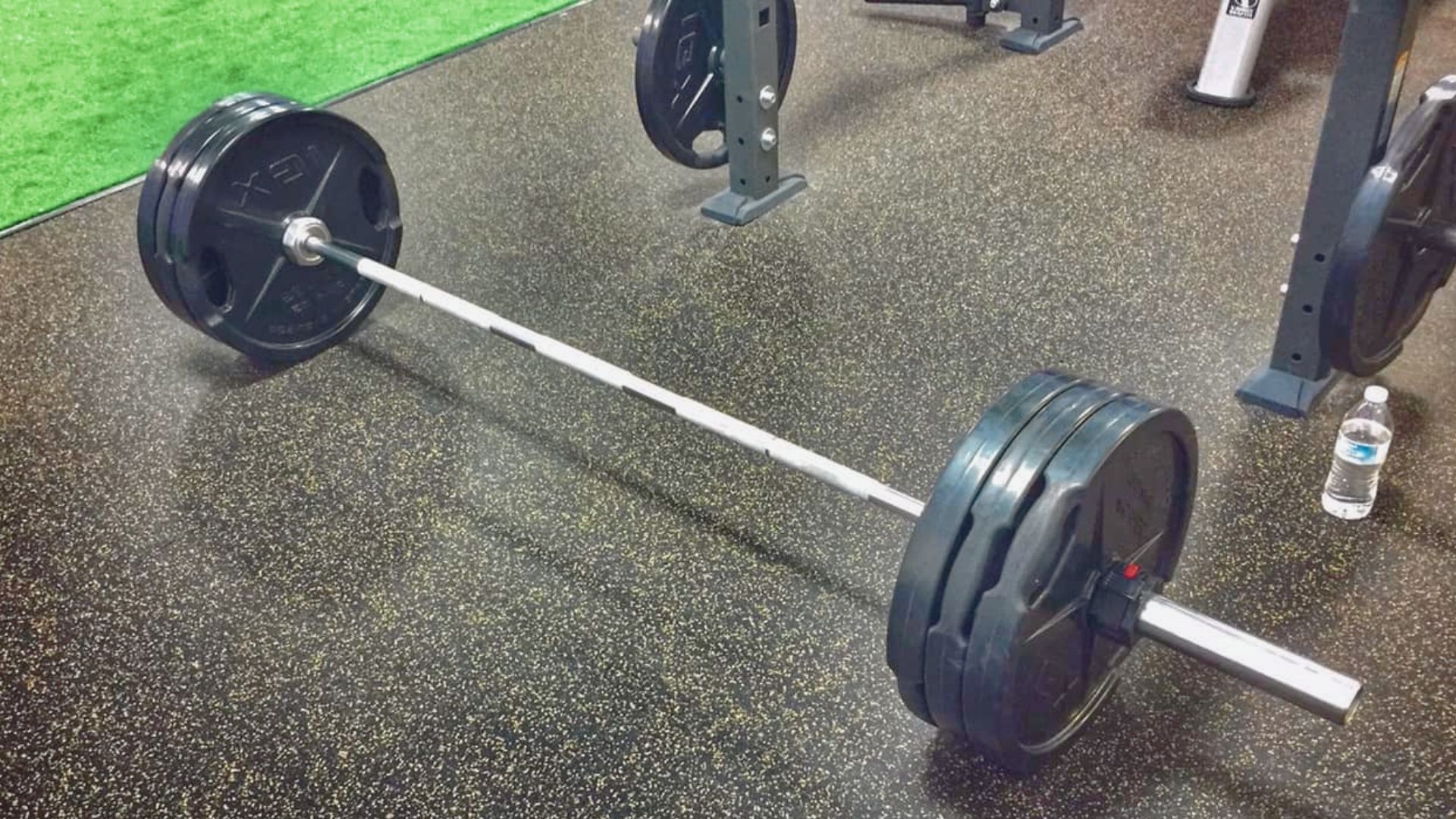
Have you ever thought if a deadlift is truly impressive? Is 315 a good deadlift for you or just a number on the bar?
Pulling 315 pounds is a key milestone, but its significance depends on your bodyweight, age, and training experience.
In this blog, I’ll break it down using real strength standards for men and women.
Drawing from years of coaching and personal lifting experience, I’ll show you what it takes to hit 315 safely, your progress, and why it reflects more than just lifting, it shows consistency, dedication, and personal growth.
Let’s get started.
What Does a 315 Deadlift Actually Mean?
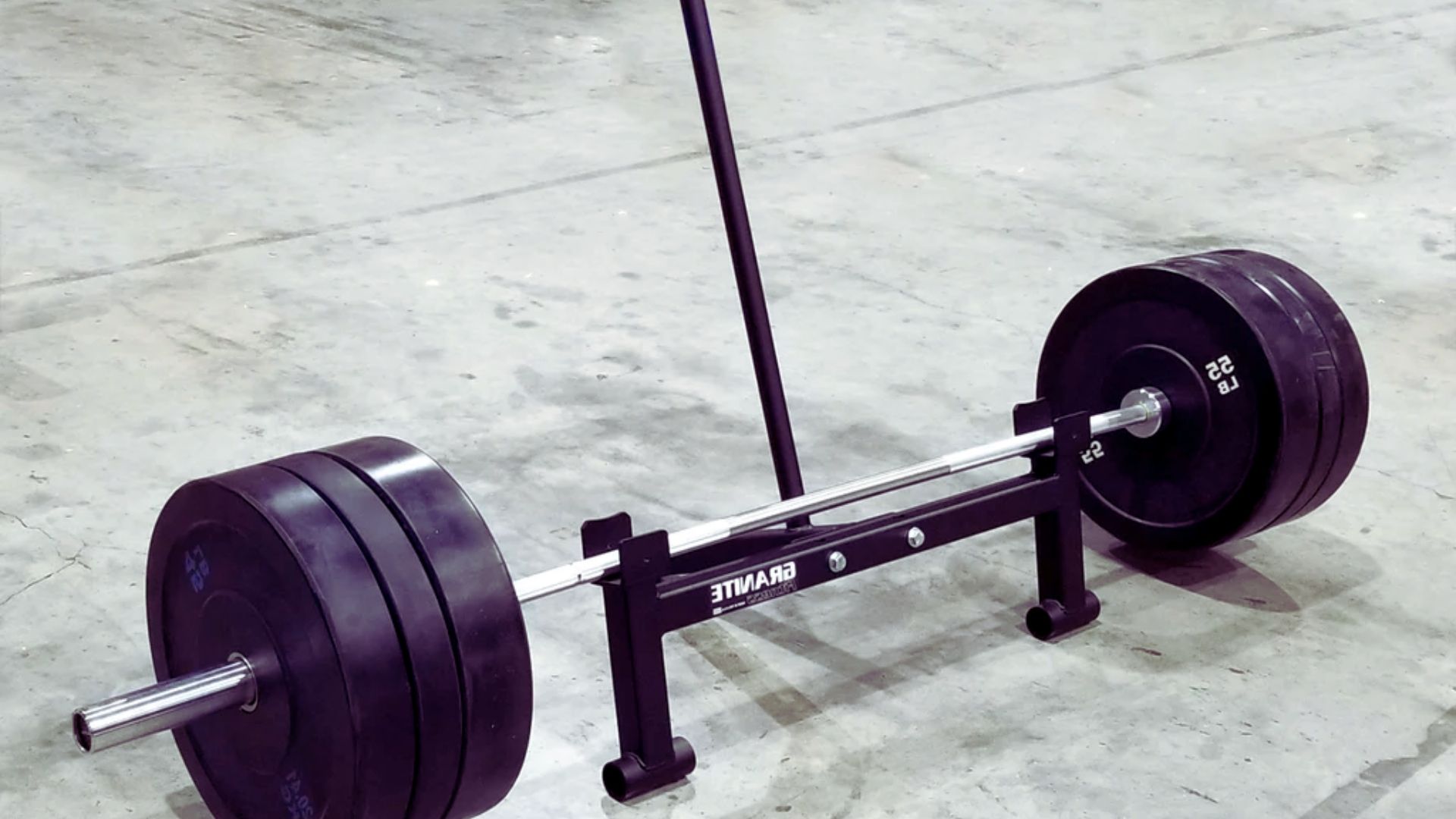
A 315 deadlift means lifting three 45-pound plates on each side of a standard 45-pound Olympic barbell.
Three plates per side equal 270 pounds. Add the bar (45 pounds), and the total becomes 315 pounds. That is why it is called a “three-plate deadlift.”
In gym culture, 315 is a common strength milestone. It often marks the move from beginner to intermediate level for many men.
The weight also looks heavy on the bar, which adds to its reputation. Because of this, many lifters see 315 as their first major strength goal
Is 315 a Good Deadlift for Men?
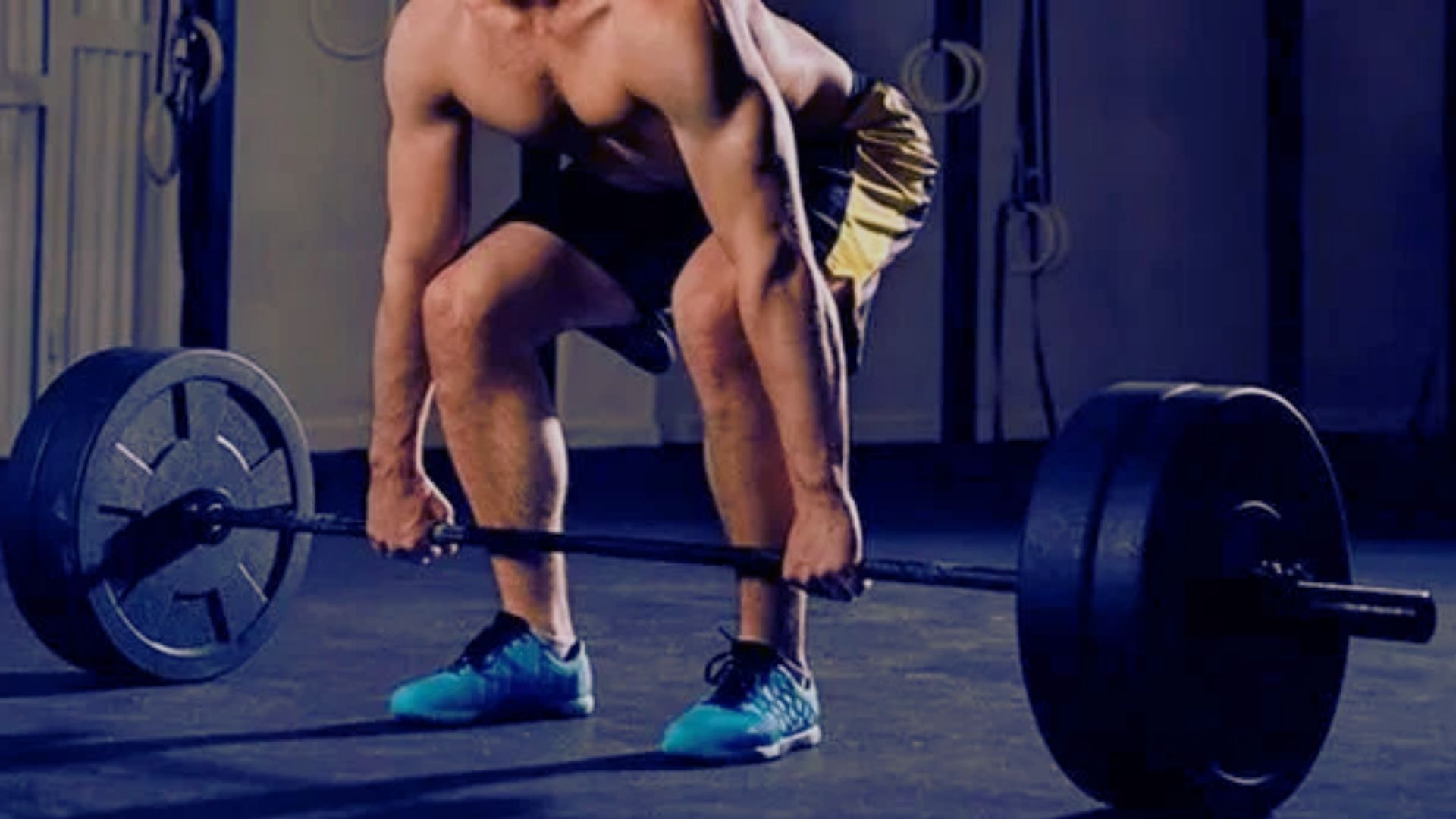
The answer depends on your training level and bodyweight. For most men, 315 pounds is a strong and respected milestone.
By Experience Level
For a beginner, pulling 315 is rare and close to elite territory. Most beginners lift far less in their first year.
For an intermediate lifter, 315 shows solid progress and consistent training. For advanced lifters, it is respectable but not top-tier. In competition, it is an entry-level strength.
By Bodyweight (General Standards)
Bodyweight changes how impressive 315 looks. At 148-165 pounds, it is close to double bodyweight and considered advanced.
At 181-198 pounds, it reflects strong intermediate strength. At 220+ pounds, it is solid but more common. Lighter lifters earn more relative strength credit.
Ratio-Based Standard
Strength ratios give clearer context than numbers alone. The 1.5× bodyweight rule signals good general strength for most men.
Reaching 2× bodyweight moves into advanced territory. For lighter athletes, 315 may exceed 2× bodyweight. For heavier men, it may fall below strength benchmarks.
Is 315 a Good Deadlift for Women?
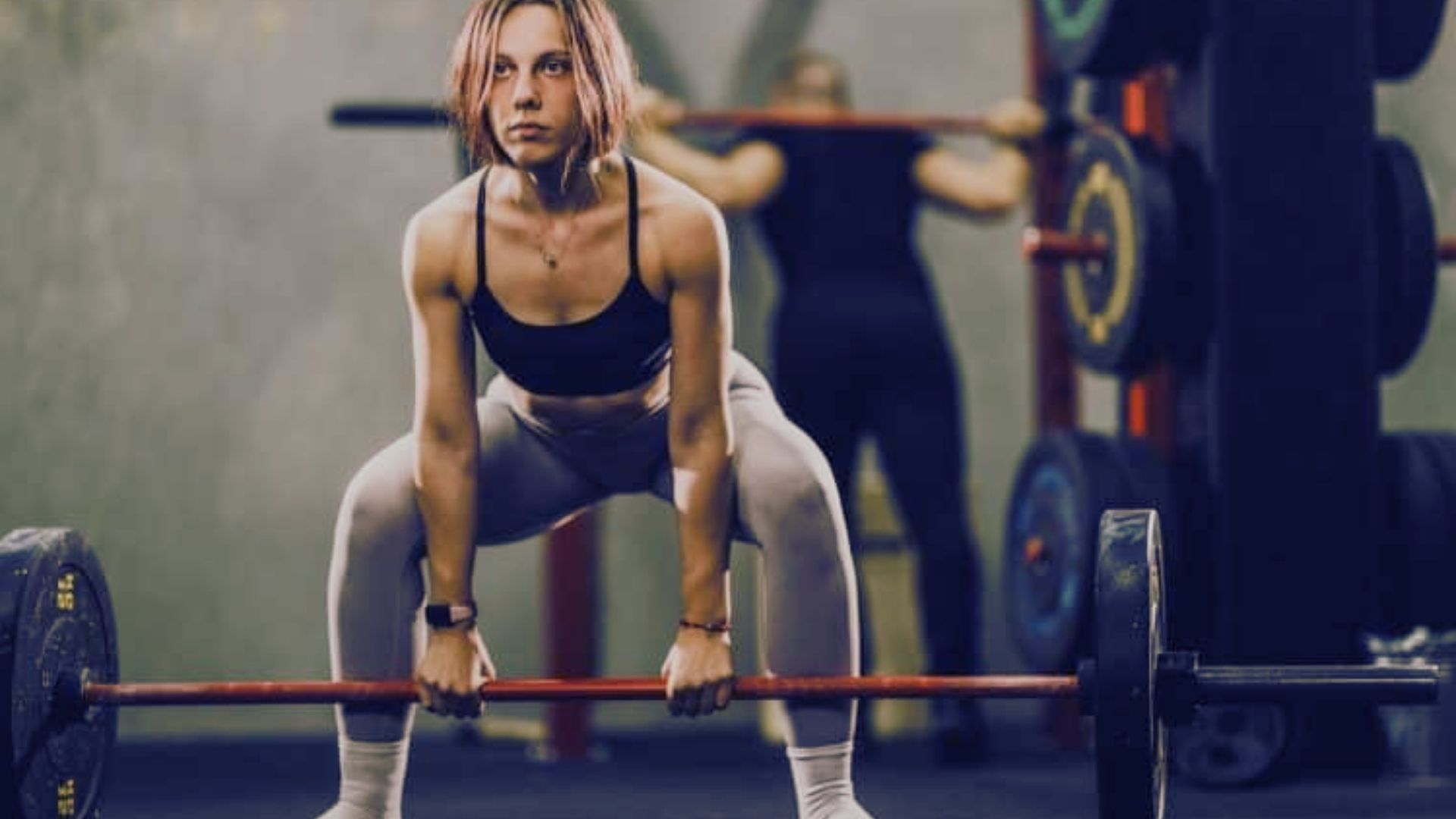
For women, 315 pounds is not just good. In most cases, it is exceptionally strong.
For Most Female Lifters
For the average female lifter, a 315 deadlift is very advanced. Most women in commercial gyms lift far below this number.
It is rare to see outside serious strength training circles. In general fitness settings, 315 places a woman well above the typical strength level.
Strength Ratio Comparison
Strength ratios matter more than body weight alone. For many women, lifting 1.5× bodyweight already shows strong development.
A 315 deadlift often equals 2× bodyweight or more, especially in lighter lifters. That level of relative strength places many women in advanced or elite territory.
Is 315 Good at Different Ages?
Age plays a big role in how impressive 315 looks. The same weight can mean very different things over time.
15-17 years old: Very advanced for most teenagers. It often matches college-athlete strength levels. However, proper coaching is critical. Poor form at this age can lead to injury, especially while the body is still developing.
20-40 years old: A strong recreational milestone. It shows consistent training and solid muscle development. In competitive lifting, though, it is respectable but not elite.
40+ years old: An excellent indicator of strength. It reflects above-average muscle and bone health. Recovery and joint care become more important at this stage.
In short, age adds important context to strength. A 315 deadlift can be impressive at any stage, depending on who is lifting it.
315 in Powerlifting Context
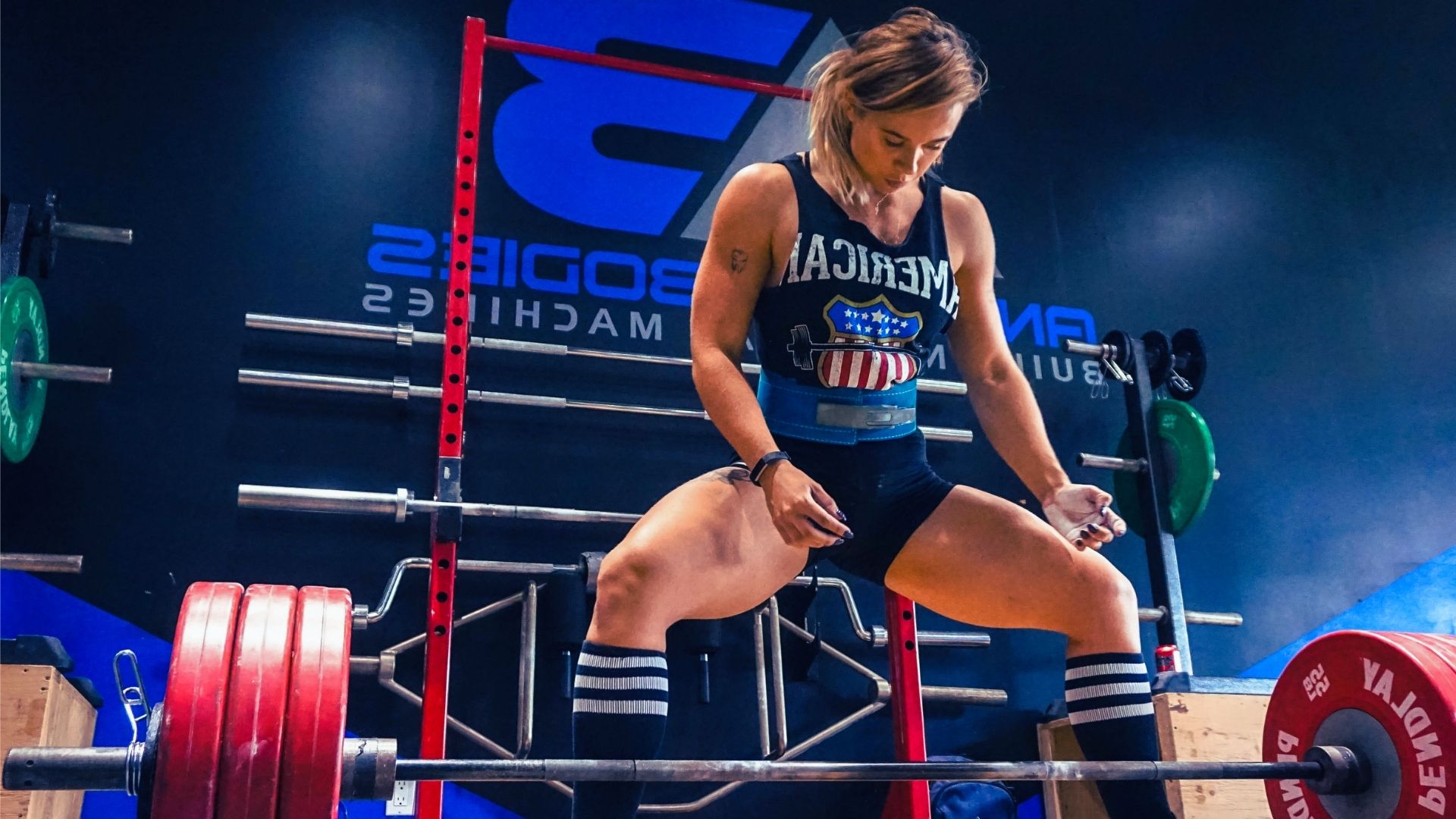
A 315 deadlift is common at local powerlifting meets. Its value depends on the division and category.
For men, 315 is often an opener in beginner divisions. In most weight classes, it is entry-level and not competitive at higher levels. Advanced male lifters typically pull significantly more.
For women, 315 can be competitive in many weight classes, especially lighter ones. It may place well at local meets.
Standards differ in drug-tested and untested federations. Untested divisions usually post higher totals. Equipped lifting also allows heavier numbers than raw lifting.
An impressive gym lift is not always elite in competition.
When 315 Is NOT Impressive
A 315 deadlift does not carry the same weight in every situation. In some cases, it is simply expected.
Very high bodyweight lifters: For men over 275-300 pounds, 315 may be close to bodyweight or less. At that size, higher numbers are usually expected.
Advanced competitive athletes: Experienced powerlifters often pull 405 pounds or more. In that level of competition, 315 is basic.
Strength athletes (Strongman): Strongman training involves much heavier loads. For them, 315 is often used as a warm-up.
Body composition: More lean muscle makes the lift more meaningful. Higher body fat with lower strength reduces relative impact.
Training age: Lifters with many years of structured training are generally expected to exceed 315.
Height and leverages: Limb length and torso structure affect mechanics. Some builds make 315 easier to lift.
In short, strength is always relative to the individual.
The Strength Levels Breakdown
Strength levels help you see where you stand. These are general recreational standards for raw deadlifts.
|
Strength Level |
Men (Deadlift) |
Women (Deadlift) |
|
Beginner |
135 lbs |
65 lbs |
|
Novice |
225 lbs |
135 lbs |
|
Intermediate |
315 lbs |
185 lbs |
|
Advanced |
405 lbs |
275 lbs |
|
Elite |
500+ lbs |
315+ lbs |
Use this table as a reference, not a limit. Progress matters more than labels.
What It Takes to Reach a 315 Deadlift
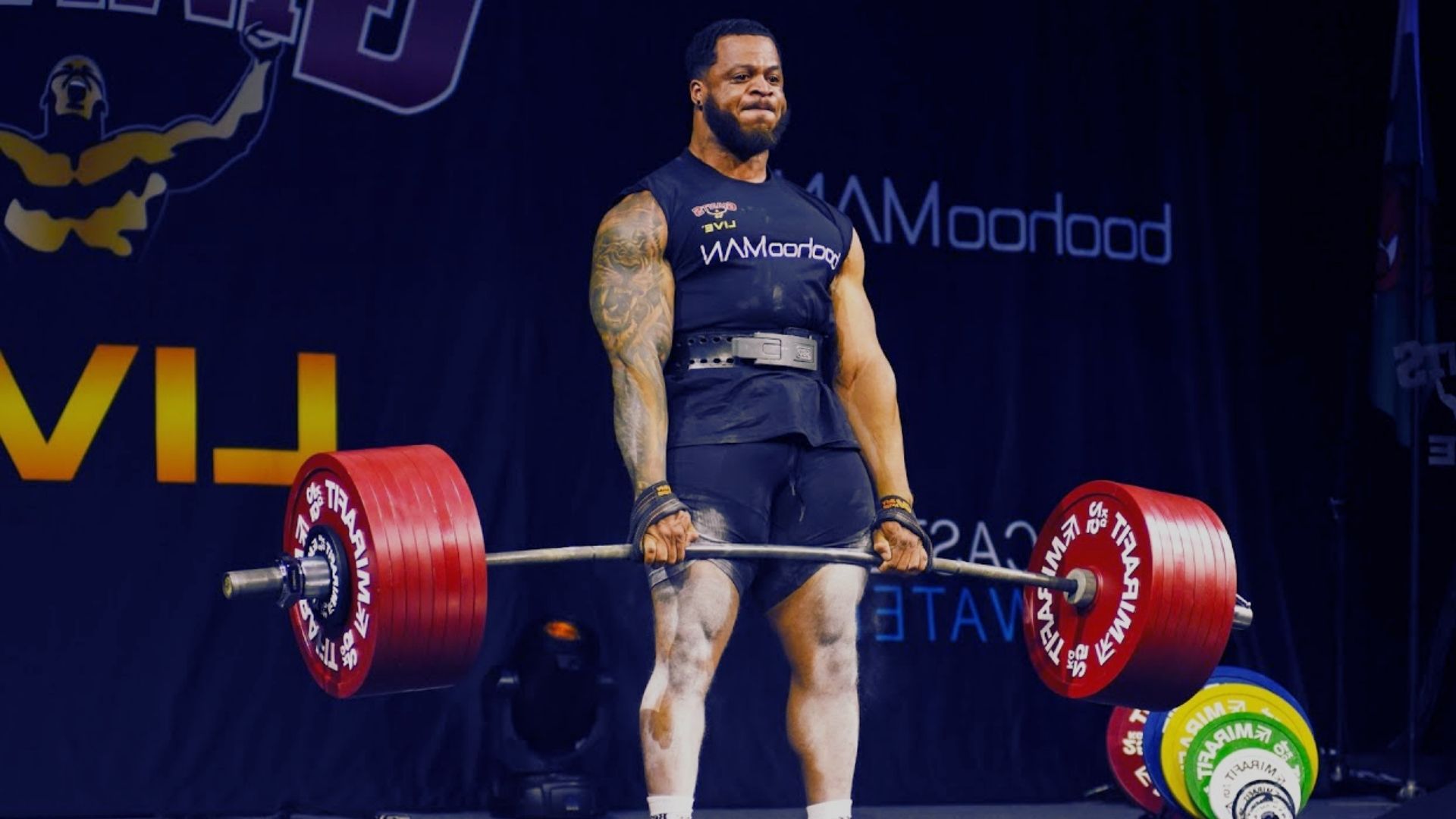
Reaching 315 takes time and steady effort. Most lifters build up to it step by step.
Time frame:
For consistent trainees, it often takes 6–18 months. Beginners may progress faster in the first year. After that, progress slows and requires smarter training.
Programming essentials:
Progressive overload is key. You must gradually increase weight or reps. Proper weekly volume supports muscle growth. Recovery, including sleep and rest days, allows strength to improve.
Key muscles required:
Strong glutes drive the lift from the floor. Hamstrings assist with hip extension. The lower back stabilizes the spine. A strong core keeps the torso firm and protected.
Reaching 315 requires consistent training and proper technique. Focusing on key muscles and recovery ensures steady, safe progress.
Is 315 a Good Deadlift for You?
Before chasing 315, check if it fits your strength and goals. Use this simple self-assessment to guide you.
- Is it at least 1.5× your bodyweight?
- Can you lift it with perfect form?
- Can you repeat it safely for multiple reps?
- Are you training for competition or general strength?
- Are you focusing on performance over ego lifting?
Use this checklist to see if 315 is a realistic and safe goal for you.
Factors That Change the Answer
Whether 315 is a good deadlift depends on personal factors that affect how impressive or achievable it is.
Age: Younger lifters recover faster, while older lifters need more focus on recovery, mobility, and injury prevention.
Gender: 315 pounds is intermediate for most men but elite for most women.
Bodyweight: Relative strength matters more than absolute weight, making lighter lifters appear stronger at 315.
Genetics: Muscle fibers, limb length, and torso size affect lifting efficiency.
Training consistency: Structured, regular workouts build strength steadily.
Nutrition: A proper diet fuels recovery and energy.
Injury history: Past injuries may require modified techniques or slower progression.
Strength is personal, and 315 means different things for everyone. Focus on your progress, stay consistent, and lift smart.
Conclusion
So, is 315 a good deadlift for you? It depends on your training, body weight, and consistency.
For many men, it’s a strong milestone, and for women, it’s often elite. Your age, experience, and technique influence how impressive it is.
Focus on steady progress, proper form, and celebrating each gain. Hitting 315 reflects dedication, patience, and personal strength growth.
Track your progress, challenge yourself, and enjoy the path toward achieving your 315 deadlift goal.
Track your lifts, stay consistent, and reach your 315 deadlift confidently!
Frequently Asked Questions
How Rare Is A 315 Deadlift?
A 315 deadlift is a milestone for most men and elite for most women. Among recreational lifters, only a small percentage can hit this number.
Is 315 Good At 150 Lbs Bodyweight?
For a 150-pound male, 315 is about 2× bodyweight, which is very strong. For a 150-pound female, it is elite-level strength above typical gym standards.
Is 315 A 3-Plate Deadlift?
Yes, a 315 deadlift uses three 45-pound plates on each side plus the 45-pound barbell.
How Long Does It Take To Reach 315?
Most consistent lifters reach 315 in 6–18 months with proper training and recovery.
Is 315 Deadlift Elite?
It depends on context: elite for women, advanced for men of average bodyweight, but not elite for competitive male powerlifters.