

Your hips might feel stuck when you squat or twist. That tightness comes from weak internal rotators of the hip. These muscles control how your thigh bone turns inward, and when they don’t work well, you feel it everywhere.
I’ve spent years helping people fix hip problems, and I know how frustrating limited mobility can be. This guide will show you exactly which muscles rotate your hip inward, why they get tight, and how to fix them with simple exercises.
You’ll learn the best stretches, strength moves, and mobility drills to get your hips moving freely again. We’ll cover what’s normal and when to worry about pain. By the end, you’ll have a clear plan to improve your hip rotation and move better every day.
What Are the Internal Rotators of the Hip?

Hip internal rotation happens when your thigh bone turns inward toward the center of your body. This movement occurs at the ball-and-socket joint where your femur spins inside the hip socket.
When you sit cross-legged or turn your knee inward, you’re using internal rotation. Normal hip internal rotation ranges from 30 to 40 degrees.
Internal rotation affects almost every lower-body movement you make. Walking requires your hip to rotate inward with each step.
Squatting down needs good internal rotation to keep your knees tracking properly. When internal rotation is limited, your body compensates in bad ways.
Your knees might cave inward during squats. Your lower back takes extra stress during walking. Even climbing stairs becomes harder when these muscles don’t function well.
Poor hip rotation changes how forces move through your legs. This puts extra pressure on your knee joints and spine. Over time, these compensation patterns can lead to chronic pain and injury.
Primary Internal Rotators of the Hip
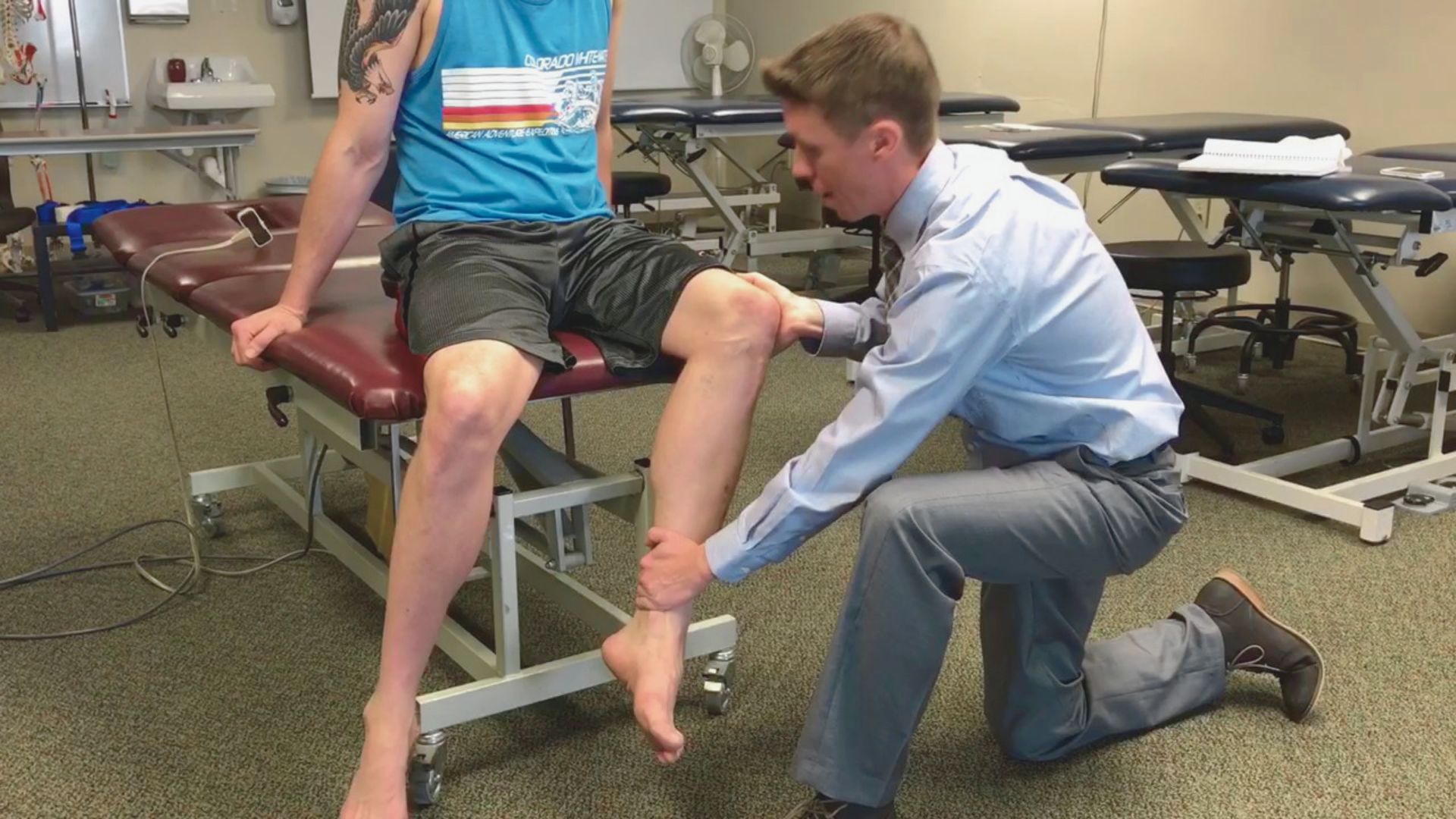
Several muscles work together to rotate your hip inward. Some are large and powerful, while others provide fine control and stability.
Main Internal Rotators of the Hip
The tensor fasciae latae (TFL) sits on the outside of your hip and connects to your IT band. It’s one of the strongest internal rotators and stabilizes your pelvis when you walk.
The gluteus medius and gluteus minimus rotate your hip inward and work hard during single-leg activities. Your adductor muscles (adductor longus, brevis, and magnus) pull your leg inward and help with internal rotation. The pectineus is a small muscle that flexes and rotates your hip.
Deep Internal Rotators of the Hip
Deeper muscles provide stability and fine motor control. These smaller muscles keep your hip joint centered during rotation. When weak, your hip can feel unstable or pinch during certain movements.
Deep rotators support your pelvis during single-leg stance and prevent excessive movement. Strengthening them improves hip function and reduces compensation patterns.
Internal Rotators of the Hip Exercises

Specific movements can restore and improve hip internal rotation. These exercises target the muscles that rotate your thigh inward.
Seated Hip Internal Rotation Exercise
Sit on a chair with feet flat and knees bent at 90 degrees. Slowly move one knee inward while keeping your foot planted. Hold for 2 seconds, then return to the start. Repeat 10 to 15 times on each side.
Keep your upper body still and don’t let your hip lift. This activates your TFL, gluteus medius, and adductor muscles.
90-90 Hip Internal Rotation Exercise
Sit on the floor with both legs bent at 90 degrees. Position one leg in front and one to the side. Lean forward slightly over your front leg and hold for 30 to 60 seconds.
Switch sides and repeat. This improves active control and increases both mobility and strength.
Squat-Based Internal Rotation Drill
Stand with feet shoulder-width apart. Squat down, keeping your knees tracking over your toes. Pause at the bottom for 1 second, then rise with control.
Perform 3 sets of 10 repetitions. This improves hip mobility under load and carries over to daily movements.
How to Stretch Internal Rotators of the Hip?

Stretching can help when these muscles are tight and restricted. Proper technique makes stretching safe and effective.
Internal Rotators of the Hip Stretch (90-90 Stretch)
Sit on the floor with both knees bent at 90 degrees. Place your front shin parallel to your body and your back leg to the side. Sit up tall and lean forward slightly over your front leg.
Hold for 45 to 60 seconds without bouncing. Focus on relaxing with each exhale. Switch sides and repeat. This stretch targets the internal rotators and the hip capsule together.
Posterior Hip Capsule Stretch
Lie on your back and pull one knee toward your opposite shoulder. Use your hands to guide your knee across your body while keeping your shoulders flat on the ground.
Hold for 30 to 45 seconds. This stretch creates space in your hip joint for better internal rotation. Perform after workouts or when your hips feel tight.
Soft Tissue Release for Deep Internal Rotators
Lie on your side and place a firm ball under your outer hip, just below your hip bone. Roll slowly back and forth, searching for tender areas.
When you find a tight spot, pause and breathe deeply for 20 to 30 seconds. Target the area around your TFL and gluteus medius. Work on each hip for 2 to 3 minutes.
How Often to Train the Internal Rotators of the Hip?
Consistency matters more than intensity. Regular practice produces lasting results.
Mobility vs Strength Frequency
Practice mobility exercises daily for best results. Spend 5 to 10 minutes each day working on hip rotation. Your nervous system adapts faster with frequent, shorter sessions.
Strength training requires more recovery time. Train your internal rotators 2 to 3 times per week with at least one rest day between sessions. Combine mobility work on rest days with strength training on workout days.
Progress Tracking
Test your internal rotation every two weeks. Sit with one leg bent and measure how far your knee moves inward. Your range of motion should gradually increase over weeks.
Watch for functional improvements in daily life. Squatting should feel easier and deeper. Your stride should lengthen when you walk. Pain should decrease or disappear as your hip function improves. Take videos of your squats monthly to see changes in your form.
Tips for Strengthening Internal Rotators of the Hip
Building strength in these muscles prevents future problems and reduces injury risk.
- Reverse Clamshell Exercise: Lie on your side with knees bent. Lift your bottom knee toward the ceiling while keeping your feet together. Do 3 sets of 12 reps per side.
- Prone Internal Rotation Lifts: Lie face down with one leg hanging off a table. Rotate your lower leg outward and hold for 2 seconds. Repeat 10 times per side.
- Single-Leg Hinge: Stand on one leg and hinge forward while reaching toward the ground. Keep your pelvis level. Do 3 sets of 8 reps per leg.
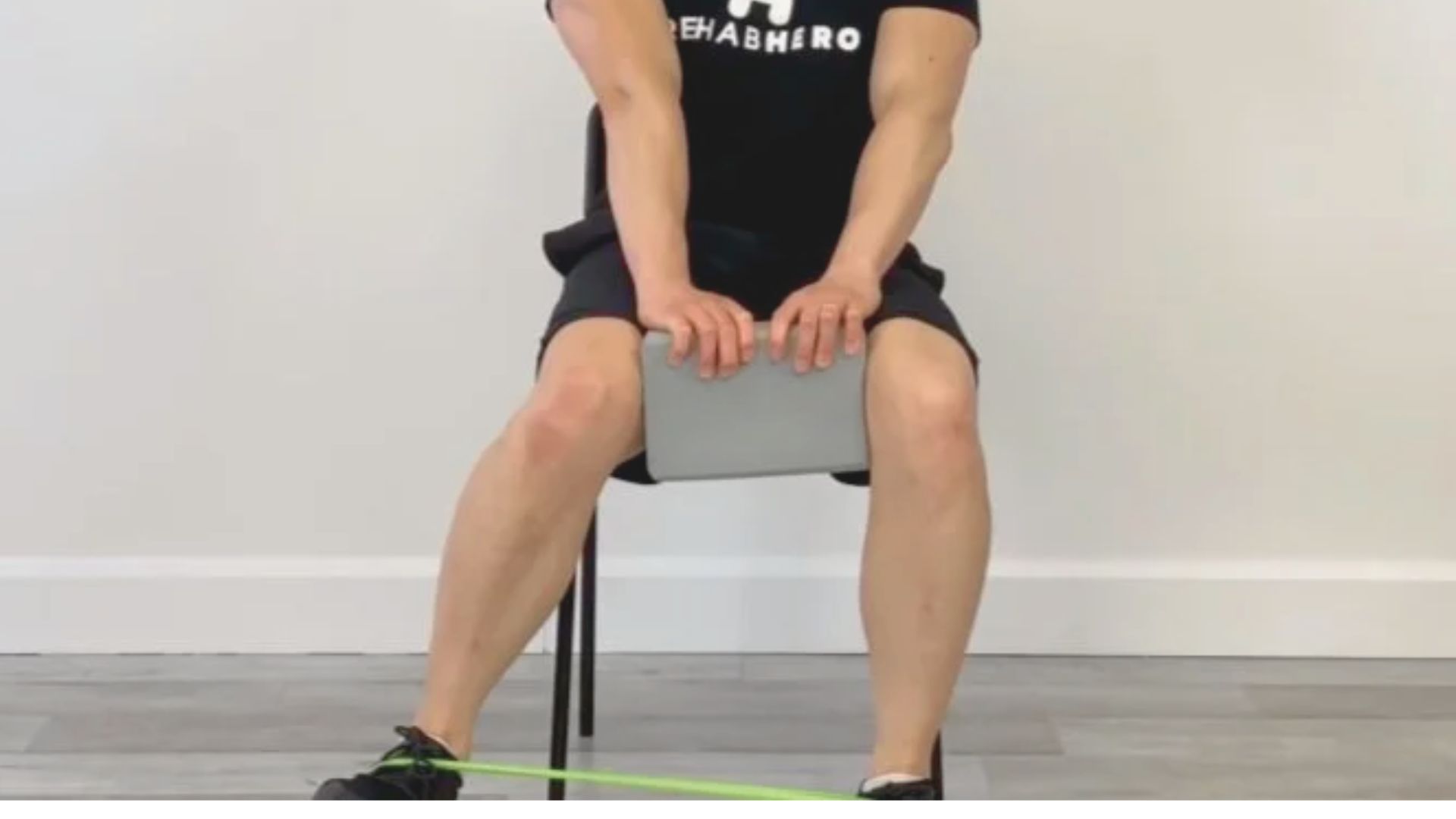
- Banded Internal Rotation: Place a band around your thighs. Rotate one knee inward against resistance. Hold for 2 seconds and repeat 12 times per side.
- Wall Sit with Ball Squeeze: Sit against a wall with a ball between your knees. Squeeze and hold for 20 to 30 seconds. Repeat 3 times.
Conclusion
Your hips are meant to move freely in all directions. When your internal rotators work properly, everything from walking to working out feels smoother and easier.
I’ve seen countless people regain mobility they thought was gone forever. The exercises in this guide work, but only if you use them consistently. Start with just one or two movements and practice them daily.
Your body will thank you for this investment. Try the seated rotation exercise today and notice how your hip feels. Share your progress in the comments below, and let me know which exercise helps you most.
Frequently Asked Questions
How long does it take to improve hip internal rotation?
Most people notice changes in 3 to 4 weeks with daily practice. Significant improvements usually take 6 to 8 weeks of consistent work.
Can tight hip internal rotators cause knee pain?
Yes, limited hip internal rotation often leads to knee problems. When your hip can’t rotate properly, your knee compensates by twisting in unsafe ways.
Should I feel pain during hip internal rotation exercises?
You should feel stretching or muscle tension, not sharp pain. Stop immediately if you experience pinching, catching, or pain that gets worse.
What’s the difference between internal and external hip rotation?
Internal rotation turns your thigh inward toward your body’s center. External rotation turns your thigh outward away from the center.
Can I do these exercises every day?
Mobility and stretching exercises are safe to do daily. Strength exercises need rest days between sessions for recovery.


