

I know how frustrating tight shoulders can feel, especially when simple things like reaching behind your back become a struggle.
That is why I put together this guide on internal rotation of shoulder to help you fix it the right way.
I have spent time researching and applying these movements myself, and I am confident this will help you too.
In this blog, I will walk you through why this mobility matters, the signs your shoulder is limited, 7 exercises that actually work, and tips to see faster results.
Why Internal Rotation of Shoulder Mobility Matters

Good internal rotation of the shoulder keeps your joints healthy and your movement smooth. Without it, your posture takes a hit, everyday tasks feel harder, and your risk of injury goes up.
Muscles like the subscapularis and teres major depend on this motion to work well.
Whether you lift weights, play sports, or just sit at a desk all day, keeping this range of motion in check helps your shoulder stay strong and pain-free over time.
Signs You Have Limited Internal Rotation of Shoulder
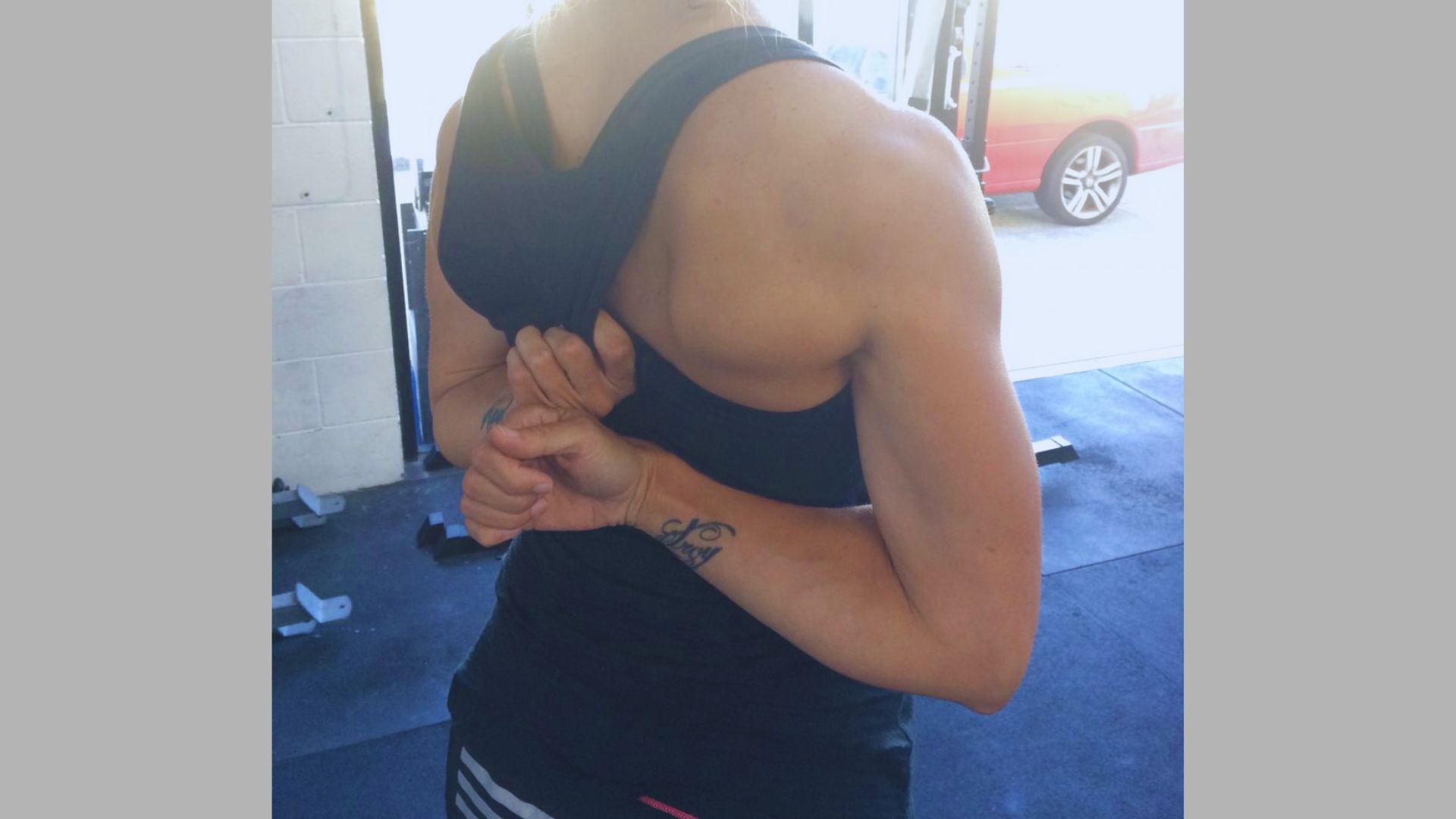
Limited shoulder mobility often shows up in small, annoying ways you might be ignoring.
Difficulty Reaching Behind Your Back
If you struggle to reach for your wallet, hook a bra strap, or scratch your upper back, your internal rotation is likely limited.
This is one of the most common early signs. The shoulder simply does not have the range to move freely into that position, which means the muscles and capsule around it are tight and need attention.
Pain With Internal Rotation of Shoulder
Pain that shows up when you rotate your arm inward, especially under load, is a clear red flag. It can feel like a pinch, ache, or sharp pull near the back of your shoulder.
This kind of discomfort often means the posterior capsule is tight or the rotator cuff is overworked trying to compensate for the lack of mobility.
Stiffness During Lifts or Overhead Movements
Feeling stiff or blocked when pressing overhead or doing rows? That is your shoulder telling you something is off.
Limited internal rotation affects how your shoulder blade and upper arm bone move together. Over time, this can lead to poor form, muscle imbalances, and even a rotator cuff injury if left unaddressed.
Internal Rotation of Shoulder: 7 Best Exercises
These seven movements target the root causes of shoulder tightness and help you build real, lasting mobility.
1. Cross-Body Shoulder Stretch

Bring one arm across your chest and hold it with the opposite hand just above the elbow. Hold for 30 seconds, then switch.
This stretch improves posterior shoulder flexibility by pulling the rear shoulder muscles into a gentle lengthened position.
Do it daily, especially after workouts, to keep the back of your shoulder loose and less reactive to tightness.
2. Sleeper Stretch

Lie on your side with your shoulder under you, arm bent at 90 degrees. Use your top hand to gently press your forearm down toward the floor.
Hold for 20 to 30 seconds. This targets deep shoulder capsule tightness directly and is one of the most effective stretches for restoring internal rotation range.
Go slowly and never force the movement.
3. Banded Internal Rotation
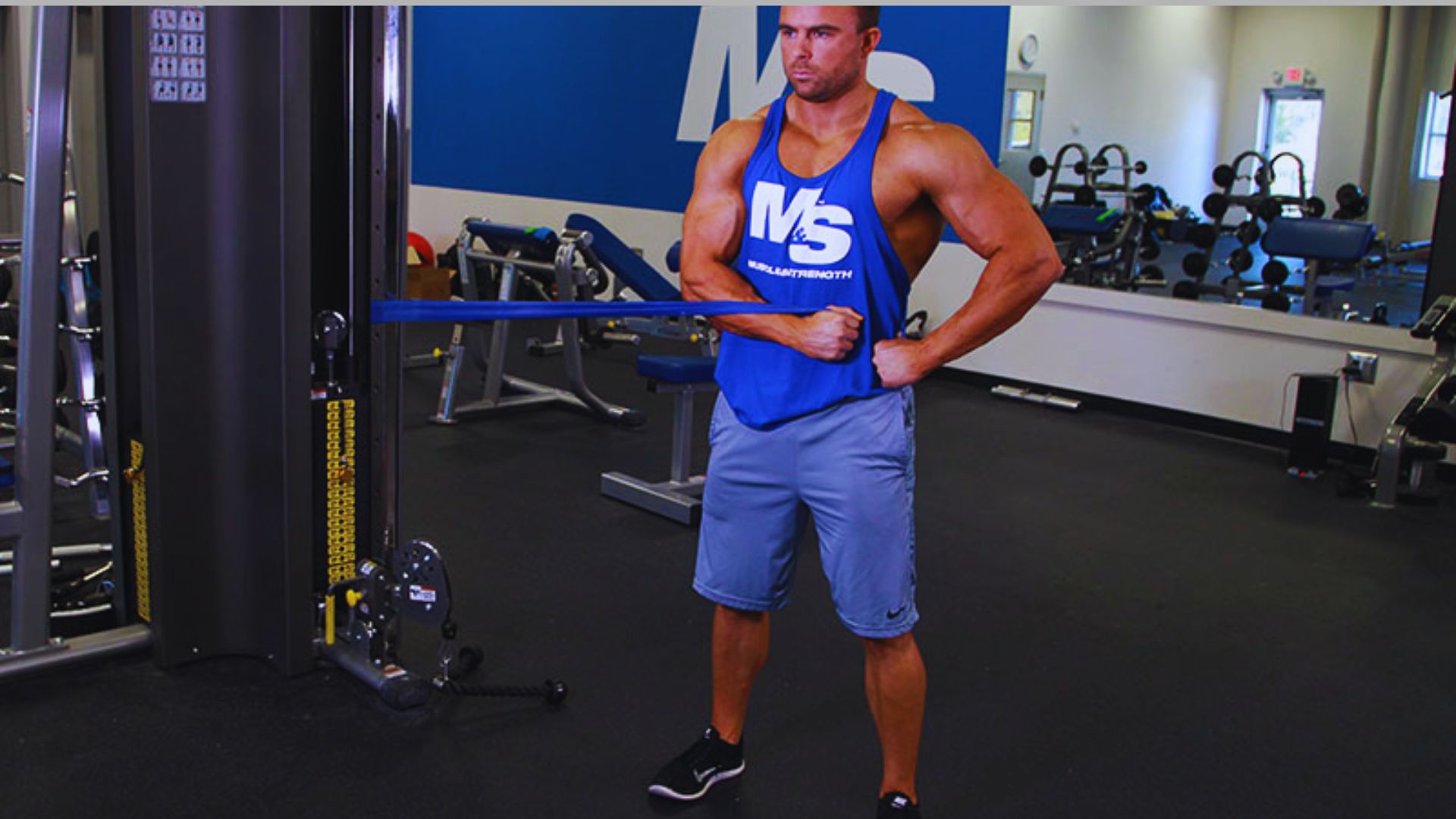
Anchor a resistance band at elbow height. Stand sideways, hold the band with the arm closest to the anchor, elbow bent.
Rotate your forearm toward your body against the resistance. This strengthens the rotator cuff and builds better motor control.
It trains the muscles responsible for internal rotation so your shoulder moves with more stability and confidence under load.
4. Towel Stretch Behind the Back

Hold a towel with one hand behind your neck and the other behind your lower back. Gently pull the bottom hand upward.
This builds functional mobility by working both internal and external rotation at the same time. It mimics real-life movements and helps your shoulder get used to working through a bigger range in a practical, everyday position.
5. Posterior Capsule Ball Release

Place a lacrosse ball or small firm ball on the back of your shoulder. Lean into a wall and apply gentle pressure.
Slowly roll the ball across the posterior capsule area. This reduces tightness and stiffness in the connective tissue around the shoulder joint.
Spend one to two minutes on each side before stretching for better results.
6. Scapular Stability Exercises

Moves like wall slides, scapular push-ups, and band pull-aparts strengthen the muscles that control your shoulder blade.
When your scapula moves well, your shoulder joint has a better base to work from. This improves shoulder blade control and directly supports how well your arm can rotate inward.
A stable blade means a more mobile and protected shoulder overall.
7. Thoracic Mobility Drill

Sit on the floor with a foam roller across your mid-back. Support your head and gently extend over the roller at different levels of your thoracic spine.
This enhances overall shoulder movement by freeing up the upper back, which directly affects how much your shoulder can rotate.
Stiff thoracic spine equals stiff shoulders, so this one matters more than most people realize.
How to Improve Internal Rotation of Shoulder Faster

To see faster results, stay consistent and do not skip your mobility work on rest days. Combine stretching with strengthening because flexibility without control does not last.
Focus on the posterior capsule and thoracic spine since these two areas block internal rotation the most.
Warm up before your exercises to increase blood flow to the joint, and hold each stretch for at least 30 seconds.
Track your progress weekly by testing your range of motion, and adjust your routine based on what still feels tight.
Common Mistakes to Avoid
Small errors can slow down your progress or even make things worse. Here is what to watch out for.
- Forcing the stretch too hard. Pushing past discomfort does not speed things up. It can irritate the joint and set you back.
- Skipping the warm-up. Cold muscles do not stretch well. Always warm up for five minutes before working on mobility.
- Only stretching, never strengthening. Flexibility without muscle control is not real mobility. You need both to see lasting change.
- Being inconsistent. Doing these exercises once a week will not move the needle. Daily or near-daily practice is what gets results.
- Ignoring thoracic spine stiffness. Most people focus only on the shoulder and wonder why nothing changes. The upper back is often the real problem.
Conclusion
I have seen firsthand how much better shoulders feel once you commit to working on internal rotation of the shoulder consistently.
It is not about being perfect every day. It is about showing up and doing the work, even when progress feels slow.
If your shoulder has felt stiff or sore for a while, these exercises are a great place to start. Try them for two weeks and notice how much easier daily movement becomes.
Drop a comment below and let me know which exercise helped you the most. Share this with someone who struggles with shoulder tightness too.
Frequently Asked Questions
What causes limited internal rotation of shoulder?
Tight posterior capsule muscles and poor thoracic mobility are the most common causes. Overuse and poor posture make it worse over time.
How long does it take to improve internal rotation of shoulder?
Most people notice a difference within two to four weeks of daily practice. Consistency matters more than intensity here.
Can limited shoulder internal rotation cause pain?
Yes. When the shoulder cannot rotate freely, surrounding muscles overwork and this leads to inflammation, pinching, or rotator cuff irritation.
Is the sleeper stretch safe for everyone?
For most people, yes. If you have a recent injury or surgery, check with a physical therapist first before trying it.
How often should I do internal rotation of shoulder exercises?
Aim for five to six days a week. Even ten to fifteen minutes of focused daily work can lead to noticeable improvement within weeks.