I’ve done the Insanity Core Cardio and Balance workout myself, and I know it can feel confusing during recovery week. This guide breaks down every move step by step. You’ll learn the warm-up routine, main exercises, and cool-down stretches.
I’ll share what worked for me and how to handle the tough parts. This workout helps your body recover while keeping you active. I’ve been through this program twice, so I understand what you’re facing.
You’ll find simple tips to improve your form and get the most from week five. Let’s make this recovery week count.
What is the Core Cardio & Balance Workout?

This workout appears during recovery week to help your body rest while staying active. It lasts about 37 minutes and focuses on balance, core strength, and controlled movements.You don’t need any equipment. Just grab a mat and some water.
This session differs from Month 1 and Month 2 because it’s slower and more focused. The moves target your core muscles and test your balance.
You won’t feel the same intense cardio burn. Instead, you’ll work on stability and control. This prepares your body for the harder workouts coming in Month 2.
Warm-Up Routine
The warm-up gets your body ready with slow movements that focus on balance, coordination, and preparing your muscles for the main workout.
Switch Heel Kicks

This move starts slow. You kick one heel forward while hopping on the other foot. Then switch sides. Focus on keeping your balance steady. Don’t rush through this one. Your core should stay tight the whole time.
Mummy Kicks
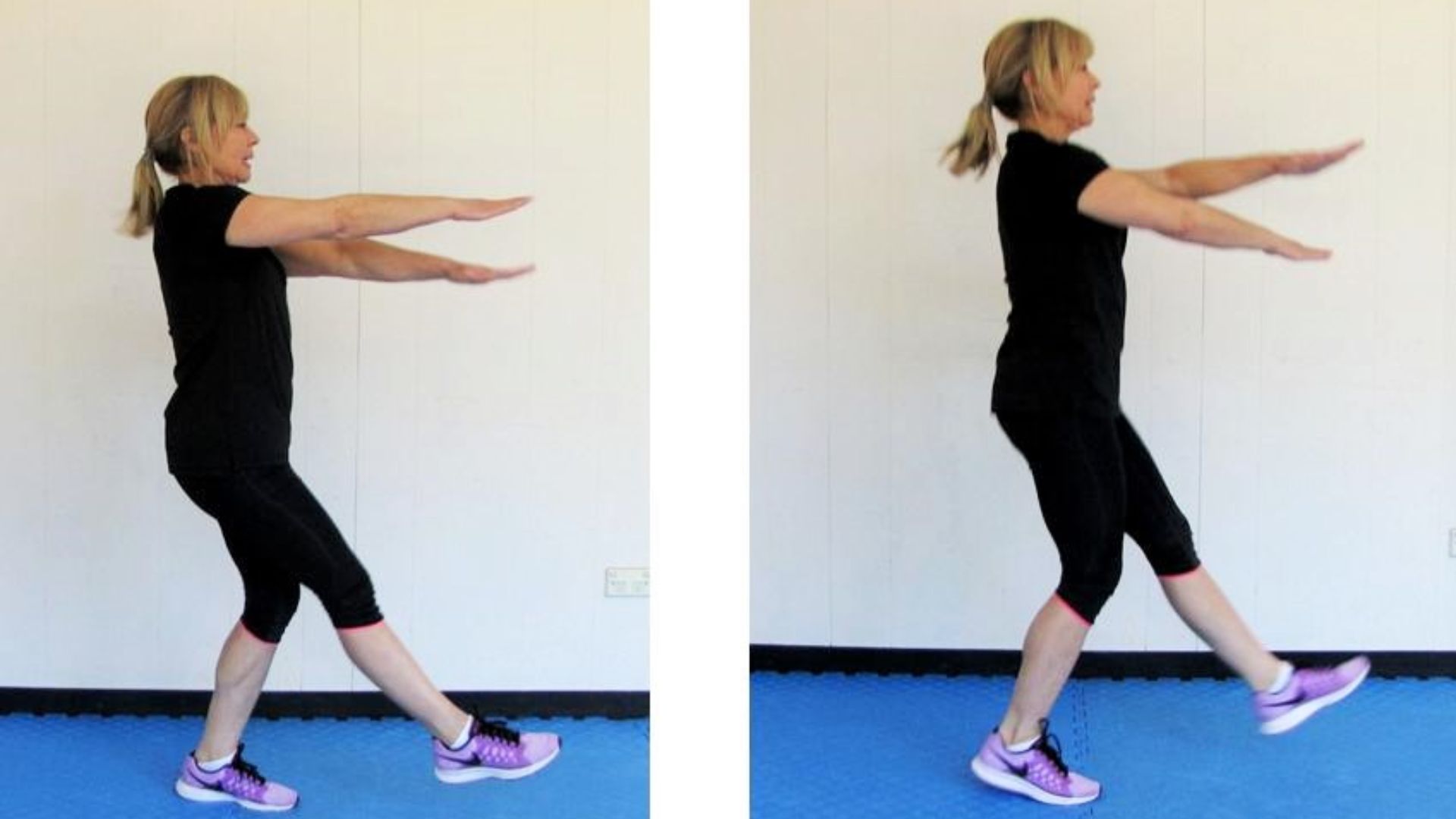
Cross your arms over your chest like a mummy. Kick one leg forward and hop on the other foot. This challenges your stability more than you’d think. Keep your arms crossed and your core engaged. Land softly each time.
Football Shuffle

Move side to side like you’re dodging players on a field. Stay low in a slight squat. Your feet should move quickly. Time your movements so you stay balanced. Don’t let your knees cave inward.
Over-the-Log Jumps

Imagine jumping over a log on the ground. Jump side to side with both feet together. Land with control. This builds lower-body strength without going too hard. Keep your jumps low and controlled.
Main Workout Exercises
This section covers the core moves that build your balance, strength, and coordination during recovery week.
Moving Ski Hops
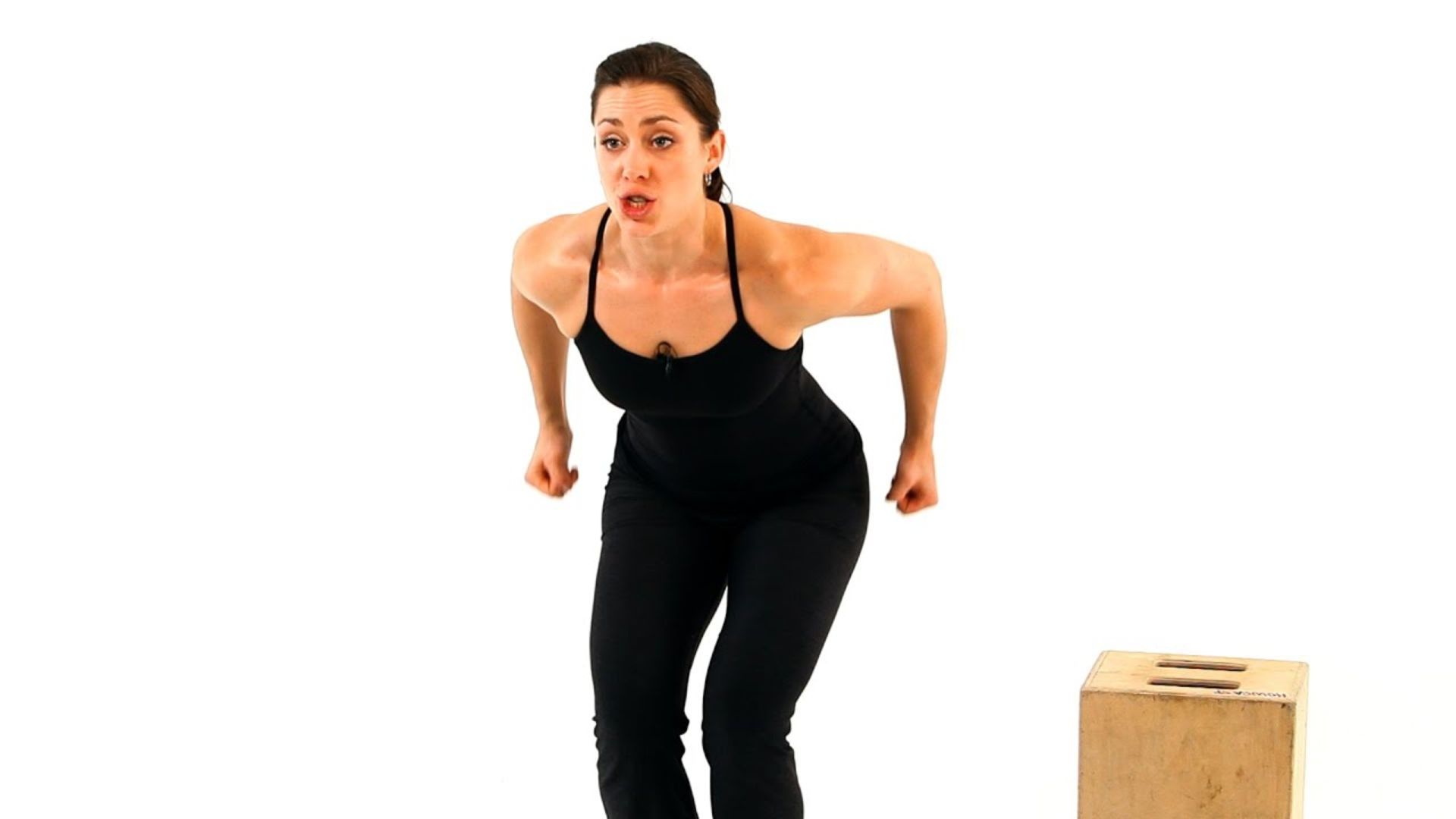
Stand with your feet together. Jump side to side like you’re skiing. Do several reps on the left, then switch to the right. Keep your core tight. Land softly each time. This move tests your coordination.
Hit the Floor
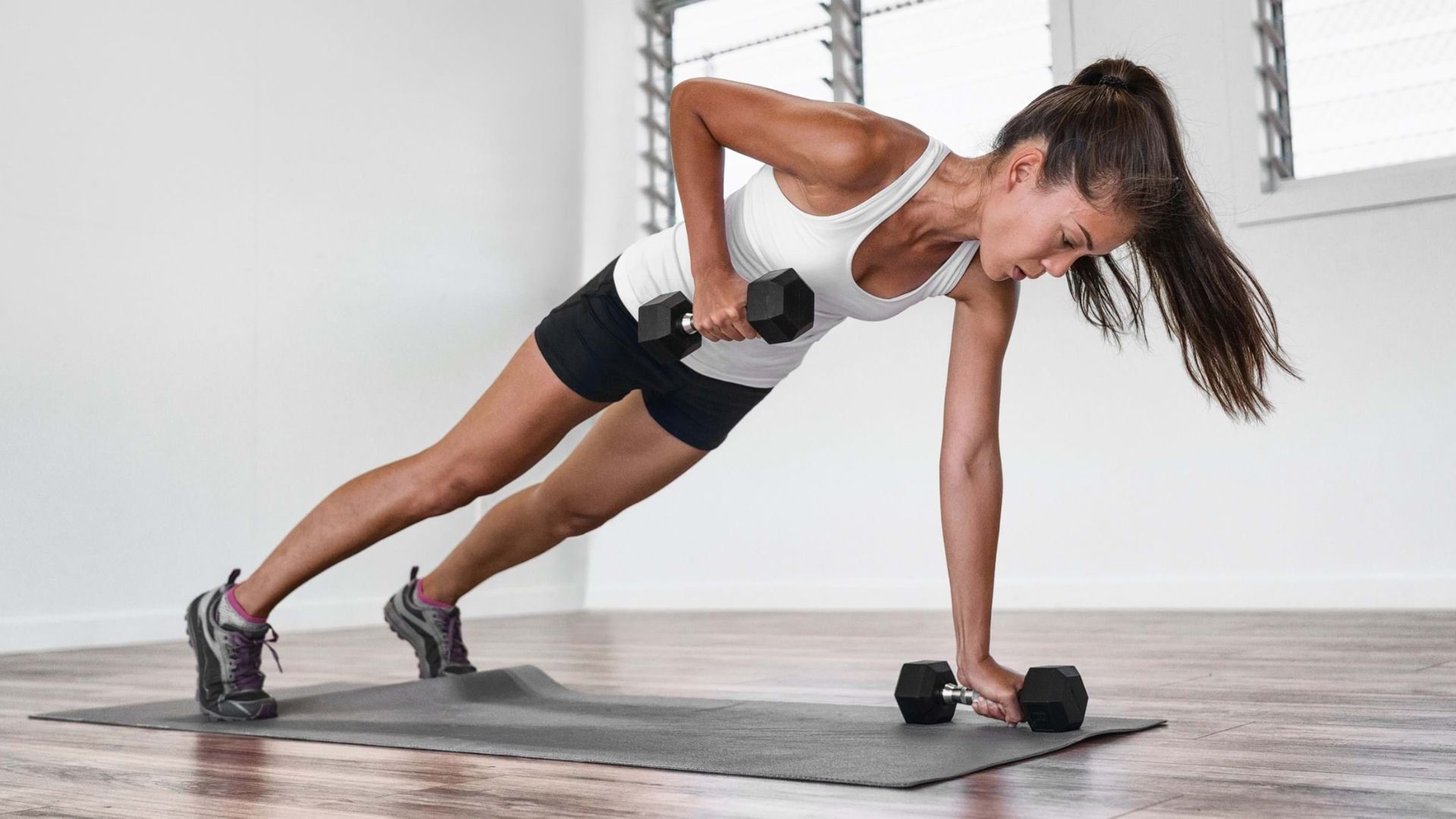
Jump side to side and touch the floor with your hand. Your outside hand goes down each time. This works your legs and obliques. Don’t slam your hand down. Touch gently and keep moving.
Level 1 Drills
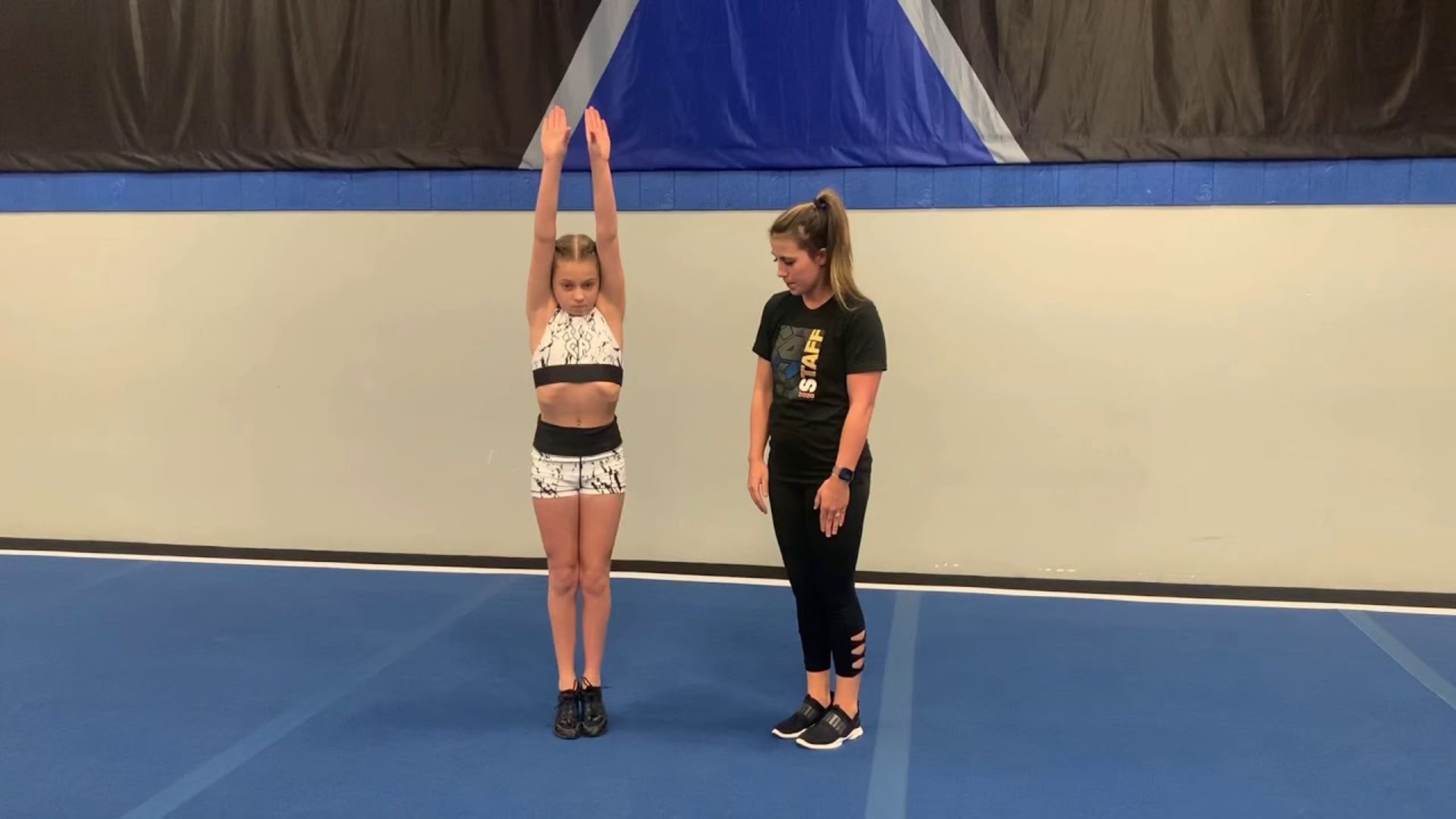
Do three push-ups. Then run in place with your hands on the floor for eight counts. Finally, do three jumps. This sequence repeats several times. It’s harder than it sounds. Pace yourself.
Heismans
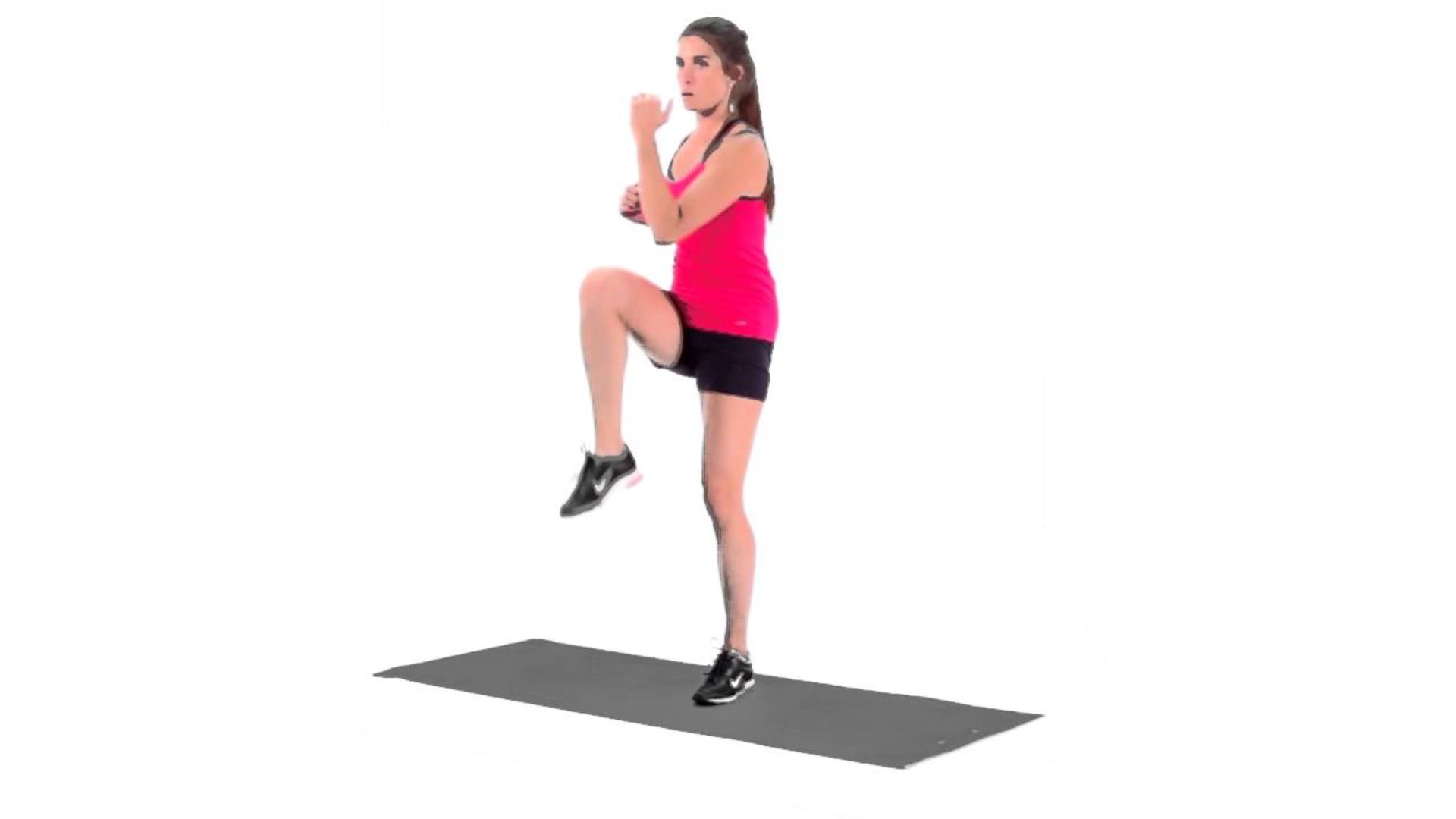
Jog in place while lifting your knees high. Move your arms in rhythm. This looks simple but it burns calories fast. Keep your back straight. Don’t lean forward.
Switch Kicks
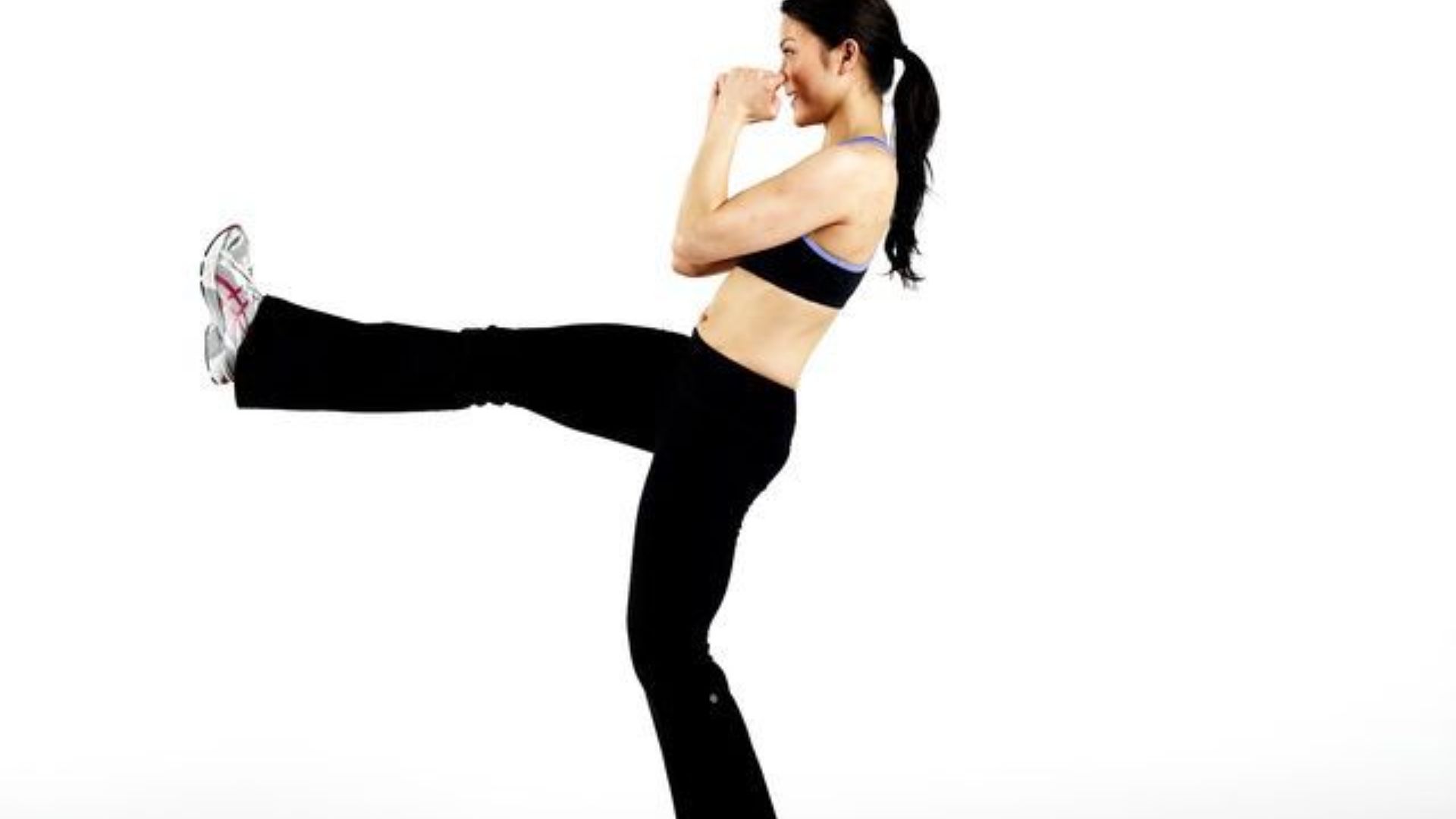
Kick one leg forward. Then switch and kick the other leg. Your core does most of the work here. Point your toes. Keep your standing leg slightly bent. This improves flexibility and strength.
Hop Squats
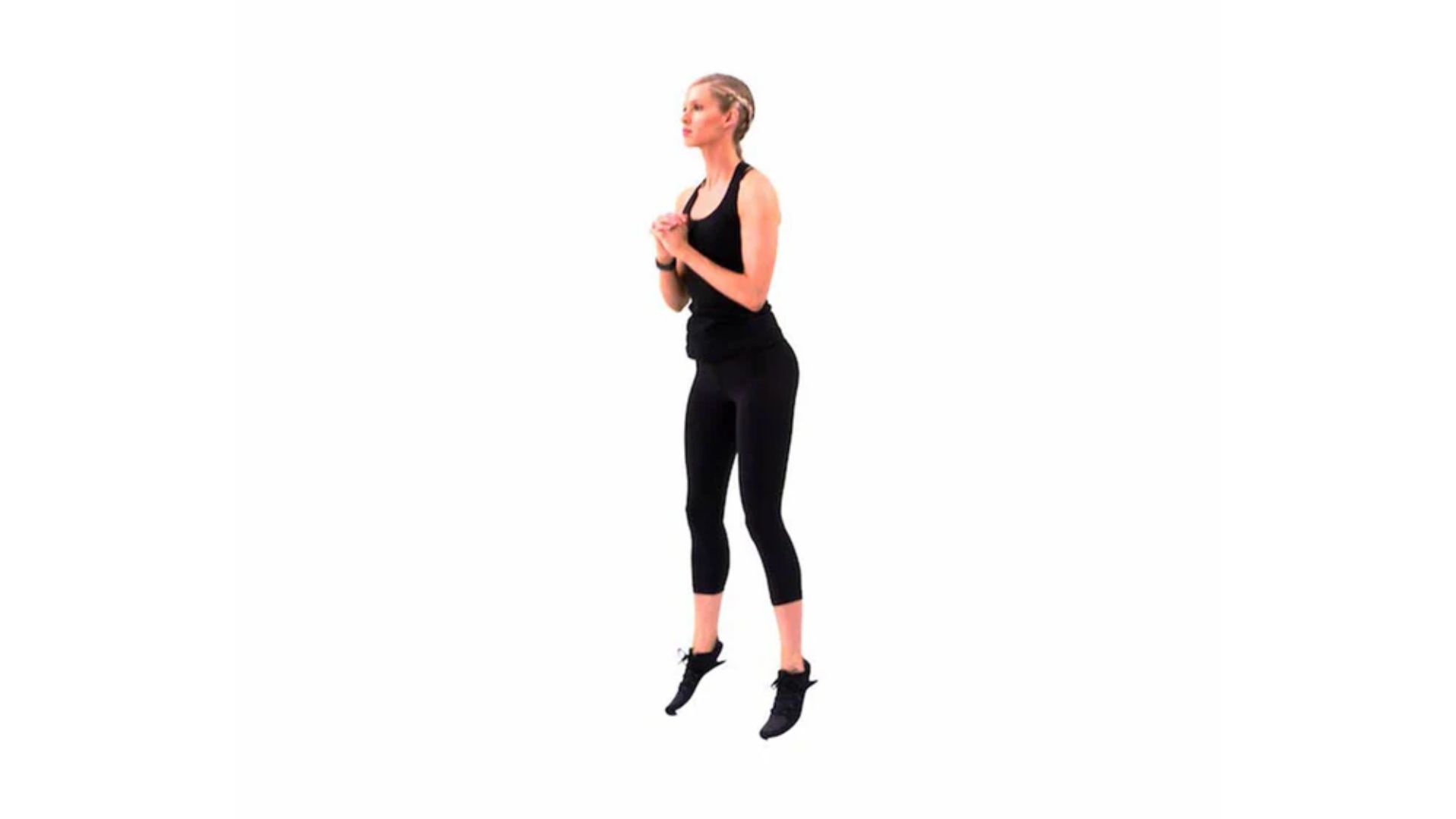
Squat down low. Then hop up just a few inches. Land back in your squat. Don’t stand all the way up. This keeps tension on your legs the whole time. Your thighs will burn.
High Jumps
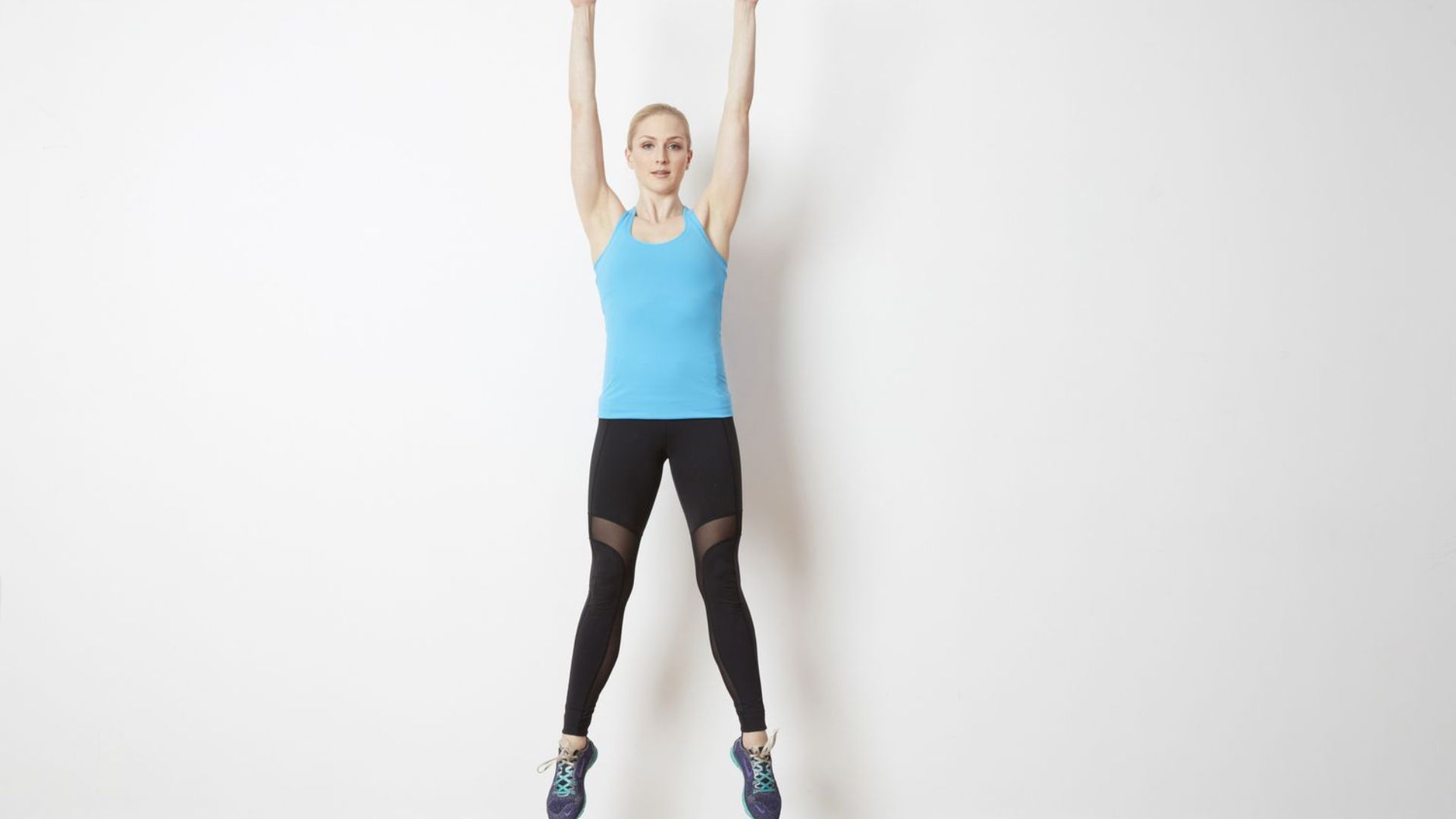
Swing your arms back. Then explode up as high as you can. Land softly with bent knees. Use your arms to get more height. This move builds power.
Cool Down & Stretching
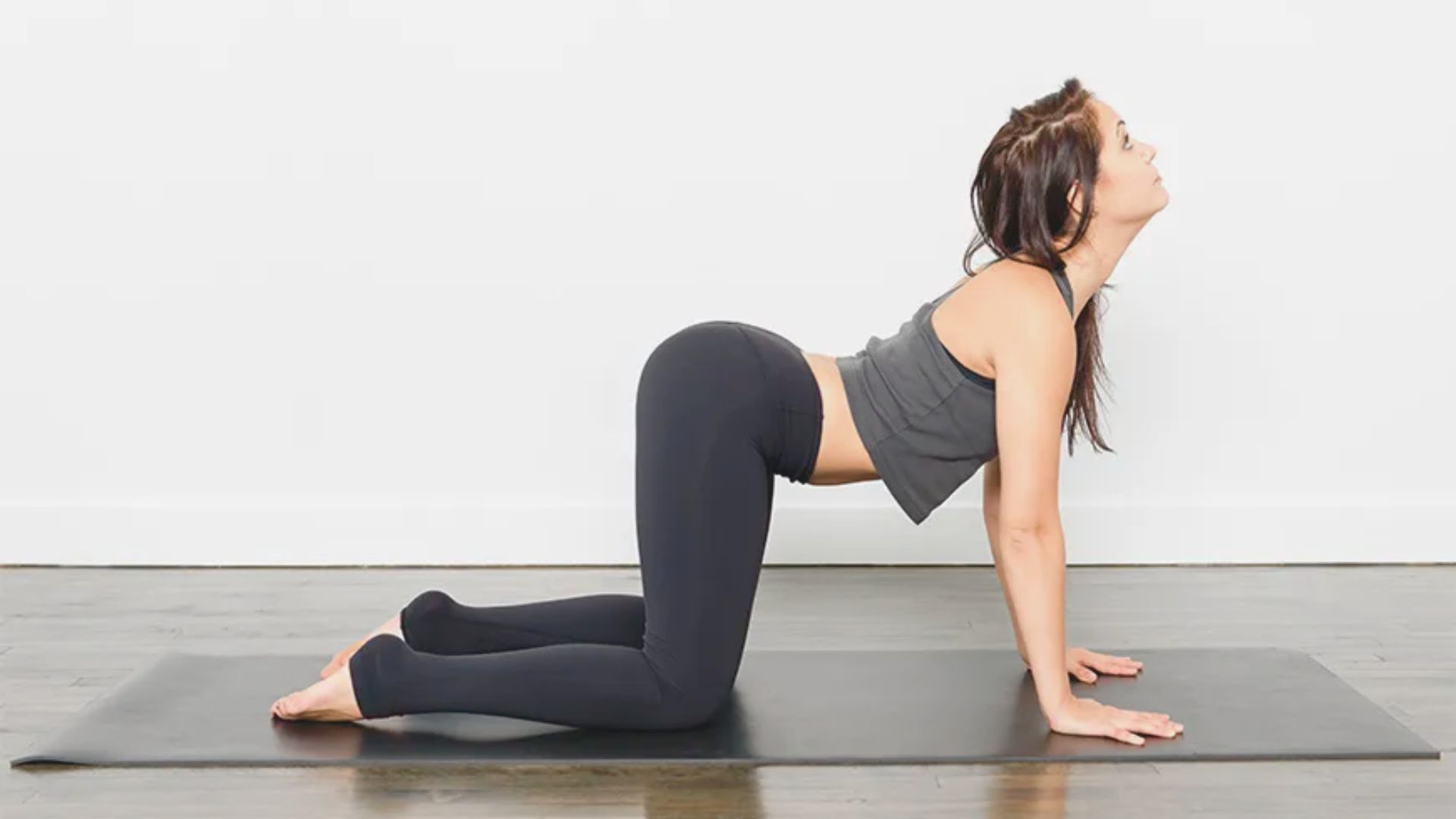
Stretching after this workout matters a lot. Your muscles need time to relax and recover. Don’t skip this part.
Shoulder stretches: Pull one arm across your chest. Hold for 15 seconds. Switch arms. Roll your shoulders back slowly.
Hip stretches: Do a low lunge. Push your hips forward gently. Hold each side for 20 seconds. This releases tension from all those squats.
Leg stretches: Sit and reach for your toes. Hold for 20 seconds. Then do a figure-four stretch for your glutes.
Breathing exercises: Take slow, deep breaths. Breathe in through your nose for four counts. Hold for two counts. Breathe out through your mouth for six counts. This calms your nervous system.
Personal Experience & Tips
Here’s what I learned from doing this workout and how you can get the most out of it.
- I sweat a lot during this workout even though it’s a recovery session. The balance moves are harder than they look, and my legs shake during the hop squats every single time.
- The toughest moves for me are Shoulder Burners in Plie and Hip Flexor Burners. My shoulders give out before my legs do, and the hip flexor holds make my legs tremble.
- Pace yourself and take breaks when you need them. This isn’t about going fast. It’s about doing each move correctly. I learned this the hard way by rushing through and losing my balance.
- Keep your core tight in every move. When you’re tired, your form breaks down. Watch yourself in a mirror if you can. Land softly when you jump to protect your knees and ankles.
- I usually burn around 300-400 calories in this session. That’s less than the regular Insanity workouts, but it’s still good for a recovery day.
Conclusion
The Core Cardio and Balance workout gives your body a chance to recover while building strength. I felt stronger after a week of recovery, and my balance improved too.
This session sets you up for Month 2, which gets even tougher. Stick with the schedule. Your body needs this break. I promise you’ll feel the difference when you start the harder workouts again.
Try this workout and let me know which move challenged you most. Drop a comment below and share your experience with recovery week. I’d love to hear how it went for you.
Frequently Asked Questions
How many calories does Core Cardio & Balance burn?
Most people burn 300-400 calories during this workout. The exact number depends on your weight, intensity, and fitness level. It’s less than regular Insanity workouts but still effective.
Can I skip recovery week and go straight to Month 2?
No, you shouldn’t skip it. Your muscles need time to repair and get stronger. Recovery week prevents injuries and helps you perform better in Month 2.
Do I need shoes for this workout?
I recommend wearing shoes for better support and grip. Some people do it barefoot, but shoes protect your feet during jumps and help with balance.
How often should I do this workout?
Do it as scheduled in recovery week, which is week 5. You’ll do it multiple times that week. Don’t do it on rest days.
What if I can’t hold the balance poses?
That’s completely normal. Put your hand on a wall or chair for support. Your balance will get better with practice. Focus on form over difficulty.