
Strength training is growing fast, and many people enjoy watching real strength online. Powerlifting is now open to beginners because it focuses on three basic lifts. New lifters often feel more confident as they improve at a steady pace.
I have seen first-time lifters change in meaningful ways through regular practice. One father told me his son gained better focus and steady discipline in the gym. These moments show how the sport can support personal growth.
You do not need to start strong to learn this sport well. This guide explains form, simple training plans, and basic food choices. With steady practice and clear goals, anyone can begin powerlifting with confidence.
What is Powerlifting and Why Should You Start?
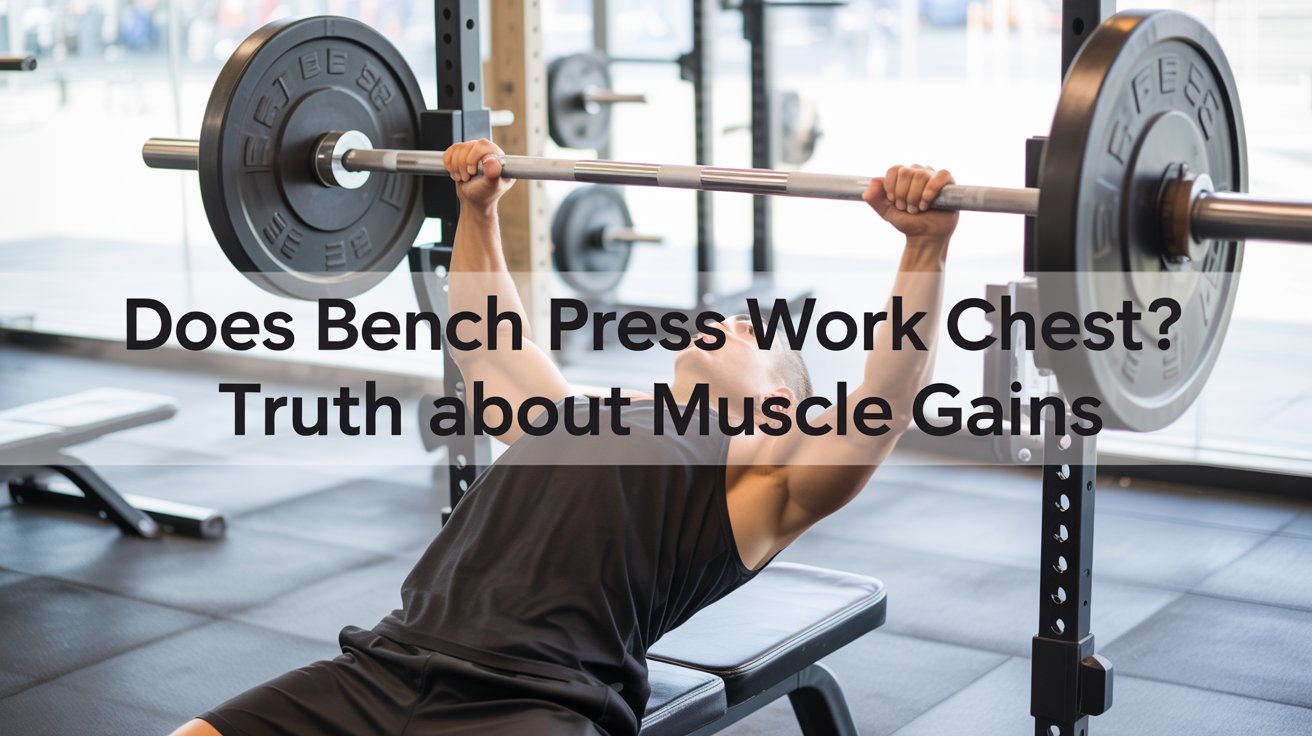
Powerlifting is simpler than you think. You focus on three lifts: the squat for your legs, the bench press for your chest and arms, and the deadlift for your entire body. That’s it.
Competition is straightforward. You get three attempts at each lift, giving you nine total chances per meet. Your best successful lift from each category creates your total score, which gets ranked by weight class and age division.
The goal is to lift the most weight you can for a single repetition: no tricks or complicated movements. Your entire body gets stronger, every major muscle group develops, your bones become denser, and your metabolism speeds up.
Types of Powerlifting: Choosing Your Path
You need to pick which style fits you best. Don’t overthink it. Most beginners should start raw.
Raw Powerlifting

Raw means lifting without supportive gear. You can use basic equipment like a lifting belt, wrist wraps, and knee sleeves. That’s it. This emphasises pure strength and proper technique with low cost and manageable skill requirements.
Raw powerlifting is more popular right now and the best starting point for most people. You focus on natural strength development without complicated equipment or special suits and shirts.
Raw with Wraps Variation
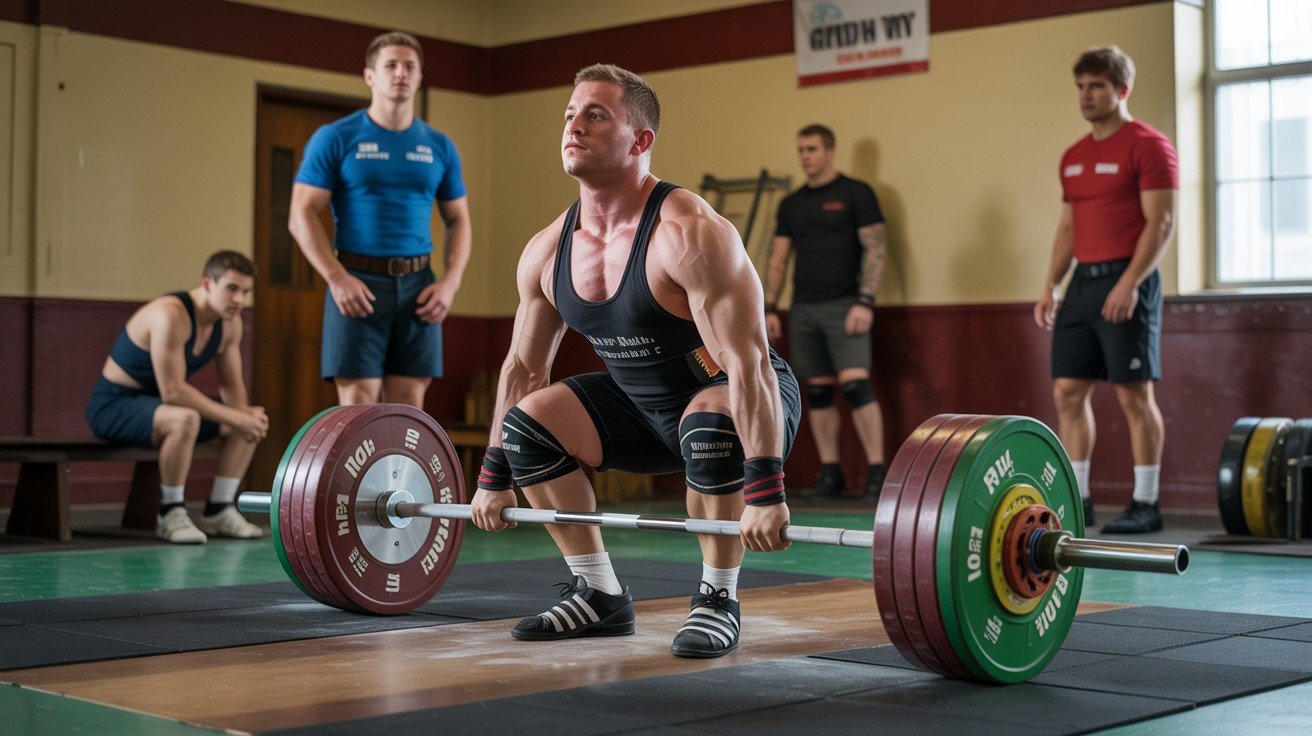
This is almost identical to raw powerlifting. The only difference is knee wraps instead of sleeves. Knee wraps provide more support than sleeves, and some people like the extra stability.
It’s still considered raw powerlifting. Choose this if your knees need extra help or you want that additional support during squats.
Equipped Powerlifting

Equipped lifting uses specialised gear like squat suits, bench shirts, and briefs in single ply or multiple options. This equipment provides stability and elasticity for heavier lifts, but requires more experience, technical knowledge, and comes with higher costs.
Wait until you have a few years of training before trying equipped lifting. Build your foundation first in raw powerlifting, then make the transition once you understand the basics.
Age Classifications and Divisions
Powerlifting has divisions for everyone: youth for younger competitors, teen for teenagers, junior for young adults, open for ages 24 to 39 (the most competitive), and masters for older athletes. Most local meets have a novice classification too, so start there.
These divisions level the playing field so you compete against people similar to you. This makes competition fair and gives everyone a chance to succeed regardless of age or experience.
Step-by-Step Powerlifting Guide for Beginners
Learn the basic lifts, safe techniques, and simple routines to start powerlifting with confidence.
Step 1: Setting Realistic Goals as a Beginner
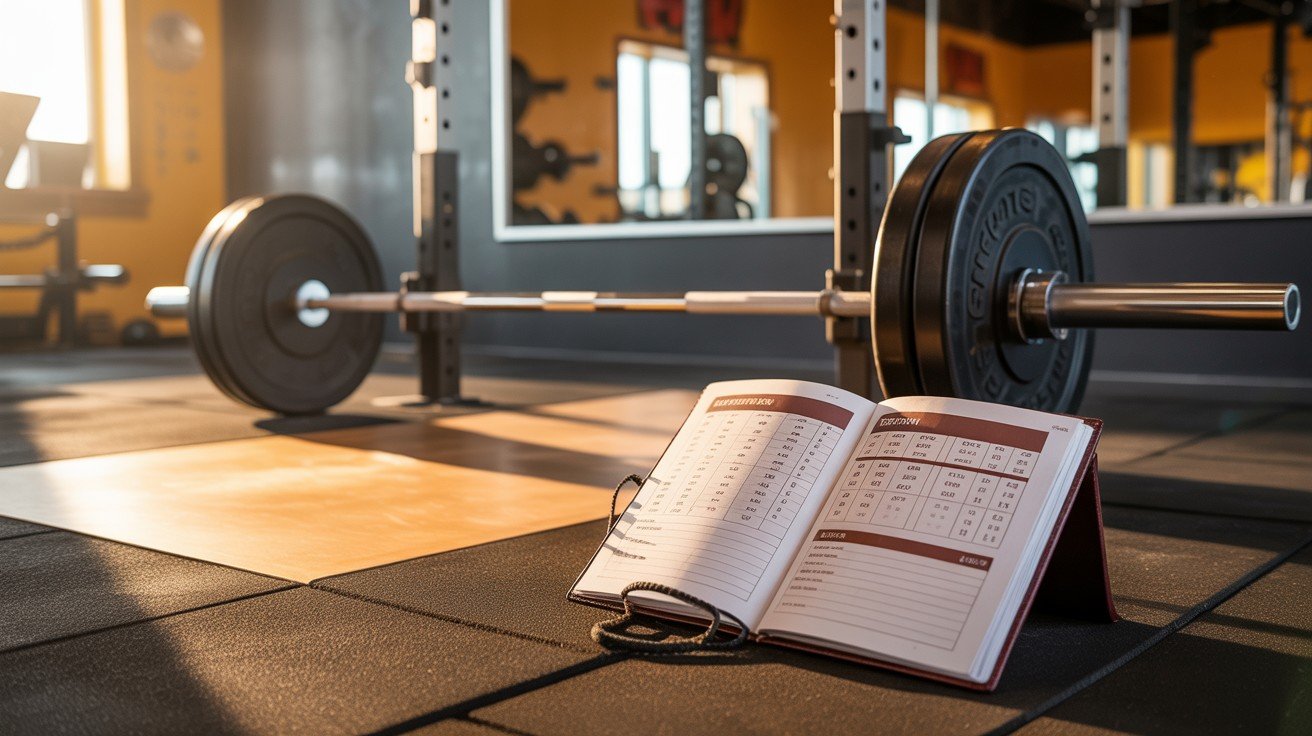
Focus on mastering proper form before lifting heavy to stay safe and build a strong foundation. Set realistic short-term goals, track weekly progress, and aim for achievable benchmarks like squatting and deadlifting twice your bodyweight.
Step 2: Gathering Essential Equipment

Start with essential gear like lifting shoes, knee sleeves, wrist wraps, and a belt to improve safety and performance. Advanced equipment can come later. Always train with spotters or in a gym with experienced lifters for guidance and safety.
Step 3: Understanding Core Training Principles
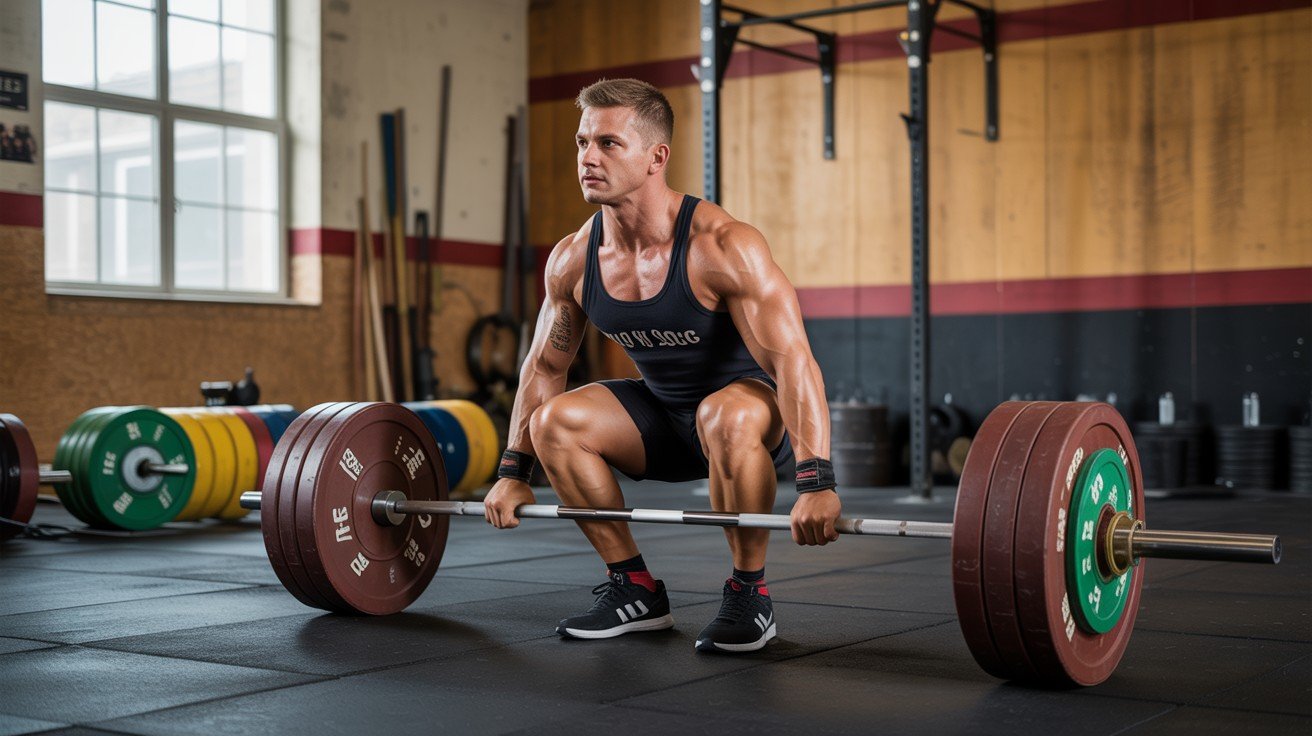
Progressive overload helps your muscles grow stronger over time, while focusing on squat, bench press, and deadlift ensures you train what matters most. The Westside Barbell system combines maximal, dynamic, and repeated effort for complete strength development.
Step 4: Creating Your Training Plan
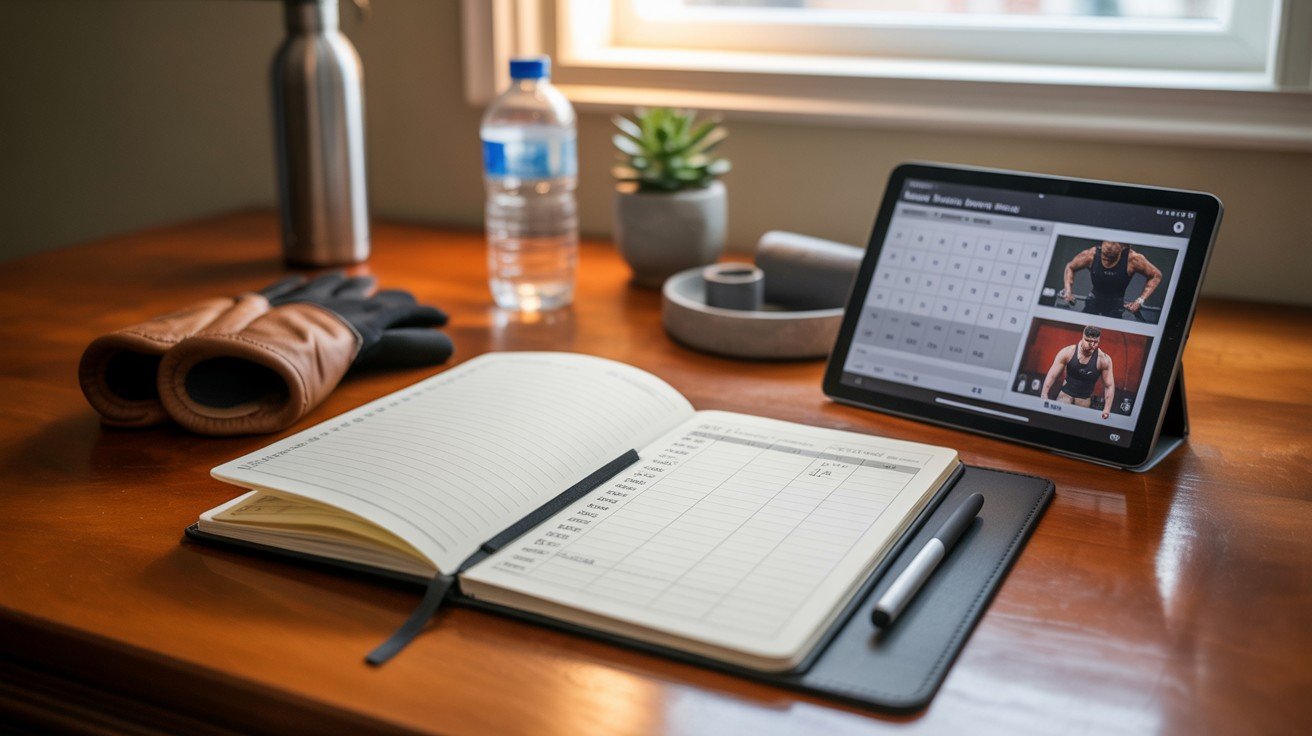
Split your training into max effort and dynamic effort days to build strength and speed while allowing recovery. Start with main lifts and follow with accessory exercises for balanced, effective progress.
Step 5: Following a Sample Beginner Program
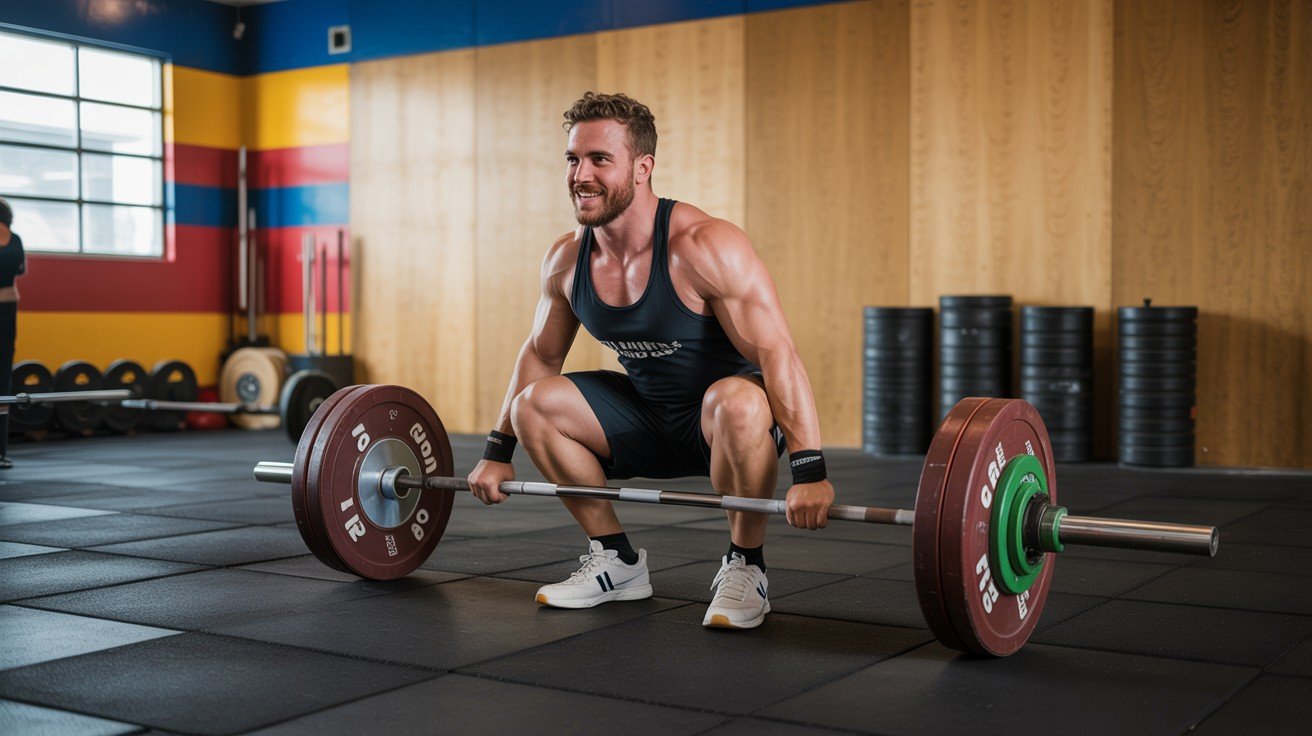
Follow a real workout program using tempo, RPE, and percentage of your one-rep max to control intensity and progress. Use slower reps and appropriate rest to train effectively without overdoing it.
- Day 1 Max Effort Lower Body builds lower body and posterior chain strength with squats, pin squats, RDLs, leg curls, and lat pulldowns.
- Day 2 Max Effort Upper Body develops pressing strength and stability with pause bench, pin presses, flies, military press, and rear deltoid work.
- Day 3 Dynamic Effort Lower Body focuses on speed and pulling with pause squats, deadlifts, rows, lat pulldowns, and glute bridges.
- Day 4 Dynamic Effort Upper Body improves explosiveness and arm strength with pause bench, close grip presses, lateral raises, curls, and tricep pushdowns.
- Start with the recommended percentages and gradually increase load over 12 to 16 weeks, adjusting based on recovery and progress.
Step 6: Avoiding Common Beginner Mistakes
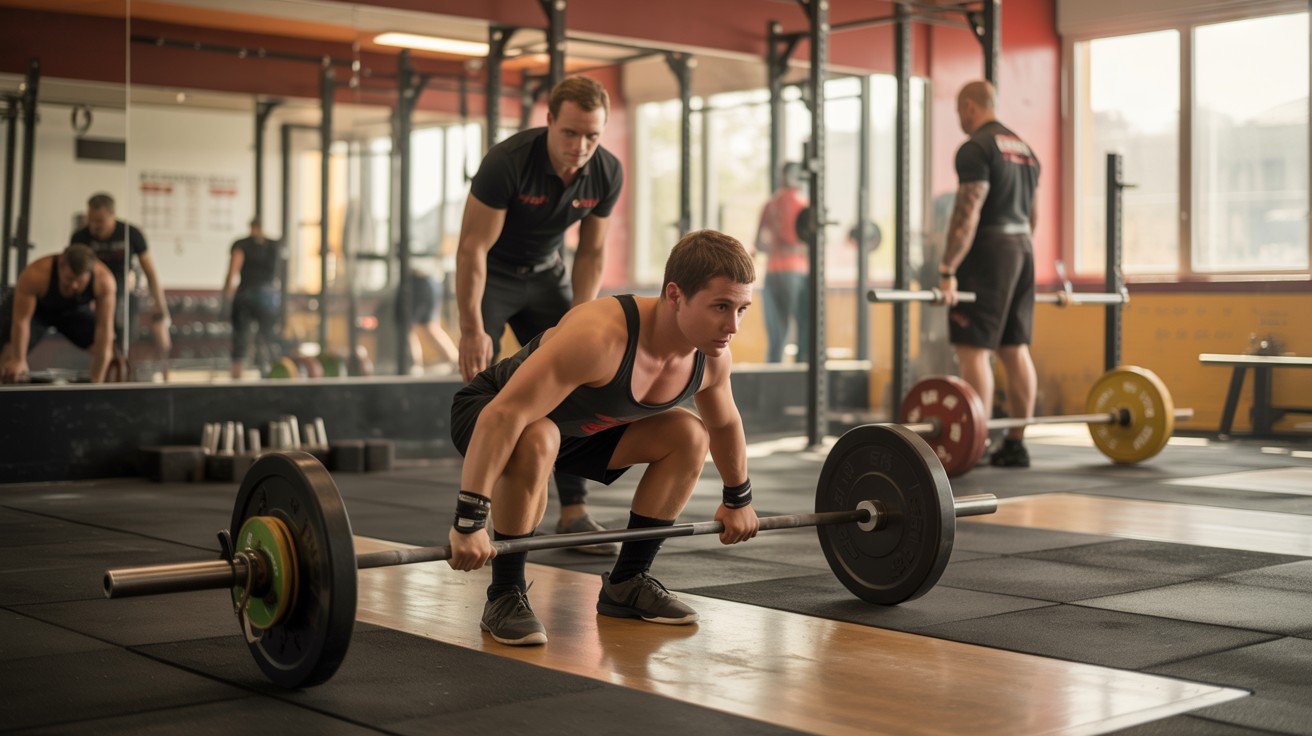
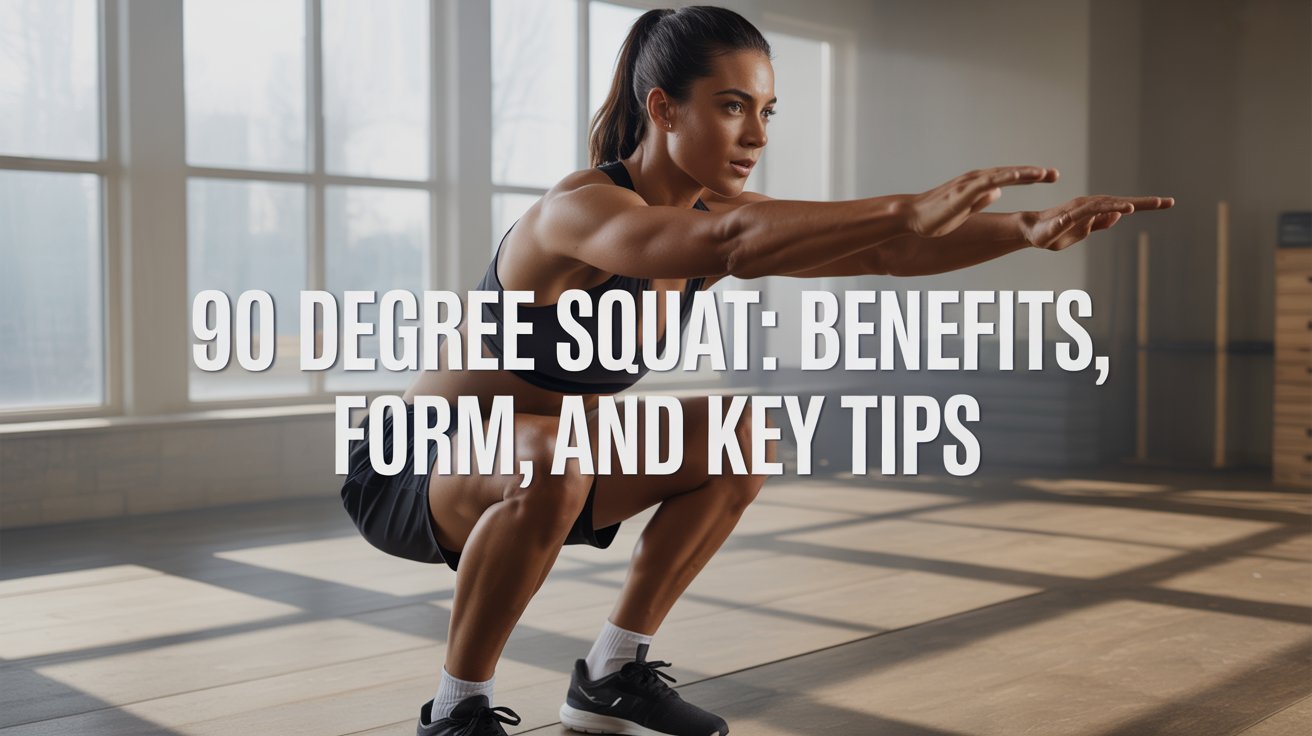
Learn from others’ mistakes and focus on proper form. Squat to parallel, avoid rounding your back on deadlifts, and film your lifts to ensure accuracy. Listen to your body, take rest days, and choose weights that challenge you safely without risking injury.
Step 7: Preparing for Your First Competition
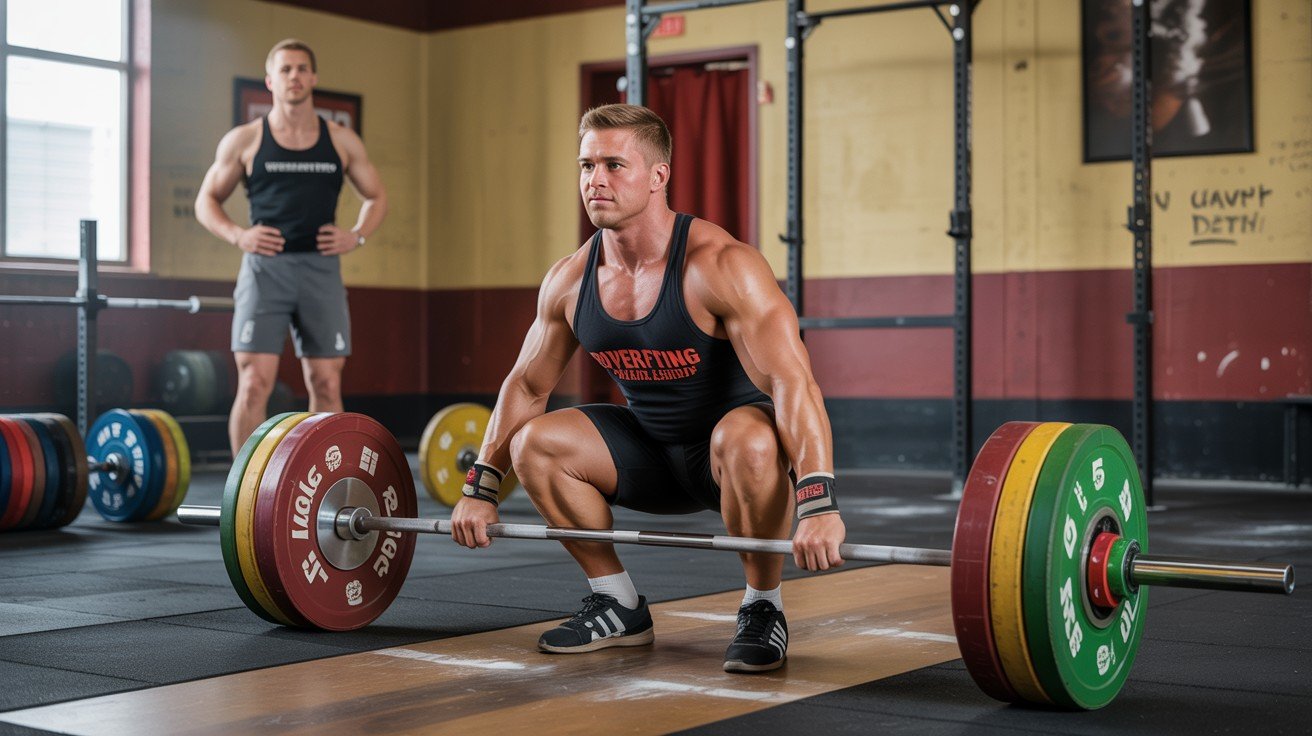
Plan your first competition carefully and make it a positive experience. Start with local meets after 6 months to 1 year of training, compete at your natural bodyweight, and focus on completing all lifts while gaining experience without pressure.
Step 8: Adopting the Powerlifting Lifestyle
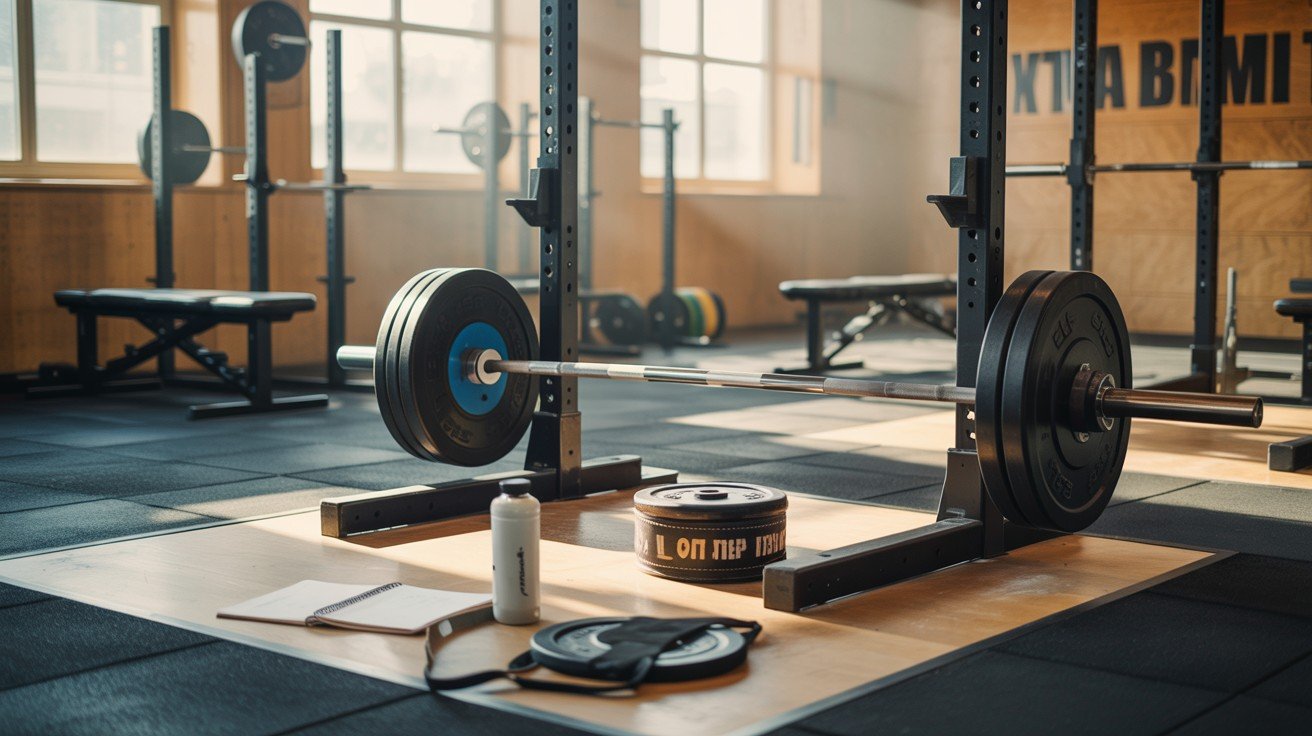
Powerlifting is a full-time lifestyle requiring consistent training, proper nutrition, and discipline. Always prioritise correct form and long-term progress over ego lifts. Training with others helps accountability, but personal habits are key to lasting results.
Real Benefits You’ll Experience
These aren’t theoretical benefits. They’re real changes I’ve watched happen.
- Physical Changes: Gain strength, muscle, and bone density while improving posture and athletic performance.
- Functional Strength: Training strength carries over to everyday activities and real-life movements.
- Mental and Emotional Growth: Builds discipline, resilience, patience, and mental toughness beyond the gym.
- Confidence Development: Overcoming lifting challenges gradually boosts self-confidence and personal growth.
- Social and Community Impact: Form friendships, find mentors, and enjoy a supportive training community.
Conclusion
You now know how to begin powerlifting, and the first step is learning safe form. A simple plan helps you grow at a steady pace as you build a strong base. Small strength gains create real confidence and help you stay motivated over time.
Many gyms have lifters who are friendly and willing to guide beginners. Start with basic movements that feel natural and use simple equipment that supports good technique. Stay patient and give yourself time to learn each lift the right way.
Your first meet can come after steady months of practice and regular training. Show up often and focus on small progress each week. Ask questions whenever you need help and share this guide with anyone who wants to begin.
Frequently Asked Questions
Do I need to be strong before I start powerlifting?
No. Powerlifting is how you get strong. You just need basic knowledge of the three lifts and a willingness to learn. Most gyms welcome complete beginners. Focus on proper form first, then gradually add weight over time.
What equipment do I need to begin powerlifting?
Start with basic gear: lifting shoes, knee sleeves, wrist wraps, and a lifting belt. Total investment is around $150-300. You don’t need specialised suits or shirts as a beginner. Raw powerlifting requires minimal equipment and is the best starting point.
How long should I train before my first powerlifting meet?
Train for 6 months to 1 year before competing. This gives you time to learn proper technique, build base strength, and understand competition rules. Your first meeting should feel comfortable, not rushed. Focus on experience, not winning.
Can I learn powerlifting without a coach?
Yes, but a coach accelerates learning. Use online resources and film yourself for form checks. Join powerlifting gyms where experienced lifters provide feedback. Even one coaching session helps identify mistakes early. Balance self-learning with expert guidance when possible.
How many days per week should I train as a beginner?
Four days per week is ideal for beginners. This allows two lower-body and two upper-body sessions with adequate recovery. You can adjust based on your schedule, but avoid training more than five days a week. Rest days are when you actually grow stronger.