I thought I was benching 225 pounds on the Smith machine. Turns out, I wasn’t even close. The bar I’d been counting as 45 pounds? It actually weighed 15.
My entire progress tracker was a lie. Every PR I celebrated was based on wrong math.
Here’s what nobody tells you: how much does the bar weigh on a smith machine changes drastically between gyms. Some weigh 15 pounds. Others hit 45. The difference kills your accuracy.
I’m showing you exactly how to find your gym’s real bar weight and why it matters more than you think.
Understanding the Smith Machine
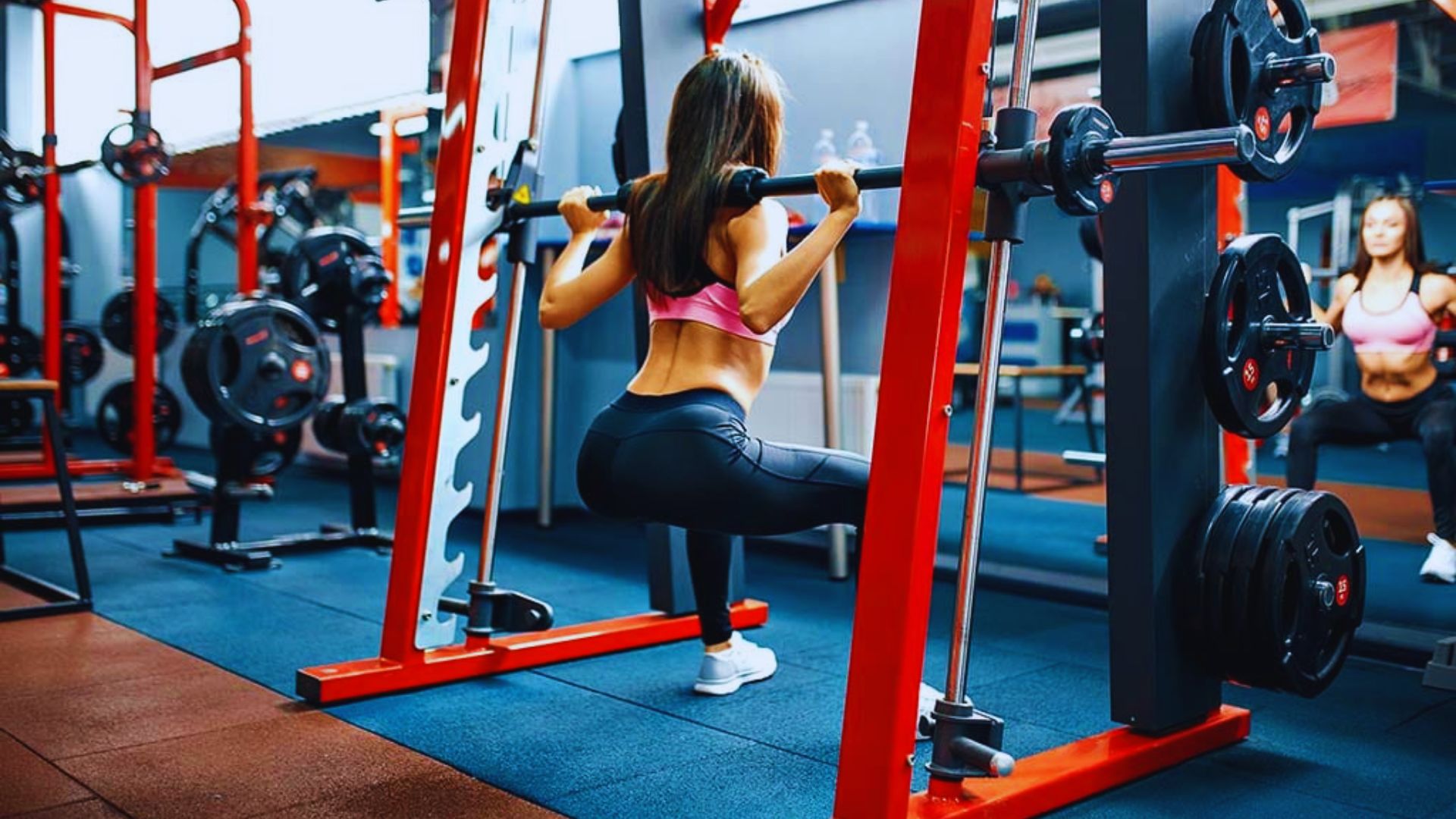
The Smith machine is a barbell fixed inside steel rails. It moves up and down (or at a slight angle) along a guided path.
You can’t move the bar forward or backward. It only goes vertical.
This setup differs completely from free weights. With a regular barbell, you control the bar in all directions. The Smith machine controls it for you.
Knowing the bar weight matters for tracking your actual strength. If you think you’re benching 225 but the bar weighs 15 pounds instead of 45, you’re really lifting 195.
That’s a huge difference when you’re trying to measure progress or compare lifts with friends.
Why Bar Weight Matters

Accurate weight calculation drives your entire progression plan. You can’t add weight strategically if you don’t know where you’re starting.
Overestimating your lifts makes you think you’re stronger than you are. Underestimating means you’re not pushing hard enough.
This gets even messier when comparing Smith machine lifts to free-weight lifts. The numbers need to be precise.
I’ve seen people brag about their Smith machine squat numbers, not realizing they were counting a 45-pound bar that actually weighed 20 pounds. The math was completely off.
Standard Smith Machine Bar Weight
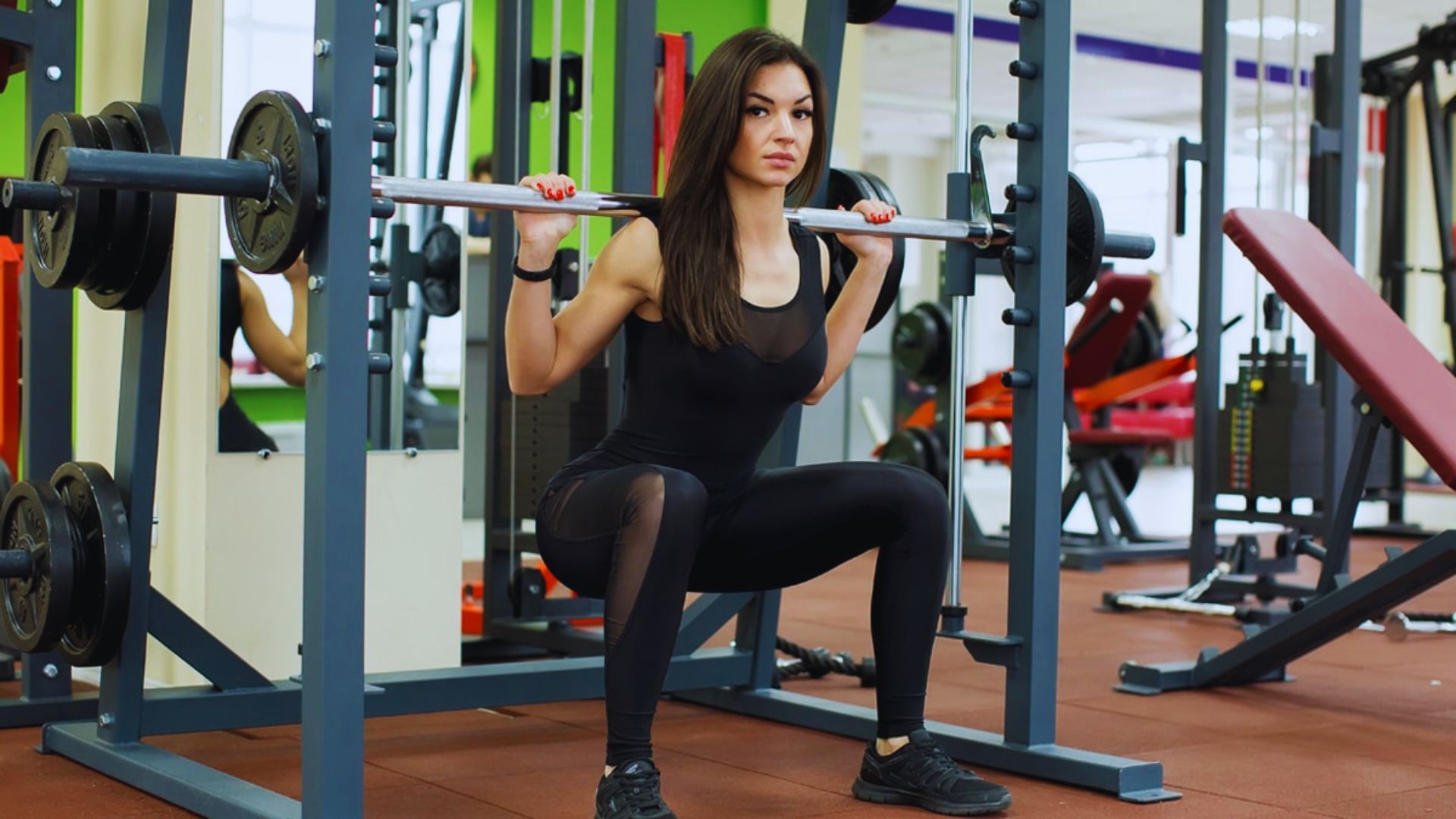
Most Smith machine bars weigh between 15 and 45 pounds. That’s a massive range.
The variation comes from counterbalance systems. Many gyms use counterbalanced bars that reduce how much weight you actually lift.
Common Bar Weights by Manufacturer
Commercial gym Smith machines typically have bars weighing 15 to 25 pounds after counterbalancing. These are the ones you’ll find at Planet Fitness or LA Fitness.
High-end commercial gyms sometimes use heavier bars. Those range from 30 to 45 pounds, especially if they’re non-counterbalanced.
Home Smith machines usually fall in the middle at 20 to 35 pounds. Quality varies wildly with home equipment.
The actual starting weight depends entirely on which brand your gym bought. Life Fitness machines differ from Hammer Strength, which differ from Cybex.
Counterbalanced vs Non-Counterbalanced Bars
Counterbalanced bars use springs or weights to offset the bar’s actual weight.
Non-counterbalanced bars give you the full weight with no assistance.
Here’s the breakdown:
| Type | Effective Weight | How It Feels | Common In |
|---|---|---|---|
|
Counterbalanced |
5–25 lbs |
Almost weightless when empty |
Commercial gyms |
|
Non-counterbalanced |
30–45 lbs |
Full bar weight applies |
Older gyms, some home units |
|
Partially balanced |
15–30 lbs |
Medium resistance |
Mid-range equipment |
Identifying which type your gym uses is simple. Lift the empty bar. If it feels incredibly light or floats up easily, it’s counterbalanced.
Factors That Affect Bar Weight on a Smith Machine

Not all Smith machine bars are created equal. Several variables change the actual weight you’re moving.
What affects the weight:
- Bar material: Steel bars weigh more than aluminum or hollow bars
- Bar length: Longer bars add more weight naturally
- Counterbalance system: Springs, pulleys, or weights reduce effective load
- Manufacturer design: Each brand uses different specs
- Wear and age: Older machines may have worn counterbalance systems
These factors combine to create wildly different starting weights across gyms. You can’t assume anything without checking.
How to Measure the Bar Weight Yourself
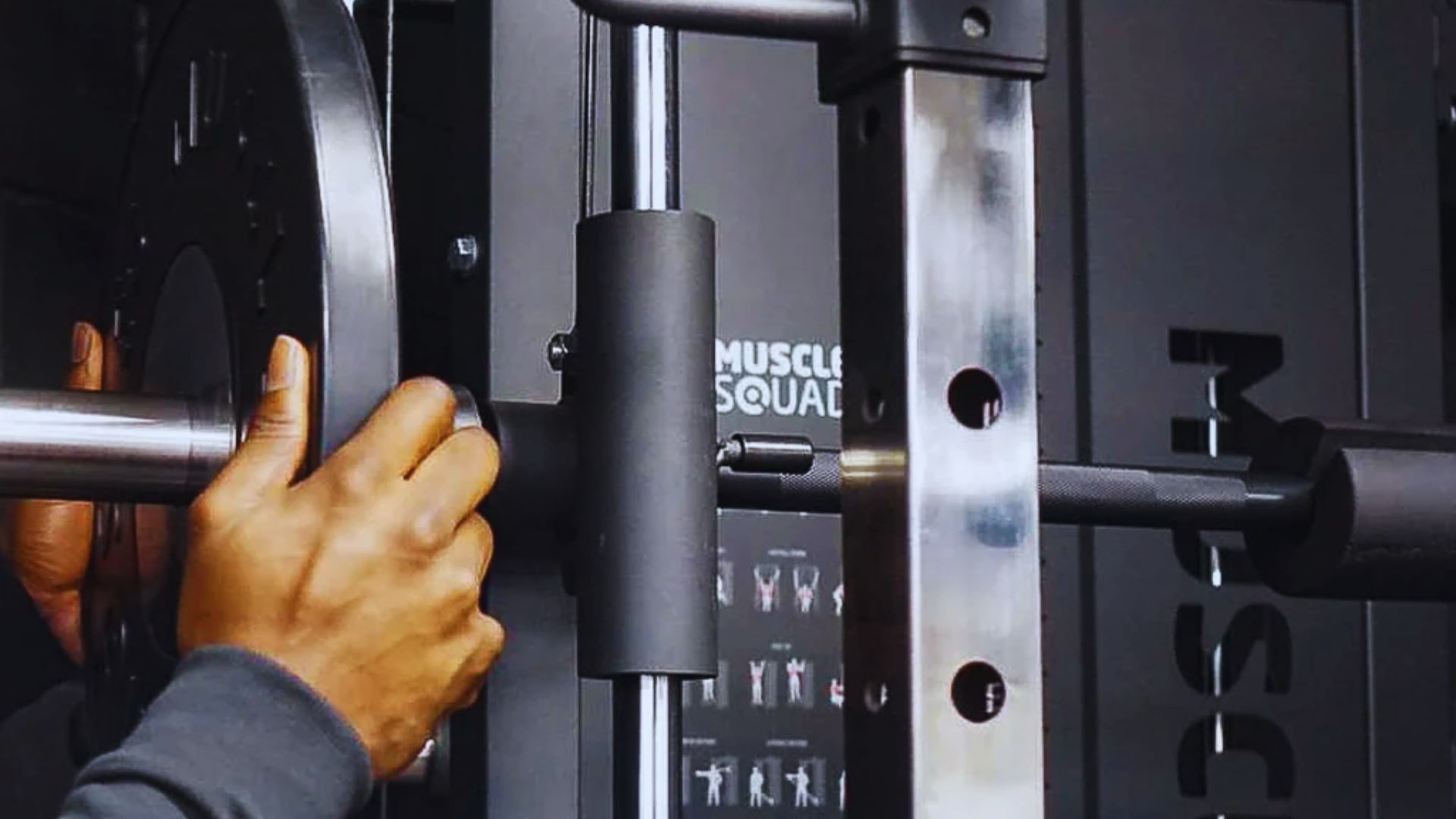
Don’t trust what someone told you three years ago. Measure it yourself for accuracy.
The luggage scale method works best. Hook a luggage scale to the bar and lift it up. You get an exact number in under a minute.
No scale? Ask gym staff to check the manufacturer specifications. Most equipment has model numbers printed on the frame they can look up.
The plate math method works too. Load two 45-pound plates and check the total weight. If it reads 110 pounds, your bar weighs 20 pounds.
If you can’t measure it, establish a baseline. Note how the empty bar feels, then stay consistent with that machine for accurate tracking.
Smith Machine vs Free Barbell: Weight Comparison
A standard Olympic barbell weighs 45 pounds. Most Smith machine bars weigh significantly less.
Here’s what that looks like:
| Equipment | Standard Weight | Counterbalance Effect | >Actual Load |
|---|---|---|---|
|
Olympic barbell |
45 lbs |
None |
45 lbs |
|
Smith machine (counterbalanced) |
15–25 lbs |
High |
5–15 lbs effective |
|
Smith machine (non-counterbalanced) |
30–45 lbs |
None |
30–45 lbs |
|
Smith machine (partial) |
20–30 lbs |
Medium |
15–25 lbs effective |
This difference impacts your strength progression. If you bench 185 on a Smith machine with a 15-pound bar, you’re really moving 155 pounds of actual weight.
Switch to a free barbell at 45 pounds, and suddenly your “185” becomes 175. The numbers shift.
Tips for Accurate Workouts on a Smith Machine
Tracking your lifts correctly prevents frustration and plateaus. Small details make a massive difference.
Follow these tips:
- Verify bar weight first day: Don’t assume, measure or ask
- Write it down: Note the bar weight in your workout log
- Adjust plate loading: Account for lighter bar when adding weight
- Stay consistent: Use the same machine each workout if possible
- Track separately: Keep Smith machine lifts in a different log than free weights
- Recheck periodically: Gyms replace equipment, weights can change
I keep a note in my phone with every machine’s bar weight at my gym. It takes five minutes to set up and saves countless headaches.
Consistency matters more than the exact number. Just know what you’re actually lifting.
Conclusion
Stop guessing what you’re lifting. That’s not a workout plan, that’s a waste of time.
Grab your phone right now and measure your gym’s Smith machine bar before your next session. Write it down. Lock it in.
I challenge you to check three different Smith machines at your gym this week. You’ll be shocked how much they vary.
Once you know the real numbers, your progress tracking becomes bulletproof. No more fake PRs or confusing plateaus.
Drop a comment below with your gym’s bar weight. Let’s build a database so everyone stops lifting blind.
Your actual strength is waiting to be measured correctly.
Frequently Asked Questions
How much does a standard Smith machine bar weigh?
Typically between 15 and 25 pounds, depending on the manufacturer and model. Counterbalanced systems reduce the effective weight significantly.
Do all Smith machine bars have the same weight?
No, weights vary based on counterbalance systems, bar length, and gym type. Each manufacturer uses different specifications.
How can I tell if a Smith machine bar is counterbalanced?
Lift the bar without plates, if it feels almost weightless, it’s counterbalanced. Non-counterbalanced bars feel heavy even when empty.
Does Smith machine weight feel the same as free weights?
Not exactly. Counterbalanced bars reduce the effective weight lifted compared to a standard 45-pound Olympic barbell.
Should I adjust my lifting routine for Smith machines?
Yes, track the exact bar weight and adjust your plates to ensure proper progression. Keep Smith machine lifts separate from free-weight tracking.