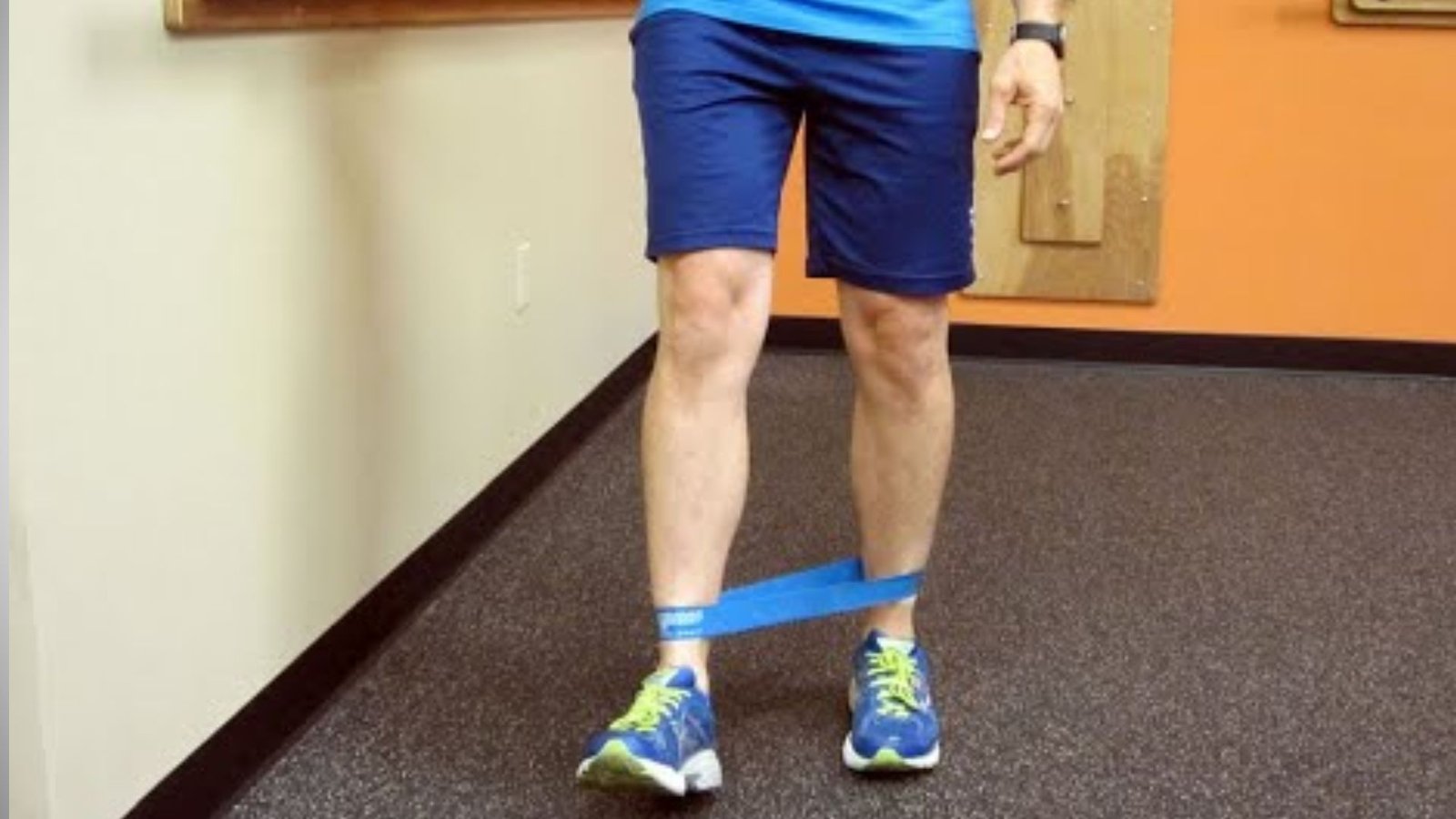

In this article, you’ll learn how long it takes to fix a muscle imbalance, what causes it, and how to address it effectively. Muscle imbalances occur when one muscle or group works harder than its counterpart, creating uneven movement patterns that can lead to discomfort, reduced performance, or injury over time.
They often develop gradually through daily habits, posture, repetitive movements, or past injuries. Understanding the timeline for correction is essential because results depend on the severity of the imbalance, consistency in training, and targeted corrective exercises.
Your imbalance is mild, moderate, or chronic. A structured approach that strengthens weak muscles, stretches tight areas, and retrains proper movement patterns can restore balance and improve overall function. In this article, you’ll also discover practical steps to track progress and maintain long-term balance.
What Is a Muscle Imbalance?
A muscle imbalance happens when one muscle or muscle group works harder than its partner. Over time, this uneven effort throws your body out of alignment. You might not notice it right away, maybe your shoulders sit unevenly, or one hip feels tighter after workouts.
Think of your muscles as teammates. When one side does all the heavy lifting, the other gets lazy. Eventually, your body starts compensating for shifting posture, altering movement, and creating strain in places that shouldn’t carry it.
Most people develop imbalances naturally through habits like carrying a bag on the same shoulder, sitting with one leg crossed, or favoring one side during lifts. The good news? Once you become aware of them, you can retrain your body to share the load evenly.
How Long Does It Take to Fix a Muscle Imbalance?
The timeline for correcting muscle imbalances varies significantly based on several factors, but most people notice meaningful improvements within weeks to months of consistent effort.
General Timeline

Mild imbalances typically show noticeable improvements within 4-6 weeks of targeted training. These are recent imbalances that haven’t yet created significant compensation patterns. You might notice improved symmetry in strength and reduced discomfort during this phase.
Moderate imbalances require 8-12 weeks for meaningful correction. These have existed longer and created more established movement patterns. Your nervous system needs time to rewire movement patterns while muscles adapt to new demands.
Chronic imbalances or those following significant injuries may take 3-6 months or longer to correct fully. Deep-seated patterns require patient, progressive work. The muscles must regain strength.
Influencing Factors

Several variables affect how quickly imbalances resolve. Severity and duration matter most a three-month imbalance corrects faster than a three-year one. The affected muscle group also plays a role, with larger muscle groups typically requiring more time than smaller ones.
Consistency and quality trump intensity. Training the correct movements three times weekly with proper form beats daily workouts using compensation patterns. Your body needs stimulus to changebut also recovery time to adapt.
Individual recovery rates vary based on age, training history, nutrition, sleep quality, and stress levels. Someone in their twenties with good recovery habits will typically progress faster than someone in their fifties with inadequate sleep.
Measuring Progress

Track progress through objective measures rather than feelings alone. Test single-leg strength with exercises like single-leg squats or step-downs. Count reps on each side and note differences.
Take regular photos from front, side, and back angles. Postural changes happen gradually, making them hard to notice day-to-day. Monthly photos reveal shifts in shoulder height, hip alignment, or spinal curves that indicate improvement.
Pay attention to performance markers. Can you lift the same weight with both arms? Does your back feel less tight after sitting? Do your knees track straight during squats? These functional improvements often appear before visible changes, confirming you’re on the right path.
Realistic Expectations

Understanding how long it takes to fix a muscle imbalance helps set appropriate expectations. You won’t transform overnight, but you should see some improvement within the first month.
Visible structural changes take longer. Muscle tissue grows slowly, requiring consistent progressive overload over weeks and months. Flexibility improvements also accumulate gradually as tissues adapt to new ranges of motion.
Some imbalances never completely disappear, especially those caused by structural issues like scoliosis or significant past injuries. The goal becomes management rather than elimination. Regular maintenance work keeps these imbalances from worsening.
Why Patience Pays Off

It’s easy to get frustrated when results take longer than expected. But remember, your body didn’t develop imbalances overnight, so they won’t disappear overnight either. Each week of consistent training creates subtle but lasting improvements.
Think of this process like teaching your body a new language. At first, every movement feels forced, but over time, it becomes second nature. Your muscles learn to share the load, your form improves, and your strength evens out.
If you stay committed, you’ll start noticing not just physical changes, but better performance in your workouts and daily activities. That’s when all your effort starts to feel worth it.
Signs You’re on the Right Track

Small changes often signal big progress. You might notice less stiffness in one hip, smoother movement during workouts, or fewer aches after long days sitting at your desk. These are the first indicators that your muscles are working together again.
You’ll also feel more balanced when lifting and running, like both sides finally “agree” on how to move. This kind of symmetry doesn’t just feel good it boosts performance and prevents future strain.
And perhaps most importantly, your confidence grows. Knowing that your effort is restoring balance and strength gives you the motivation to keep showing up, even when progress feels slow.
Maintaining Long-Term Balance

Once your imbalance starts improving, your job isn’t done. It’s just changing. Maintenance becomes the key to preventing setbacks and staying strong. Incorporate a mix of strength, mobility, and stability work into your routine.
Make small adjustments to daily habits that caused the imbalance in the first place. Switch sides when carrying bags, stand evenly on both feet, and take breaks if you sit for long hours. These mindful habits make a big difference over time.
The best part? You’ll start feeling more connected to your body. Movement becomes smoother, posture improves, and you’ll move through workouts and life with a sense of control and ease that wasn’t there before.
What Causes Muscle Imbalances
Understanding the root causes helps prevent recurring imbalances after correction and guides more effective treatment strategies.
Repetitive Movement
Repetitive movement patterns create imbalances through constant overuse of specific muscles. Athletes who throw, swing, or kick repeatedly develop sport-specific imbalances. Office workers who type and mouse all day develop their own set of issues.
Your dominant side naturally gets more work during daily activities. You reach for objects, open doors, carry bags, and perform countless small tasks preferentially with one hand. These movements seem insignificant individually, but accumulate thousands of times.
Breaking repetitive patterns requires conscious effort. Switching your mouse hand occasionally, carrying bags on alternating shoulders, and incorporating varied movement into workouts helps. But given how deeply ingrained these habits become, eliminating their effects proves.
Prolonged Sitting and Poor Posture
Sitting for extended periods creates predictable imbalances. Your hip flexors shorten from constant flexion. Your glutes weaken from underuse. Your shoulders round forward, chest muscles tighten, and upper back muscles stretch and weaken.
Poor standing posture compounds the problem. Standing with weight shifted to one leg, locking one knee, or jutting your head forward creates asymmetrical loading. Over time, the muscles holding these positions.
Regular position changes help, but don’t fully solve the problem. Even with perfect ergonomics, prolonged static positions create imbalances. The solution involves both improving posture and incorporating regular movement throughout the day.
Injuries and Compensation
Injuries force your body to compensate, often creating imbalances that outlast the original injury. When your right ankle is sprained, your left leg handles more work. Your right hip flexors and lower back might tighten to protect the injured area.
Compensation patterns become so ingrained that your nervous system treats them as normal. Even after pain resolves, you might continue favoring the uninjured side. Your brain has learned a new movement pattern.
Post-injury rehabilitation should address both the injured tissue and resulting compensation patterns. Strengthening the injured area is essential, but so is rebalancing surrounding areas. How long it takes to fix a muscle imbalance after an injury varies.
How to Fix Muscle Imbalances
Correcting imbalances requires a systematic approach that addresses both the weak and tight sides while retraining proper movement patterns.
Strengthen the Weak Side
Unilateral training forms the foundation of imbalance correction. Single-leg squats, single-leg deadlifts, and single-leg bridges directly address leg imbalances. These exercises prevent your dominant side from compensating and force the weaker side to work harder.
For upper body imbalances, single-arm rows, single-arm presses, and single-arm carries build balanced strength. Begin each set with your weaker side and match reps on your stronger never exceed the weaker side’s capacity.
Progressive overload remains important even during corrective work. Gradually increase resistance, reps, or difficulty as strength improves. However, prioritize form over load. Poor technique during corrective exercises reinforces compensation patterns rather than fixing them.
Stretch and Release Tight Muscles
Tight muscles need length restoration before weak muscles can activate properly. Dynamic stretching before workouts prepares tissues for movement without reducing performance. Leg swings, arm circles, and thoracic rotations warm up tissues while improving mobility.
Foam rolling and self-myofascial release techniques reduce muscle tension and improve tissue quality. Spend 1-2 minutes per tight area, moving slowly and pausing on tender spots. This works particularly well for IT bands, hip flexors, lats, and thoracic spine muscles.
Static stretching works best after workouts when muscles are warm. Hold stretches for 30-60 seconds, focusing on tight areas identified during assessment. Consistency matters more than duration daily 10-minute stretching sessions outperform weekly 30-minute marathons. Include
Retrain Movement Patterns
Your nervous system learns movement patterns through repetition. Correcting imbalances means retraining these patterns consciously. Focus intensely on proper form during every rep, particularly during the first few weeks when new patterns form.
Start with bodyweight movements to establish correct patterns without the distraction of heavy loads. Master bodyweight squats with perfect knee tracking before adding weight. Practice push-ups with proper shoulder blade movement before progressing to heavier pressing.
Video yourself regularly during exercises. What feels correct doesn’t always look correct, especially when you’re accustomed to compensatory patterns. Compare your form to the reference.
Restore Mobility and Stability
Mobility and stability work hand in hand. Joint mobility allows a full range of motion, while stability provides control throughout that range. Many imbalances stem from limitemobilityli,, forcing compensations that create instability elsewhere.
Incorporate multidirectional movements into your routine. Lunges in different directions, rotational exercises, and lateral movements challenge your body beyond the forward-and-back patterns of daily life.
Practice control exercises that challenge stability. Single-leg balance work, Pallof presses for anti-rotation strength, and bird dogs for core stability all build the neuromuscular control needed to maintain proper alignment during movement.
Work with a Professional
Professional guidance accelerates progress significantly. Physical therapists assess movement patterns, identify compensation strategies, and design specific corrective programs. They monitor progress and adjust exercises as your body adapts.
Certified trainers specializing in corrective exercise bring expertise in programming and progression. They can spot form breakdown during exercises and provide real-time corrections. This immediate feedback prevents reinforcing poor patterns and helps establish.
Working with a professional is particularly valuable for chronic imbalances, post-injury situations, or when self-correction attempts plateau. They provide accountability, expertise, and objective assessment.
Conclusion
In this article, we’ve covered how long it takes to fix a muscle imbalance, the factors that influence recovery, and strategies to restore proper movement. Mild imbalances often improve within 4-6 weeks, moderate cases may require 8-12 weeks, and chronic imbalances or post-injury patterns can take 3-6 months or longer.
Corrective approaches include strengthening weaker muscles, releasing tight muscles through stretching or myofascial work, and retraining movement patterns to prevent compensations. Tracking progress with exercises, posture checks, and functional performance ensures steady improvement.
While some structural imbalances may not fully disappear, consistent corrective work and maintenance reduce discomfort, improve movement efficiency, and lower injury risk. By applying these strategies, you can achieve better strength, mobility, and control in both workouts and daily activities.
Frequently Asked Questions
How long does it take to fix a muscle imbalance in mild cases?
Mild muscle imbalances typically show noticeable improvement within 4-6 weeks of consistent corrective exercise. This timeframe applies to recent imbalances without significant compensation patterns.
Can muscle imbalances fix themselves without intervention?
Muscle imbalances rarely resolve without intervention because daily habits continue reinforcing the same patterns. Without targeted corrective exercises and conscious movement changes, imbalances typically worsen over time.
Should I stop working out while fixing muscle imbalances?
You don’t need to stop training entirely while fixing imbalances. Instead, modify your program to include corrective exercises and reduce movements that worsen asymmetries. Focus on unilateral work and proper form. Continue strength training while prioritizing balance restoration.
How do I know if my muscle imbalance is getting worse?
Worsening imbalances show through increased pain, greater visible asymmetry, declining performance on one side, or more pronounced movement compensations. If you notice these signs despite corrective efforts.
What happens if I ignore muscle imbalances long-term?
Ignoring muscle imbalances leads to chronic pain, increased injury risk, accelerated joint wear, and declining movement quality. Compensation patterns spread throughout your body, creating secondary imbalances.