I avoided the hex bar deadlift for years because I thought it was for weak lifters. Then my lower back started screaming after every barbell session.
My coach handed me a hex bar and said just try it once.
I lifted 40 pounds more than my barbell max. On my first attempt.
Here’s what nobody tells you about hex bar deadlift vs barbell deadlift. One isn’t better. They work your body completely differently.
The hex bar deadlift muscles worked surprised me most. So did how fast my strength jumped.
Let me show you what years of using both taught me. This might change your entire lifting approach.
What Is a Hex Bar Deadlift?
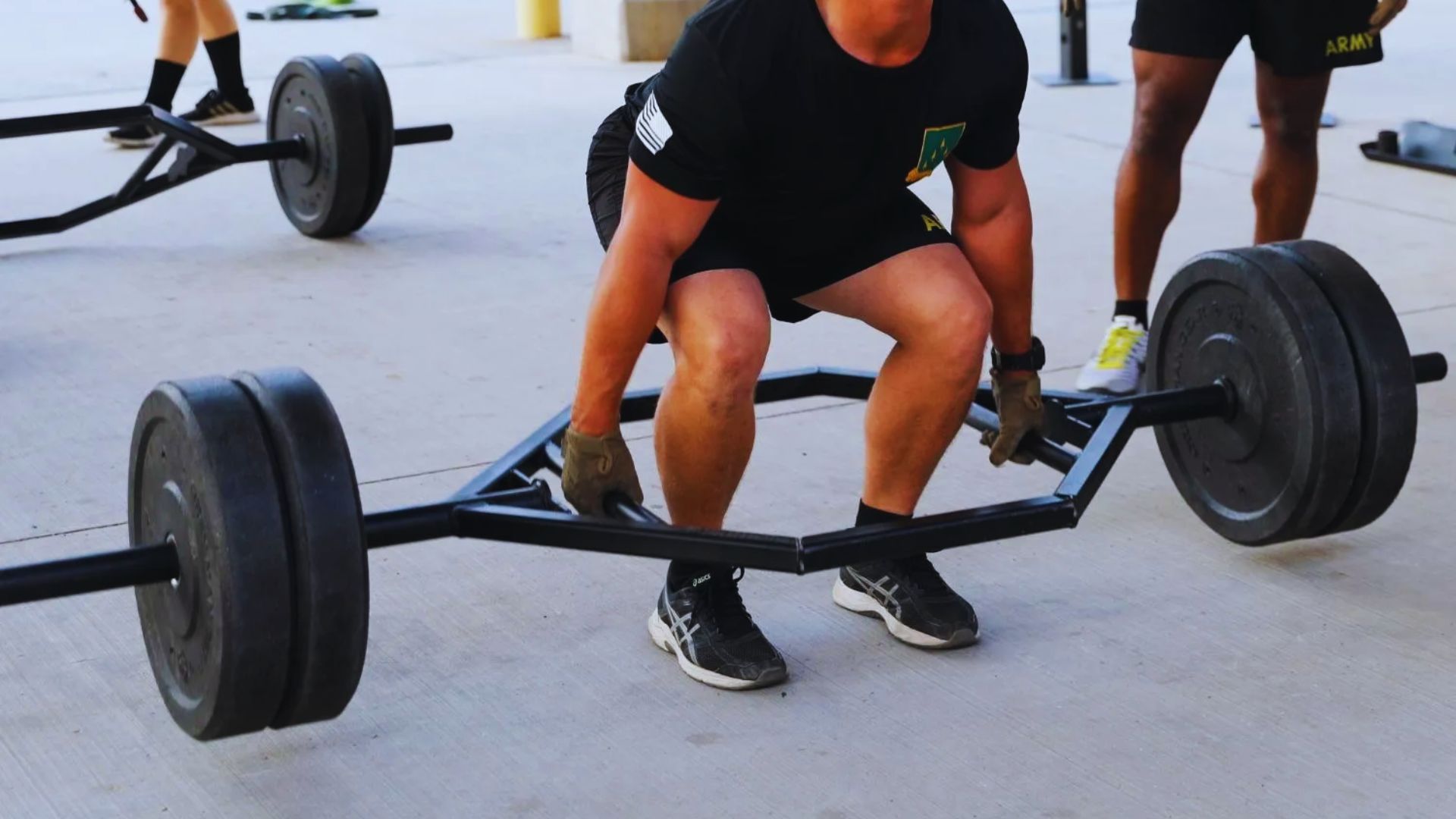
A hex bar deadlift uses a hexagonal-shaped bar that you stand inside. You grip handles on the sides instead of holding a straight bar in front of you.
This design completely changes how the weight moves. Your center of gravity shifts. The bar path becomes more vertical.
Beginners love this lift because it feels natural right away. Experienced lifters use it to move serious weight safely.
The hex bar deadlift muscles worked include your quads, glutes, hamstrings, and entire back. It hits nearly every major muscle group in one movement.
How It Differs From Traditional Deadlifts

The hex bar positions weight around your body instead of in front. This small change creates huge mechanical differences.
Your knees can travel forward more. Your torso stays more upright. The stress on your lower back drops significantly.
Here’s how they compare directly:
| Factor | Hex Bar Deadlift | Barbell Deadlift |
|---|---|---|
|
Bar position |
Around your body |
In front of your body |
|
Torso angle |
More upright |
More forward lean |
|
Knee movement |
Greater forward travel |
Limited by bar position |
|
Quad involvement |
Higher |
Moderate |
|
Lower back stress |
Lower |
Higher |
|
Learning curve |
Easier |
Steeper |
|
Weight lifted |
Typically 10-20% more |
Standard baseline |
Proper Hex Bar Deadlift Form (Step-by-Step)

Getting your hex bar deadlift form right from day one prevents injuries and builds strength faster. I spent months perfecting mine.
Here’s exactly how to set up and execute the lift:
Setup and Execution:
- Stand inside the bar with feet hip-width apart, toes slightly out
- Grip the handles firmly with arms straight down at your sides
- Hinge at your hips and bend your knees until you can grab the handles comfortably
- Pull your chest up and create tension in your lats before lifting
- Drive through your entire foot to stand up, keeping the bar close to your legs
- Lock out at the top by squeezing your glutes, not hyperextending your back
- Control the descent by pushing your hips back first, then bending your knees
Master these basics before adding weight. Your body will thank you later.
Muscles Worked and Training Impact
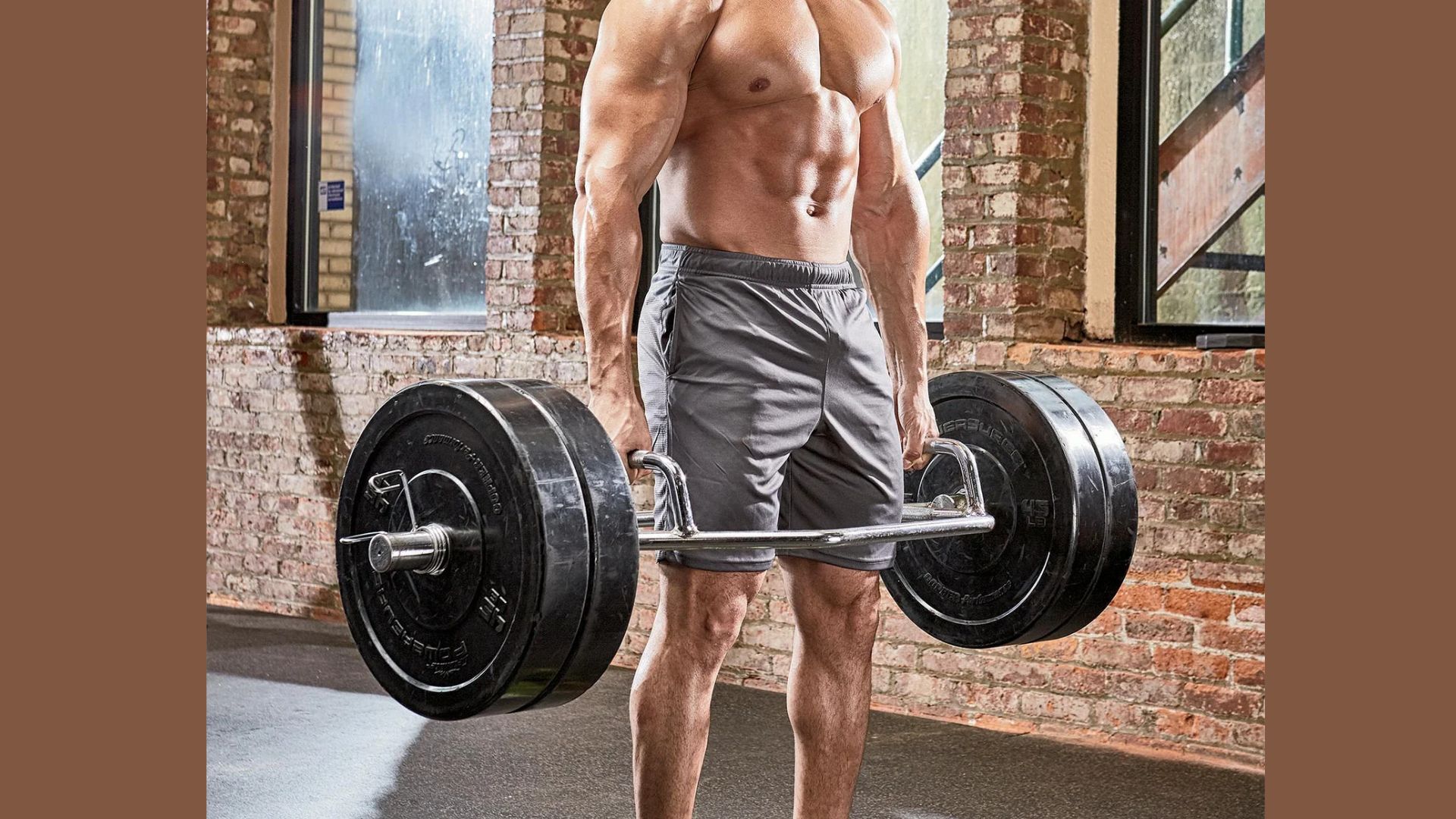
The hex bar deadlift muscles worked to create a full-body training effect. I feel it everywhere the next day.
Your quads, glutes, and hamstrings do the primary lifting work. Your entire back stabilizes the weight. Your grip strength gets tested on every rep.
This movement carries over to real life better than most exercises. Picking up heavy boxes becomes easier. Sprinting gets more powerful.
Athletes use hex bar deadlifts to build explosive strength. The vertical bar path mimics jumping mechanics perfectly.
Benefits of Adding the Hex Bar Delift to Your Routine

I’ve programmed this lift for hundreds of clients. The hex bar deadlift benefits show up fast across all fitness levels.
Why This Lift Works So Well:
- Reduced injury risk from better spine positioning and load distribution
- Increased power output because you can lift 10-20% more weight safely
- Better quad development compared to conventional deadlifts
- Easier learning curve for people new to deadlifting movements
- Less technical demand while maintaining strength-building effectiveness
- Greater training volume possible due to lower fatigue on your lower back
These benefits make it a smart choice whether you’re rehabbing an injury or chasing PRs. I’ve used it for both successfully.
The accessibility factor matters most to me. I can teach proper hex bar form in 15 minutes. Barbell deadlifts take weeks to dial in.
Hex Bar Deadlift vs Barbell Deadlift
The hex bar deadlift vs barbell deadlift debate comes up constantly in training discussions. Both lifts have their place.
Let me break down the real differences:
| Comparison Point | Hex Bar | Barbell |
|---|---|---|
|
Muscle emphasis |
More quad-dominant |
More hip/hamstring dominant |
|
Spinal loading |
Lower and safer |
Higher stress on lumbar spine |
|
Weight capacity |
Can lift more |
Standard reference point |
|
Technical skill |
Minimal practice needed |
Requires significant coaching |
|
Sport specificity |
Better for athletic power |
Better for powerlifting competition |
|
Back safety |
Ideal for injury history |
Requires perfect form |
|
Grip challenge |
Neutral grip easier |
Double overhand harder to hold |
What Lifters Say: Community Opinions and Real Experiences

I’ve read hundreds of forum posts and talked to countless gym members about this lift. The feedback is overwhelmingly positive.
Most lifters mention how much more weight they can move compared to barbell deadlifts. The confidence boost is real.
Some purists argue it’s “cheating” because the mechanics are easier. I think that’s missing the point entirely.
The criticism usually centers on sport specificity. Powerlifters need barbell deadlifts for competition. Everyone else gets to choose what works for their body and goals.
Conclusion
Here’s your challenge. Load a hex bar this week and film your first set.
Post that video in the comments below. I’ll personally review your form and tell you exactly what to fix. No fluff, just real feedback.
Do this today: Find a hex bar at your gym. Do 3 sets of 5 reps with light weight. Feel it yourself.
Then come back and tell me one thing that surprised you about the lift.
Was it easier than you expected? Did your quads burn more?
I reply to every comment because I want to track your progress. Let’s get after it.
Frequently Asked Questions
Is the hex bar deadlift easier than a regular deadlift?
Yes, the hex bar deadlift is generally easier because the weight distribution and upright torso position reduce technical demands. Most people can lift 10-20% more weight on a hex bar safely.
Can beginners safely use a hex bar?
Absolutely, the hex bar is actually safer for beginners because it requires less technical skill and puts less stress on the lower back. Start with light weight to learn proper form first.
Does it build the same strength as barbell deadlifts?
It builds similar overall strength but emphasizes quads more and hamstrings slightly less. Both lifts develop powerful posterior chain strength effectively.
How often should I train hex bar deadlifts?
Train hex bar deadlifts 1-2 times per week with at least 48 hours between sessions. Your muscles need recovery time to grow stronger.
Is it better for people with back issues?
Yes, the hex bar deadlift is often better for people with back problems because it keeps your spine more neutral and reduces lower back strain. Always consult your doctor first though.