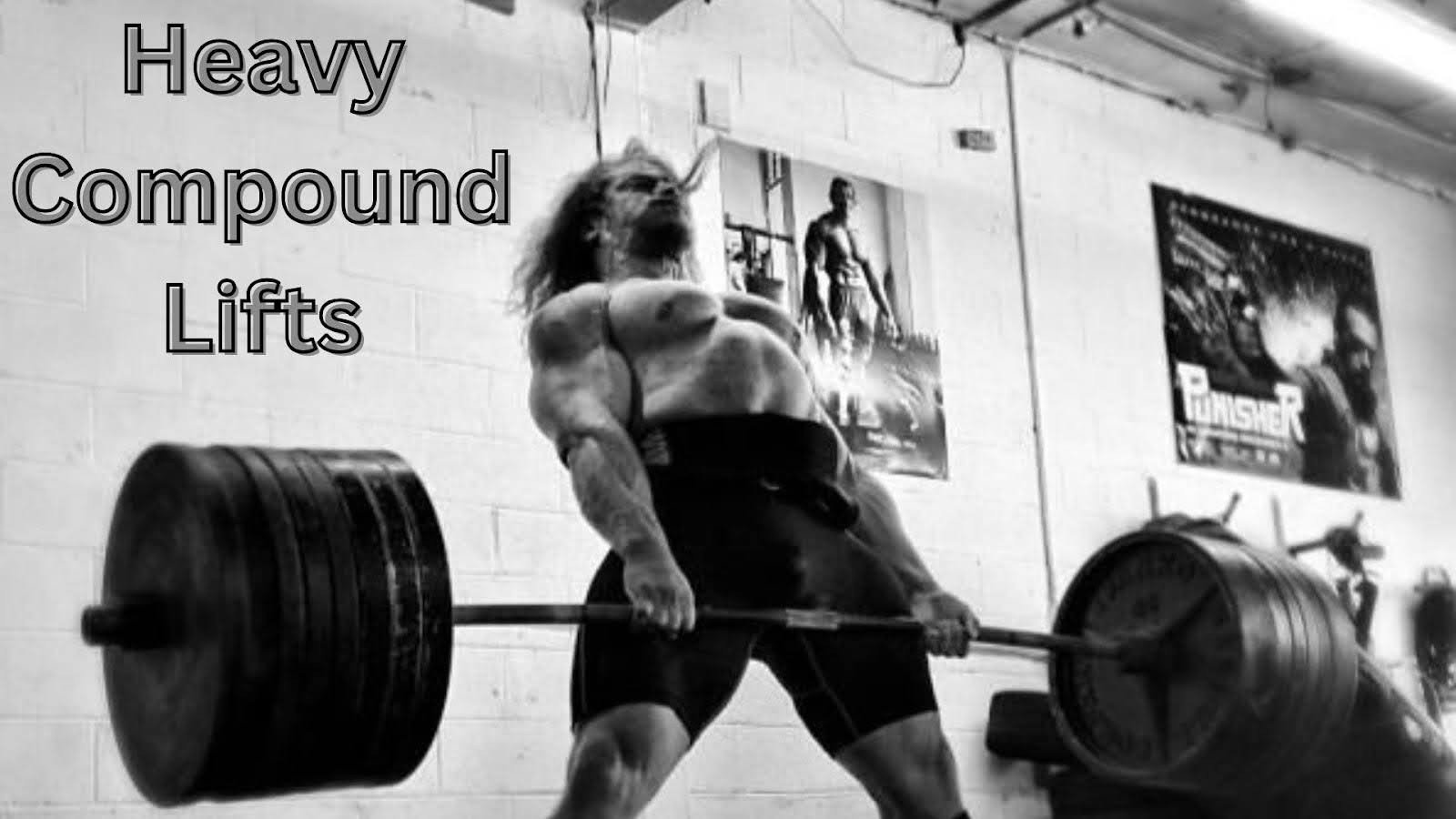
Have you ever thought why the strongest ones in your gym are always doing the same basic movements? They have only found one thing that works: heavy compound lifts.
These multi-joint exercises and all-around use multiple muscle groups at the same time, which makes them the most effective way to increase both strength and muscle. In contrast to isolation movements that only target a single muscle, compound lifts stimulate the whole body to work together under difficult loads.
The article will introduce you to the top-heavy compound movements and the exact ways to use them to get the maximum results. You will understand the importance of these exercises, the correct way of performing them, and the right way of structuring your training to get serious results.
What Are Heavy Compound Lifts?
Heavy compound lifts are multi-joint exercises that work several major muscle groups at once, such as squats, deadlifts, bench presses, and overhead presses. These moves build real-world strength and muscle efficiently.
When you perform them with heavy weights, you’re not just training your muscles, u’re training your nervous system to move powerfully and with control. That’s what makes them the backbone of most strength and bodybuilding programs.
If your goal is to get stronger, look more athletic, or even burn more calories in less time, focusing on these heavy compound lifts is one of the smartest moves you can make.
Definition and Explanation
Heavy compound lifts are exercises that require movement at multiple joints and recruit several major muscle groups simultaneously. Think squats, deadlifts, and bench press movements that mimic real-world actions and challenge your body as a complete system.
The “heavy” part matters because mechanical tension drives muscle growth. When you progressively add weight to these movements, you force your muscles to adapt by getting stronger and bigger.
Your body doesn’t build muscle from light, easy work. It responds to challenging loads that create stress in your muscle fibers, triggering growth and adaptation. That’s why going heavy (with proper form) produces better results than countless reps with light weights.
Benefits Overview
Heavy compound lifts activate more muscle fibers than any other type of exercise. A single heavy squat works your legs, core, and even your upper back, that’s efficiency you can’t match with leg extensions alone.
You’ll also burn more calories during and after your workout. These demanding movements require significant energy expenditure and elevate your metabolism for hours post-training. Your body works harder to recover from a heavy deadlift session than from a few sets of curls.
Beyond aesthetics, these lifts improve your functional fitness and coordination. They teach your muscles to work together, enhancing your ability to perform everyday tasks and athletic movements. You’re not just building show muscle, you’re also developing real-world strength.
The Best Heavy Compound Lifts for Building Strength and Size
Here are the movements that should form the core of your strength training program.
Squat: The King of All Lifts

Works: Quads,hamstrings, glutes, coreVariations: Back squat, front squat, goblet squat, box squatKey tip: Keep chest up and knees out
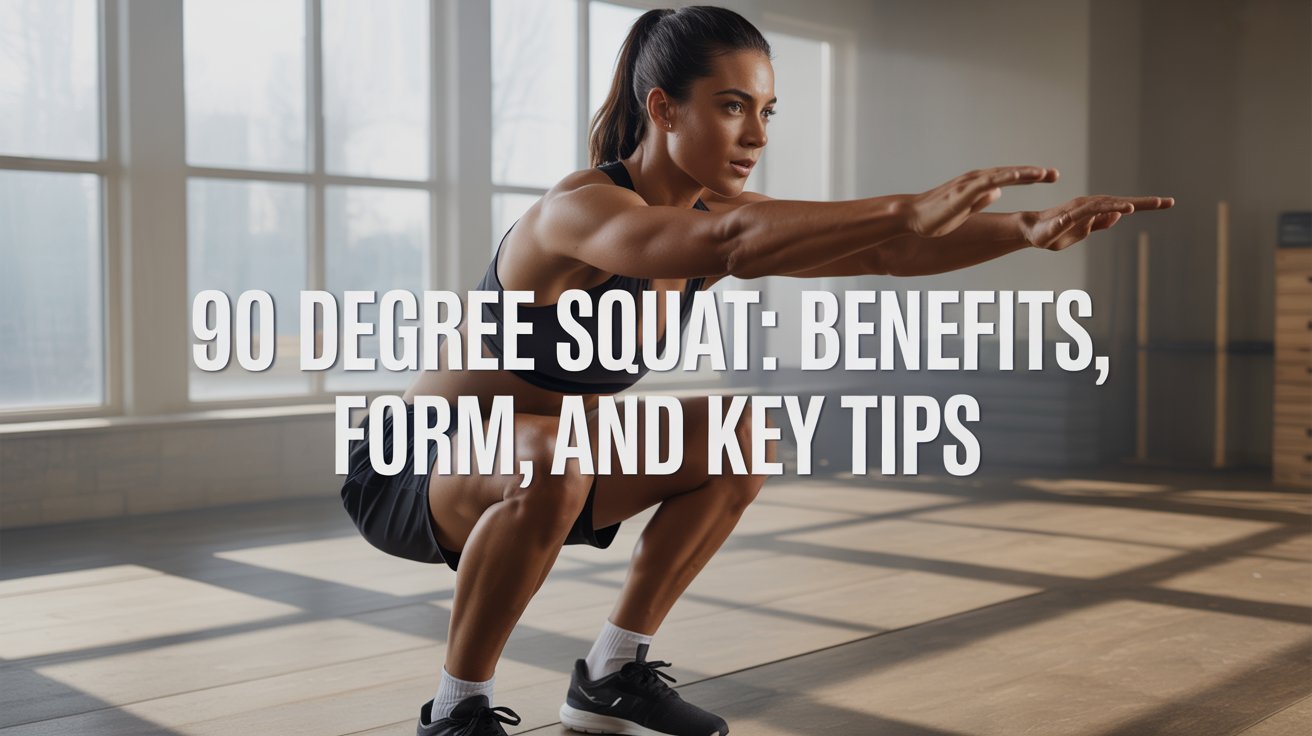
The squat deserves its reputation as the king of lifts. When you load a barbell on your back and descend into a full squat, you’re working nearly every muscle from your ankles to your traps. This movement builds leg mass like nothing else.
Your core works overtime during heavy squats to stabilize your spine under load. This creates functional strength that carries over to every other lift and daily activity. Strong squats mean a strong foundation for everything you do.
Start with bodyweight or goblet squats to master the pattern, then progress to barbell variations. Focus on hitting proper depth (hip crease below knee level) while maintaining a neutral spine. The gains you’ll make from consistent, progressive squat training are unmatched.
Deadlift: Full-Body Power Builder
Works: Posterior chain, core, traps, forearmsVariations: Conventional, sumo, trap bar, RomanianKey tip: Keep spine neutral, drive through heels
The deadlift is the purest test of raw strength. You grip a loaded bar and stand up with it-simple but brutally effective. This movement builds your entire posterior chain while testing your grip and core stability.
Nothing develops back thickness and trap size like heavy deadlifts. Your erectors, lats, and upper back all work to maintain position while your legs and glutes drive the weight up. It’s a total-body effort that produces total-body results.
Many lifters find sumo or trap bar variations more comfortable based on their build and mobility. Experiment with different styles to find what feels strongest for you. Just remember: a neutral spine is non-negotiable, regardless of which variation you choose.
Bench Press: Upper Body Strength Staple

Works: Chest, triceps, shouldersVariations: Flat, incline, dumbbellKey tip: Maintain a slight arch and controlled descent
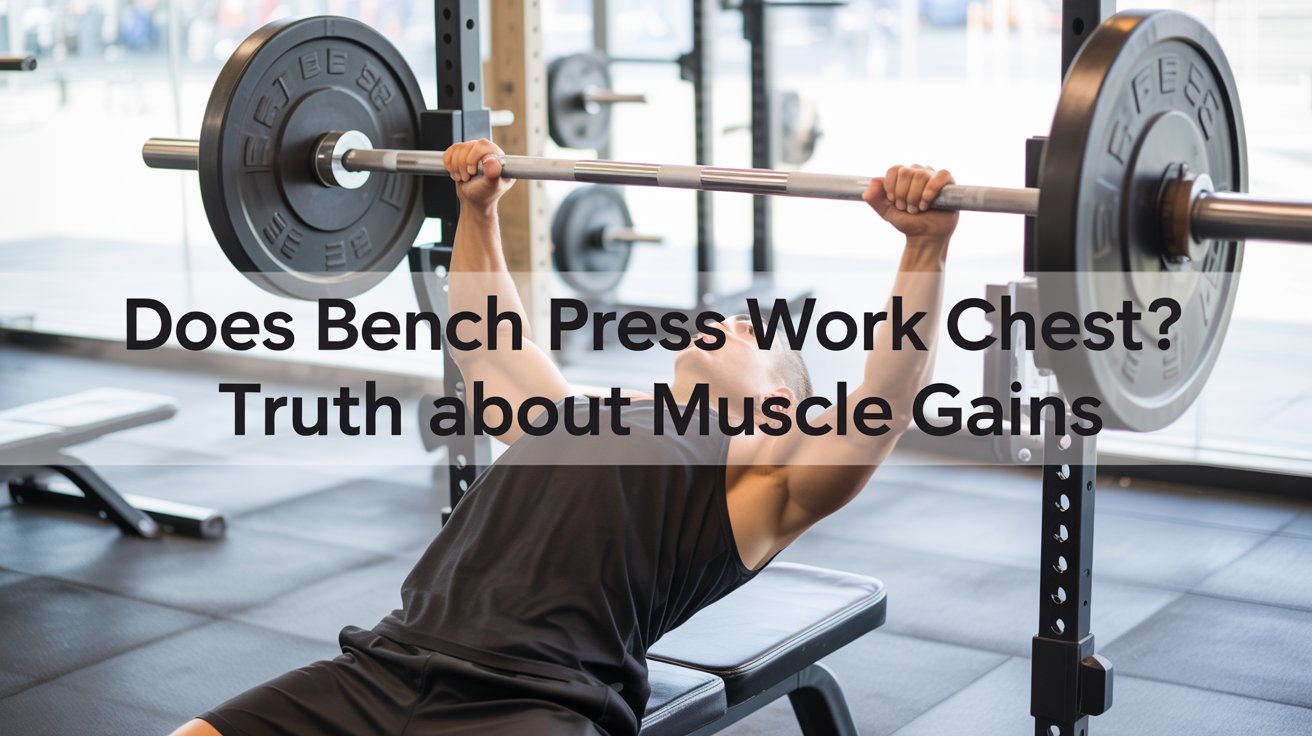
The bench press is the standard measure of upper-body strength for good reason. This movement builds your chest, shoulders, and triceps simultaneously while teaching you to generate force from a stable base.
Proper setup matters more than most people realize. Creating a slight arch in your lower back, retracting your shoulder blades, and planting your feet firmly all contribute to a stronger, safer press. These details turn a decent bench into an excellent one.
Don’t rush your reps. Control the bar down to your chest, pause briefly, then drive it up explosively. This controlled approach builds more strength and muscle than bouncing the weight off your chest. Quality reps beat ego lifting every time.
Pull-Up / Chin-Up: Back and Biceps Mastery

Works: Lats, biceps, rhomboidsGrip: variations for muscle targetingKey tip: Engage lats, avoid swinging
Pull-ups might be the most humbling exercise in the gym, but they’re also one of the most effective. Hauling your bodyweight up to a bar builds back width and arm size while developing serious relative strength.
The difference between pull-ups (overhand grip) and chin-ups (underhand grip) affects muscle emphasis. Pull-ups hit your lats harder, while chin-ups involve more bicep recruitment. Use both variations to build complete upper-body pulling strength.
If you can’t do bodyweight pull-ups yet, use assisted variations or negative reps (slowly lowering yourself). These progressions build the strength you need to eventually bang out multiple clean reps. Every strong lifter can do pull-ups. Make sure you’re one of them.
Overhead Press: Shoulder and Core Strength

Works: Delts, triceps, upper chestVariations: Military press, push press, dumbbell pressKey tip: Tight core, no excessive lean back
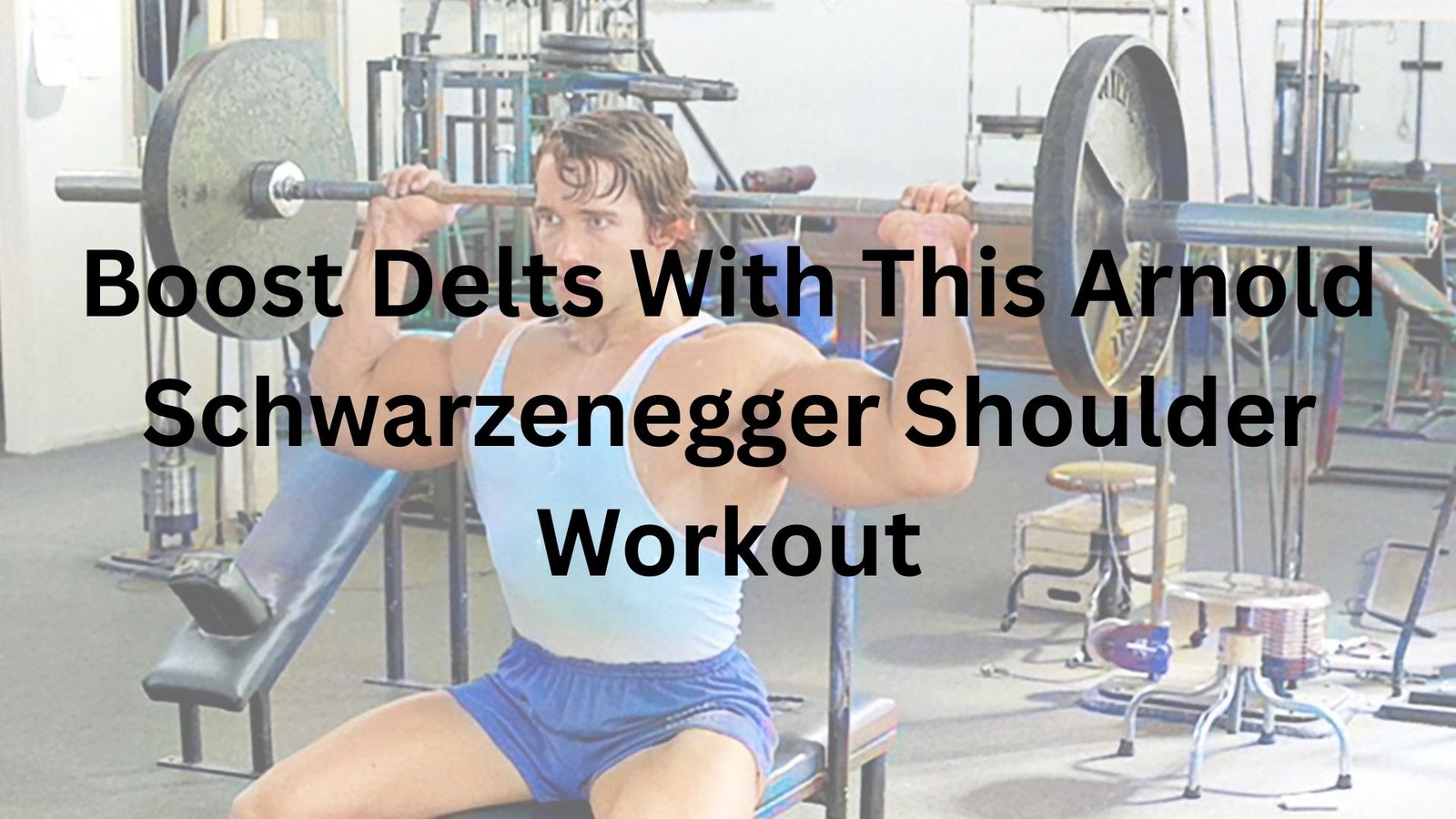
Standing overhead press builds powerful shoulders and a rock-solid core. When you press heavy weight overhead while standing, your entire body works to stabilize the load. This creates functional strength that translates to better performance in all pressing movements.
The military press (strict form, no leg drive) is the gold standard for shoulder development. Your delts do all the work without assistance from momentum. This strict approach builds pure pressing strength and impressive shoulder mass.
Keep your core braced tight throughout the movement to protect your lower back. A small lean back is natural, but excessive arching turns this into an incline press. Stay upright, keep tension, and press the weight in a straight line over your head.
Barbell Row: Build a Thick, Strong Back

Works: Lats, traps, posterior chainVariations: Pendlay row, T-bar row, dumbbell rowsKey tip: Pull to ribs, maintain flat back
Barbell rows build back thickness that complements the width from pull-ups. This horizontal pulling movement hits your middle back, lats, and even your lower back as stabilizers. You’re building the foundation for a powerful, injury-resistant back.
Form is crucial here. Hinge at your hips to create a roughly 45-degree torso angle, then pull the bar to your lower ribs or upper abdomen. Your elbows should travel back and slightly out, not straight up toward the ceiling.
The Pendlay row variation (starting each rep from the floor) eliminates momentum and forces strict form. This builds explosive pulling power and prevents the cheating that plagues many barbell row attempts. Try both styles to see which builds your back better.
Dips: Upper-Body Compound Power

Works: Chest, triceps, shouldersTip: Lean forward for chest, upright for triceps
Dips are a squat of upper body exercise that works multiple muscle groups and allows for progressive overload through added weight. Once bodyweight becomes easy, strap on a weight belt and keep adding plates to build serious pressing strength.
Your body position determines which muscles work hardest. Leaning forward with elbows flared hits your chest more, while staying upright with elbows tucked emphasizes your triceps. Both variations build functional pushing power.
Start with a full range of motion, descend until your shoulders are level with your elbows, then press back up. Partial reps leave gains on the table. If bodyweight is too challenging initially, use an assisted dip machine or resistance bands to build up your strength.
Lunges: Single-Leg Stability and Strength

Works: Quads, glutes, hamstrings, coreVariations: Bulgarian split squat, reverse lunge.
Lunges and single-leg variations build balanced leg development while exposing and correcting strength imbalances. Your stronger leg can’t compensate for your weaker one, forcing each side to pull its own weight. This prevents the asymmetries that lead to injuries.
Bulgarian split squats are particularly effective for building leg mass. Elevating your rear foot increases the range of motion and puts more demand on your front leg. The stability challenge also fires up your core and stabilizer muscles.
These movements improve your balance and coordination in ways bilateral lifts can’t match. Athletes especially benefit from single-leg strength, as most sports involve unilateral movements like running and jumping. Don’t skip these just because they’re harder.
Push-Up: Foundational Bodyweight Compound

Works: Chest, triceps, shoulders, coreVariations: Incline, decline, diamond
Push-ups prove you don’t always need heavy weights to get results. This fundamental movement builds pressing strength and core stability simultaneously. When performed correctly, push-ups rival bench presses for upper-body development.
Your entire body should move as one rigid plank from head to heels. Sagging hips or piking up indicate weak core control. Fix your position before adding advanced variations. Quality movement patterns matter more than high rep counts.
Once standard push-ups become easy, progress to decline or weighted variations. Elevating your feet increases the difficulty and shifts more emphasis to your shoulders. Adding a weight vest or having a partner place a plate on your back provides progressive overload.
High Pull: Explosive Full-Body Builder

Works: Traps, shoulders, posterior chainTip: Focus on hip drive, not arm pull
High pulls develop explosive power through rapid hip extension. This movement bridges the gap between pure strength lifts and Olympic variations. You’re teaching your body to generate force quickly, which improves athletic performance and muscle growth.
The power comes from your hips, not your arms. Drive your hips forward explosively and let that momentum pull the bar up your body. Your arms simply guide the bar, they don’t muscle it up. This distinction separates effective high pulls from slow, grindy upright rows.
Start light to master the hip snap timing before adding serious weight. Once you’ve got the pattern down, these become an excellent finisher after heavy compound lifts. The combination of strength and speed work creates well-rounded development.
Farmer’s Carry: Grip and Core Strength Under Load

Works: Forearms, traps, core, and entire body stabilizationVariations: Single-arm carry, overhead carry
Farmer’s carries build functional strength that directly transfers to daily life and other lifts. Gripping heavy weights and walking with them challenges your core, improves your posture, and develops crushing grip strength. Your forearms will grow from the constant tension.
This movement also reinforces proper bracing and spinal positioning under load. You can’t let your core relax or you’ll fold under the weight. This forced stabilization builds the same midline strength that supports heavy squats and deadlifts.
Start with dumbbells or kettlebells, and you can hold for 30-60 seconds while walking. As your grip strengthens, increase the weight rather than the distance. Heavy, shorter carries build more strength than light, long walks.
Why Heavy Compound Lifts Work So Well
Your body responds to these demanding exercises by releasing more testosterone and growth hormone. Research shows that heavy compound movements trigger a larger hormonal response than isolation work.
These lifts also improve neuromuscular efficiency, the communication between your brain and muscles. You’re not just building bigger muscles, you’re training your nervous system to recruit those muscles more effectively.
Finally, heavy compound lifts create a foundation that enhances all other training. The core strength from squats improves your overhead press. The back strength from deadlifts supports bigger bench presses. Everything connects and builds upon itself.
How to Add Heavy Compound Lifts to Your Training Routine
Here’s how to structure your program around these powerful movements.
- Train 3 to 4 days per week, placing your heaviest compound lifts first in each session: Your energy and focus are highest early in your workout. Use this prime time for movements that require the most from your body, squats, deadlifts, and presses.
- Use progressive overload by adding small amounts of weight consistently over time: You don’t need huge jumps. Adding 5 pounds to your squat every week or two compounds into impressive gains over months.
- Mix heavy compounds with isolation movements for balanced development: After your main lifts, add 2-3 assistance exercises to address weak points or lagging muscle groups. Heavy rows might be your main back work.
- Prioritize proper form, adequate recovery, and mobility work to prevent injuries: No amount of gains is worth a serious injury that sidelines you for months. Learn correct technique on every lift before adding significant weight.
- Example training split integrating heavy compound lifts: Monday focuses on squat variations, followed by leg accessories like lunges and leg curls. Wednesday features bench press and overhead press with dips and tricep work.
- Consider upper/lower splits or push/pull/legs routines for 4-day programs: Upper/lower alternates between upper body and lower body sessions, allowing you to hit each twice weekly.
- Adjust your training based on your experience level and recovery capacity: Beginners need less volume and frequency than advanced lifters. Start with 2-3 work sets per exercise and build up gradually.
Conclusion
The single best way to build full-body strength and muscle size is through heavy compound lifts. These multi-joint movements recruit different muscle groups concurrently, thus creating a potent growth stimulus that isolated exercises cannot come close to.
Firstly, hit the basics: squat, deadlift, and bench press. Get these three moves down, tig, ht, and you will get more strength than most people after years of random training. Complement yourself with the overhead press, rows, and pull-ups for perfect body development.
Work on your technique, keep training regularly, and slowly up the weight you are handling. Advancement is very slow, but it is these tried and tested moves that yield the results when you put in the effort. Your future, stronger self will be grateful that you started today.
Frequently Asked Questions
How heavy should I go on compound lifts?
Use weights that allow 5-8 reps with proper form for building strength and size. Your last rep should be challenging but not compromise your technique. Beginners should start lighter and focus on mastering movement patterns before adding significant weight.
How many times per week should I do heavy compound lifts?
Train each major compound movement 1-2 times weekly for optimal results. Most programs include 3-4 training days with different movement patterns each session. This frequency allows adequate recovery while providing enough stimulus for growth.
Can I build muscle with compound lifts alone?
Yes, compound movements can build significant muscle mass without isolation exercises. Many successful programs rely primarily on heavy compound lifts with minimal accessory work. However, adding some isolation movements helps address weak points and provides extra volume for specific muscle groups.
What’s the difference between compound and isolation exercises?
Compound exercises involve multiple joints and muscle groups working together, like squats or bench presses. Isolation exercises target single muscles through single-joint movements, like bicep curls or leg extensions.
Should beginners start with heavy compound lifts?
Beginners should absolutely learn compound movements early, but start with lighter weights. Focus on mastering proper form and movement patterns before increasing intensity. Begin with bodyweight variations or empty barbells, then progress gradually as technique improves.