Hand gripper benefits go way beyond just making your hands stronger. I’ve been using grippers for years, and I can tell you they changed how I train and live.
In this guide, I’ll show you exactly how hand grippers build grip strength, develop your forearms, and improve your daily life. You’ll learn about different gripper types, training methods, and common mistakes to avoid.
I’ll cover everything from adjustable grippers to wooden ones, and how men and women can both gain from grip training. I’ve tested these methods myself and seen real results.
Whether you need stronger hands for sports, work, or just opening stubborn jars, this article has practical solutions for you.
What Is a Hand Gripper and How Does It Work?

A hand gripper is a simple tool that makes your hands and forearms stronger through repeated squeezing movements against resistance. It has two handles connected by a spring or resistance mechanism. You place it in your palm and squeeze against the resistance.
Adjustable grippers let you change resistance levels. Wooden grippers focus on finger strength and natural movement.
Smart grippers track your progress through phone apps. Standard spring grippers come in fixed resistance from 50 to 300+ pounds.
When you squeeze, your forearm flexors do most of the work along the inside of your forearm. Your forearm extensors stabilize the movement. The small muscles in your hand, palm, and fingers all activate together for balanced strength development.
Why Grip Strength Is Important for Overall Health?
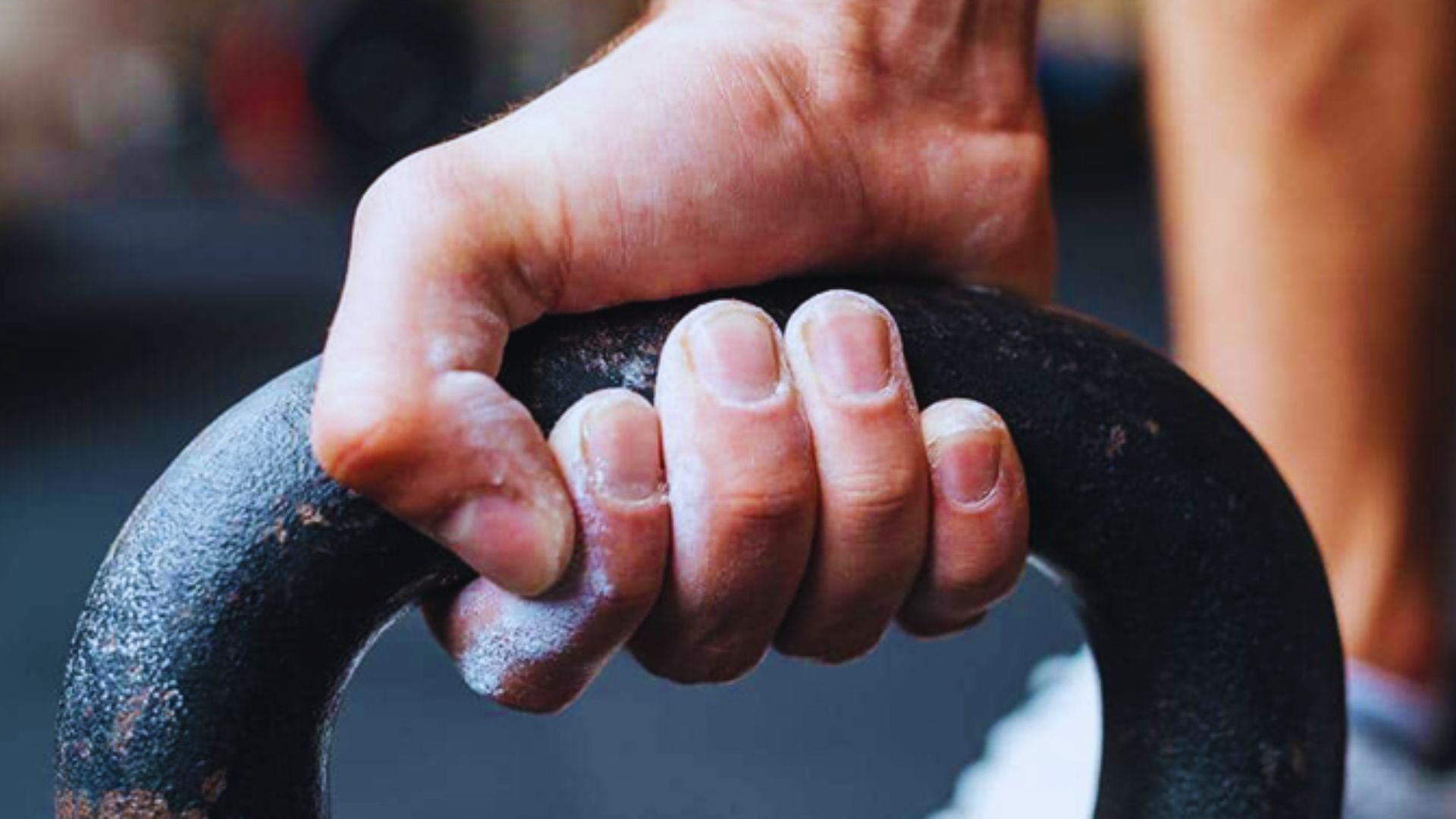
Strong grip strength indicates good overall muscle function and can predict your health and fitness levels as you age.
Research shows it connects to your whole body health. Doctors now use grip tests to check overall fitness.
Your grip strength reflects total body muscle mass. When your grip is strong, your other muscles are usually strong too. Studies show people with stronger grips perform better in all lifts. Weak grip limits every pulling exercise.
You can’t lift what you can’t hold. Doctors measure grip strength to assess aging and health risks. Research links it to heart health and recovery speed from illness or surgery.
A weak grip makes daily tasks frustrating. Opening jars becomes a struggle. Carrying groceries hurts your hands. Work suffers when your grip is weak. Manual jobs become exhausting. Even office work gets harder.
Sports performance drops significantly. Weak grip increases injury risk. You drop things more often, and your hands tire quickly.
Hand Gripper Benefits

Hand grippers offer wide-ranging advantages from building raw strength and forearm size to improving daily function and supporting injury recovery.
Grip Strength and Hand Power
Hand grippers build a crushing grip better than any other tool. The resistance matches your hand’s natural closing motion perfectly.
As you train, your maximum grip force increases. What felt impossible becomes easy. This strength transfers to real life fast. Handshakes get firmer, and opening tight lids becomes effortless.
High-rep training builds grip endurance. Sets of 20 to 30 reps make your muscles resist fatigue. This helps with carrying shopping bags, holding tools, or hanging from bars.
Gripper training also improves finger coordination. Your pinky and ring finger strengthen, creating more balanced hand strength.
Forearm Development
Your forearm flexors run along the palm side of your forearm. Every gripper squeeze hits these muscles hard.
They grow thicker and stronger with consistent training. You’ll see visible changes in muscle size. The wrist area thickens from tendon strengthening.
Strength gains show up fast. Within a month, you’ll close grippers that were impossible before. Strong forearms protect your wrists during heavy lifts and daily tasks. Wrist stability prevents sprains and strains. Gripper training also strengthens tendons and ligaments over time.
Benefits for Men and Women
Men typically chase bigger forearms and visible veins. Gripper training delivers both. A stronger grip helps in the gym. Every lift improves when you can hold the bar better. Deadlifts, rows, and pull-ups all go up.
Women benefit from toned, defined forearms without excessive bulk. Better grip strength helps with daily tasks like carrying children and opening containers. Dexterity improves significantly for detailed work. Bone density increases with resistance training, which is crucial for women as they age.
Adjustable Gripper Benefits
Adjustable grippers let you add resistance in small steps. This prevents injury and ensures steady progress. You don’t need to buy multiple grippers. One adjustable model covers a wide range.
Start at a comfortable level where you can do 15 to 20 clean reps. When that becomes easy, increase the resistance slightly. Small jumps feel manageable and give you complete control over your training.
Wooden Gripper Benefits
Wooden grippers provide natural feedback through their texture. You feel exactly how hard you’re squeezing. Some designs isolate specific fingers, fixing strength imbalances. The smooth resistance feels easier on your joints.
Physical therapists often recommend wooden grippers for injury recovery. They offer light, controlled resistance that doesn’t stress healing tissues. Artists, musicians, and anyone doing detailed handwork benefit from wooden grippers.
Daily Life Applications
Sports performance improves across the board. Rock climbing, baseball, golf, and weight training all benefit from a stronger grip. In the gym, every lift gets easier when your hands are strong.
Office workers benefit from reduced hand fatigue. Typing and mouse work become less tiring. Manual laborers experience less fatigue throughout the workday. Tool control improves significantly for better safety.
Hand injuries heal better with proper gripper exercise. Carpal tunnel syndrome symptoms can improve with gentle grip training. Arthritis patients use grippers to keep joints flexible and muscles active.
Common Mistakes to Avoid While Using a Hand Gripper
Many people train incorrectly with grippers, leading to poor results or injury through overtraining, inadequate recovery, or improper technique.
- Training every day without rest prevents muscle growth and leads to chronic soreness and injury
- Ignoring sharp pain is dangerous and signals injury, while dull aches are normal during training
- Partial reps don’t build full strength, so close the gripper completely on every rep
- Using momentum or body English reduces effectiveness. Keep the movement controlled with your forearm doing all the work
- Gripping too high or too low in your hand causes problems. Position the gripper in the middle of your palm for the best leverage
How Often Should You Use a Hand Gripper?
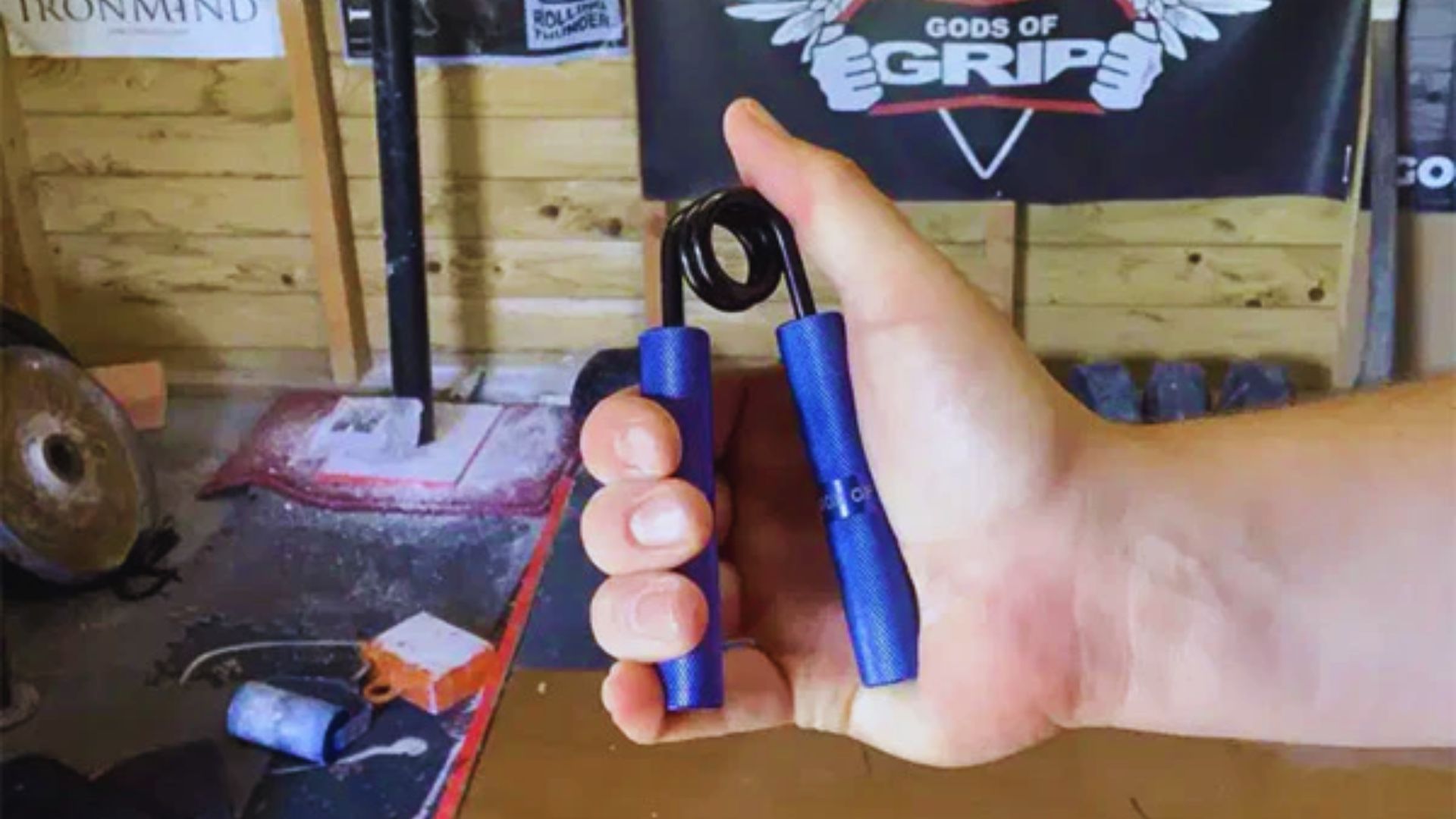
Training frequency depends on your goals, but most people see the best results with 3 to 4 sessions weekly and proper recovery time.
Three times per week works well for most people. This gives you 48 hours between sessions for full recovery. Monday, Wednesday, and Friday are a simple schedule. Watch for signs of overtraining like persistent soreness or weakness.
Aim for 3 to 5 sets per session with 8 to 15 reps for best growth. Add reps, sets, or resistance over time for progressive overload. Pair gripper work with other forearm exercises like wrist curls and farmer’s walks. Eat enough protein to support muscle growth and track your progress to stay motivated.
Conclusion
I still remember struggling to open a pickle jar before I started grip training. Now my hands feel capable and strong every single day.
The benefits reach far beyond just forearm size. Your whole life improves when your grip is solid. Start with light resistance and build slowly. Listen to your body and rest when needed. The results will show up faster than you think.
Share your grip training experience in the comments below. I’d love to hear what worked for you. And if you found this helpful, check out our other strength training guides for more practical tips.
Frequently Asked Questions
How long does it take to see results from hand grippers?
Most people notice a stronger grip within 2 to 3 weeks of consistent training. Visible forearm growth takes 6 to 8 weeks. Results vary based on your starting strength, training intensity, and recovery.
Can hand grippers help with arthritis pain?
Gentle grip training can help maintain joint mobility and muscle strength with arthritis. Start with very light resistance and stop if you feel sharp pain. Always consult your doctor before starting any exercise program for medical conditions.
What resistance level should beginners start with?
Beginners should choose a gripper that they can close completely for 15 to 20 reps. This is usually between 50 and 100 pounds of resistance. Starting too heavy leads to poor form and potential injury.
Will hand grippers make my hands bigger?
Hand grippers primarily grow your forearm muscles, not your hand bones. Your forearms will get bigger and more defined. The muscles in your palm may thicken slightly, but hand size stays mostly the same.
Should I use hand grippers before or after my workout?
Train grippers at the end of your workout. If you fatigue your grip first, you won’t be able to perform other exercises safely. Deadlifts, rows, and pull-ups all need fresh grip strength.