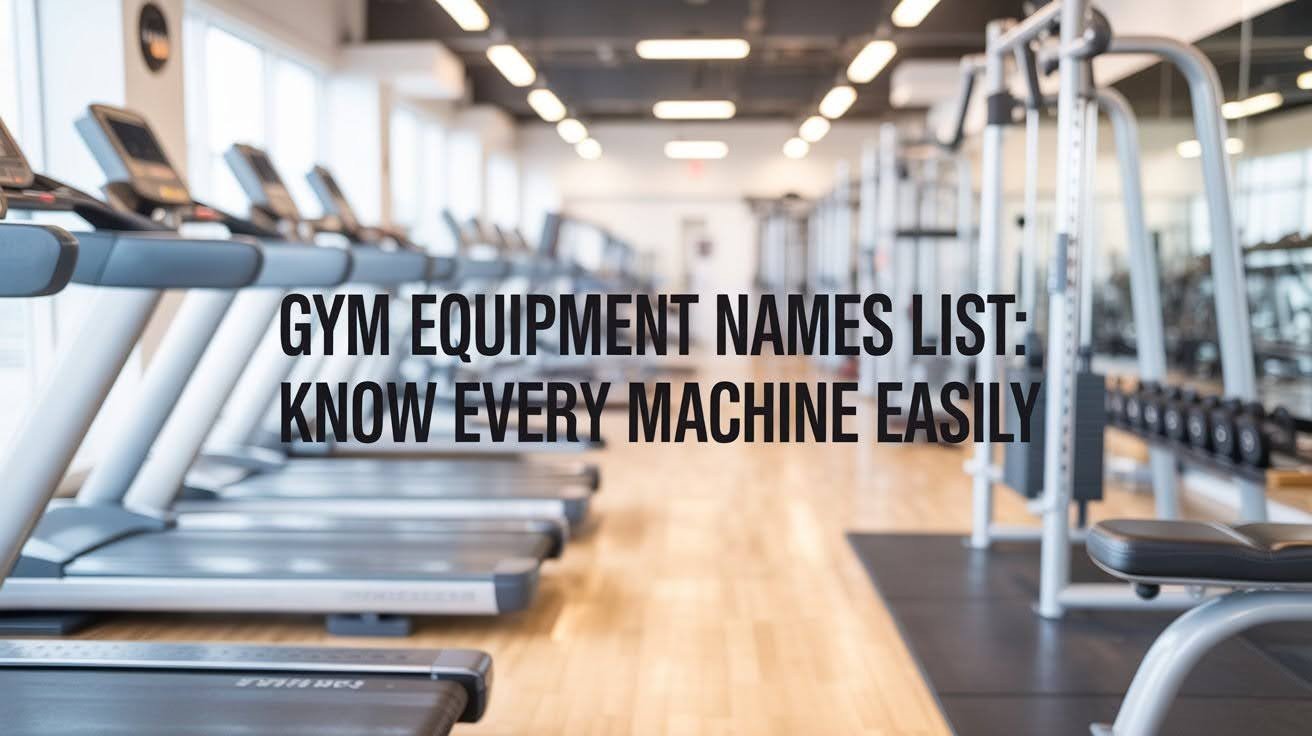
Walking into a gym for the first time can feel overwhelming. Rows of machines, weights, and tools line the walls, and you might not know where to start. Knowing the names and uses of gym equipment makes your workout experience much easier and more effective.
This gym equipment names list will help you identify every major piece of equipment you’ll find at most fitness centers. We’ll cover cardio machines, strength training tools, free weights, and functional equipment. By the end of this guide, you’ll know what each machine does and which ones match your fitness level.
Getting familiar with gym equipment names helps you follow workout plans, ask trainers the right questions, and build confidence in the gym. Let’s break down the most common equipment you’ll see.
Complete Gym Equipment Names List
This gym equipment names list is organized by category to make it easy to find what you need. Each section includes machines for different fitness goals and skill levels.
Treadmill

The treadmill is one of the most popular cardio machines in any gym. It lets you walk, jog, or run indoors while staying in one spot. You can control the speed and incline to make your workout easier or harder.
Treadmills work well for all fitness levels, from beginners taking their first steps to advanced runners training for races. A typical session lasts 30 to 60 minutes. This machine improves your heart health and burns calories effectively.
Stationary Bike

A stationary bike gives you a cycling workout without going anywhere. You sit on the seat, pedal at your own pace, and adjust the resistance to match your fitness level. Some bikes have upright seats while others have reclining backs for more comfort.
This equipment works great for people of all ages and abilities. Sessions usually run 30 to 60 minutes. Stationary bikes provide low-impact cardio that’s easy on your joints while strengthening your leg muscles.
Rowing Machine

The rowing machine copies the motion of rowing a boat on water. You pull a handle while pushing with your legs, working your whole body at once. This makes it one of the most efficient machines in the gym.
Anyone can use a rowing machine, though proper form takes some practice. Most workouts last 20 to 45 minutes. This machine combines cardio with strength training, working your legs, back, arms, and core muscles together.
Elliptical Trainer

An elliptical trainer lets you move in a smooth gliding motion that feels like walking or running. Your feet stay on pedals that move in an oval pattern, which protects your knees and ankles from the pounding of regular running.
All fitness levels can benefit from this machine. Sessions typically last 20 to 45 minutes. The elliptical gives you a solid cardiovascular workout without stressing your joints, making it perfect for people with knee or hip concerns.
Stair Climber

The stair climber does exactly what its name suggests. It simulates climbing stairs. You step continuously on moving steps or pedals that create the feeling of walking up endless stairs. The workout targets your lower body muscles hard.
This machine suits all skill levels, though it can tire you out quickly at first. Plan for 20 to 45 minutes per session. Stair climbers build lower body strength while improving your cardiovascular endurance and burning lots of calories.
Dumbbells

Dumbbells are handheld weights that come in pairs. They range from very light (1-2 pounds) to extremely heavy (100+ pounds). You can find fixed dumbbells that stay at one weight, or adjustable ones where you add or remove plates.
Beginners should start with 1 to 10 pounds, intermediate lifters use 10 to 30 pounds, and advanced athletes lift 30 pounds and up. Dumbbell workouts last 20 to 60 minutes. These versatile tools let you target every muscle group in your body with hundreds of different exercises.
Barbells

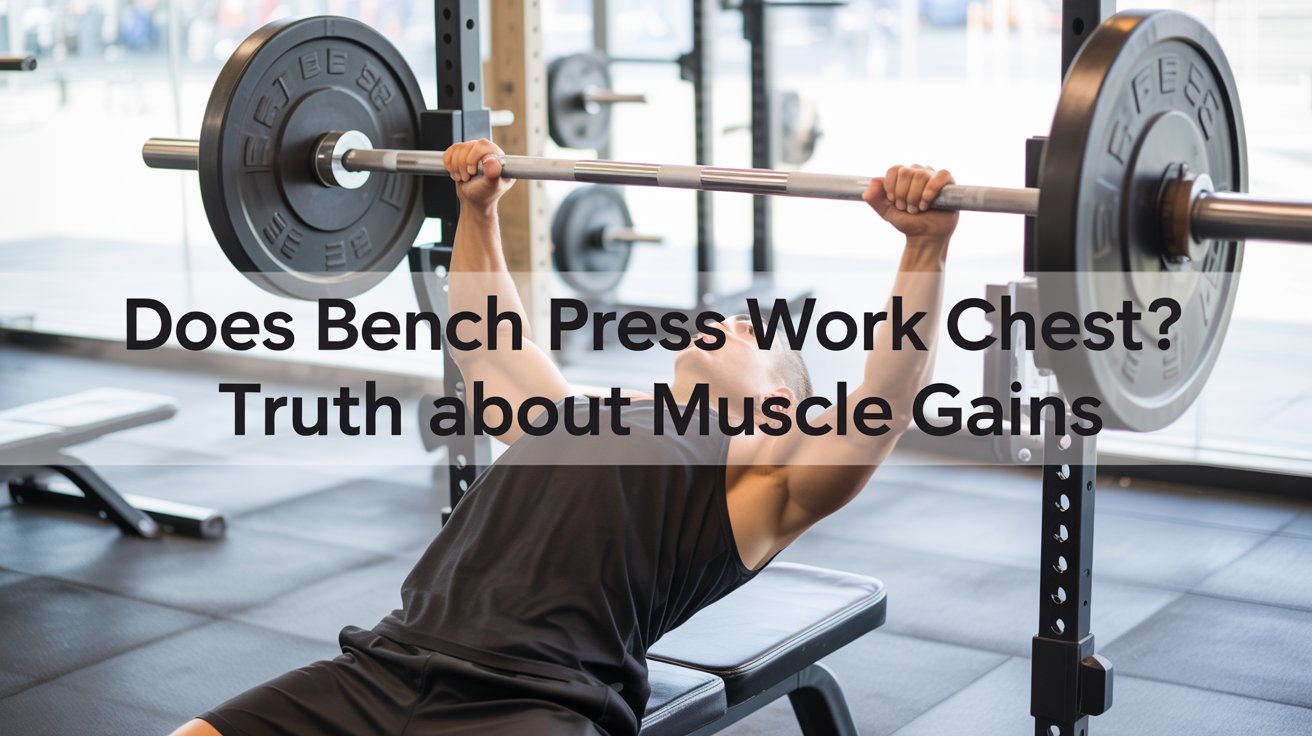
A barbell is a long metal bar that you load with weight plates on each end. The standard barbell weighs 45 pounds before you add any plates. You’ll also see EZ curl bars with bent angles, trap bars shaped like hexagons, and Olympic barbells for serious lifting.
Beginners can start with standard barbells and EZ curl bars, while advanced lifters use Olympic and trap bars for heavier loads. Sessions run 30 to 60 minutes. Barbells let you perform compound movements like squats, deadlifts, and bench presses that build serious strength.
Kettlebells

Kettlebells look like cannonballs with handles attached. They’re made of cast iron or steel and come in various weights. Unlike dumbbells, their unique shape lets you swing them in dynamic movements that get your heart rate up.
All fitness levels can use kettlebells, starting light and working up. Workouts typically last 15 to 30 minutes. These tools combine cardiovascular exercise with strength training and help improve your flexibility at the same time.
Resistance Bands

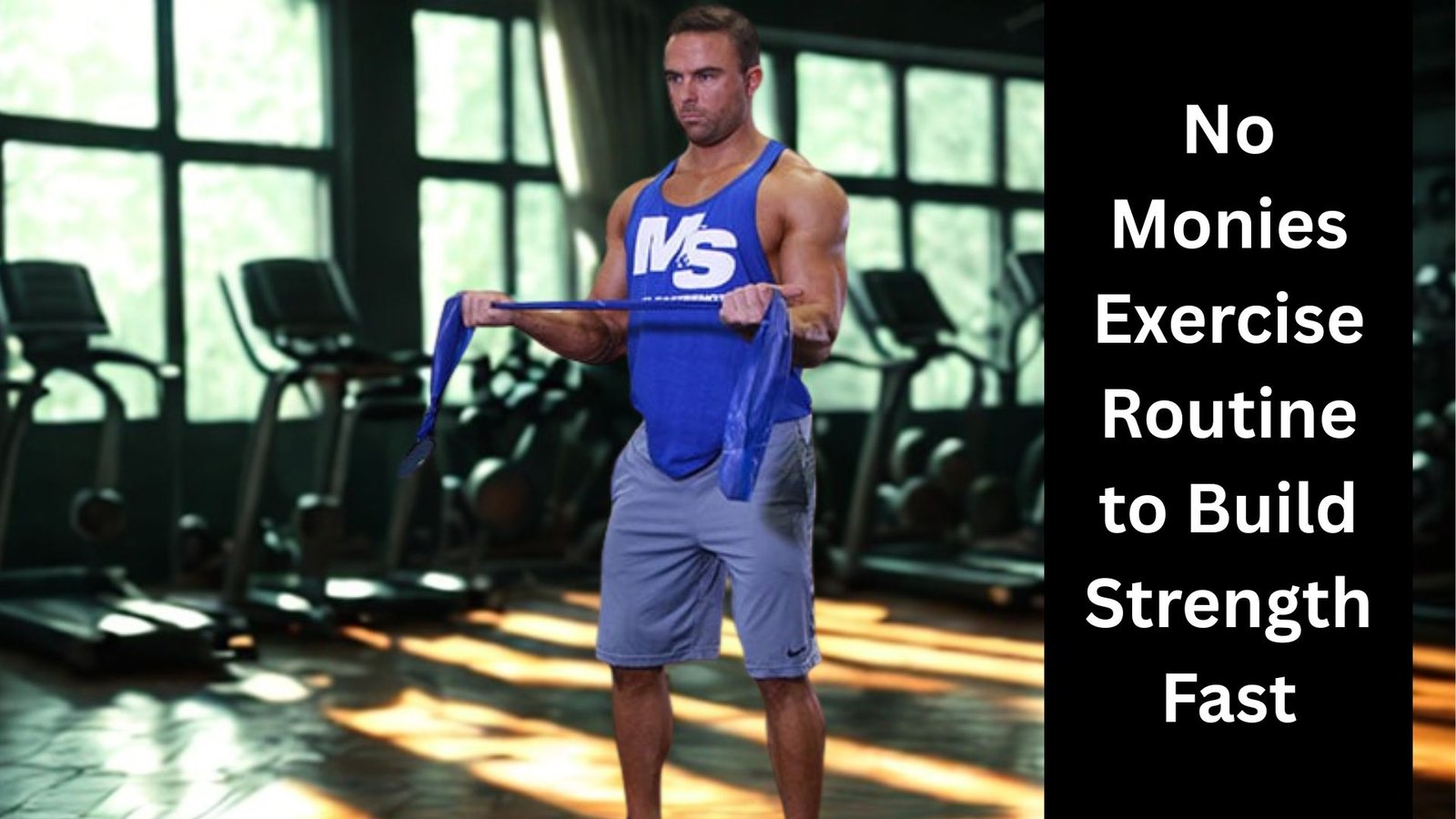
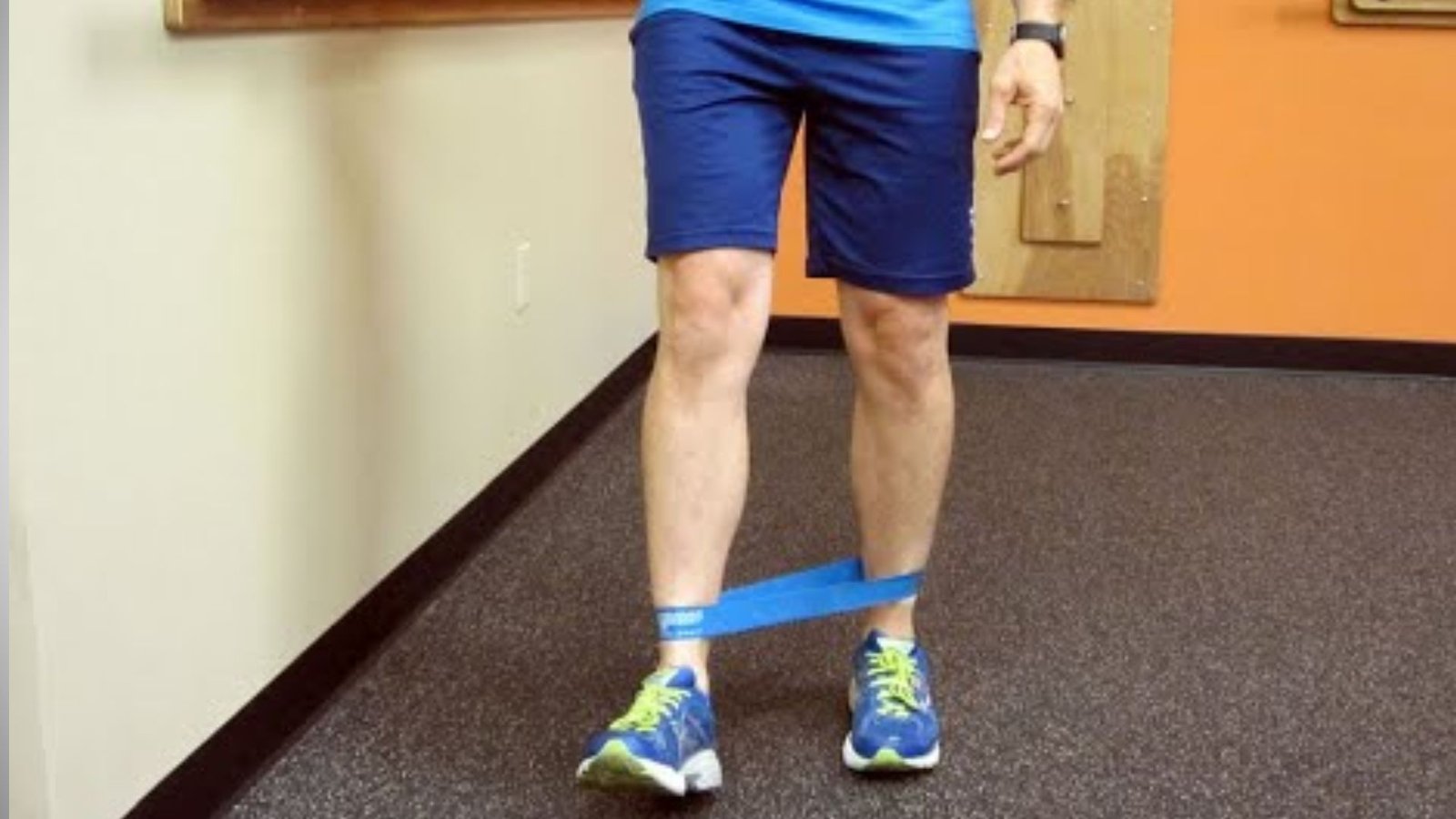
Resistance bands are stretchy elastic bands that provide resistance when you pull them. They come in different thicknesses and strengths, usually color-coded from easiest to hardest. You can use them alone or attach them to fixed objects.
Everyone from rehab patients to athletes can benefit from resistance bands. Sessions often last 10 to 20 minutes. These portable tools offer joint-friendly resistance and work great for travel or small spaces.
Training Bench

A training bench is a padded surface that adjusts to different angles. You can set it flat, at an incline (head higher), or at a decline (head lower). Most quality benches are sturdy and comfortable with thick padding.
All skill levels use training benches for various exercises. Workouts last 20 to 60 minutes per session. This essential piece supports bench presses, dumbbell exercises, step-ups, and core work.
Squat Rack

A squat rack is a sturdy metal frame with adjustable hooks and safety bars. It holds a barbell at the right height for squats and other exercises. You’ll see power racks (enclosed on all sides), half racks (open on one side), squat stands (minimal frame), and fold-away racks for small spaces.
Any fitness level can use squat racks with proper instruction. Sessions run 20 to 60 minutes. This equipment creates a safe environment for heavy squats and weightlifting exercises without needing a spotter.
Smith Machine

The Smith machine features a barbell that’s locked inside vertical steel rails. The bar can only move straight up and down, not forward or backward. This guided path makes certain exercises safer when you’re training alone.
Intermediate to advanced lifters get the most from Smith machines. Workouts last 20 to 60 minutes. This machine adds safety for solo training and offers multiple exercise options, including squats, bench presses, and shoulder presses.
Leg Extension Machine

This machine has a padded seat with a lever arm at the front. You sit down, hook your shins under the padded bar, and straighten your legs to lift the weight. It works your quadriceps muscles on the front of your thighs.
All levels can use this machine safely. Sessions typically last 10 to 20 minutes. Leg extensions isolate and strengthen your front thigh muscles, helping balance out your leg development.
Leg Curl Machine

The leg curl machine targets the opposite muscles from leg extensions. You lie face down or sit (depending on the type) and curl your legs to lift the weight. This movement works your hamstrings on the back of your thighs.
Everyone can benefit from leg curls. Plan for 10 to 20 minutes. This machine strengthens the back of your thighs and helps balance your leg muscles to prevent injuries.
Cable Crossover Machine

This large machine has two adjustable cable towers on either side. You can set the pulleys high, middle, or low and attach different handles. The cables provide smooth, constant tension throughout each movement.
Intermediate to advanced users get the best results from cable crossovers. Workouts run 20 to 45 minutes. This versatile machine works your chest, back, shoulders, and arms through countless exercise variations.
Tips for Choosing the Right Gym Equipment
Selecting the right equipment makes a huge difference in reaching your fitness goals. Start by thinking about what you want to achieve. Losing weight, building muscle, improving flexibility, or boosting your heart health.
- Think about your specific fitness goals, like cardio, strength, flexibility, or weight loss
- Measure your available space if you’re building a home gym versus using a commercial facility
- Set a realistic budget and focus on multi-functional equipment that does more than one thing
- Match equipment to your current fitness level, not where you hope to be someday
- Research how much maintenance each piece needs before you buy it
- Choose versatile pieces that let you progress as you get stronger
- Focus on quality over quantity by investing in durable, well-made equipment
- Look for equipment that can be adjusted as you advance in your training
Remember that starting simple often works better than buying everything at once. You can always add more equipment as your needs grow and your skills improve.
Conclusion
This comprehensive gym equipment names list covers everything from cardio machines to strength training tools. Knowing what each piece does helps you feel more confident and get better results from your workouts.
If you’re setting up a home gym or just learning your way around a fitness center, understanding equipment names and functions is your first step. You don’t need every machine to get fit. Start with the basics that match your goals and fitness level.
As you progress, you can add more variety to your routine. The most important thing is finding equipment you’ll actually use consistently. Your fitness routine grows stronger when you know your tools and use them regularly.
Frequently Asked Questions
What Is the Most Important Gym Equipment for Weight Loss?
Use a combination of cardio machines like treadmills, rowing machines, and stationary bikes. Add strength training equipment to build muscle and boost your metabolism. Consistency with any equipment matters more than which specific machines you choose.
How Much Does It Cost to Equip a Basic Home Gym?
A budget-friendly setup costs $200-$500 and includes resistance bands, dumbbells, a mat, and a jump rope. A mid-range setup runs $1,000-$3,000 with a bench, kettlebells, and pull-up bar added. Premium setups cost $5,000 or more with cardio machines and power racks included.
Which Machines Work Multiple Muscle Groups at Once?
The rowing machine provides a full-body workout that uses your legs, core, back, and arms together. Functional trainers are versatile for compound movements. Battle ropes work your core, arms, shoulders, and legs at the same time.
Do I Need Both Free Weights and Machines?
Free weights like dumbbells and barbells build functional strength and work stabilizer muscles better. Machines are safer for beginners and good for targeting specific muscles. The ideal approach combines both types for a balanced training program.
What Equipment Should I Avoid as a Complete Beginner?
Stay away from heavy Olympic barbells without proper instruction first. Avoid advanced machines like Smith machines until you’ve mastered proper form. Skip very heavy kettlebells before learning the right technique. Focus on mastering basics with lighter weights and simpler equipment first.