Goblet squat vs back squat is a debate I’ve had with training partners countless times. Both exercises build serious leg strength, but they work differently. If you’re wondering which one fits your goals better, you’re in the right place.
In this guide, I’ll break down muscle activation, benefits, weight potential, and when to use each variation.
I’ll also share practical tips to help you get results faster. I’ve been coaching these movements for years, and I know what works.
Let’s settle this comparison once and for all.
Goblet Squat & Back Squat Quick Overview

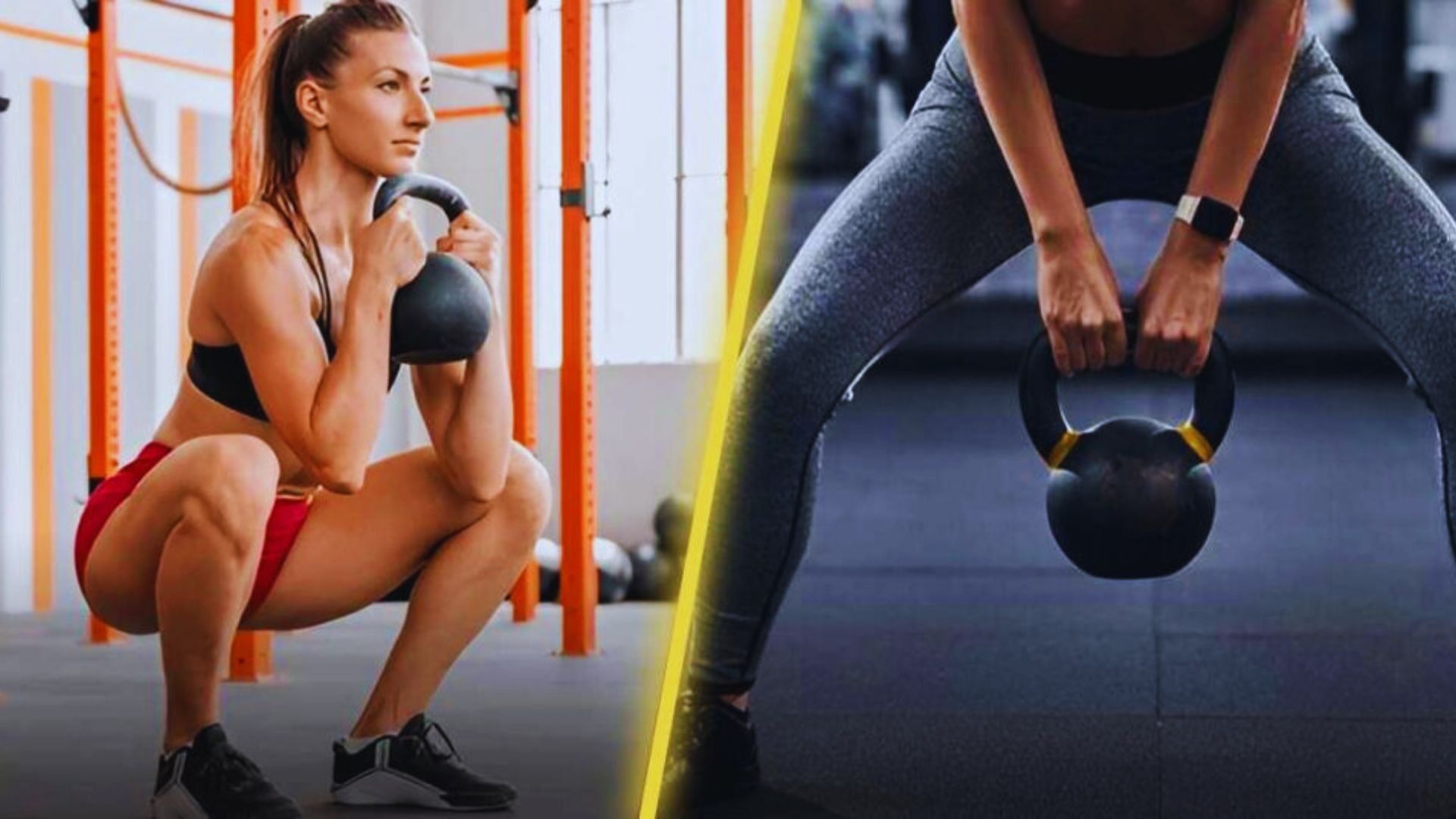
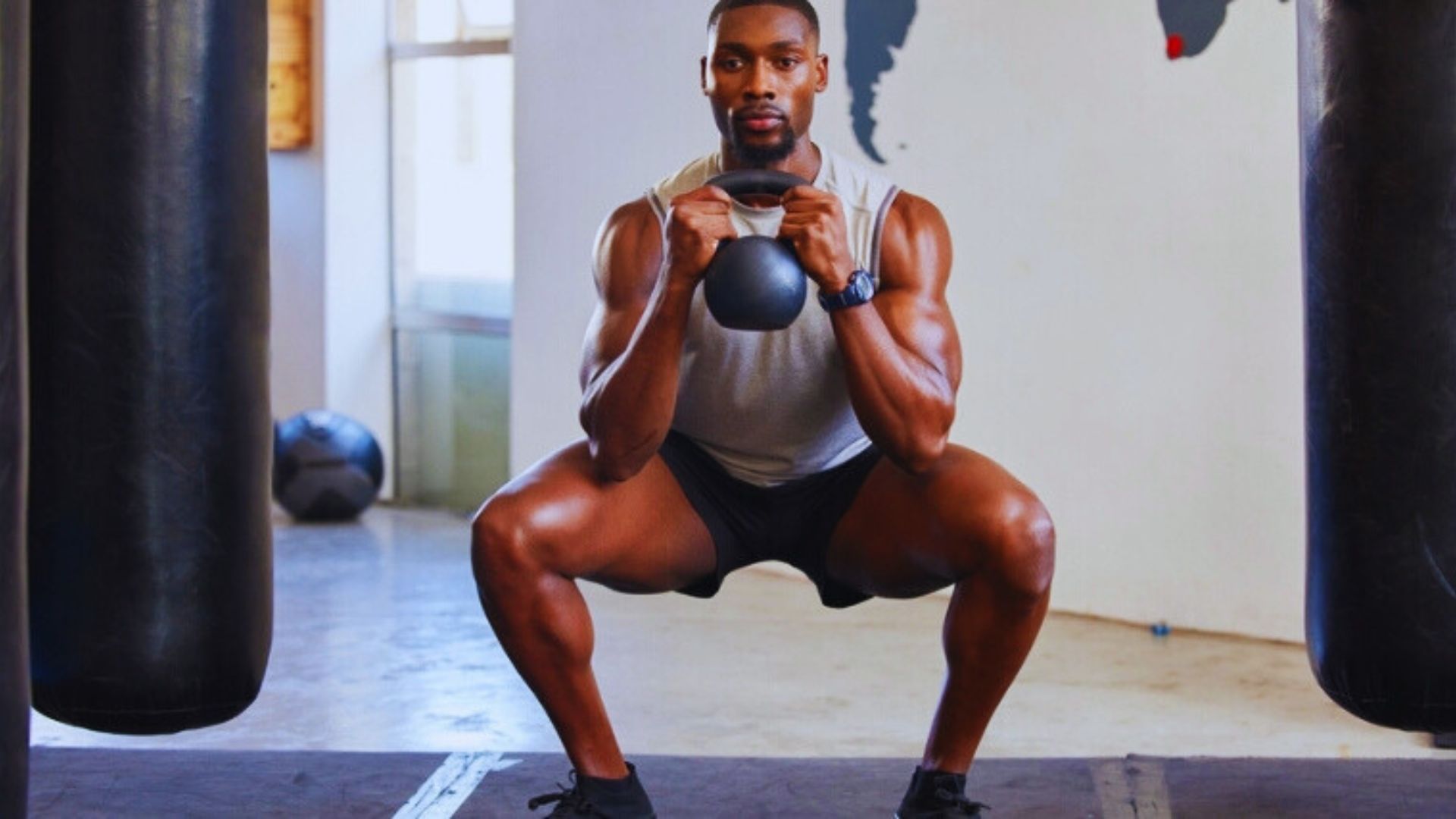
The goblet squat uses a front-loaded position with a dumbbell or kettlebell held at chest level, while the back squat places a barbell across your upper back. This weight placement changes everything about how the exercises feel and what they demand from your body. Equipment needs differ significantly.
Goblet squats need only a single weight, but back squats require a barbell, plates, and ideally a squat rack for safety. Weight potential separates them clearly.
Most lifters max out goblet squats around 100 to 150 pounds, while back squats can handle hundreds of pounds as you progress. The upright torso in goblet squats targets quads heavily.
Back squats lean you forward slightly, engaging more posterior chain muscles. For beginners, goblet squats teach proper form safely with minimal risk. Back squats demand better technique but offer superior strength gains over time.
Goblet Squat & Back Squat Muscles Worked
Both squat variations target similar muscle groups but emphasize them differently based on load position and torso angle.
Quadriceps Emphasis
Goblet Squat The front-loaded position keeps your torso more upright throughout the movement. This vertical position increases quad activation significantly. Your quads work harder to extend your knees against the weight.
Back Squat Your torso leans forward more with the barbell on your back. This still works your quads hard, but the emphasis spreads more evenly across all leg muscles.
Glutes and Hamstrings Activation
Goblet Squat Your glutes and hamstrings engage to control depth and drive you upward. The upright position reduces their contribution compared to back squats. Back Squat The forward lean places greater stress on your posterior chain.
Your glutes and hamstrings must work harder to extend your hips against heavier loads. This makes back squats superior for building your backside.
Core and Spinal Engagement
Goblet Squat Holding weight in front challenges your anterior core muscles intensely. Your abs must resist the forward pull of the weight. This teaches excellent bracing mechanics.
Back Squat The barbell loads your erector spinae under heavier resistance. Your entire back works to maintain spinal position. The potential for much heavier weights creates greater overall core demand.
Goblet Squat vs Back Squat Benefits
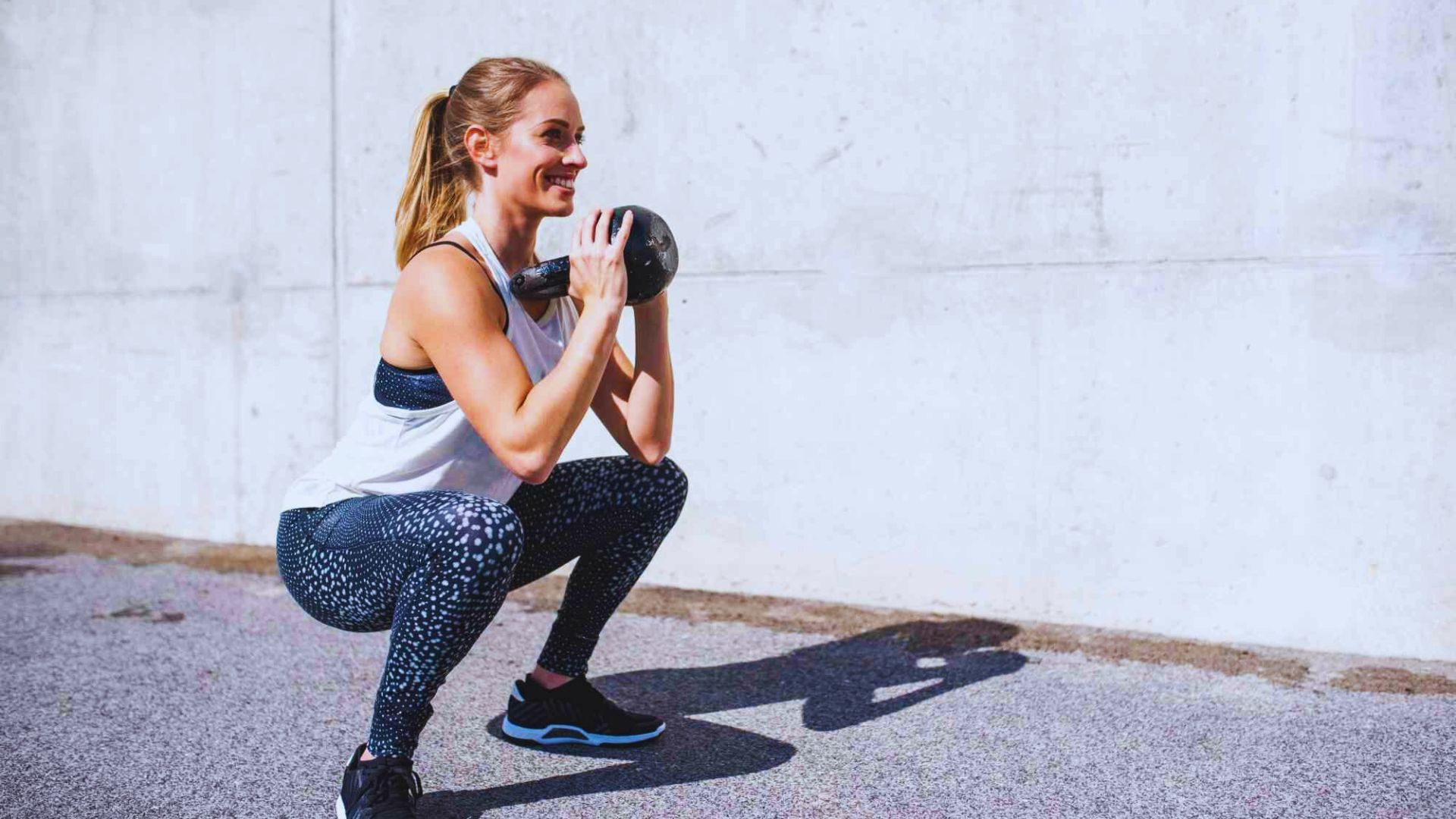
Each squat variation offers distinct advantages that make it valuable for different training goals and experience levels.
| Factor | Goblet Squat | Back Squat |
| Mobility & Depth | Helps you squat deeper and improve hip mobility. | Depth depends more on technique and flexibility. |
| Beginner Friendly | Easy to learn and control. | Requires more skill and proper setup. |
| Spinal Load | Less stress on the lower back. | Higher spinal load due to heavier weight. |
| Posture Support | Encourages an upright chest and good form. | Good form is required to avoid leaning forward. |
| Strength Gains | Builds basic strength. | Builds maximum strength with heavy loads. |
| Muscle Growth | Good for quad development. | Better for overall lower-body muscle growth. |
| Athletic Performance | Improves movement quality. | Improves power, speed, and explosiveness. |
| Progressive Overload | Limited weight progression. | Allows long-term weight increases. |
Goblet Squat & Back Squat Weight Comparison

The amount of weight you can handle differs dramatically between these movements due to equipment and positioning limitations.
How Much Weight Can You Lift?
Goblet Squat Limited by Grip and Arm Endurance Your arms get tired before your legs do. Holding a heavy dumbbell or kettlebell at chest height fatigues your upper body quickly. Most people max out between 70 and 150 pounds total.
Back Squat Allows Significantly Heavier Loads The barbell rests on your back, not in your hands. Your legs determine the limit, not your grip or arms. Intermediate lifters commonly squat 200 to 400 pounds. Advanced lifters go much higher.
Progressive Overload Potential
Back Squat Ideal for Long-Term Strength Gains You can add 5 to 10 pounds weekly as a beginner. This progression continues for months or years. The ceiling is extremely high for dedicated lifters.
Goblet Squat Useful for Foundational Strength They’re perfect for building your first 3 to 6 months of squat strength. Once you reach your grip limit, progress stalls. You’ll need to switch to back squats or other variations.
Goblet Squat & Back Squat for Anterior Pelvic Tilt
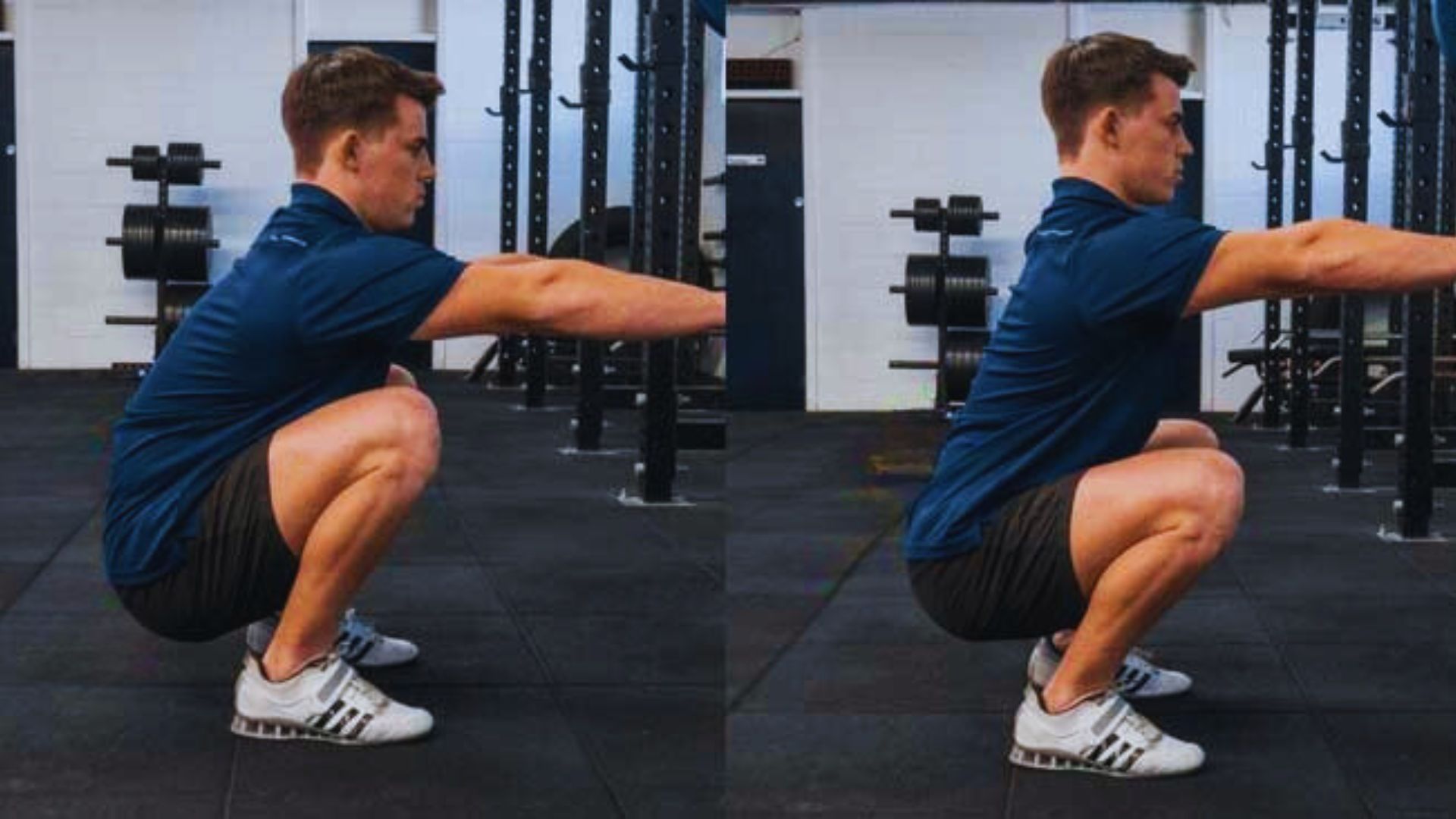
Anterior pelvic tilt involves excessive lower back arch that can cause pain and poor movement patterns during squats.
Which Is Better for Posture?
Goblet Squat Promotes Upright Torso Alignment The front-loaded weight makes it nearly impossible to overarch your back. Your body naturally maintains a better spinal position. This reinforces good movement habits.
Can Help Reinforce Core Control Regular goblet squatting teaches you to brace properly and control pelvic position. The movement pattern corrects itself through the load placement.
When Back Squats Require Caution
Poor Bracing May Exaggerate Lower Back Arch Heavy back squats can worsen anterior pelvic tilt if your core is weak. The weight pushes down on your spine, and poor technique lets your back hyperextend.
Technique Is Critical for Pelvic Positioning You must actively brace and maintain neutral spine throughout each rep. Without proper coaching and awareness, back squats can reinforce bad posture patterns.
Practical Tips to Get the Best Results
These actionable strategies help you maximize results from both squat variations while minimizing injury risk and technical errors.
- Master Goblet Squat Form First Start with goblet squats for 4 to 8 weeks before moving to back squats. Build proper movement patterns early.
- Focus on Core Bracing Take a deep breath and tighten your core before each rep. Hold this tension throughout the movement.
- Use Moderate Reps Aim for 8 to 12 reps per set. This range builds muscle effectively for both variations.
- Prioritize Depth and Control Squat as deep as your mobility allows. Control the descent and avoid bouncing at the bottom.
- Combine Both Movements Use goblet squats as warm-ups or accessory work. Make back squats your main strength exercise.
- Progress Gradually Add weight only when you complete all sets with perfect form. Rushing leads to injury.
- Record Your Sets Video yourself to check form and depth. Visual feedback improves technique quickly.
Conclusion
When choosing between goblet squat vs back squat, I always start beginners with goblet squats. I learned to squat this way myself, and it built my foundation perfectly.
Goblet squats teach you proper form with minimal risk. But I switched to back squats when I wanted serious strength gains, and that’s when my legs really grew.
Here’s my advice: use goblet squats for your first few months, then transition to back squats for long-term results. Both have earned their place in my training. Try them and find what works for you.
Frequently Asked Questions
Can I build muscle with goblet squats alone?
Yes, you can build muscle with goblet squats, especially as a beginner. But you’ll plateau faster than with back squats due to weight limitations.
Should beginners start with goblet or back squats?
Beginners should start with goblet squats. They’re easier to learn, safer to perform, and build the foundation needed for back squats later.
How heavy should my goblet squat be?
Aim for a weight that challenges you for 8 to 12 reps with good form. Most people use 25 to 70 pounds when starting out.
Can I do both goblet and back squats in the same workout?
Yes, you can use goblet squats as a warm-up or accessory exercise before or after back squats. Just manage your total volume appropriately.
Which squat is better for knee health?
Both are safe when done correctly. Goblet squats may feel more comfortable initially due to the upright position and lighter loads used.