
Most people train their glutes for looks. But there is one small muscle that rarely gets attention and it affects how you move every single day.
The gluteus minimus sits deep in your hip and controls your balance, stability, and how well your body holds up during workouts.
I spent time going through real fitness communities to find the exercises that actually work. Not theory. Real feedback from real people.
If your hips feel weak or unstable, this is the right place to start. Let’s get into it.
What Are Gluteus Minimus Exercises?

The gluteus minimus is the smallest of the three glute muscles. It sits deep under the gluteus medius, right at the side of your hip.
Most people ignore it and focus only on the bigger glutes. But this little muscle does a lot. It keeps your hips stable when you walk, run, or stand on one leg.
Without it working properly, your balance suffers and injury risk goes up.
Why Fitness Communities Talk About Gluteus Minimus Training
Targeted glute training has picked up a lot of attention lately. People are no longer just chasing bigger glutes. They want functional strength.
In fitness forums and groups, weak hips, poor balance, and nagging hip pain come up constantly.
Many people find that once they start working this muscle, things shift. Posture gets better. Movements feel more controlled. Athletes notice real gains in speed and stability too.
Most Recommended Gluteus Minimus Exercises (From Real Users)
These are the exercises real fitness communities keep coming back to. No fluff, just the moves that actually work.
1. Side-Lying Leg Raises (Top Beginner Favorite)
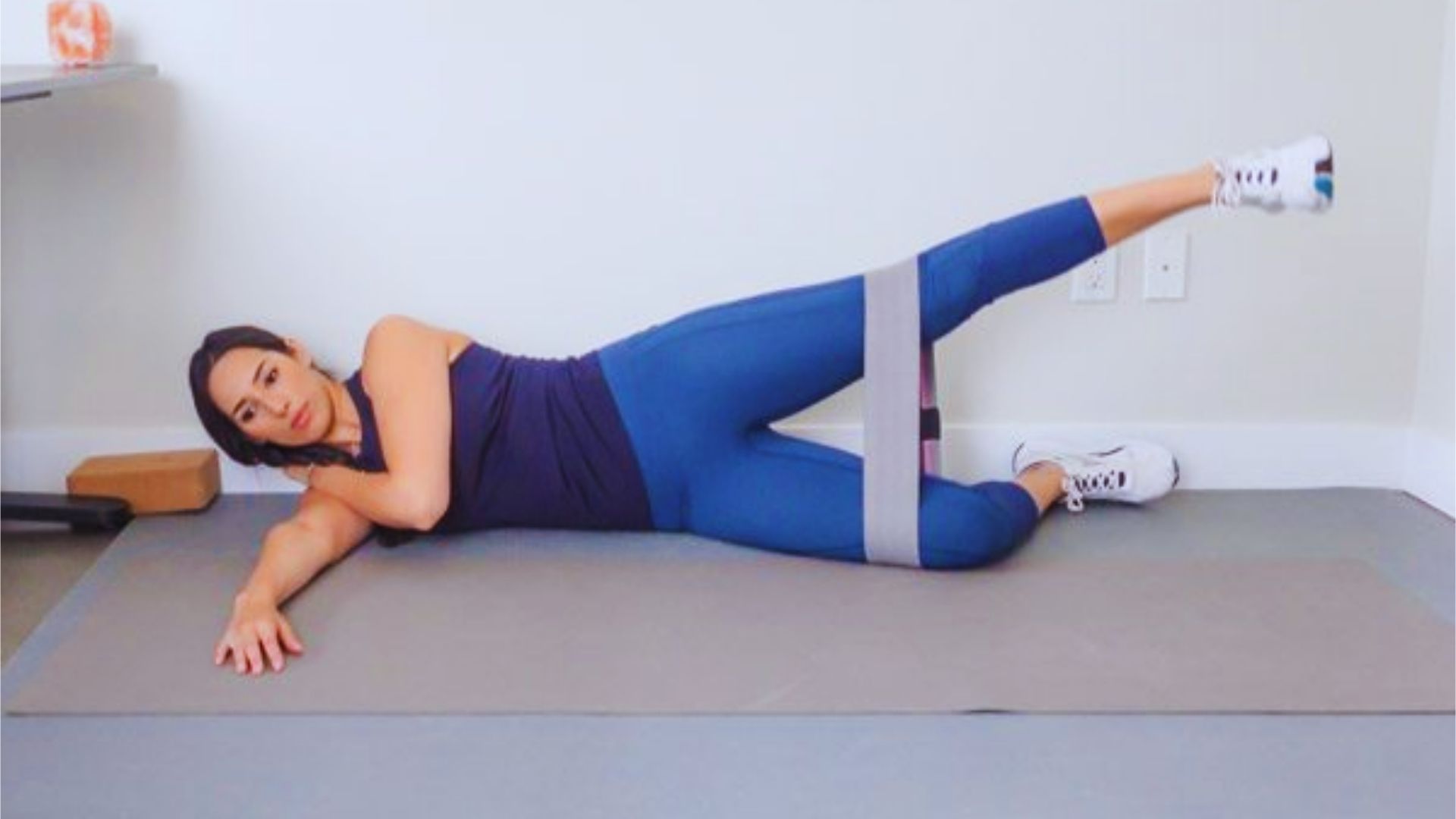
This one comes up constantly in beginner fitness threads. People love it because you need zero equipment. Just a mat and some floor space.
Lie on your side, keep your body straight, and lift your top leg slow and controlled. Users say the slower you go, the more you feel it. Most recommend 3 sets of 15 reps per side to get results.
2. Clamshells (Best for Activation)
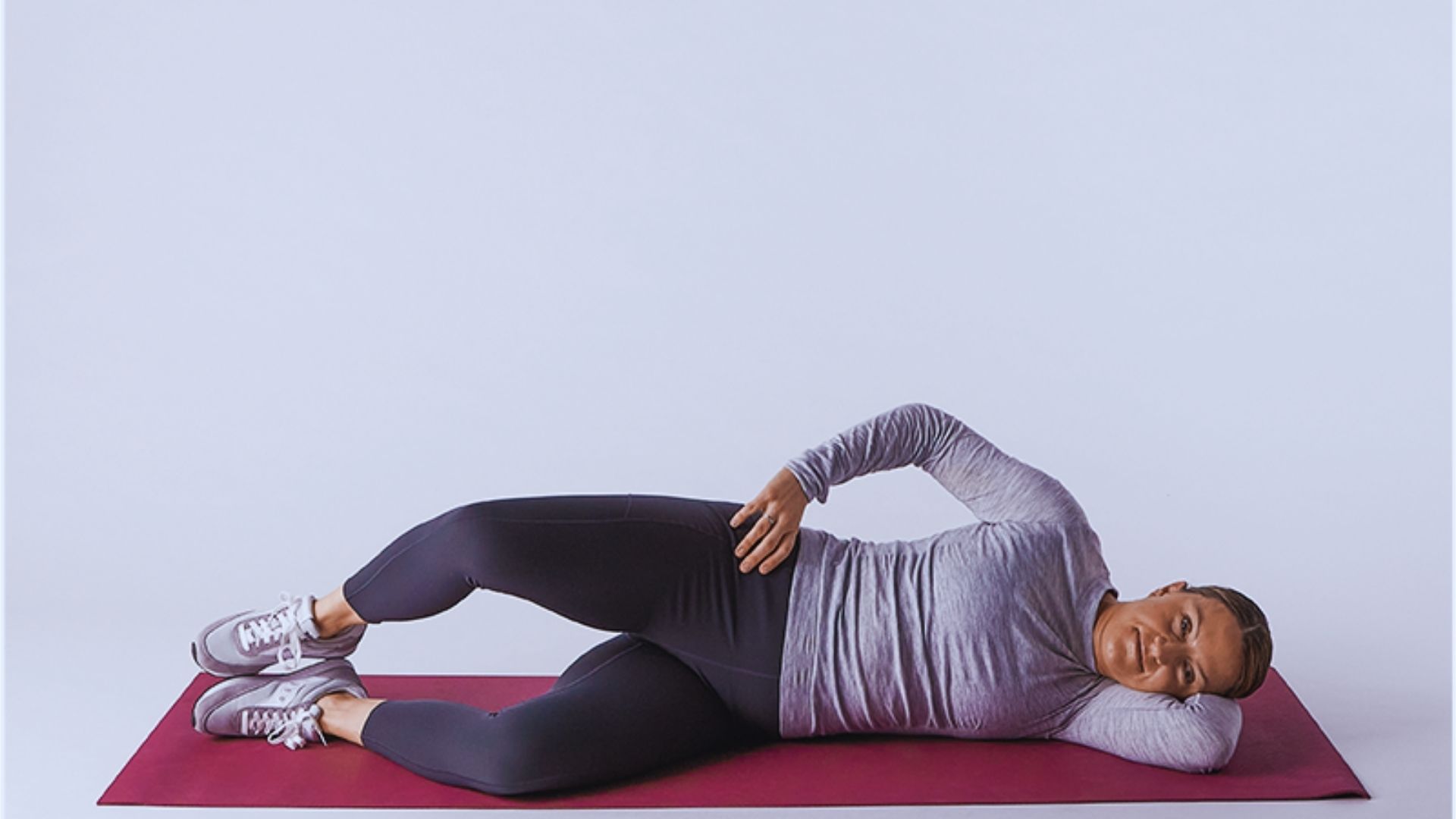
This move shows up in rehab routines and warm-up circuits alike. The ongoing debate in fitness groups is band vs no band. Most beginners start without one.
Once the muscle starts activating properly, adding a light resistance band increases the burn. Either way, the one thing everyone agrees on is keeping the hips from rocking back.
3. Fire Hydrants (Most Mentioned Bodyweight Move)
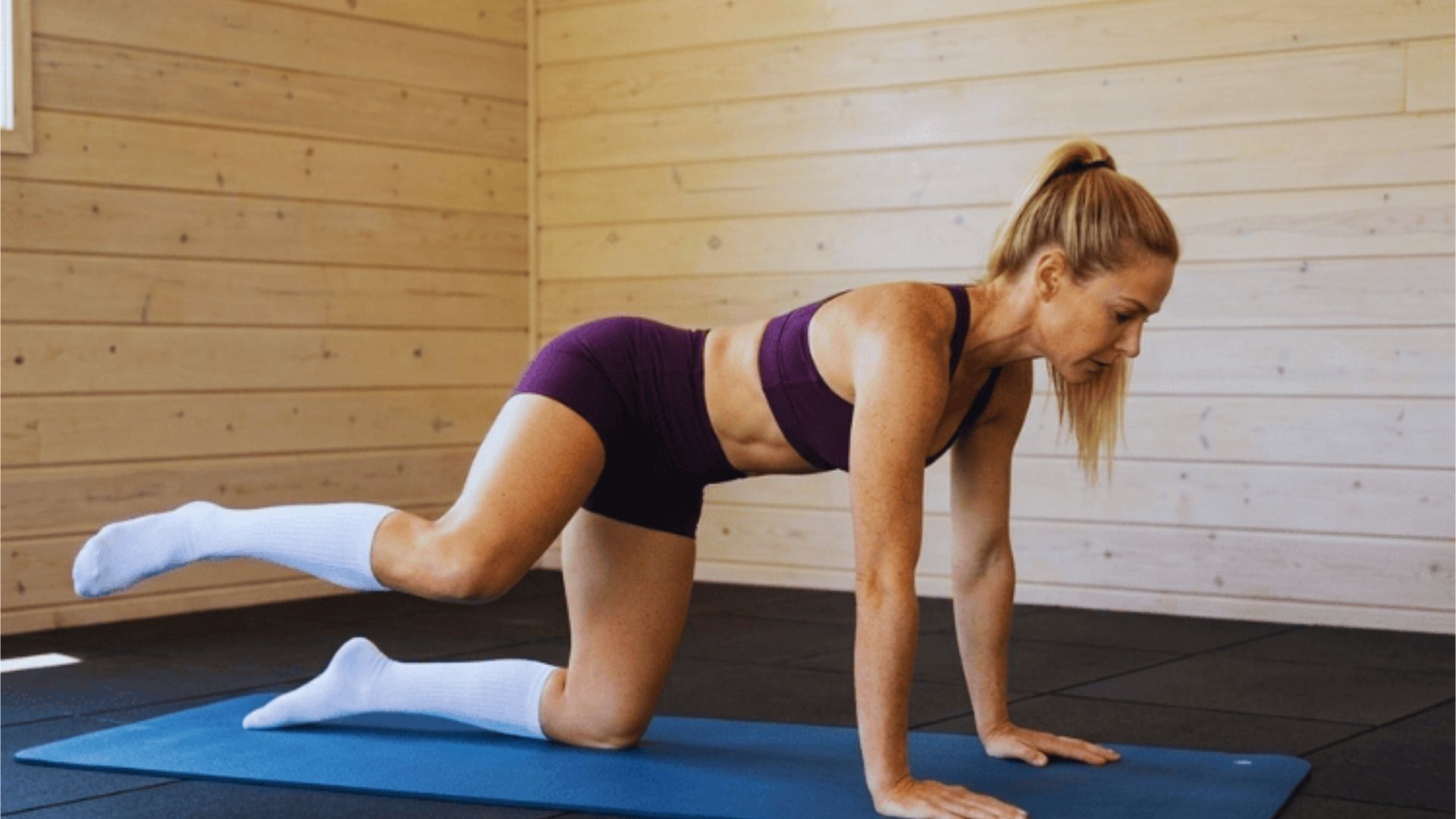
This move gets a lot of mentions for good reason. Get on all fours, keep your core tight, and lift one knee out to the side.
The most common mistake people bring up is letting the lower back arch. Keep it neutral and move slow. Rushing the reps takes the work away from the muscle.
4. Banded Side Steps (Best for Burn and Endurance)
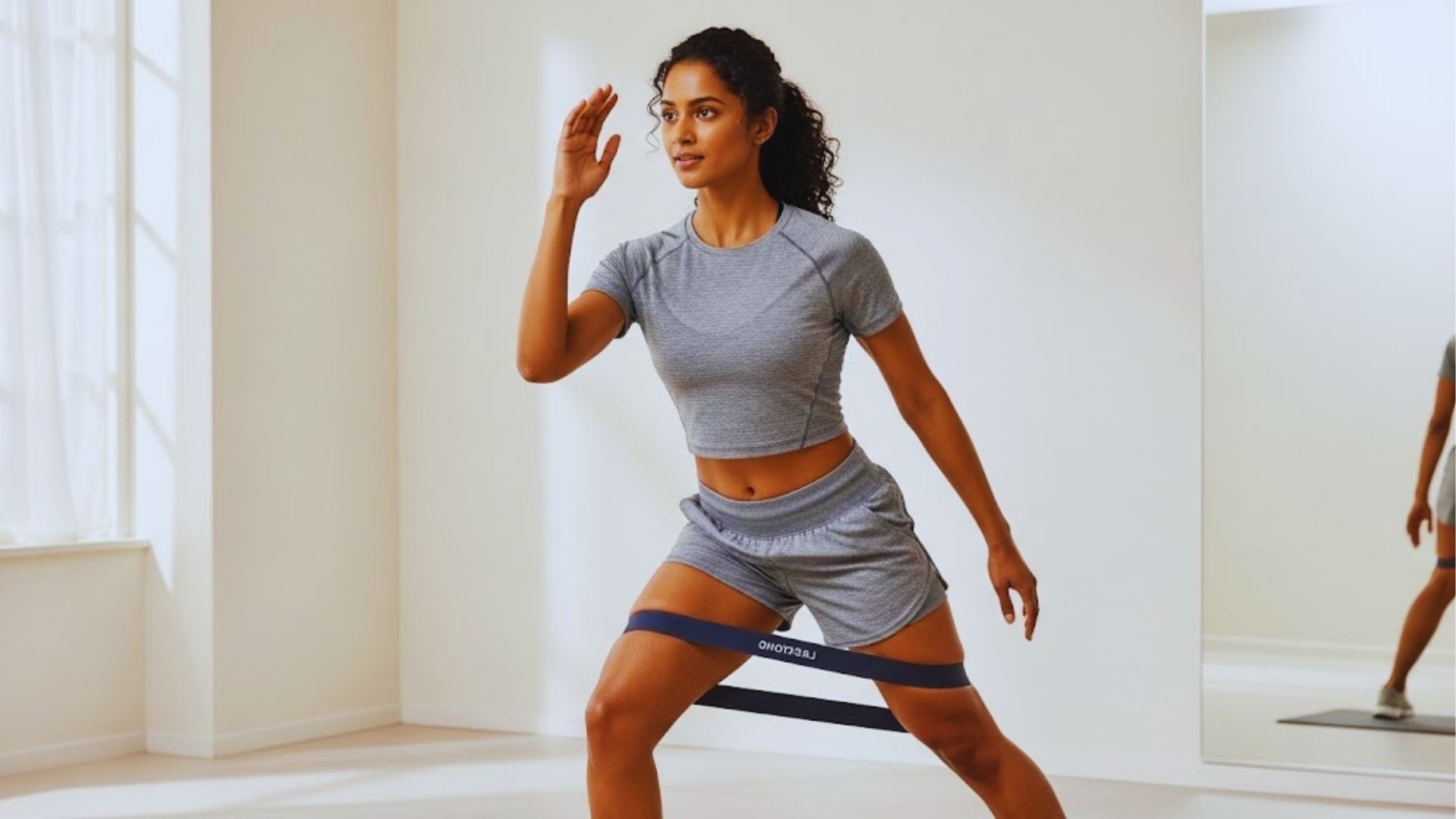
The resistance band keeps constant tension on the glutes the whole time. That is exactly what makes this one burn. Most users suggest placing the band just above the knees.
Stay low, keep your knees slightly bent, and take slow steps sideways. Letting your feet come too close together breaks the tension, so keep that space consistent.
5. Lateral Lunges (Best Functional Exercise)

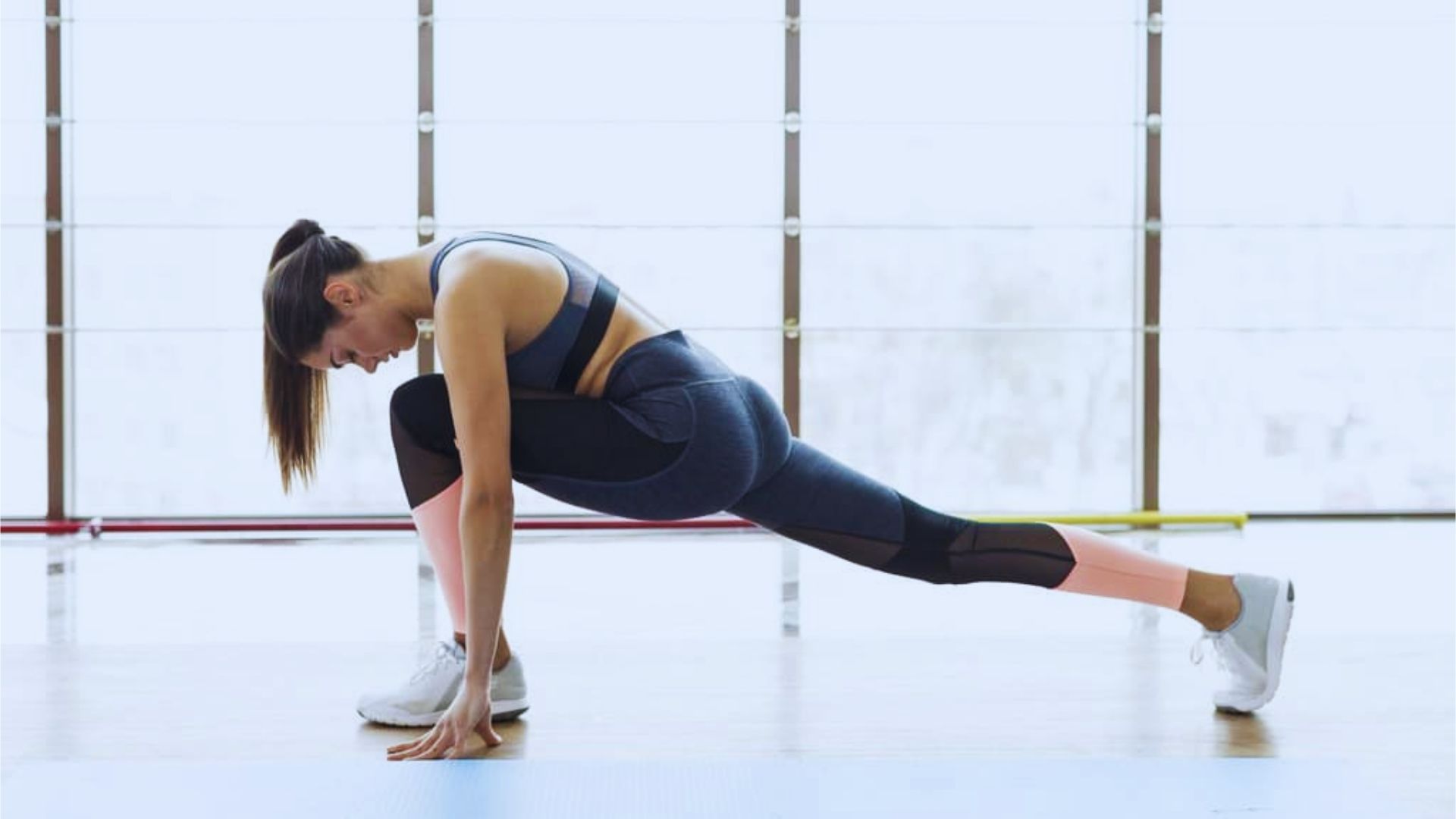
People focused on sports or everyday movement bring this one up a lot. It builds strength while improving balance and hip mobility at the same time.
Users report feeling more stable in their knees and hips after adding these regularly. Sit back into the lunge, keep your chest up, and start without any weight until your form feels comfortable.
Home vs Gym Gluteus Minimus Exercises (Community Opinions)
The fitness community is split on this one. Some swear by home workouts, others say the gym gives better results. Here is what both sides say.
Home Workout Favorites
Most people starting out prefer training at home. Bodyweight moves like side-lying leg raises, fire hydrants, and clamshells are the top picks.
They are simple and effective when done right. Adding a light resistance band takes things up a notch. Bands are cheap, easy to store, and make the muscle work a lot harder.
Gym-Based Recommendations
Gym-goers point to machines and added resistance as the main advantages. The hip abduction machine is the most talked about since it isolates the muscle well.
Cable hip abduction is popular for those wanting more range of motion. Weighted lunges and squats also get mentioned a lot.
Most agree the gym works best once you already have a solid base built.
How to Activate the Gluteus Minimus (Tips from Users)
Most users agree that feeling the muscle matters more than the number of reps. Focusing on the side of your hip during each move helps a lot.
Slow reps beat fast ones every time. Rushing just shifts the work to other muscles. For warm-ups, light clamshells or banded side steps before a session work well.
A few targeted reps beforehand gets the muscle switched on and ready.
Common Problems People Face (And Solutions)
These are the most common complaints in fitness communities and what people suggest to fix them.
“I Don’t Feel It Working”
Slow the movement down and focus on the side of the hip. Do a few clamshells first to wake the muscle up. Reducing band resistance also helps the right muscle do the work instead of other muscles compensating.
Weak Hip Stability
Start with basic side-lying exercises before moving to standing ones. Clamshells and banded side steps done consistently build stability over time. Single-leg balance holds are also a popular fix for better control.
Pain During Exercises
Form is almost always the reason. Keep the core tight, avoid arching the lower back, and stop the hips from tilting. Drop the resistance and work on range of motion first. If pain stays, seeing a physio is the most common advice.
Pro Tips Shared by Fitness Enthusiasts
- Train the gluteus minimus 2 to 3 times a week. More than that without rest slows progress down.
- Pair it with gluteus medius exercises for full hip strength. The two muscles work together and training both gives better results.
- Focus on control over speed. A slow, controlled rep does more for the muscle than ten rushed ones.
- Consistency matters more than intensity. Showing up regularly beats occasional hard sessions every time.
- Track your progress over time. Noting your reps, sets, and how the muscle feels helps you see what is working.
Conclusion
The fitness community has a lot to teach. Real people sharing real results is often more useful than any generic workout plan. The gluteus minimus is small but it matters.
Training it consistently improves your hip stability, balance, and overall strength. Try a few of these exercises, see what works for your body, and build from there.
Drop a comment below sharing your favorite move or ask anything you want to know.
Frequently Asked Questions
How often should I train the gluteus minimus?
Training it 2 to 3 times a week is enough for most people. Give the muscle time to recover between sessions for better results.
Can I train the gluteus minimus at home?
Yes, absolutely. Moves like side-lying leg raises, clamshells, and fire hydrants need no equipment at all. A resistance band makes home workouts even more effective.
Why can’t I feel the gluteus minimus working?
It usually comes down to form and speed. Slow your reps down, focus on the side of your hip, and try a warm-up set of clamshells before your main exercise.
How long does it take to see results?
Most people start noticing better hip stability and control within 3 to 4 weeks of consistent training. Strength gains take a little longer but come with regular effort.
Is the gluteus minimus the same as the glute medius?
No, they are two separate muscles. The gluteus minimus sits deeper and is smaller. Both work together for hip stability, so training them alongside each other is a good idea.