I’ve trained my posterior chain for years, and I know the struggle of wanting strong hamstrings without fancy gym equipment.
You’re here because you need effective glute ham raise alternatives that actually work at home.
This guide shows you 9 proven exercises you can do right now. No machine required. I’ll walk you through each movement step by step.
These alternatives target your hamstrings and glutes just like the original exercise. You’ll build strength, prevent injury, and improve athletic performance.
I’ve tested each of these moves myself. They work when you stay consistent.
Let me show you how to train smart with what you already have.
What is a Glute Ham Raise?
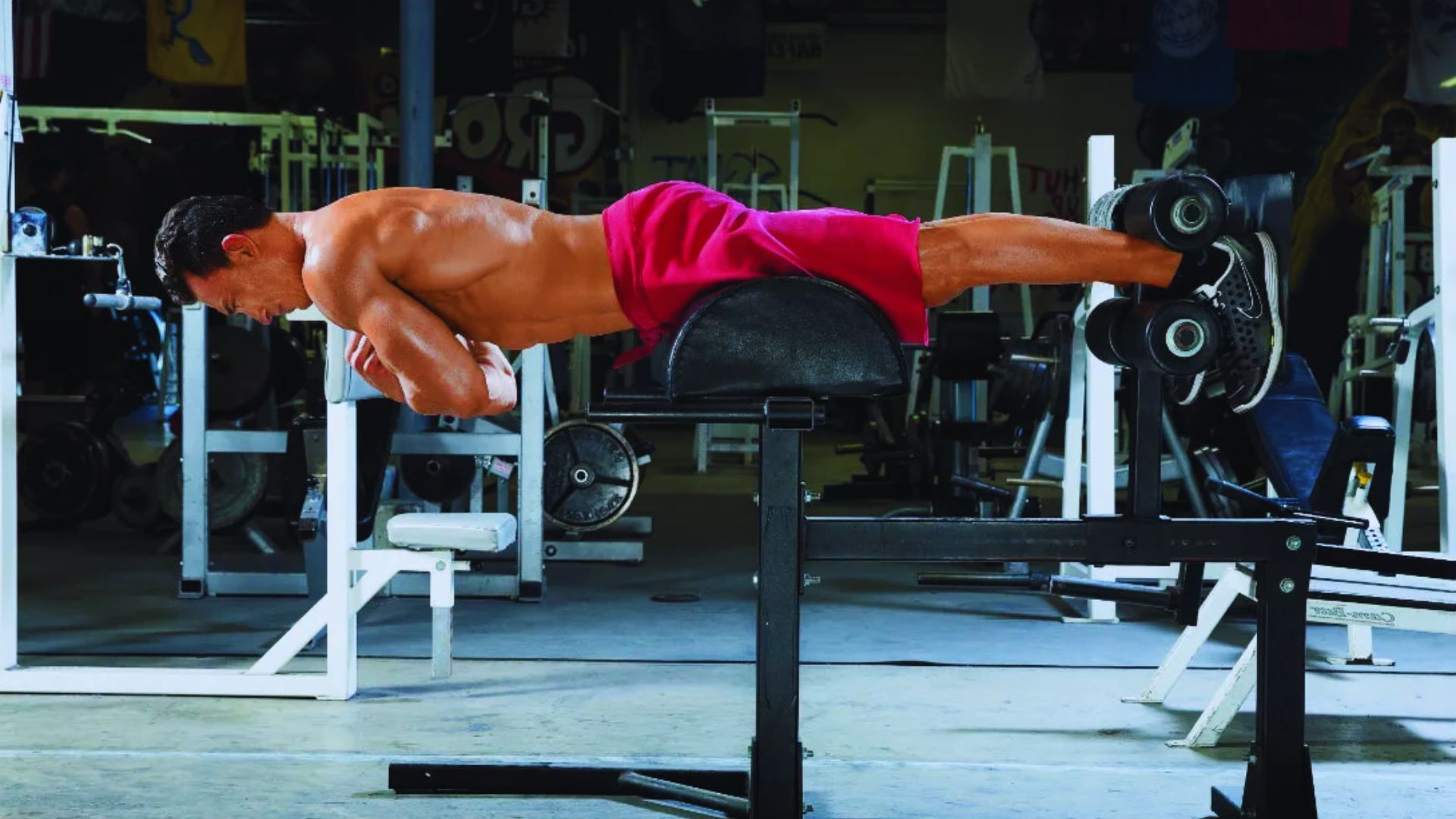
A glute ham raise is a powerful exercise that targets your hamstrings, glutes, and lower back.
You typically perform it on a specialized machine where you anchor your feet and lower your torso toward the floor.
The movement strengthens your posterior chain through eccentric loading. This builds muscle, improves hamstring strength, and helps prevent injuries.
Most people don’t have access to the machine, which is why alternatives matter.
Top 9 Glute Ham Raise Alternative Exercises You Can Do at Home
Change your living room into a hamstring-building powerhouse with these equipment-free moves.
1. Natural Glute Ham Raise

Hook your ankles under a sturdy bench or couch. Kneel on a soft surface and keep your body straight from knees to head.
Lower yourself forward slowly using your hamstrings to control the descent. Push back up with hamstrings or catch yourself with your hands.
This requires minimal equipment and keeps your spine safe.
2. Nordic Hamstring Curl (Floor or Partner Version)

Kneel on a padded surface and have a partner hold your ankles or hook feet under furniture. Keep hips extended with the body straight.
Lower yourself forward as slowly as possible, fighting gravity with your hamstrings. Catch yourself with your hands when you can’t hold anymore.
Use resistance bands wrapped around your torso for assistance.
3. Single-Leg Hip Thrust

Lie on your back with one foot planted flat and the other leg extended straight. Drive through your planted heel to lift your hips up high. Squeeze your glutes hard at the top position.
Lower back down with control and repeat.
This exercise provides great glute activation and complements floor-based hamstring work perfectly.
4. Glute Bridge Variations

Standard bridge: Lie flat with both feet planted and drive hips up. Single-leg bridge: Keep one leg extended for increased challenge.
Pulse variation: Do small controlled movements at the top. These build glute strength without stressing your lower back.
Perfect for beginners or as an effective warm-up before harder exercises. You can do them anywhere.
5. Hamstring Walkouts

Lie on your back with knees bent and feet flat on the floor. Lift your hips into a bridge position. Keep your hips elevated the entire time.
Walk your feet out slowly until your legs are almost completely straight. Walk them back in with control.
Your hamstrings will shake and burn fast with this challenging movement.
6. Donkey Kicks
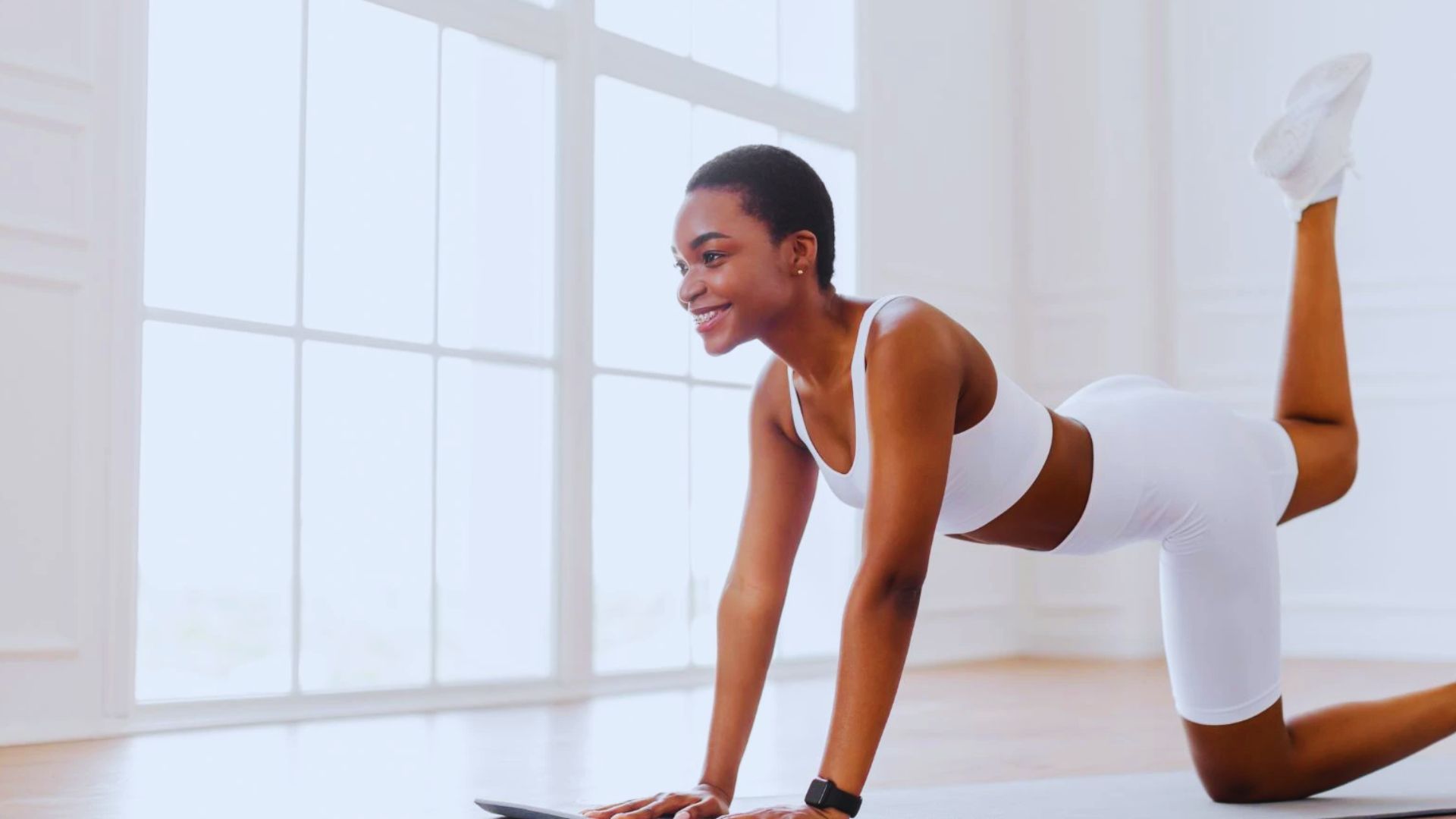
Get on all fours on a mat with your back flat and core engaged. Lift one leg behind you with the knee bent at 90 degrees.
Push your heel toward the ceiling and squeeze your glute hard at the top. Lower back down with control and switch legs.
This effectively activates your glutes while supporting overall posterior chain development.
7. Reverse Plank Leg Curl

Sit on the floor with legs extended straight in front of you. Place your hands behind you with fingers pointing toward your feet.
Lift your hips into a reverse plank position. Pull one heel toward your glutes while keeping hips elevated throughout. Extend back out with control.
This works both your hamstrings and core simultaneously.
8. Bodyweight Romanian Deadlift

Stand on one leg or both legs with a slight bend in your knees. Hinge at your hips and lean your torso forward until you feel a good stretch in your hamstrings.
Drive through your heels to stand back up tall. This teaches proper hip-hinge mechanics and strengthens hamstrings and glutes.
The single-leg version adds an extra balance challenge.
9. Stability Ball or Towel Slider Hamstring Curl

With a stability ball: Lie on your back with heels on the ball and lift hips. Pull the ball toward you by bending your knees, then extend slowly.
With towel sliders: Put towels under heels on a smooth floor, bridge up, and slide heels in by bending knees. Control the slide out.
Both versions teach excellent control and build hamstring strength
How to Create a Home Workout Using Glute Ham Raise Alternatives

You don’t need to do all nine exercises in one session.
Pick 3-4 movements that challenge you. I like combining one eccentric-focused move (like Nordic curls), one bridge variation, and one hip-hinge exercise.
Suggested structure: Do 3-4 sets of each exercise. Aim for 8-12 reps per set. Rest 60-90 seconds between sets. Focus on form before adding reps.
Progressive overload matters: Add reps each week. Slow down your tempo. Try harder variations. Your muscles need increasing challenges to keep growing stronger.
Posterior chain activation: These exercises work together. Your hamstrings, glutes, and lower back all get stronger. Consistency beats intensity when you’re starting out.
Bonus Tips for Maximizing Results
Smart training habits make your home workouts more effective.
- Warm up properly. Spend 5 minutes on light cardio and dynamic stretches. Your hamstrings need blood flow before heavy loading. Cold muscles get injured easily.
- Focus on the eccentric phase. Lower yourself slowly on every rep. This is where real strength builds. Count to 3 or 4 seconds on the way down.
- Track your progress weekly. Write down sets, reps, and how each exercise felt. You’ll see patterns and know when to increase difficulty. Numbers don’t lie about improvement.
- Rest and recover between sessions. Your hamstrings need 48 hours to rebuild. Train them 2-3 times per week max. More isn’t always better for muscle growth.
- Combine these with compound movements. Squats and lunges complement posterior chain work. A balanced lower body prevents muscle imbalances. Strong legs need all angles covered.
Conclusion
I’ve shown you 9 solid glute ham raise alternatives that work without equipment. You can build powerful hamstrings right at home. Start with 2-3 exercises today and focus on good form.
I still use Nordic curls and hamstring walkouts in my own training. They’ve kept my posterior chain strong for years.
Try one workout this week. Your hamstrings will tell you they’re working.
Drop a comment about which exercise you’ll try first. Your stronger legs start now.
Frequently Asked Questions
Can I build strong hamstrings without a glute ham raise machine?
Yes, absolutely. Bodyweight exercises like Nordic curls and hamstring walkouts effectively target your hamstrings. Consistency and progressive overload matter more than equipment.
How often should I do these glute ham raise alternatives?
Train your hamstrings 2-3 times per week with at least 48 hours between sessions. Your muscles need recovery time to grow stronger and prevent overtraining injuries.
What’s the best glute ham raise alternative for beginners?
Start with glute bridges and bodyweight Romanian deadlifts. These teach proper form and build foundational strength. Progress to Nordic curls as you get stronger.
Do I need equipment for effective hamstring training at home?
No equipment is required for most alternatives. You can use household items like a sturdy couch or towels on smooth floors. Bodyweight provides plenty of resistance initially.
How long until I see results from these alternatives?
You’ll feel stronger hamstrings within 2-3 weeks of consistent training. Visible muscle development typically shows after 6-8 weeks. Track your reps to measure progress objectively.