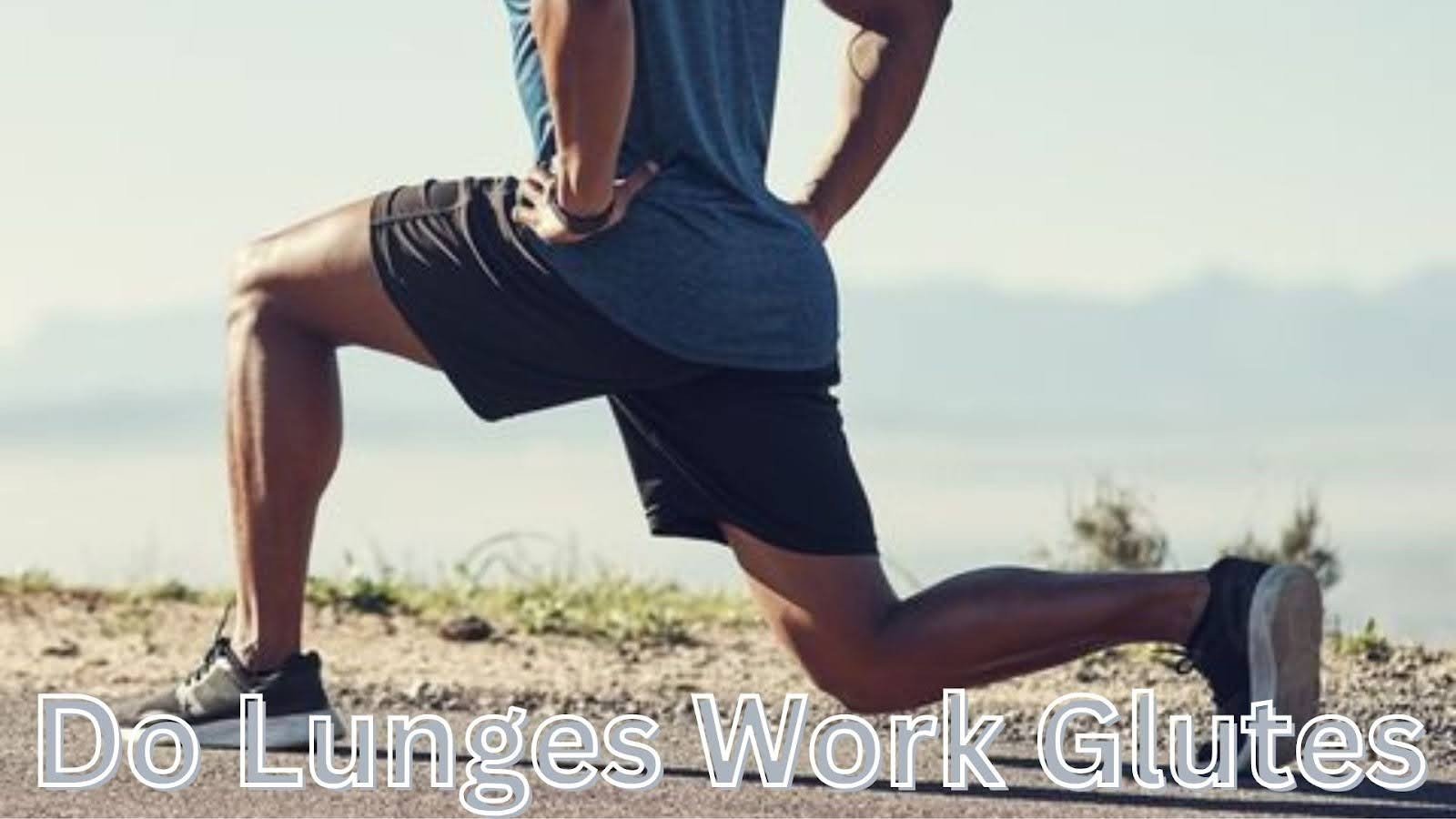
Have you ever doubted in your mind that these lunges you are doing might not be building your glutes? You are not the only one with this thought. A great number of people often wonder whether this basic move really brings them the results or if they simply waste their time.
The good news is: lunges are hugely productive to get glutes stronger. They work the entire three glute muscles while balancing the body and fixing the muscle imbalances that you may not even know about. But is the reason for your progress stagnation?
By reading this guide, you will know exactly how your glutes are getting activated through lunges, which variations are most effective, and how to achieve the best form for maximum results. Getting into the science and strategy of making lunges work for you is the next step.
Do Lunges Actually Work the Glutes?
Yes, lunges are one of the most effective lower-body exercises for engaging and building the glutes.
They target all three glute muscles: gluteus maximus, medius, and minimus, making them a complete exercise for comprehensive glute development.
Because lunges are unilateral (single-leg) movements, they help correct imbalances and improve hip stability, both essential for sculpted, functional glutes. When you work one leg at a time, your weaker side can’t hide behind the stronger one.
While squats are known for power, lunges isolate the glutes more deeply, making them a “glute-shaping” essential. The single-leg stance forces your glutes to work harder for stabilization, creating a more focused muscle contraction than bilateral exercises.
Why Lunges Are So Effective for Glute Activation
The forward and reverse motion activates the hip extensors, where the gluteus maximus power originates. Each time you push back to standing, your glutes fire intensely to extend your hip and control the movement.
Variations and angles change which part of the glute is most engaged. A reverse lunge hits your gluteus maximus differently than a side lunge targets your medius, giving you complete control over your training focus.
Proper form and stride length directly influence glute activation intensity. Taking a longer stride shifts more work onto your glutes, while a shorter stride can make your quads take over-small adjustments make a big difference.
Understanding the Muscle Mechanics
When you perform lunges correctly, multiple muscle groups work together in a coordinated chain that starts with your glutes and radiates throughout your lower body.
What Muscles Do Lunges Work?

Primary muscles include the gluteus maximus, medius, and minimus. These three muscles work together to extend your hip, stabilize your pelvis, and control your leg movement during each repetition.
Secondary muscles are your hamstrings, quadriceps, adductors, and calves. Your hamstrings assist with hip extension while your quads control the lowering phase, creating a balanced lower-body workout.
Stabilizers like your core and hip abductors activate for balance. Unilateral training recruits these stabilizer muscles more intensely than bilateral exercises, indirectly supporting glute growth by improving your movement patterns and preventing compensation.
The Science Behind Glute Engagement in Lunges

Studies from the Journal of Strength and Conditioning Research and NASM confirm that reverse and side lunges have higher glute activation than forward lunges. The research shows EMG (muscle activity) readings are significantly higher in these variations.
A slight torso lean and pushing through the front heel increases glute emphasis. When you hinge slightly forward from your hips and drive through your heel, you shift the mechanical load directly onto your glutes.
Neuromuscular balance improves glute symmetry over time. As you train each leg independently, your nervous system learns to activate both glutes equally, fixing imbalances that might have limited your strength development.
How Lunges Compare to Other Glute Exercises

Do lunges work glutes better than squats? Each exercise has unique benefits. Squats allow heavier loading for maximum strength, but lunges provide deeper isolation and better address muscle imbalances between sides.
Lunges offer more functional movement patterns than isolation exercises like leg curls. The single-leg stance mimics real-world activities like walking, running, and climbing stairs, building strength that transfers to daily life.
The versatility of lunge variations means you can target your glutes from multiple angles in one workout. From reverse to curtsy to side lunges, each variation emphasizes different portions of your glutes for complete development.
The Role of Range of Motion in Glute Growth

Deeper lunges create greater muscle stretch and tension. When you lower into a full range lunge, your glutes stretch under load, triggering a stronger growth response than partial movements.
Hip mobility directly affects how deep you can lunge safely. Limited hip flexor or ankle mobility restricts your depth, reducing glute activation and potentially shifting work to your quads instead.
Controlled eccentric (lowering) phases maximize time under tension. Spending 2-3 seconds lowering into your lunge forces your glutes to work harder throughout the entire movement, not just during the push-back phase.
Recovery and Adaptation for Optimal Results

Your glutes need adequate recovery to grow stronger. Training them intensely every day prevents proper muscle repair, reducing your results and increasing injury risk. Aim for at least 48 hours between heavy sessions.
Progressive adaptation requires gradually increasing demands. Your body adapts to whatever stress you place on it, so consistently challenging your glutes with more weight, reps, or difficulty ensures continued growth.
Nutrition supports muscle development and recovery. Adequate protein intake (around 0.8-1g per pound of body weight) provides the building blocks your glutes need to repair and grow after each training session.
How to Maximize Glute Activation
Small adjustments to your technique can dramatically change which muscles do the work during a lunge. Here’s how to ensure your glutes are getting maximum stimulation.
Proper Form for Glute-Focused Lunges
Keep your spine neutral with a slight forward lean at the hips. This torso angle shifts the mechanical load onto your glutes rather than keeping it on your quads. Think of hinging slightly from your hips, not rounding your back.
Push through the front heel rather than your toes. Driving through your heel activates your posterior chain (glutes and hamstrings), while pushing through your toes shifts the work forward to your quads.
Maintain a 90-degree knee bend to avoid quad dominance and engage your core for stability. A deeper knee bend with core engagement prevents glute underactivation by maintaining proper alignment and tension throughout the movement.
Common Mistakes That Reduce Glute Engagement
- Taking too short a stride: A short stride keeps you upright and shifts most of the work to your quadriceps, minimizing glute involvement regardless of how many reps you complete.
- Letting your knees pass your toes: When your knee travels too far forward, you create a quad-dominant movement pattern that reduces the hip extension your glutes need to work hard.
- Maintaining an overly upright torso: Standing completely vertical during lunges keeps tension on your quads a slight forward lean from your hips redirects the load to your glutes.
- Skipping warm-up or mobility work: Tight hip flexors and hamstrings limit your range of motion, preventing your glutes from working through a complete contraction and stretch cycle.
- Rushing through repetitions: Fast, bouncy lunges rely on momentum rather than muscle control, reducing time under tension and minimizing the growth stimulus to your glutes.
Best Lunge Variations for Stronger Glutes
Different lunge variations target your glutes from unique angles, ensuring complete development of all three glute muscles for both strength and shape.
Top Lunge Variations for Glute Growth
- Reverse Lunge: Glute and hamstring dominant while being gentler on your knees. Stepping backward naturally creates a more vertical shin angle, placing more emphasis on your posterior chain.
- Side (Lateral) Lunge: Engages your glute medius for outer glute shaping. The lateral movement pattern targets the muscles responsible for hip abduction, creating that rounded, fuller look from the side.
- Curtsy Lunge: Targets glute medius and adductors for rounded glutes. Crossing your leg behind creates a unique angle that hits the upper outer portion of your glutes.
- Walking Lunge: Continuous tension promotes hypertrophy. Moving forward without rest between reps keeps your glutes under constant load, increasing metabolic stress that triggers growth.
- Elevated Side Lunge: Increases range of motion for deeper activation. Placing one foot on a platform allows your working leg to move through a greater range, stretching and contracting your glutes more completely.
- Clock Lunge: Hits all glute angles within one set. Lunging in different directions (12, 3, 6, and 9 o’clock positions) ensures comprehensive glute development in a single exercise.
- Jumping Lunge: Plyometric version for explosive power and tone. The explosive push-off recruits fast-twitch muscle fibers, building both strength and muscular definition.
Reps, Sets, and Progressive Overload for Glutes
For hypertrophy (muscle growth), perform 3 to 4 sets of 8 to 12 reps per leg. This rep range creates the metabolic stress and mechanical tension needed to stimulate muscle protein synthesis in your glutes.
Add weights or tempo pauses for increased intensity. Holding dumbbells, using a barbell, or pausing at the bottom of each lunge increases the challenge without adding endless reps.
Progressive overload ensures continuous glute development. Gradually increasing weight, reps, or difficulty over time forces your glutes to adapt by growing stronger and larger without progression, resulting in a plateau.
How to Improve Hip Mobility for Better Lunges
Pre-lunge stretches like hip flexor stretches, 90/90 drills, and leg swings prepare your hips for full range motion. Tight hip flexors from sitting can restrict your lunge depth and shift work away from your glutes.
Benefits of enhanced hip mobility include deeper lunges, better form, and stronger glute contraction. When your hips move freely, you can achieve the positions that maximize glute activation without compensation patterns.
Dedicate 5-10 minutes to mobility work before lower-body training. This small investment dramatically improves your exercise quality, helping you get more glute activation from every single repetition.
Lifting Gear and Tools That Enhance Performance
Use knee sleeves for stability and warmth. The compression supports your knee joint during heavy lunges while increasing blood flow, reducing injury risk, and improving performance.
Lifting straps help with heavy dumbbell or barbell lunges. When your grip strength limits how much weight you can hold, straps allow your glutes to work harder without your forearms giving out first.
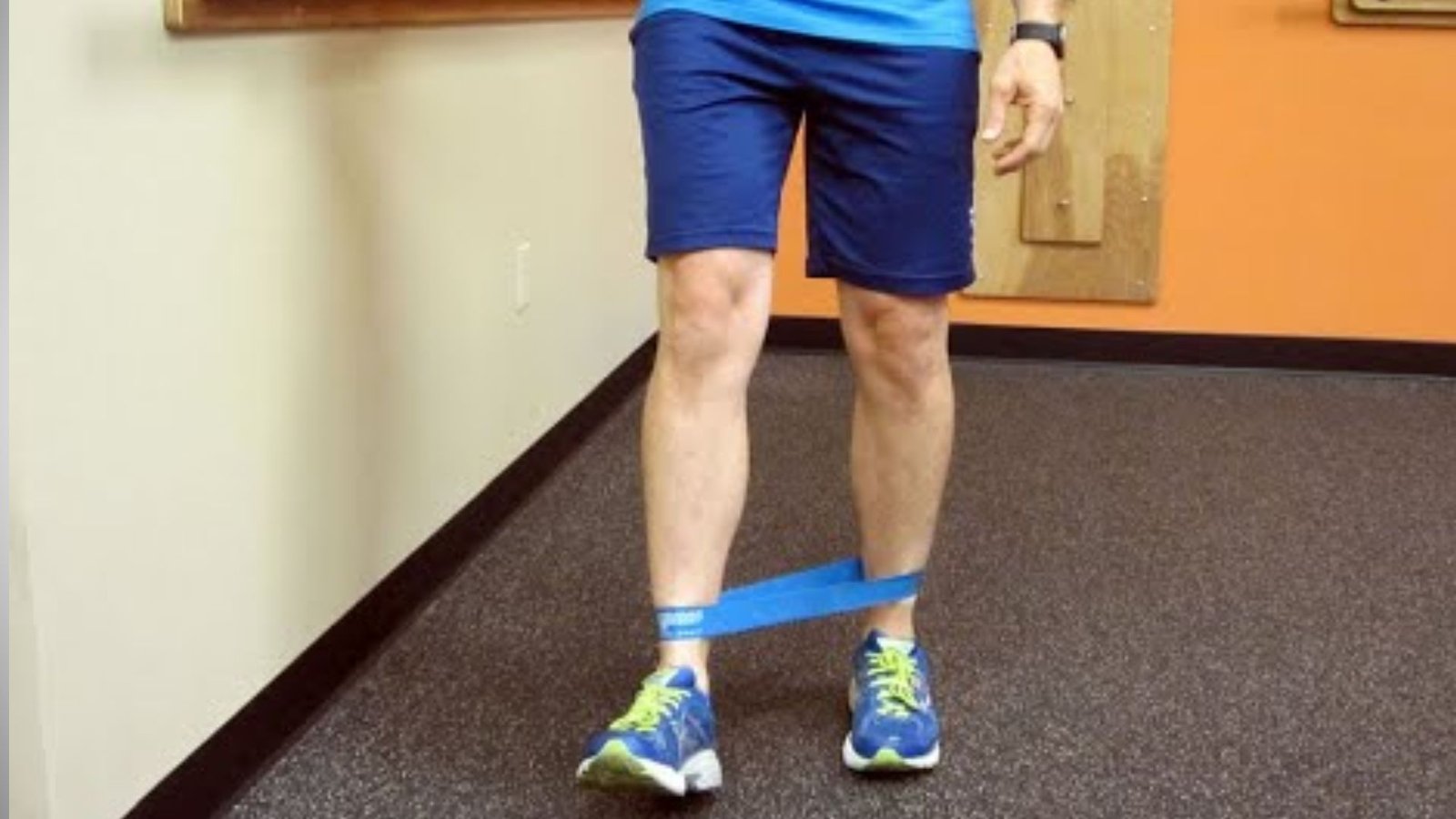
Mini resistance bands work perfectly for glute activation warm-ups. Placing a band around your thighs during bodyweight lunges forces your glute medius to fire, priming these muscles before your main workout.
Tips for Safety, Recovery, and Adaptations
Training smart means knowing how to modify exercises, recover properly, and avoid injury while still challenging your glutes to grow stronger.
- Start with bodyweight lunges before adding load: Master the movement pattern with perfect form first,s,t adding weight to poor technique only reinforces bad habits and increases injury risk.
- Ensure 48-hour recovery between intense lower-body sessions: Your glutes need time to repair and grow stronger after hard training. Overtraining slows progress and can lead to burnout.
- For knee issues, begin with reverse lunges or static split squats: These variations reduce forward knee travel and stress on the patella while still effectively working your glutes.
- Listen to your body and reduce range if you feel joint pain: Discomfort in your muscles is normal during training, but sharp or pinching joint pain signals poor form or an underlying issue.
- Use step-ups or glute bridges as lower-impact alternatives: If lunges cause persistent discomfort despite form corrections, these exercises provide similar glute benefits with less stress.
- Maintain proper breathing, exhale during the push-up phase: Holding your breath increases internal pressure and can cause dizziness, while proper breathing stabilizes your core and powers your movement.
- Warm up with dynamic stretches, not static holds: Dynamic movements increase blood flow and prepare your nervous system, while static stretching before training can temporarily reduce power output.
Conclusion
Are lunges good for glutes? Yes, definitely, they are one of the most thorough exercises for the development of all three glute muscles while still improving your balance, coordination, and symmetry. The single-sided nature of the exercise helps eliminate muscle imbalances, which bilateral exercises usually miss.
Variation and progression are two factors that will keep your muscles challenged and growing. When you change between different lunge types and slowly increase the difficulty, you are actually giving your glutes a constant stimulus that they need to get stronger and shaped.
Once you have the right form and are consistent with your lunges, they will give you both functional strength and a certain amount of muscle that can be seen. Concentrate on pushing through your heels, keeping a slight forward lean, and using a stride length that works your glutes the most.
Frequently Asked Questions
Do lunges work the glutes more than squats?
Both exercises effectively build glutes, but lunges provide better isolation and address imbalances. Squats allow heavier loading for overall strength, while lunges target each leg independently.
How many lunges should I do to see glute results?
Perform 3-4 sets of 8-12 reps per leg, 2-3 times weekly for glute growth. Results typically appear within 4-6 weeks with consistent training and proper nutrition. Progressive overload, and gradually increasing weight or difficulty, is essential for continued improvement beyond initial gains.
Which lunge variation is best for glutes?
Reverse and curtsy lunges provide the highest glute activation according to research. Reverse lunges emphasize the gluteus maximus and hamstrings, while curtsy lunges target the medius for outer glute development.
Can I do lunges every day for glute growth?
No, your glutes need 48 hours to recover and grow between intense sessions. Daily training prevents proper muscle repair, reducing your results. Light mobility work or different muscle groups on alternate days allows your glutes to recover while maintaining training frequency.
Why don’t I feel lunges in my glutes?
Poor form often causes quad dominance. Check your stride length, torso angle, and heel drive. Taking a longer stride, leaning slightly forward from your hips, and pushing through your front heel shifts the work to your glutes. Hip mobility limitations also reduce glute activation.