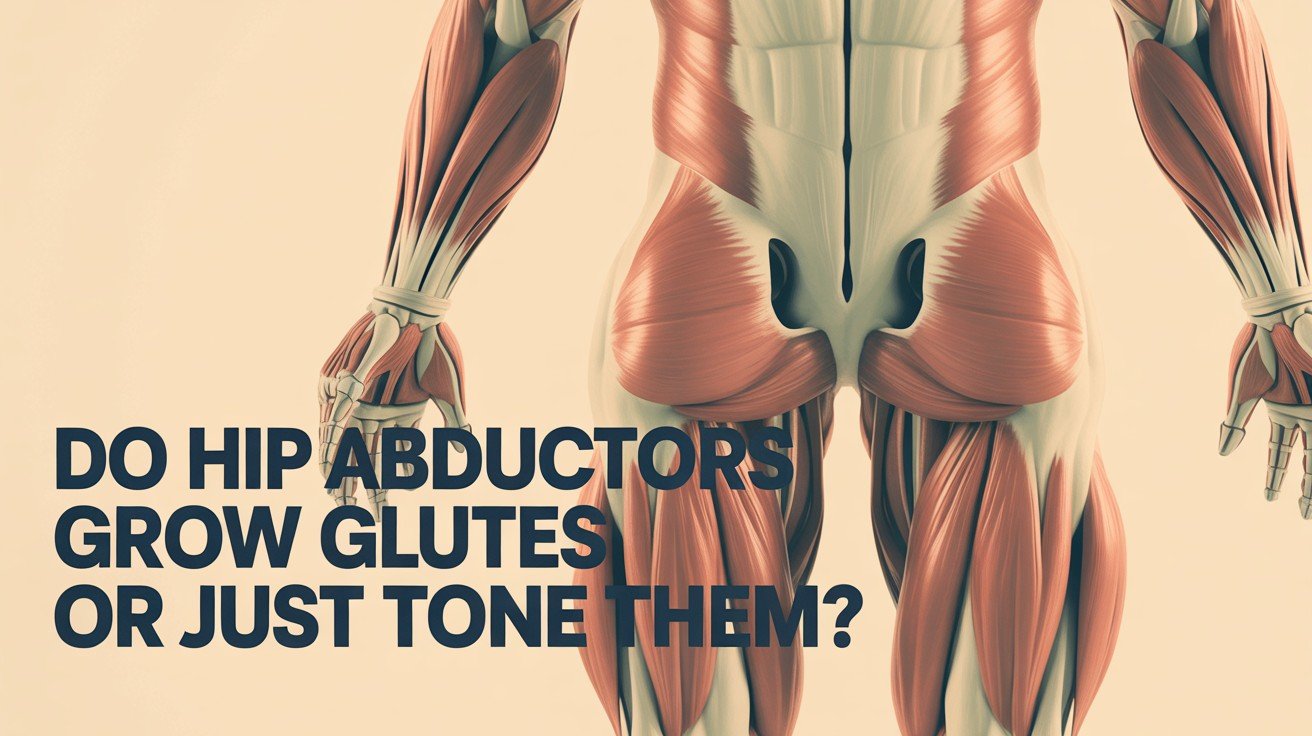
You’ve probably seen people glued to the hip abductor machine, pushing their legs apart again and again. But does it really build your glutes, or just give you a quick pump that fades fast?
The hip abductor machine has become a gym favorite for anyone chasing rounder, stronger glutes. The big question is if it actually helps muscles grow or simply makes them feel tighter for a while. The truth is, there’s no such thing as “toning”, muscles either grow or they don’t.
In this guide, you’ll learn how hip abduction really works, which glute muscles it targets, and how to use the machine for maximum results. By the end, you’ll know if it deserves a spot in your training plan.
Understanding the Hip Abductor Muscles
Before we talk about growth, you need to know what muscles you’re actually working. The hip abductors aren’t just one muscle. They’re a group that works together to move your leg away from your body.
What Are the Hip Abductors?
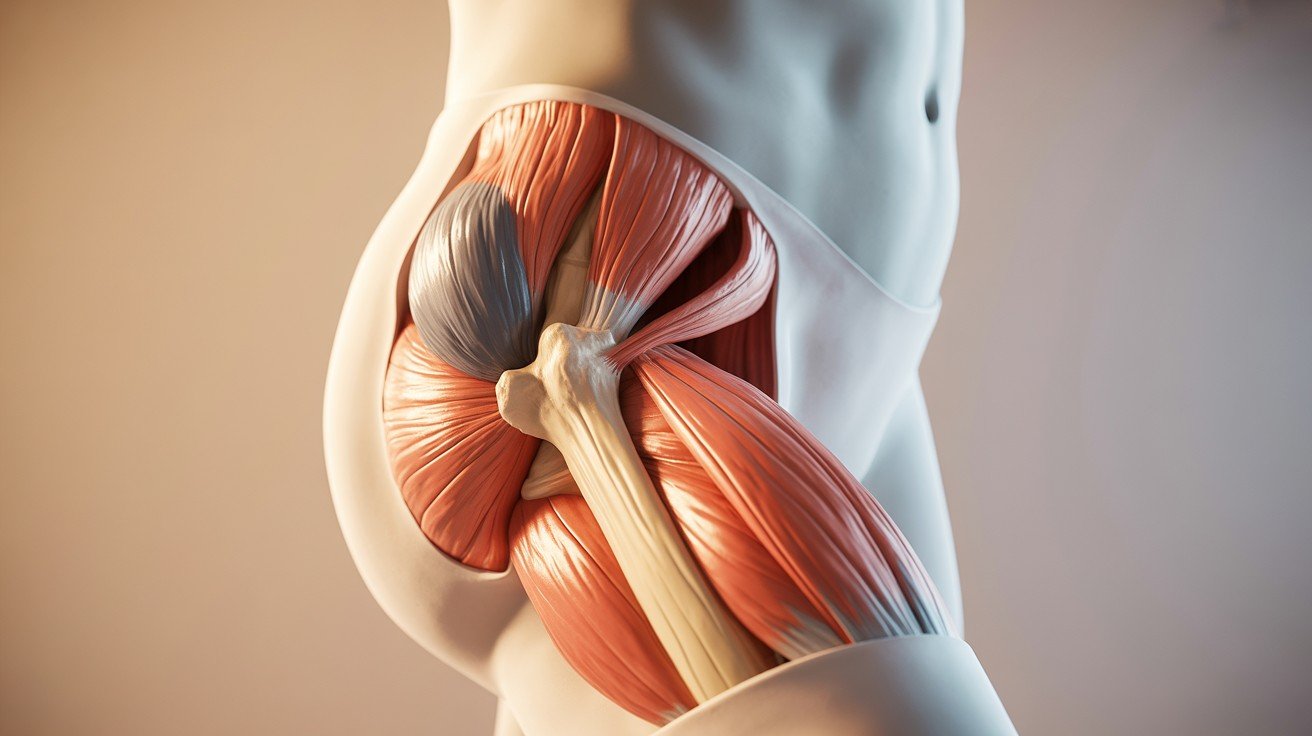
Hip abduction means moving your leg away from your body’s midline. Think of spreading your legs apart while sitting or stepping sideways.
Three main muscles make this happen. The gluteus medius is your primary abductor and sits on the side of your hip. It handles most of the work when you lift your leg to the side and keeps your hips stable. The gluteus minimus sits underneath the medius and assists with abduction and hip rotation. It’s smaller but still important for hip control. The tensor fasciae latae, or TFL, is a small muscle on the outside front of your hip that helps with internal rotation and stability.
These three muscles work as a team every time you move your leg outward. Understanding which muscles fire during hip abduction helps you target them better during training.
The Role of Hip Abductors in Daily Movement
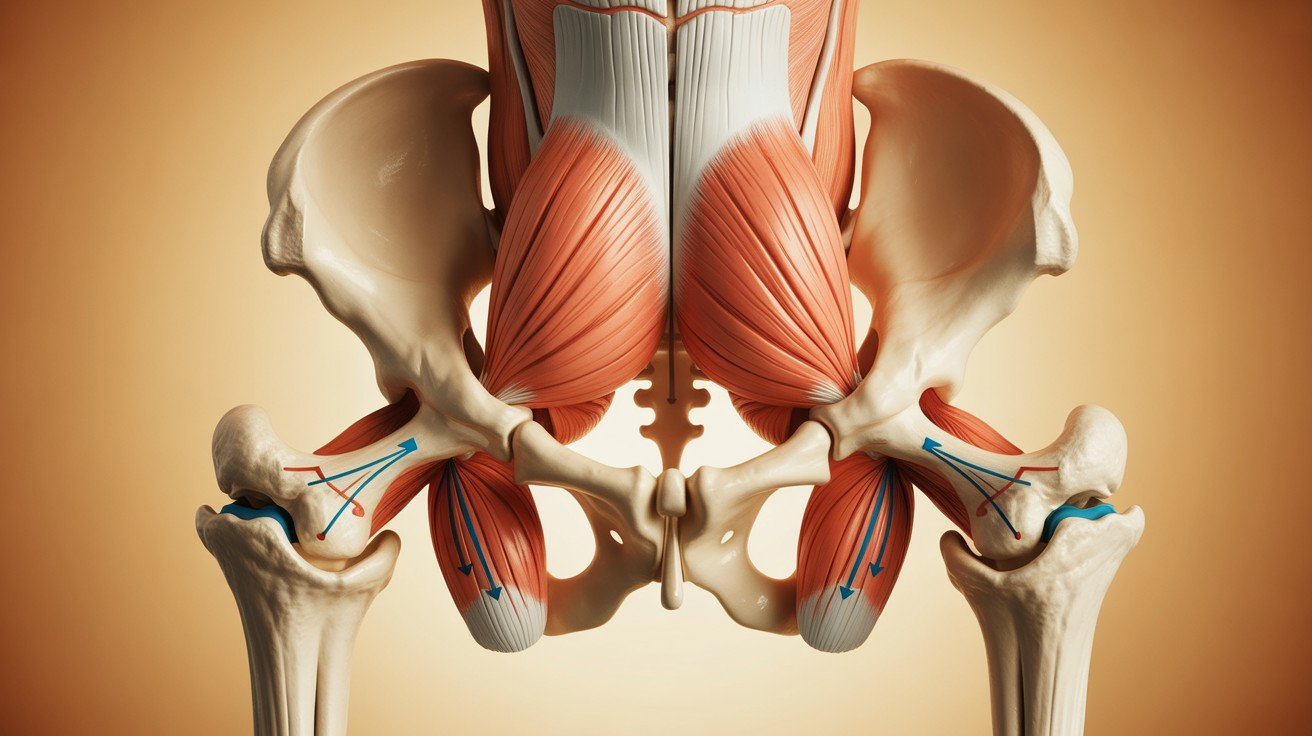
Your hip abductors work constantly throughout the day, even when you’re not thinking about them. Every time you walk, they stabilize your pelvis so you don’t tip sideways.
Standing on one leg requires strong abductors to keep your hips level. Try standing on one foot right now. Feel those side hip muscles working? That’s your abductors preventing your pelvis from dropping. They also prevent your knees from caving inward during squats, lunges, or landing from a jump. Weak abductors lead to knee pain and poor movement patterns.
Athletes need powerful hip abductors for running, jumping, and cutting side to side. Basketball players, soccer players, and runners rely on these muscles for performance and injury prevention. Even if you’re not an athlete, strong abductors improve your balance and reduce fall risk as you age.
The Connection Between Hip Abduction and Glute Growth
Now let’s get to the real question. Does hip abduction actually build your glutes, or is it just another machine that wastes your time?
Which Glute Muscles Are Targeted by the Hip Abductor Machine?
The hip abductor machine targets your gluteus medius and gluteus minimus on the sides of your glutes, not your outer thighs.
The gluteus medius does most of the work pushing your legs apart, while the gluteus minimus assists, and the gluteus maximus provides support.
When these muscles grow, your glutes look wider from every angle, and the machine enhances overall glute development when programmed correctly.
Scientific Backing: What Research Says
The hip abductor machine isn’t just gym bro science. A 2022 PubMed study found higher gluteus medius activation compared to free weight exercises with reduced TFL compensation.
The study showed more targeted glute engagement with less activation from surrounding muscles, making it one of the most effective isolation tools.
Isolation allows you to fatigue the target muscle more effectively, which drives growth and creates better overall glute development.
Do Hip Abductors Grow Glutes or Just Tone Them?
Let’s answer the title question directly. The hip abductor machine can absolutely grow your glutes, but only if you use it correctly.
Muscle Activation vs. Muscle Growth
Muscle activation and muscle growth are not the same thing. Your muscles can fire and work without actually getting bigger.
Growth, called hypertrophy, happens when you train a muscle with progressive overload and sufficient resistance. You need to challenge the muscle harder over time. The abductor machine can grow your glutes if you use proper form, adequate resistance, and progressively increase the load. Light, fast reps with minimal weight will only activate the muscles. You’ll feel them working, but they won’t increase in size. The difference comes down to how hard you push the muscle and if you’re adding weight over weeks and months.
The “Toning” Misconception
Here’s the truth about toning: it doesn’t really exist as a separate goal. Toning is simply increased muscle definition combined with decreased body fat.
Without progressive overload, abductor workouts will improve muscle firmness but not necessarily add volume. Your glutes might feel tighter and look slightly better, but they won’t grow. To actually grow the muscle, you need consistent tension and challenge, similar to what you’d do with squats or hip thrusts. Think heavy enough weight that the last few reps feel difficult. That’s what triggers growth. If you can do 30 reps easily, you’re not building muscle. You’re just moving your legs.
How the Abductor Machine Contributes to Glute Growth
The abductor machine strengthens and enlarges your gluteus medius and minimus. These muscles add shape to the upper and outer portions of your glutes.
Stronger hip abductors also enhance your stability for heavier compound lifts. When your medius and minimus are strong, you can squat, lunge, and deadlift with better form and less knee cave. This lets you lift more weight safely on your big lifts. The machine promotes balanced glute development, especially when you combine it with compound exercises. Your gluteus maximus might be strong from squats, but if your medius is weak, your glutes look underdeveloped from the side. The abductor machine fills that gap and creates fuller, rounder glutes from every angle.
How to Use the Hip Abductor Machine for Maximum Glute Activation?
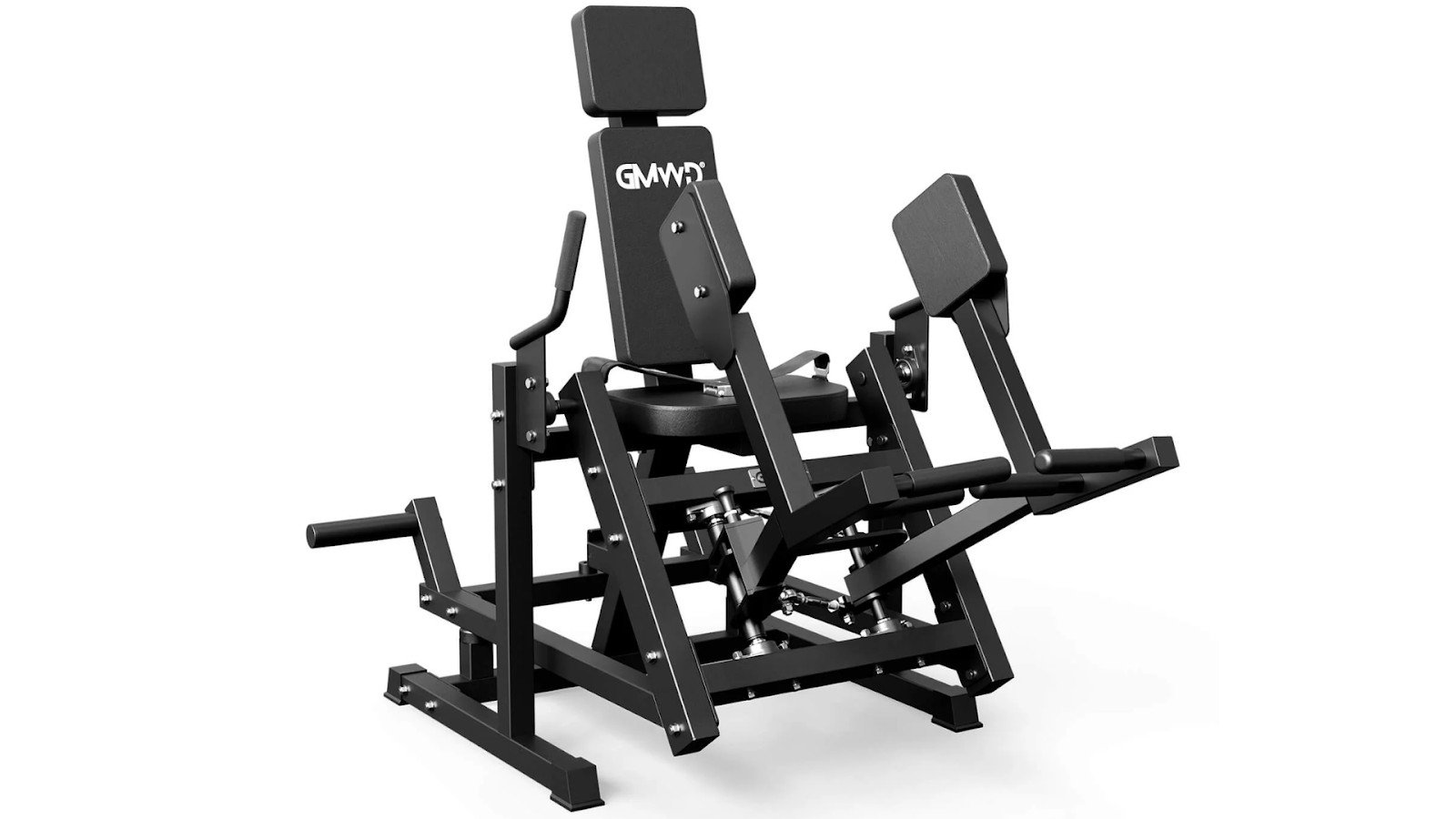
Knowing the machine works is one thing. Using it correctly is what actually builds your glutes. Small adjustments in form make a massive difference in which muscles fire.
- Adjust the pads and positioning so your thighs start close together and sit upright or lean slightly forward to increase glute engagement.
- Drive your knees outward with controlled motion and pause at the peak contraction for one to two seconds, where maximum muscle tension happens.
- Aim for three to four sets of 12 to 15 slow, controlled reps using a two-second push, one-second hold, and two-second return tempo.
- Apply progressive overload by gradually increasing resistance every week, adding five to ten pounds whenever the current weight feels manageable.
- Use moderate weight to maintain perfect form so your glutes do the work instead of hip flexors and compensating muscles taking over.
- Incorporate the mind muscle connection by actively thinking about your glutes contracting and visualizing the sides of your butt squeezing during the movement.
- Place your hands on the sides of your glutes during the movement to feel the muscle contract and improve activation.
Comparing Hip Abduction to Other Glute Exercises
The hip abductor machine doesn’t exist in a vacuum. Understanding how it stacks up against other glute exercises helps you build a smarter training program.
| Aspect | Hip Abduction | Compound Glute Movements |
| Primary Target | Isolates the gluteus medius and minimus on the sides of your glutes | Mainly targets the gluteus maximus, the largest glute muscle |
| Development Focus | Adds shape, width, and hip stability to create fuller glutes from every angle | Builds overall glute mass and provides the foundation for glute development |
| Muscle Activation | Fully develops the smaller side glute muscles that compounds don’t adequately target | Gives some work to medius and minimus, but not enough to maximize their growth |
| Training Role | Finishing touches that complete your glute development | Foundation building for overall size and strength |
| Best Approach | Combine both for maximum results, training all three glute muscles properly | Use together with abduction for complete glute development |
Machine vs. Free Weight Abduction
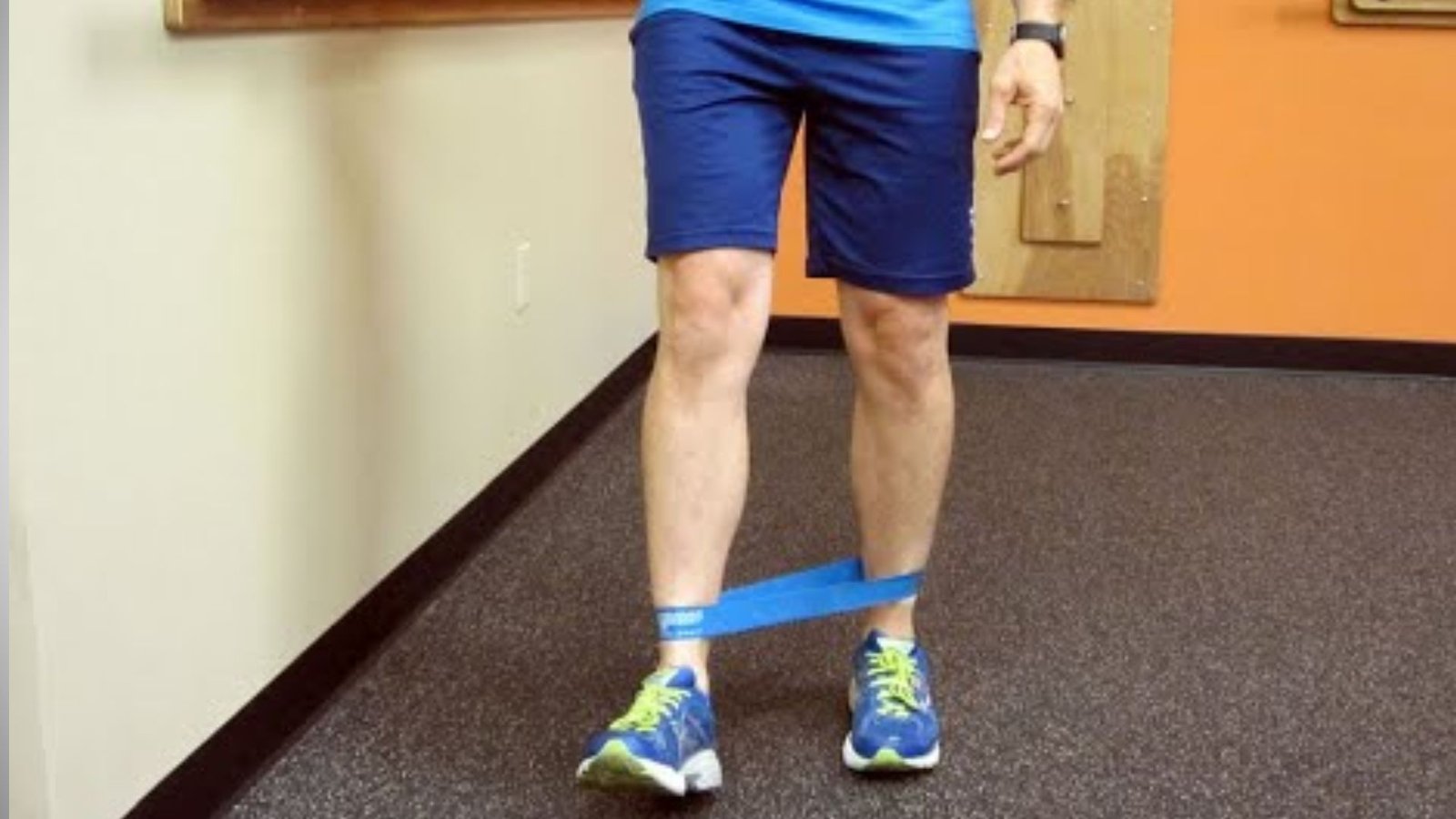
| Aspect | Machine Abduction | Free Weight/Banded Abduction |
| Resistance Type | Consistent resistance with a fixed path of motion that removes guesswork | Variable resistance with clamshells and lateral band walks requiring stabilization |
| Safety & Ease | Ensures safety, especially for beginners, with a controlled movement pattern | Forces the body to stabilize itself, which benefits athletic performance and adds variety |
| Glute Activation | Produces greater glute medius activation than bodyweight or band alternatives, according to studies | Lower activation compared to the machine, but useful for warmups and functional patterns |
| Loading Capacity | Allows heavier loading with more weight than bands can provide for maximum tension and growth | Limited loading capacity, works well for warmups or finishers, but not for maximum development |
| Best Use | Wins for pure muscle building when the goal is maximum glute development | Adds variety and functional movement, but is secondary to the machine for size gains |
Benefits Beyond Glute Growth
Building bigger glutes isn’t the only reason to use the hip abductor machine. Stronger hip abductors improve how your body moves and functions every single day.
- Improves pelvic and knee alignment to reduce injury risk by preventing knees from caving inward during squats or running.
- Enhances balance and mobility during single-leg movements like climbing stairs or playing sports by strengthening hip stabilizers.
- Prevents common running injuries like IT band issues and knee pain by strengthening weak hip abductors and fixing the root cause.
- Creates a rounder, fuller glute shape by developing the outer glutes and making them appear wider from behind or the side.
- Reduces the appearance of hip dips by building muscle where the gluteus medius attaches, contributing to lower body symmetry and a sculpted physique.
Common Mistakes to Avoid
Even small technique errors can drastically reduce glute activation and limit your muscle growth, so here’s what to watch out for.
- Using too much weight shifts the work to your TFL instead of your glutes, building the wrong muscles instead of targeting your side glutes effectively.
- Rushing through reps destroys muscle tension by using momentum instead of muscle force, which prevents proper glute activation and growth.
- Not pausing at the top misses the peak contraction where maximum muscle tension happens, reducing the effectiveness of every rep.
- Wrong body position reduces glute engagement when sitting too upright or reclining too far back, while leaning slightly forward maximizes glute medius recruitment.
- Ignoring progressive overload keeps you stuck at the same strength level because muscles adapt and stop growing without regular weight increases.
Conclusion
Do hip abductors grow glutes? Yes, they definitely can. The hip abductor machine targets the gluteus medius and minimus, helping build shape and strength along the sides of your glutes for a fuller look.
Real growth happens when you use proper form, enough resistance, and progressive overload. Quick, light reps won’t do much. Focus on slow, controlled movements with challenging weight to truly stimulate muscle growth.
For the best results, pair the abductor machine with compound lifts like squats and hip thrusts. Together, they build strength, balance, and roundness from every angle. Have you noticed growth or just better activation from using the machine? Share your experience below, I’d love to hear your take.
Frequently Asked Questions
Can the hip abductor machine make your glutes bigger?
Yes. The hip abductor machine can grow your gluteus medius and minimus when used with proper form, adequate resistance, and progressive overload. Using challenging weight for 12 to 15 controlled reps triggers muscle growth. Lightweight with fast reps only activates muscles without building size.
How often should I use the hip abductor machine for glute growth?
Train hip abductors two to three times per week with at least 48 hours between sessions. Your muscles need recovery time to grow. Combine abductor work with compound glute exercises like squats and hip thrusts for balanced development and maximum results.
Why do I feel the hip abductor machine in my thighs instead of my glutes?
You’re likely using too much weight or sitting in the wrong position. Reduce the weight and lean slightly forward to target your glutes better. Focus on slow, controlled reps with a pause at peak contraction. Feel your side glutes squeezing during each rep.
Is the hip abductor machine better than resistance bands for glutes?
Yes, for building size. Research shows the machine produces greater glute medius activation than bands or bodyweight exercises. The machine allows heavier resistance and consistent tension throughout the movement. Bands work well for warmups, but can’t match the machine for muscle growth.
How long does it take to see glute growth from hip abduction?
You’ll notice improved activation within two weeks and visible growth in six to eight weeks with consistent training. Progress depends on proper form, progressive overload, adequate protein intake, and an overall training program. Combine abduction with compound lifts for faster, more complete results.