

A proper deltoid muscle stretch can instantly relieve shoulder tightness and improve your mobility.
I’ve dealt with sore, stiff shoulders for years, and stretching has always been my first fix.
Over years of training and testing shoulder mobility routines, I’ve learned what actually works and what wastes your time.
In this guide, I’ll cover what the deltoid is, why it gets tight, and the best shoulder stretches for deltoids.
You’ll get step-by-step instructions, a quick daily routine, timing tips, and advanced strategies to speed up results.
If your shoulders ache after workouts or long hours at a desk, this guide will help.
Let’s get into it.
What Is the Deltoid Muscle?

The deltoid is the large, triangular muscle sitting on top of your shoulder.
It has three parts: anterior (front), lateral (side), and posterior (rear).
Each part moves your arm in a different direction. The front lifts it forward. The side lifts it out. The rear pulls it back.
All three work together for everyday tasks like reaching and lifting. When any part gets tight or overworked, you feel it quickly.
Why You Should Do Deltoid Muscle Stretches
Skipping deltoid stretches is one of the most common mistakes I see.
Regular stretching reduces muscle tension, improves range of motion, and lowers injury risk. It also speeds up recovery after upper body workouts.
Tight deltoids can pull on your neck and upper back too.
A few minutes of consistent stretching changes how your whole upper body feels.
Signs Your Deltoids Are Tight
Your body gives clear signals when your deltoids need work:
- Aching or stiffness around the shoulder after activity
- Trouble reaching across your body
- Pain when lifting your arm overhead
- Tightness that spreads into your neck
- Soreness after long hours at a desk
If any of these sound familiar, adding a deltoid stretch routine will help.
Best Deltoid Muscle Stretch for Each Head
Not every stretch targets the same part.
Here is a quick breakdown so you know exactly what to use:
- Anterior deltoid stretch: The doorway stretch works best. It opens the chest and front shoulder at the same time.
- Lateral deltoid stretch: The cross-body shoulder stretch is your go-to. It puts direct pressure on the side of the shoulder.
- Posterior deltoid stretch: Thread the needle is the most effective. It hits the rear head and upper back together.
Knowing this helps you fix the right problem faster.
Best Deltoid Muscle Stretches for Pain Relief
Pain in a specific part of your shoulder usually points to one tight deltoid head.
Here is how to match the stretch to the problem:
Front shoulder pain: Use the doorway stretch. It directly targets the anterior deltoid and takes pressure off the front of the joint.
Rear shoulder pain: Thread the needle is your best option. It reaches deep into the posterior deltoid and releases tension in the upper back at the same time.
General shoulder tightness: Start with the cross-body stretch. It covers the lateral and rear head together and is the easiest place to begin.
Side shoulder aching: The wall shoulder stretch works well here. It isolates the lateral deltoid without putting strain on the joint.
Match your stretch to your pain point and you will feel results faster.
7 Best Deltoid Muscle Stretch Exercises (Front, Side & Rear Delts)
These stretches cover all three deltoid heads so no part of your shoulder gets left behind.
1. Cross-Body Shoulder Stretch
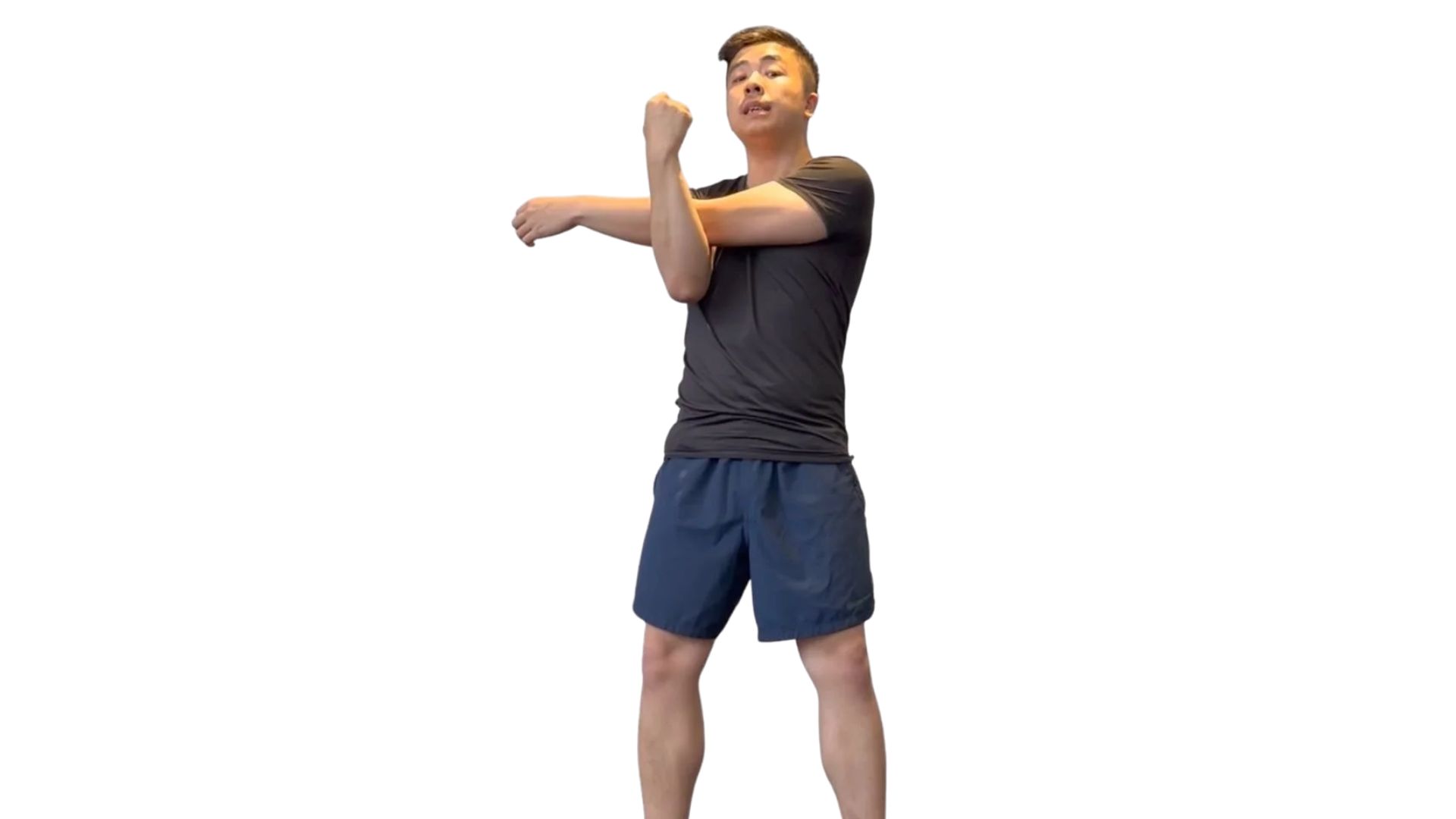
Bring one arm straight across your chest. Use your other arm to press it gently toward your body. Hold for 20 to 30 seconds. Feel the pull along the side and rear deltoid. Switch sides. Repeat 2 to 3 times each.
2. Overhead Triceps and Shoulder Stretch

Raise one arm overhead and bend it at the elbow. Use your other hand to press the elbow gently back. Hold for 20 to 30 seconds. This hits the back of the shoulder and triceps well. Switch sides and repeat.
3. Doorway Shoulder Stretch (Anterior Deltoid Stretch)

Stand in a doorway and place your forearm on the frame. Step forward slowly until you feel a pull in the front shoulder. Hold for 20 to 30 seconds. This is one of the best anterior deltoid stretch options. Do both sides.
4. Behind-the-Back Shoulder Stretch

Reach one arm behind your back toward the opposite hip. Use your other hand to add light pressure. Hold for 20 to 30 seconds. You will feel this in the rear deltoid. Switch arms and repeat.
5. Wall Shoulder Stretch

Place your palm flat on a wall at shoulder height. Turn your body slowly away while keeping your hand still. Hold for 20 to 30 seconds. Works well for the front deltoid. Repeat on both sides.
6. Thread the Needle Stretch (Posterior Deltoid Stretch)
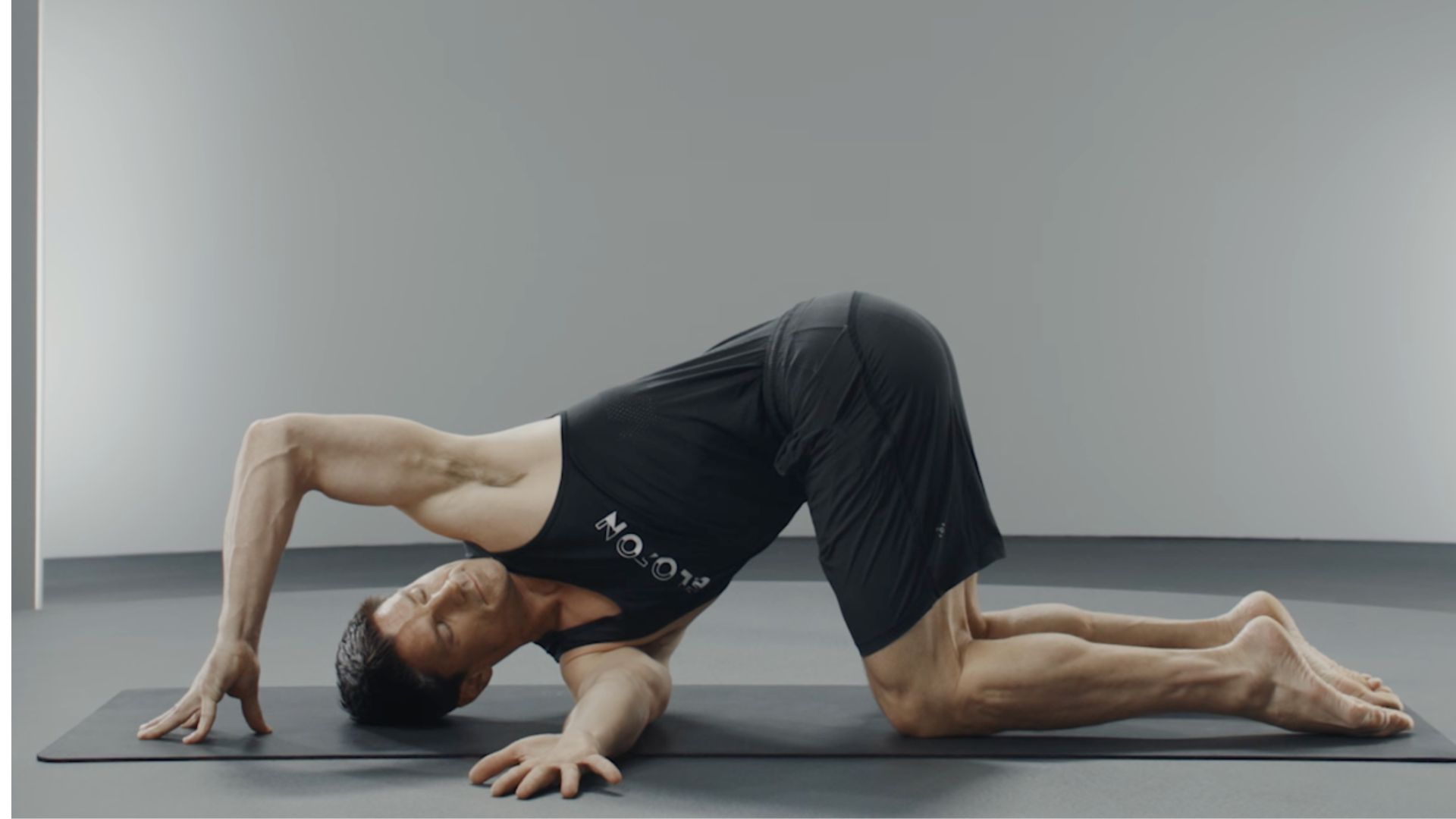
Start on all fours. Slide one arm under your body along the floor, palm facing up. Lower your shoulder and head toward the ground. Hold for 20 to 30 seconds. This is a top posterior deltoid stretch. Switch sides.
7. Resistance Band Shoulder Stretch

Hold a resistance band with both hands slightly wider than shoulder-width. Raise both arms overhead and bring them back slowly. Keep the band taut. Hold briefly at the end. Return forward. Do 8 to 10 slow reps.
How to Perform Deltoid Stretches Correctly
Move into each stretch slowly and with control. Never force it.
You should feel a mild pull, not pain. Breathe normally throughout each hold. Keep every stretch for at least 20 seconds.
Rushing through rarely produces results. Take your time every single rep.
Common Mistakes to Avoid
Most people make these errors without realizing it.
Here is what to watch for and how to fix each one:
- Mistake: Bouncing during the stretch.
Fix: Hold still and use slow, steady pressure. Bouncing can strain the muscle instead of releasing it. - Mistake: Stretching cold muscles.
Fix: Do 2 to 3 minutes of arm circles or light cardio first. Warm muscles respond much better to stretching. - Mistake: Only stretching one side.
Fix: Always do both sides, even if only one feels tight. Skipping the other side creates imbalances over time. - Mistake: Holding your breath.
Fix: Breathe slowly and steadily throughout. Exhaling during the stretch actually helps the muscle release more. - Mistake: Pushing through sharp pain.
Fix: Back off immediately. A mild pull is fine. Pain is a signal to stop and reassess.
When to Do a Deltoid Muscle Stretch
Timing matters more than most people realize.
I stretch after workouts when the muscles are already warm. That is when you get the most benefit from any deltoid muscle stretch.
Morning stretching helps ease overnight stiffness too. Avoid deep stretching right before heavy lifting.
A light warm-up works better before exercise. Post-workout or evening is the best time for longer holds.
Deltoid Muscle Stretch Routine (5-Minute Daily Plan)
It’s not easy getting into a routine, let’s focus on where to begin:
- Cross-body stretch: 30 seconds each side
- Doorway stretch: 30 seconds each side
- Thread the needle: 30 seconds each side
- Overhead stretch: 30 seconds each side
- Behind-the-back stretch: 30 seconds each side
Five minutes of daily deltoid muscle stretching is all it takes to stay consistent and feel results week over week.
Deltoid Stretch vs Shoulder Mobility Exercises
Both serve different purposes, and knowing the difference helps you train smarter.
|
Feature |
Deltoid Stretch |
Shoulder Mobility Exercise |
|
Main goal |
Lengthen tight muscle |
Improve joint range of motion |
|
Best timing |
Post-workout or evening |
Any time of day |
|
Equipment needed |
None |
Optional bands or tools |
|
Works best for |
Tightness and soreness |
Stiffness and limited movement |
|
Beginner-friendly |
Yes |
Yes |
Think of stretching as the fix and mobility work as the long-term maintenance. For the best shoulder health, use both together rather than relying on just one.
Advanced Tips to Improve Deltoid Flexibility Faster
Ready to speed things up? These extra steps make a real difference.
Use heat before stretching. A warm shower or heating pad loosens the muscle and makes each stretch more effective.
Combine with shoulder mobility drills. Arm circles and band pull-aparts before your stretch session prep the joint well.
Stretch after push workouts. After bench press or overhead press days, your deltoids are already activated. That is the best time for a deeper stretch.
Stay consistent. Stretching once a week won’t move the needle. Three to four times a week is where real change starts.
Who Should Do Deltoid Muscle Stretches?
Almost everyone benefits from regular deltoid stretches. Office workers who sit for hours.
Athletes training their upper body. People recovering from a shoulder strain.
Swimmers, tennis players, and weightlifters all need shoulder stretches for deltoids in their routine.
Even everyday tasks like carrying bags or scrolling your phone can tighten these muscles over time.
Conclusion
Tight deltoids are easy to ignore until they become a bigger issue.
I’ve learned firsthand that staying consistent with a deltoid muscle stretch routine is one of the smartest things you can do for your shoulders.
The stretches in this guide cover the front, side, and rear, so nothing gets skipped. You don’t need a gym or special gear to get started.
Pick two or three stretches and stick with them after your workouts. Add the advanced tips when you are ready to push further.
Your shoulders work hard every single day. Taking care of them now prevents a lot of pain down the road. Try this 5-minute routine today and notice the difference in your next workout.
Which deltoid stretch do you think your shoulders need the most right now?
Frequently Asked Questions
How often should you do deltoid muscle stretches?
Aim for 3 to 4 times per week at minimum. Daily deltoid stretches are even better if you have an active upper body routine or spend long hours at a desk.
What is the best deltoid muscle stretch for shoulder pain?
The cross-body stretch and thread the needle are both highly effective. They target the side and rear deltoid, which are the most commonly tight and painful areas.
How long should you hold a deltoid stretch?
Hold each deltoid stretch for 20 to 30 seconds. This gives the muscle enough time to respond. Anything under 15 seconds rarely produces lasting results.
What is the difference between an anterior and posterior deltoid stretch?
An anterior deltoid stretch, like the doorway stretch, targets the front of the shoulder. A posterior deltoid stretch, like thread the needle, works the rear head. Both are needed for balanced shoulder health.
Can shoulder stretches for deltoids help with posture?
Yes, they can. Tight front deltoids pull the shoulders forward and round the upper back. Stretching them regularly, especially with the doorway stretch, helps bring the shoulders back into a more natural, upright position.


