

I remember my first month at the gym, staring at the chest press and shoulder press machines. Which one should I do? Does it even matter?
Turns out, it matters a lot. I was making the mistake many beginners make. I thought all pressing movements were basically the same. They’re not.
In this guide, I’ll show you exactly which muscles each exercise targets. You’ll learn their unique benefits and how to program them for your goals.
By the end, you’ll know which press fits your training plan. No more confusion at the weight rack.
Let’s get started.
What Is the Chest Press?
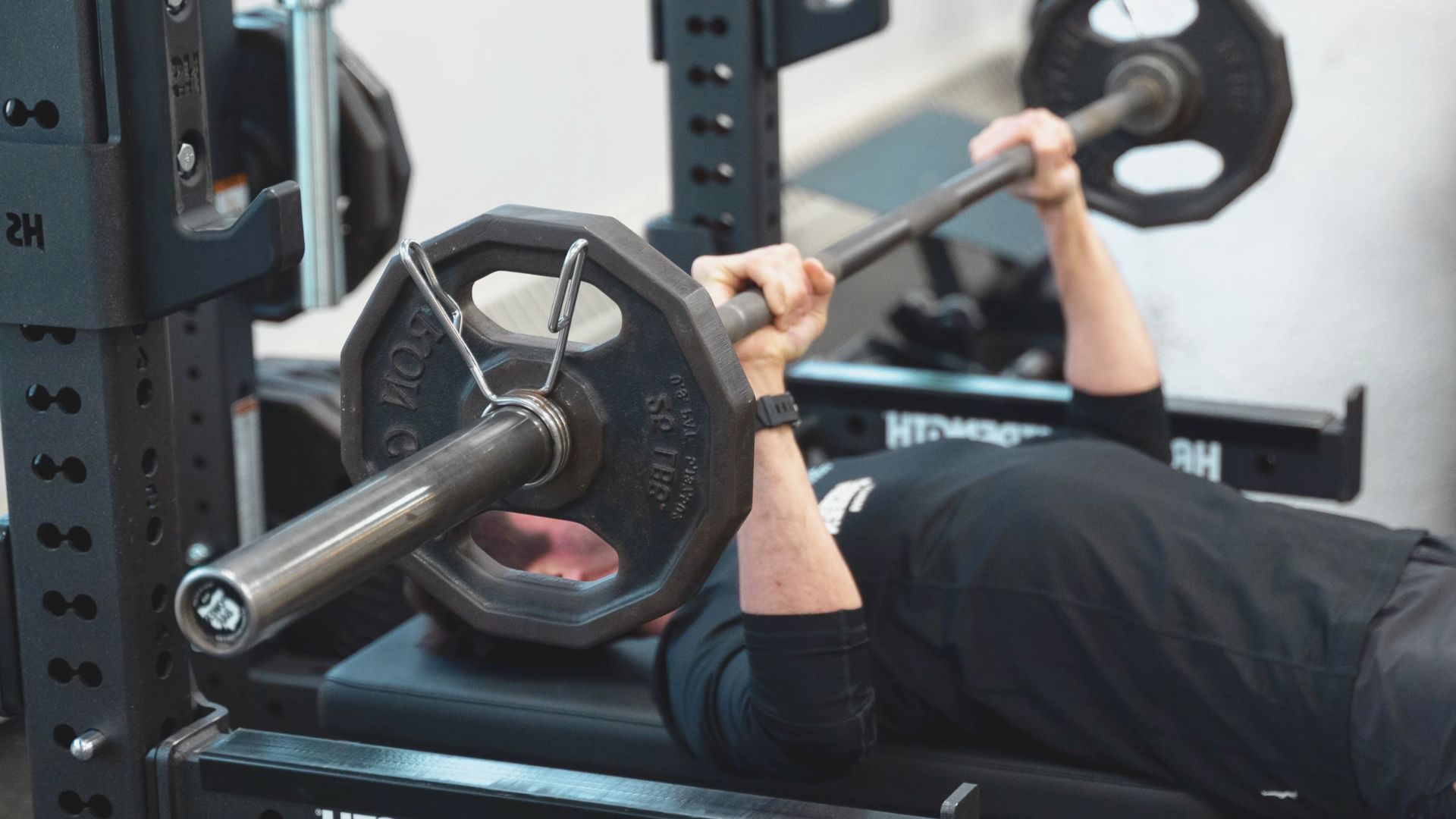
The chest press is a horizontal pushing exercise. You’re pressing weight away from your chest while lying on your back.
You can do it on a flat bench, incline bench, or using a machine. Each option works, but the angle changes which part of your chest gets hit hardest.
Muscles Worked in Chest Press
Your pectoralis major does most of the work. That’s the large muscle covering your chest.
Your triceps help push the weight up. The front part of your shoulders (anterior deltoids) assists too.
Smaller stabilizing muscles keep you balanced throughout the movement.
Common Chest Press Variations
- Barbell bench press
- Dumbbell chest press
- Machine chest press
- Incline chest press
- Push-ups
Key Benefits of Chest Press
- Builds chest size and gives you that defined look
- Allows heavier loading for better strength gains over time
- Beginner-friendly because the bench supports your back
- Improves horizontal pushing power for everyday activitie
What Is the Shoulder Press?

The shoulder press is a vertical pushing exercise. You’re pressing weight directly overhead instead of away from your body.
You can do it seated or standing. Standing versions require more balance and core strength.
Muscles Worked in Shoulder Press
Your deltoids handle the main work. That’s the front and middle sections of your shoulder muscles.
Your triceps help extend your arms overhead. The upper trapezius (top of your back) assists with the movement.
When you stand, your core works hard to keep you stable throughout each rep.
Common Shoulder Press Variations
- Barbell overhead press
- Dumbbell shoulder press
- Arnold press
- Machine shoulder press
- Kettlebell press
Key Benefits of Shoulder Press
- Develops broader, stronger shoulders
- Improves your ability to press weight overhead
- Builds core stability, especially in standing versions
- Supports functional movements you use in sports and daily life
Chest Press vs Shoulder Press: Quick Comparison
Here’s a side-by-side look at how these exercises stack up against each other.
| Feature | Chest Press | Shoulder Press |
|---|---|---|
|
Movement |
Horizontal push |
Vertical push |
|
Primary Muscle |
Chest |
Shoulders |
|
Secondary Muscles |
Triceps, front delts |
Triceps, traps |
|
Best For |
Chest size & strength |
Shoulder size & overhead strength |
|
Core Engagement |
Moderate |
Higher |
|
Weight Lifted |
Usually heavier |
Usually lighter |
Chest Press vs Shoulder Press: Key Differences
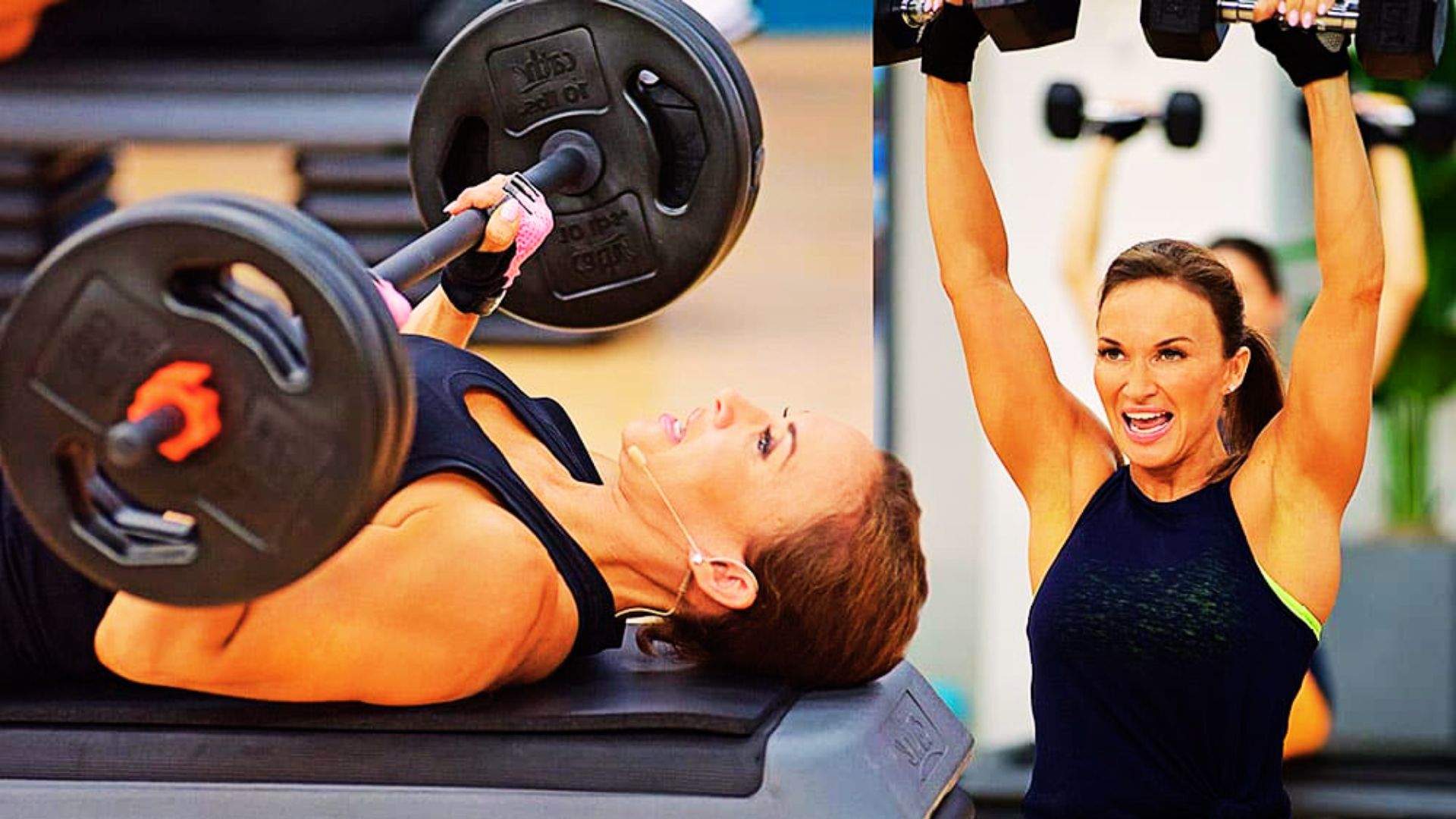
Let’s break down what makes these two exercises unique from each other.
1. Movement Direction
The chest press is a horizontal push. You’re moving weight away from your body while lying down on a bench.
The shoulder press is a vertical push. You’re moving weight straight up above your head while seated or standing upright.
2. Primary Muscle Emphasis
The chest press targets your pectoralis major as the main muscle group. Your chest does most of the heavy lifting here.
The shoulder press focuses on your deltoids as the primary worker. Your shoulders handle the bulk of the work when pressing overhead.
3. Core & Stability Demand
The chest press gives you support from the bench. Your back stays flat and stable throughout the movement.
The shoulder press requires more stabilization from your body. Your core has to work harder to keep you balanced, especially when you’re standing during the press.
4. Weight Potential
You can typically lift heavier weight with the chest press. The stable bench position lets you push more load safely.
The shoulder press requires more control and coordination. You’ll use lighter weights compared to your chest press numbers because overhead pressing is more demanding.
5. Shoulder Mobility Requirement
The chest press needs less flexibility from your joints. Most people can perform it without mobility issues or restrictions.
The shoulder press requires better range of motion in your shoulder joints. You need flexible, healthy shoulders to press weight safely overhead without risking injury.
Which Exercise Is Better for Your Fitness Goals?
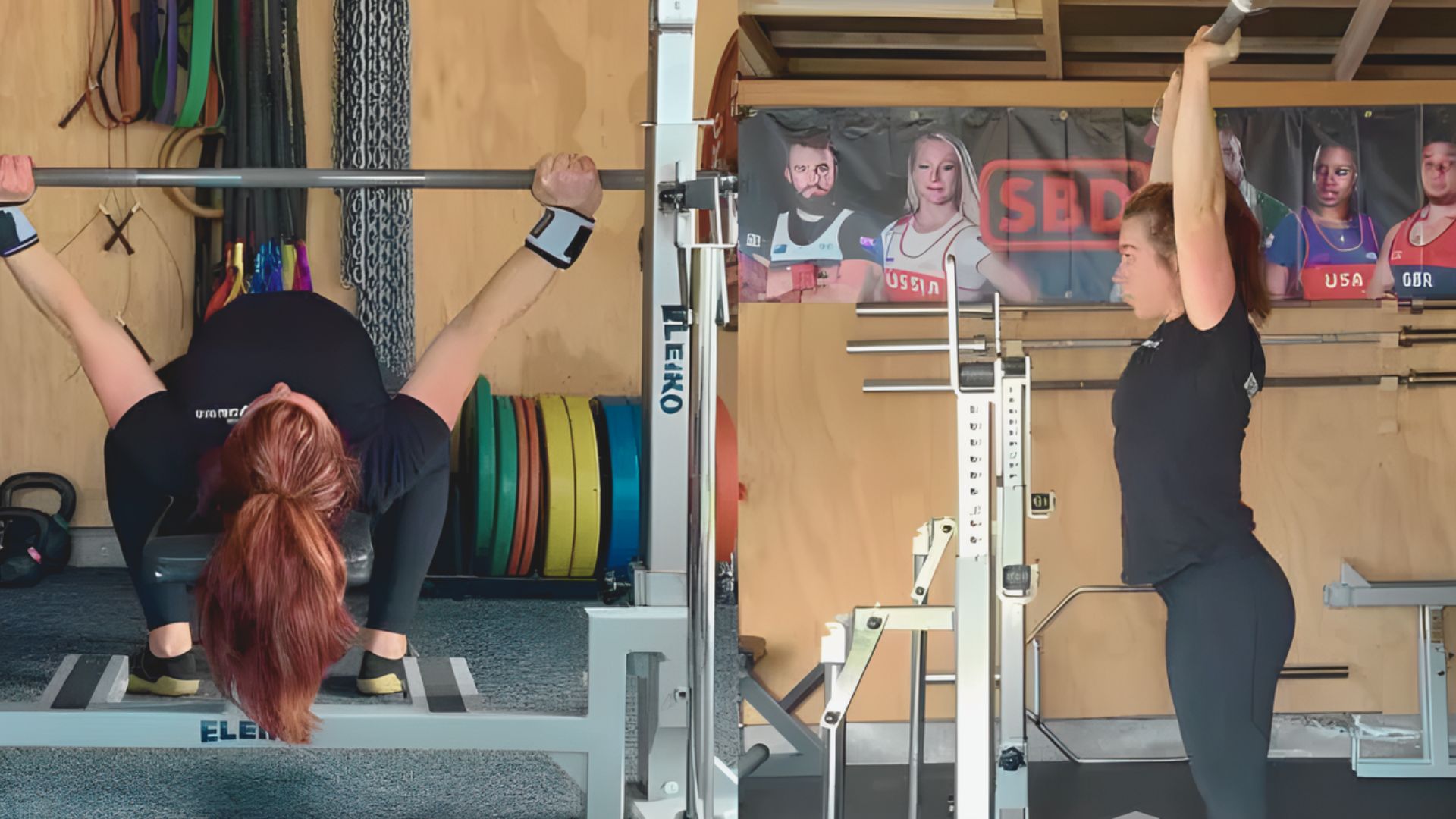
If you want a bigger chest, the chest press is your best choice. It directly targets your pecs and lets you lift heavy. Aim for 8-12 reps, three times per week for solid growth.
For stronger shoulders, the shoulder press wins. It builds deltoid size and overhead strength better than any other move. Dumbbell and barbell variations work best.
Want balanced upper body strength? Do both exercises. They complement each other perfectly.
Beginners should start with the chest press. It’s easier to learn because the bench supports you.
Athletes need the shoulder press. It builds functional strength for throwing, pushing, and overhead movements in sports.
Common Mistakes to Avoid
Watch out for these form errors that can hurt your progress or cause injury.
Chest Press Errors
- Flaring your elbows out too wide puts excess stress on your shoulders
- Arching your lower back off the bench can lead to injury
- Losing control of the bar path makes the movement less effective and more dangerous
Shoulder Press Errors
- Leaning back too much turns it into an incline press and strains your lower back
- Locking your elbows aggressively at the top can hurt your joints
- Pressing behind your neck increases injury risk and offers no extra benefits
Conclusion
Both exercises serve different purposes. The chest press builds your pecs with horizontal pushing. The shoulder press develops your deltoids through vertical movement.
Your goals should guide your choice. Want a bigger chest? Focus on chest press. Need stronger shoulders? Prioritize shoulder press.
But here’s my advice after years of training: do both. They create balanced upper body strength together.
Start adding them to your routine this week. Your muscles will thank you later.What’s your next workout going to include?
Frequently Asked Questions
Can I do chest press and shoulder press on the same day?
Yes, you can do both in the same workout. Just make sure to do the heavier compound movement first when you have more energy.
Which exercise burns more calories?
The shoulder press typically burns slightly more calories because it requires more stabilization and engages your core. However, the difference is minimal between the two.
How much weight should I use for each exercise?
Start with a weight you can control for 8-12 reps with good form. You’ll likely lift 20-30% less weight on shoulder press compared to chest press.
Can shoulder press replace chest press for chest development?
No, the shoulder press won’t build your chest effectively. It mainly targets your deltoids, while chest press directly works your pectoral muscles for better chest growth.
Is one exercise safer than the other?
Both are safe when done correctly. Chest press is generally easier for beginners because the bench provides support. Shoulder press requires better mobility and control.