I’ve spent years training my chest with barbells, but switching to dumbbells genuinely changed my results.
If you want to build a bigger, stronger chest without a fancy gym setup, chest dumbbell workouts are the way to go.
In this article, I’ll walk you through 9 proven exercises, how to structure your sessions, the right volume and rep ranges, and tips to maximize growth.
I’ve used these exact moves with hundreds of clients and seen real results. Simple equipment. Solid plan.
Let’s get started.
Complete Chest Training With Dumbbells
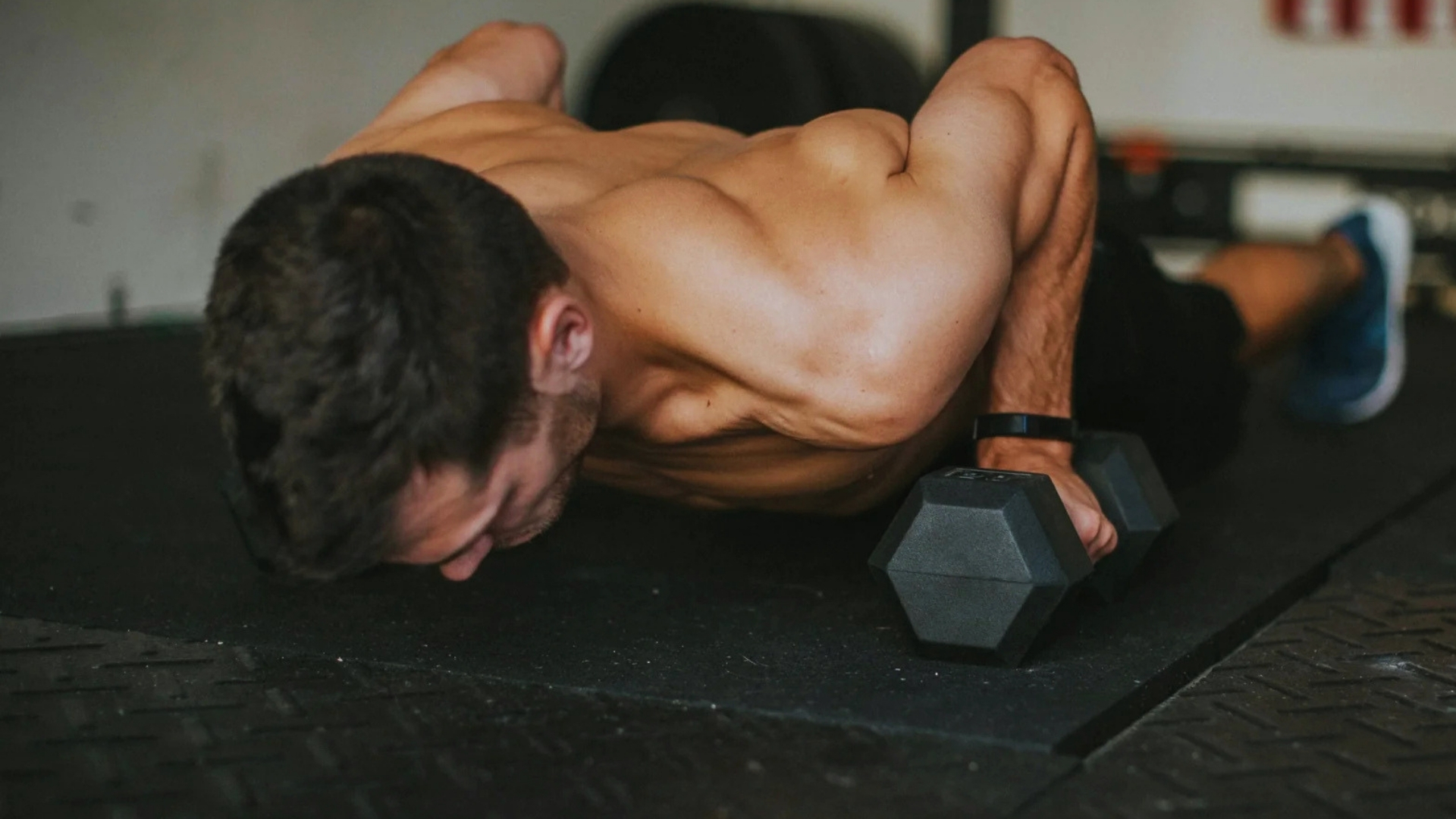
Dumbbells give your chest something barbells often can’t, a fuller range of motion and better muscle balance on both sides.
When you press or fly with dumbbells, each arm works independently. This fixes strength imbalances fast. It also puts more stretch on the chest muscle, which leads to better growth over time.
Dumbbells are also easier on your joints. The wrists and shoulders can move naturally instead of being locked into a fixed path. That means less strain and more reps done safely.
9 Chest Dumbbell Workout for Strength and Size
Build a bigger, stronger chest with these 9 effective dumbbell exercises designed for real strength and size gains.
1. Dumbbell Bench Press
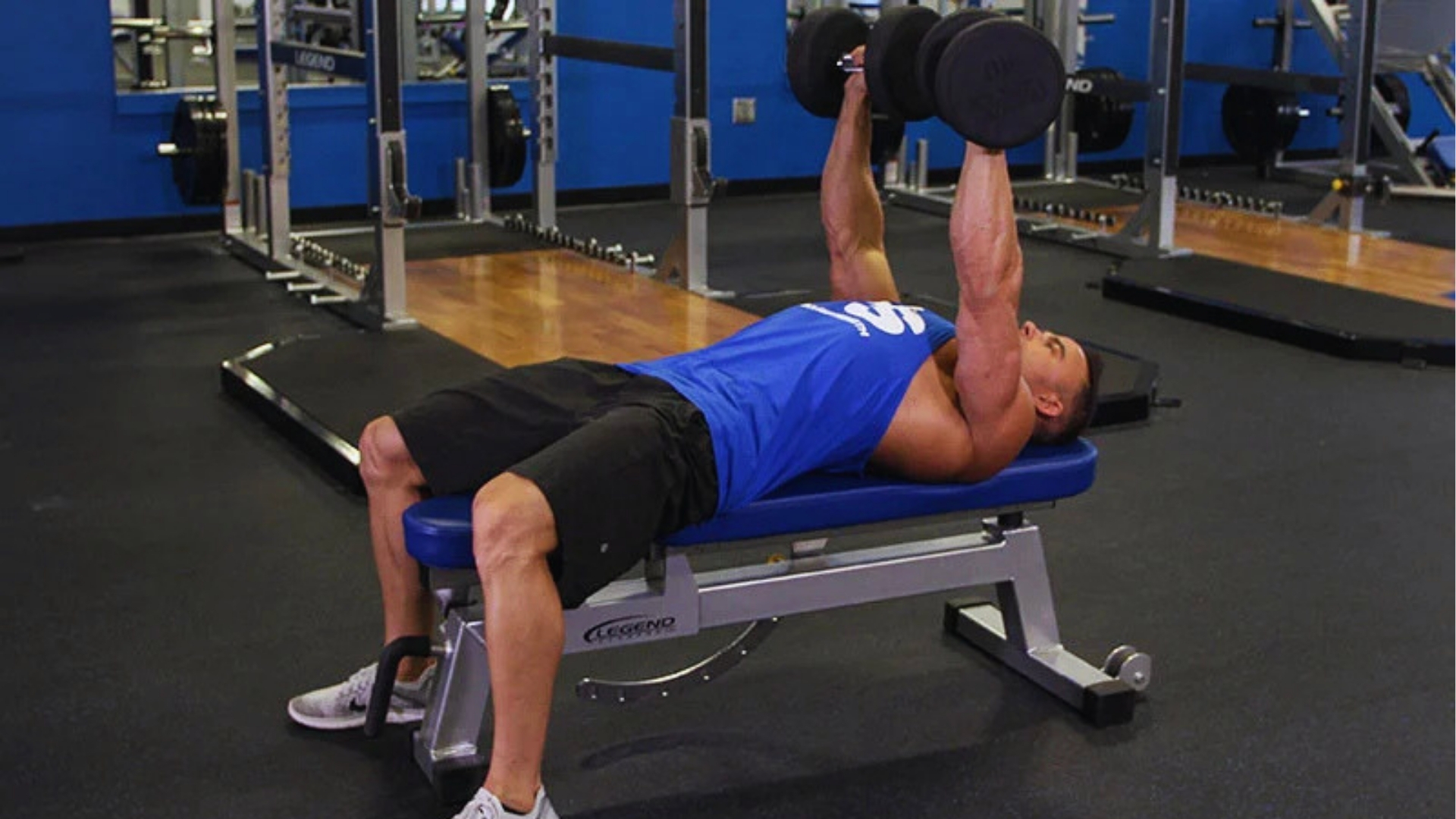
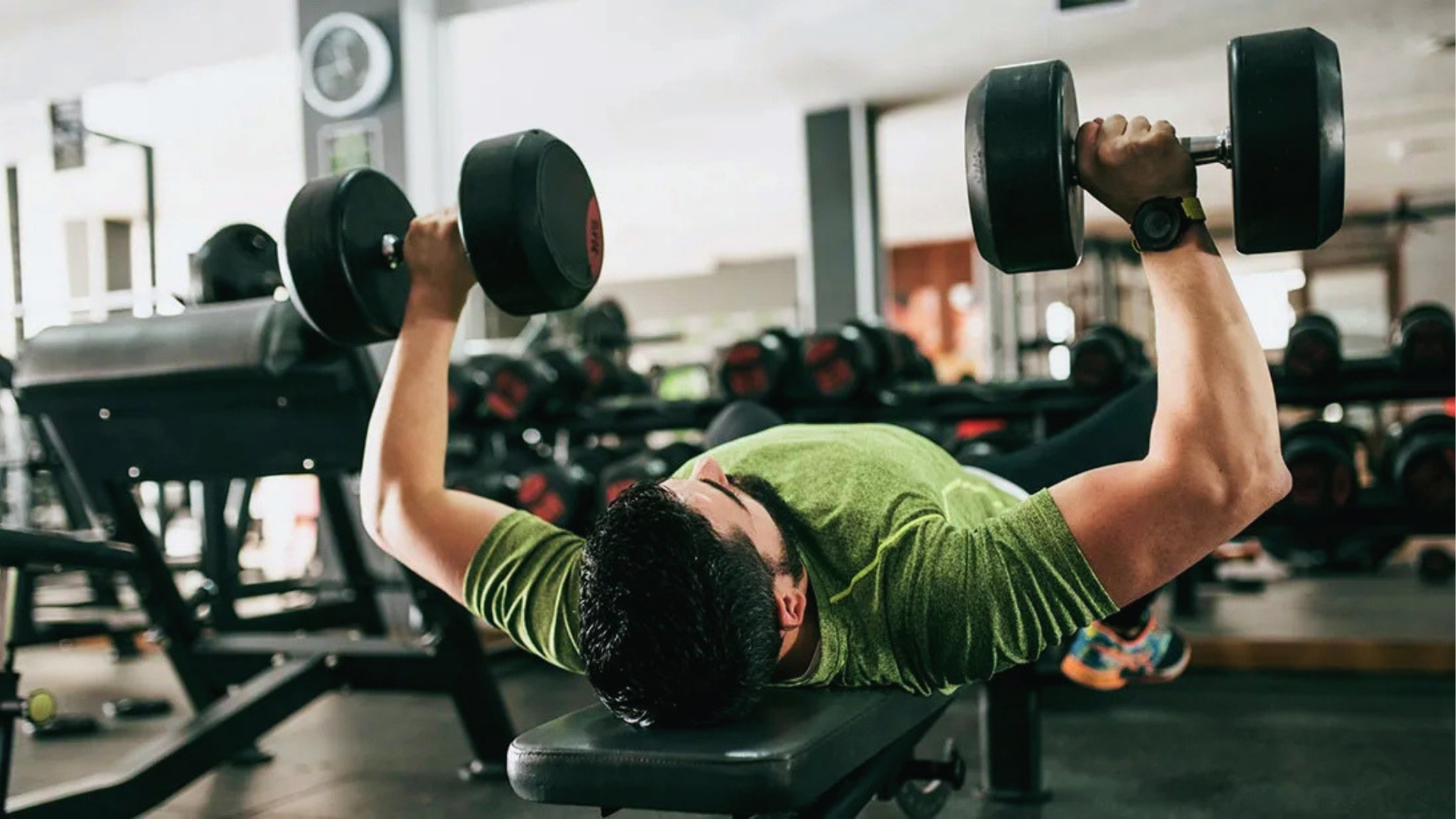
Lie flat on a bench. Hold a dumbbell in each hand at chest level. Press them straight up, then lower slowly. Keep your back slightly arched and feet flat on the floor.
This is your main mass-building move and the foundation of any chest session.
2. Incline Dumbbell Press
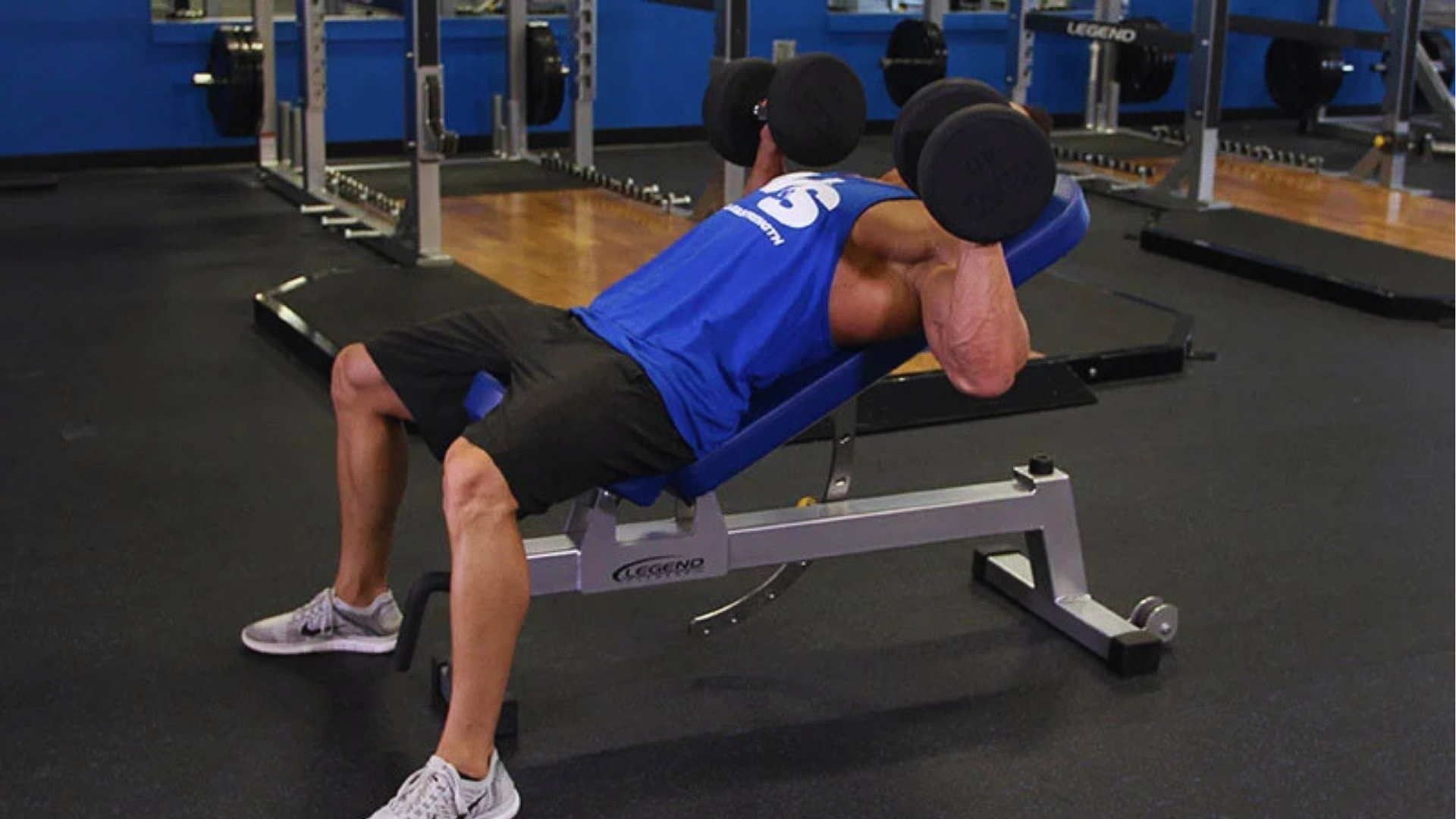
Set the bench to 30-45 degrees. Press the dumbbells up from shoulder level. This hits the upper chest hard, a spot many people neglect.
Keep your elbows at a 45-degree angle to protect your shoulders during the press.
3. Decline Dumbbell Press
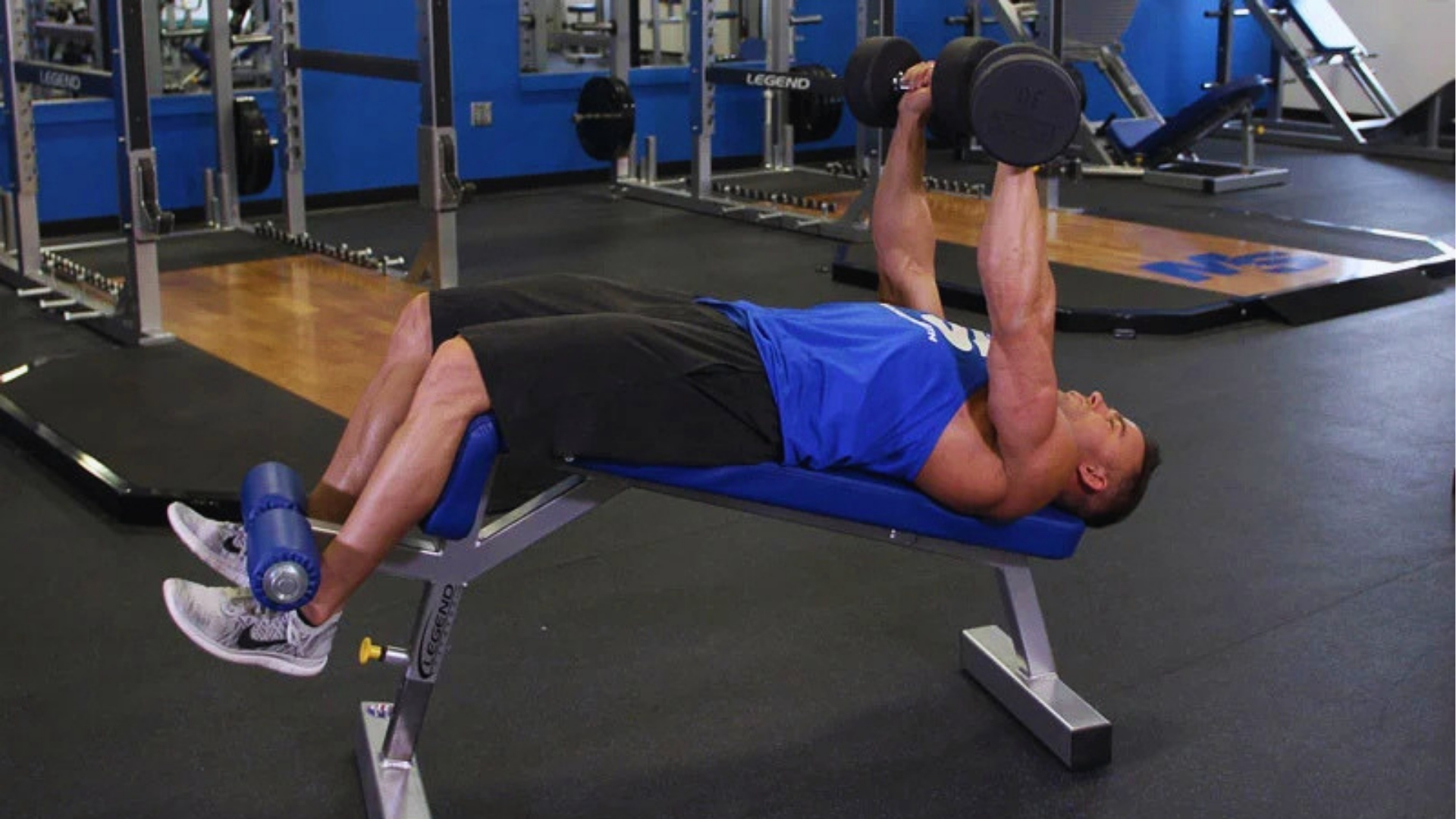
Lower the bench slightly or use a decline bench. This targets the lower chest and gives you a fuller look overall.
Make sure your core stays tight throughout to keep your body stable on the decline angle.
4. Neutral Grip Dumbbell Press

Same as the flat press but with palms facing each other. This grip is easier on the shoulders and still builds serious chest strength.
It is a great option if you feel any discomfort with the standard grip press.
5. Chest Squeeze Press
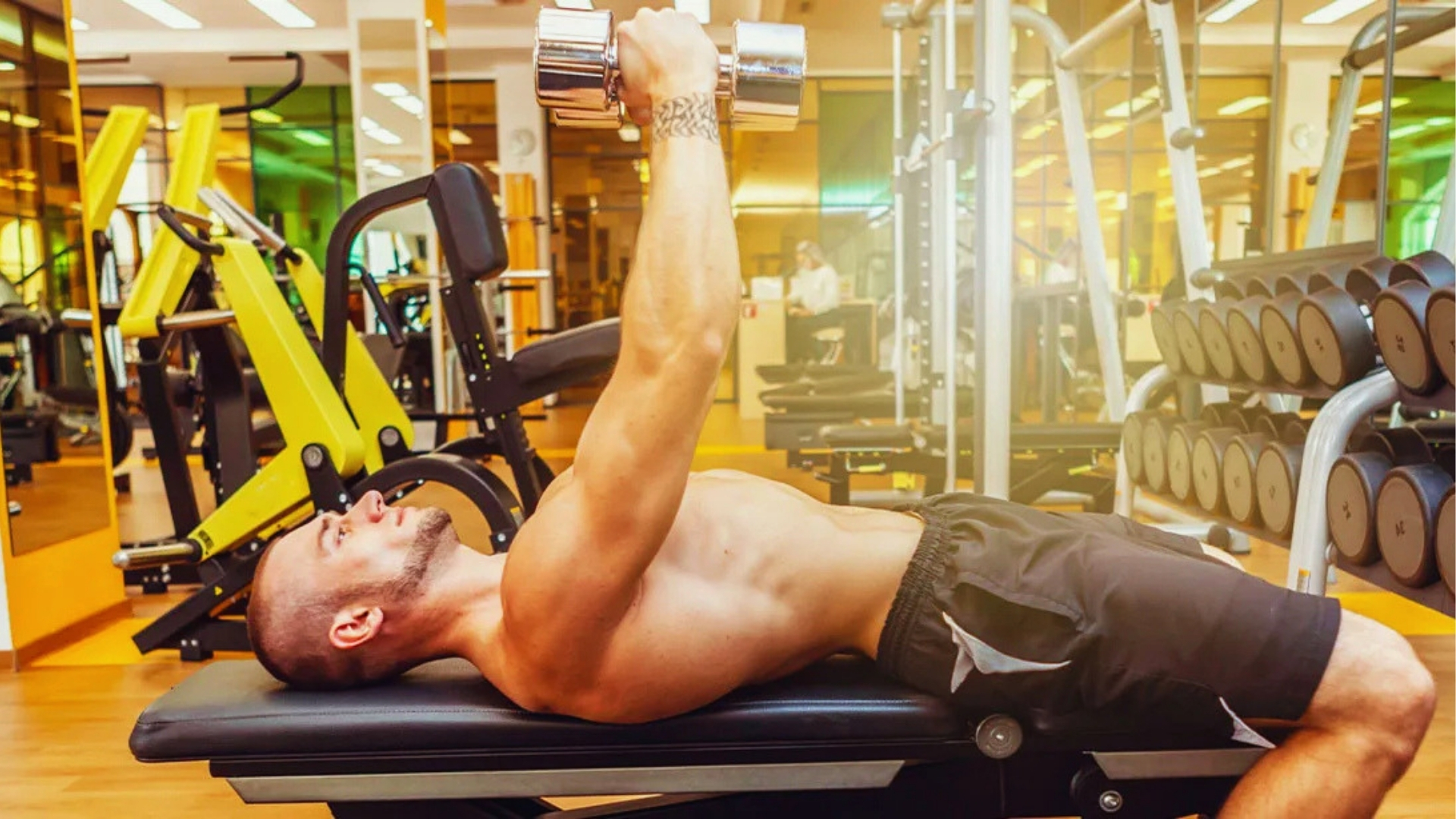
Hold both dumbbells together and press them into each other throughout the entire movement. The constant squeeze activates the inner chest more directly.
Go lighter here and focus on keeping maximum tension through every rep.
6. Flat Dumbbell Fly
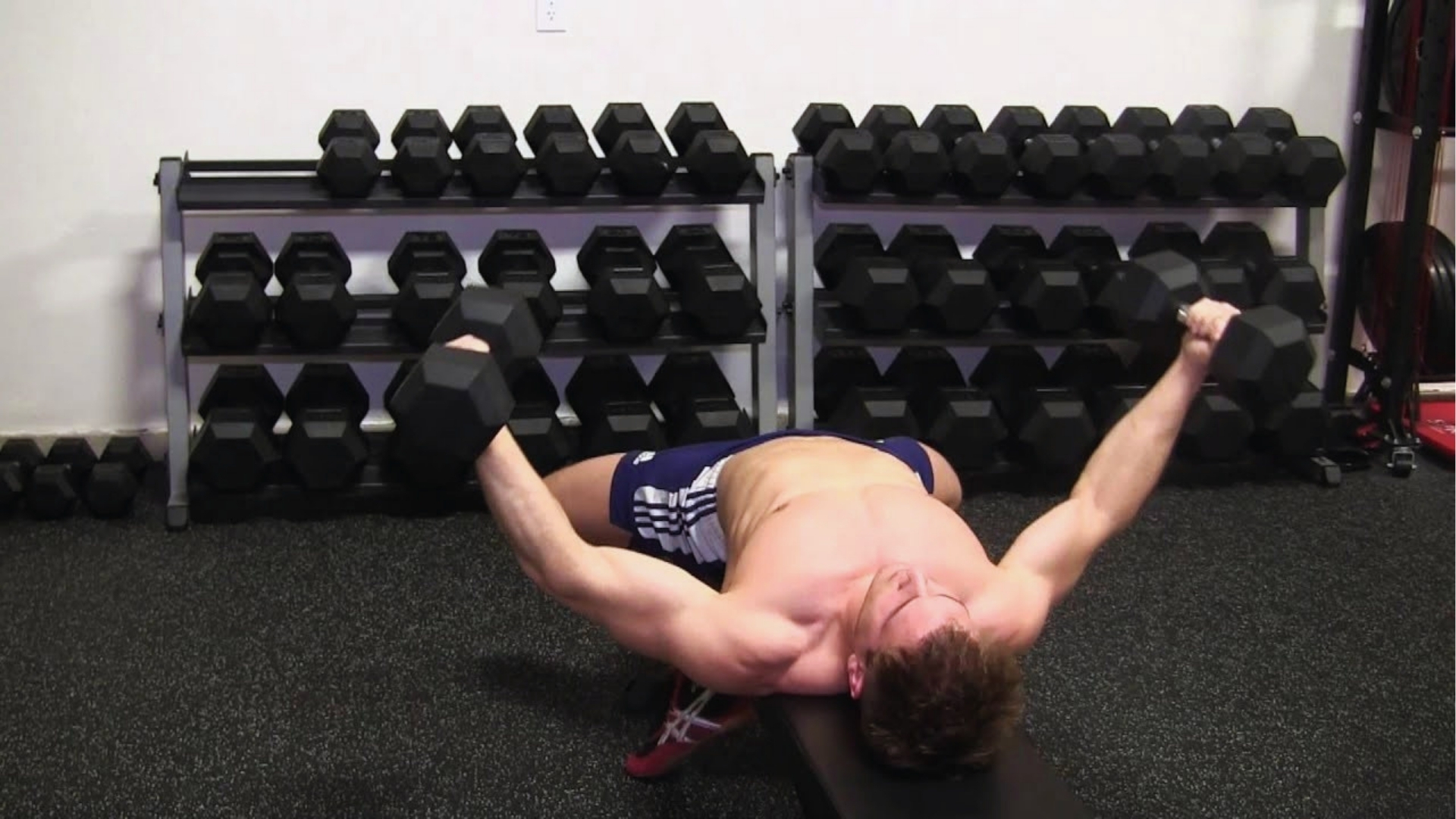
Lie flat on a bench. Open your arms wide with a slight bend in the elbows. Bring the dumbbells together above your chest in a hugging motion.
Focus on feeling the stretch at the bottom. This is great for chest width and muscle lengthening.
7. Incline Dumbbell Fly
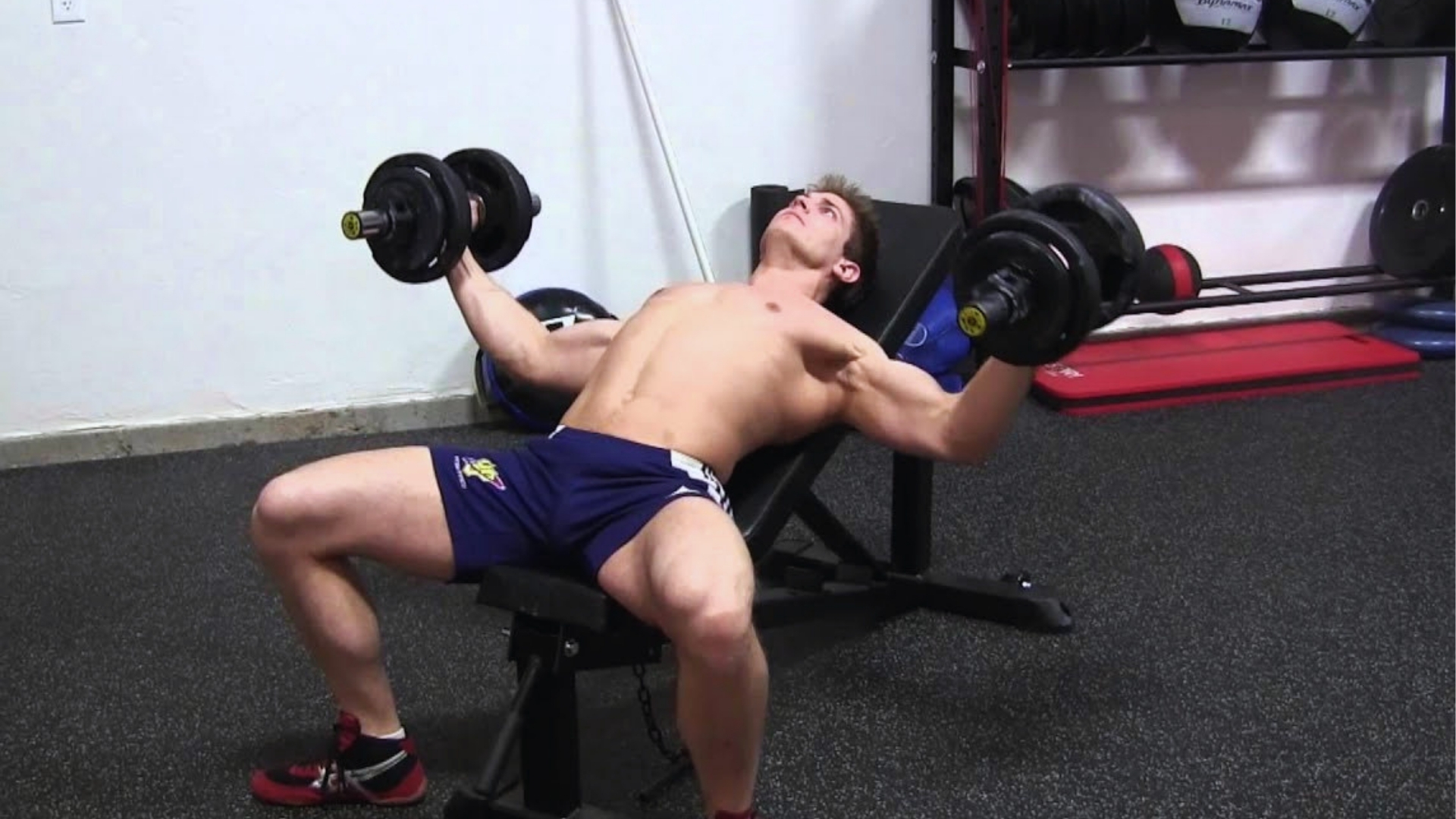
Same as the flat fly but on an incline bench. This version pulls more focus to the upper and outer chest.
Use a light to moderate weight and move slowly to feel the muscle working at every point of the rep.
8. Dumbbell Floor Press
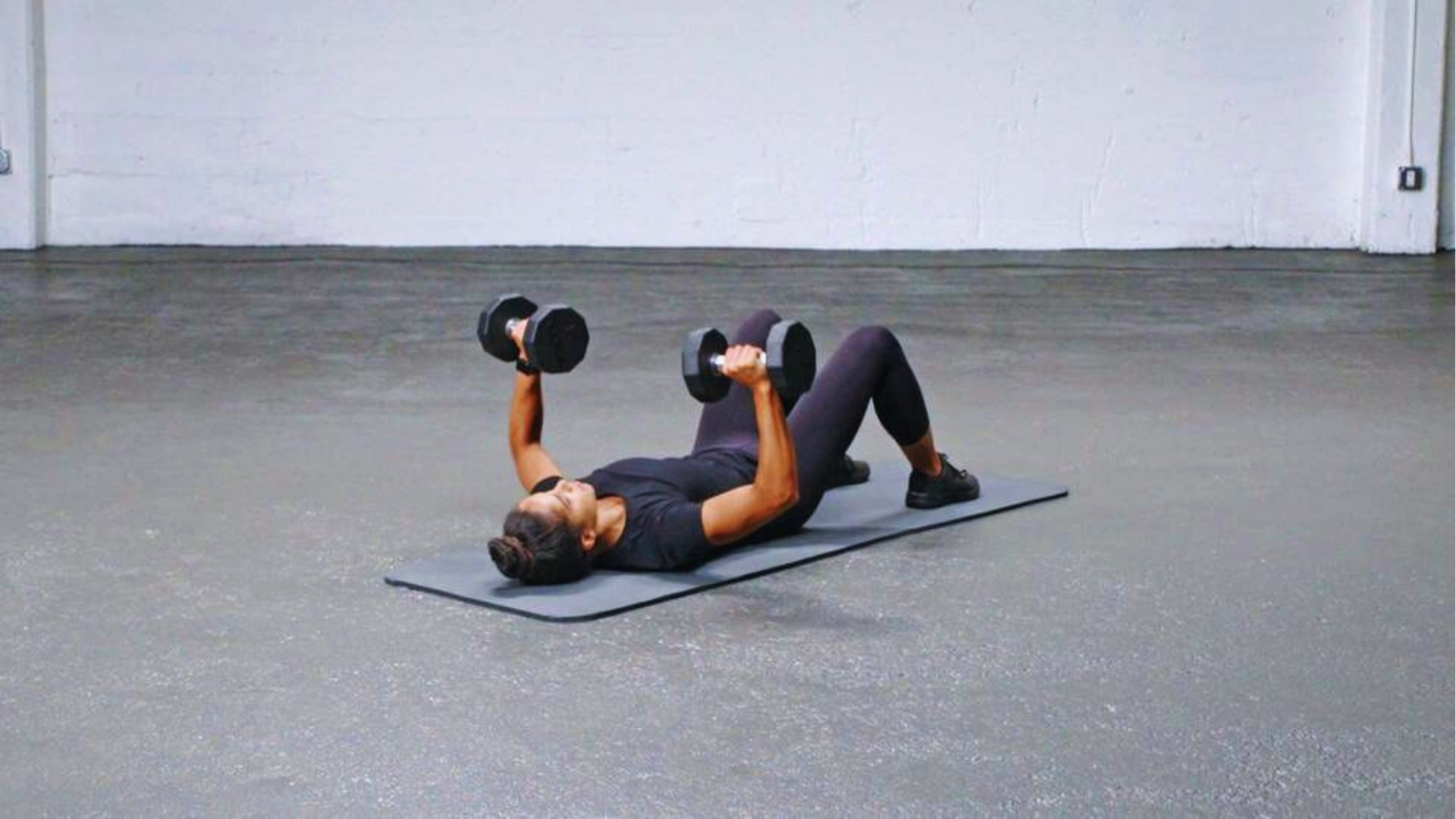
Lie on the floor with a dumbbell in each hand. Press up just like a bench press. The floor limits your range of motion, which protects the shoulder joint and reduces stress on the rotator cuff.
This is a solid option for people with shoulder issues.
9. Dumbbell Pullover
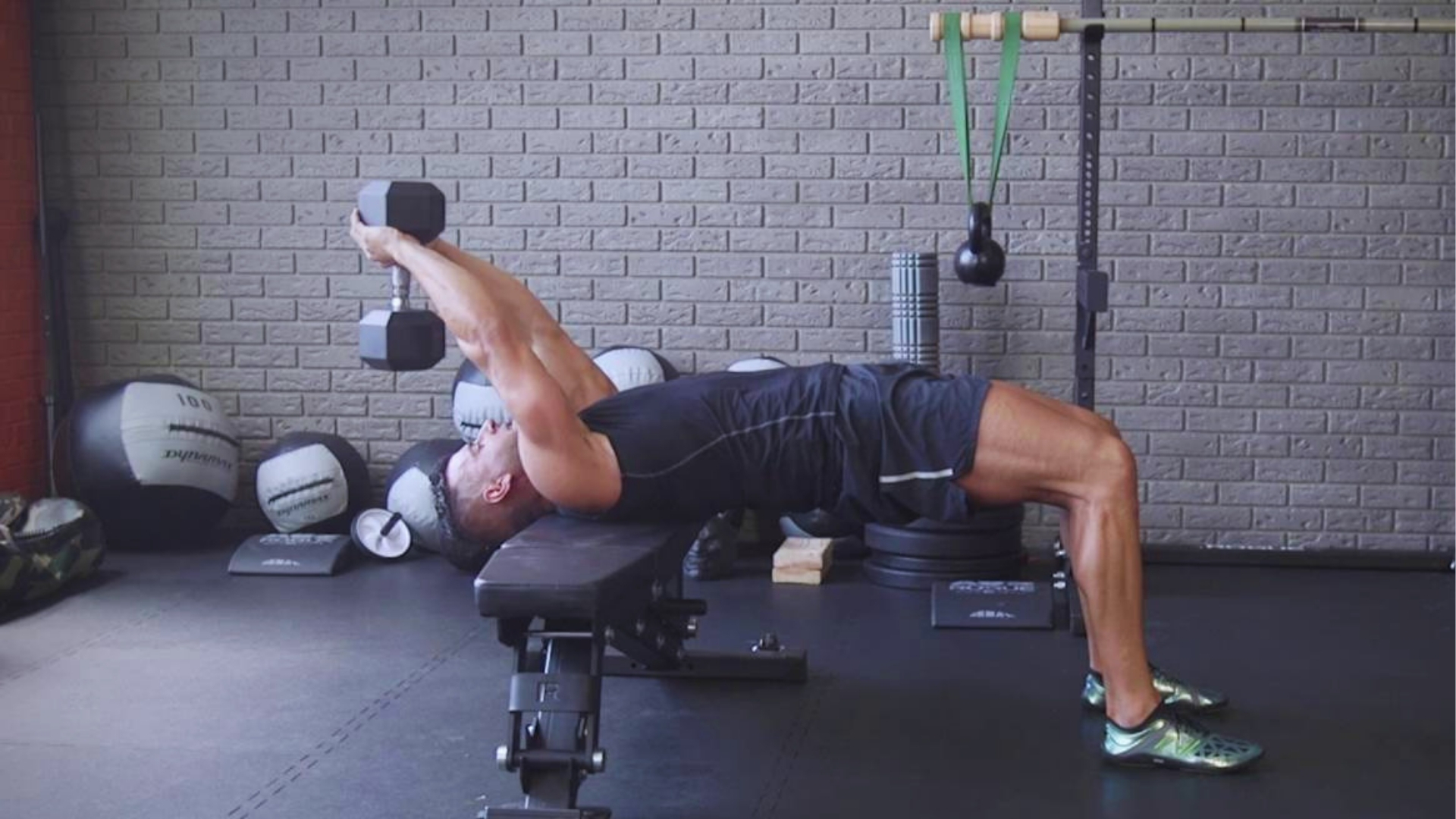
Lie across a bench with your upper back supported. Hold one dumbbell with both hands above your chest.
Lower it back behind your head slowly until you feel a deep stretch, then bring it back up. This move stretches the chest and engages the lats at the same time, making it a great finisher.
How to Structure a Chest Dumbbell Workout
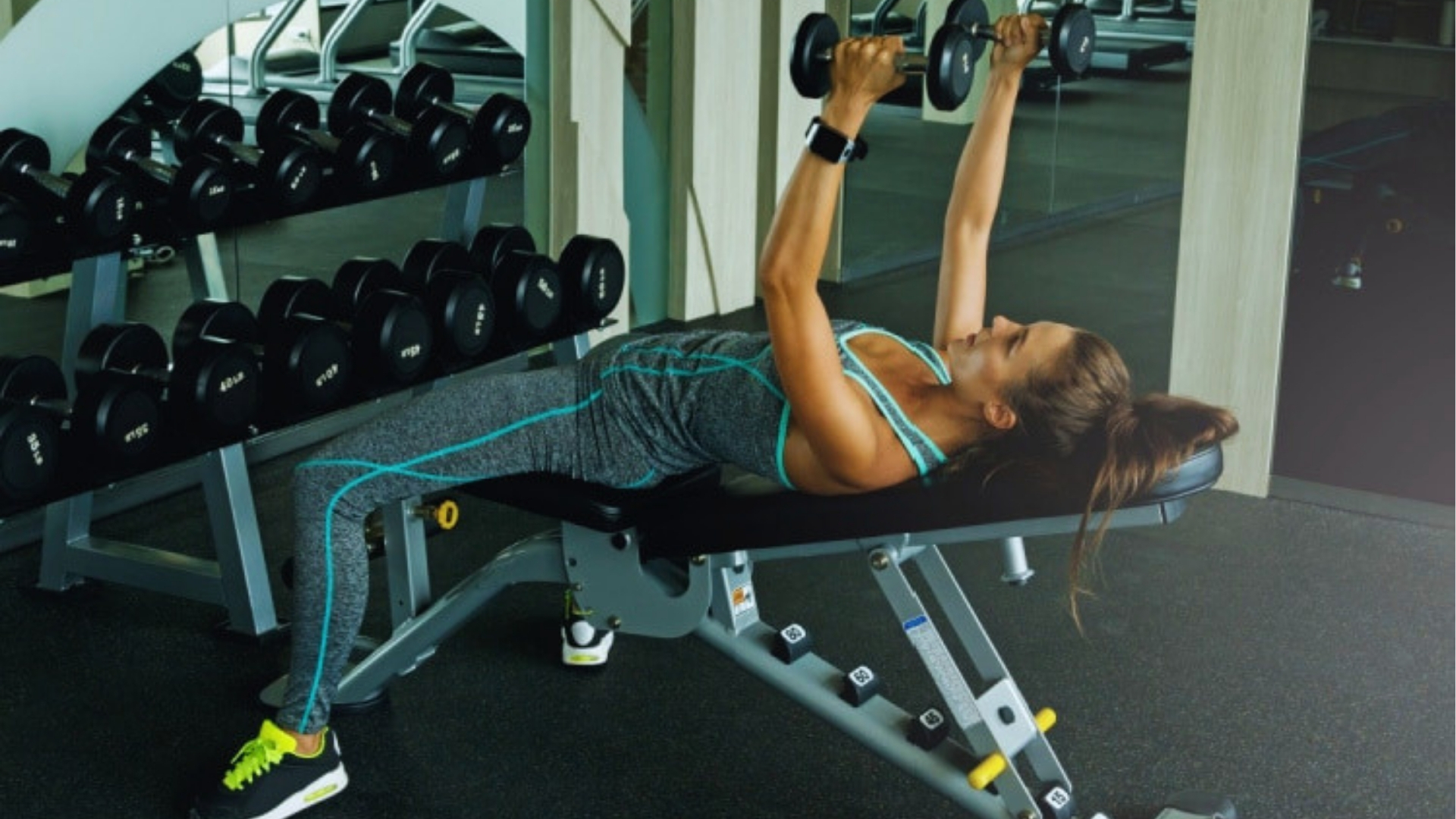
Pick the right moves in the right order and your session becomes far more effective.
Keep it simple
Structure your chest sessions the right way to get the most out of every rep.
- Start with 2-4 exercises per session
- Always begin with compound presses
- Finish with isolation fly movements
Train across different rep ranges in the same week. Heavy reps build strength. Moderate reps build size. Higher reps burn the muscle and improve endurance.
A good sample session looks like this:
- Dumbbell Bench Press: compound, heavy
- Incline Dumbbell Press: compound, moderate
- Flat Dumbbell Fly: isolation, moderate to high reps
- Chest Squeeze Press: isolation, high reps
This order keeps the big lifts fresh and saves the detail work for the end.
Training Volume, Sets, and Reps Guide
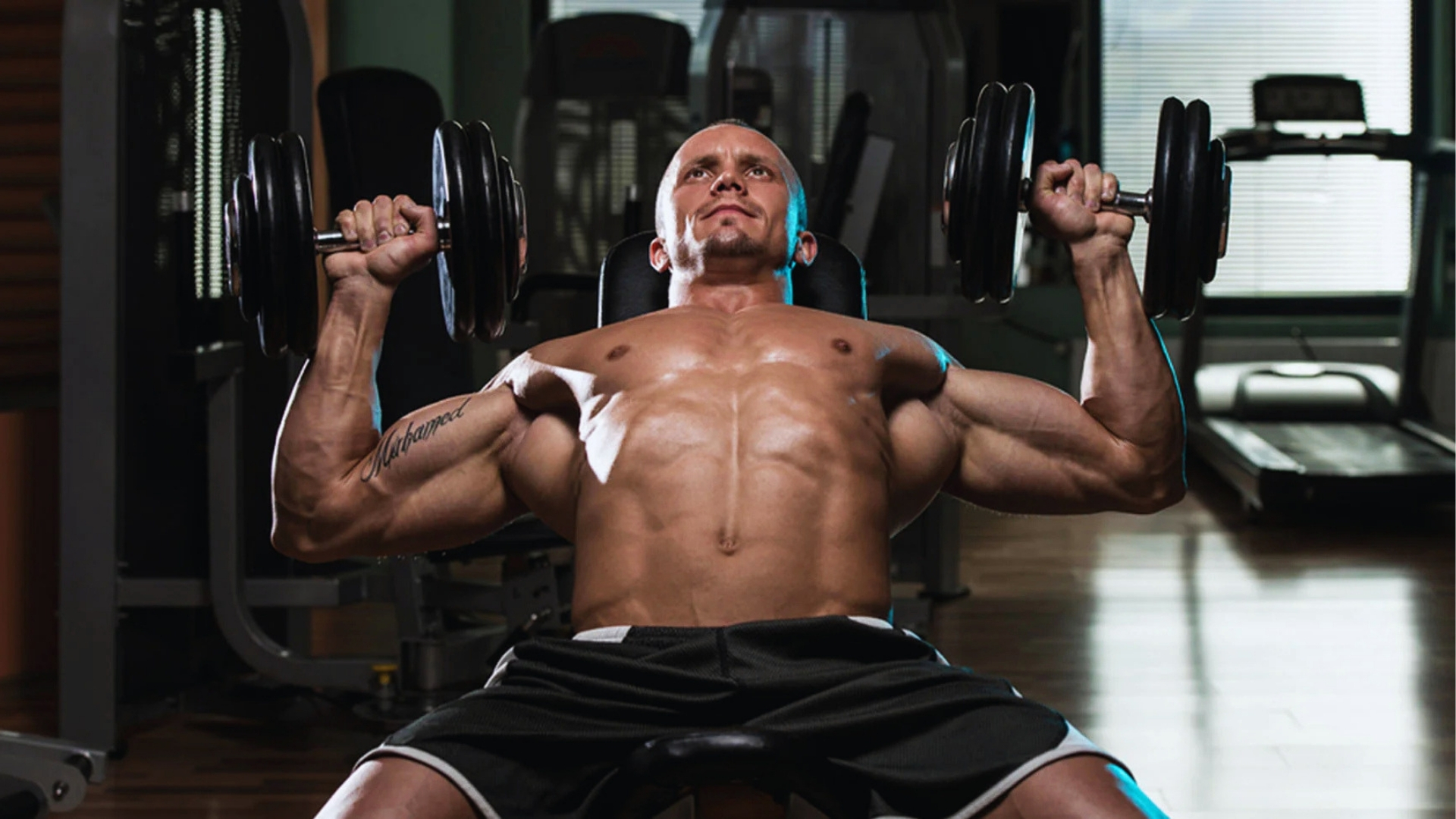
Knowing how many sets and reps to do removes the guesswork from your training.
Use this as your guide
Know exactly how many sets and reps to do for strength, size, or endurance.
- Strength: 2–5 sets of 5–10 reps with heavier weight
- Muscle size: 2–5 sets of 10–20 reps with moderate weight
- Endurance and burn: 2–5 sets of 20–30 reps with lighter weight
Most people do best staying in the 10–20 rep range for chest growth. But mixing in some heavy sets keeps your strength going up over time.
Don’t rush through your reps. Slow, controlled reps do more for muscle growth than fast, sloppy ones.
Weekly Training Frequency for Best Results
How often you train chest matters just as much as what you do in each session.
Here’s what works
Train chest the right number of times each week to grow faster without burning out.
- Train chest 2-4 times per week
- Rest 48-72 hours between sessions
- Beginners should start with 2 sessions. Advanced lifters can go up to 4.
More sessions mean more chances to grow – but only if you recover properly. Sleep, eat enough protein, and don’t skip rest days.
If your chest still feels sore after 48 hours, wait one more day before training it again.
Tips for Maximizing Chest Growth With Dumbbells
Small habits make a big difference in how fast your chest grows.
- Use full range of motion a deeper stretch works more muscle fibers
- Add weight gradually to keep pushing your chest to grow
- Keep form tight, even if that means lifting lighter
- Mix pressing and fly movements for thickness and width
- Show up consistently weekly effort builds the chest, not one good session
- Control every rep slowly instead of rushing through the movement
Conclusion
Building a strong chest with dumbbells works for everyone, and I’ve seen it firsthand with my own clients.
These 9 chest dumbbell workouts give you everything you need to train smart and grow at your own pace.
Start with 2 sessions a week, pick 3-4 moves, and stay consistent. Small steps done regularly beat big efforts done once.
If this helped you, drop a comment and tell me which exercise you’re starting with. Share this with a friend who needs a solid chest plan.
They’ll thank you for it.
Frequently Asked Questions
How many chest exercises should I do per workout?
Stick to 2-4 exercises per session, balance compound and isolation moves, and avoid overtraining for faster recovery.
Can I build a big chest using only dumbbells?
Yes, absolutely. Dumbbells offer a great range of motion and can build serious size when used with proper form and progressive overload.
How long should a chest dumbbell workout take?
Most sessions run 30-45 minutes. Keep rest periods between 60-90 seconds to stay focused and maintain intensity.
Is it okay to train my chest every day?
No. Your chest muscles need 48-72 hours to recover. Training too often without rest slows progress and raises injury risk.
What weight should I start with for dumbbell chest exercises?
Start light enough to complete all reps with good form. Once that feels easy, increase the weight by small amounts each week.