
Ever notice some weird bruises after hitting the gym hard? Yeah, it happens more than you think. Look, finding random dark spots on your body after a workout can be pretty scary. You are probably thinking it’s something wrong or you overdid it.
That’s exactly why we put this together. We’ll walk you through why bruises show up, when they’re totally normal, and when you might need to check with your doctor. Here’s the deal: most workout bruises aren’t a big problem.
Once you know what causes them, you can usually avoid them or at least stop worrying. We’re covering causes, factors, prevention tips, the whole thing. Let’s figure out what’s happening so you can get back to your workouts without the stress.
What Causes Bruising After Working Out?

I know how confusing it can be when you finish a great workout and notice unexpected bruises on your body. You’re not alone; this happens to many people who exercise regularly. Let me explain why this occurs and what’s really going on beneath your skin.
How Bruising Happens
Your body has thousands of tiny blood vessels called capillaries just under your skin. When you work out hard, these fragile vessels can break. It’s actually quite common.
When a capillary breaks, blood leaks out into the tissue around it. This creates the purple or blue mark you see on your skin. The area might feel tender or slightly painful when you touch it. Areas that experience pressure, impact, or heavy muscle strain during your workout are most likely to bruise.
Common Workout-Related Causes
So what exactly causes these blood vessels to break during exercise? Several things can trigger bruising when you’re working out. Understanding these causes can help you prevent future bruises.
- Microtrauma to muscles: When you lift weights or do intense cardio, you create tiny tears in your muscle fibers. This is normal and helps muscles grow stronger. But it also causes inflammation that can break nearby capillaries. You’ll see this most often after strength training, HIIT workouts, or long-distance running.
- Direct impact or equipment pressure: Sometimes the cause is simple and obvious. You bump your leg against a barbell. A kettlebell grazes your thigh. The barbell rubs against your shins during deadlifts. These repetitive contacts can leave visible marks.
- Overexertion or heavy lifting: Pushing too hard puts serious pressure on your blood vessels. This is especially true if your form isn’t quite right. When you strain beyond your current capacity, those fragile capillaries can give way.
- Inadequate warm-up: Cold, stiff muscles don’t move as smoothly as warm ones. When you skip your warm-up, your muscles and blood vessels are more vulnerable. Think of it like bending a frozen rubber band versus a warm one.
Factors That Increase the Risk of Exercise-Related Bruising
Not everyone bruises the same way after working out. Some people finish an intense session without a single mark. Others look like they’ve been in a battle. Your body’s unique characteristics play a huge role in how easily you bruise during exercise.
Age and Skin Sensitivity
Getting older changes your skin in ways you might not notice at first. Your skin becomes thinner over time. The blood vessels underneath become more fragile and break more easily. If you’re an older adult, even moderate exercise can leave bruises that wouldn’t have appeared years ago.
Fitness Level and Conditioning
Your current fitness level matters more than you might think. Beginners bruise more easily than experienced exercisers. When you train consistently, your muscles grow stronger and act like protective cushions. Your blood vessels also become more resilient, so those random bruises will decrease as you get fitter.
Medications and Supplements
Are you taking any medications regularly? Some common drugs can make you bruise much more easily during workouts. You need to know which ones affect your blood.
- Blood thinners like aspirin, warfarin, or clopidogrel
- Fish oil supplements (they have mild blood-thinning effects)
- Vitamin E supplements
- Ibuprofen and other NSAIDs
- Corticosteroids
Nutrient Deficiencies
What you eat directly affects how easily you bruise. Low vitamin C weakens the collagen that holds your blood vessels together. Low vitamin K slows down your blood’s ability to clot and heal. A poor diet lacking these nutrients makes bruising more frequent and severe, but eating plenty of fruits, vegetables, and leafy greens can help.
Underlying Health Conditions
Most exercise bruising is harmless, but sometimes it signals something more serious. Bleeding disorders like hemophilia, liver or kidney disease, leukemia, anemia, or Ehlers-Danlos Syndrome can all make bruising easier and more severe. If you’re bruising excessively from minimal contact or bruises appear without any clear cause, see a doctor to rule out these conditions.
Where Does Exercise-Related Bruising Commonly Occur?
Bruises don’t just appear randomly on your body. They show up in specific places based on the type of workout you do. Knowing these common spots can help you understand what’s causing them and whether you need to adjust your form.
- Shins and lower legs: from deadlifts, box jumps, or running into equipment during workouts
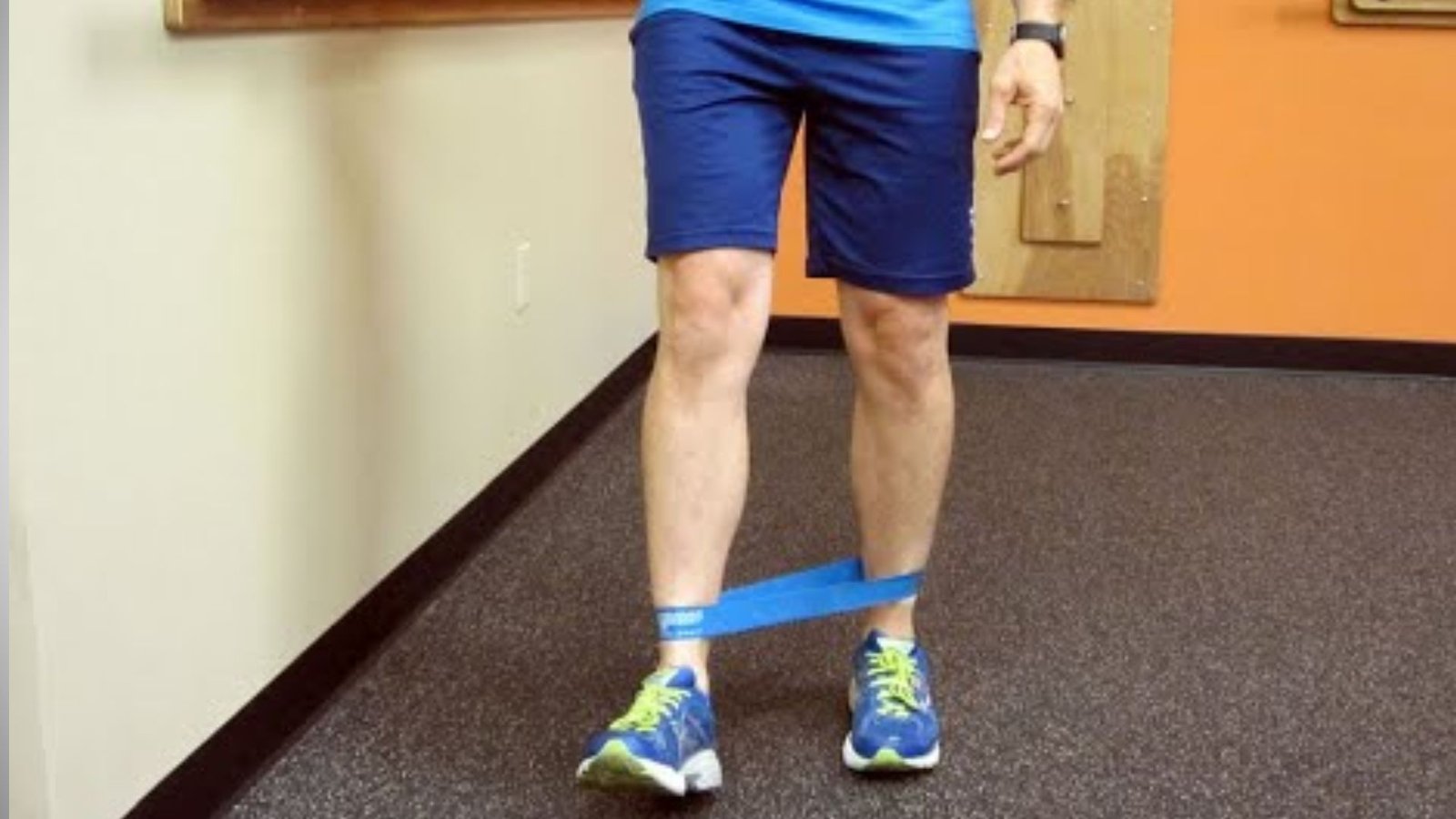
- Thighs and hips: from barbell squats, leg presses, or resistance band exercises that create pressure
- Upper arms and shoulders: from heavy barbell work, shoulder presses, or contact during sports
- Hands and wrists: from gripping weights too tightly or improper hand positioning on bars
- Knees: from lunges, kneeling exercises, or direct impact during floor work
When Should You Be Concerned About Bruising?
Most bruises are harmless and heal within 7 to 10 days. But sometimes you need to pay closer attention.
- Bruises are unusually large or occur without a clear cause: If you can’t remember injuring yourself but keep finding new bruises, something else might be happening in your body.
- You experience frequent bruising or it appears in unusual areas: Easy bruising that happens too often, or bruises on your abdomen and torso, aren’t normal and deserve a doctor’s attention.
- Bruising comes with pain, swelling, or fatigue: Persistent bruising can signal clotting issues or nutrient deficiencies like low vitamin C or K, so don’t ignore these warning signs.
How to Prevent Bruises from Working Out?
You don’t have to accept bruising as part of your fitness routine. Small changes make a big difference.
- Warm up and cool down properly: This prepares your muscles, improves blood flow, reduces sudden strain, lowers capillary rupture risk, and helps prevent those annoying workout bruises.
- Improve your form and technique: Use correct lifting posture to reduce strain, keep movements controlled, avoid hitting equipment during reps, and ask for form checks when learning new exercises.
- Protect vulnerable areas: Use padded gloves for lifting, shin guards for contact-heavy workouts, supportive shoes that cushion impact, and clothing that offers proper coverage where you need it.
- Maintain a balanced diet: Add Vitamin C from citrus fruits and bell peppers, Vitamin K from leafy greens like spinach and kale, plenty of water throughout the day, and protein to support tissue repair.
- Allow rest and recovery: Schedule rest days between intense sessions because overtraining worsens microtrauma, adequate rest helps tissues heal properly, and recovery time reduces inflammation in your body.
Conclusion
So, can you get bruises from working out? Yeah, you can. And now you know why it happens.
Look, most workout bruises are totally normal. Heavy weights, tough exercises, gripping bars too hard, all that stuff can make those little blood vessels pop.
It’s not a big deal most of the time. They’ll disappear in about a week. Just pay attention to your body and don’t brush off anything that feels strange. Getting some bruises doesn’t mean you need to stop exercising.
Make sure your form is solid, always warm up, and take days off when you’re tired. If the bruises seem excessive or you’re genuinely concerned, talk to your doctor. Drop a comment if you want to chat about it. And hey, share this with your gym friends, they’re probably wondering the same stuff.
Frequently Asked Questions
Can you get bruises from working out?
Yes, bruises can occur from working out. They typically result from blood vessels breaking under the skin due to heavy lifting, intense weightlifting, repetitive movements, or direct impact during contact sports. Minor exercise bruising is normal, but frequent or unexplained bruising warrants medical attention.
Why do I bruise easily after exercising?
Easy bruising after exercise may indicate fragile blood vessels, nutritional deficiencies (vitamin C, K, or iron), dehydration, or certain medications like blood thinners. Age, genetics, and underlying health conditions can also increase bruising susceptibility. Consult a doctor if bruising becomes excessive or concerning.
How can I prevent bruises when working out?
Prevent workout bruises by warming up properly, using correct form, gradually increasing intensity, staying hydrated, and wearing protective gear when needed. Ensure adequate nutrition with vitamin C and K, avoid overtraining, and allow proper recovery time between intense sessions.
When should I worry about bruises from exercise?
Seek medical attention if bruises appear without a clear cause, are excessively large or painful, occur frequently, don’t heal within two weeks, or accompany other symptoms like fever, fatigue, or unusual bleeding. These could indicate underlying health issues requiring professional evaluation.
How long do workout bruises take to heal?
Most workout bruises heal within 2-4 weeks. Small bruises may disappear in days, while larger ones take longer. The bruise changes color from red/purple to green/yellow as it heals. Apply ice initially, then gentle heat after 48 hours to promote healing.