Since the guide will always help you when you are thinking whether it is possible to skip squats and only do the leg press, then you are not the only one. Many lifters frequently pose this question, especially when they find squatting intimidating or uncomfortable.
It is not possible for the fitness industry for the leg press to completely take the place of the squat. Both are effective for building leg strength, but squats engage more muscle groups, increase functional strength, and improve balance and coordination that cannot be replicated by machines.
Which one targets more muscles? When is each of the exercises the most effective? How to schedule each of them to reach your specific goals? These questions and more are answered, and all questions in your mind are addressed in this guide.
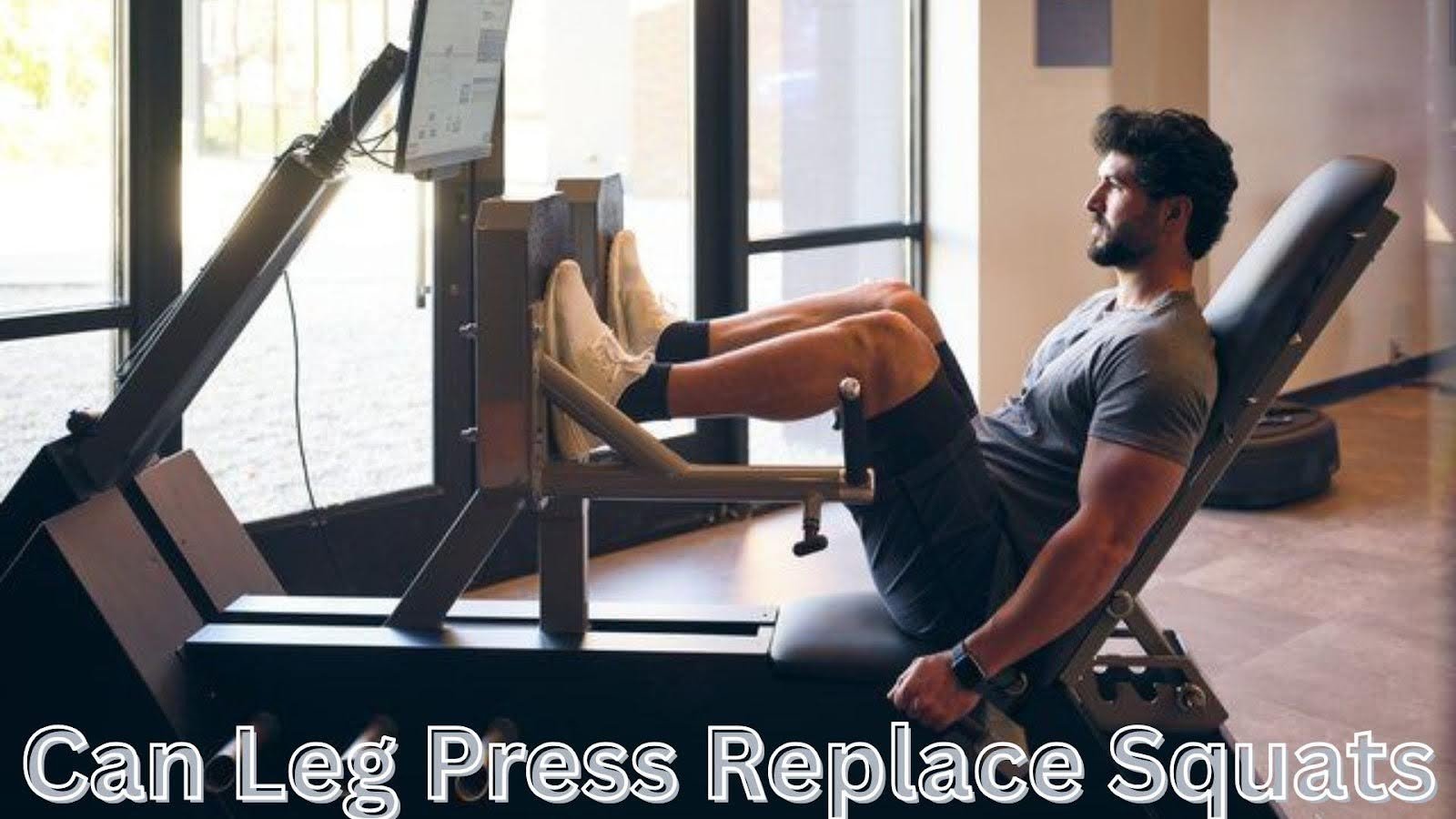
Can Leg Press Replace Squats
Ever wondered if you could skip squats and just stick to the leg press? You’re not alone, many lifters ask this when squats start feeling tough on the knees or lower back. It’s a fair question, but the answer depends on your goal.
The leg press can absolutely build strength and muscle in your quads, glutes, and hamstrings. It’s easier to learn, safer for beginners, and lets you push heavy weights without worrying about balance or core stability.
However, squats work more muscles overall and train your body more functionally. They challenge your balance, coordination, and core strength skills you’ll actually use in real life and other lifts.
Leg Press vs. Squat: The Core Comparison
When asking “Can leg press replace squats?” you need to understand what makes each movement unique and how your body responds differently to each one.
Movement Mechanics and Muscle Recruitment

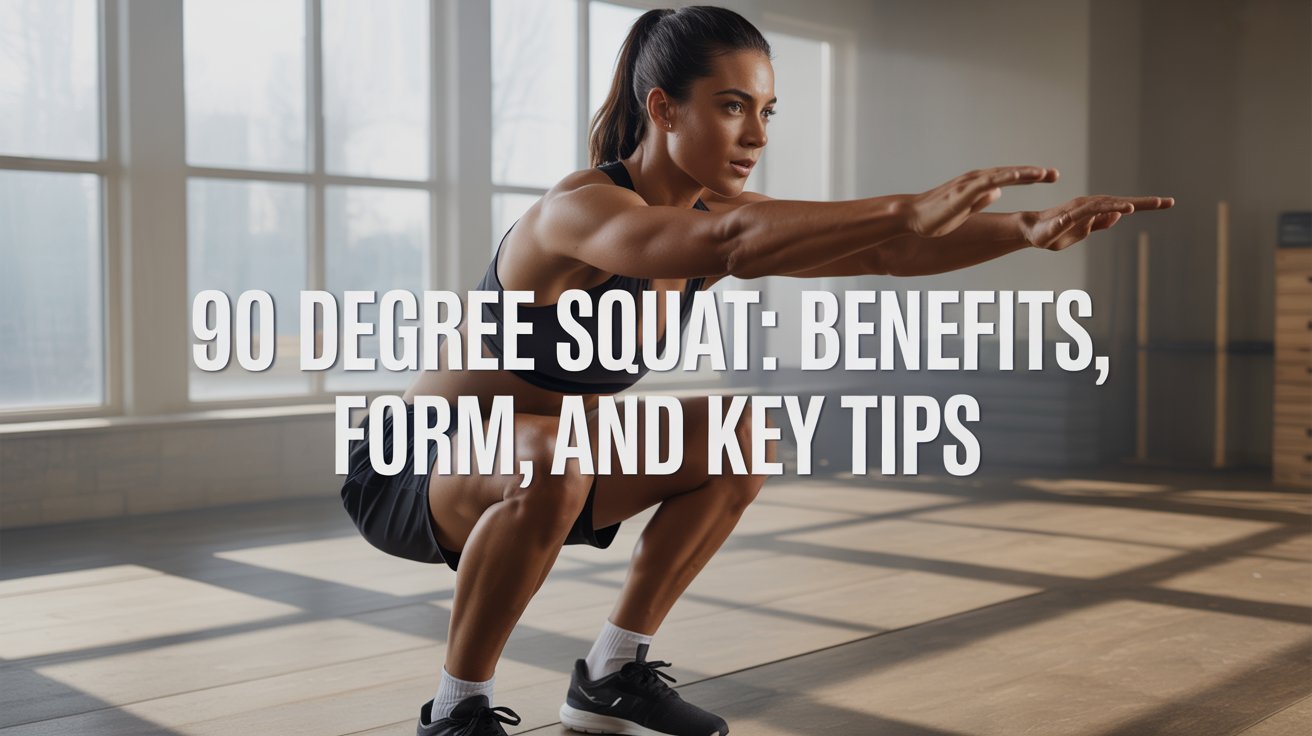
Squats are a compound, free-weight movement engaging quads, glutes, hamstrings, core, and stabilizers. Your entire body works together to control the weight through space, requiring coordination and balance at every rep.
When you squat, your abs brace your spine, your glutes drive you upward, and dozens of smaller muscles fire to keep you stable. This creates a training effect that goes far beyond just leg size.
The leg press is machine-based, primarily targeting quads and glutes with minimal core involvement. The fixed path of motion removes the balance challenge, allowing you to focus purely on pushing weight.
Functional Strength vs. Machine Support

| Aspect | Functional Strength (Squats) | Machine Support (Leg Press) |
| What It Trains You For | Squats build real-world strength. They teach your body to move as a single, coordinated unit, just like when you pick up heavy objects, climb stairs, or sprint. | The leg press focuses purely on muscle contraction. You’re locked into a fixed path, so your stabilizers and core don’t have to work. |
| Muscles Activated | Works your quads, glutes, hamstrings, calves, core, and even lower back. Every rep demands coordination and control. | Primarily hits quads and glutes, with minimal engagement of the core and stabilizers. The machine supports your body, so it’s more targeted but less total-body demanding. |
| Core Involvement | Your abs, obliques, and lower back stay fired up the whole time to keep you upright and stable. | The back pad does all the stabilizing for you. Your core barely engages, so it won’t help much with balance or posture improvements. |
| Balance and Coordination | Every squat tests your control, especially as the weight climbs. Over time, you’ll notice better balance, stronger joints, and smoother athletic movement. | The leg press eliminates the balance factor. It’s great for focusing on one muscle group, but it offers little in terms of coordination or athletic skill. |
| Risk and Safety | Squats can be risky if form breaks down, especially with heavy loads. But when done right, they’re incredibly. | Much safer for beginners or people rehabbing injuries. The machine supports your spine, removes the balance challenge, and lets you train close to failure safely. |
| Progressive Overload | You’ll hit plateaus more slowly because your whole body adapts together. Strength gains carry over to deadlifts, jumps, and everyday movements. | Easier to add plates and push limits quickly, but the strength gained here doesn’t always translate to free-weight movements. |
| Mental Challenge | Squats build mental toughness. Every set forces you to focus, control your breathing, and push through discomfort with discipline. | Less intimidating, mentally, you can grind reps without worrying about failing or losing balance. Ideal for building confidence before moving to squats. |
| Calorie Burn and Hormonal Response | Squats are metabolic powerhouses. They burn more calories and trigger higher growth hormone and testosterone responses due to total-body strain. | Still effective for muscle growth but less demanding overall, so calorie burn and hormonal impact are lower. |
| When to Choose It | Perfect if your goal is overall strength, athleticism, and functional movement. If you love feeling powerful and athletic. | Ideal if you’re recovering from injury, focusing on hypertrophy, or training around joint pain. |
| How It Feels | There’s nothing like the satisfaction of standing up from a heavy squat. It’s raw, primal, and empowering. You feel every muscle firing. | Leg press gives you that satisfying quad burn without worrying about balance. You can focus purely on pushing heavy and feeling the pump. |
Range of Motion and Joint Stress

Squats demand ankle, hip, and thoracic spine mobility to reach proper depth safely. If you lack flexibility in any of these areas, your squat form suffers, and you may experience discomfort. Many people need months of mobility work before they can squat comfortably to full depth.
The leg press allows for deep knee flexion without requiring ankle mobility or spinal flexibility. You can achieve a full range of motion for your quads and glutes even if your ankles are stiff. This makes it accessible for people with mobility restrictions who still want to train their legs effectively.
However, the fixed position can create knee stress if you round your lower back at the bottom. When your hips tuck under (called “butt wink” in squats), the leg press platform forces your knees to take more stress.
Loading Capacity and Progressive Overload

You can typically load more absolute weight on a leg press than on a barbell squat. The machine’s stability and reduced coordination demands let you handle heavier loads. This can be motivating and useful for hypertrophy training focused purely on muscle growth.
But higher numbers on the leg press don’t equal greater overall strength gains. A 400-pound squat requires more total-body strength than a 600-pound leg press because you’re stabilizing the weight yourself.
For progressive overload, both exercises work well if programmed correctly. You can add weight, increase reps, or adjust tempo on either movement. The key difference is that squat progression builds coordination and balance alongside strength.
Core Activation and Spinal Loading

Squats force your core muscles to work intensely to protect your spine under load. Your abs, obliques, and spinal erectors create intra-abdominal pressure that stabilizes your torso. This core strength transfers directly to better posture, reduced back pain, and improved performance in other lifts.
The leg press eliminates most core activation since you’re lying or sitting with back support. While this reduces injury risk for people with back issues, it also means you’re not building the core strength that makes you resilient. Your abs essentially get a free pass during leg press sets.
Spinal loading in squats can be beneficial for bone density when done correctly. The compressive forces signal your body to build stronger bones over time. However, poor form or excessive load can cause injury.
Balance and Proprioception Development

Free-weight squats develop proprioception, our body’s ability to sense its position in space. Every rep requires constant micro-adjustments to maintain balance and control. This neuromuscular training improves coordination that helps prevent falls and improve athletic performance.
The leg press provides stability that removes the balance challenge entirely. You can’t fall over or lose control of the weight path. This safety allows you to train to failure without a spotter, but it means you’re not developing the balance skills that make you more capable outside the gym.
If you only train with machines like the leg press, your stabilizer muscles stay weak. When you need to use strength in an unstable environment, like playing sports or walking on uneven gro, un, your body won’t have the coordination to protect your joints effectively.
Injury Risk and Safety Considerations

Squats carry higher technical demands that can lead to injury if form breaks down under fatigue. The movement requires proper bracing, bar path control, and depth management. Poor technique, especially with heavy weights, can strain your knees, lower back, or hips.
The leg press is generally safer for beginners or those with existing injuries. The fixed motion path and back support reduce the chance of form breakdown. You can train intensely with less risk of hurting yourself, making it ideal for rehabilitation or high-volume bodybuilding work.
That said, the leg press isn’t injury-proof. Excessive depth can round your lower back, placing dangerous stress on spinal discs. Pushing too much weight without proper foot placement can strain knee ligaments.
Training Volume and Fatigue Management

Squats create more systemic fatigue because they tax your entire body. A heavy squat session drains your nervous system, core, and legs simultaneously. This means you need more recovery time between sessions, and squats can interfere with training.
The leg press allows higher training volume with less overall fatigue. Since your core and stabilizers aren’t working hard, you can perform more sets and reps without exhausting your whole body.
For strength athletes, squats should be the priority, with the leg press as supplementary work. For bodybuilders focused purely on leg size, the leg press can handle more of the training volume. The question of “can leg press replace squats” depends.
Muscle Fiber Recruitment Patterns

Squats require high-threshold motor unit recruitment from the start due to balance demands. Even with moderate weight, your nervous system activates large portions of your muscle fibers to maintain stability.
The leg press allows you to focus on time under tension and metabolic stress. Without worrying about balance, you can use techniques like slow eccentrics, pauses, and partial reps to maximize muscle fiber fatigue.
Both recruitment patterns have value depending on your training phase. Squats build the neurological efficiency that lets you express your strength. The leg press builds the muscle tissue that increases your strength ceiling.
When Leg Press Deserves a Spot in Your Routine
Not every training phase needs to revolve around squats, and that’s perfectly fine. The leg press can be your secret weapon for building strength, confidence, and serious leg size when used at the right time in your journey.
- Perfect for Building Confidence Before Squats: If you’re new to lifting or still figuring out proper form, the leg press is your safest starting point. It helps you build leg strength and understand how your muscles work together.
- A Bodybuilder’s Best Friend for Quad Growth: When your main goal is muscle size, not just raw strength, the leg press shines. You can load it heavy, chase the burn, and push high reps safely.
- Smart Choice During Injury Recovery or Mobility Issues: Got cranky knees, a stiff hip, or lower back tightness that makes squatting tough? The leg press keeps you in the game.
- Great Tool for Fixing Muscle Imbalances and Pushing Volume: Single-leg press variations help even out strength differences between your legs. You can also use rest-pause or high-rep sets to test your endurance and build serious muscle.
- Best Used After Heavy Compound Work: Think of the leg press as your “finisher” move. Do your squats or lunges first, then hit the leg press to crank up the volume and fully exhaust your quads.
Conclusion
The leg press can be a great means of isolating the legs, building muscle, lessening the load of fatigue, and even training for injury situations, but it cannot replace squats entirely. Squats help to develop functional strength, balance, and coordination.
For the majority of people, the response to the question “Can the leg press replace squats?” is negative. You shouldn’t stay away from the leg press. Make use of both exercises strategically depending on your goals.
It is also important to think about the fact that the best exercise is the one that you can carry out safely and regularly. If an injury or a problem with mobility limits you from proper squatting, leg pressing is the way to keep your training sessions productive.
Frequently Asked Questions
Can the leg press replace squats for building muscle?
The leg press can build significant quad and glute mass, but cannot fully replace squats. Squats activate more total muscle, including core and stabilizers, providing a stronger growth stimulus. For pure hypertrophy,t he the leg press works well as a supplementary.
Is the leg press safer than squats for people with back pain?
The leg press typically causes less spinal stress than squats, making it safer for people with certain back issues. However, rounding your lower back at the bottom of the leg press can still aggravate disc problems.
How much leg press equals a squat in terms of strength?
Leg press numbers don’t directly convert to squat strength because squats require balance and coordination that the leg press eliminates. Generally, people leg press 1.5-2 times what they squat due to mechanical advantages and stability.
Can beginners start with the leg press before learning to squat?
Yes, beginners can build base leg strength safely with the leg press before progressing to squats. This approach develops muscle and confidence without technical complexity. After several weeks of leg press training.
Should I do both squats and leg press in the same workout?
Combining squats and leg press in one session works well for many training goals. Perform squats first when your energy is highest, then use the leg press for additional volume. This approach maximizes strength development from squats.