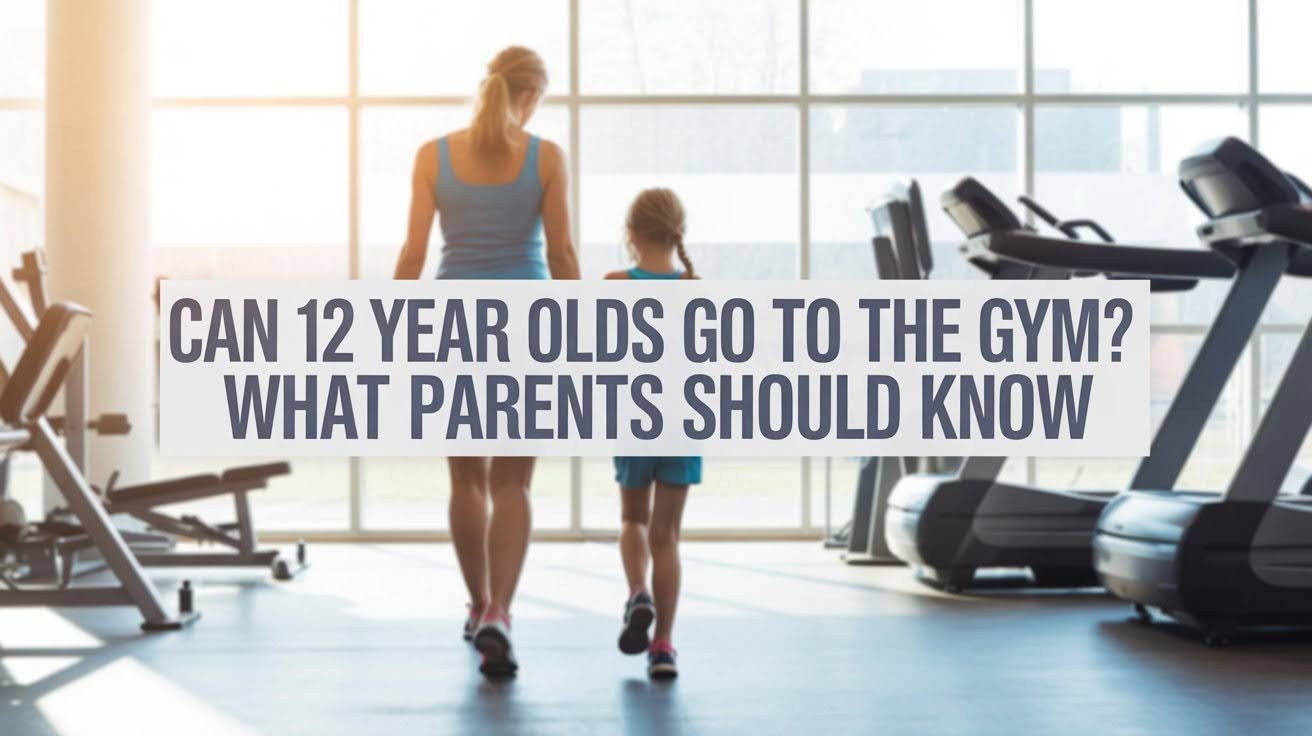
Many parents wonder if their preteen is ready to start working out at a fitness center. It’s a valid concern. You want your child to stay healthy and active, but you also worry about safety and whether gyms are the right fit for someone so young.
The good news is that most fitness centers do welcome kids this age. However, each gym has its own rules and requirements. Some offer special programs just for younger members, while others require parents to stay close by during workouts.
This article will help you understand gym policies for preteens, the benefits of early fitness training, and how to keep your child safe while exercising. We’ll also share practical tips to help you make the best choice for your family.
Can 12-Year-Olds Go to the Gym?

Yes, many gyms allow 12-year-olds to use their facilities, but the rules change from place to place. Most fitness centers require parents to sign a permission form before their child can start working out. Some gyms also ask parents to stay in the building during their child’s workout sessions.
Several fitness centers offer special youth programs designed specifically for this age group. These programs focus on teaching proper exercise form and safety. They use age-appropriate equipment and activities that match a preteen’s physical abilities.
The specific rules depend on several factors. Individual gym policies vary widely across different chains and local centers. State and local laws may also set requirements for youth fitness activities. Generally, kids can get supervised access starting around age 12, but they usually can’t work out alone until they turn 16. Traditional gyms have stricter rules than specialized kids’ fitness centers.
7 Reasons Why Gyms Allow 12-Year-Olds?
When parents ask, “Can 12-year-olds go to the gym?” the answer reflects a growing understanding of youth fitness benefits. Here are seven solid reasons why gyms open their doors to this age group when proper safety measures are in place.
1. Builds a Strong Fitness Foundation Early

Starting gym workouts at age 12 helps kids form healthy habits during an important time in their lives. When preteens learn to exercise regularly, they’re more likely to keep these habits as adults. Regular physical activity becomes a normal part of their daily routine, just like brushing their teeth or doing homework.
Early exposure to fitness also creates positive feelings about exercise. Instead of seeing workouts as a chore, kids who start young often view physical activity as fun and rewarding. This positive mindset helps them stay active throughout their entire lives, reducing their risk of health problems later on.
2. Supports Physical Growth and Development

Exercise that matches a child’s ability level helps strengthen their muscles and bones during growth spurts. At age 12, kids are going through major physical changes. The right kind of workout routine supports healthy bone density and muscle development. This foundation protects them from injuries and health issues as they get older.
Regular gym sessions also improve coordination and motor skills. Preteens develop better balance, flexibility, and body awareness through structured exercise. These physical improvements help them perform better in school sports and daily activities. Additionally, consistent exercise helps maintain a healthy body weight during puberty when hormones can affect body composition.
3. Enhances Mental Health and Academic Performance

Physical activity is one of the best ways to manage stress, anxiety, and mood changes that come with adolescence. When 12-year-olds go to the gym regularly, they release endorphins that naturally boost their mood. Exercise provides a healthy outlet for emotional energy and helps kids feel more balanced throughout the day.
Working out also sharpens mental focus and concentration. Studies show that kids who exercise regularly perform better in school. They can pay attention longer in class and retain information more easily. Beyond academics, regular exercise builds confidence and self-esteem as kids see themselves getting stronger and reaching fitness goals.
4. Provides a Structured, Safe Environment

Fitness centers offer professional supervision that ensures kids use proper form and technique. Trained staff members can spot potential problems and correct them before injuries happen. This guidance is especially important for preteens who are still learning how their bodies move and work.
Working out at a gym is often safer than many unsupervised outdoor activities. Equipment at fitness centers includes safety features and regular maintenance checks. The controlled indoor environment protects kids from weather extremes and other outdoor hazards. Staff members are present to respond quickly if any problems arise.
5. Teaches Discipline and Goal Setting

Regular gym attendance helps preteens develop commitment and stick to a routine. They learn to show up consistently, even when they don’t feel like it. This discipline carries over into other areas of life, including schoolwork and personal responsibilities.
Fitness training introduces kids to the concept of progressive improvement. They set small goals, work toward them, and see real results. This process teaches patience and the value of steady effort. Kids learn that success comes from consistent work over time, not instant results.
6. Improves Athletic Performance

Gym workouts complement school sports programs by building overall strength and endurance. When 12-year-olds go to the gym, they develop physical abilities that help them in multiple sports and activities. A stronger, more conditioned body performs better whether playing soccer, basketball, swimming, or running track.
Proper strength and conditioning also reduces the risk of sports-related injuries. Kids with better muscle strength and flexibility are less likely to get hurt during athletic activities. They recover faster when minor injuries do occur because their bodies are in better overall condition.
7. Fosters Social Skills and Teamwork

Gyms provide opportunities for preteens to meet other kids who share similar interests in health and fitness. These friendships often have a positive influence because they’re based on healthy activities. Kids encourage each other to stick with their workout routines and celebrate each other’s progress.
Youth fitness programs teach cooperation and mutual support. Kids learn to cheer for others and offer encouragement during tough workouts. They see firsthand how positive peer influence can make challenging activities more enjoyable. These social skills benefit them in school, sports, and other group activities.
Important Safety Tips for 12-Year-Olds at the Gym
Safety should always come first when preteens start working out at fitness centers. Following proper guidelines protects young people from injuries and helps them build positive, lasting relationships with exercise.
- Always obtain parental consent and check if the gym requires you to supervise your child’s workouts or allows independent exercise.
- Start with a professional orientation session where a trainer shows proper equipment use and safety procedures.
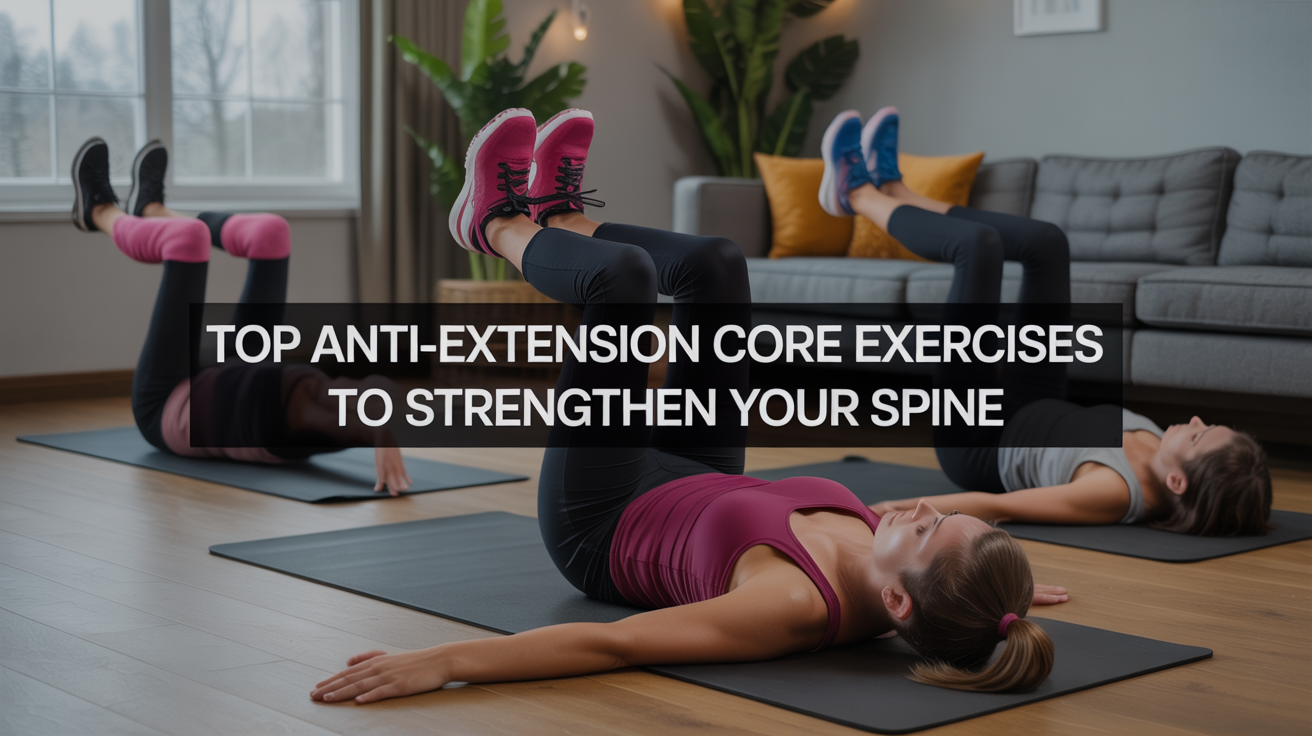
- Focus on bodyweight exercises like pushups, squats, and planks before adding any resistance training.
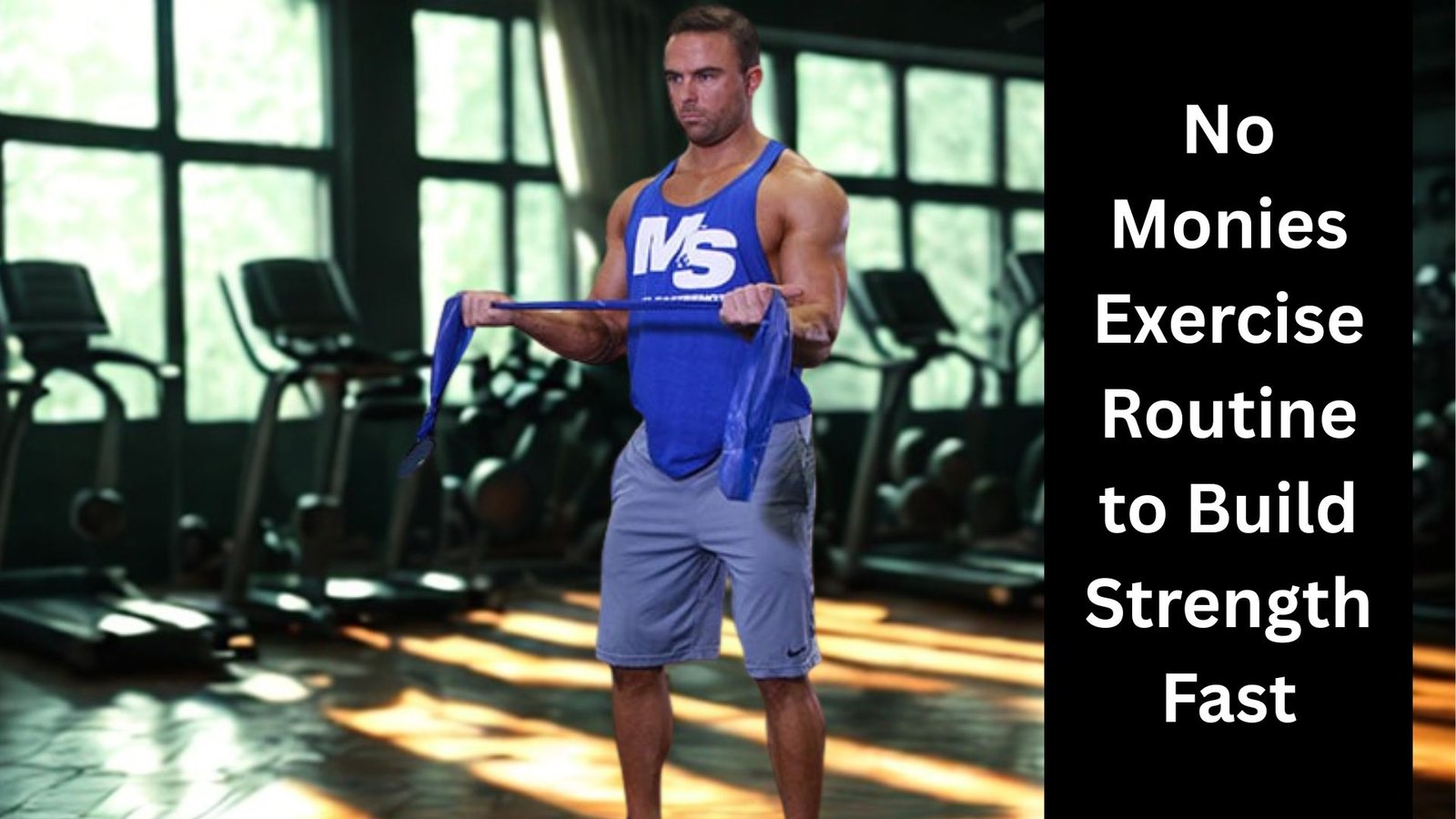
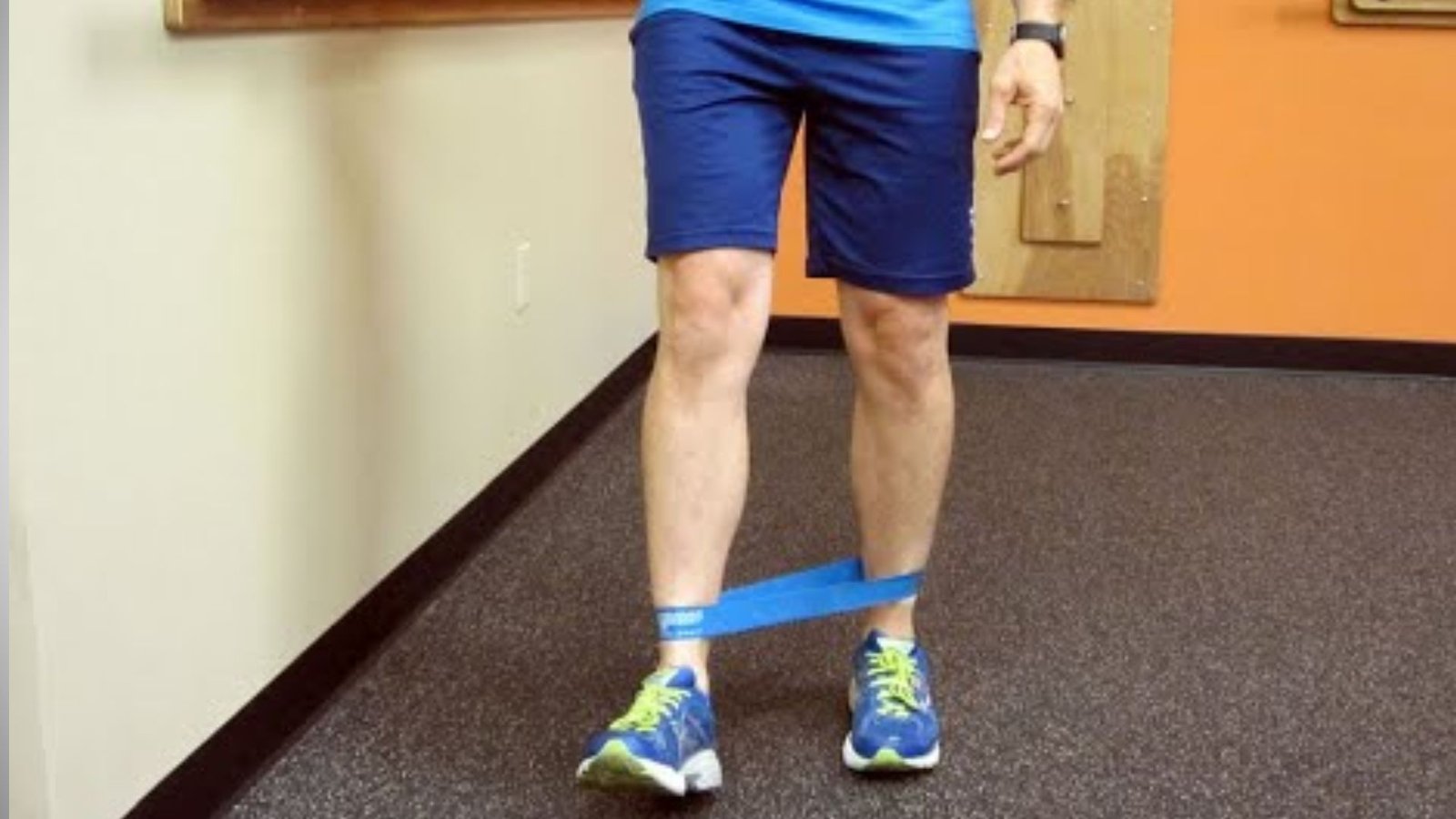
- Use age-appropriate equipment, including cardio machines, light dumbbells, and resistance bands.
- Avoid heavy free weights, Olympic lifting, and advanced weight machines designed for adults.
- Always warm up for 5 to 10 minutes before exercising and cool down afterward with gentle stretching.g
- Stay hydrated throughout the workout by keeping a water bottle handy and drinking regularly.y
- Listen to your body and stop immediately if something hurts or feels wrong
- Follow all gym rules and don’t hesitate to ask trainers for help when needed
- Consider enrolling in youth-specific fitness programs designed for this age group with proper supervision
Rest days are just as important as workout days. Young bodies need time to recover and grow. Overtraining can lead to burnout and injuries that could turn kids away from fitness permanently.
Conclusion
So, can 12-year-olds go to the gym? Absolutely, and they can gain real benefits from doing so. With the right supervision, appropriate exercises, and proper safety guidelines, preteens can safely build strength, confidence, and healthy habits that last a lifetime.
Parent involvement makes all the difference. Your guidance helps ensure your child exercises safely and gets the most from their gym experience. Each fitness center has different policies, so take time to research what’s available in your area.
Ready to get started? Contact local gyms today to ask about their youth programs and membership policies. Many offer free trial sessions or tours so you and your child can see if it’s the right fit.
Frequently Asked Questions
What Equipment Can a 12-Year-Old Safely Use at the Gym?
Twelve-year-olds can safely use cardio machines like treadmills, bikes, and ellipticals. They can also do bodyweight exercises and work with light dumbbells or resistance bands. Avoid heavy free weights and complex machines designed for adults.
Do I Need to Stay With My Child During Their Workout?
Most gyms require parents to stay in the facility when 12-year-olds work out. Some allow independence in supervised youth programs. Check your specific gym’s policy, as rules vary by location and membership type.
How Often Should a 12-Year-Old Work Out?
Preteens should aim for 60 minutes of physical activity daily, but gym sessions can be 2 to 4 times per week. Each workout should last 30 to 45 minutes. Rest days are important for recovery and growth.
Are There Alternatives to Traditional Gyms for This Age Group?
Yes, several alternatives exist. Youth sports leagues, martial arts classes, swimming programs, and rock climbing centers offer structured fitness. Community recreation centers often have age-specific programs. Home workout routines using bodyweight exercises are also effective.
Will Strength Training Stunt My Child’s Growth?
No, this is a myth. Proper strength training with age-appropriate weights does not stunt growth. In fact, it strengthens bones and muscles during development. The key is using the correct form and avoiding excessive heavy weights.